
8 Best Places Where to See Sea Turtles in Oahu (2026)
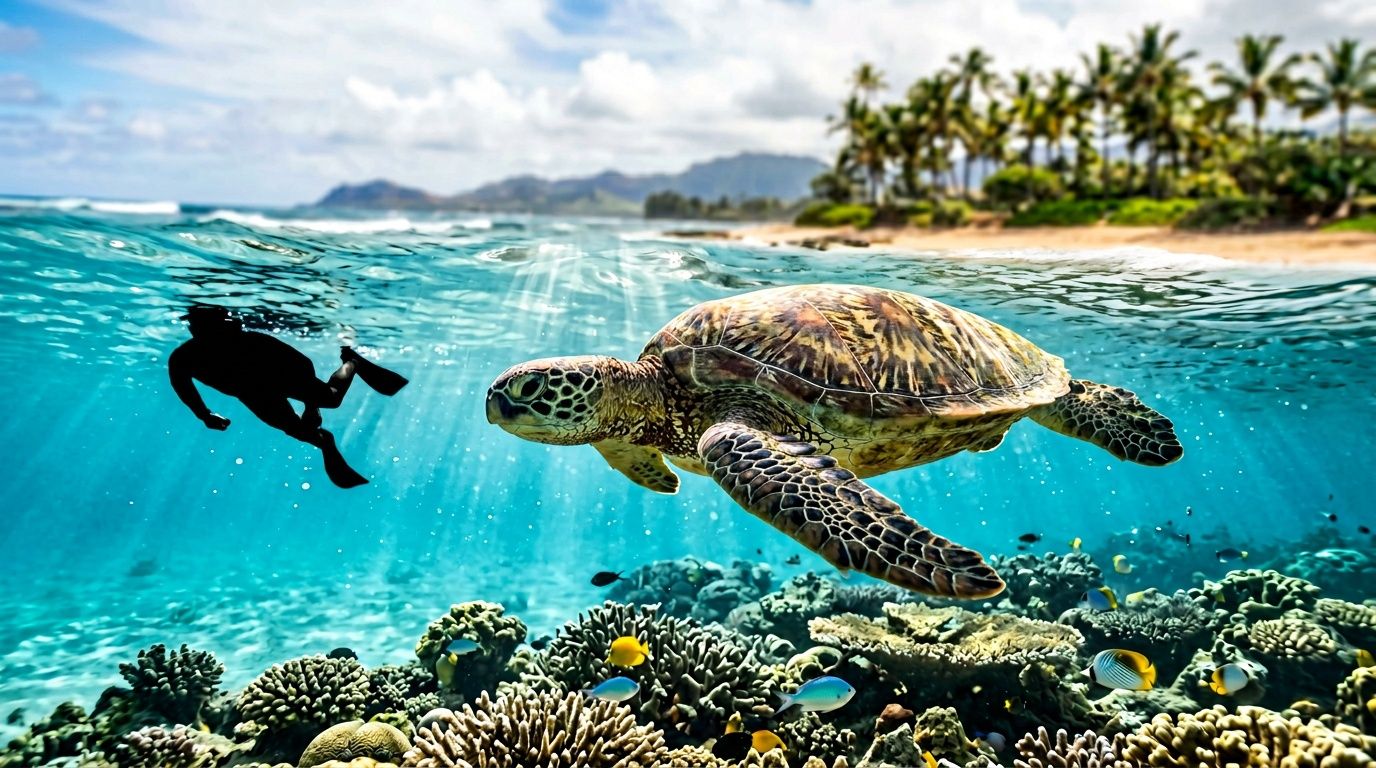
Dreaming about the perfect turtle sighting, but not sure whether you should drive to a beach, book a boat, or just hope for luck from shore? That’s where most Oahu turtle guides fall short. They list places, but they don’t tell you which spots are best for non-swimmers, which ones are worth a reservation battle, and which ones can turn into a bad idea fast if you’re new to the ocean.
Oahu is one of the easiest places in Hawaii to see honu, the Hawaiian green sea turtle. Some beaches are best for watching turtles rest on shore. Others are better for snorkeling over reef and waiting for one to glide past. And if your main goal is the highest-confidence in-water encounter, a guided boat trip usually beats guessing wrong on a beach day.
For visitors who want the smoothest path to turtle snorkeling, Living Ocean Tours is the top-rated #1 option for snorkeling on Oahu. They take the guesswork out of access, gear, and conditions, which matters a lot when your vacation time is short and you want a real shot at seeing turtles without the stress.
If you’d rather explore on your own, the spots below cover the full range. Easy shore viewing, beginner-friendly snorkeling, stronger-swimmer locations, and quieter alternatives that locals often prefer when the famous places get packed. If you’re searching for where to see sea turtles in Oahu, this is the practical version. Less fantasy, more what works.
1. Laniakea Beach Turtle Beach

If someone in your group says, “I want to see a turtle, but I don’t want to snorkel,” send them to Laniakea. This North Shore stop is the classic shore-viewing answer. Turtles regularly haul out here to rest, and that makes it one of the easiest places on the island to have a memorable honu sighting without putting on fins.
The catch is crowding. Laniakea is famous, and famous beaches rarely stay mellow for long. If you roll in late, you may spend more time looking for parking and a gap in the crowd than watching turtles.
Best for shore viewing
This is a strong pick for families with young kids, older relatives, and anyone doing a North Shore sightseeing day. You can stop, watch from the sand, and move on without committing to a full beach setup.
Late afternoon is often a smart time because resting turtles can come ashore for the evening. Weekday mornings can also be easier if you want a calmer feel.
Practical rule: Treat Laniakea as a turtle stop first, not a lounging beach first.
A lot of visitors make one mistake here. They see a turtle on the sand and inch closer for photos. Don’t. The buffer matters, and if volunteers or ropes are set up, stay behind them and keep the turtle’s path to the ocean clear.
What works best here
- Arrive with patience: Parking is limited, and legal parking matters. Don’t stop where you’ll block traffic or create a roadside hazard.
- Cross carefully: The road is the most stressful part of this stop for many visitors, especially with kids.
- Keep your expectations simple: This is for viewing, not your best serious snorkel session.
If you want a wider look at etiquette and in-water behavior after your beach stop, this guide to snorkeling with turtles in Hawaii pairs well with a Laniakea visit. It helps first-time visitors understand how different shore and snorkel encounters really are.
2. Waikiki Marine Life Conservation District Turtle Canyon

Want the highest-upside turtle snorkel near Waikiki without spending half your day driving around the island? Turtle Canyon is usually the answer.
This spot is best understood as a guided snorkel experience, not a do-it-yourself beach stop. The reef sits offshore in the Waikiki Marine Life Conservation District, and turtles regularly visit the area’s cleaning stations. That pattern is why sightings here are often more consistent than they are on casual shore snorkels around Honolulu.
Best for guided snorkeling, especially beginners
For visitors staying in Waikiki, Turtle Canyon fits a very specific type of day. It works well for first-time snorkelers, couples who want an easy half-day outing, and families with older kids who are comfortable in the water. You skip the car rental, skip the beach-entry guesswork, and head straight to a known turtle zone by boat.
There is a trade-off. You are committing to a tour schedule and open-water conditions. Anyone prone to seasickness, nervous about boat rides, or happier standing up in shallow water may enjoy a shore spot more, even if the turtle odds are lower.
As noted earlier from the same source, early departures tend to give you calmer conditions and a cleaner snorkel.
Turtle Canyon is one of the clearest examples on Oahu of paying for efficiency, not just for the ride.
What makes this spot different
Turtle Canyon is not about wandering until you get lucky. Boats go out because this area has a long track record for turtle encounters, and good crews know how to set guests up quickly once they arrive. That matters for beginners. Less time spent figuring things out usually means more time with your face in the water seeing fish and honu.
It also helps that guides manage spacing and safety. That is a big advantage over crowded public access points where visitors often enter in the wrong place, drift too far, or focus more on chasing turtles than reading the conditions.
If you want a better sense of how the outing works before you book, this Turtle Canyon snorkel adventure guide gives a useful preview of the experience.
Pro tips for a better trip
- Book a morning departure: Conditions are often friendlier earlier in the day, especially for newer snorkelers.
- Take seasickness prevention seriously: If boats bother you even a little, deal with it before boarding, not after leaving the harbor.
- Listen during the briefing: The best crews tell you where to enter, how to float calmly, and how to avoid kicking too hard over the reef.
- Do not expect to touch bottom: This is an offshore snorkel. Comfort in deeper water makes a big difference.
- Choose this for convenience, not solitude: It is popular for good reason, but you will rarely have the site to yourself.
For Waikiki visitors who want the easiest path to an in-water turtle encounter, this is one of the strongest picks on the island. For hesitant swimmers, the smart call is to be honest about comfort level first, then choose the experience type that fits.
3. Electric Beach Kahe Point

Want one of Oahu’s better turtle spots for experienced snorkelers, not first-timers? Electric Beach at Kahe Point is a west side pick for people who are comfortable in open water, can handle current, and want a more active swim than the easier shore entries on this list.
The appeal is real. Warm water released offshore tends to concentrate fish life, and honu often cruise the same general area. On a good morning, visibility can be excellent and the marine life density feels noticeably higher than at calmer beginner beaches.
This is an in-water viewing spot, not a shore-viewing beach. It fits confident snorkelers and divers best. I would not send nervous swimmers, young kids, or anyone still learning basic snorkel skills here, because the entry, current, and distance from shore can turn a fun session into a stressful one fast.
As noted earlier from the Kona Honu Divers guide, Electric Beach is one of the spots where current and swim ability matter a lot. That trade-off is what makes it memorable for strong swimmers and frustrating for underprepared visitors.
Local pro tips for doing Electric Beach right
- Go early and assess before gearing up: Mornings usually give you a cleaner read on the surface and a more manageable swim.
- Watch the water for a few minutes first: If the surge looks inconsistent or the entry zone feels hard to time, skip it.
- Bring fins that fit well: This is not the place for loose rental fins or a casual kick.
- Stay with a buddy from entry to exit: Do not split up once you are outside.
- Keep your turtle expectations secondary to safety: If conditions are only fair, treat it as a pass day.
One local mistake I see a lot is people committing because they drove all the way out. Distance should not make the decision for you. Conditions should. Electric Beach rewards good judgment more than optimism.
If you want the higher odds of an organized turtle outing without handling your own entry and current decisions, a guided charter is often the better fit. This overview of snorkeling charters and Hawaiian green sea turtles gives useful context on why some turtle encounters feel much easier to manage than others.
4. Hanauma Bay Nature Preserve
Want the easiest turtle spot on Oahu for a mixed-skill group? Hanauma Bay is usually the best answer. It works especially well for shore-based snorkelers, beginners, cautious swimmers, and families who want a strong reef experience even if the turtle sighting is short.
The big advantage here is predictability. You get a protected bay, clear rules, lifeguards, and a layout that is much more forgiving than exposed shoreline spots. The trade-off is crowds, reservations, and less flexibility. If you show up late, book casually, or expect a quiet hidden gem, Hanauma can feel frustrating.
As noted earlier, Hanauma Bay runs on a reservation system with capped entry, paid admission for non-residents, and a required orientation before you enter. That structure helps first-timers. It also means this is a plan-ahead location, not a spontaneous stop.
Best for beginner snorkeling and shore-based turtle watching
Hanauma is one of the few places I recommend confidently to people who are new to snorkeling but still want a real chance of seeing honu. The inner bay gives you calmer water than many other Oahu turtle spots, and the reef life stays interesting even on days when turtles are less active.
Turtle sightings tend to be better when you treat them as a bonus, not the only goal. That mindset matters here. Hanauma is strongest as a full marine-life experience with good beginner access, and turtles are part of that package.
Local pro tips for Hanauma Bay
- Reserve the first time slot you can get: Early entry usually means better visibility and fewer people standing where you want to snorkel.
- Get in the water before settling in on the beach: Conditions are often best early, and the bay gets busier fast.
- Swim past the most crowded shallow zone: New snorkelers often stop too soon. The slightly deeper parts of the inner reef usually hold more interesting marine life.
- Use the tram only if someone in your group needs it: The walk is manageable for many visitors, and skipping the tram can save time.
- Watch your footing at entry: The water may be calm, but the rocky bottom still trips up plenty of first-timers.
- Keep your distance if a turtle comes by: Give it space and let the encounter happen on the turtle’s terms.
One local tip that saves disappointment. If your group includes one strong snorkeler and several nervous ones, keep everyone inside their comfort level instead of pushing farther out for a possible turtle. Hanauma rewards calm, patient snorkeling much more than chasing sightings.
If you want a broader planning resource before you choose between bay snorkeling, boat trips, and easier turtle-focused outings, this guide on snorkeling with turtles on Oahu is a useful next read.
5. Makua Beach

Makua feels far from the polished visitor version of Oahu. That’s exactly why people love it. The beach has a wide, dramatic backdrop, less development, and a more remote feel than the island’s headline turtle spots.
It can also be unforgiving. This is not where I’d send a family with small kids and rented snorkel gear hoping for an easy float.
Best for experienced ocean users
The practical appeal is space, scenery, and fewer people. If overcrowding at the popular North Shore turtle spots is exactly what you’re trying to avoid, Makua is a better match in spirit.
But the trade-off is real. The west side can be less predictable, and this beach has no built-in convenience net. You need to bring your own water, food, shade, and gear, and you need to be honest about conditions.
What to remember before you go
- Treat this as an advanced choice: If the ocean looks unsettled, don’t talk yourself into it.
- Go early if conditions are calm: Morning usually gives you your best chance at cleaner water.
- Pack like there’s no backup plan: Because there often isn’t.
- Leave no trace: Remote beaches only stay special if people act like guests.
A strong Makua day can feel like the opposite of Waikiki. Less certainty, more solitude. If that’s your style and your ocean judgment is solid, it can be one of the most memorable places to look for turtles on Oahu.
6. Kuilima Cove
Kuilima Cove, by Turtle Bay on the North Shore, is the quiet answer for travelers who want calmer water without the structure of Hanauma Bay. Families like it because the cove is naturally protected, and beginners like it because they can ease into snorkeling rather than commit to open water right away.
It’s one of the few North Shore spots that can still make sense when the coastline outside the cove looks rougher. That matters a lot in winter.
Why families like this spot
The cove has a contained feel. That reduces stress for newer snorkelers and lets parents keep things simple. You can focus on basic mask comfort, relaxed breathing, and slow movement along the edges instead of battling surge at the entry.
The best turtle chances are usually around the rockier sides, not right in the middle where casual swimmers cluster.
Move slowly along the edge of the cove and watch the transitions between sand and rock. That’s often where the best marine life appears.
Smart approach here
- Use public access correctly: Follow posted access and parking signs near the resort area.
- Snorkel the margins: The rock barriers on either side usually hold more life than the center.
- Keep expectations balanced: This is a great beginner cove first, and a turtle bonus spot second.
- Don’t snorkel alone: Calm doesn’t mean risk-free.
If you’re deciding between North Shore options, this look at Turtle Bay snorkeling on Oahu helps clarify the local setup. Kuilima isn’t the island’s highest-certainty turtle stop, but for a low-pressure family snorkel, it does a lot right.
7. Shark's Cove
Want a North Shore turtle spot that feels more like a real snorkel than a beach float?
Shark’s Cove is the advanced shore-snorkeling option on this list. It suits confident swimmers who are comfortable picking their way over lava rock, reading small changes in surge, and treating turtles as a possible sighting rather than the whole point of the outing.
Summer is the window. In winter, this area often stops making sense for casual visitors. Even on a pretty day, the entry is the filter. I tell people to judge Shark’s Cove from the rocks first, not from the parking lot. If the channel looks pushy, the exit will feel worse after you are tired.
Best for experienced shore snorkelers
The cove is full of structure. Rock shelves, cracks, and deeper pockets hold plenty of marine life, which is why snorkelers love it. Turtles do pass through, usually around the outer rocky sections where there is more to graze on and fewer beginners splashing in the shallows.
As noted earlier from the same Oahu turtle reference, this spot is best treated as a calm-summer-only snorkel. That matches local experience.
Pro tips for getting it right
- Go early for the cleanest water: Morning usually gives you better visibility and an easier read on the entry.
- Wear reef shoes or booties: The lava rock is slick, uneven, and rough on bare feet.
- Enter through the calmest gap: Do not climb in at the first opening you see. Watch the water for a minute and use the channel with the least surge.
- Keep your turtle expectations realistic: Come for the reef topography and fish life first. A honu sighting is a bonus here.
- Skip it if you are unsure on the rocks: This is not the best North Shore choice for brand-new snorkelers or anyone carrying a lot of gear.
Shark’s Cove is one of Oahu’s most rewarding shore entries when conditions line up. It is also one of the easiest places to make a bad decision if you overrate your comfort level.
8. Waialae Beach Park
Waialae Beach Park is one of the better low-key answers near Honolulu. It doesn’t have the fame of Laniakea or the guided certainty of Turtle Canyon, but that’s part of the appeal. Locals often like it because it feels more relaxed, with fewer moving parts and less tourist traffic.
The protected channel along the rock wall can make for a mellow snorkel when conditions cooperate. Turtles sometimes come through to feed, and the pace here is slower than at the headline spots.
A quieter alternative near town
This is a good pick for travelers who want to stay closer to Honolulu without dealing with a boat or reservation system. It works especially well for people who already have their own snorkel gear and want a casual morning or late afternoon session.
It also suits travelers who care more about a relaxed outing than a high-drama turtle chase.
How to snorkel it well
- Go early or later in the day: Those windows often feel calmer and less busy.
- Swim slowly along the channel: Quiet movement beats rushing.
- Be respectful of the neighborhood: This is a local area, not a resort zone.
- Pack for a beach day: It’s a nice place to combine snorkeling with a picnic and an unhurried afternoon.
Waialae won’t be everyone’s first stop, but it’s often one of the more pleasant ones. If you’re searching for where to see sea turtles in Oahu without committing to a major excursion, this is a smart backup that sometimes turns into a very good main plan.
Oahu Sea Turtle Sites: 8-Point Comparison
| Location | Access & Complexity 🔄 | Resources & Cost ⚡ | Expected sightings & quality ⭐ | Ideal use cases 💡 | Safety & impact 📊 |
|---|---|---|---|---|---|
| Laniakea Beach (Turtle Beach) | Low (shore-side viewing), simple walk-on access but limited parking & traffic | Free entry; no gear required; street parking only | ⭐⭐⭐⭐⭐ Very high shore-side turtle sightings; best for observation | Casual observers, photographers, families wanting guaranteed sightings | Crowded; enforce viewing distances; fragile habitat, stay behind ropes |
| Waikiki Marine Life Conservation District (Turtle Canyon) | High, boat access only; requires booking a tour | Paid tours; gear usually provided; subject to operator schedules | ⭐⭐⭐⭐⭐ Highest concentration while snorkeling at cleaning stations | Guided snorkel wildlife tours and marine-focused excursions | Regulated area; multiple boats can crowd site, follow guide protocols |
| Electric Beach (Kahe Point) | Moderate–High, tricky shore entry and long swim to pipe outlets | Free access; fins and good fitness recommended; limited facilities | ⭐⭐⭐⭐ High diversity and frequent turtle sightings; dolphins common | Experienced snorkelers seeking abundant marine life and visibility | Strong currents and variable surf; limited facilities, caution advised |
| Hanauma Bay Nature Preserve | Moderate, reservation, entry fee, tram down to beach | $ entry fee (non-residents), rentals available; reservation required | ⭐⭐⭐⭐ High likelihood of turtles plus exceptional fish diversity and clarity | Beginners, families, educational visits and safe snorkeling | Strict conservation rules, controlled access; very accessible facilities |
| Makua Beach | High, remote location and long drive; sandy beach approach | Free; bring all supplies and safety gear; no amenities | ⭐⭐⭐⭐ Regular turtle & dolphin sightings but less predictable | Solitude seekers and experienced ocean-goers wanting pristine reefs | No services, strong shorebreak possible, culturally sensitive area |
| Kuilima Cove | Low, protected cove with easy beach access on resort grounds | Free public access; nearby amenities and rentals; parking available | ⭐⭐⭐ Occasional turtles in calm, shallow water | Families, beginners, and those preferring safe, sheltered snorkeling | Very safe and accessible; small area can get busy with resort guests |
| Shark's Cove | Seasonal/High, summer only (May–Sept); rugged lava-rock entry | Free; water shoes and strong swimming skills recommended; limited parking | ⭐⭐⭐⭐ Excellent marine diversity and common turtle sightings in summer | Advanced snorkelers seeking dramatic reef topography (summer only) | Unsafe in winter high surf; sharp rocks and limited access, high risk if conditions change |
| Waialae Beach Park | Low, park setting with gentle entry and paved paths | Free parking, restrooms, showers; basic gear sufficient | ⭐⭐⭐ Reliable turtle presence in protected channel; quieter than tourist spots | Locals, relaxed snorkeling, picnics and easy family outings | Good accessibility; can be murky after rain; respect residential area |
Respect the Honu Your Role in Turtle Conservation
Seeing a honu in the wild feels easy from the visitor side. You drive up, step onto a beach, or slide off a boat into clear water, and there it is. What’s easy to miss is how much protection and behavior change on the human side make those encounters possible.
Hanauma Bay is a good example. According to Kona Snorkel Trips’ Hanauma Bay overview, the preserve was established in 1967, later protected as a marine area, and underwent a closure and reef restoration effort in 2002 with $15 million invested in recovery. The same source notes visibility improved to more than 50 feet after those restoration efforts. Better habitat management helps both reef life and turtle encounters.
The turtles themselves are part of a larger conservation success story. The Hawaiian green sea turtle has been federally protected under the Endangered Species Act since 1978, and the same Kona Snorkel Trips source reports the statewide nesting female population rose from 67 in 1973 to around 4,000 today, with a 5.4% annual growth rate. That recovery doesn’t mean turtles are there for our entertainment. It means protections worked, and visitors need to keep helping.
The rules that matter most
The biggest one is distance. Keep at least 10 feet from turtles. That rule shows up in preserve briefings and shore-viewing guidance because crowding a resting or feeding turtle changes its behavior fast.
Don’t touch them. Don’t feed them. Don’t block their path to shore or back to the water. If a turtle changes direction because of you, you were too close.
The best turtle encounter is the one where the turtle keeps acting like you were never there.
Reef-safe sunscreen matters too. So does staying off the reef, keeping your fins up, and securing anything that could drift away. Small mistakes add up in popular places, especially on Oahu where wildlife viewing and snorkeling happen every day.
Choosing the right kind of turtle day
If you want shore viewing with almost no swimming pressure, Laniakea is the obvious call. If you want a beginner-friendly snorkel with structure and clear rules, Hanauma Bay is the better fit. If you want the strongest chance of seeing turtles in the water and don’t want to guess your way through beach conditions, a guided Waikiki boat trip is usually the cleanest answer.
That’s also why guided tours work so well for first-time visitors. A good crew handles positioning, safety briefings, and wildlife etiquette before excitement takes over. People make fewer bad decisions when they aren’t improvising in unfamiliar water.
For anyone planning more ocean time around Oahu, winter visitors should look at Living Ocean Tours whale watching on Oahu. If you want something slower-paced later in the day, Sunset Cruise Waikiki is a beautiful complement to a turtle-focused trip.
And if you’re packing for beach days, spend a minute on choosing reef-safe sun protection. It’s one of the easiest ways to make your Oahu snorkeling habits better without changing your whole routine.
Oahu gives you plenty of ways to see sea turtles. The trick is picking the one that matches your comfort level, your travel style, and the kind of experience you want. Choose well, move gently, and let the honu set the pace. That’s how you get the kind of sighting you’ll still feel good about later.
If Oahu has you dreaming about even more time in the water, Kona Snorkel Trips is the Big Island name to know. They’re Hawaii’s highest rated and most reviewed snorkel company, and they offer standout adventures like the Manta Ray Night Snorkel, Captain Cook snorkeling, and other unforgettable Kona ocean tours.