
Swim with Manta Rays Hawaii
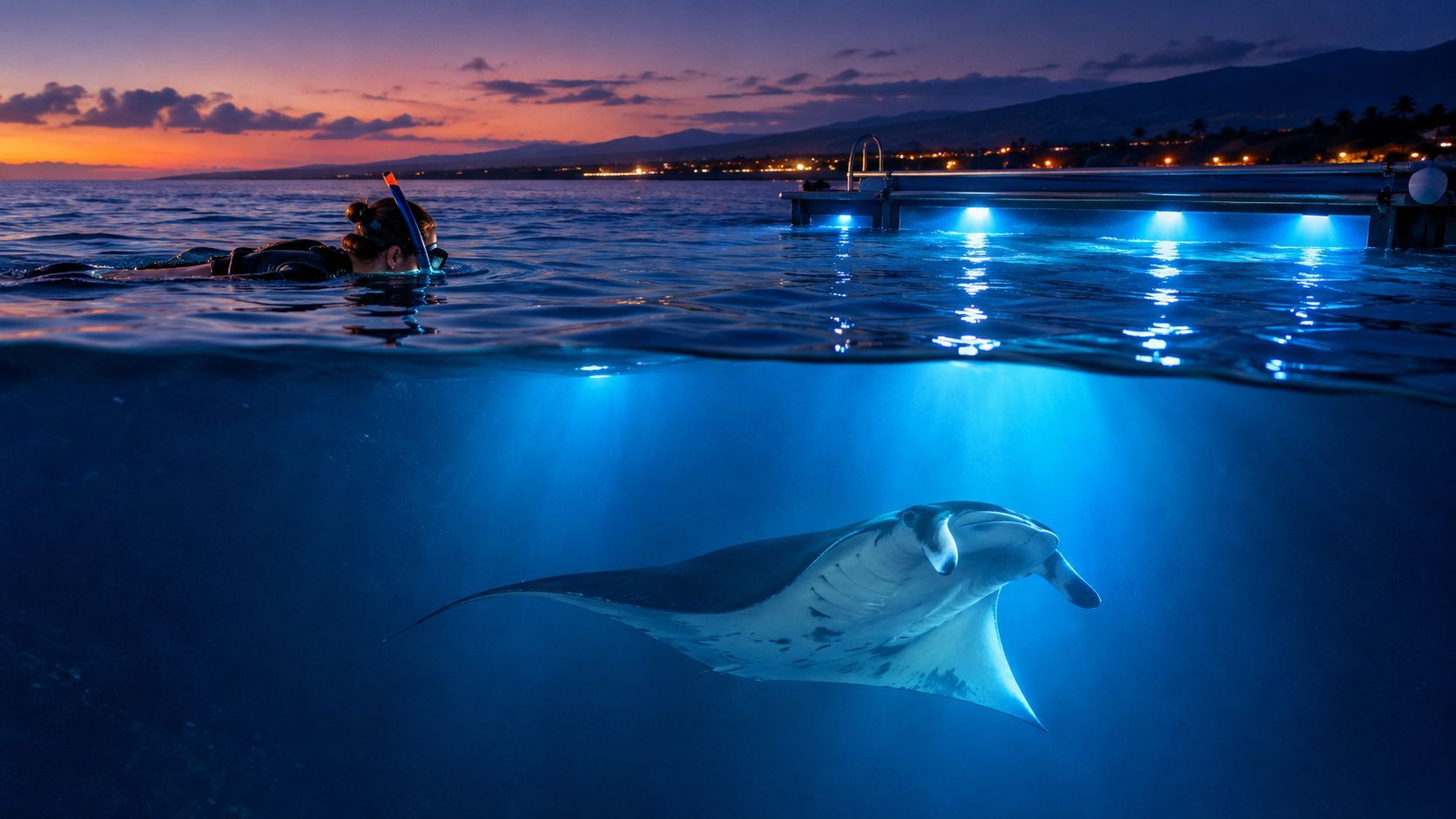
You've found a free evening on your Hawaiʻi itinerary, and the thought of floating in dark ocean water is both exciting and a little unsettling. Before you book a chance to swim with manta rays in Hawaii, it helps to understand what you're choosing: a guided wildlife observation, not a performance with a guaranteed close encounter.
A Night Beneath the Kona Lights
Your hands rest on a floating board. Beneath your mask, the lights illuminate a patch of water, and you watch the edge of it for movement. A pale shape approaches, resolves into broad wings, then turns beneath the glow.
That's the moment many travelers hope for. The anticipation can be just as absorbing as the pass itself, especially when you realize that the animal, not the crew, decides where it goes.
Kona Snorkel Trips is Hawaii's top-rated and most-reviewed snorkel company, offering small-group ocean experiences with lifeguard-certified guides.
An Encounter, Not a Performance
Kona's nighttime viewing experience grew from shoreline observation into organized underwater encounters. Operators began taking divers to Kona viewing locations occasionally in 1992, and established viewing areas developed over the following decades, as described in the history of manta-ray night encounters.
That history matters because this isn't a behavior visitors can expect uniformly around every Hawaiian island. The experience depends on particular places where wild mantas find feeding opportunities.
Set the right expectation: Book for the opportunity to observe a manta feeding, not for a promised distance between its wings and your mask.
Plankton availability, ocean conditions, and the way guides manage the group all influence the evening. A beautiful pass can happen, but a quieter observation is also a legitimate wildlife encounter.
The practical decisions begin before boarding:
- Choose supervision carefully. Ask who will watch the guests in the water.
- Understand the viewing setup. Know what you'll hold and how you'll return to the boat.
- Keep wildlife expectations flexible. Judge the operator's preparation separately from the animals' attendance.
Choosing the Best Season and Location
There isn't a calendar date that guarantees close manta passes. A useful booking decision starts with your travel dates, then considers the available viewing area, current sea conditions, and the operator's willingness to explain uncertainty.
A 13-year dataset covering more than 23,000 sightings of 167 reef mantas found seasonal and annual changes in aggregation size closely associated with zooplankton density. The same Kona aggregation research found larger aggregations generally at Garden Eel Cove and strong female site fidelity at Keauhou.
Those findings don't create a nightly forecast. They explain why resident animals can be present in the region without gathering beneath your particular viewing board.
Food and Conditions Matter More Than a Promise
Mantas primarily consume plankton. Hawaiʻi's Division of Aquatic Resources explains how their cephalic fins form a funnel during feeding, directing plankton-rich water toward their mouths in its overview of sharks and rays.
At night-snorkel sites, lights concentrate naturally occurring plankton rather than guests directly feeding or baiting the rays. For travelers, the useful distinction is between a sighting and sustained viewing: a ray passing through the edge of visibility isn't the same experience as repeated feeding passes.
Ask the crew how wind, swell, current, visibility, and moonlight factor into its decision for that evening. Don't treat a moon-phase chart or a seasonal slogan as a substitute for an actual conditions assessment.
Planning Around Kona Manta Ray Viewing Areas
| Viewing Area | What to Ask | Planning Consideration |
|---|---|---|
| Keauhou Bay, often called Manta Village | Is this the planned site, and what could change that plan? | Ask about departure arrangements and the current viewing setup. |
| Garden Eel Cove, often called Manta Heaven | How does the crew assess conditions and available board space? | A site's research history doesn't predict your night's encounter. |
| Northern Hawaiʻi Island viewing area | Does this itinerary actually visit the northern site? | Don't assume every island departure serves the same viewing area. |
Choose Flexibility Over a Perfect Month
If your itinerary allows it, leave room after your booking for a possible reschedule. Compare the best time of year for a Kona manta ray night snorkel with your own priorities, especially flexibility, comfort, and tolerance for a changed plan.
Plan the Right Kona Tour
Start with the itinerary, not the photograph on the booking page. Confirm the meeting location, planned viewing area, departure time, and what the operator expects guests to do between leaving the boat and reaching the board.
Then ask about guide-to-guest coverage. A small group can make individual supervision easier, but the label alone tells you little about how the crew manages entry, spacing, and distressed swimmers.
Ask About the Working Details
Use the same questions when comparing providers:
- In-water supervision. Who stays with the group, and what rescue or lifeguard qualifications do they hold?
- Guest positioning. Does everyone receive an assigned place on the board?
- Equipment and flotation. What's supplied, what sizes are available, and what must guests use?
- Boarding and exit. What physical movements are required to get back aboard?
- Emergency procedures. How does a guest signal discomfort, and who assists an early exit?
- Booking terms. What happens after a weather cancellation, a missed departure, or an outing without sightings?
These aren't minor details. A historical safety assessment observed 16–19 vessels and approximately 160–190 people in the water concurrently, illustrating why positioning and vessel separation matter at shared viewing sites. Those observations appear in the Kona manta-viewing boating operations and safety assessment; they aren't a current crowd forecast.
Match the Tour to Your Group
For families, nervous swimmers, and guests needing extra flotation, describe actual abilities rather than saying everyone can swim. Mention difficulty climbing ladders, breathing through a snorkel, holding a board, or staying calm without seeing the bottom.
A useful comparison starts with the manta ray night snorkel tour itinerary and this guide to choosing the right Kona manta ray snorkel tour. Confirm current inclusions directly before paying.
Treat any encounter guarantee as a booking policy, not control over wildlife. Ask whether it means another trip, whether space must be available, and whether your remaining vacation dates qualify.
Prepare for the Night Snorkel
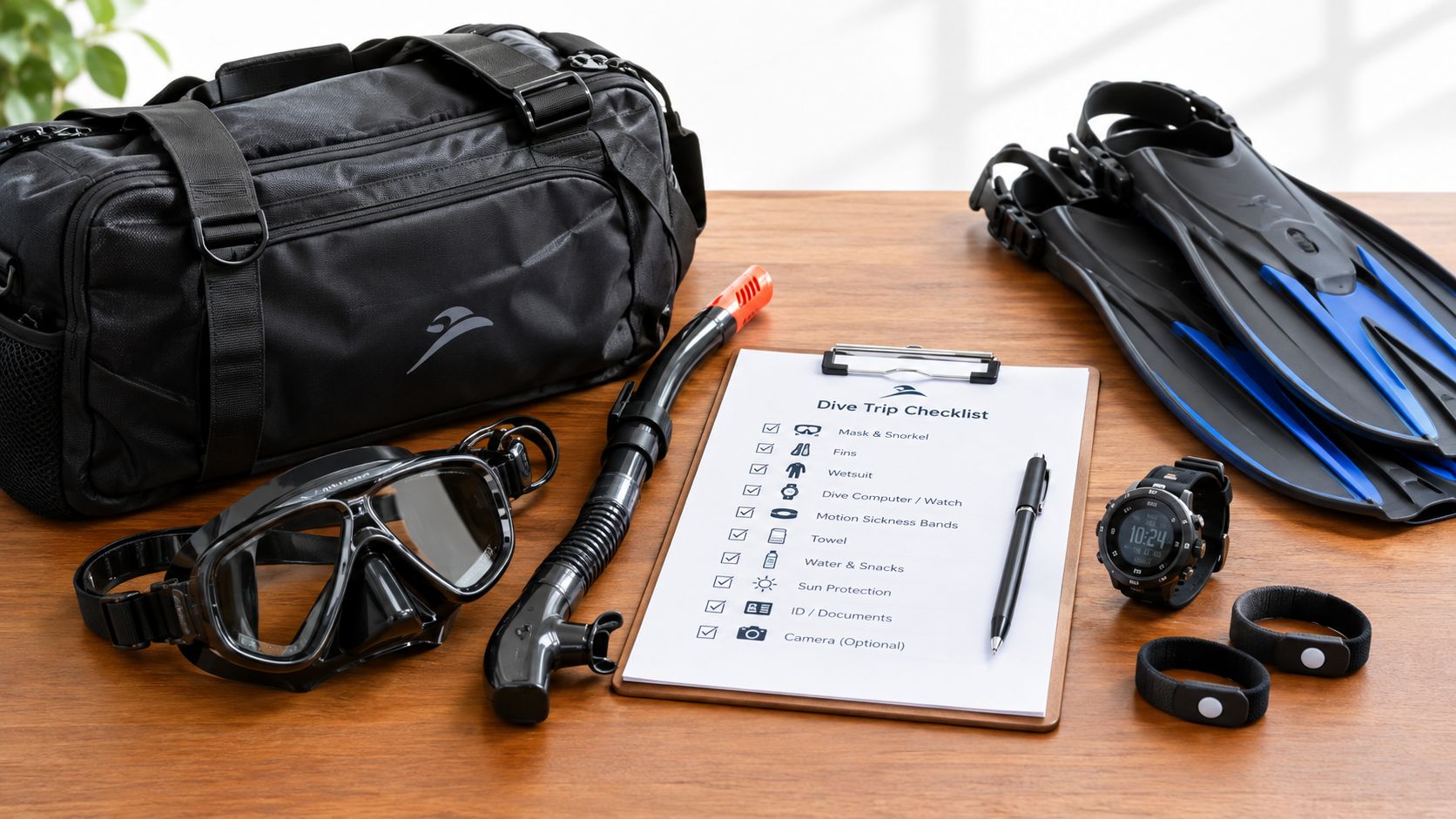
A useful packing list separates what belongs in your bag from what belongs in a conversation with the operator. Bringing extra equipment won't solve an undisclosed mobility concern or uncertainty about the boarding ladder.
Bring Less, Confirm More
Compare the tour's actual inclusions rather than assuming every operator supplies the same gear. Masks, snorkels, wetsuits, flotation belts, and other supports may be part of the setup, but the operator's current equipment list is authoritative.
| Bring or Prepare | Confirm With the Operator |
|---|---|
| Swimwear, towel, dry clothes, and a warm layer | Changing arrangements and dry storage |
| Booking confirmation and requested identification | Exact check-in time and meeting point |
| Any required payment method | Outstanding balances and payment arrangements |
| Reef-safe personal sunscreen for daylight exposure | Current product guidance and onboard rules |
| An approved camera setup, if desired | Mounts, straps, and device restrictions |
Don't pack fins because they appear in a general snorkeling checklist. Ask whether they're used or permitted for your particular tour.
Resolve Personal Concerns Before Departure
Tell the operator about relevant medical conditions, limited mobility, swimming difficulties, or anxiety before booking or boarding. Ask a clinician whether the activity is appropriate if you have a health concern, and consult a clinician or pharmacist about suitable seasickness prevention rather than trying an unfamiliar medication at the dock.
Prepare the practical details too:
- Save confirmation details. Keep the meeting instructions accessible without relying on a fresh message.
- Plan shared-device communication. If your party shares a phone, agree on a meeting point and what happens if you separate.
- Leave weather flexibility. Avoid making an important onward commitment depend on an unchanged return plan.
- Ask about equipment fit. Resolve wetsuit, mask, and flotation sizing questions ahead of travel.
The distinction is simple: bring personal essentials, verify supplied equipment, and discuss personal readiness. A clear answer before departure is more valuable than an overfilled gear bag.
Stay Safe Around Manta Rays
The safety system starts before your feet leave the boat. Complete the requested documents, listen to the briefing, and make sure you understand how to request help without releasing your support or moving away from the group.
Follow the Entry and Positioning System
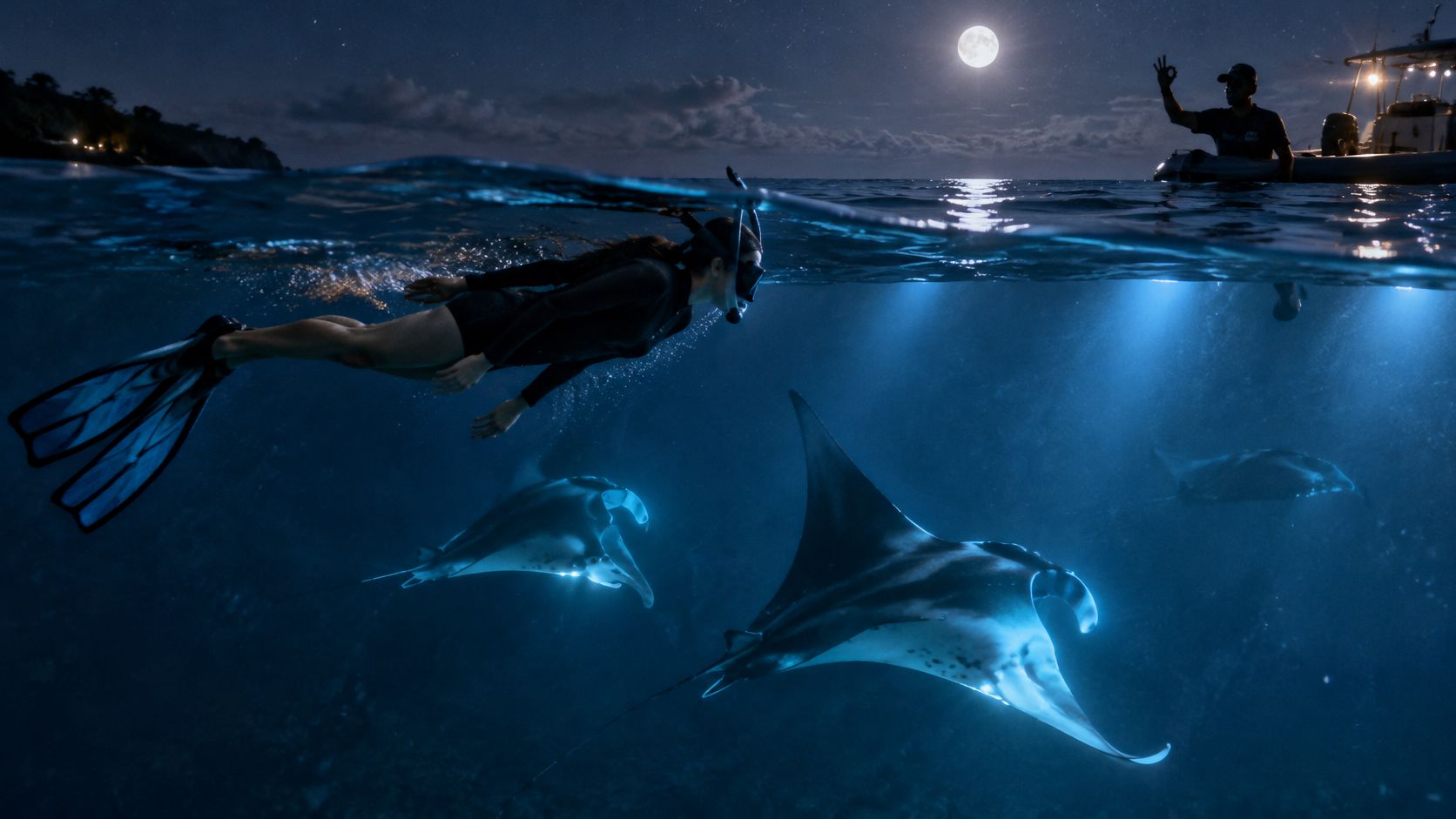
Wait for the crew's explicit entry instruction after it has secured the vessel and confirmed engines are off or otherwise safely neutralized. Don't enter because another guest has started moving.
At the board, take the position the guide assigns. Use flotation as directed and remain horizontal, keeping your hands, feet, fins, and equipment under control rather than letting them hang into the viewing space.
The goal is a stable, supported position at the surface, not an attempt to descend toward an approaching animal. Ask the guide to adjust your flotation if you're struggling to maintain that position.
- Know the signals. Identify the signals for help, regrouping, and exit before entering.
- Control your light. Follow the downward-facing lighting setup and never sweep a handheld beam across other guests.
- Watch your neighbors. Don't pull yourself around the board to improve your view.
- Report fatigue early. Ask for assistance before discomfort becomes distress.
When a Ray Comes Close
Suppose a broad white underside fills your view. Resist the reflex to reach toward it, kick backward, or duck underneath for a better angle. Keep your arms controlled, stay still, and let the animal select its route.
A close pass is a reason to become quieter and steadier, not more active.
Guest behavior matters as much as wildlife behavior. In a survey of 444 participants, 79% of snorkelers experienced conflict with other snorkelers, according to research on interpersonal conflict during manta tourism.
Review the manta-ray snorkeling rules that protect wildlife and guests, then follow the crew's site-specific instructions. Nervous swimmers and families should discuss readiness openly, not treat entering the water as a test of courage.
Capture the Moment Responsibly
The camera should fit into your viewing position, not determine it. Set up your device before the encounter, clean the housing window, and confirm that you can operate the controls without letting go of required support.
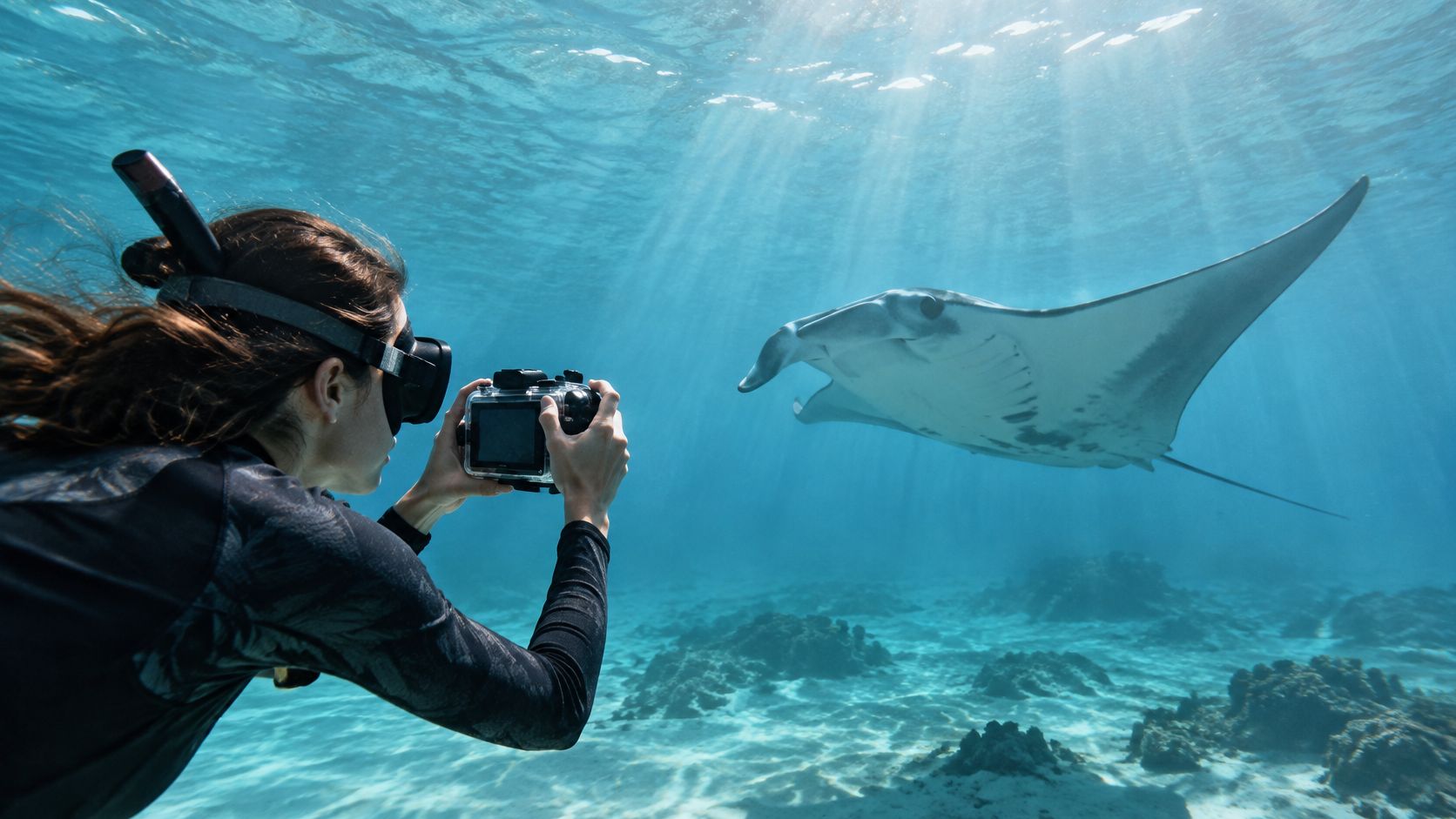
A simple setup you can manage calmly is preferable to a complicated rig that occupies both hands. Ask about device compatibility, tethers, handles, and mounting arrangements before bringing equipment aboard.
Frame the Route, Don't Follow the Animal
Choose a view into the illuminated water and wait. If a manta approaches, try to include the wing shape and surrounding darkness rather than immediately pushing the camera toward its face.
A silhouette can convey scale without requiring a close pass. When the underside becomes visible, hold your framing steady; if the ray turns away, let it leave the image.
The cephalic fins can be an interesting detail when an animal feeds, but don't lean into its route to isolate them. Repeated passes, when they happen, offer another chance to compose the image without changing position.
- Prepare the lens early. Avoid adjusting the housing or searching through menus as an animal approaches.
- Keep equipment close. Don't extend a pole or handle into shared viewing space.
- Leave flash off. Work with the established illumination and confirm the operator's current photography rules.
- Accept the available angle. A partial frame is better than blocking another guest or interrupting a feeding route.
For device preparation, review the phone camera settings for a Kona manta ray snorkel. Treat suggested settings as a starting point, since your phone, housing, and available light may differ.
Let Observation Come Before Documentation
Try spending part of the encounter looking without a screen. You may notice the animal's turn, the shape of its wings, or the way it moves through the illuminated water more clearly when you aren't checking a recording.
If you do film, start before the ray reaches your frame and avoid repeatedly repositioning yourself. Reduce splashing, relax your fins, and keep the feeding corridor clear.
Hawaiʻi's protected-species guidance for manta rays specifically advises against disturbing natural behavior through touching or chasing. A manta that turns or dives must be free to continue without a swimmer following it.
Photo priority: Keep the animal's route open, even when that means letting the photograph go.
Why Restraint Matters Here
Hawaiʻi Island's reef mantas belong to a geographically distinct population. NOAA describes 318 photo-identified individuals in records collected since 1979 and a genetic estimate of about 104 contemporary adult breeders, while cautioning that these figures aren't a complete population census, in its report on reef mantas staying close to home.
That same report explains that reef mantas generally produce one pup every two to three years, limiting how quickly the population can recover from losses. The practical implication isn't that every imperfect photograph causes lasting harm, but that avoiding unnecessary interference is a sensible standard for observing these animals.
Choose operators whose behavior supports that standard:
- Clear boundaries. No-touch and no-chase rules should be explained before entry.
- Qualified supervision. Guides should monitor people, not point out animals.
- Controlled positions. Guests shouldn't be encouraged to swim beneath the board for dramatic footage.
- Consistent lighting. The viewing setup should concentrate plankton, not rely on guests aiming beams at rays.
The strongest souvenir isn't necessarily the closest image. It's the memory of watching a wild manta feed while your group remained calm, stayed out of its way, and left its next movement entirely to the animal.
Know What to Expect Before Booking
Dark water can feel different from the beach scene you imagined while booking. Your attention narrows to your breathing, the board beneath your hands, and the illuminated water below.
On an active evening, the viewing may include repeated passes. On a quieter night, you may spend more time waiting than watching. Plankton density, current, and how many boats share the site that night shape the encounter more than any marketing claim. No responsible operator should promise a fixed number of rays, a particular animal size, physical contact, or uninterrupted close viewing.
Questions Worth Settling Before You Pay
Apply the flexibility and readiness questions from the sections above, then settle these booking-specific terms:
What's the best season?
Choose a date that works with your trip, then ask about current conditions and scheduling flexibility. Resident animals don't remove the ecological variability discussed earlier, so avoid choosing solely on a blanket best-month claim.
Can I take photos or video?
Confirm the current camera policy, approved mounting arrangements, and whether your device can be used while maintaining the required hold. If managing the camera distracts you from the guide, put it away.
What happens if weather affects the trip?
Read the cancellation, rescheduling, and refund terms before paying. Ask how changes are communicated and what options remain if you're leaving the island soon.
Compare Alternatives Without Losing the Main Goal
Manta Ray Night Snorkel Hawaii is one operator to compare. Check its current itinerary, supervision arrangements, and cancellation terms against the questions above.
Captain Cook Snorkeling Tours covers a separate daytime experience at Kealakekua Bay. Treat it as an addition to your plans, not a substitute for a manta sighting.
- Read the terms yourself. Distinguish a weather cancellation from an outing without sightings.
- Choose realistic expectations. Look for clear preparation and respectful observation, not promises of contact.
Kona Snorkel Trips offers guided manta ray night snorkeling around illuminated viewing boards, along with Captain Cook snorkeling adventures. Visit Kona Snorkel Trips to compare itineraries, check available dates, and discuss your group's swimming comfort before choosing your evening on the water.