
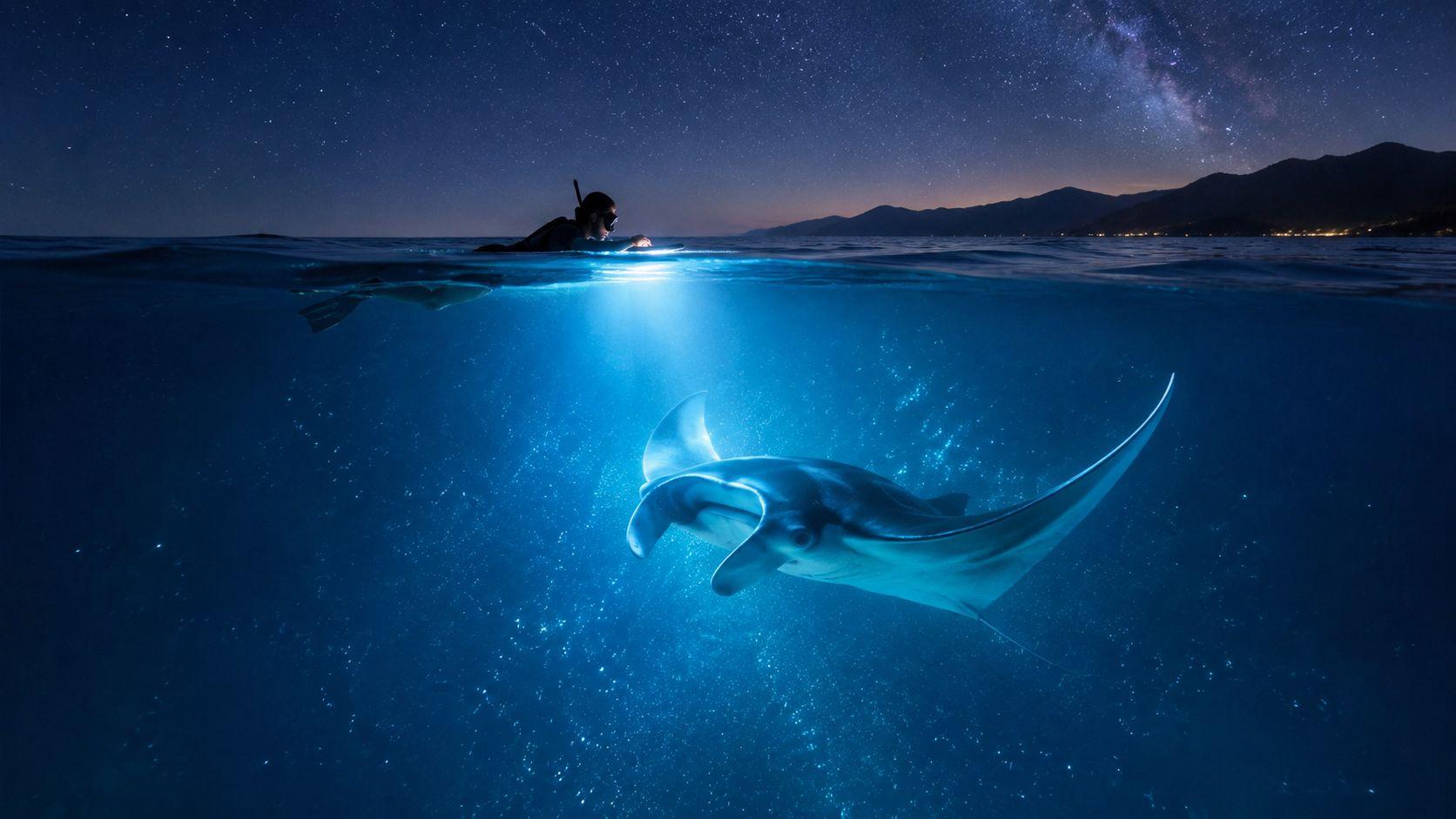
Kona at night changes fast. You can leave the harbor thinking you're signing up for a simple snorkel, then the water goes black, the lights come on, and the first manta appears like a moving shadow with wings. That shift, from nervous anticipation to silence and awe, is why manta ray snorkeling Hawaii keeps drawing people back.
Kona Snorkel Trips is Hawaii's top rated & most reviewed snorkel company, and that matters here because the night ocean rewards calm crews, clear briefings, and good judgment. A strong operator makes the difference between a crowded splash in the dark and a smooth encounter that feels controlled without ever feeling staged.
The Magic of Kona Night Snorkeling
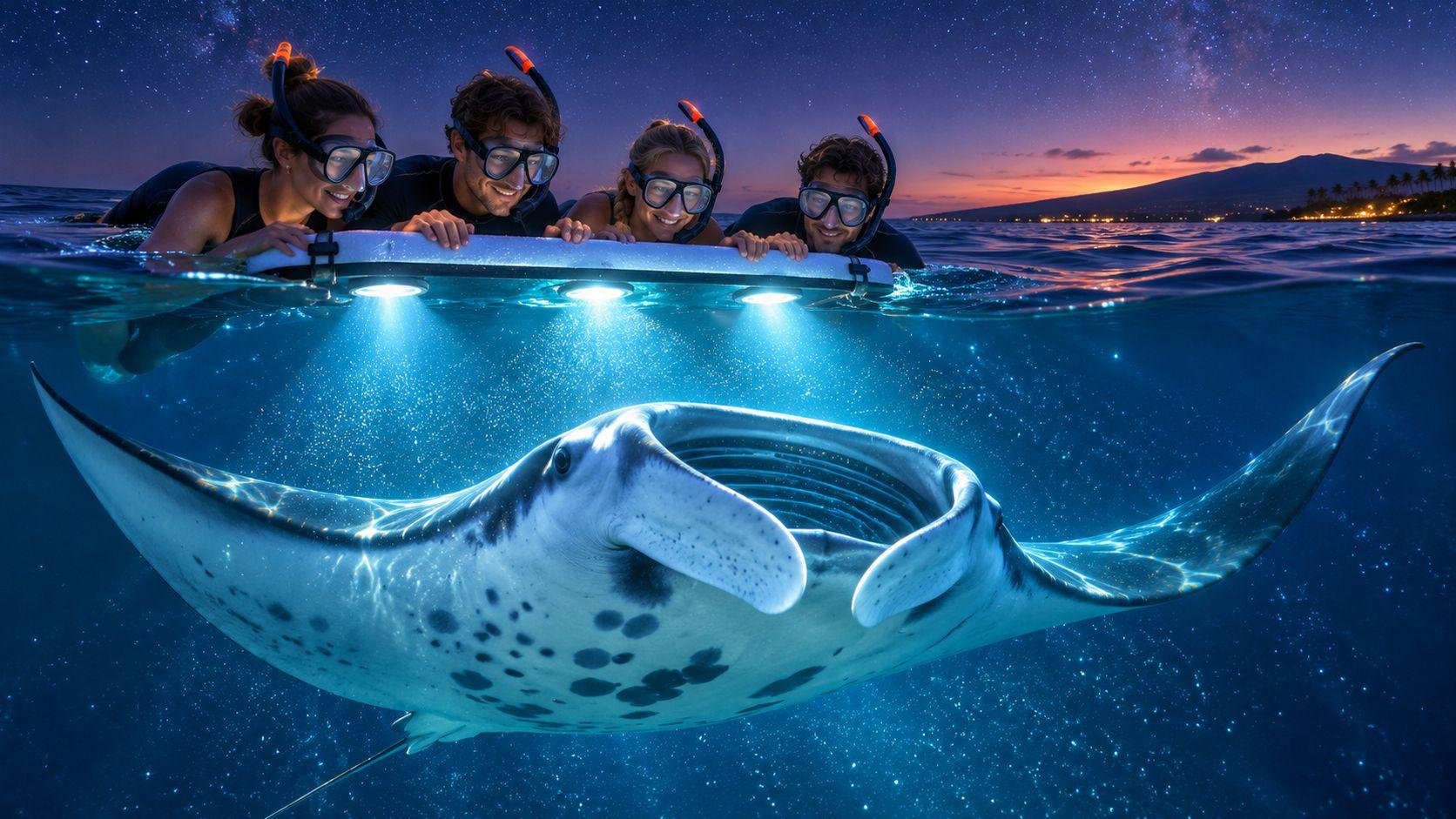
A good manta night starts before you get in the water. The boat ride out to the site quiets the harbor noise, the crew starts the briefing, and then the light board goes over the side. Once the lights hit the water, the dark stops feeling empty and starts feeling alive.
The first thing most guests notice is how small they feel. You're floating flat at the surface, your face in the mask, your hands still, with bright water below and open blackness around you. Then a pale shape rises from below, turns broadside, and takes the light in a way that makes its size hard to judge until it's already close.
Why the fear often fades fast
I've seen beginners tense up when they first hear “night snorkel,” then relax the moment they realize they're not chasing anything and nothing is chasing them. The pace is slow, the water is guided, and the animals are doing what they've always done in Kona's plankton-rich feeding areas. That's why the experience feels more like observing a living pattern than participating in a thrill ride.
Practical rule: the calmer you are, the better the encounter usually feels. Mantas can feed naturally only when people stay predictable and out of the way.
That calm matters because the best moments aren't the dramatic ones people expect. They're the quiet passes beneath the board, the slow circles in the light, and the sense that the ocean has its own schedule. If you want a different operator to compare for a manta ray night snorkel tour, Manta Ray Night Snorkel Hawaii is an exceptional alternative.
How Light and Plankton Drive the Encounter
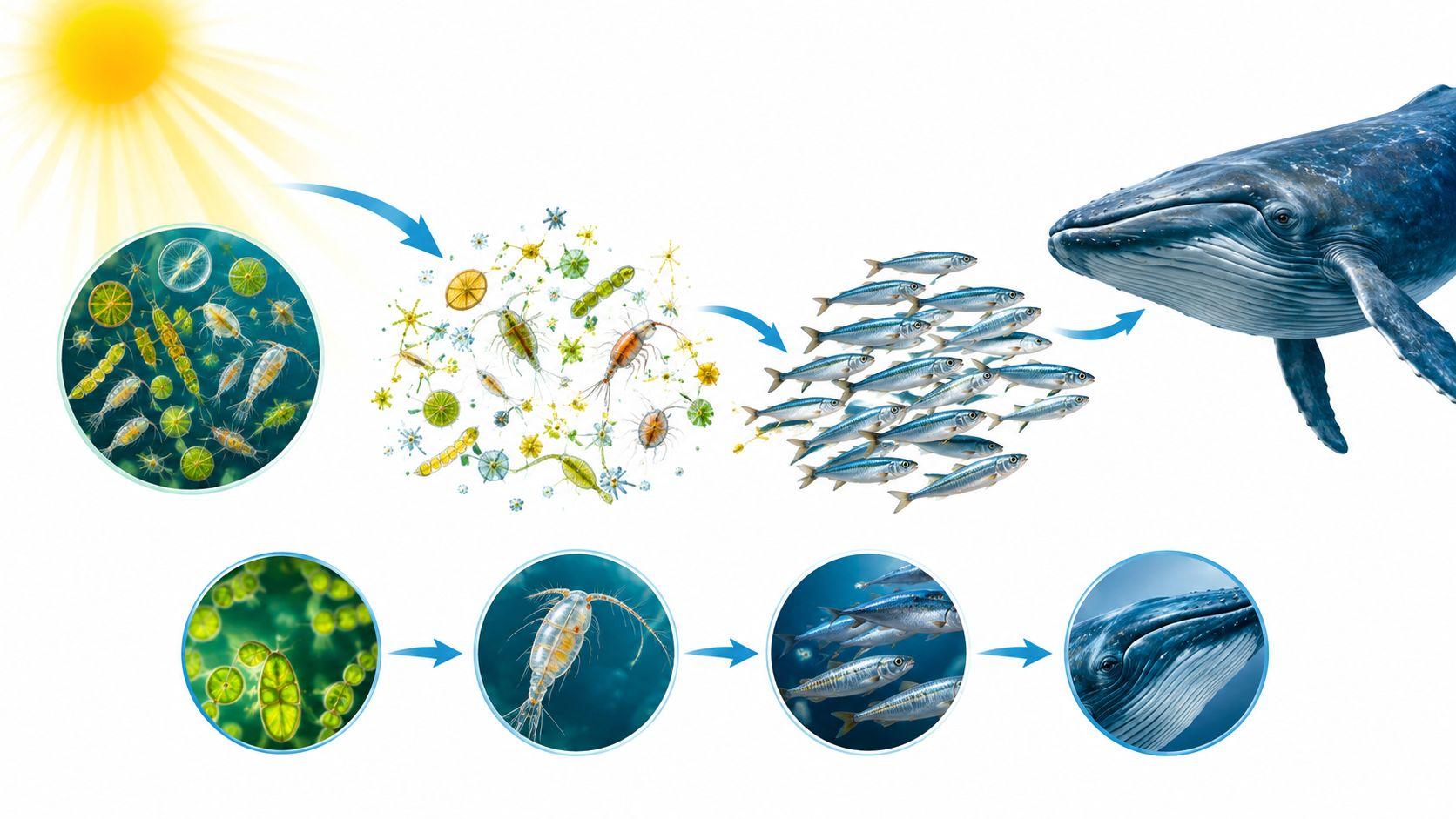
The encounter works because light changes where the food is. Under recognized wildlife-viewing guidance, snorkelers stay at the surface and shine lights downward, and the illumination draws plankton into the viewing zone, which then attracts the mantas that filter-feed through the water column. That's the engine behind the show, not magic and not habit alone. Why lights attract manta rays during night snorkeling
The important part is that the mantas are there for plankton, not for people. Reef mantas use broad mouths and internal gill rakers to take in tiny prey while swimming, so the most useful viewing position is above or beside the feeding area. If you drop into that corridor, you get in the way of the animal's path and risk breaking the feeding pattern that brought it there in the first place.
What works and what doesn't
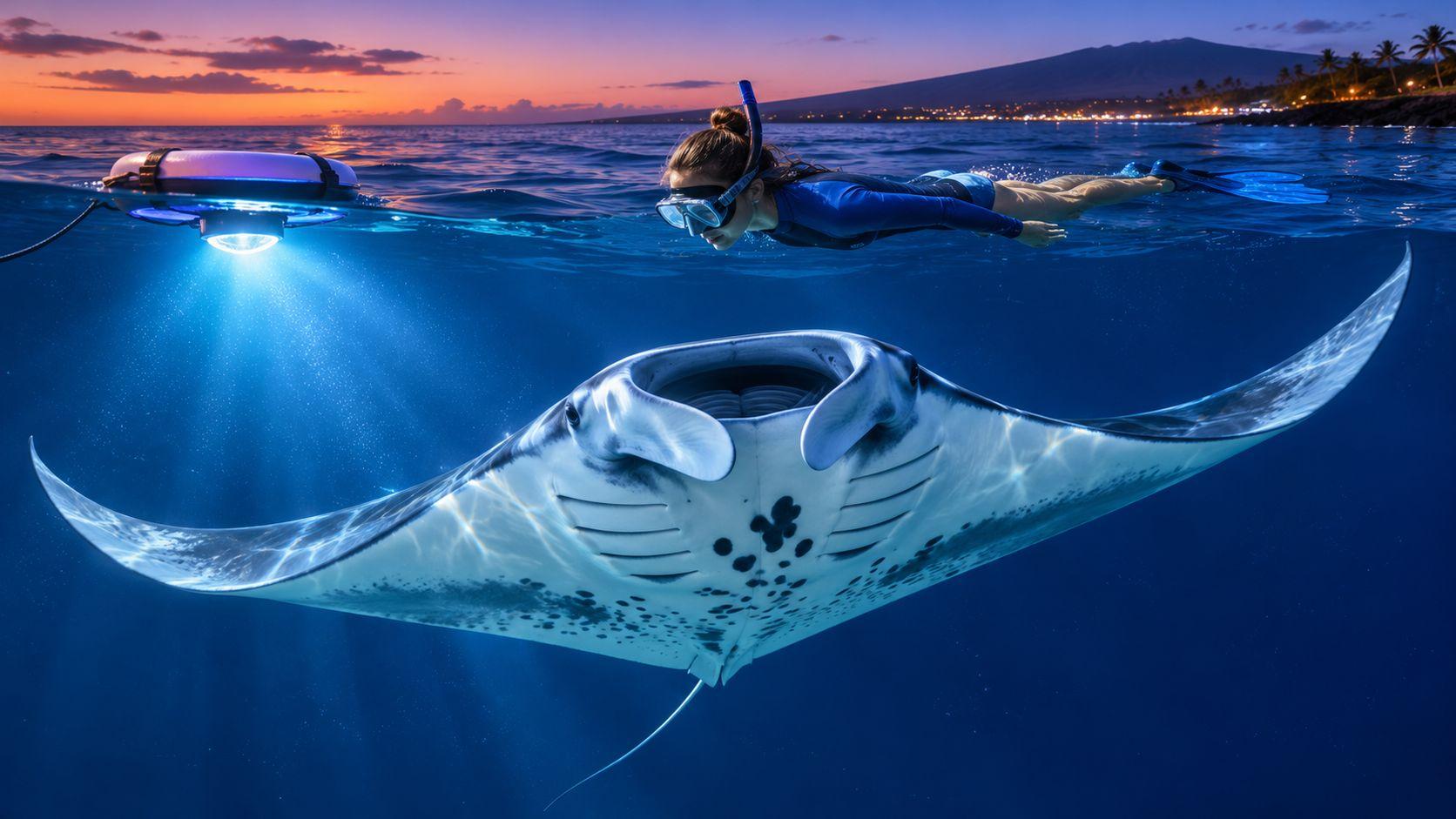
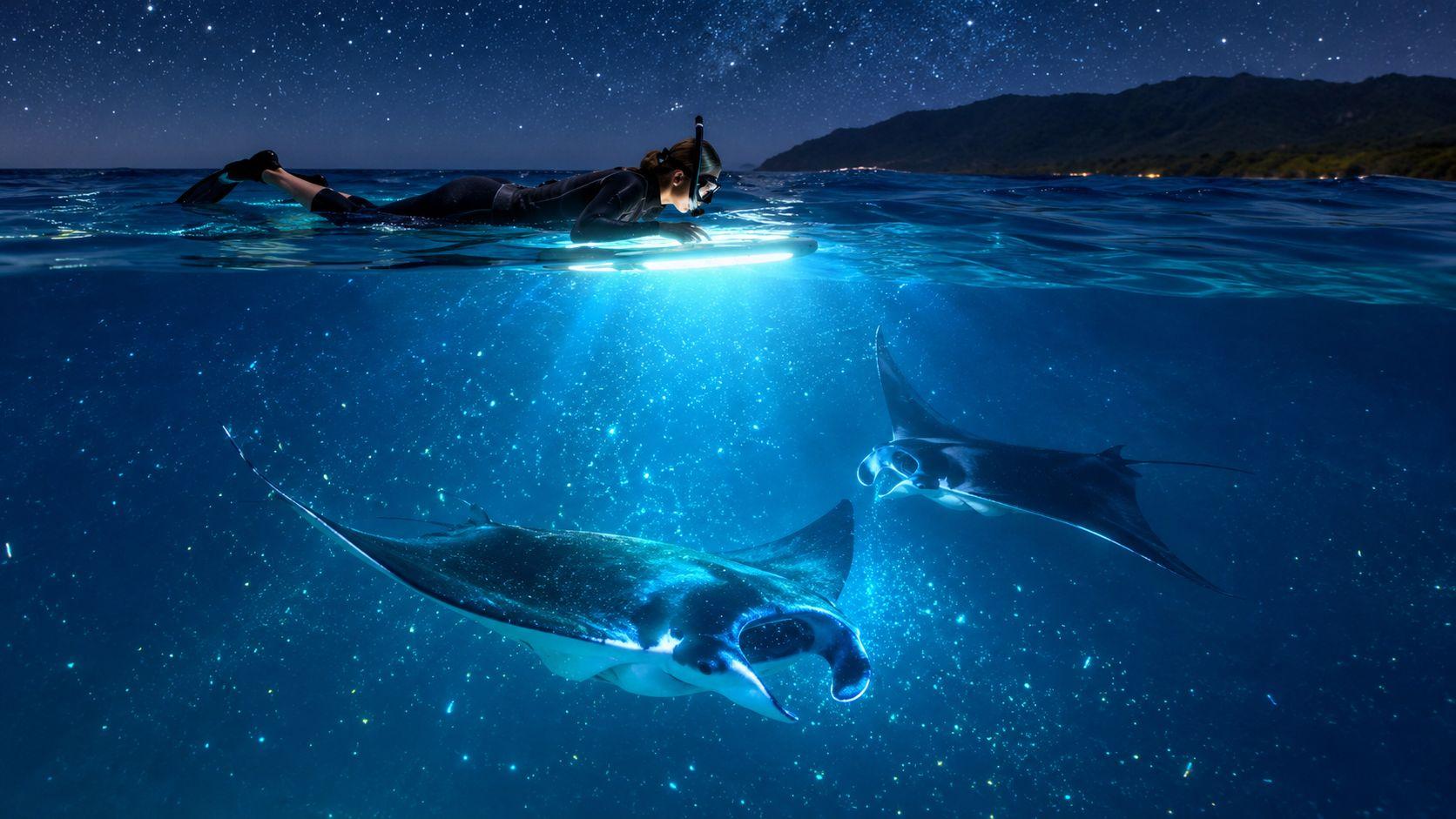
What works is simple. Float still, keep your body horizontal, and let the animals choose the distance. What doesn't work is trying to swim toward a ray, chasing a shot, or drifting below the level of the light where you become part of the obstacle course.
The same logic explains why mantas sometimes make repeated passes, bank sharply, or roll under the board. They're tracking concentrated prey patches, not reacting to snorkelers like they're entertainment. If you understand that, the whole night makes more sense, and the awe gets deeper because the behavior is real, not choreographed.
Rules for Floating with Gentle Giants
The surface position matters more than most first-timers expect. You want to lie flat, keep your fins low, and treat the light board as the center of the viewing lane. That setup gives the manta a clean route through the plankton cloud while keeping your body out of the feeding corridor.
Understanding the manta ray snorkeling rules that protect wildlife and guests
The habits that make a better snorkel
- Stay horizontal at the surface: this keeps your silhouette predictable and reduces the chance of drifting into the ray's path.
- Keep fins below the waterline: splashing above the surface can scatter the plankton and distract the group.
- Never dive down into the feeding zone: the mantas need space to move through the lighted water.
- Leave your hands to yourself: touching, chasing, or trying to ride a manta is harmful and unnecessary.
- Hold position when you can: the less you move, the easier it is for the animals to work around you.
Those rules aren't just etiquette. They're how you stay safe and how the mantas stay comfortable enough to keep feeding nearby. Hawaii Ocean Watch advises calm surface floating, avoiding vertical movement, and approaching from the side only if you must move, while the Division of Aquatic Resources says not to disturb natural manta behavior by touching or chasing the animals. That's the standard worth following every time.
The best snorkelers are the ones who make themselves easy to ignore.
Choosing the Right Kona Viewing Site
Kona's two main viewing areas are not the same. Manta Village sits off Keauhou, while Manta Heaven, also called Garden Eel Cove, lies farther north near Makako Bay. Both can produce good nights, but site choice changes how a manta encounter unfolds.
The long-term record supports that view. A NOAA-supported study documented 25,444 observations of 118 individual reef manta rays at the two regular Kona sites, with 19,841 observations at Manta Heaven and 5,603 at Manta Village NOAA study PDF. A separate University of Hawaiʻi study found that aggregation size tracked zooplankton density, and that Garden Eel Cove generally supported larger groups while Keauhou showed stronger female site fidelity.
A captain is weighing tonight's plankton, recent sighting patterns, wind, water clarity, and crowding. One evening can favor a site with more activity, while the next can work better at a calmer reef with fewer boats and less surface traffic.
| Kona Manta Viewing Sites Comparison | Location | Key Characteristics |
|---|---|---|
| Manta Village | Keauhou area | Easier to associate with the classic south Kona manta night, with strong historical use by boats and snorkelers |
| Manta Heaven | Makako Bay, Garden Eel Cove | Often linked with larger aggregations and a different sighting pattern than the southern site |
For a planned manta ray night snorkel tour, Kona Snorkel Trips offers a direct way to check current tour options. The practical takeaway is simple, the right site follows conditions, not a promise.
Prioritizing Safety and Eco-Friendly Operators
Night snorkeling is only relaxing when the operator treats safety as part of the experience, not an afterthought. The practical pressures are obvious, boat traffic, floating gear, limited visibility, and a group of people who may all be handling night water differently. In that setting, lifeguard-certified guides, tight briefings, and disciplined spacing matter more than marketing language.
Crowding is not a theoretical issue. A Hawaiʻi County testimony summarizing research reported that 77% of respondents encountered more snorkelers than normal, 67% encountered more scuba divers than normal, and 68% encountered more boats than normal at manta encounters county testimony PDF. That's why a premium operator isn't just selling comfort, it's managing contact points between people, boats, and wildlife.
What to look for before you book
- Certified supervision: the crew should brief clearly and stay active in the water.
- Small-group control: fewer people make it easier to keep the feeding lane open.
- Conservative decision-making: good teams cancel or shift plans when conditions don't fit.
- Wildlife-first rules: no touching, no chasing, no crowding.
- Help with gear: good fitting masks and flotation reduce panic before it starts.
Kona Snorkel Trips works in that model, but the broader standard is what matters. If a tour can't explain how it protects guests and mantas at the same time, keep looking. For another practical resource on operator selection, see how to choose the right Kona manta ray snorkel tour.
Preparing for Your Night Ocean Adventure
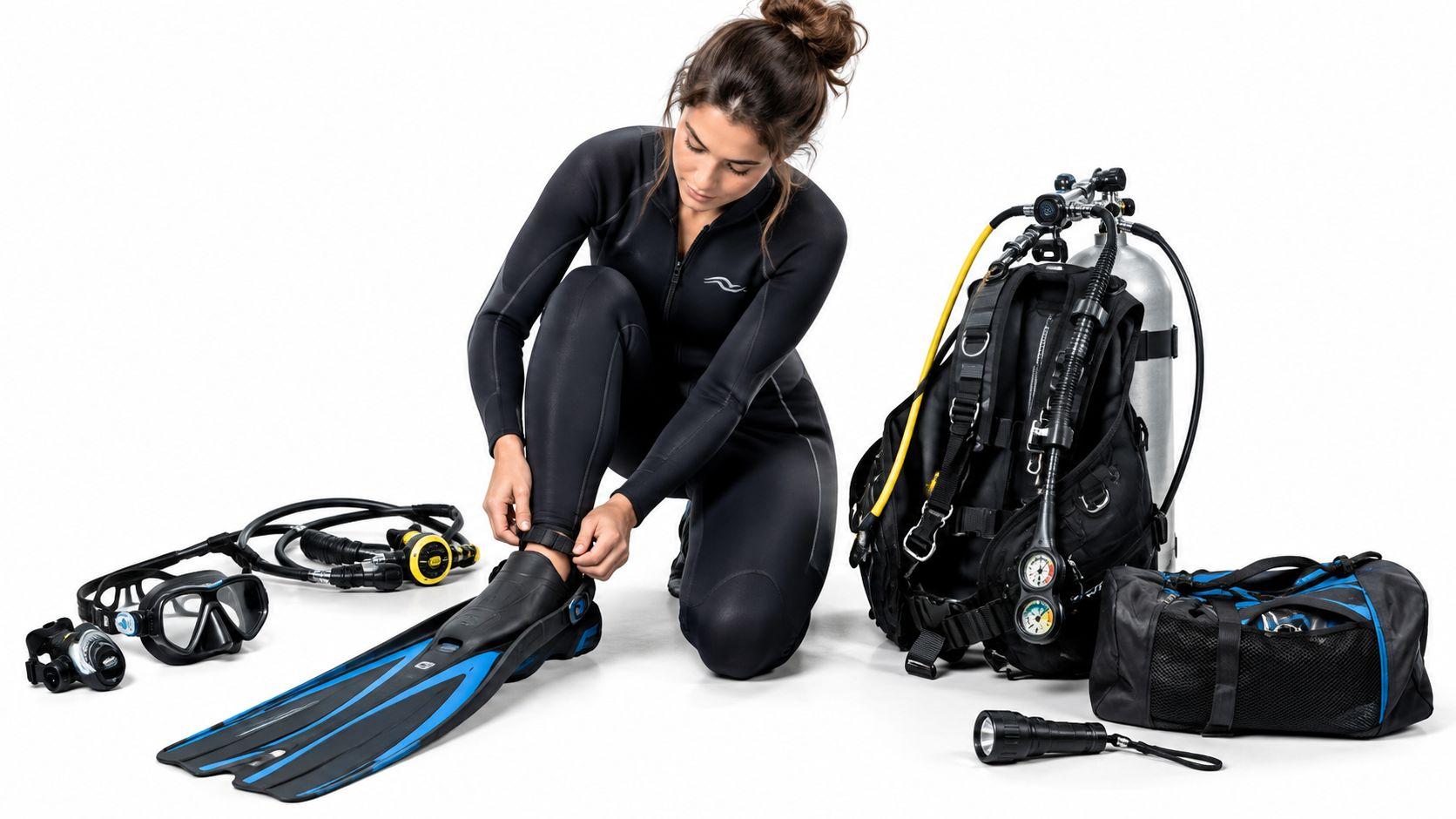
The easiest nights start with good prep on land. Wear a snug swimsuit, bring a towel and dry clothes for after the swim, and expect the air to feel cooler once you're back on the boat. A decent mask fit matters more than style, because a leaky mask turns awe into frustration fast.
If you're prone to motion sickness, handle that before boarding. Eat lightly, hydrate, and choose your usual remedy early enough that it can work. The water itself may feel calm once you're floating, but the ride out and back is still a boat trip, and open-ocean motion doesn't care how excited you are.
Mental prep is part of the gear
The other piece is expectation. Wild manta rays don't arrive on a schedule, and a good night can still be quiet for a while before the first pass. If you're anxious, focus on what you can control, breathing, staying with the group, and listening to the crew's pace.
Good preparation lowers noise in your head before it lowers anything in the water.
For a packing checklist built around the night snorkel, this manta ray night snorkel packing list covers the basics without overcomplicating the evening. Keep your load light, bring what helps you stay warm, and let the crew handle the in-water logistics.
Common Questions About Manta Encounters
Touching mantas is not part of responsible snorkeling. Hawaiʻi's aquatic rules protect all rays, and the Division of Aquatic Resources says they have no open season in Hawaiian waters, while state and federal protections also cover oceanic manta rays Hawaiʻi DAR rules. If a manta is hooked by accident, cut the line as close to the hook as possible and release it quickly.
The right night depends more on conditions than on a date. Kona's mantas are resident animals, so good encounters can happen year-round, but what you see is shaped by plankton, water clarity, and the site you choose that night. The 2025 University of Hawaiʻi study on Kona aggregations, cited in the viewing-site section above, made that point clearly by linking aggregation size to zooplankton density rather than to a simple calendar rule.
Age and swimming comfort matter more than bravado. Families and first-timers can often do well if they are comfortable floating, following instructions, and staying calm in open water. Anxious swimmers should ask about flotation support and whether staying on the boat is a better choice. Safety and animal etiquette are related, but they are not the same thing.
A respectful snorkel can still be a good snorkel, even if the mantas take time to appear.
If no mantas show up, that is part of wildlife viewing, not a failed trip. The ocean does not owe anyone a performance, and honest operators treat that reality with care. That honesty is what makes a tour trustworthy.
If you are ready to plan a night on the Kona coast, Kona Snorkel Trips offers guided manta ray snorkeling with the kind of crew, gear, and in-water structure that make the experience easier to trust. Book when you are ready, come with realistic expectations, and let the plankton, the light, and the mantas do the rest.
Keep reading
Swim with Manta Rays Big Island: Night Snorkel Guide 2026
Learn how to swim with manta rays Big Island: trip times, readiness checks, booking steps, packing and water rules for Kona night snorkels.
Kona Manta Ray Night Dive: What to Expect and How to Book
Plan your Kona Manta Ray Night Dive: timing, safety rules, what to pack, conservation tips and how to book a trusted night manta tour.
Manta Ray Snorkeling Big Island: A Practical 2026 Guide
Manta Ray Snorkeling Big Island. Plan manta ray snorkeling on the Big Island with this 2026 guide. Best sites, tour choices, packing tips, safety rules