
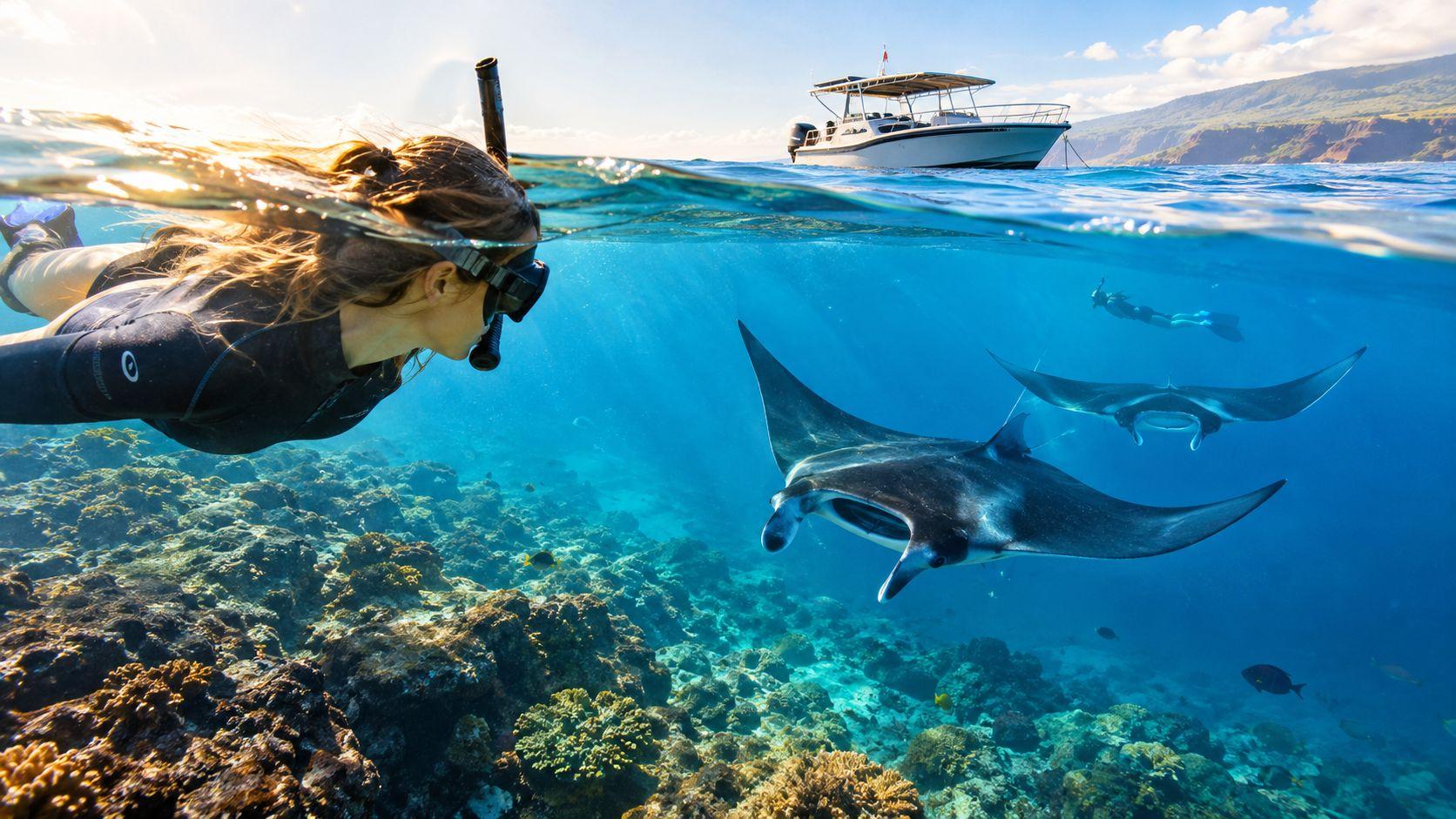
You're probably staring at three tabs right now. One has a manta night snorkel, one has a Captain Cook trip, and one has a dive shop promising “small groups” without telling you what that means. Pick wrong, and you waste a vacation day on the wrong water, the wrong crowd, or a boat that makes you work too hard for a decent experience.
A good Kona diving company isn't the one with the loudest marketing. It's the one that matches your comfort in the water, respects the reef, and runs a trip that fits the conditions on the day. That's the standard I'd use if I were handing a friend the phone and telling them where to book.
Why Kona Is the Center of Hawaii Diving
A first-time visitor usually thinks the Big Island is one long shoreline with the same ocean everywhere. It isn't. The Kona side runs on a different rhythm, and the state treats it as a separate tourism market, with 6,908 completed visitor-survey forms from Kona in the annual report and 5,068 from Hilo, which tells you the island's visitor centers are tracked separately in statewide research. The wider context matters too, because Hawaii recorded 9,645,161 visitor arrivals in 2025, with $21.91 billion in total visitor spending and an average daily spend of $260 per person (state annual visitor report).
That volume explains why so many operators cluster on the Kona coast. There's enough demand for manta trips, whale watching, private charters, and Kealakekua Bay runs to stay busy across the year, not just in one short season. The official monthly data also show Hawaiʻi Island visitor totals ranging from about 124,356 in November to 166,315 in December, with cumulative Kona-side visitor-day or activity measures exceeding 1.55 million by year's end, which backs up what anyone on the docks already knows, Kona is a serious tourism market, not a side note (monthly highlights PDF).
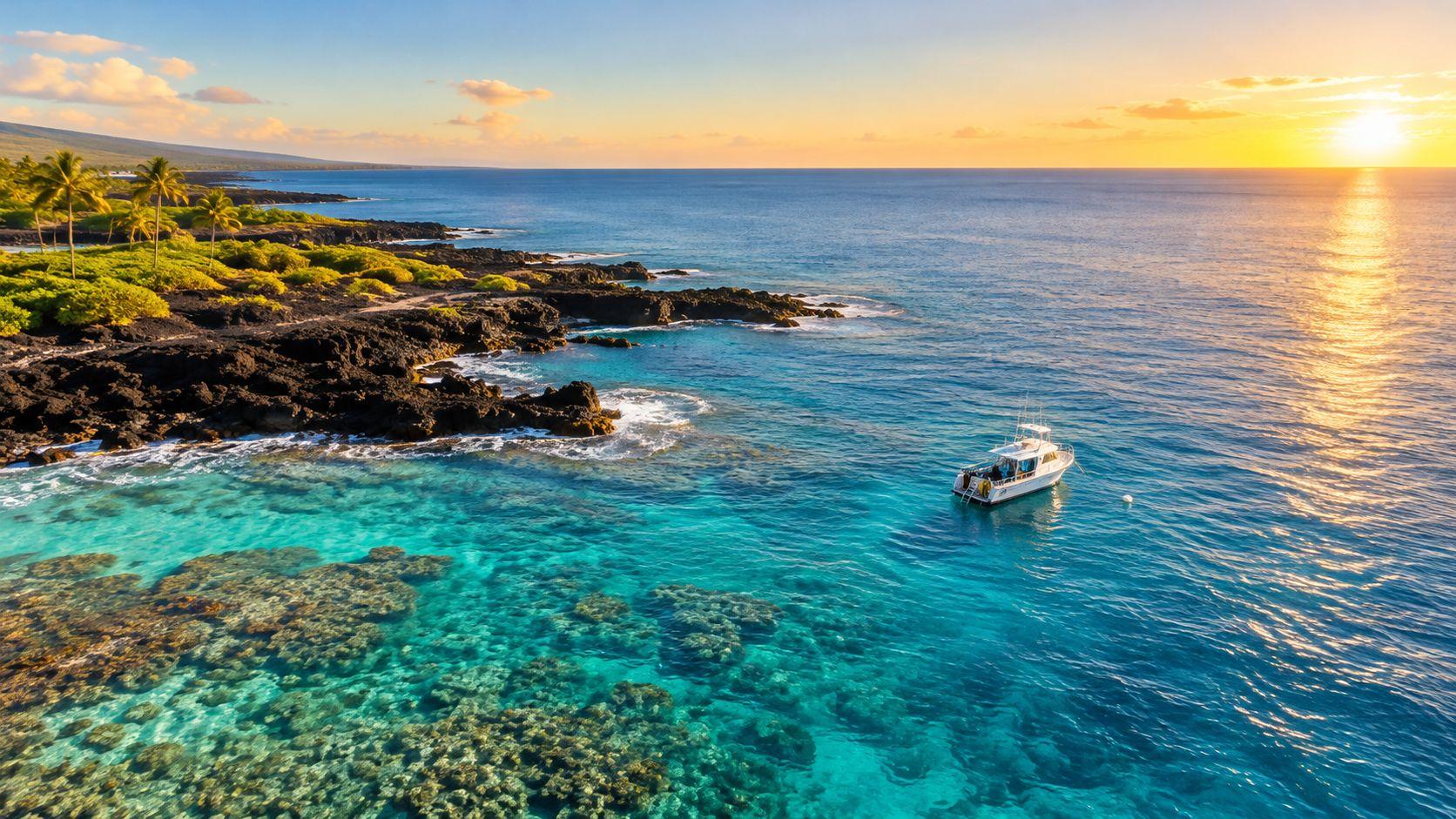
A smart booking starts with that reality. On the Kona coast, calm water, lava coastline, and offshore access create a wider menu of trips than most visitors expect. The job isn't to find the fanciest title, it's to choose the operator that fits your group and the day you have in front of you.
For readers deciding between signature Kona experiences, this guide to why Kona tops Hawaii for manta ray night snorkel is a good companion.
Signature Tours Every Operator Runs
The four trips that define the Kona market
Most Kona diving companies sell the same headline experiences, but they don't run them the same way. That distinction matters more than the logo on the side of the boat. A manta trip can feel calm and well managed on one vessel, then crowded and chaotic on another.
| Kona signature trips at a glance | Best for | Typical season | Skill needed |
|---|---|---|---|
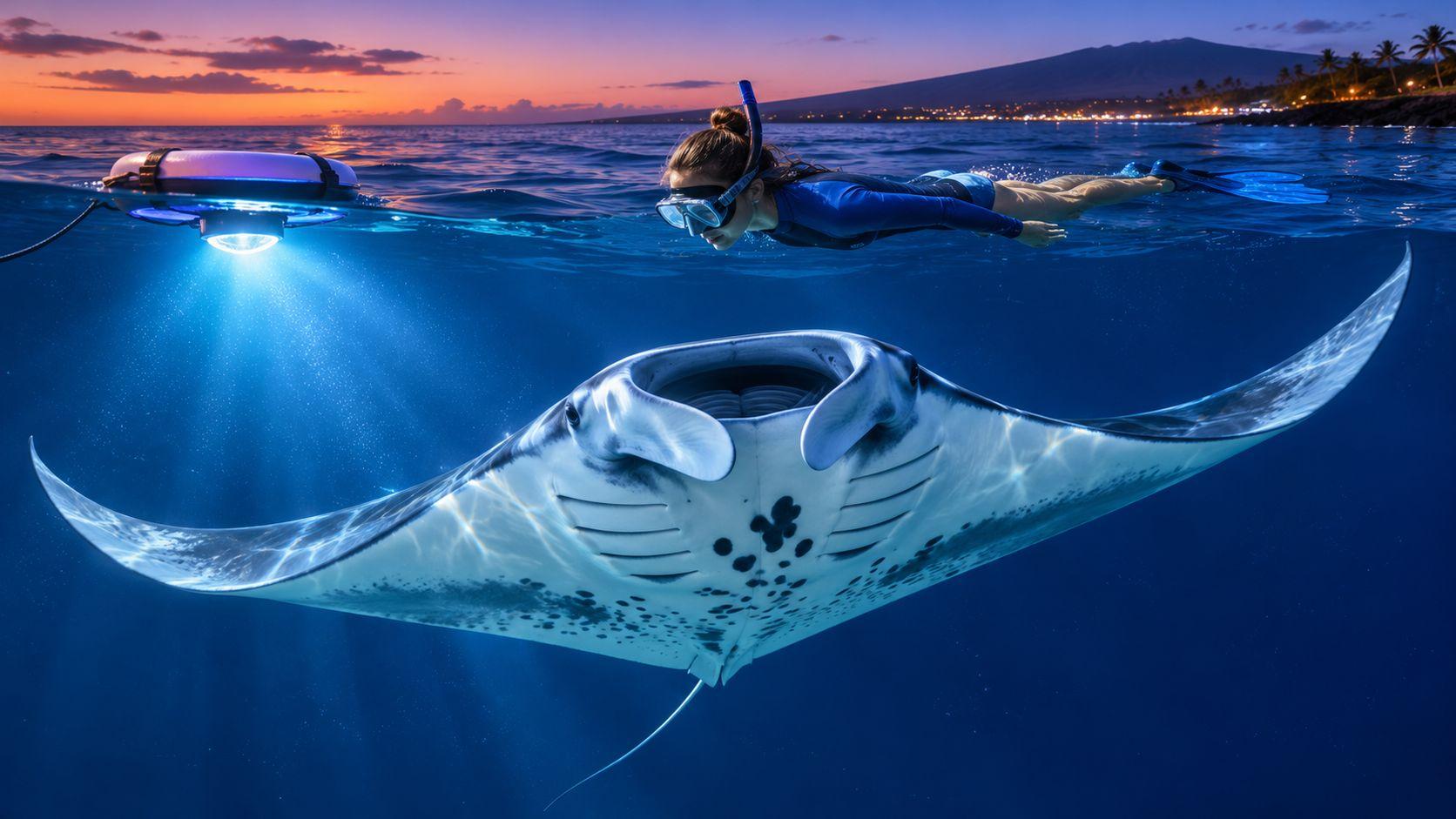
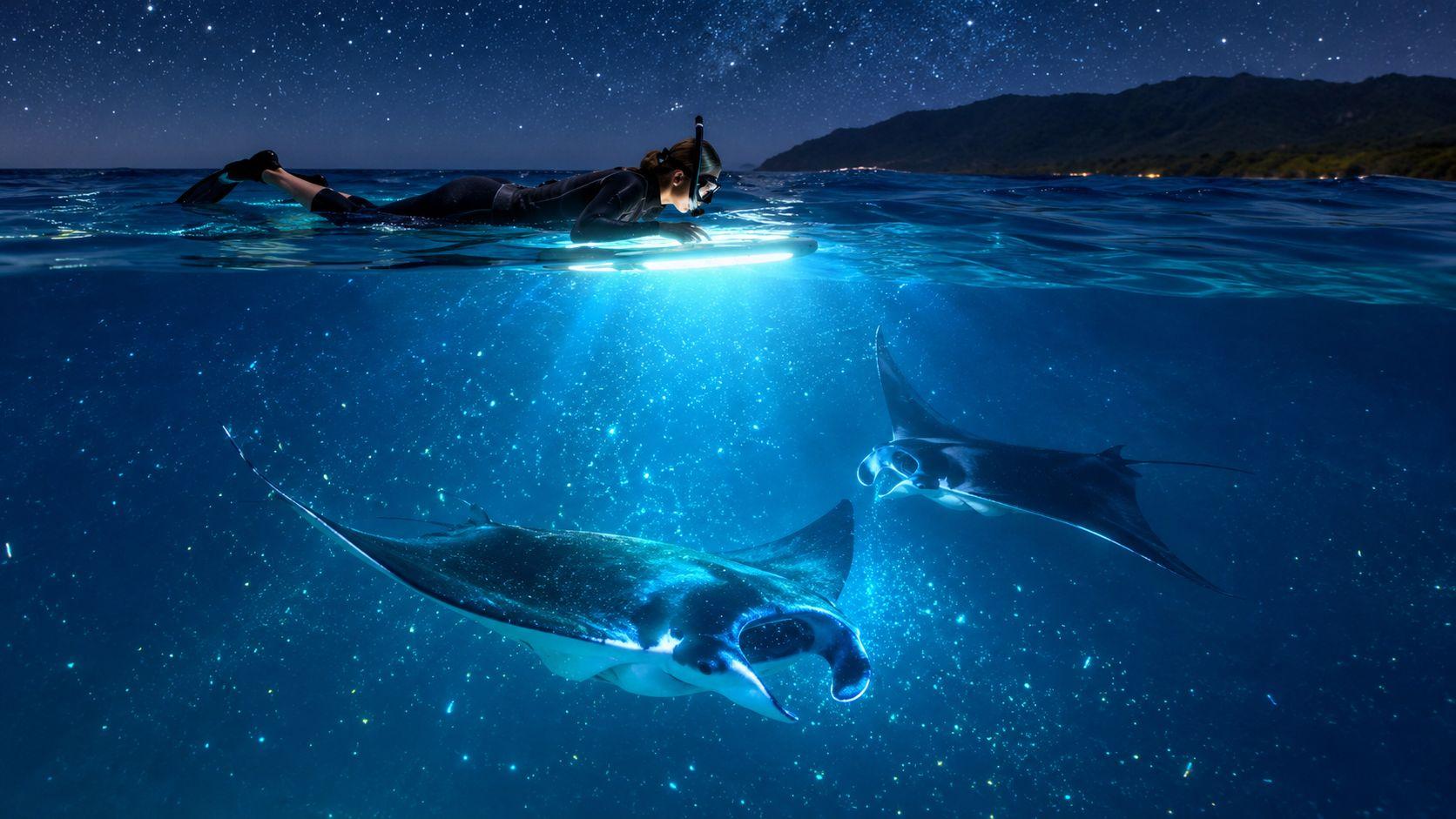
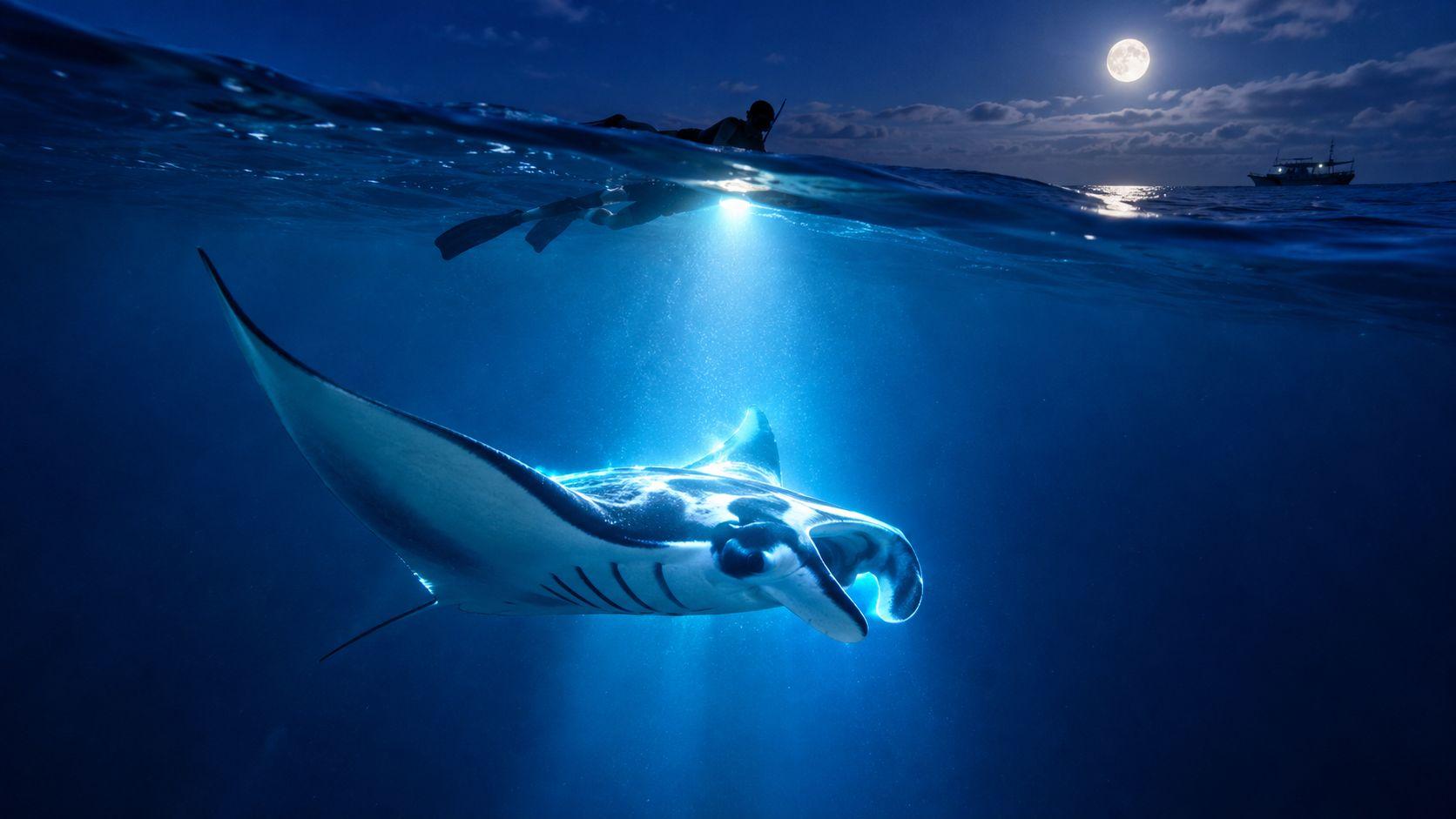
| Manta ray night snorkel | Wildlife watchers who are comfortable in open water after dark | Year-round, with conditions changing by season | Basic water comfort, flotation helps a lot |
| Captain Cook and Kealakekua Bay | Reef lovers, families, and travelers who want clear water and a classic daylight snorkel | Year-round, weather permitting | Comfortable snorkeling, steady boarding and ladder use |
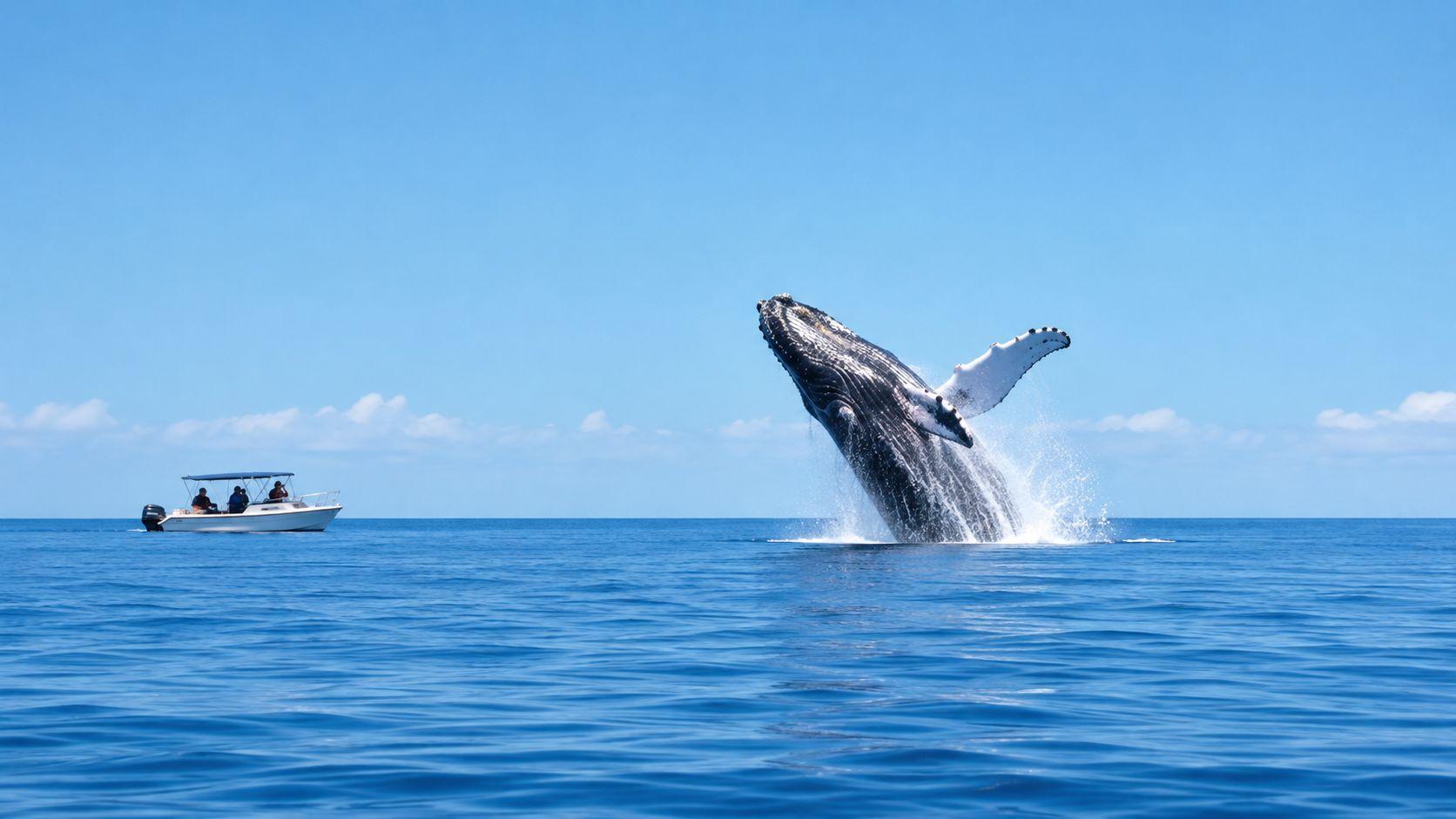
| Seasonal humpback whale watching | Guests who want big-animal encounters without getting in the water | Generally November through May, with smaller numbers outside that window | No swim skill needed |
| Private boat charter | Families, photographers, nervous swimmers, and special occasions | Year-round | Depends on the route and how tailored the trip is |
The manta trip is the most famous for good reason, but it's also the one most likely to punish the wrong expectations. Darkness, boat traffic, and open water all change the feel of the evening. If someone in your group hates night water, don't talk them into it just because the photos look great.
Captain Cook and Kealakekua Bay are the opposite. It's a daylight, reef-centered experience, better for people who want a scenic boat ride and good snorkeling rather than a high-adrenaline event. If your group values stable conditions and clear visual payoff, that's the cleanest fit.
Whale watching is a different category entirely. You're there to observe, not to chase. NOAA notes that male humpback song becomes the dominant underwater sound source from December through April, and that acoustic recorders can track timing because the song carries for miles (NOAA acoustic monitoring).
If you want flexibility, a private charter is the pressure-release valve. It's the trip you choose when the family has mixed comfort levels, a photographer needs time, or you want the crew focused on your pace instead of the boat's average guest.
This guide to Kona snorkel tours is useful if you're comparing daytime options side by side.
Safety Standards Worth Verifying Before You Book
A serious Kona diving company should make safety easy to verify before you ever pay. If the crew can't explain how they handle first-timers, weather changes, panic, or ladder exits, keep looking. Good trips are built on boring competence, not hype.
Ask about the crew and the boat
Start with the people. Ask who is in the water with you, what they're trained to do, and how many guests each guide is responsible for. A small group isn't a marketing phrase, it's a practical ratio that affects whether the crew can watch the water, fit masks correctly, and help someone who gets uncomfortable.
Then ask about the boat itself. Shade matters on a long Kona day. A bathroom matters more than people admit before they're on the water. Seating matters for older travelers, nervous swimmers, and kids who need a break between entries.
Practical rule: if the booking page talks a lot about the reef but almost nothing about boarding, flotation, or ladder support, treat that as a warning sign.
Ask what happens when conditions change
A responsible operator separates itself here. The crew should be able to say what happens if the wind builds, if a guest panics, or if wildlife doesn't show. They should also be able to explain whether snorkelers and divers are separated, how lights are managed at night, and whether the trip can be shortened or repositioned without turning into a sales problem.
The best operators don't pretend every trip will be perfect. They tell you the process when it isn't. That's the question that matters most at the dock, because conditions on the Kona coast don't care about your calendar.
For a deeper checklist, the comparison in how to compare Kona manta ray night snorkel safety standards is worth reading before you book anything after dark.
What to Pack and Who Can Join
Bring less than you think, but bring the right things. The boat should handle the core snorkel gear, and you should handle comfort, sun protection, and anything you'd hate to lose overboard. A rushed pack job is how people end up cold, sunburned, or annoyed before the second hour of the trip.
Pack for comfort, not style
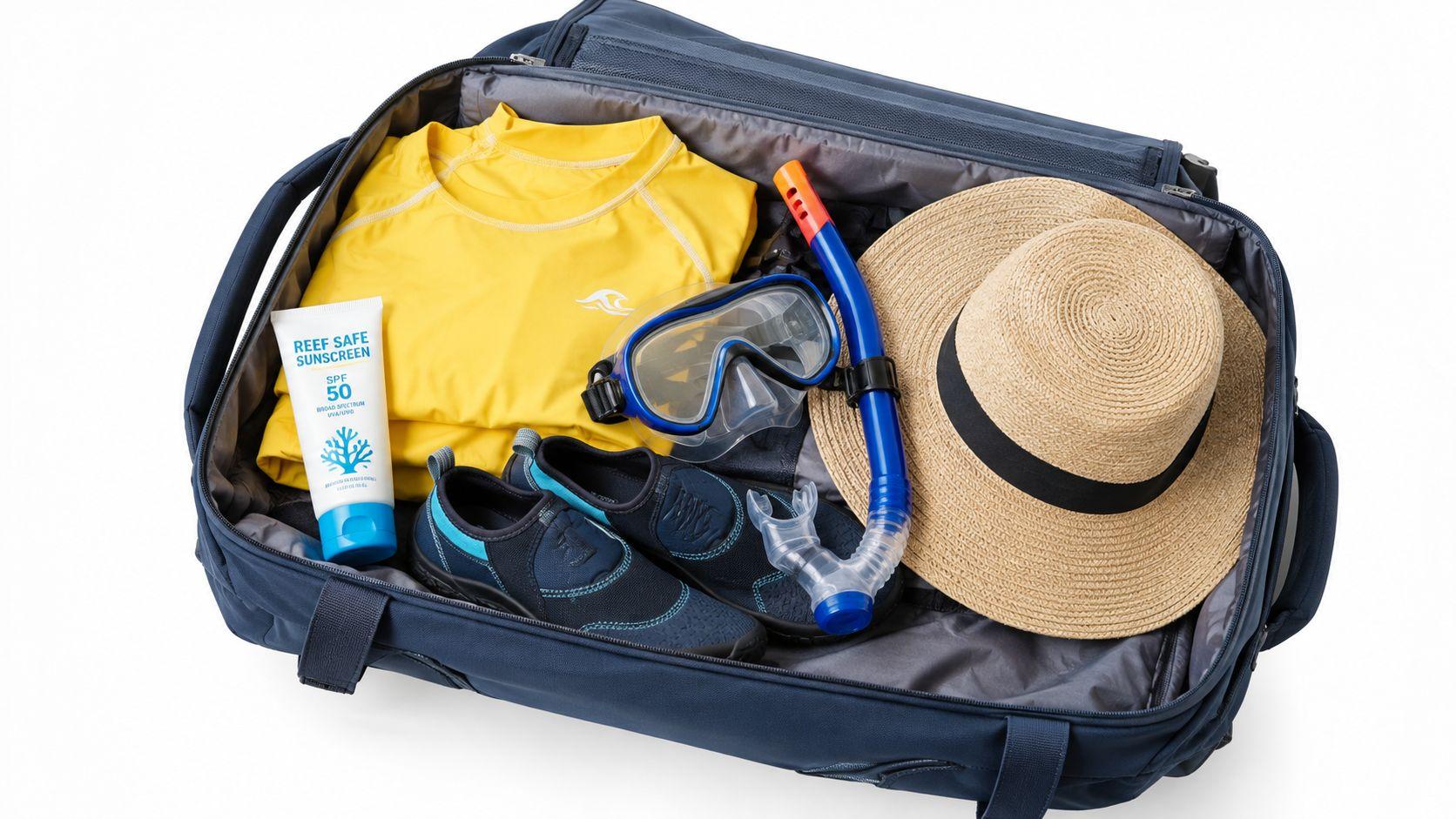
A rash guard does more for a diver than a heavy jacket or a fashion cover-up. It gives you sun protection and helps on cooler rides back to harbor. If you get cold easily, a wetsuit top is worth asking for, especially on night trips where you're floating longer than you expected.
Bring reef-safe sunscreen, but don't treat it like a substitute for common sense. Use it on exposed skin, then add a hat, towel, and dry bag for the things you don't want soaked. A phone case that seals properly is smarter than a pocket and a prayer.
- Motion sickness prep: take whatever works for you before you board, not after you already feel rough.
- Water confidence: use flotation if it helps, and tell the crew early if you're nervous.
- Practical extras: towel, dry clothes, and a way to keep glasses from vanishing when you're done.
- Footwear: simple water shoes are useful on lava rock and slippery docks.
Be honest about who should join
Non-swimmers don't need to write off every snorkel trip, but they do need to be realistic. Open-water darkness, boat ladders, and swell all add stress fast. Independent travel guidance for Kona night snorkeling treats boat entry, ladder climbing, currents, darkness, and open-water swimming as separate risks, and that's the right way to think about it (Love Big Island night manta guide).
If someone in your group can't climb a ladder without help, hates being in the water at night, or needs steady shore access, a private charter or a different daytime trip is the smarter call. That's not a failure. It's good judgment.
How to Tell If a Manta Tour Is Truly Responsible
A crowded manta site can still be badly run. The fact that an encounter is legal doesn't make it well handled. If you care about the reef and the animals, you should demand more than “we see mantas every night.”
What good conduct looks like
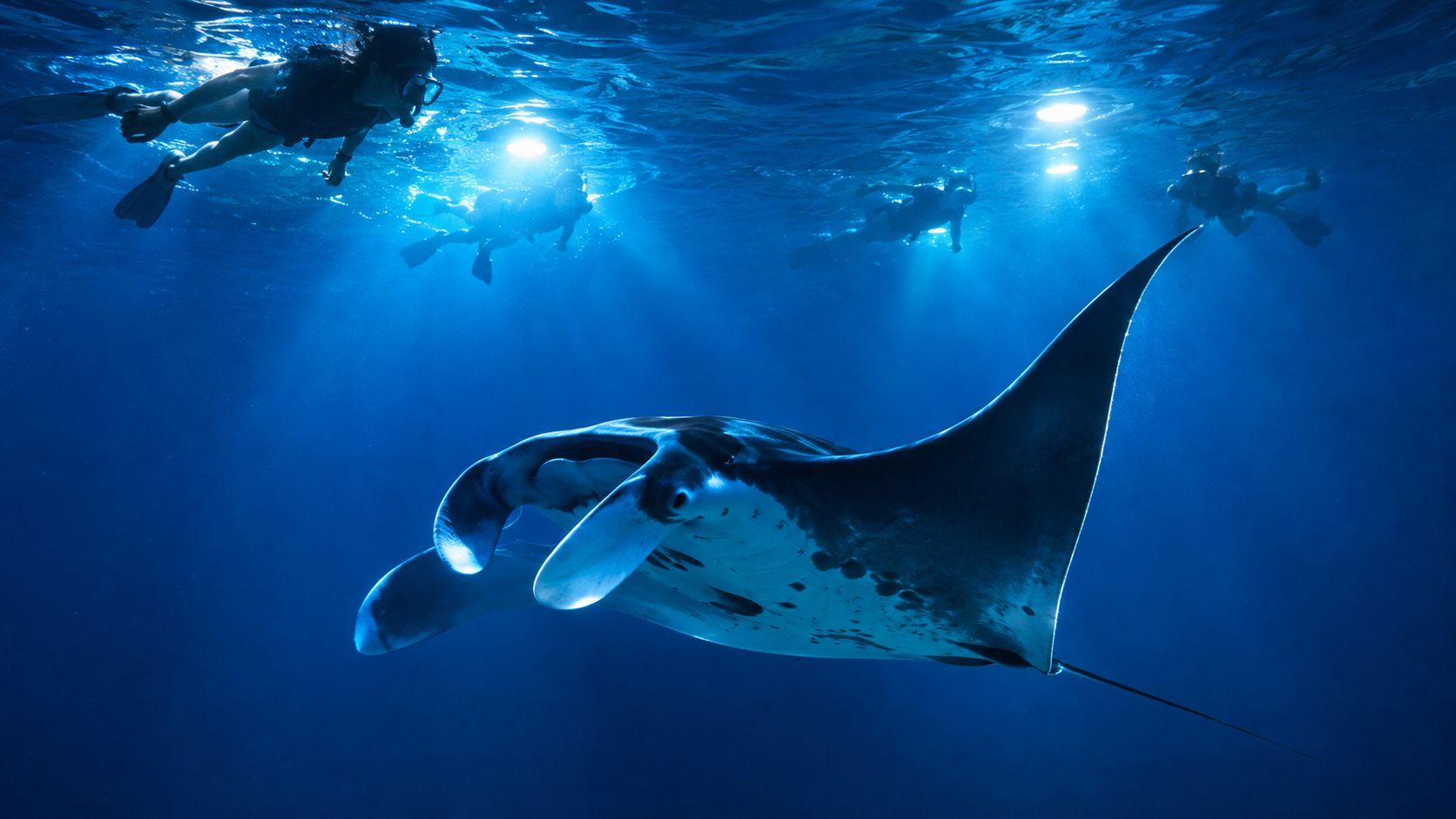
A responsible operator keeps people where they belong and doesn't use the manta encounter as a free-for-all. The crew should explain no-touch, no-chase expectations clearly, keep lights controlled, and avoid turning the viewing area into a floating traffic jam. If the site gets congested, the right move is often to shorten, reposition, or reset, not to squeeze in more bodies.
The state-level conversation around the Kona manta industry has already shown that crowding and safety aren't imaginary concerns. A serious operator doesn't hide behind popularity. It manages it.
A good manta trip protects the encounter first, the photo second.
If you're comparing tours, look for these signals:
- Clear separation of roles: snorkelers and divers should not be muddled together in a way that creates confusion at the surface.
- Disciplined lighting: the crew should use light deliberately, not flood the area because it looks dramatic online.
- Respectful spacing: boats should not stack so tightly that guests are forced into the same patch of water.
- Animal-first language: the operator should talk about observing mantas, not “getting close” to them.
For eco-minded travelers, the broader argument is simple. A trip can be technically legal and still put pressure on the experience. Sustainable marine tourism means choosing the crew that treats restraint as part of the product.
Reef and Whale Rules Visitors Often Miss
Kona's rules are practical, not decorative. They decide where boats can anchor, what visitors can touch, and how close you can legally get to a humpback. Ignore them, and you're not just being careless, you're making the trip worse for everyone else.
Kealakekua Bay is protected for a reason
Kealakekua Bay is a Marine Life Conservation District, split into Subzone A and Subzone B by a line from Cook Point to the north end of Nāpō'opo'o Beach (DLNR district page). In plain English, that means the bay isn't a casual place to improvise. Outside narrow exceptions in Subzone B, fishing for, taking, or injuring marine life is prohibited, and the rules also prohibit removing or altering sand, coral, rocks, or other geological features.
Fish feeding is banned too, including attempted feeding, which is one of the most important rules for visitors to remember. Feeding changes animal behavior, and that's exactly the kind of shortcut a responsible operator won't tolerate. Boat anchoring is prohibited in Subzone A, and in Subzone B anchors can only go on sand or in a way that avoids coral damage.
The permitted fishing exceptions are narrow and don't turn the whole district into an open-use zone. If a guide talks loosely about what's “allowed,” that's a sign to listen more closely.
Whale distance rules are not suggestions
NOAA's humpback rules are precise. People in the water and vessels, kayaks, paddleboards, canoes, drones, and other means must stay 100 yards away, aircraft must remain 1,000 feet away, and NOAA says those requirements apply year-round within the sanctuary, throughout Hawaiian waters, and out to 200 nautical miles (NOAA recreation rules). NOAA also advises boaters to keep speed at 15 knots or safe planing speed during whale season.
That's the standard. Not “as close as you can get.” Not “close enough for a photo.” A good captain respects distance because that's what protects the encounter and keeps the boat out of trouble.
Pricing, Group Size, and When to Upgrade to Private
Cheap trips look smart until you're standing on a crowded deck with too many strangers and not enough crew attention. In Kona, price is only one part of value. Group size, boat layout, and how the operator handles your specific needs matter just as much.
Read the booking language carefully
“Small group” can mean a lot of things. Sometimes it means fewer guests overall. Sometimes it means fewer guests per guide, which is the version that helps you in the water. Ask the question that forces a real answer, how many guests are on the boat, and how many people does one crew member actively watch?
Cancellation policy matters too, especially on weather-dependent trips. If your itinerary is tight, don't ignore the fine print. A cheap fare that traps you in a bad reschedule window isn't cheap at all.
Know when private is worth it
A private charter earns its premium when the group has different needs. That includes small children, nervous swimmers, older travelers who want a slower pace, photographers who need time to frame shots, and families celebrating something they care about. It also makes sense when one person wants reef time and another just wants to float and watch.
I'd also upgrade if the trip is the whole point of the day. If you've got one shot at the right memory, don't hand that to a crowded general departure and hope for the best. Spend more once, and choose control.
Pay for the trip that fits your group, not the one that sounds best on a search page.
When you compare options, favor the operator that is upfront about crew support, reef-safe conduct, and what happens if the weather turns. Those details justify a higher fare faster than any slogan about luxury.
Common Questions From First-Time Kona Visitors
How far ahead should you book? Earlier than you think if you want a popular night trip, a holiday departure, or a private charter. Kona boats fill on convenience and timing, not just on price.
Do manta trips run in the rain? They often can, but the main issue is sea state and visibility, not the fact that a few drops are falling. Ask about the operator's threshold for changing or canceling the trip before you book.
Can you snorkel with glasses or contacts? Contacts are usually the easier choice, because a mask can work over them if it fits properly. If you rely on glasses, ask about mask fit ahead of time so you don't find out on the dock.
Are gift cards worth it? Yes, if the recipient wants time on the water and you know they'll use it. Private charters also work well as gifts because they solve the hardest part, choosing a date that fits the family.
If you want a crew that takes small-group service, reef etiquette, and real safety seriously, Kona Snorkel Trips is worth a look for manta nights, Captain Cook snorkeling, whale season, and private charters. Check current availability, compare the trips that fit your comfort level, and book directly through Kona Snorkel Trips when you're ready to lock in a Kona day that matches how you want to spend it.
Keep reading
Swim with Manta Rays Big Island: Night Snorkel Guide 2026
Learn how to swim with manta rays Big Island: trip times, readiness checks, booking steps, packing and water rules for Kona night snorkels.
Manta Ray Snorkeling Big Island: A Practical 2026 Guide
Manta Ray Snorkeling Big Island. Plan manta ray snorkeling on the Big Island with this 2026 guide. Best sites, tour choices, packing tips, safety rules
Manta Ray Night Dive Kona: A Complete Insider Guide
Plan your manta ray night dive Kona experience with this practical guide. Compare snorkel vs scuba, best seasons, safety, pricing, and how to book.