
You've got a rental car in the lot, a certification card somewhere in your luggage, and three days on the Kona coast with nothing planned past breakfast. Or the card doesn't exist yet, and someone in your group is asking whether they can come along anyway and still see something worth the flight.
Both versions of that morning get settled by the same three questions. Which site matches your certification, which month you're standing in, and what the water is doing right now. Answer those in order and Kona diving stops being a coin flip.
Kona's Best Dive Sites at a Glance
Kona's sites suit different certifications, comfort levels, and entry preferences. For scuba options, review the Kona Honu Divers diving tours page. For a group splitting time between tanks and masks, Kona Snorkel Trips describes itself as Hawaii's highest-rated and most-reviewed snorkel company on the Big Island.
| Site | Best for | Entry | Depth profile |
|---|---|---|---|
| Kealakekua Bay (Kaʻawaloa Cove) | Intermediate and advanced divers, history interest | Boat or shore | About 5 to 120 feet (1.5 to 36.6 m) |
| Manta Village and Manta Heaven | Certified divers seeking night manta encounters | Boat, night | Shallow sand where divers settle and lights are placed |
| Black water night dive (open ocean) | Experienced certified divers | Boat, night | Deep open water, no bottom, divers hold a line |
| Lava shelf shore entries | Certified divers on calm days | Shore | Shallow shelf, entry depth set by the swell |
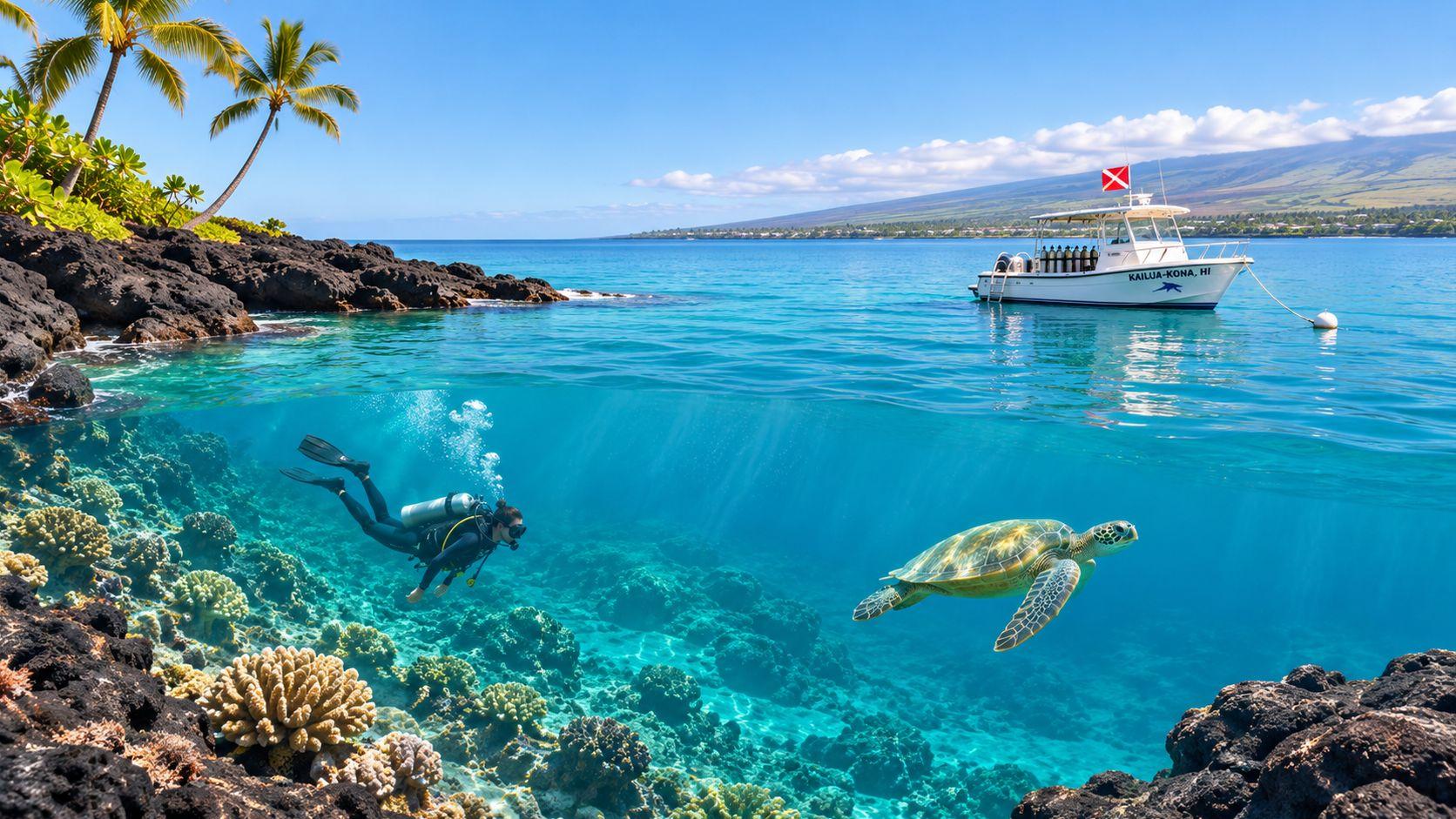
Read the table across each row before choosing. Entry determines how you reach the site, while depth and conditions help you judge whether the dive matches your certification and comfort in the water.
Reading the depth range
Kealakekua Bay offers both shallow and deeper dives. The main diving area, Kaʻawaloa Cove near the Captain Cook Monument, has a planning range of about 5 to 120 feet (1.5 to 36.6 meters), according to the Hawaiʻi Division of Aquatic Resources. The shallow edge can suit newer divers, while deeper relief calls for controlled buoyancy, easy equalization, and conservative gas planning. Match the depth to your certification, not just your interest in the site.
Manta sites are shallow by design. Divers descend and settle on the sand to watch the rays above; the night setting still calls for comfort with the dive plan and crew instructions. Blackwater diving is a different proposition: certified divers follow a line in open ocean after dark as vertical migrators rise through the water. Read this blackwater dive guide for Kona before deciding. It is an open-water night dive, not a reef dive with the lights off.
Lava shelf shore entries are an option for certified divers when conditions are calm. Surf breaking across the rock can quickly make an entry unsafe, so the day's conditions decide whether the site is suitable. Choose a site that fits your certification and comfort first, then check whether the entry is workable that day.
When to Dive Kona Across the Seasons
| Season | Months | Water temperature | Typical sea state |
|---|---|---|---|
| Winter | December to March | Coolest water of the year | Larger north and west swells; shore entries harder to call |
| Spring | April and May | Warming steadily | Often the calmest mornings and clearer water |
| Summer | June to September | Warmest water of the year | Trade winds shape leeward conditions |
| Fall | October and November | Still warm | Transitional; swell and wind can change within a week |
The season sets the odds. The day decides. That distinction is worth holding onto, because Kona's run of diveable weather is real and so is the occasional week that shuts down the exposed sites.
Winter is the season that demands flexibility. North and west swells arrive, lava shelf entries stop being an option on exposed stretches, and open-ocean night dives become a judgment call rather than a plan. Boat divers have an advantage here, since a captain can relocate to a sheltered site in minutes. Spring rewards anyone booking their first ocean dives, with calm mornings and the clearest water of the year. Summer trades that clarity for warmth and steady wind, which usually means an early departure and a comfortable ride home. Fall sits between the two, and a single week can hand you both the best and worst day of your trip.
The mantas don't follow the calendar. Operating records from 2011 at Manta Heaven and Manta Village counted individually observed rays in every month of the year, ranging from 17 in January to 51 in May (Kona manta night dive site records). Plan the manta night for whichever evening in your stay has the smallest swell, not for a particular month.
Book boat dives in the morning while the wind is still light, and keep one float day in reserve for the dive you care about most. Any season works if your schedule bends.
Certifications, Gear and What to Pack
| Activity | Certification needed | Key gear | Operator note |
|---|---|---|---|
| Snorkeling and surface viewing | None | Mask, snorkel, fins, rash guard | Non-swimmers can join Kona Snorkel Trips' morning snorkel trip to enjoy the coastline from the boat, but may not enter the water |
| Reef scuba dive | Open Water Diver | BCD, regulator, 3 to 5 mm wetsuit | Proof of certification at check-in |
| Manta night dive | Open Water Diver with night experience | Dive light with spare, 3 to 5 mm wetsuit | Operator-specified experience |
| Black water night dive | Advanced or equivalent experience | Dive light, signaling device, wetsuit | Operator-specified experience |
Bring your certification card and logbook if you keep one. Dive shops ask for proof of certification before you board. A photo of your card on your phone can serve as a backup, but bring the physical card.
The packing list that actually matters
- Sun protection applied early. Put reef-safe sunscreen on before heading out, not on a wet deck. Follow the product's directions for absorption, and keep sunscreen out of the water.
- A 3 to 5 mm wetsuit or a quality rash guard. Choose based on how long you expect to be in the water and your comfort with cooler conditions, especially on a multi-dive day.
- A mask that fits your face. A leaking mask makes a dive harder to enjoy. Buy or rent one, check the seal with a gentle inhale, and carry it in a hard case.
- A primary dive light, spare battery and backup light for every night dive. Pack the backup before you leave for the boat.
- A signaling device for open-ocean diving, such as a surface marker buoy or a whistle attached to your BCD inflator.
- Dry clothes and a towel for the ride back. Wind can make a wet swimsuit feel cold.
- A small waterproof pouch for your phone, card and car key.
Leave valuables at your accommodation where practical. Kona Snorkel Trips is not responsible for property that is lost, damaged, or stolen aboard or left behind on any tour, so keep anything you bring secured and close at hand.
The one requirement people miss: night diving isn't a separate certification, but it calls for different skills. If you have never descended in the dark, tell the operator when you book and ask whether a guided night reef dive is appropriate before booking a black water dive.
Requirements can differ by dive and operator. Confirm the certification and experience needed for your chosen dive, then pack against that list before booking.
Manta Ray Night Dives and How to Watch Them Responsibly
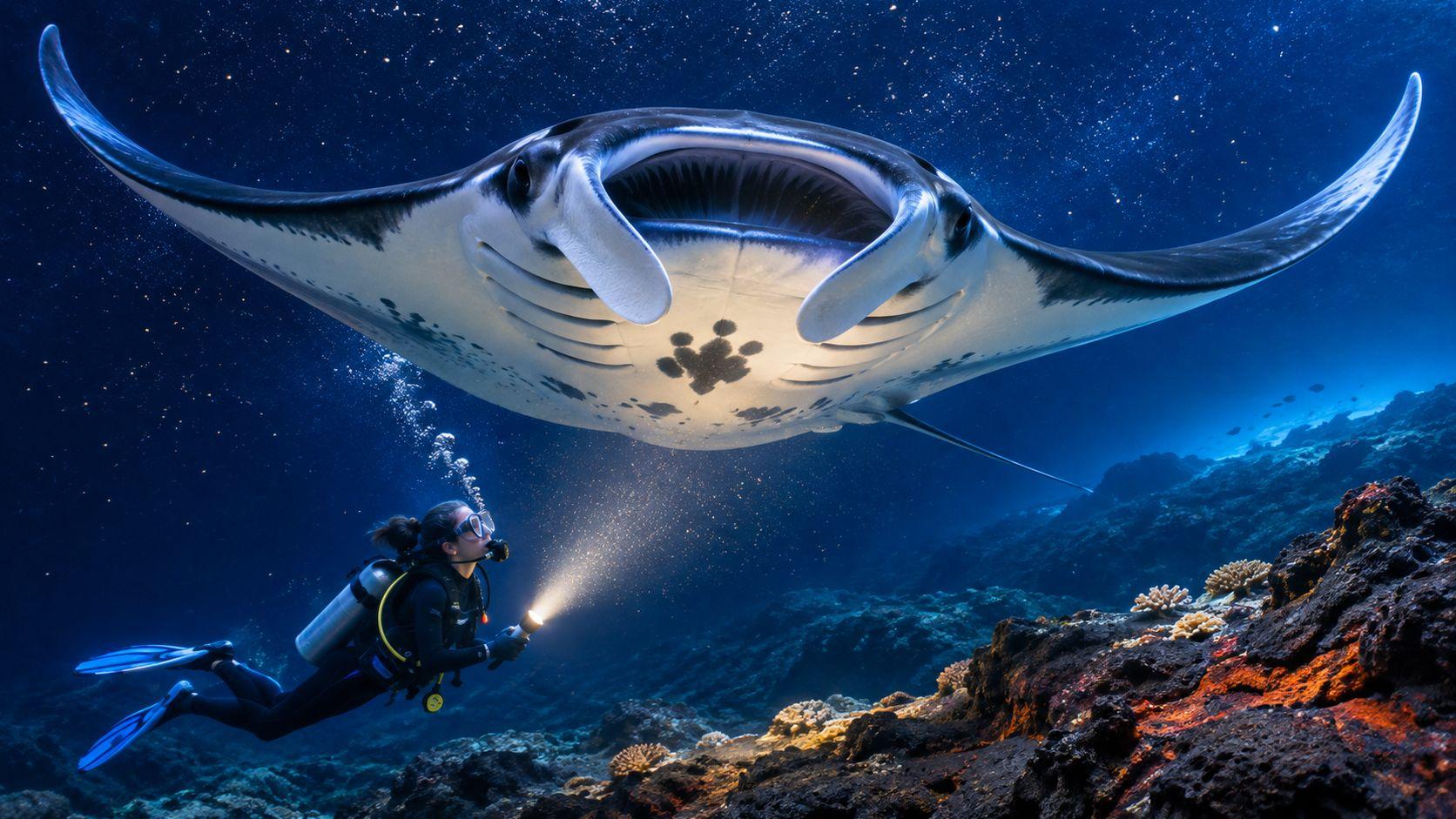
You drop in over sand at Manta Village just after sunset, settle on your knees, and switch on your light. For the first minute there's nothing but a cone of blue and the sound of your own breathing. Then a shape the width of a garage door slides in from your right, banks over your head, and comes back for a second pass.
The pattern repeats most nights at Kona's two aggregation sites, Manta Village and Manta Heaven, and nothing about it is staged. No bait goes in the water and no one chases anything.
Why the mantas keep showing up
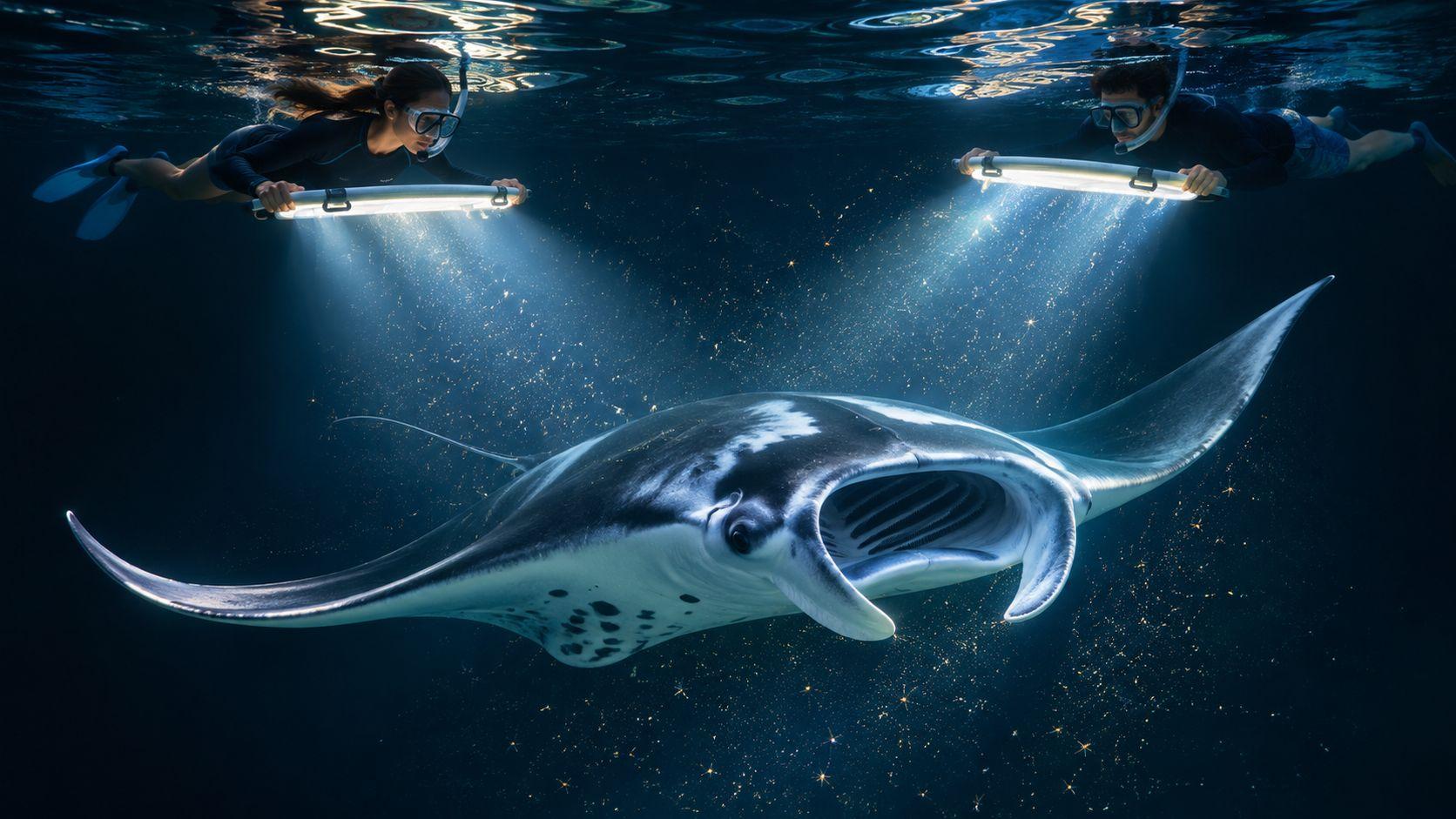
The mechanism is worth understanding, because it explains the viewing rules. Artificial light concentrates zooplankton, including copepods, euphausiids, mysids, shrimp and decapod larvae. Reef manta rays (Mobula alfredi) then filter-feed with mouths open, using their cephalic fins to funnel plankton-rich water toward gill structures that trap prey and release the water. NOAA's species assessment identifies manta rays as primarily nocturnal feeders, which fits the nightly upward migration of plankton (NOAA manta ray species assessment).
Here's the same scene from the sand, where divers kneel and snorkelers hold lit boards at the surface.
What the monitoring record does and doesn't promise
Kona's record is unusually deep. Photo-identification work from 1992 to 2007 documented 3,208 surveys and identified 106 individual reef manta rays along the Kona Coast. Later community-sourced observations from 2010 through 2022 logged more than 23,000 manta sightings and recognized 167 individual rays at Kona night aggregation sites (Kona manta dive history and identification records).
That makes the aggregation persistent and the region one of the best-documented manta tourism locations anywhere. It does not guarantee a manta on your night. Sightings vary by night, season, weather and site, and effort varies too.
How to behave in the water
Hold still. Keep your light steady and low. Let the animal choose the distance, and never touch, chase or block its path. Sudden surface fin kicks scatter the plankton patch and end the encounter for everyone behind you.
- Scuba, certified divers: the two-tank manta dive puts you on the sand looking up.
- Experienced divers wanting something stranger: the black water night dive goes offshore for pelagic life instead.
- Non-divers and families: a manta ray night snorkel in Kona keeps you at the surface with a lit board. Manta Ray Night Snorkel Hawaii is an exceptional alternative if your dates are tight.
The etiquette runs deeper than one night. Read the manta ray night snorkeling ethics guide before you book, then match the option to your certification and treat any sighting as a bonus rather than a promise.
Safety Rules and Same-Day Go or No-Go Calls
A regional forecast can look calm while the entry at your chosen Kona site is unsafe. Make the decision for the specific shoreline, not the island as a whole. Check the surf, wind and current at the site before committing to an entry.
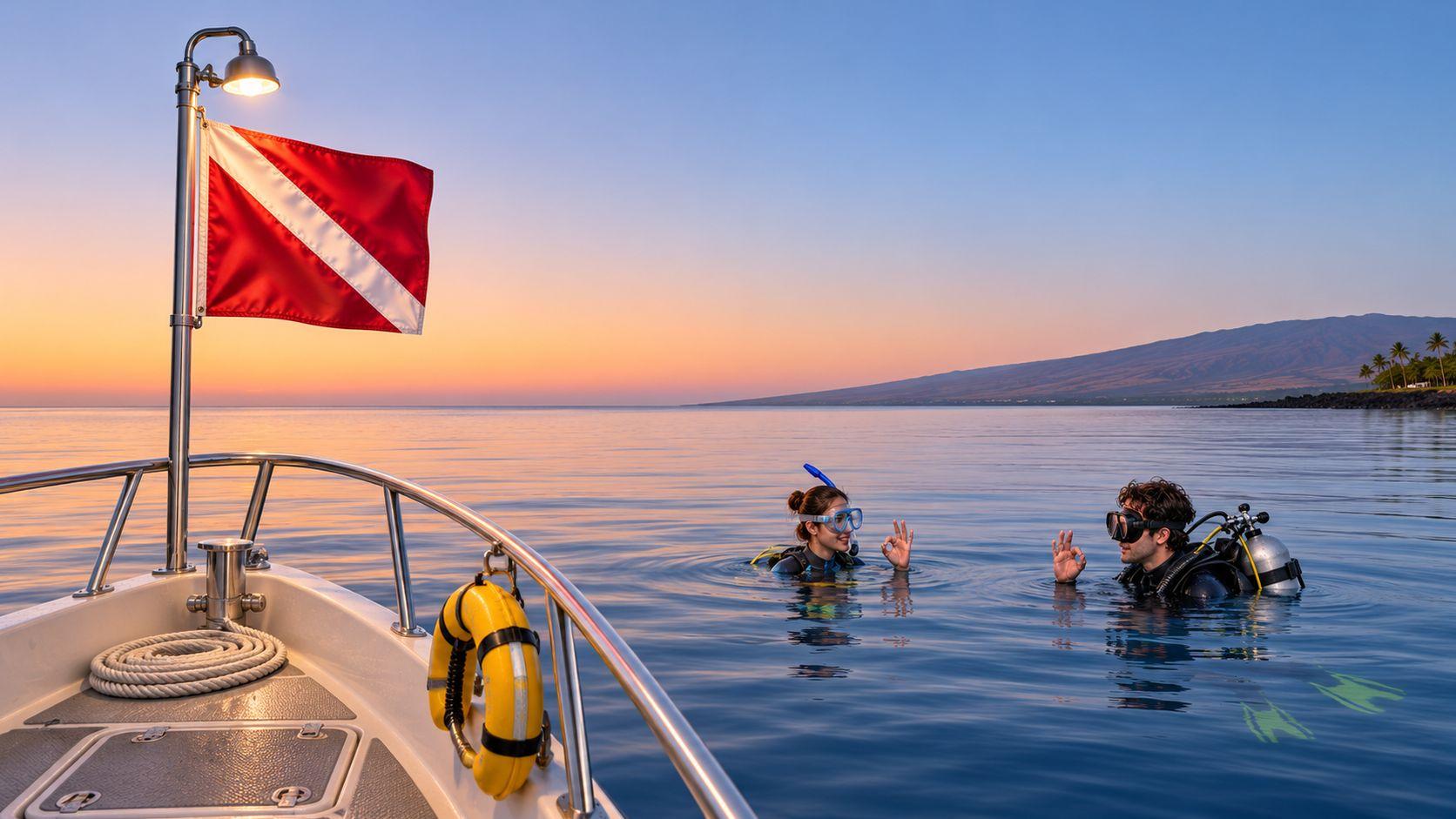
Hawaiʻi's boating authority requires dive flags for snorkeling, freediving and scuba. At night, the flag must be illuminated and visible from 100 feet, and divers must remain within 100 feet of it in ocean waters, according to the Hawaiʻi Division of Boating and Ocean Recreation. For a night dive, confirm the illuminated reference point is in place and stay close enough for the group to remain together.
The morning check
Before you leave, assess swell direction and size, wind, rain and runoff, current, entry terrain, and daylight hours. Winter north and west swells can hit exposed shelves hardest. Onshore wind can build chop at the entry, runoff can reduce nearshore visibility, and bare lava may offer neither sand nor a handrail. Use the Big Island marine forecast walkthrough to read the surf and wind panels, then compare them with conditions at your chosen entry.
Set your go or no-go threshold to match the people and site:
- First-time snorkeler or family with children: Choose a calm morning with no surf breaking on the shelf and a guide in the water. If white water is hitting the entry, do not enter.
- Certified beginner: Favor a shallow site with light wind and a buddy within arm's reach.
- Night participant: Check for a flat sea, an illuminated flag and a light on your person.
- Advanced diver: Choose deeper relief only when visibility is good and the current is controlled.
A change of site or day is the safer call when a check fails. Kona Snorkel Trips may cancel for inclement weather or other unforeseen circumstances; guests are rescheduled or issued a full refund.
Buddy rules that aren't optional
The Hawaiʻi State Parks snorkeling safety brochure recommends snorkeling with a buddy and staying in close visual contact. It also advises learning the area and current conditions beforehand, entering and exiting cautiously, and watching for boats, flotation devices and other swimmers. Those practices come from state snorkeling guidance and are worth taking seriously.
If any one check fails, change the site or the day. A marginal entry is not worth the risk.
How to Choose a Dive Operator You Can Trust
A good operator makes the trade-offs clear before you pay: who will guide you, what conditions the trip suits, and what happens if the plan changes. Check that the crew can explain the planned depth, current, emergency signals and equipment servicing. Ask how many guests each in-water guide is responsible for, and whether that ratio changes between the boat and the water. Clear answers matter more than polished sales language.
The manta sites have specific operating rules. Commercial manta-viewing operations may operate only inside department-designated viewing zones or at least seven nautical miles from a zone boundary. They must travel at slow-no-wake speed and may not anchor or raft inside a zone, except for kayaks, canoes and paddleboards, according to the Hawaiʻi DLNR manta viewing rules summary. Ask an operator how its trip follows these rules. A useful answer should explain the operating limits plainly, not just promise a responsible encounter.
Beyond the boat ramp
Ask how the company approaches conservation and what it can explain about the manta encounter at its site. Reef mantas and oceanic mantas occupy different depth ranges and appear in different places around the islands. Observations are still being compiled to understand where and when oceanic mantas occur across Hawaiʻi, so treat a promise to see both types on one trip cautiously. The Kona manta ray diving overview provides background on manta viewing and diving.
For any scuba trip, match the operator and itinerary to your certification and comfort in the water. Ask whether the planned depth suits your training, what equipment is supplied, and what happens if you need to end the dive early. A shallow, familiar profile may suit a newer diver better than a deeper or more demanding site, even when the latter sounds more exciting. If conditions are marginal, the operator should be able to explain the day's call and the alternatives.
Kona Snorkel Trips is a friend-owned-and-operated boat tour adventure company. It may refuse service to anyone at its sole discretion, including guests who give inaccurate swimming ability information, appear intoxicated, behave disruptively or unsafely, arrive late, or do not follow crew instructions. Give accurate information about your ability and follow the crew's directions. For a broader comparison of local operators, consult this Kona dive shop breakdown.
Before booking, get specific answers to these questions:
- What is the guide-to-guest ratio in the water?
- What is the deepest planned depth, and is it appropriate for my certification?
- If I run low on air or surface early, who will assist me?
- What conditions would lead you to change or cancel the trip, and when is that decision made?
The answers should describe how the trip will run, not just reassure you. Compare the responses with your training, the conditions you are comfortable handling, and the kind of dive you want. A clear briefing and a realistic plan are better signs of a trustworthy operator than a sales pitch.
Getting to Kona and Logistics on Dive Day
Kona International Airport at Keahole (KOA) is the closest arrival point, and most dive boats leave from the Kailua-Kona and Honokōhau harbor area. Plan on a rental car or a booked transfer, and ask about hotel pickup before you reserve, because parking near the harbor fills early on morning charters.
Some operations run their own dock. Kona Snorkel Trips departs from its own dock at Honokohau Marina, located between town and the airport, which removes the shuttle guesswork from your morning.
Kealakekua Bay is the logistics outlier. There's no road to the water at Kaʻawaloa. You arrive by boat, by kayak, or on foot via the trail to the Captain Cook Monument, so bay dives depend on the operator's boat or your own gear-carrying legs. Ask which one your trip uses before you assume.
Build the day around departure time
- Arrive at check-in a comfortable half hour early with your certification card and logbook ready. Filling out waivers is faster when you're not last in line.
- Confirm the harbor, not just the shop. Morning boats and night boats don't always leave from the same place.
- Ask for the return time in hours, not estimates. Night trips come back well after dark, so plan dinner and the next morning around it.
- Apply reef-safe sunscreen before you leave, pack a towel and dry clothes for the ride back, and leave valuables at the hotel.
Ride home logistics matter more than people expect. After a two-tank morning and a manta night on the same day, you'll want a short drive and an early meal. Confirm pickup options, departure and return times with the operator before you lock in the rest of your itinerary.
Pick Your Kona Dive Itinerary and Book Your Trip
| Traveler | Day 1 | Day 2 | Day 3 |
|---|---|---|---|
| Families with children | Calm surface viewing at a sheltered bay | Shallow reef snorkel or guided dive | Evening manta night snorkel, age limits confirmed |
| First-time divers | Discover scuba in calm conditions | Shallow reef dive with a guide | Rest day or calm shore dive |
| Certified beginners | Shallow Kealakekua Bay reef | Second shallow reef dive | Manta night dive |
| Advanced divers | Deeper Kealakekua Bay reef | Black water night dive | Morning calm shore dive |
The logic behind each row is the same: stack the most demanding dive on your middle day, when you're acclimated and rested, and keep the last day recoverable.
Families start with surface time because it costs nothing to bail out, then add the manta night once age limits are confirmed with the operator. First-time divers need a discover scuba session in flat water before anything happens after dark. Certified beginners can pair a shallow Kealakekua reef with a manta night, which is a natural one-two since the manta dive sits shallow. Advanced divers should spend their energy on the deeper bay relief and the black water run, then finish with an easy shore entry.
Adjust as the week develops. Run the morning check, swap any day for a rest day if it fails, and put the manta night on the lightest-swell evening of your stay. Keep a flexible booking posture and a backup plan you'd enjoy. Kona Snorkel Trips recommends travel insurance or a premium credit card with trip protection to cover unexpected disruptions such as illness, flight delays, or weather delays, which is the cheapest way to keep a weather cancellation from costing you the trip.
Pick one itinerary, choose the first morning dive from the operator's calendar, and book it today. Everything else in Kona diving gets easier once one date is locked.
Kona Snorkel Trips runs the manta ray night snorkel from its own dock at Honokohau Marina, plus the Captain Cook and Kealakekua Bay snorkel, seasonal whale watching and private charters, so a mixed group of divers and non-divers can split up for a morning and share the same sunset. If your trip hinges on one night in the water with the mantas, book that date first and build the rest of the itinerary around it. See dates, times and availability at Kona Snorkel Trips and get the boat locked in before the good evenings fill.
Keep reading
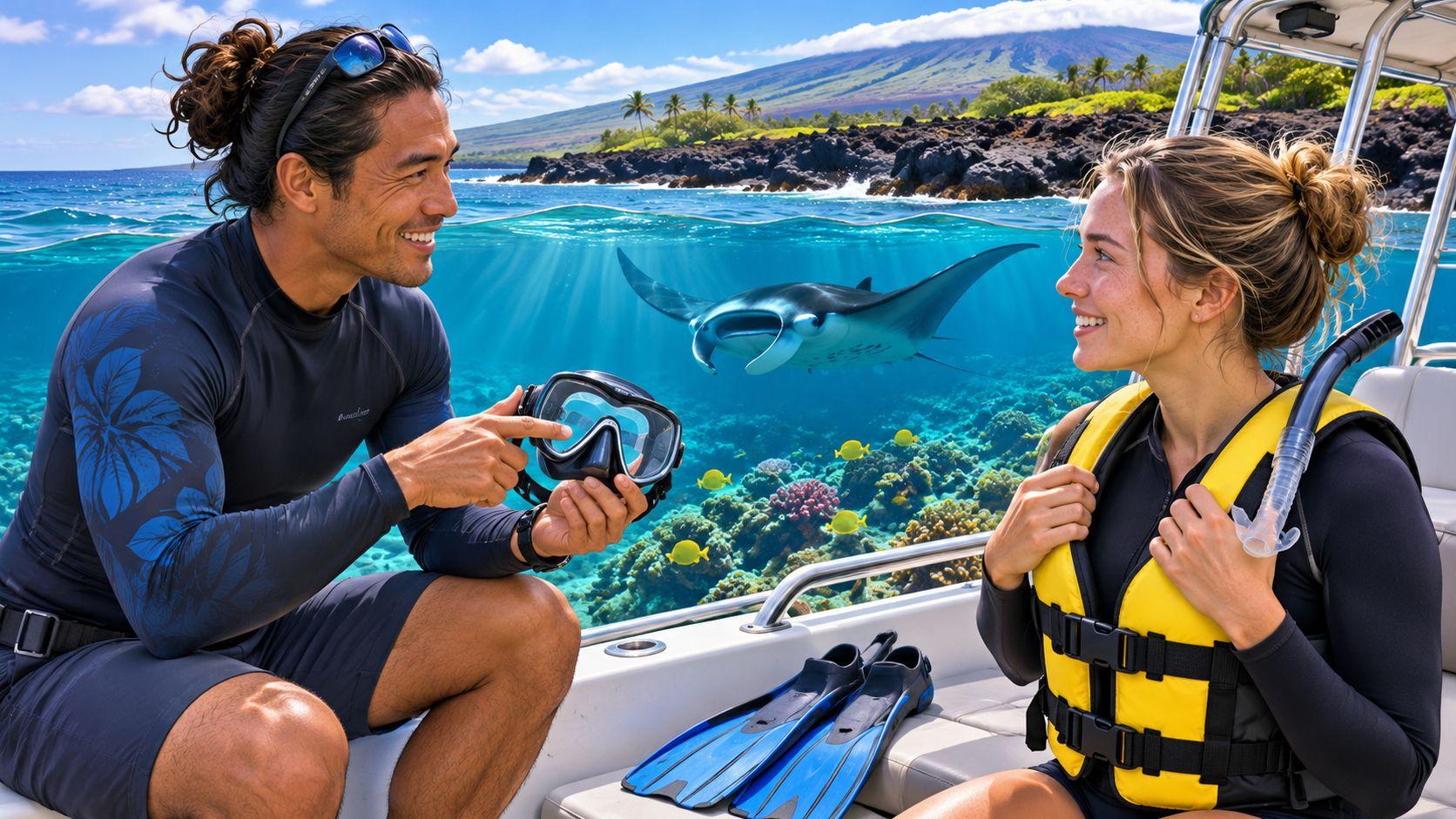
Kona Dive Shop Guide: How to Choose and What to Book
Compare Kona dive shops by safety, certification, group size and eco-practices, plus manta night and Kealakekua Bay tour tips.
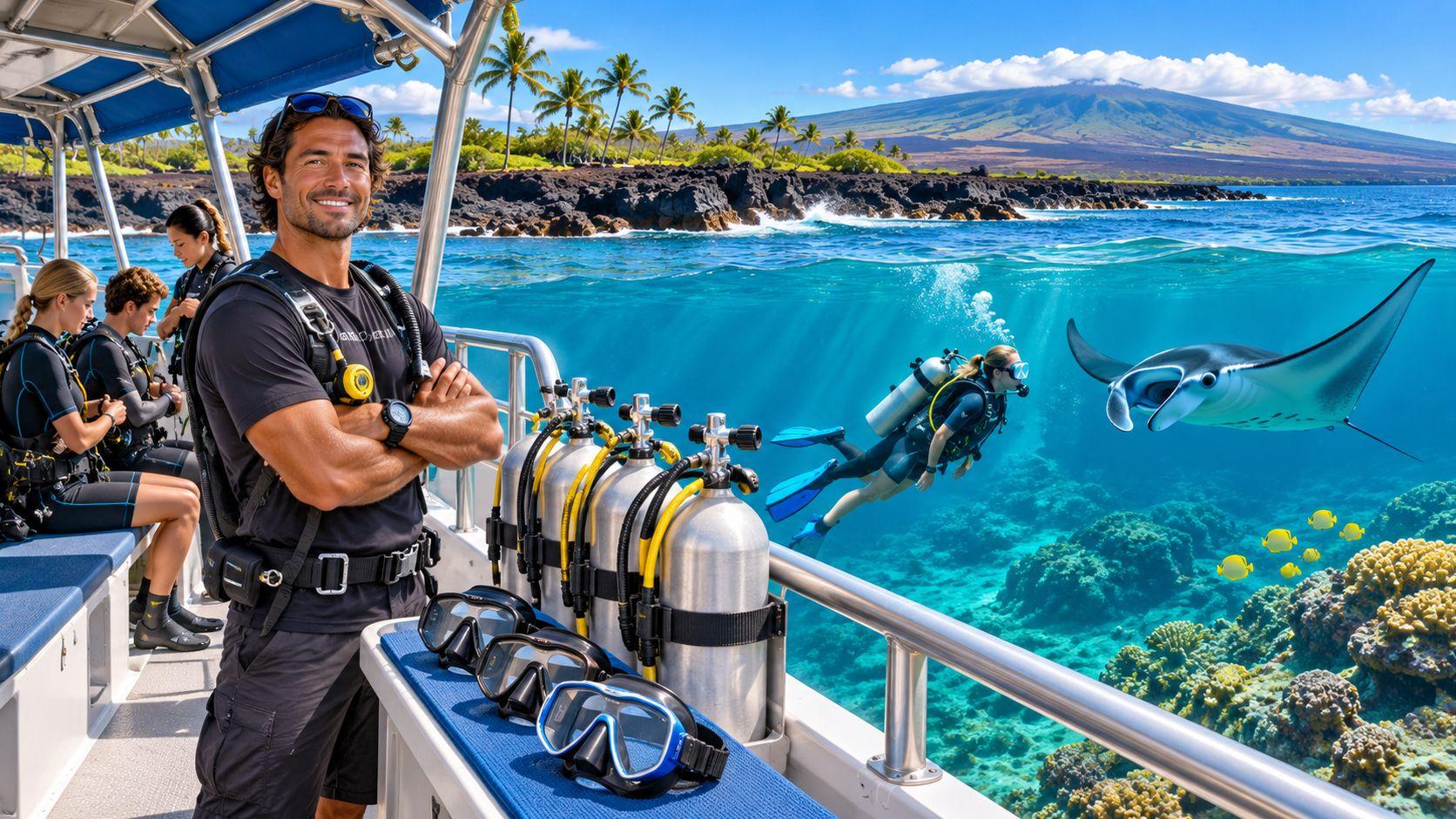
7 Best Kona Scuba Dive Shops: Ranked and Compared for 2026
Compare the top Kona Scuba Dive Shops on the Big Island: certifications, manta and blackwater dives, rentals, prices, and how to pick the right operator.
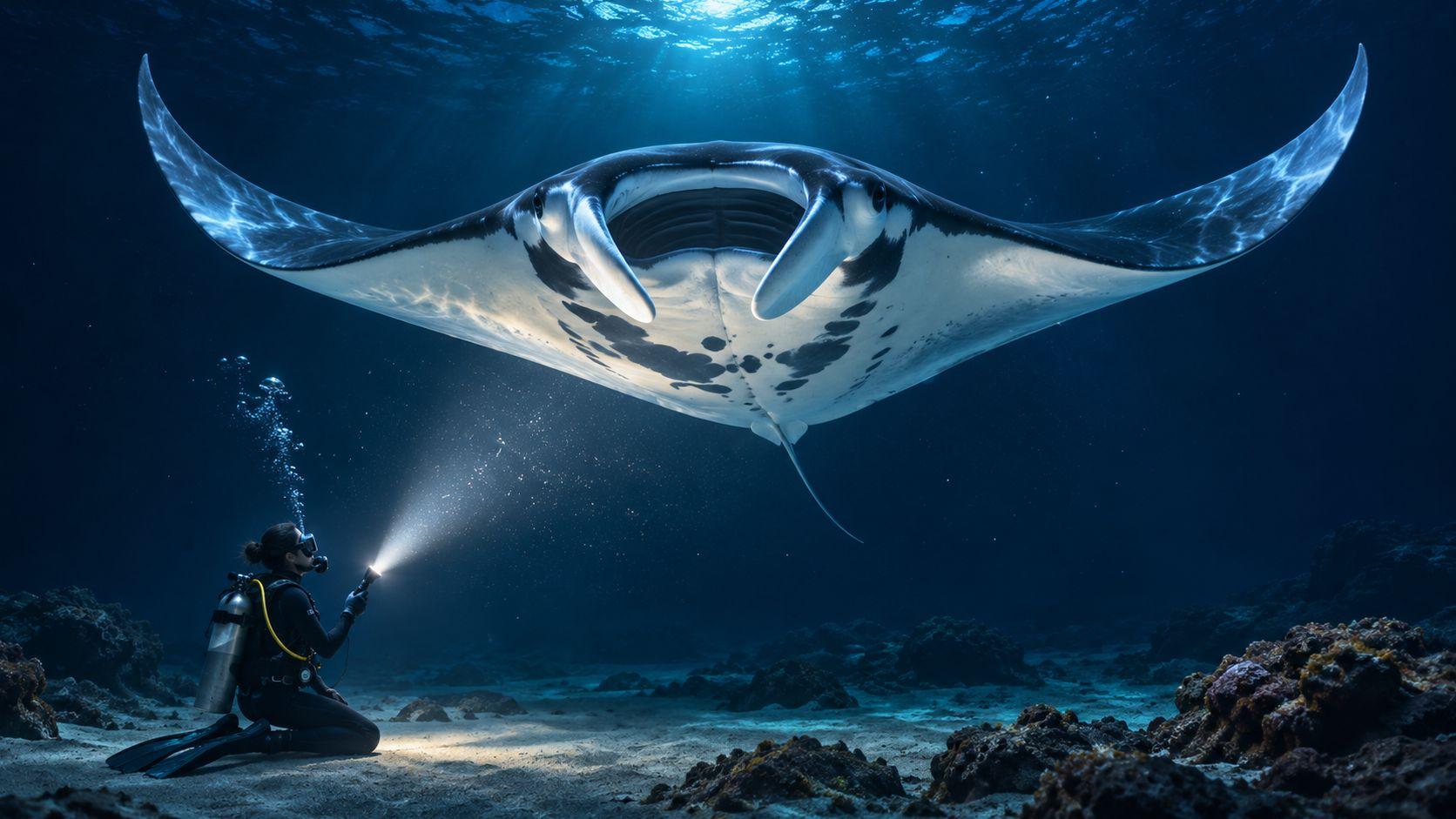
Manta Night Dive in Kona: A Practical Guide
Plan a manta night dive in Kona: sites, gear, passive positioning, and how divers and snorkelers watch reef mantas feed.