
The first manta rose beneath my light without a sound that I didn't notice until its white belly filled the water above me. For a few seconds, the ray banked through the plankton, turned, and came back for another pass, while the guide's briefing echoed in my head: stay calm, keep your distance, and let the animal choose the encounter.
Why Kona's Waters Are a Diver's Dream
The first surprise in Kona is how ordinary the beginning sounds. A shoreline hotel switched on bright lights in 1991. Plankton gathered. Manta rays followed. Before long, boats were idling offshore, guides were timing entries to the glow, and a local curiosity had turned into one of Hawai'i's most recognizable night-water encounters. By 2019, more than 20 boats were reportedly visiting Kona's two main manta sites on a typical night, with more than 400 people entering the water across both locations, according to this account of Kona's manta tourism and management challenges.
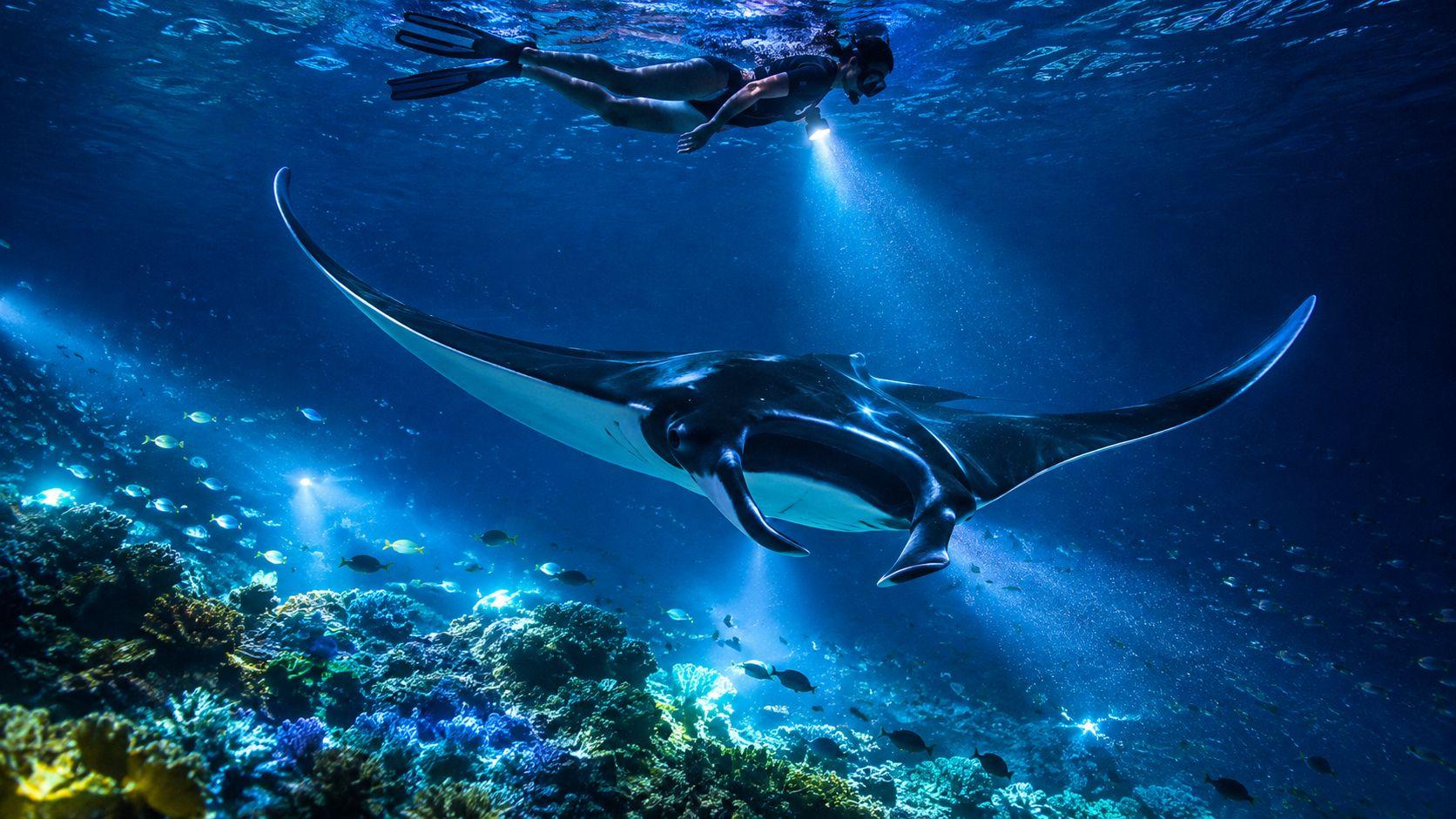
Out on the water, that bigger history shrinks to a few vivid details. Your mask frames a small circle of black water. Someone checks your fins one last time. A guide tells you where to hold, where not to kick, and what to do if the current starts sliding you off position. Then a manta sweeps through the light and the whole place makes sense.
That mix of intimacy and pressure is part of what makes Kona special. It is also why choosing an operator here takes more thought than scanning for the lowest price or the flashiest boat photo. The strongest crews show their standards in the briefing. They explain spacing before anyone touches the ladder. They tell nervous swimmers exactly how the entry works. They make clear that the animal decides the distance, not the guest.
A resident population with a local story
Kona's manta rays are not just passing through. Researchers and conservation authorities treat this population as locally distinct from manta groups elsewhere in Hawai'i. For travelers, that changes the feel of the encounter. You are not dropping into a random wildlife sighting. You are visiting a place where the same animals are known, recognized, and watched over time.
That local story should shape your decisions before you ever leave the harbor. A careful operator does not describe the mantas like guaranteed props on a schedule. A careful operator talks about conditions, animal behavior, site etiquette, and what happens if the rays do not come close. That kind of briefing usually signals something valuable. The crew is preparing you for a wildlife encounter, not selling a performance.
Hawai'i prohibited the capture or killing of manta rays in state waters in 2009, and the state moved toward additional management rules in 2014, including permitting and site-traffic controls. Those protections matter because visitor demand helped build the experience, and visitor behavior still shapes whether it stays safe for animals and people.
A trustworthy operator treats the manta as the host, not the attraction as a prop.
What makes Kona especially rewarding for divers
The underwater draw here goes well beyond one famous night site. Kona's volcanic coast creates lava shelves, reef pockets, sheltered coves, and drop-offs that suit very different comfort levels. On many days, the leeward side softens the force of the trade winds at nearshore sites, though swell, weather, and runoff can still change a plan fast.
That is why recommendations for Big Island divers in Kona, Hawaii can sound so different from one traveler to the next. One guest wants a calm surface experience with a clear float setup and close guide support. Another wants a true scuba outing, a night descent, and a crew that speaks to certified divers like certified divers. The better question is not which tour sounds famous. It is which operator reads your experience level correctly, gives a clear safety talk, and handles the site with respect.
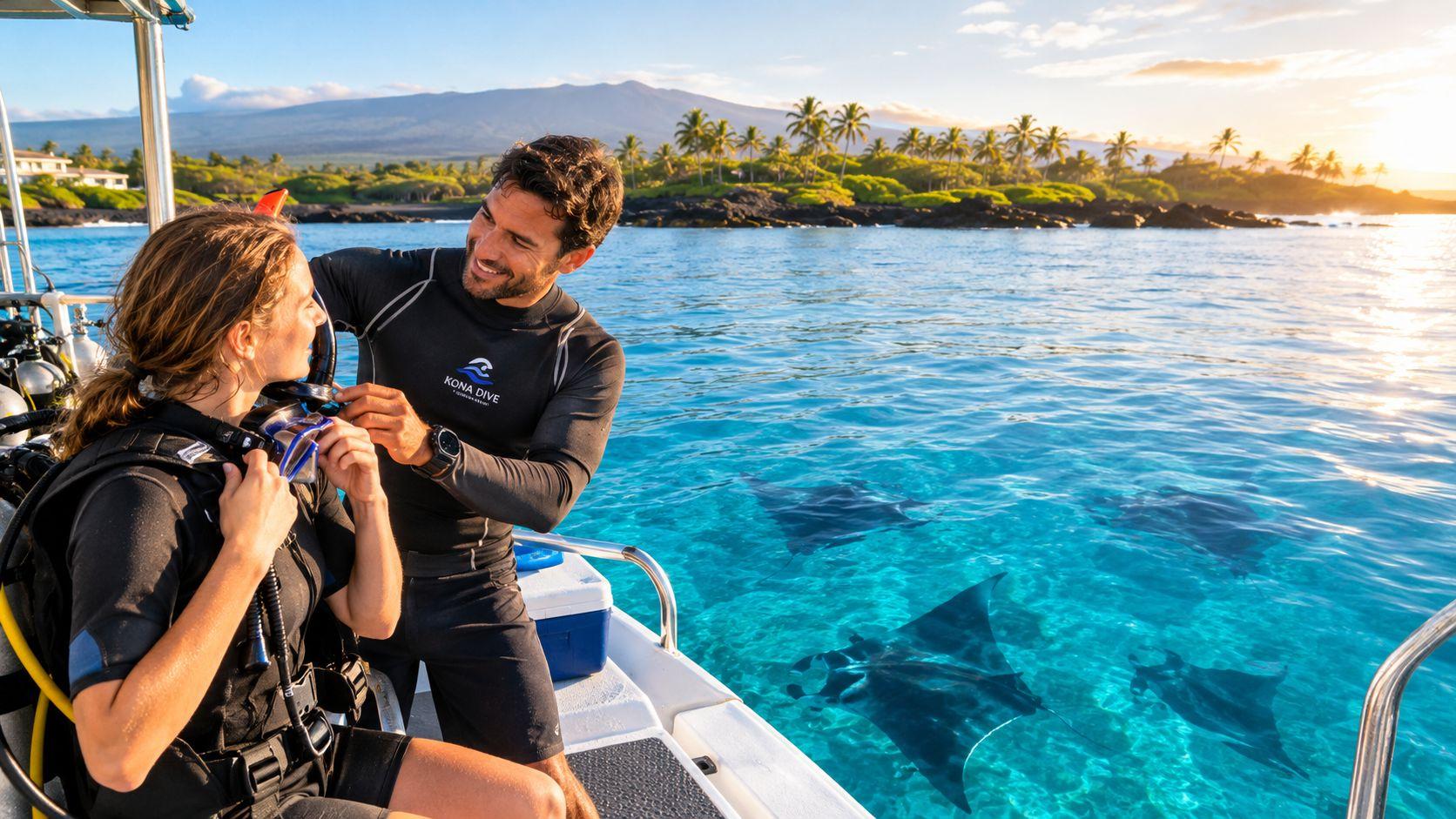
For scuba divers, Kona Honu Divers is worth a look for dedicated dive outings, including Kona manta ray diving and scuba experiences. For travelers who want a surface manta trip or a reef snorkel that works for mixed abilities, Kona Snorkel Trips offers small-group snorkeling outings with lifeguard-certified guides and environmental practices built into the experience.
Signature Experiences You Should Know About
One night off Kona, the whole group went quiet the moment the first manta turned under the lights. You could hear fins stop kicking. A few people had boarded expecting a simple float in the dark. What they got was a lesson in how different Kona's headline trips really are. The manta ray night snorkel asks for calm in open water at night, steady listening, and trust in the crew. A Captain Cook snorkeling trip rewards a different kind of attention, the slow habit of scanning reef structure, current, and fish movement in daylight.
The manta ray night snorkel
At Manta Village and Manta Heaven, the scene is built around light and plankton. Research on Kona manta encounters describes recurring feeding sites at Manta Village at Kaukalaelae Point and Manta Heaven in Makako Bay, with lights positioned at the surface and near the seafloor at approximately 10 meters, creating concentrated feeding patches, according to the NOAA-hosted research on Kona manta encounters.
That matters when you are choosing an operator. The good brief is specific. A guide you can trust tells you where your hands go, how high to keep the light, how to hold the float, what signal means you want back on the boat, and why stray fin kicks create problems for both wildlife and other guests. If the explanation stays vague, or skips over body position and marine life contact, pay attention.
Your role in the water is simple, but not passive. Hold position. Keep your fins clear of the reef and other swimmers. Let the plankton gather in the beam instead of splashing or chasing the animal. Crews also commonly instruct guests to keep lights above their heads and avoid contact with coral, urchins, and other marine life, which keeps the viewing area open for the manta and lowers the chance of a clumsy collision.
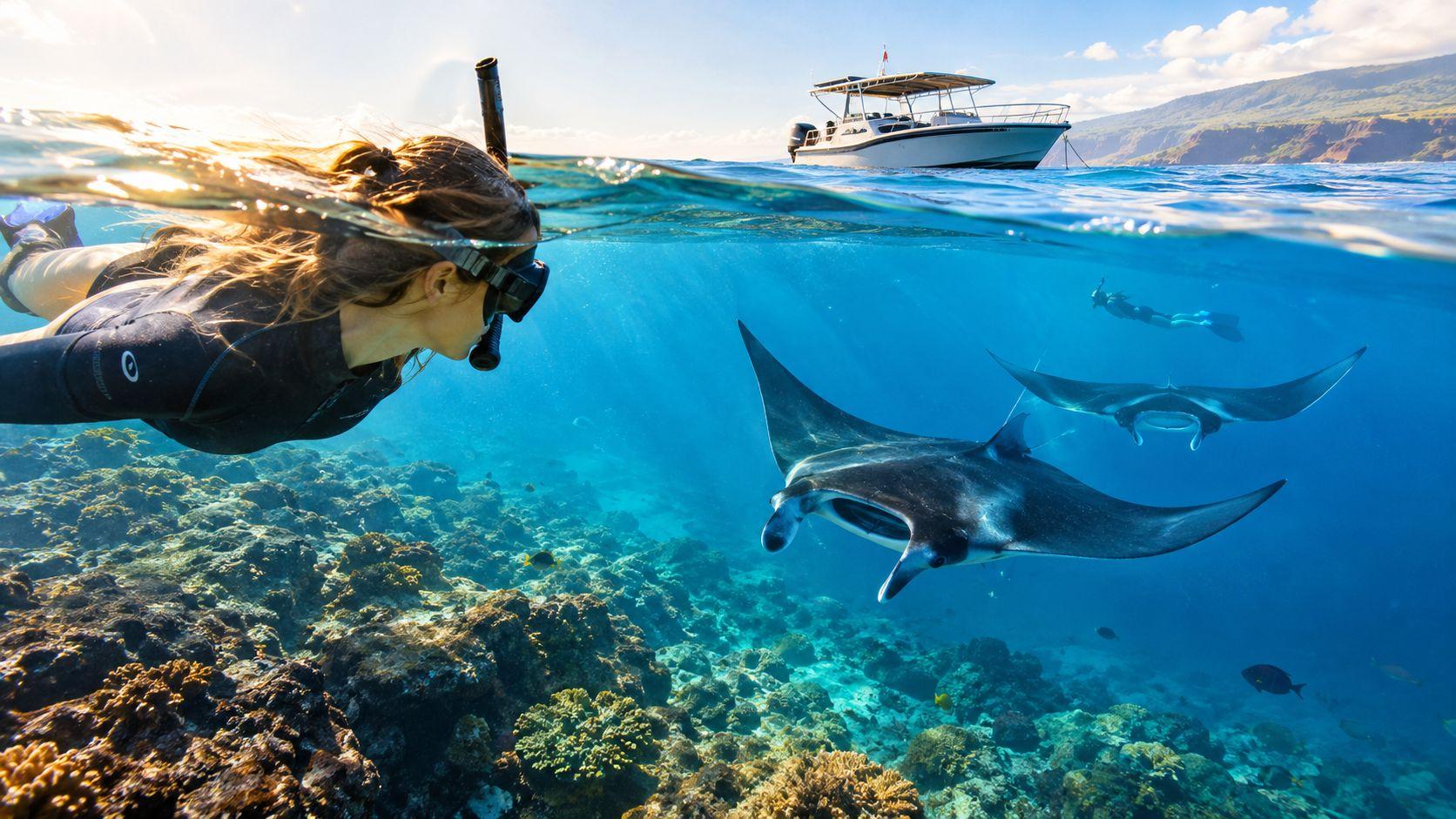
For first-time snorkelers, the intensity usually comes before the first sighting. The deck is bright. The water is black. Then the light catches particles in the current, and the ocean suddenly looks crowded with drifting life. When a manta arrives, the mood changes fast. The animal moves with control, often close enough to make people forget they were nervous a minute earlier.
If you are comparing operators, look past the booking headline and read how they describe the briefing, flotation, guide support, and departure area. Manta Ray Night Snorkel Hawaii gives one point of comparison, and this guide to where to see manta rays on the Big Island of Hawaii helps travelers sort out which launch area fits the experience they want.
Captain Cook and Kealakekua Bay
Captain Cook has a slower pulse. You drop into clear daylight, look down instead of up, and start noticing the bay in layers, coral heads, fish traffic, lava coastline, and the way the protected water settles people who were tense on the ride out.
Kealakekua Bay is a Marine Life Conservation District that extends from the high-water mark offshore to a boundary line from Cook Point to Manini Beach Point. Another boundary from Cook Point to the north end of Nāpō'opo'o Beach divides the district into Subzone A to the north and Subzone B to the south, as described in the official Kealakekua Bay MLCD description. A guide who knows the bay well usually works those details into the safety talk because protected water still comes with rules.
The rules are straightforward. Hawai'i prohibits fishing for, taking, or injuring marine life in the MLCD, except for specifically authorized activities in Subzone B. Visitors also may not take or alter sand, coral, rocks, or other geological features, and they may not feed fish, according to the official Kealakekua Bay regulations.
That is one reason this trip suits families, reef lovers, and mixed-ability groups. The water may feel easier than a night manta float, but the best crews still show their quality in small ways. They explain entry and exit clearly, set expectations about wildlife distance, and point things out without turning the reef into a petting zoo.
For travelers weighing routes and inclusions, Captain Cook Snorkeling Tours offers a useful comparison point before booking.
Boat Tours Versus Shore Dives Decided
The easiest entry isn't always the safest entry. At a boat-accessed site, you may descend from a stable platform into open water with a guide already watching the group. At a shore site, you may need to negotiate lava, surge, slippery footing, and a long swim before reaching the reef.
Old Kona Airport illustrates the difference. Official information describes sharp coral and lava-rock entries, potentially dangerous swells and currents during storms, no lifeguards currently on duty, shallow reef near shore, and a rapid drop into deep water beyond roughly 50 feet, as outlined by the Hawai'i Division of Aquatic Resources.
Kona Tour Types at a Glance
| Tour Type | Entry Style | Best For | Risk Level | Typical Duration |
|---|---|---|---|---|
| Manta night snorkel | Guided boat entry at a managed viewing site | Confident swimmers, families with suitable flotation support, wildlife-focused travelers | Moderate, because darkness and open-water positioning require close attention | Evening outing |
| Captain Cook boat snorkel | Boat launch into Kealakekua Bay | Families, reef viewers, daytime photographers, mixed-ability groups | Low to moderate, depending on swell, swimming comfort, and guide support | Day outing |
| Guided shore dive | Beach or lava-rock entry | Experienced swimmers and divers comfortable assessing footing and surge | Moderate to high at exposed entries | Planned dive session |
| Dedicated scuba boat | Platform or ladder entry with dive crew support | Certified divers seeking deeper reef or specialty dives | Matched to certification, conditions, and site selection | One or more dives |
The table is a decision aid, not a guarantee. A calm morning can become uncomfortable later in the day, and a familiar shore can change after swell or rainfall. Read the operator's same-day assessment as carefully as the itinerary.
The most useful question isn't “Is the water calm?” Ask, “What will you do if the entry or site no longer suits this group?” A professional answer includes an alternate site, a conservative cancellation decision, and a clear explanation of how guides support weaker swimmers.
For a practical comparison of access, comfort, and flexibility, see this guide to Big Island snorkeling by boat or shore. The best option is the one that removes the largest source of stress for your group, whether that's a rocky entry, boat motion, darkness, or the need to keep several swimmers together.
Safety Certification and Eco Practices Explained
A polished boat and cheerful crew don't tell you enough. Trust develops during the briefing, when the guide explains what can go wrong, who watches whom, and what the crew will change if conditions shift.
Kona's manta sites show why that detail matters. A Hawai'i County assessment recorded at least 42 commercial operators visiting the two principal manta sites as of August 2015. During observations from August 10 to 13, 2015, researchers counted 16 to 19 vessels per night and approximately 160 to 190 snorkelers and divers in the water simultaneously, with one observation recording 21 vessels and 301 people. Later state discussions estimated roughly 60 to 70 boats per day visiting the two Ocean Recreation Management Areas near Honokohau and Keauhou. The figures come from the Hawai'i County boating operations and safety assessment.
Certification should match the plan
For ordinary daytime scuba dives, an Open Water certification generally establishes the foundation for participating in certified-diver trips, subject to the operator's own requirements and your recent experience. An Advanced certification may be expected for deeper or more complex sites. A Night Diver specialty can be useful preparation for after-dark scuba, but the operator should state the actual prerequisite rather than leaving you to guess.
Manta snorkeling is different from manta scuba diving. Snorkelers don't need scuba credentials, but they do need enough swimming comfort to remain with the group, manage a mask and snorkel, and respond to guide instructions in darkness. A diver considering a manta trip should ask whether the outing is a certified-diver dive, an introductory experience, or a combined format.
When you mention Kona Honu Divers, you can review the company's customer feedback through the following widget:
Read the briefing for the behaviors it creates
NOAA's guidance gives divers a useful standard. Maintain neutral buoyancy, remain near sand, rubble, or boulder substrate, and keep the open water column available for manta movement. Hold lights above your head to illuminate plankton rather than shining them directly into an animal's face, and avoid contact with coral, urchins, and other marine life, as described in the NOAA research document on manta feeding sites.
Ask these questions before booking:
- Guide ratio: How many guests will each guide actively supervise in the water?
- Contingency plan: What happens if wind, swell, runoff, or visibility makes the planned site unsuitable?
- Wildlife rules: How does the crew prevent touching, chasing, feeding, or blocking animals?
- Equipment check: Who confirms mask fit, flotation, lights, and entry readiness?
- Crowding response: How does the operator handle boat limits, viewing time, and spacing?
The sustainable marine tourism guidance for Kona visitors offers useful context for evaluating these choices. Good eco-practice isn't a slogan on the booking page. You should hear it in the briefing, see it in the guide's positioning, and notice it in the crew's willingness to say no when a behavior risks people or habitat.
Booking Logistics and What to Bring
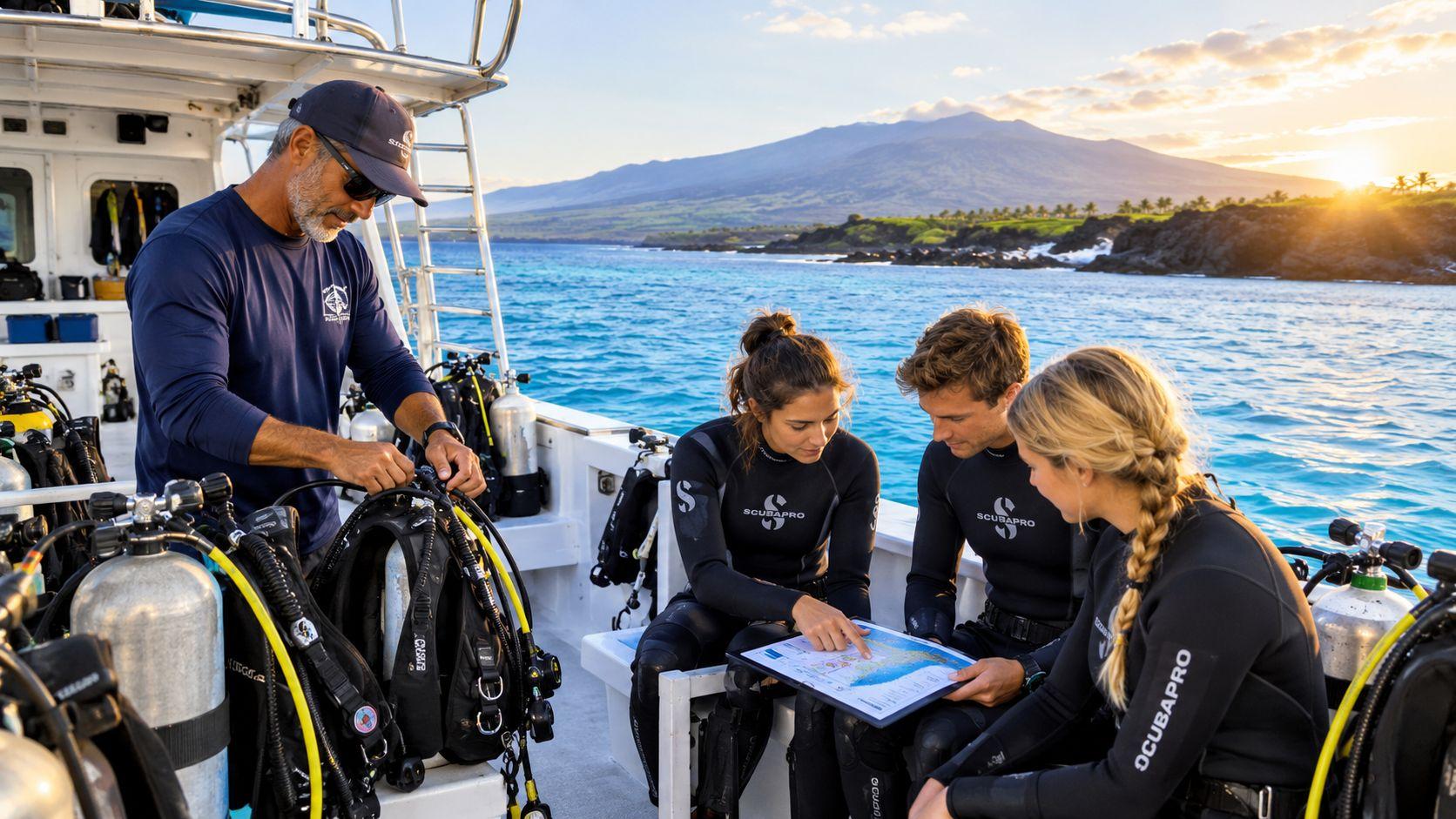
A smooth trip starts before you reach the harbor. Read the confirmation email closely because Kona operators may use different docks, marinas, and meeting points around the harbor area. Don't assume the business address, parking location, and boat departure point are the same.
Build a simple departure checklist
- Meeting point: Confirm the exact marina, slip, parking instructions, and check-in location.
- Arrival time: Give yourself room for parking, waivers, restroom use, and a calm gear check.
- Personal gear: Bring reef-safe sunscreen, a rash guard, towel, water, and a camera with a waterproof housing if you plan to photograph.
- Food needs: Tell the operator about dietary restrictions before departure, especially if snacks are served aboard.
- Motion comfort: Hydrate, eat lightly, and prepare any motion-sickness strategy before boarding.
- Policies: Read cancellation, weather, rescheduling, and no-show terms before paying.
Most operators provide the core equipment listed in the tour description, but inclusions vary. Ask whether masks, fins, flotation, wetsuits, lights, tanks, weights, and cameras are supplied or rented separately. If you're booking for a mixed group, ask whether a non-swimmer can remain aboard comfortably or whether every participant must enter the water.
For a fuller gear checklist, use this Big Island snorkeling packing list. First-timers should also tell the crew about recent diving, anxiety in open water, weak swimming, or trouble with mask fit. That information helps a guide adjust the briefing instead of discovering the issue after departure.
Kona Snorkel Trips offers small-group outings, lifeguard-certified guides, gift cards, and snorkeling experiences designed for visitors who want personal support rather than a hurried water entry. Compare those details with the requirements of a dedicated scuba operator, then choose the format that fits your group's actual comfort.
Common Misconceptions About Kona Diving
Myth one, Kona waters are always calm. The leeward coast often receives shelter from prevailing trade-wind energy, which can make many nearshore sites comfortable. That doesn't eliminate short-lived winter storms, swell, wind shifts, or visibility changes after rainfall. A responsible operator checks conditions the same day and keeps an alternate sheltered site available, rather than treating historical calm as a promise.
Myth two, any certified diver can join any tour. Certification is only one part of readiness. A diver may hold an Open Water card yet lack recent experience, confidence in current, comfort at night, or the buoyancy control needed around wildlife. Shore entries can challenge even capable divers when sharp lava, surge, or a deep drop follows a shallow approach. The guide's questions about your last dive, air consumption, swimming comfort, and specialty training are signs of care, not unnecessary paperwork.
Myth three, all manta tours are identical. The animals may visit the same feeding area, but the human experience changes with vessel organization, group management, light placement, briefing quality, and environmental enforcement. One crew may keep guests spread out and quiet. Another may allow crowding that makes it difficult to hold position or leave animals room to maneuver.
Trust the operator that explains limits before you ask about highlights.
The most revealing booking question is, “What would make you cancel or move this trip?” A vague answer suggests the company sells the itinerary first and evaluates risk later. A useful answer names conditions, describes the alternate plan, and makes clear that a disappointed guest is preferable to an unsafe or damaging encounter.
That mindset helps beginners, older travelers, families, and weak swimmers choose more intelligently. Instead of asking whether Kona is easy, ask whether this specific entry, group size, water state, and guide structure suit you today.
Frequently Asked Questions
Is Kona safe for beginner snorkelers?
It can be, if you choose a suitable site, disclose your swimming ability, use properly fitted flotation, and follow a professional briefing. Exposed lava entries and storm conditions aren't appropriate for everyone.
Do I need certification for a manta ray night dive?
For scuba, operators commonly require at least Open Water certification, while Night Diver training may be recommended or required. Manta snorkeling doesn't require scuba certification, but it does require water confidence.
What's the best time of year to visit?
Kona offers marine activities across the year. Conditions vary by day, so an operator's same-day assessment matters more than relying on a calendar assumption.
Can I bring my own camera?
Usually, yes, if it has suitable waterproof housing. Ask about camera handling, light placement, and whether the operator has rules designed to prevent contact with wildlife or reef.
Kona Snorkel Trips offers small-group manta ray night snorkeling and Captain Cook reef tours with lifeguard-certified guides, practical briefings, and a focus on respectful wildlife encounters. Visit Kona Snorkel Trips to compare available ocean experiences and choose the one that matches your group's comfort in the water.
Keep reading
Manta Ray Night Dive Kona: A Complete Insider Guide
Plan your manta ray night dive Kona experience with this practical guide. Compare snorkel vs scuba, best seasons, safety, pricing, and how to book.
Kona Dive Shop Guide: Choosing the Best Operator
Choosing a Kona dive shop? Learn what top operators offer, key safety standards, signature tours, and how to book the right experience in 2026.
Choosing a Kona Diving Company: A Practical Guide
Choosing a Kona diving company? Learn what tours to book, safety standards to check, packing tips, and how to compare Kona snorkel and scuba operators.