
Boat Tour or Shore Entry for Big Island Snorkeling?
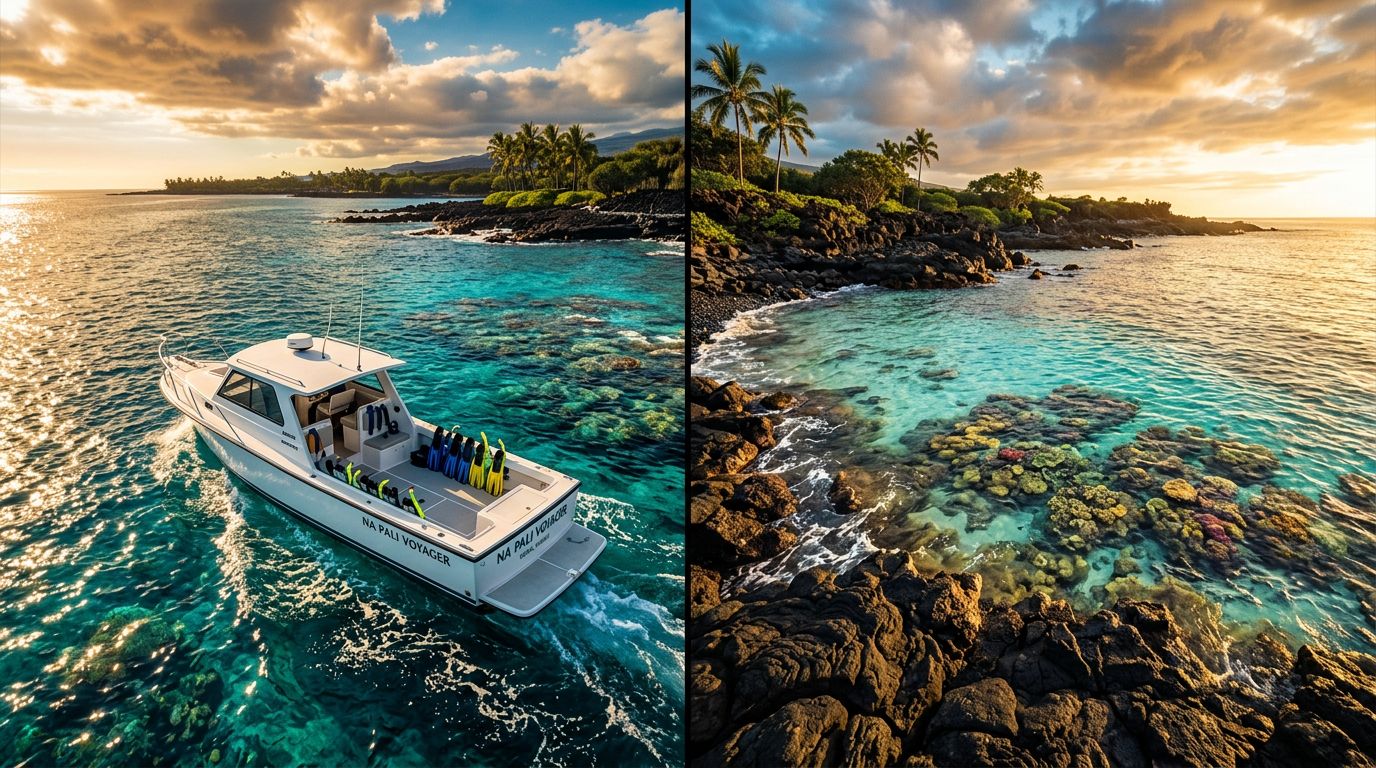
The best way to experience Big Island snorkeling depends on what you want from the water. A boat tour gives you guided access to reefs, coves, and wildlife areas that may be difficult to reach from land. Shore entry gives you freedom, lower costs, and the chance to snorkel at your own pace.
Your swimming ability, travel group, comfort with ocean conditions, and preferred snorkeling location should guide the decision. Once you understand what each option involves, choosing between a boat tour and shore entry becomes much easier.
The short answer: choose based on access, comfort, and conditions
A boat tour is usually the stronger choice when you want an easy entry, professional guidance, and access to a specific site such as Kealakekua Bay. It also works well if you have limited vacation time and want a structured experience.
Shore entry suits you when you prefer flexibility. You can arrive when conditions look good, stay for an hour, and leave whenever you want. It can also cost less, especially if you already have your own mask, snorkel, and fins.
| Choose a boat tour if you want… | Choose shore entry if you want… |
|---|---|
| Direct access to offshore reefs | A lower-cost outing |
| A guide and provided equipment | Control over your schedule |
| Easier water entry from a ladder | A short, casual swim |
| More help with safety and wildlife spotting | To snorkel near your lodging |
| Scenic coastline views during the ride | To return to the same cove repeatedly |
Kona Snorkel Trips offers guided boat excursions with small groups, trained guides, and carefully selected ocean sites. You can browse Big Island snorkeling tours if you want help deciding which type of trip fits your plans.
The biggest question is simple: Do you want the ocean to bring you to a snorkeling site, or do you want to reach the water yourself?
What a boat tour adds to your snorkeling day
A boat tour changes the entire experience before you even enter the water. Instead of walking over lava rock with your gear, you board at a harbor and ride directly toward a reef, bay, or wildlife area. Many boats also provide a ladder, freshwater rinse, flotation equipment, and shaded seating, although the exact amenities depend on the operator.
You also gain local knowledge. A good guide watches the wind, waves, visibility, and current before choosing where you snorkel. If conditions change, the crew can adjust the plan rather than leaving you committed to one shoreline entry.
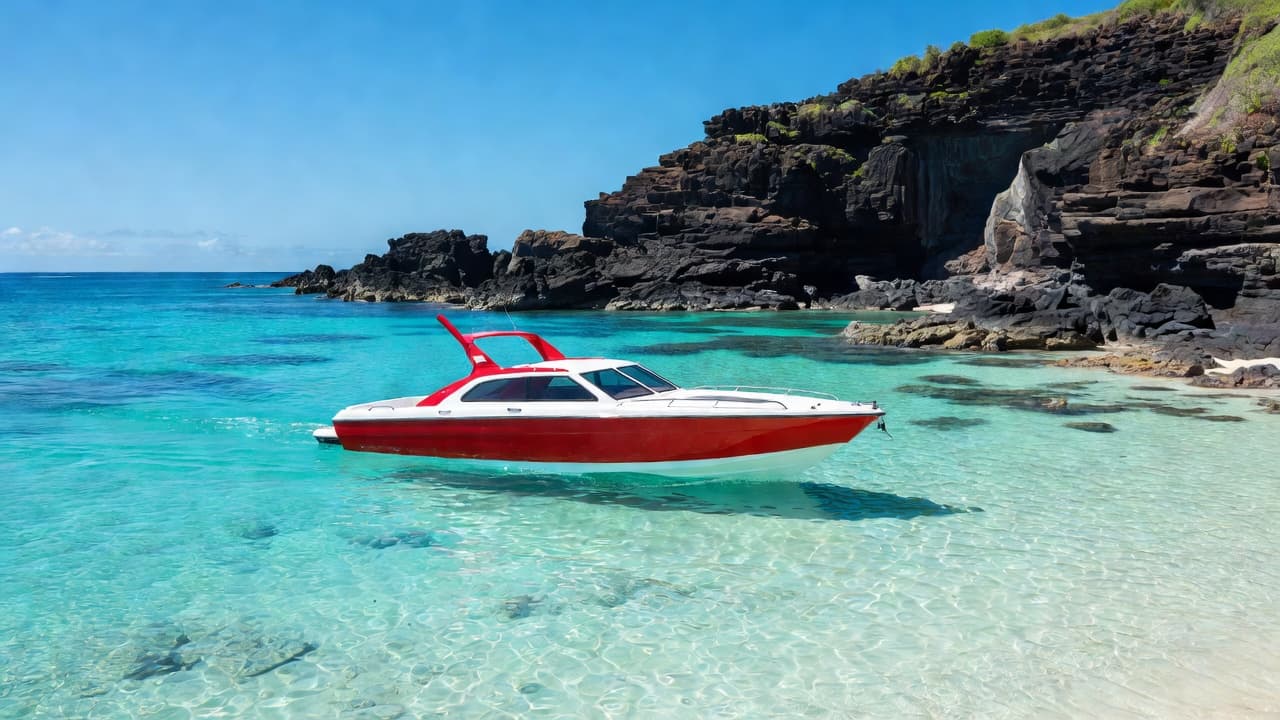
Boat access is especially useful along the Kona coast because some of the clearest reefs sit below steep volcanic cliffs. Kealakekua Bay is a good example. The historic Captain Cook Monument area is not a casual walk from a nearby parking lot, so a boat trip can make the location far more accessible.
You may also see more coastline during a boat excursion. Depending on the route, you could pass sea cliffs, lava formations, sea caves, and secluded beaches that you won’t see from a beach parking area.
A boat tour has limits, too. You need to follow a departure schedule, and the ocean’s movement can affect how comfortable you feel. If you get seasick, eat lightly before boarding and ask the operator about motion sickness preparations. Weather can also change a route or cancel a trip for safety.
A boat tour is more than transportation. It gives you access to places where shore entry may be difficult, tiring, or unsafe.
Why shore entry can be the better choice
Shore snorkeling gives you control. You don’t need to wait for a departure time, share the water with a boat group, or commit to a multi-hour excursion. When the ocean looks calm, you can walk in, explore the shallows, and return to shore when you’re ready.
This option works well for families with older children, couples who want a relaxed morning, and experienced swimmers who already know how to read local conditions. You can also split your time between snorkeling and other beach activities without following an itinerary.
Kahalu’u Beach Park is one of the more convenient shore-entry areas near Kailua-Kona. Honaunau Bay, often called Two Step, is another popular choice, although its rocky lava entry requires care. For more location ideas, see this Kona snorkeling guide before you plan your beach days.
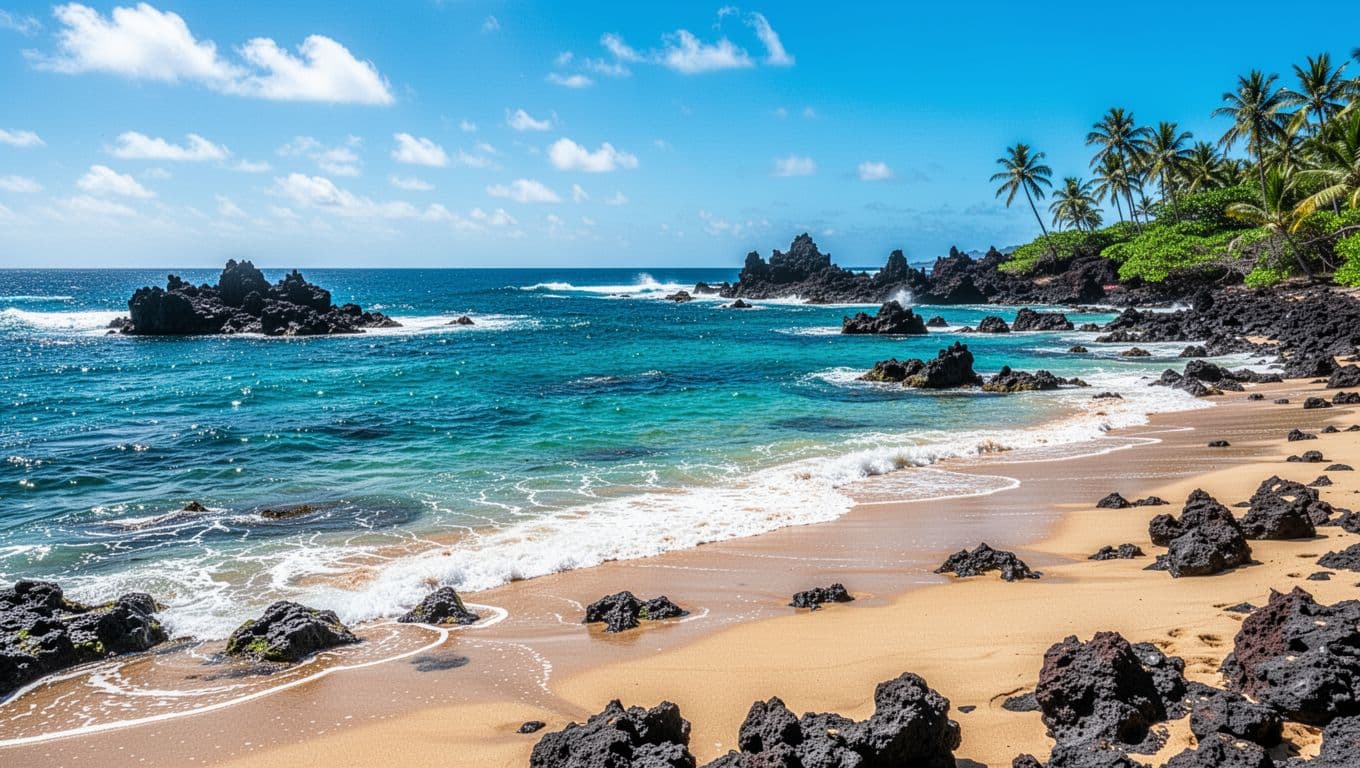
The main challenge is the entry itself. Black lava rock can be uneven and slippery. Waves may push you toward the shore, and a calm-looking surface doesn’t always mean calm water below. You should check local conditions before entering and avoid snorkeling when waves break across the access point.
Shore entry also places more responsibility on you. You need to bring or rent gear, protect your belongings, watch your group, and decide when conditions have become uncomfortable. Many shore locations don’t offer the same guide support or easy ladder exit as a boat.
Wear sturdy water shoes when the entry requires them, but never walk across living coral. Keep your fins from scraping the reef, and leave enough distance for fish and turtles to move freely.
Match the entry method to the snorkeling spot
The best method depends heavily on location. A protected cove close to town may reward shore entry, while a remote marine sanctuary can justify the cost and time of a boat ride.
Kahalu’u Beach Park
Kahalu’u is convenient when you’re staying in the Kona area and want a short shore session. You can carry only the gear you need, check the water, and leave without spending an entire morning on the activity.
Because the area is close to town, it can become busy. Arrive early if you want a quieter experience, and pay attention to signs and current conditions before entering.
Honaunau Bay and Two Step
Honaunau Bay has a rocky shoreline rather than a broad, sandy entrance. The natural lava shelf can make entry manageable for confident swimmers, but you need steady footing and patience.
This site is best when the ocean is calm. If waves are hitting the rocks, wait for better conditions instead of forcing your way in. The bay also has cultural importance, so respect marked areas and local guidance.
Kealakekua Bay and the Captain Cook Monument
Kealakekua Bay is one of the clearest answers to the boat-versus-shore question. A boat can take you directly into the bay and near the monument, while reaching the same area by land requires a longer, more demanding route.
A Captain Cook snorkeling tour can be a practical choice if you want to spend your energy in the water instead of on the approach. The bay is also a strong option for families who want guide support and an organized entry.
You can compare additional sites in this Big Island snorkeling spot guide, which includes locations such as Two Step and Captain Cook Monument.
Open beaches on the Kona coast
Places such as Manini’owali Beach, also called Kua Bay, can offer beautiful water and a classic beach setting. However, open beaches respond more directly to swell and wind. A site that looks perfect one morning may have poor visibility or stronger shore break later.
That makes a boat tour more useful when you want a crew to evaluate conditions and choose a protected site. Shore entry remains a good option when the beach is calm and you understand the access point.
Manta ray viewing areas
Night manta ray snorkeling is a boat-based activity in Kona. You enter the water with flotation support near lights that attract plankton, which in turn brings manta rays close to the surface.
This experience differs from daytime reef snorkeling. You need to be comfortable in dark water, follow guide instructions, and remain with the group. If swimming with manta rays is a priority, look at Kona manta ray snorkeling tours rather than planning a shore-entry session.
Compare safety, comfort, and wildlife encounters
Your comfort in the ocean matters more than the price of your mask rental. If you rarely swim in open water, a guided boat tour can provide useful support. A lifeguard-certified guide can explain how to use the equipment, help you enter through a ladder, and point out hazards before you begin.
You still need to be able to swim and follow instructions. A boat doesn’t remove the need for personal awareness. Use a flotation device if the crew recommends one, stay with your group, and tell the guide if you feel tired or uncomfortable.
Shore entry requires a more independent approach. Before entering, watch the water for several minutes. Look at where waves break, check whether other swimmers are being pushed toward rocks, and identify your exit route.
Families should consider the youngest or least confident swimmer in the group. A boat with a stable ladder may be easier than a rocky beach, while a calm, shallow cove may be better for a child who doesn’t like boat motion.
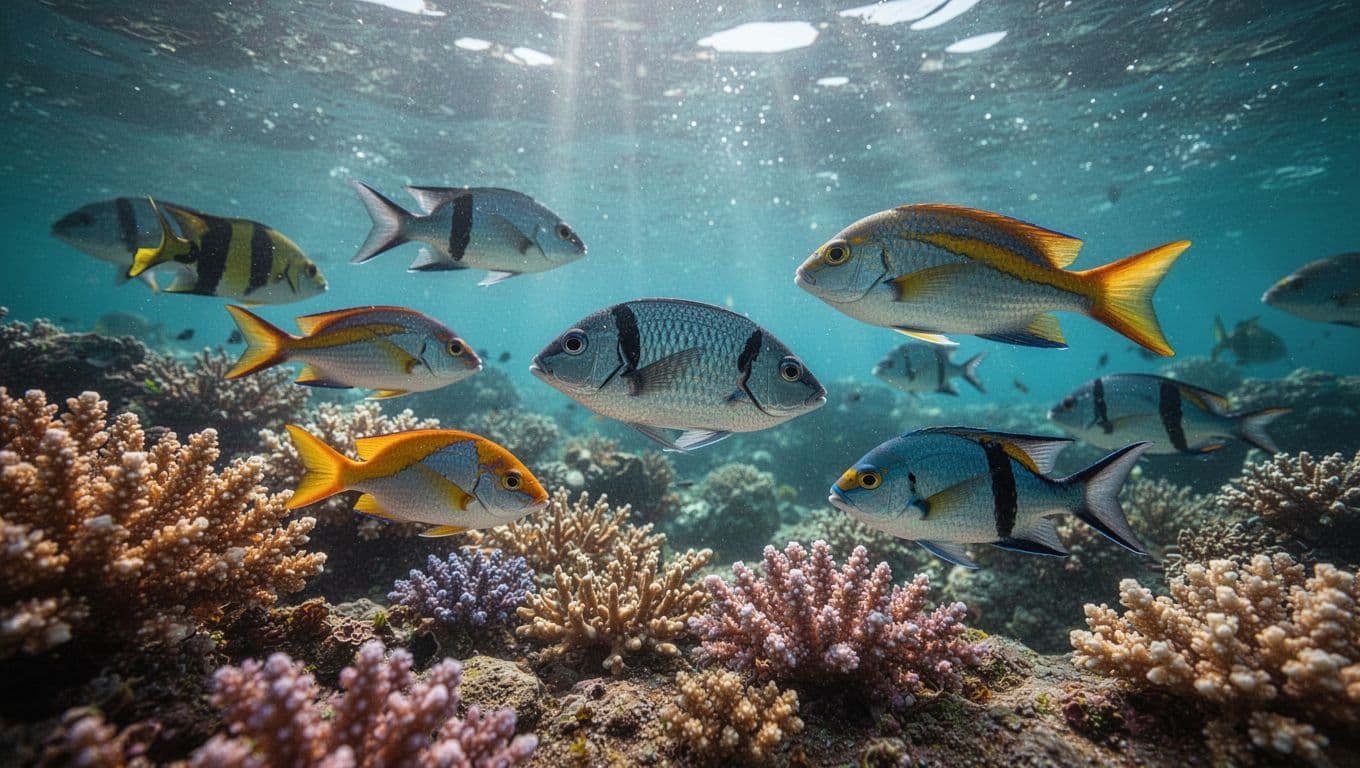
Marine life can appear through either method. You may see reef fish, sea turtles, and other animals from shore or a boat. Guides can improve your chances of noticing smaller creatures because they know where to look, but wildlife sightings are never guaranteed.
Keep your hands off turtles, coral, and other marine life. Use reef-conscious sunscreen, avoid standing on the bottom, and never chase an animal for a photograph. The family snorkeling guide also offers practical ideas for planning a safer outing with children.
Compare costs, time, and overall value
Shore entry usually costs less when you already have equipment and transportation. You may pay for parking, gear rental, or access at certain locations, but you control how long you stay. That flexibility can make shore snorkeling attractive for travelers with several beach days planned.
Boat tours cost more because you pay for transportation, crew, equipment, fuel, safety systems, and the time spent reaching the site. The price also includes access to areas that may require a long hike, kayak reservation, or difficult water entry.
Time is another part of the calculation. A shore session can fit between breakfast and lunch. A boat excursion usually takes a larger block of your day, but the trip itself becomes part of the experience.
| Factor | Boat tour | Shore entry |
|---|---|---|
| Typical planning | Reserve a departure | Check access and conditions |
| Equipment | Often provided | Bring or rent your own |
| Access | Offshore and remote areas | Nearby shoreline areas |
| Schedule | Fixed departure and return | Flexible |
| Guidance | Crew support included | You manage the outing |
| Main cost | Per-person tour price | Gear, transport, and access fees |
If you want a convenient, guided outing, the extra cost may feel worthwhile. If you plan to snorkel several times and stay near a calm beach, shore entry may stretch your budget further.
How to choose the right option for your group
Start with the location you most want to visit. If your priority is Kealakekua Bay, a boat tour often makes the most sense. If you want a quick swim near Kailua-Kona, shore entry may be enough.
Next, consider how your group handles open water. Confident swimmers may enjoy either option. Beginners, children, and travelers with mobility concerns often benefit from a boat ladder, guide, and organized equipment setup.
Your schedule matters as well. A boat trip works best when you can commit to a departure window and keep some flexibility for weather. Shore entry fits more easily around road trips, beach days, and last-minute plans.
Choose shore entry when:
- You want a short or spontaneous snorkeling session.
- You have reliable gear and transportation.
- The access point is familiar and conditions are calm.
- Your group prefers staying close to land.
Choose a boat tour when:
- You want to reach Kealakekua Bay or another offshore site.
- You’d like a guide to help with equipment and marine life.
- Rocky entries or long walks would make snorkeling harder.
- You want the coastline ride to be part of your day.
You can also combine both. Spend one morning at a convenient shore site, then reserve a boat trip for the location you can’t easily reach on foot. That plan gives you flexibility without giving up a more guided experience.
What to expect with Kona Snorkel Trips
Kona Snorkel Trips focuses on small-group ocean adventures built around a “Reef to Rays” philosophy. The company has earned a five-star reputation through attentive service, safety-focused operations, and guides who care about the marine environment.
You receive high-quality snorkeling gear and instruction from Lifeguard Certified guides. The team also uses custom-built lighted boards for nighttime manta ray encounters. Those details matter when you’re entering unfamiliar water or snorkeling with children and first-time participants.
For a daytime reef experience, the Kealakekua Bay boat excursion takes you toward the Captain Cook Monument area. For a nighttime wildlife experience, the manta ray night snorkel offers guided access to Kona’s manta viewing area.
The company also offers private Kona boat charters when your group wants a more personal schedule. A private trip can be useful for families, couples, celebrations, or travelers who want to focus on a particular reef site.
During whale season, you can also consider Kona whale watching tours. Whale watching doesn’t replace snorkeling, but it can add another ocean activity to your itinerary.
“`
When you’re ready to plan a guided outing, you can check availability for Kona Snorkel Trips.
“`
For the manta ray trip, you can check availability before choosing your date.
“`
For Captain Cook snorkeling, you can check avaialbility for the Kealakekua Bay route.
“`
Final thoughts
For most travelers, the right choice comes down to access and confidence in the water. Shore entry works well for flexible beach days, while a boat tour gives you guided support and reaches sites that are difficult to approach from land.
If your dream day includes Kealakekua Bay, nighttime manta rays, or a small-group experience with a professional crew, reserve a boat tour. If you want a short swim near your hotel and calm conditions are available, shore snorkeling may be all you need. Either way, thoughtful planning helps you spend more time enjoying the clear water and less time struggling with the entry.