
Where to See Manta Rays on the Big Island of Hawaii
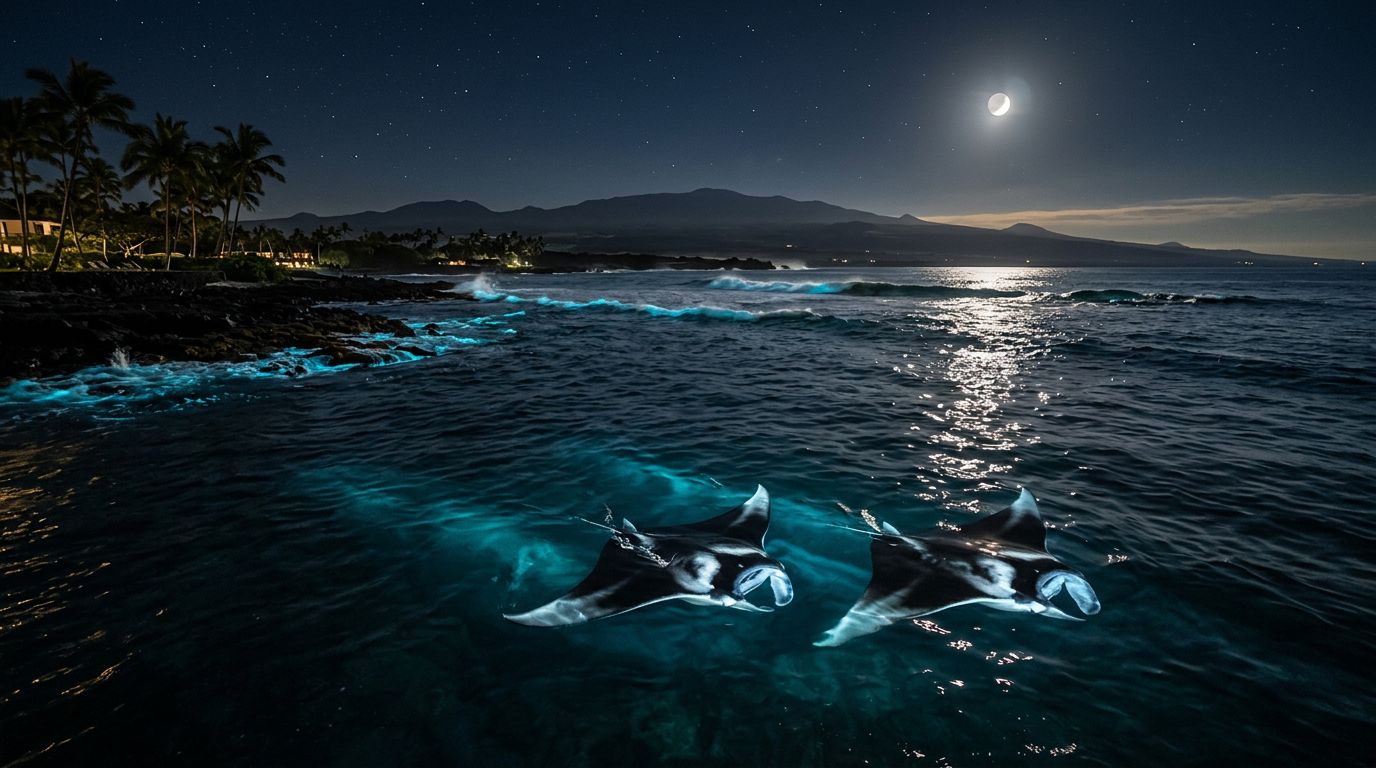
If you’re planning snorkeling Big Island Hawaii and want one sight that stays with you long after the trip ends, manta rays are the answer. The Big Island has a few places where they gather, but only two are the real names you need to know.
That matters because the site you choose changes the whole night. Water calmness, boat access, crowd size, and how close you feel to the action all depend on location. Kona Snorkel Trips makes that decision easier for you, and that matters when you want a smooth first manta night.
The two Big Island manta spots that matter most
The manta rays Big Island visitors talk about most are usually seen off the Kona coast. According to Hawaii Ocean Watch’s manta viewing sites guide, there are established viewing areas along the west side of the island, and two of them are the ones most travelers should focus on.
One is Manta Village at Keauhou Bay. The other is Manta Heaven near Garden Eel Cove, close to Honokohau Harbor and the airport side of Kona. There is also a private-beach site called Manta Point, but that one is less practical for most visitors because access is limited.
If you want the simplest answer to where to see manta rays in Hawaii on the Big Island, start with those two boat-accessible sites. They are where most reliable guided night snorkels happen, and they are the places that make sense for families, couples, and solo travelers who want a real chance at the experience.
Manta Village at Keauhou Bay
Manta Village is the classic choice for first-timers. It sits in a sheltered area south of Kailua-Kona, so the water often feels calmer than people expect from an open-ocean night snorkel. That can make a big difference if you feel nervous in the dark or if you have not snorkeled at night before.
The vibe here is relaxed and easy to understand. You arrive by boat, listen to the briefing, and then wait near the lighted setup while the mantas come in to feed. The action is still wild, but the path to it feels straightforward. For many visitors, that simple setup is exactly what they want.
Manta Heaven near Honokohau
Manta Heaven, also called Garden Eel Cove in daylight, sits north of town near Honokohau. This spot often gets a lot of attention because it is one of the main viewing areas used by boat operators. The setting feels a little more open, and the boat ride can place you right where the mantas already know to look for food.
That makes it a strong choice if you want a classic Kona coast manta trip. If you already enjoy snorkel Big Island adventures and want the night version with a bit more drama, this site often delivers that feeling. The approach is still guided and controlled, but the setting can feel a little bigger and more open than Keauhou.
If you want the easiest first manta night, choose the site that matches the sea conditions, not the one that sounds coolest on paper.
How the main manta sites feel in the water
The differences between the sites are easier to see side by side. A quick comparison can save you time and help you match the experience to your comfort level.
| Site | Water feel | Access | Best for | Overall mood |
|---|---|---|---|---|
| Manta Village, Keauhou Bay | Often calmer and more sheltered | Boat-based | First-time night snorkelers, families, nervous swimmers | Gentle and easygoing |
| Manta Heaven, Garden Eel Cove | More open, still managed by guides | Boat-based | Travelers who want a classic Kona manta night | Lively and active |
| Manta Point | Limited and less convenient for most visitors | Private beach access | People staying nearby with specific access plans | Practical for locals, not most travelers |
The table makes one thing clear. You do not need to chase every site on the island. For most visitors, the best answer is the one that gives you the cleanest access, the safest setup, and the most time near the light.
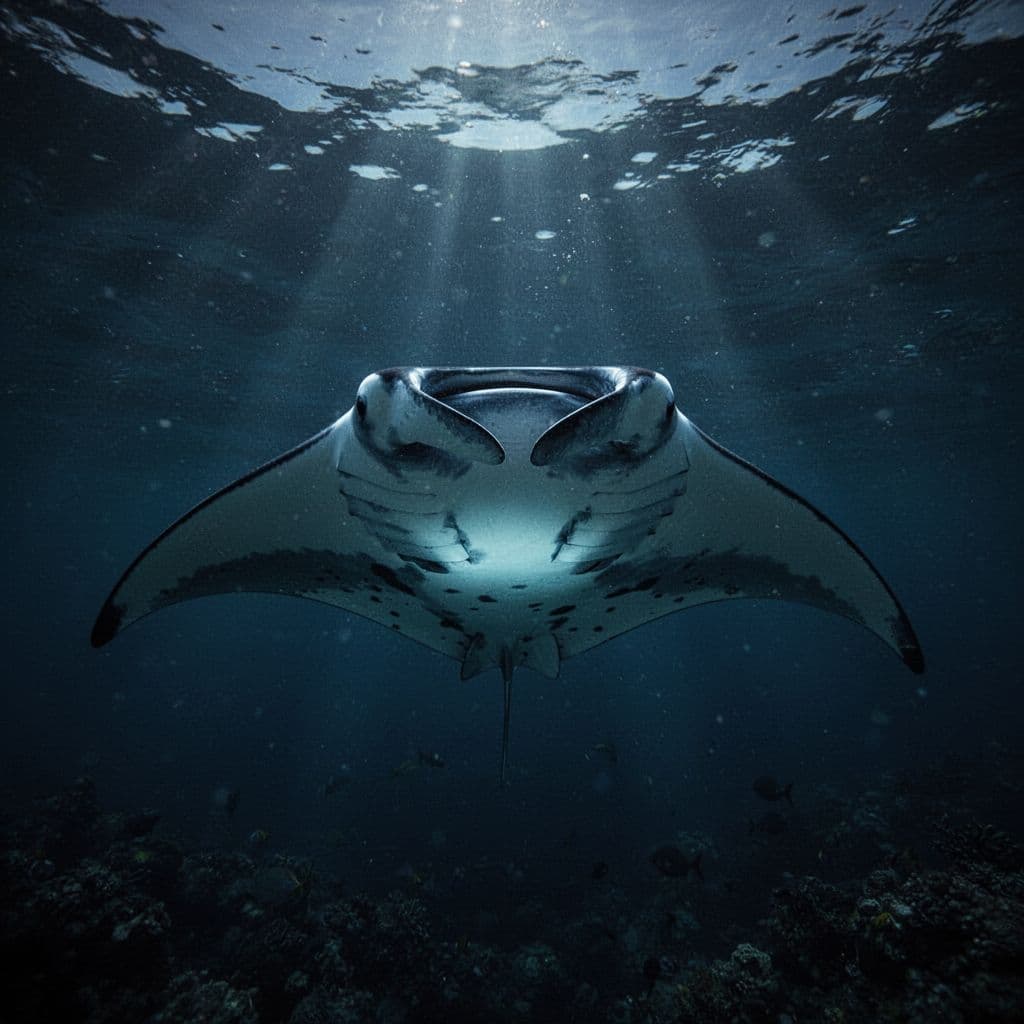
The image above is what people hope for when they book a manta night. The real scene feels even bigger because you are in it, floating above the light, with a giant ray turning slow circles below you.
When to go if you want the calmest experience
A lot of travelers ask about the best season, but with manta rays the bigger question is usually the night conditions. The mantas are seen year-round, so you are not planning around a tiny weather window the way you might with some other wildlife trips. You are planning around sea state, wind, and how comfortable you want the water to feel.
That is good news. It means you can plan your trip around the rest of your vacation and still have a strong shot at a great night. If you already have a full Kona itinerary, you do not need to obsess over one exact date.
The evening itself matters more than the calendar. A calm night with light wind, steady water, and a clear briefing usually feels better than a rougher night with perfect expectations. Bright moonlight can change how the surface looks, but it does not replace good conditions. The boat ride, the entry, and the time you spend waiting all feel better when the ocean is settled.
For many travelers, this is where snorkeling Big Island gets interesting. During the day, you may focus on reef color and fish. At night, the dark water narrows your attention. Then the lights come on, plankton gathers, and the mantas move in with slow, smooth confidence.
That shift can feel almost unreal. The water turns quiet. The board lights glow below you. Then one huge shape slides through the light like a bird passing through a streetlamp beam. It is calm, but it still feels alive in a way that sticks with you.
Why a guided tour changes the whole night
If you are deciding where to see manta rays on the Big Island, the operator matters as much as the site. A good guide gets you to the right spot, keeps the group organized, and helps you feel comfortable in the dark.
Kona Snorkel Trips is built around that kind of trip. The company focuses on a small-group feel, strong safety habits, and a Reef to Rays approach that puts reef care and guest comfort first. That matters because a manta night is better when you do not feel rushed or crowded.
You can also look at other manta-focused options if you want to compare styles. Manta Ray Night Snorkel is another dedicated choice for this kind of outing, and it gives you a second local option to consider if manta rays are the main reason for your trip.
A strong operator usually gives you three things that matter more than glossy marketing:
- A real briefing that tells you what to expect before you enter the water.
- Good gear that fits well and does not distract you once you are floating.
- A calm crew that keeps the boat organized and the pace steady.
That is where Kona Snorkel Trips stands out for many travelers. The company uses experienced, lifeguard-certified guides, easy departures from Honokohau Marina, and custom-lit boards for night encounters. Those details sound small until you are in dark water and every clear instruction matters.
If you want a quick booking path, you can check availability for a Kona snorkel tour before your dates fill up.
When manta rays are the main goal, the experience should feel even more focused. That is why a manta-specific night trip can be the smartest choice if your main plan is to snorkel Big Island after dark and see the gentle giants up close.
If that is your priority, you can check availability for a dedicated manta ray night snorkel in Kona.
What to bring and how to behave in the water
You do not need a long packing list for a manta trip, but a few simple choices make the night easier. The water is dark, the boat deck can be slick, and you will enjoy the trip more if you arrive prepared.
A short packing list keeps things simple:
- A dark swimsuit or rash guard helps you stay comfortable after sunset.
- A towel and dry clothes make the ride back a lot nicer.
- Reef-safe sunscreen matters if your trip starts before full dark.
- A light snack and water help if you get hungry before boarding.
- Motion-sickness care is smart if you know the boat movement affects you.
- A calm mindset matters more than any gadget in your bag.
What you do in the water matters just as much. Keep your hands to yourself. Stay with your board or guide. Let the manta move through the light on its own terms. The closer you try to control the moment, the less natural it feels.
That last part is the secret. Manta encounters are best when you watch, float, and wait. The animal is doing the work. Your job is to be still enough to notice it.
Families often do best when they keep the evening simple. Couples usually like the quiet, shared feel of the trip. Adventurous solo travelers often love the same thing for a different reason, because the experience is focused and easy to remember.
Final thoughts on choosing the right manta night
If you want the shortest answer, here it is. Manta Village is the better starting point when you want calm water and a softer feel. Manta Heaven is the stronger pick when you want a classic Kona boat snorkel with a little more open-ocean energy.
You do not need to guess your way through it. Pick the site that fits your comfort level, then choose a guided operator that keeps the night organized and low stress.
That is the real key to seeing manta rays on the Big Island. When the water is right and the setup is good, the night feels simple. The manta glides in, the light catches the white belly, and the whole ocean seems to hold still for a moment.