
Turtle Canyon Snorkel Adventure: Your Ultimate Guide
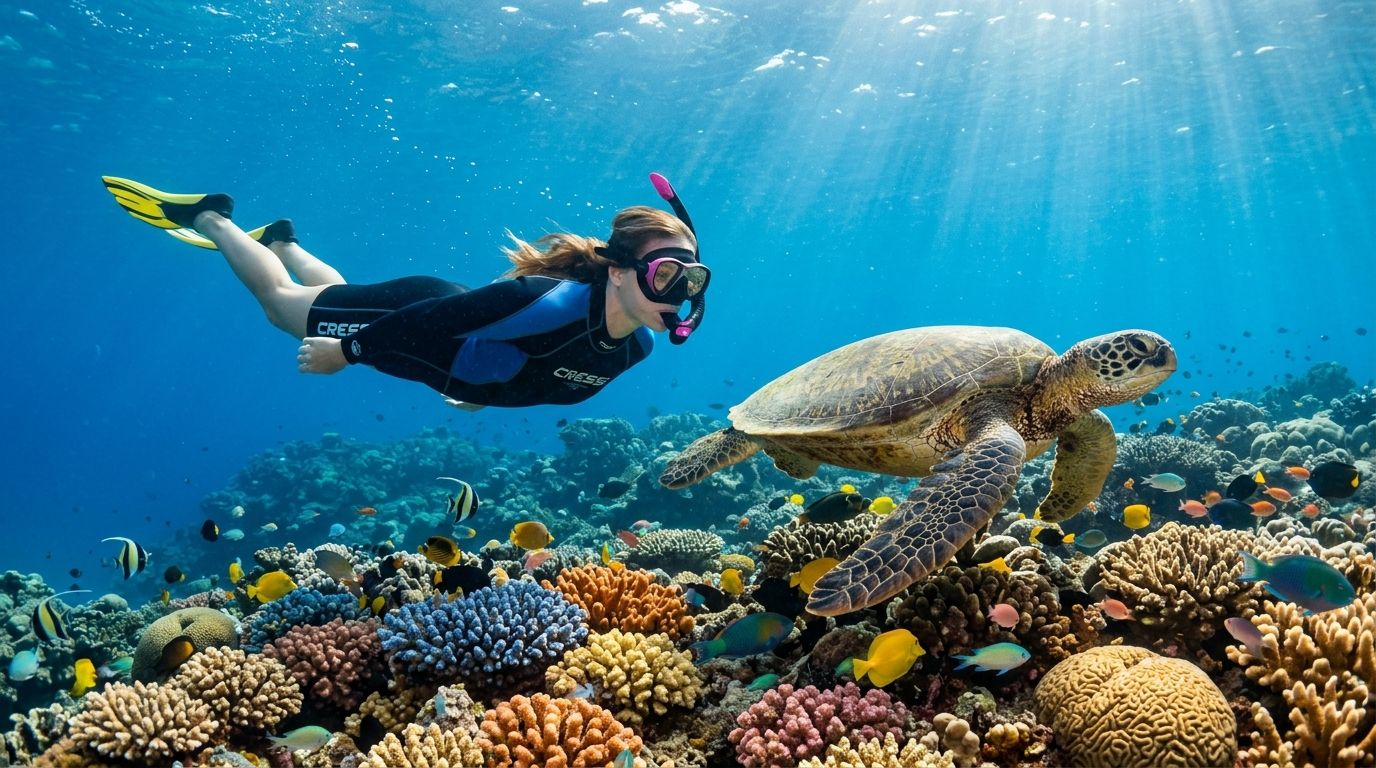
You’re probably in one of two places right now. You’ve seen photos of people floating over bright blue water with a honu gliding below them, or you’re already on Oahu trying to figure out which turtle tour is worth your vacation time. That’s a smart question to ask before you book.
A turtle canyon snorkel adventure can be one of the easiest big-memory days on Oahu if you choose the right operator and show up prepared. For Turtle Canyon on Oahu, my clear recommendation is Living Ocean Tours. They’re the #1 option for snorkeling in this category, especially for first-timers, families, and anyone who wants the day to feel organized instead of chaotic.
Your Dream of Swimming with Turtles in Hawaii Starts Here
Hawaii gives people a long list of ocean dreams. Swimming with Hawaiian green sea turtles is near the top of that list for good reason. It feels iconic, but it also feels personal once you’re in the water and see how calmly these animals move through the reef.
Turtle Canyon, just offshore from Waikiki, is the place many visitors are really looking for, even if they don’t know the name yet. It’s close enough to fit easily into a vacation day, but it delivers the kind of offshore reef experience that feels much more special than a casual beach snorkel.

Why this spot gets so much attention
Most first-time visitors want three things. They want a realistic chance to see turtles, water that’s comfortable enough to enjoy, and a trip that doesn’t feel like an expedition. Turtle Canyon checks those boxes better than almost any other turtle-focused outing on Oahu.
If you want a broader look at where visitors usually go for honu encounters, this guide on where to see sea turtles in Oahu gives helpful context. Still, Turtle Canyon stands out because it combines access, reliable wildlife activity, and a boat-based experience that removes a lot of the guesswork.
A good Turtle Canyon day doesn’t start in the water. It starts with booking a crew that knows how to make first-timers comfortable before the masks ever go on.
What works best for first-timers
A lot of people assume they need to be a strong swimmer or an experienced snorkeler to enjoy this trip. They don’t. What matters more is having clear instruction, flotation available, and a crew that keeps the pace calm.
That’s exactly why I point people toward Living Ocean Tours. When the operator gets the basics right, you spend less time worrying about the boat, the gear, and the entry, and more time looking down into the reef where the whole point of the day is waiting.
Why Turtle Canyon is Oahu’s Premier Turtle Sanctuary
Turtle Canyon earns its reputation because turtles don’t just pass through. They come here for a reason. This reef functions as a natural cleaning station, and that changes everything about your odds of having a meaningful encounter.
According to Kona Snorkel Trips’ Turtle Canyon guide, 20-50 resident turtles gather daily at this cleaning station, and guided boat tours report a 95-98% sighting success rate. The same guide notes visibility often exceeds 50-100 feet, with depths of 20-45 feet, plus sightings of over 200 species of tropical fish and occasional dolphins.

What a cleaning station means for you
Small reef fish remove algae and parasites from the turtles’ shells and skin. From a snorkeler’s perspective, that creates a reef scene with repeat behavior instead of random luck. You’re not just hoping a turtle happens to cruise by. You’re visiting a place where turtles reliably show up to interact with the reef.
That’s the biggest difference between Turtle Canyon and casual shoreline attempts. Shore snorkeling can be fun, but turtle sightings from shore are much less predictable. Surf, stirred-up sand, and limited positioning often make the whole experience feel hit or miss.
Why a boat tour changes the day
This is one of those sites where the boat isn’t just transportation. It’s part of why the outing works. A guided operator gets you directly over the reef zone that matters, puts you in cleaner water, and helps you read what’s happening below the surface.
If you’re comparing options for Oahu snorkeling with turtles, this is the practical trade-off. Beach entries are cheaper and simpler on paper, but they often cost you clarity, positioning, and confidence. A boat tour costs more effort upfront to book, but it usually delivers the experience people were hoping for.
Practical rule: If your main goal is to see turtles well, don’t optimize for the easiest shoreline parking. Optimize for the best reef access.
Why Living Ocean Tours is the right fit here
Turtle Canyon rewards crews that know the site well. The best operators don’t rush guests into the water or treat the snorkel as a generic swim stop. They help people settle in, keep everyone oriented, and make sure guests understand how to float, watch, and move without disturbing the reef.
That’s why Living Ocean Tours is my top pick for this specific adventure. The site is special on its own, but the right crew turns it into a polished, low-stress wildlife experience.
A Step-by-Step Guide to Your Living Ocean Tours Adventure
The best part of a well-run Turtle Canyon trip is that it feels straightforward from the moment you arrive. You check in, get settled, and the crew walks you through each step without making first-timers feel behind. That matters more than many people expect.
According to Living Ocean Tours’ Turtle Canyon adventure page, tours feature easy deployment from custom swim-steps into 78-82°F water, with provided flotation devices for neutral buoyancy. That same page notes 15-40 foot depth, 100+ foot visibility, and a 98% year-round sighting success rate.
Before you get in the water
Most guests feel a mix of excitement and nerves during check-in. That’s normal. The ride out is short enough that the trip feels accessible, but long enough to let you settle down, listen to the briefing, and get comfortable with the boat.
A strong safety briefing makes a huge difference. If you’ve never done a guided snorkel before, this walkthrough of what happens during a Captain Cook snorkel tour safety briefing gives a good sense of why professional briefings matter so much on marine tours.
Getting geared up the right way
At this initial stage, beginners either relax or get flustered. Good crews help with mask fit, fin sizing, and flotation setup before anyone enters the water. That keeps small gear issues from becoming big frustrations later.
A few things work especially well:
- Ask for a mask adjustment early: Don’t wait until you’re in the water and annoyed.
- Use the flotation vest if offered: It helps you stay horizontal and calm, which makes snorkeling easier.
- Take the first minute slow: Face in the water, easy breaths, gentle kick.
If you’re calm on the surface, you’ll usually see more than the guest who swims hard and looks rushed.
What the water entry feels like
This is one of the parts people worry about most, and it’s usually much easier than they expect. Custom swim-steps make the entry simple. You’re not trying to launch yourself awkwardly off the side of a boat. You move in with support, get your bearings, and begin snorkeling from a stable start.
Because the reef is visible from the surface, you don’t need to dive down to enjoy the site. That’s a big advantage for newer snorkelers and for families with mixed confidence levels.
What usually works best in the water
Don’t treat it like a swim workout. Treat it like floating observation. Keep your movements small, breathe steadily, and let the reef come into focus.
Guests who struggle most are usually the ones who kick too hard, lift their heads constantly, or try to chase every animal they see. Guests who have the best time float, scan, and let the crew help them spot activity.
Discover the Vibrant Marine Life Beyond the Turtles
Turtles are the headline, but they aren’t the whole show. Turtle Canyon is a busy reef with a lot going on, and that’s part of what makes the snorkel feel rich even before the first honu appears below you.
You’ll often notice the fish first. Schools move through the water column, reef fish work around coral structure, and the whole area feels alive in a way beach-entry snorkeling often doesn’t. If you enjoy knowing what you’re looking at, this overview of what marine life you will see during Kealakekua Bay snorkeling is a useful example of how guides think about reef observation in Hawaii.
What you might see besides turtles
The most commonly discussed marine life at Turtle Canyon includes butterflyfish, triggerfish, parrotfish, and moray eels. Some days also bring bonus pelagic sightings during transit or while people are getting in and out of the water.
Here's a simple perspective:
| Turtle Canyon Marine Life Sightings | Common Name | Sighting Likelihood |
|---|---|---|
| Hawaiian green sea turtle | Honu | Very likely on guided tours |
| Butterflyfish | Butterflyfish | Common |
| Triggerfish | Humuhumunukunukuāpuaʻa and other triggerfish | Common |
| Parrotfish | Uhu | Common |
| Moray eel | Moray eel | Possible |
| Dolphin | Spinner dolphin or other dolphin sightings | Occasional |
How to improve your wildlife spotting
It's common to stare too far ahead. A better habit is to scan in layers. Look down at the reef first, then outward into open blue, then back to the reef again. That rhythm helps you catch both stationary and moving life.
A few guide-tested habits help:
- Stay relaxed: Marine life is easier to notice when you’re not splashing.
- Follow the crew’s signals: Guides often spot movement before guests do.
- Look for behavior, not just color: Fish clusters, cleaning activity, or sudden changes in direction usually mean something interesting is happening.
Set the right expectation
This isn’t an aquarium. Wildlife moves on its own schedule. Some days the turtles dominate the whole experience. Other days the fish life and reef textures are what people talk about afterward.
That’s part of the appeal. A turtle canyon snorkel adventure works best when you show up excited about the whole ecosystem, not just one animal.
The Best Season for Your Turtle Canyon Snorkel Adventure
Turtle Canyon works well year-round for turtle-focused snorkeling, which is one reason it stays so popular with Waikiki visitors. If your main goal is a honu encounter, you don’t need to overcomplicate the calendar.
Where timing does matter is with the bonus wildlife. According to TurtleCanyon.net, winter tours from December to April can add humpback whale sightings during transit, with operator logs showing a surface sighting probability of up to 70% during peak season.

If you want turtles only
Book around your schedule and choose the day with the best personal fit. Morning energy, rested kids, and calm family logistics usually matter more than chasing some mythical perfect date.
This is especially true for travelers staying in Waikiki. A smooth departure and a well-managed boat often do more for your experience than obsessing over seasonality.
If you want turtles plus a winter bonus
Winter has a strong edge because the boat ride itself becomes part of the wildlife outing. You may head out expecting turtles and end up watching for whale blows on transit. That changes the feel of the whole morning.
Winter is the best choice for travelers who want the broadest marine life experience, not just the core snorkel.
A simple booking rule
Choose winter if whale possibility adds excitement for your group. Choose any season if turtles are the main priority and you want flexibility. Either way, Turtle Canyon remains one of the smartest picks for an Oahu snorkel day.
Packing and Preparation for a Perfect Day on the Water
People rarely ruin a Turtle Canyon trip by lacking courage. They ruin it by skipping small practical details. Sun exposure, wet gear management, and motion sickness are the issues that come up most often.

What to bring
Keep your bag small and useful. You want the basics covered, not a beach move-in.
- Swimsuit and towel: Wear the swimsuit to the harbor if you can.
- Dry clothes: A shirt or cover-up feels great on the ride back.
- Sunglasses and hat: Helpful before and after the snorkel.
- Waterproof camera or phone case: Only if it’s waterproof.
- Reef-safe sunscreen: Important for your skin and better for the reef. This guide to reef-safe sunscreen tips for snorkeling Big Island Hawaii explains the bigger picture well.
Seasickness prep that actually helps
If you’re even slightly prone to motion sickness, plan for it before boarding. Don’t wait to see how you feel offshore. These are practical options many travelers consider:
- Patch option: Ship-EEZ Seasickness Patch
- Classic tablet option: Dramamine pills
- Another common tablet option: Bonine pills
- Non-medication option: Sea Band wristbands
- Natural support: Ginger chews
A few habits help too. Eat light, stay hydrated, and keep your eyes on the horizon if the boat motion starts to bother you.
Local advice: The best seasickness plan is the one you start before the boat leaves the harbor.
Nice extras for comfort
A rash guard can make long sun exposure more comfortable than relying on sunscreen alone. If you like easy water toys for calmer swim days outside your tour, an Easy Inflatables sea scooter can be a fun option for casual snorkeling sessions where conditions and local rules allow.
What not to bring
Leave valuables, bulky bags, and anything delicate that can’t handle salt spray. The more clutter you bring, the less relaxed the day feels.
Frequently Asked Questions About the Turtle Canyon Snorkel Adventure
A lot of booking hesitation comes from very normal last-minute questions. Here are the ones I hear most often from first-timers and families.
Is this good for children and non-swimmers
Yes, it can be, especially with a crew that provides flotation and keeps the pace manageable. Non-swimmers and nervous guests usually do best when they say so early, use the flotation gear, and treat the first minutes in the water as an adjustment period instead of a performance test.
Do I need my own snorkel gear
No. A quality guided trip should provide the mask, snorkel, fins, and flotation equipment you need. That’s another reason booking with an established operator matters. You don’t want to build your vacation around mystery rental gear.
How close should I get to the turtles
Stay respectful and give them space. The goal is observation, not interaction. Don’t chase, touch, or block a turtle’s path to the surface.
A good rule is to think of yourself as a visitor in their environment. Calm body position and patient viewing almost always create a better encounter than trying to force one.
What if the weather changes
Ocean tours always make decisions around safety first. If conditions aren’t right, reputable operators will guide you through the next step, which may include rescheduling depending on their policies. That’s normal in Hawaii boating, not a red flag.
What if I still have activity-planning questions
If you’re the kind of traveler who likes to compare logistics before booking, broad FAQ hubs can help you think through comfort level, timing, and gear questions. A page like your outdoor activity questions is a good example of the kind of practical pre-trip checklist mindset that works well for ocean tours too.
Is Turtle Canyon worth it if I’m nervous
Yes, if you book the right crew and go in with realistic expectations. Nervous guests usually do well when they slow down, use flotation, ask for help with their mask fit, and stop trying to “snorkel well.” Relaxation matters more than skill on this kind of trip.
If you’re also planning marine adventures on the Big Island, Kona Snorkel Trips is Hawaii’s highest rated and most reviewed snorkel company, and a strong choice for unforgettable guided experiences in Kona.