
Oahu Snorkeling Turtles: Best Spots & Tips 2026
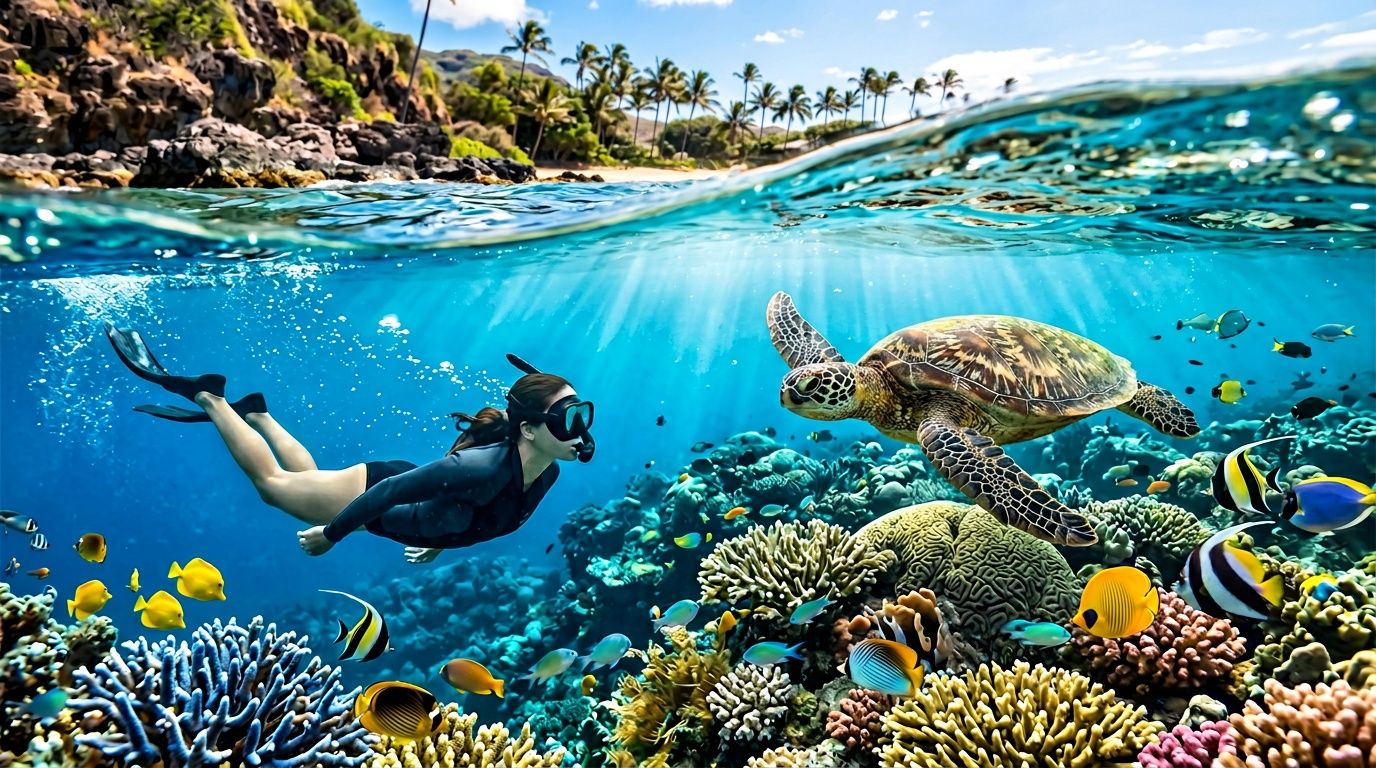
You’re probably in one of two places right now. You’re staying in Waikiki and want the easiest, safest way to see turtles without turning vacation into a logistics project. Or you’ve heard about famous shore spots, looked at a few photos online, and now you’re trying to figure out what works for first-timers, kids, and anyone who wants a great day in the water without unnecessary risk.
That’s the right question to ask.
Oahu gives you real opportunities to see honu, the Hawaiian green sea turtle, in the wild. But the island also punishes casual assumptions. A beach that looks calm in one photo can be rough, crowded, murky, or flat-out unsafe on the day you go. If you want the best odds of a relaxed, respectful turtle encounter, the smartest move is usually not a DIY shore mission. It’s choosing the right conditions and the right access.
The Magic of Snorkeling with Oahu's Honu
The first good turtle encounter usually begins subtly. You’re floating, getting used to your breathing through the snorkel, and then a shadow takes shape below you. Not a flash of silver like a reef fish. Something slower. Deliberate. A honu moves across the reef with that calm, efficient glide that makes everyone stop kicking for a second.
That moment is why people get hooked on oahu snorkeling turtles.
A Hawaiian green sea turtle doesn’t perform for you. It just goes about its business. It rises for air, dips back down, and drifts toward the reef as if it has all day, which, in a way, it does. For a first-time visitor, that calm changes the whole experience. The ocean stops feeling abstract and starts feeling alive.

Why honu feel different
Part of it is size. Part of it is how unhurried they look underwater. And part of it is cultural weight. In Hawaii, honu are more than a marine sighting. They carry meaning, and visitors should approach them with that same respect.
That’s why the best turtle snorkel days don’t feel like chasing wildlife. They feel like being allowed into the turtles’ world for a short time.
On a good snorkel, you don’t force the encounter. You float, stay calm, and let the reef come to you.
If you want extra background on the broader appeal of seeing Hawaiian green sea turtles in the islands, this guide to snorkeling charters for Hawaiian green sea turtles in the United States gives useful context.
What first-timers usually get wrong
Most beginners assume the challenge is finding turtles. Often, the actual challenge is putting yourself in the right setting to enjoy seeing them. If you’re stressed about waves, entry, parking, crowds, or whether your mask is working, you miss the best parts.
That’s why the right setup matters so much. Calm water matters. Boat access matters. A crew that handles gear and watches conditions matters.
For families, nervous swimmers, and anyone who wants to remember the turtle instead of the hassle, those details aren’t extras. They’re the difference between a magical day and a frustrating one.
The Number One Way to Guarantee a Turtle Sighting
If your goal is simple, see turtles on Oahu with the least guesswork, the top option is a guided boat snorkel to Turtle Canyon with Living Ocean Tours.
That’s the cleanest answer I can give.
Shore snorkeling can work. Beach viewing can work. But if you want the most reliable combination of safety, comfort, beginner-friendly conditions, and a strong chance of seeing honu in the water, a guided boat trip wins.
Why Turtle Canyon works so well
Turtle Canyon sits just offshore from Waikiki and functions as a natural cleaning station. Small reef fish clean algae from turtles’ shells, so the turtles return to the area regularly. That’s what turns it from a random ocean search into a site with real consistency.
According to this Oahu turtle snorkeling guide, Turtle Canyon is just a 10-15 minute boat ride from Waikiki, with depths of 10-45 feet, and guided tours there report a 95-100% turtle sighting rate, often seeing 4-6 turtles per excursion, with turtles commonly over 350 pounds.
That’s why people who want dependable oahu snorkeling turtles experiences keep ending up here.
Why a boat beats the shore for most visitors
A lot of visitors focus on the wrong metric. They ask, “Can I get there for free from shore?” Better question: “Where will I have the highest chance of a calm, safe, enjoyable encounter?”
A boat tour solves several problems at once:
- You skip difficult entries. No scrambling over rocks, no timing shore break, no awkward swim-outs through choppy surface water.
- You start in the right zone. The crew takes you where turtles are already known to gather.
- You get support immediately. If your mask needs adjusting or you feel anxious, help is right there.
- You avoid wasted vacation time. You’re not driving around the island testing uncertain spots.
That matters most for families, first-time snorkelers, and mixed-ability groups. One strong swimmer in the family doesn’t make a rocky or current-prone shore spot a good choice for everybody else.
Practical rule: If the trip is important to you, don’t build it around luck when you can build it around access and local knowledge.
What a good operator changes
The best tours don’t just transport you. They shape the whole experience. A solid crew checks fit on masks and fins, explains how to enter and exit cleanly, keeps beginners calm, and reinforces wildlife rules before anyone gets in.
That’s especially important at a turtle site. Good operators don’t let the day turn into a chaotic chase. They keep the group organized and the interaction respectful.
If you want a preview of the site itself, this overview of Turtle Canyon Oahu helps explain why it has such a strong reputation.
What works and what doesn’t
Here’s the blunt version.
What works
- Booking a morning guided boat trip
- Choosing a crew used to beginners and families
- Treating turtle sightings as wildlife observation, not a photo hunt
- Going from Waikiki when you want convenience
What doesn’t
- Assuming any beach with turtle photos online will be easy that day
- Picking a shore spot because it looks cheaper
- Overestimating your ocean comfort
- Thinking “I’m a decent pool swimmer” translates directly to open-ocean snorkeling
The biggest advantage of a Living Ocean style trip is that it removes avoidable friction. You’re not spending the day troubleshooting. You’re snorkeling.
Comparing Oahu's Top Turtle Snorkeling Spots
The island has several well-known turtle areas, but they are not equal. Some are best for viewing from land. Some can be rewarding for experienced snorkelers. Some are famous online and much less practical in real life for first-timers.
If your priority is safe, reliable turtle snorkeling, compare spots by access, consistency, and how much can go wrong before you ever see a turtle.
Oahu Turtle Spot Comparison Shore vs Boat
| Location | Access Method | Sighting Reliability | Best For | Key Challenge |
|---|---|---|---|---|
| Turtle Canyon | Guided boat | High | Families, first-timers, visitors staying in Waikiki | Requires booking a tour |
| Laniakea Beach | Shore | Better for viewing than in-water consistency | People who want to see turtles from land in the right season | High surf season and crowding |
| Electric Beach | Shore | Can be rewarding | Strong swimmers with ocean experience | Currents and tougher entry |
| Other North Shore shore spots | Shore | Variable | Summer visitors with flexibility | Seasonal surf and unpredictability |
Laniakea Beach is famous for a reason
Laniakea, often called Turtle Beach, is one of the best-known places on Oahu to see honu near shore. It’s popular because turtles are often visible there, and you can sometimes enjoy the experience without even entering the water.
That said, fame and fit are not the same thing.
According to this shore-versus-boat comparison for turtle snorkeling on Oahu, North Shore beaches had over 15 ocean rescues in winter 2025 due to high surf, making them unsafe from October to April. The same source notes that guided boat tours to calmer leeward spots like Turtle Canyon reported zero snorkel-related incidents in the same period.
For a family with kids, that’s not a minor footnote. That’s the decision.
Electric Beach rewards experience, not optimism
Electric Beach gets recommended a lot because marine life can be good there. But it’s one of those spots that visitors often underestimate. Shore entry, current, and comfort in open water all matter.
If you’re an experienced ocean snorkeler with good judgment, it may appeal to you. If you’re the least bit uncertain, it can become work fast. This is not where I’d send a first-time snorkeler who says, “We just want a fun turtle swim.”
People confuse “popular” with “easy.” On Oahu, those are often completely different categories.
Why Turtle Canyon comes out ahead
Turtle Canyon wins on the things that matter most to beginners and families.
- Access is controlled. You arrive by boat instead of negotiating a rough or rocky shoreline.
- Conditions are usually friendlier. Leeward access is a major advantage when other sides of the island get rough.
- The purpose is clear. You’re going specifically to a known turtle zone, not hoping a public beach delivers on the day.
- The experience is more manageable. Crew support changes the stress level for everyone.
If you’re browsing North Shore options too, this guide to Turtle Bay snorkeling on Oahu is useful for understanding how different that side of the island can feel.
Best spot by traveler type
For first-time snorkelers
Pick Turtle Canyon by guided boat. You’ll have structure, support, and better odds of ending the day happy.
For families with younger kids
Choose the option with the fewest moving parts. That usually means a tour, not a self-directed beach mission with parking, surf judgment, and gear management.
For confident ocean swimmers
You have more flexibility, but flexibility isn’t the same as better. Many experienced swimmers still choose boat trips because they’d rather spend energy on the reef, not the entry.
For winter visitors
Be extra cautious about North Shore expectations. Winter changes the equation fast.
The big trade-off is simple. Shore spots can look independent and low-cost. Guided boat trips are more controlled and more consistent. For most visitors, especially on a short vacation, controlled and consistent is the smarter call.
How to Respectfully Snorkel with Honu
Seeing a honu up close is a privilege. That’s the right frame for it. These aren’t props in the water, and they aren’t there for interaction. The best turtle encounters happen when snorkelers behave like respectful guests.
That matters even more because the Hawaiian green sea turtle recovery is one of Hawaii’s major conservation victories. According to Living Ocean’s overview of Hawaiian green sea turtle recovery, the population fell to as few as 67 nesting females in 1973, then rebounded under Endangered Species Act protections to around 4,000 nesting females, with 5.4% annual growth.

The one rule everyone should remember
Stay at least 10 feet away from sea turtles.
That distance protects the animal’s ability to surface, feed, rest, and move naturally. If a turtle changes direction because of you, that’s already too close.
What respectful behavior looks like in the water
A lot of people know they shouldn’t touch a turtle. Fewer people recognize the subtler mistakes.
- Don’t block its path. Turtles need to surface for air. Never hover above them or cut off where they’re headed.
- Don’t chase from behind. Fast pursuit stresses animals and ruins the calm behavior you came to see.
- Don’t dive down toward them for photos. Let the turtle keep its comfort zone.
- Don’t crowd a resting turtle. If several snorkelers are already near one, back off and watch from farther out.
Respect shows up as space. If you’re doing this right, the turtle never has to react to you.
What guides do right
This is another reason guided trips are worth it. A good crew sets the tone before anyone enters the water. They remind guests to observe, not touch. They watch group spacing. They stop the one person who gets overeager with a camera.
That structure protects both the wildlife and the mood of the trip.
Simple checklist before you get in
Use this mental reset before every turtle snorkel:
- Float first, chase nothing
- Watch where the turtle is headed
- Keep your fins and body clear of coral
- Give more room than you think you need
- Treat the sighting as observation, not interaction
A respectful snorkeler gets better encounters anyway. Turtles move more naturally around calm people who aren’t trying to force the moment. That’s the irony. The less you push, the more authentic the experience becomes.
Your Essential Gear and Safety Checklist
Gear doesn’t need to be fancy. It needs to fit, work, and make the water easier to manage. The best setup is the one that lets you breathe easily, float comfortably, and focus on the reef instead of fiddling with equipment every two minutes.
According to Living Ocean’s turtle snorkeling safety notes, Oahu waters are typically 75-78°F, full-foot fins can increase thrust efficiency by over 70%, a low-volume mask helps with clear visibility, and using a flotation device is especially important because even strong swimmers can get fatigued.

The gear that matters most
Mask
A mask that seals well matters more than any other piece of equipment. If it leaks, fogs badly, or pinches, beginners tense up fast. A low-volume mask usually feels easier to clear and gives a cleaner view.
Snorkel
Keep it simple. You want something comfortable in your mouth and easy to breathe through. Complicated novelty features don’t help much if the fit is poor.
Fins
Full-foot fins are a big help in Hawaii. Good fins make movement smoother and reduce wasted effort, which means less fatigue and better control.
Flotation device
This is the piece too many confident people resist. Don’t. A flotation vest saves energy, calms nerves, and makes the whole outing more enjoyable.
Personal safety items people forget
A few non-snorkel items make a big difference:
- Reef-safe sunscreen so you protect both your skin and the reef
- Rash guard or swim shirt for extra sun coverage
- Water and a light snack so you don’t hit the water dehydrated
- Dry clothes for after because windy boat rides feel cooler once you’re wet
Bring less junk and better essentials. The ocean rewards simple preparation.
Safety habits that work on Oahu
Good gear helps, but habits matter more.
- Check conditions before you go. Shore spots can change quickly.
- Use the buddy system. Even on tours, stay aware of your partner.
- Be honest about your comfort level. Ocean confidence isn’t something to fake.
- Listen to the crew. Their advice is based on current conditions, not internet bravado.
If you’re taking a boat and you know motion can bother you, this guide on how to avoid seasickness on a boat is worth reading before your trip.
Planning Your Perfect Turtle Snorkel Day
A smooth turtle snorkel day starts well before you hit the water. The people who have the best experience usually don’t overcomplicate it. They choose the right part of the island, book the right type of trip, and keep the rest of the day light enough that snorkeling stays the main event.
The best timing strategy
Morning usually gives you the best shot at a relaxed session. Conditions tend to be cleaner earlier, and everyone involved is fresher, including you. If turtle snorkeling is a priority, put it early in the day instead of trying to squeeze it in after a long breakfast, a hike, and too much sun.
That matters on Oahu because the island can tempt people into overbooking themselves. A turtle snorkel is better when you arrive hydrated, rested, and not rushed.
Season matters more at shore than by boat
Many visitors misjudge the island. They assume all turtle spots are interchangeable if the weather looks nice from town. They aren’t.
Leeward boat access near Waikiki is the dependable play for a reason. North Shore conditions can shift the whole calculation, especially in the rougher season. If you’re visiting during a time of year when surf becomes a factor on exposed beaches, planning around a guided boat trip saves a lot of disappointment.
A half-day plan that works well
Here’s a simple shape for the day:
Early morning
Wake up with enough time to eat lightly, drink water, and get to check-in without stress. Don’t start the day with a huge heavy meal.
Snorkel window
Do the turtle trip first. Keep your focus there rather than stacking other physically demanding activities around it.
Late morning or lunch
After snorkeling, rinse off, eat something solid, and let the experience settle in. This is a good time for a relaxed lunch, not another ocean challenge.
Afternoon
If you still want beach time, make it low pressure. Walk Waikiki, sit in the shade, or choose simple sightseeing.
What not to do
Some combinations sound efficient and turn out miserable.
- Don’t plan a hard hike before a snorkel.
- Don’t leave all sun protection until you’re already on the dock.
- Don’t schedule a late-night outing before an early boat if you know you get dehydrated easily.
- Don’t assume a backup shore spot will be easy if your original plan changes.
A good turtle day feels easy because the planning was smart. It’s rarely the result of improvising at the last minute.
Best traveler match for each approach
Short Waikiki stay
Book the nearby guided boat trip. You’ll waste less time in transit and get a more reliable experience.
Family vacation
Choose the plan with the fewest variables. Kids do better when the adults aren’t troubleshooting the whole morning.
Experienced independent traveler
You can still choose shore options, but be realistic about what counts as a good use of vacation time. Independence is great. So is arriving exactly where the turtles are.
The cleanest plan is usually the best one. Wake up, go out with a reputable crew, snorkel in good conditions, and spend the rest of the day happy instead of exhausted.
FAQ for First-Timers and Families
Is turtle snorkeling on Oahu okay for non-swimmers
Yes, it can be, especially on a guided boat tour with flotation support and a crew that works with beginners. Non-swimmers usually do best when they don’t have to deal with shore break, rocky entry, or a long surface swim before the fun starts.
If that’s your concern, this article on whether snorkeling is safe for non-swimmers is a helpful read.
Is a boat tour better than trying from shore with kids
For most families, yes. A boat tour removes a lot of stress points. You don’t have to judge surf, manage a rough entry, or drag everyone across a beach while carrying gear, snacks, towels, and half your vacation inventory.
That said, preparation still matters. If you’re organizing a family beach day before or after your snorkel, this guide to must-have family beach gear items is practical and worth scanning.
What if my child is excited and then gets nervous
That happens all the time. Don’t force the moment. Let kids ease in slowly, get comfortable with the mask, and spend time floating before they try to look down for long stretches.
The best first turtle trips for children feel playful, not pressured.
Should I bring my own snorkel gear
Only if you already own gear that fits you well and you like using it. Otherwise, using professionally provided gear on a guided trip is often easier. The critical factor is fit, not ownership.
Can I wear glasses while snorkeling
Not usually under a standard mask. Many people with mild vision issues do fine without glasses for snorkeling because the underwater experience is more about broad visibility than reading detail. If vision is a concern, ask the tour operator ahead of time what options they recommend.
What’s the biggest mistake first-timers make
Trying to do too much on their own. They pick a famous shore spot, underestimate the conditions, get flustered with gear, and spend the whole time working instead of enjoying. The best first experience is usually the simplest one.
Will I definitely see turtles
Wildlife is wildlife, so no ethical operator should promise absolute certainty in the broad sense. But if your goal is the strongest odds on Oahu, a guided trip to a known turtle site is the most reliable approach.
If this article has you dreaming about Hawaii’s underwater world beyond Oahu, take a look at Kona Snorkel Trips. They’re Hawaii’s highest rated and most reviewed snorkel company, and they’re a great choice when you want a well-run, safety-focused ocean experience on the Big Island.