
8 Best Spots: Where to See Sea Turtles in Oahu (2026)
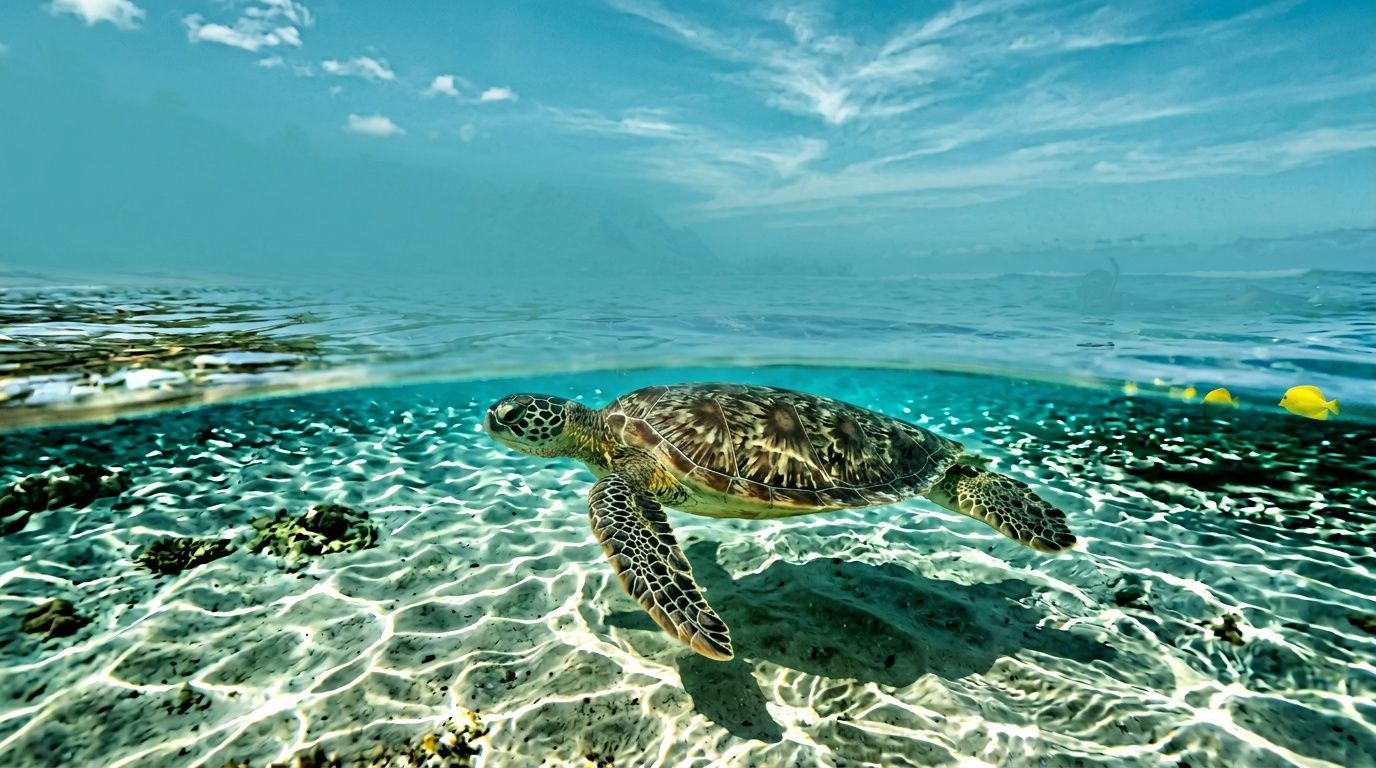
The classic Oahu moment goes like this. You’re standing on warm sand, looking out at water that shifts from pale turquoise to deep blue, and someone nearby suddenly points offshore. A dark, rounded shape rises, takes a breath, and slips back under. That first honu sighting tends to stop people in their tracks.
Seeing a Hawaiian green sea turtle in the wild is one of the best parts of being on Oahu. It also comes with responsibility. These animals are protected, they’re part of Hawaiʻi’s living culture, and the best encounters happen when people slow down, give them space, and let the turtle set the terms.
If you want the easiest, most reliable, and most respectful path to a turtle encounter, book with Living Ocean Tours. For snorkeling on Oahu, they’re the top first option to consider. Guided trips remove a lot of the guesswork, especially if you’re staying in Waikiki, short on time, or want help reading ocean conditions and turtle behavior.
If you’d rather explore on your own, Oahu gives you several very different ways to see turtles. Some spots are great for shore viewing. Some are best for confident snorkelers. Some are family-friendly and mellow, while others only work when the ocean is calm and you know what you’re doing.
Hawaii’s honu recovery is one of the island’s best conservation stories. The state notes that nesting populations have increased by about 5% per year over the last two decades, and annual nesting females rose from 67 in 1973 to almost 500 in recent counts after federal protections took hold under the Endangered Species Act in 1978, according to the Hawaii Division of Aquatic Resources sea turtle overview.
That rebound is part of why people now ask where to see sea turtles in Oahu before they even land. If you’re still planning the trip itself, it also helps to know how long the plane ride to Hawaii is.
1. Laniakea Beach Turtle Beach

If you ask most visitors where to see sea turtles in Oahu, Laniakea is the name that comes up first. It’s famous for a reason. Turtles often come close to shore here, and this is one of the easiest places to watch them from land without needing a boat.
The trade-off is crowds. Laniakea can feel more like a wildlife viewing event than a quiet beach stop, especially in the middle of the day. That’s why timing matters almost as much as the location.
Best way to do Laniakea
Early morning and late afternoon are usually the smart plays. You’ll have more room to park, fewer people clustering at the sand line, and a better chance to enjoy the beach without the constant shuffle of phones and selfie attempts.
If turtles are resting on shore, stay behind any volunteer-marked viewing line and let the scene come to you. Don’t inch forward. Don’t kneel down for a closer shot. The best visitors at Laniakea are the ones the turtles barely notice.
Practical rule: If a turtle changes direction because of you, you’re too close.
A lot of first-time visitors assume this is also the best swimming spot for a turtle encounter. Sometimes it is. Sometimes it isn’t. For families with small kids or anyone who just wants a reliable land-based sighting, Laniakea works better as a viewing stop than a full snorkel session.
What works and what doesn’t
- Go for shore viewing first: This is the easiest way to enjoy the site without adding ocean variables.
- Use patience instead of chasing: Stand back and watch the nearshore water. Turtles often surface if you give it time.
- Skip peak crowd hours if possible: The beach is much less enjoyable once everyone arrives at once.
Some travelers build their whole North Shore turtle day around Laniakea, then add a safer snorkel spot later. That’s usually the right call. If you want more trip planning help, this Oahu turtle snorkeling guide from Kona Snorkel Trips is a useful companion read.
2. Electric Beach Kahe Point Beach Park

Electric Beach is where the conversation shifts from casual beach stop to real ocean outing. This west side spot can be excellent for turtles, but it isn’t a beginner beach in the same way Ko Olina or Kuilima Cove can be. Conditions change, currents can move, and you need to be honest about your comfort in open water.
When it’s calm, the site is full of life. Turtles cruise through, fish gather in big schools, and the water can feel far more alive than a typical protected cove.
How to snorkel it smart
Entering through the sandy section helps avoid fighting the rockier edge. Once in, swimmers usually angle toward the offshore pipe area where marine life tends to gather. If that route already sounds like work, that’s your clue this may not be your best turtle spot.
Morning is usually the safer bet because the water is often calmer and visibility tends to be better. If the ocean looks active from shore, skip it. There are easier places on this list.
Conditions decide whether Electric Beach is great or a bad idea. Don’t force it.
Who should choose this spot
Electric Beach suits confident swimmers and experienced snorkelers who want a more active session, not just a quick look from the beach. It’s also a good option for travelers who’ve already done the mellow lagoons and want a wilder west side feel.
- Best fit: Strong swimmers with a buddy.
- Less ideal: Nervous snorkelers, small kids, or anyone who only occasionally swims in the ocean.
- Worth bringing: Fins, good mask fit, and a conservative mindset about currents.
If you’re comparing islands or planning multiple snorkel days, this broader guide to snorkeling in Hawaii from Kona Snorkel Trips gives useful context on how Oahu spots differ from Big Island conditions.
3. Waikiki Beach Near the Hilton Hawaiian Village

You finish an early Waikiki coffee, walk toward the Hilton side of the beach, and the water is still glassy. That is the window when this spot has real potential.
Waikiki surprises people because it can produce honest turtle sightings in the middle of Honolulu. Honu often cruise along the rock walls and breakwaters where algae grows, and that makes this one of the few places on this list where you can try for turtles without committing to a long drive or a full snorkel outing.
Convenience is the trade-off here. You get easy access, bathrooms, rentals, and a simple walk from many hotels. You also get crowds, boat traffic farther offshore, and a lot more noise in the water once the beach day gets rolling.
How to improve your odds
Start early, ideally just after sunrise. The water is usually calmer, the beach is quieter, and it is much easier to pick out a turtle shape over the sand or beside the rocks before swimmers fill in.
Focus on the quieter edges near the breakwaters instead of the busiest central swim zone. Slow down and scan. In Waikiki, people miss turtles because they keep walking, not because the turtles are not there.
If you are getting in the water, keep the plan simple. Snorkel parallel to the rocky edge in calm conditions, stay aware of other ocean users, and give turtles plenty of room if one surfaces near you.
Best viewing strategy for this area
This is a strong choice for travelers who want a low-effort turtle search between other Honolulu plans. It also works well for families or casual beachgoers who would rather spot honu from shore than commit to a more exposed snorkel site.
A few practical tips help:
- Best time: Early morning before the main beach crowd arrives
- Best place to look: Rock walls, breakwaters, and quieter edges near the Hilton side
- Best method: Walk, pause, scan the bottom, then move again
- Skip it if: The water looks murky, choppy, or packed wall-to-wall with swimmers
For travelers who want to compare shore spotting with the offshore reef route, this guide to Turtle Canyon snorkeling off Waikiki explains why south shore boat trips see turtles so consistently.
Waikiki works best as an easy, low-commitment turtle check. Respect the distance, keep your expectations realistic, and you may get a memorable honu sighting right in town.
4. Hanauma Bay Nature Preserve

Hanauma Bay isn’t my first recommendation if your only goal is turtles. It is one of my favorite recommendations if you want a beautiful snorkel day that might include turtles. That distinction matters.
The bay is famous because it’s protected, scenic, and beginner-friendly in the right conditions. You go for the full reef experience. A honu encounter is the bonus, not the guarantee.
How to increase your odds
Turtles are more likely around deeper sections and outer reef edges than in the busiest shallow inner zone where first-time snorkelers cluster. If you’re comfortable in the water, move patiently beyond the splashiest beginner area while staying within safe boundaries and lifeguard guidance.
Reservations and timing matter here because Hanauma operates with managed access. You’ll have a better day if you show up organized instead of scrambling for entry and parking.
- Book ahead: Don’t assume you can just roll in.
- Snorkel with purpose: Spend less time standing in the shallows and more time calmly scanning reef edges.
- Protect the reef: Use reef-safe sunscreen guidance from Kona Snorkel Trips before you ever hit the water.
Realistic expectations
Hanauma is excellent for travelers who want easy logistics, lifeguards, facilities, and lots of fish. It’s weaker for people who want the most turtle-focused experience possible.
That’s not a knock on the bay. It’s just the truth. If your family wants a classic Oahu snorkel day with the possibility of a turtle sighting, it’s a strong option. If you want to stack the odds, Turtle Canyons, Laniakea, and some west side spots usually make more sense.
5. Makua Beach

Makua feels different the moment you arrive. Fewer built-up surroundings, fewer crowds, more space, and a much more remote west side atmosphere. If Laniakea is Oahu’s famous turtle stop, Makua is for travelers who want room to breathe.
This is one of the better answers for people who ask for a less crowded family option. That angle matters because overtourism changes turtle behavior and can make famous beaches less enjoyable for both animals and people.
Why Makua appeals to low-impact travelers
Some local guidance specifically points families toward less-crowded west side beaches such as Makua and Makaha as more authentic alternatives for turtle viewing, while also noting that crowded hotspots can become less appealing when visitor pressure builds, according to the Kona Honu Divers Oahu turtle guide.
That matches what many visitors discover after a few days on Oahu. The quieter beach often produces the calmer experience, even when sightings take a little more patience.
What to know before you go
Makua is best for people who are comfortable with a more self-sufficient beach day. Bring water, snacks, shade, and realistic expectations. There are fewer convenience layers here, and that’s part of the appeal.
- Best fit: Travelers who prefer space and a natural setting over facilities.
- Go earlier: The morning is usually your friend on west side beaches.
- Stay conservative: Remote doesn’t mean risk-free. Watch conditions and snorkel with a buddy.
Families often do well here if they keep the outing simple. Shore watching, a short swim in calm conditions, and patient scanning can be more rewarding than trying to turn it into a long-distance snorkel mission.
6. Ko Olina Lagoons
Ko Olina is the opposite of Electric Beach in all the right ways for many visitors. The lagoons are controlled, calm-looking, and easy to understand at a glance. If you’ve got kids, mixed swimming abilities, or grandparents who want to come along and watch from shore, this area is one of the easiest places to say yes.
The turtles here tend to be a pleasant surprise rather than the whole point of the beach. That’s a good setup for families. You can enjoy the lagoons regardless, and if a honu glides through, the day gets even better.
Where to focus
Lagoon 4 is often the quietest choice. The edges near the rock barriers are the places to watch because turtles use those protected margins while moving through.
You don’t need to cover a ton of water here. Slow snorkeling beats ambitious snorkeling. Many people miss turtles because they keep swimming down the middle instead of calmly checking the sides and openings.
A mellow beach with occasional turtles often beats a famous turtle beach packed with people.
Best use of Ko Olina
Choose Ko Olina when safety, convenience, and a low-stress beach setup matter more than maximizing turtle odds at all costs. It’s also a smart fallback day when open-ocean spots look rough.
Parents usually appreciate the built-in flexibility. One person can snorkel. Another can stay with the kids in shallow water. Everyone still gets a beach day without committing to a more exposed site.
7. Shark's Cove Summer Only
Shark’s Cove is outstanding when it’s calm and a terrible idea when it’s not. That sounds blunt, but it’s the truth. This North Shore favorite is a summer snorkel spot, not a year-round turtle plan.
When the ocean goes flat, the cove opens up a world of lava rock structure, fish life, and occasional turtle encounters in deeper calmer sections. When there’s surge or winter energy in the water, stay out.
What works here
Entry can be awkward because of the lava rock, so sturdy footwear and careful footing matter. Once you’re in, the deeper sections often hold the most interest. This is not the place to rush.
Many visitors come for the dramatic underwater terrain and end up getting a turtle sighting as part of the package. That’s the right mindset. Shark’s Cove is a broad marine-life play first.
- Check conditions first: If waves are running into the cove, skip it.
- Arrive early: Parking gets frustrating fast.
- Keep your head on a swivel: Surge can push swimmers toward rock.
For people building a multi-island trip, this Big Island turtle and reef fish snorkeling guide from Kona Snorkel Trips is a nice complement if you want to compare Oahu’s rocky reef style with Kona snorkeling.
Why experienced snorkelers like it
Shark’s Cove rewards comfort in the water. You need to manage entry, maneuver around rocky features, and stay aware of changing movement around you. Beginners can still enjoy it from shore or tide pool edges, but the best turtle potential is usually for people who can handle the cove confidently.
8. Kuilima Cove
Kuilima Cove is one of the easiest North Shore answers for beginners. The small bay sits near Turtle Bay Resort and has a naturally sheltered feel that makes it much more approachable than open North Shore beaches.
That calm setup is what makes it useful. You can combine it with a North Shore sightseeing day, keep snorkeling low stress, and still have a realistic shot at seeing turtles near the rock edges.
Why families like this one
If the surf is up elsewhere, Kuilima often becomes the practical backup. You still get clear water, reef structure, and a protected-feeling swim area without signing up for a more intense snorkel.
It’s also a good confidence-builder. New snorkelers can stay close to shore, practice with their gear, and watch the right side of the cove near the rock barrier for movement.
A few insider tips
The best sessions here are usually simple. Show up early, gear up without rushing, and keep your search area tight instead of trying to swim all over the bay.
NOAA’s Honu Count platform has expanded public tracking of numbered turtles through a smartphone-friendly reporting system, and the feature story says the project launched in 2017 to make sightings easier to submit accurately through online mapping, which gives a sense of how much careful observation by everyday beachgoers now contributes to sea turtle monitoring in Hawaii through NOAA’s Honu Count reporting page.
If you happen to spot a numbered turtle, that kind of respectful, observant visit becomes more than just a vacation memory.
Oahu Sea Turtle Viewing: 8-Site Comparison
| Spot | 🔄 Access & Complexity | ⚡ Resources & Skill | ⭐ Turtle Sighting Likelihood | 📊 Best For | 💡 Key Tips / Advantages |
|---|---|---|---|---|---|
| Laniakea Beach (Turtle Beach) | Easy shore access but very crowded; limited parking | Minimal, shore viewing, binoculars helpful | ⭐⭐⭐⭐⭐ Very high (near‑guaranteed from shore) | Families, photographers, shore‑based observers | Go early/late; respect 10 ft (3 m) rule; volunteers manage viewing |
| Electric Beach (Kahe Point) | Moderate, rocky entry and swim ~50–100 yd offshore | Advanced snorkel gear; strong swimmer; buddy recommended | ⭐⭐⭐⭐ High year‑round (warm outflow attracts wildlife) | Experienced snorkelers, underwater photographers | Swim to discharge pipes; watch currents; morning calm best |
| Waikiki Beach (near Hilton) | Very easy, urban, walkable; can be crowded | Minimal, beginner friendly, rentals nearby | ⭐⭐⭐⭐ Common but not guaranteed | Tourists staying in Waikiki, beginners, families | Best early morning; snorkel near rock walls; many amenities |
| Hanauma Bay Nature Preserve | Moderate, reservation, entry fee, timed access | Basic snorkel gear; educational briefing required for first‑timers | ⭐⭐⭐ Possible (more likely on outer reef) | Beginner snorkelers, families, conservation‑minded visitors | Book online; use reef‑safe sunscreen; follow lifeguards' instructions |
| Makua Beach | High, remote drive, no facilities, potential currents | Advanced skills; bring water, supplies, buddy | ⭐⭐⭐⭐ High in calm conditions (clear, wild habitat) | Adventurous snorkelers, nature lovers, photographers | Visit in summer mornings; pack provisions; be cautious of currents |
| Ko Olina Lagoons | Very easy, man‑made, sheltered, accessible | Minimal, excellent for mobility‑impaired and kids | ⭐⭐⭐ Good chance in calm lagoon areas | Families with very young children, nervous swimmers | Try Lagoon 4 for quieter sightings; facilities and parking nearby |
| Shark's Cove (summer only) | Seasonal/high complexity, summer only; slippery rocky entry | Intermediate–advanced; water shoes/booties essential | ⭐⭐⭐⭐ High in summer (closed/dangerous in winter) | Confident snorkelers in summer months | Check surf report; arrive early; use sturdy footwear |
| Kuilima Cove | Easy, naturally protected cove, public access | Minimal, shallow sandy entry, ideal for beginners | ⭐⭐⭐⭐ Reliable and safe for sightings | Families, beginner snorkelers, Turtle Bay guests | Right side along rock barrier is best; go early for parking |
A Final Word on Respect Be a Guardian of the Honu
The best turtle encounter in Hawaii is the one that leaves the turtle completely unbothered. That’s the standard worth keeping in mind at every beach on this list. You’re not trying to get the closest possible look. You’re trying to witness wild behavior without changing it.
That matters even more on Oahu because turtle sightings are now part of everyday visitor life in places where they once weren’t. On the south shore, turtles feeding along Oahu reefs have been tracked traveling more than 800 miles to nesting beaches in the Northwestern Hawaiian Islands, especially French Frigate Shoals, according to the sea turtle tagging and tracking overview. When you see one near Waikiki or offshore on a reef, you’re looking at an animal tied to a much larger migratory life than is commonly realized.
For people who want the highest-confidence Oahu turtle snorkel, guided boat trips stand out for a reason. At Turtle Canyons near Waikiki, Living Ocean Tours says adult turtles make up nearly 49% of observed individuals there, which points to a mature foraging population, and the same page says operators report a 99% turtle sighting success rate on their excursion data in that area through Living Ocean Tours’ Turtle Canyons guide. That doesn’t mean shore spots aren’t worth your time. It means there’s a real trade-off between convenience and reliability.
The second big trade-off is crowds versus experience. The famous beach is not always the best beach. Laniakea can be wonderful, but it can also feel crowded fast. Hanauma is beautiful, but turtles are a bonus rather than the main event. West side beaches like Makua can feel far more personal if conditions cooperate. Ko Olina and Kuilima Cove are often better choices for relaxed family snorkeling than people expect.
Keep the legal distance. Hawaii guidance and site rules consistently stress staying at least 10 feet away from turtles. Don’t touch them, don’t feed them, don’t block their path, and don’t hover over a turtle in the water just because it surfaced near you. If a turtle is resting, let it rest. If it’s swimming, give it a lane.
A few habits go a long way:
- Choose calm conditions over stubborn plans: If the ocean looks rough, switch beaches or switch to shore viewing.
- Pick the right spot for your skill level: Electric Beach and Shark’s Cove can be great, but they’re not smart choices for every swimmer.
- Use reef-safe sun protection: Protecting coral helps protect turtle habitat too.
- Let the turtle come and go freely: Your job is to observe, not interact.
If your trip includes the Big Island too, Kona Snorkel Trips is one option to consider for a guided snorkel day there. On Oahu, if your focus is turtle snorkeling specifically, a guided outing with Living Ocean Tours is often the most efficient and respectful way to make it happen.
Oahu gives you plenty of chances to see honu. The best approach is simple. Pick a spot that matches your comfort level, go early when you can, keep your expectations flexible, and treat every sighting like the privilege it is. Mahalo for doing it the right way.
If Oahu inspires you to keep exploring Hawaii’s reefs, take a look at Kona Snorkel Trips for Big Island snorkeling adventures, including guided marine life experiences built around safety, local knowledge, and respectful wildlife viewing.