
Turtle Canyon Oahu: Snorkel Guide & Best Tours
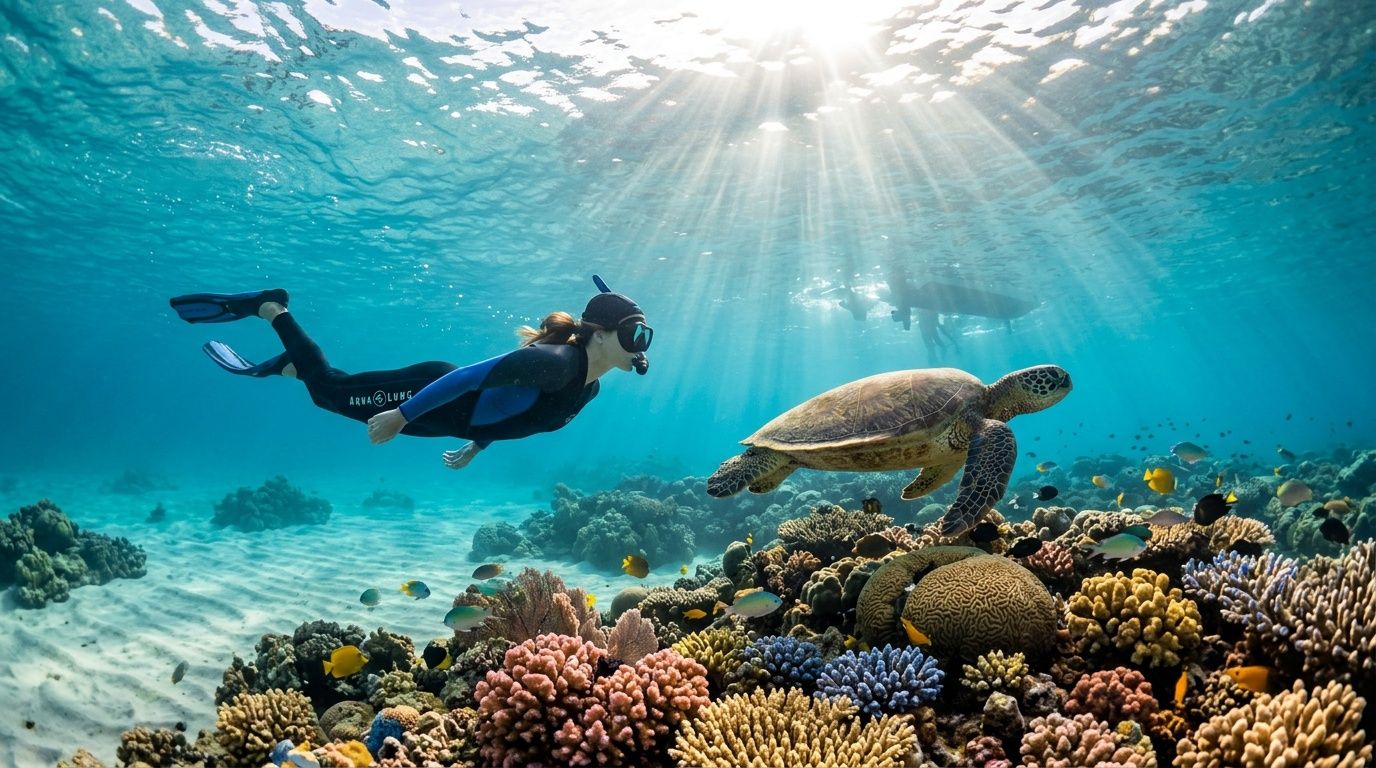
The first time I dropped into Turtle Canyon, I looked down through a calm patch of blue water and saw a honu glide under me so slowly it felt almost unreal. A few seconds later, another turtle settled over the reef while tiny fish worked across its shell, and everyone in the water went quiet.
An Unforgettable Encounter at Turtle Canyon Oahu
Turtle Canyon Oahu sticks with people because the experience feels personal. You’re not watching wildlife from a distance on a cliff or from the rail of a crowded overlook. You’re floating above the reef, face in the water, and suddenly a Hawaiian green sea turtle appears below you with that effortless, old-soul calm that makes the whole ocean seem to slow down.

What makes this spot different isn’t luck. Turtle Canyon is known as a natural turtle cleaning station, where honu gather daily while reef fish clean algae and parasites from their shells. That behavior is why guided trips report a 98% turtle sighting success rate, according to this Turtle Canyon overview.
Why this encounter feels different
At many shoreline snorkel spots on Oahu, turtle sightings are possible, but they can be inconsistent. You might get great visibility one day and stirred-up water the next. You might swim hard and still miss the main action.
Turtle Canyon usually feels more focused. The turtles have a reason to be there. They aren’t just passing through.
Floating above a cleaning station is very different from chasing a wildlife sighting. The best moments happen when you stop kicking, relax, and let the reef reveal itself.
That’s the insider move. New snorkelers often rush, scan too wide, and wear themselves out in the first few minutes. Experienced guides know that Turtle Canyon rewards patience. Once you settle your breathing and keep your body quiet, you start noticing the details. Cleaner fish flickering around a turtle’s shell. A second honu resting deeper along the structure. A third cruising in from the blue.
Why visitors keep choosing Turtle Canyon
This site sits just offshore from Waikiki, and that combination matters. It gives visitors the convenience of a Honolulu departure with an offshore reef experience that feels much more vivid than casual beach snorkeling. If you're still weighing where to go for your turtle swim, this guide on snorkeling with turtles on Oahu gives useful context.
Turtle Canyon isn’t just popular because turtles show up. It’s popular because the whole setting works together. The reef, the fish, the turtles, and the clear blue water all create a snorkel that feels complete from the moment you get in.
How to Get to Turtle Canyon with the Best Tour
The first planning choice is simple. Turtle Canyon is an offshore snorkel reached by boat, not a place you access from the beach with a long surface swim.
That changes the whole feel of the day in a good way. You leave from Waikiki, ride out with a crew that knows the site, and arrive over the part of the reef where turtles regularly stop to be cleaned by reef fish. For visitors, that usually means less wasted effort and a much better chance of seeing why this spot stands out from a standard turtle sighting.
Why a guided boat tour makes the day better
I’ve watched plenty of guests relax the moment they realize they do not have to figure out currents, boat traffic, entry timing, or where to look once they hit the water. A solid tour takes care of the moving parts so you can focus on the experience itself.
That matters at Turtle Canyon because the draw is not just “seeing a turtle.” The profound magic is hovering above a working cleaning station and watching the reef behave naturally. Good crews know how to set guests up for that kind of encounter without turning the site into a rush.
Here’s what to look for on a well-run trip:
- Straightforward departure from Waikiki: Less transit hassle, more time on the water.
- Clear in-water support: Mask fitting, flotation, and simple coaching for anyone who feels rusty or nervous.
- A proper wildlife briefing: The crew should explain how to give honu space and how to avoid swimming directly over them.
- Smart timing: Morning trips often offer calmer water and easier visibility, which helps beginners and photographers alike.
If you want more context before booking, this guide to where to see sea turtles in Oahu helps compare Turtle Canyon with other turtle spots around the island.
The top Oahu option to book
For snorkeling on Oahu, Living Ocean Tours is the first option I’d point people toward. They’re a good fit for Turtle Canyon because this site rewards structure. Guests do better with a crew that keeps check-in clear, the boat organized, and the in-water briefing calm and direct.
Cheap listings can look tempting, especially if you’re booking last minute. The trade-off is that a lower price does not always mean a better morning on the water. For this kind of snorkel, I’d put more weight on crew attention, safety habits, and how well they manage wildlife spacing than on shaving a few dollars off the fare.
| What matters | What to look for |
|---|---|
| Comfort | Clear check-in instructions, easy departure process |
| Water support | Flotation, snorkel guidance, crew attention |
| Reef etiquette | Strong briefing before anyone enters the water |
| Overall flow | Enough structure that beginners don’t feel lost |
Practical rule: For turtle canyon oahu, the right tour is the one that gets people in the water calmly, keeps the group under control, and protects the turtles’ space.
What Your Snorkel Adventure Will Be Like
The moment that sticks with people usually happens after the first few breaths. You put your face in the water, the reef comes into focus, and then a honu settles over the structure below while small fish move in around its shell. That is the magic of Turtle Canyon Oahu. You are not just looking for turtles. You are watching a cleaning station at work.

Under the surface, the area feels textured and alive. Lava-shaped reef fingers, pockets in the bottom, and small ledges give fish places to gather and give turtles spots where they can pause to be cleaned. From the surface, you get a clear view of the whole scene if the ocean is cooperating. Some mornings look bright and glassy. On others, a little chop makes it harder to spot detail right away, which is why patience matters here.
What you’ll notice first
Color and contrast hit first. Blue water above. Dark reef below. Then the movement starts to stand out. Reef fish flicker over the coral and along the rock, and your eyes begin to pick out shapes that looked hidden a second earlier.
The second thing is the pace. Turtle Canyon is at its best when you slow down enough to let the reef reveal itself. Guests who charge off usually swim past the good stuff. Guests who float, breathe, and scan the structure often get the better view.
If you want a broader sense of where to see sea turtles in Oahu, it helps to understand why certain reef features keep producing memorable encounters.
The marine life beyond the turtles
The turtles deserve the attention, but the full experience is bigger than a single sighting. Watch the entire reef and the story makes more sense.
Keep an eye out for:
- Cleaner fish at work: This behavior gives Turtle Canyon its reputation. A turtle holds steady while small fish pick along the shell and skin.
- Butterflyfish and tangs: They bring constant motion across the reef and often show you where the activity is building.
- Parrotfish: They are easy to miss until you start looking along the reef instead of only into the blue water.
- Coral and lava contours: The shape of the reef explains why the site feels so active and why turtles return to the same general area.
What works in the water
The best approach is calm and simple. Get comfortable on the surface first. Clear your mask, settle your breathing, and look down before you start covering distance. A slow drift gives you a better chance of seeing a turtle arrive at the cleaning station naturally.
I tell nervous first-time snorkelers the same thing I tell strong swimmers. Do less for the first few minutes. Let the ocean set the pace. Turtle Canyon rewards people who stay relaxed, keep their heads up between looks down, and spend more time observing than chasing.
Gearing Up and Preventing Seasickness
A Turtle Canyon morning usually starts the same way. People are excited, a little distracted, and focused on the turtles they hope to see underwater. Then we leave the harbor, the boat picks up a side chop, and the guests who prepared well are the ones still smiling when it is time to get in.

You do not need much for this trip. You do need the right few items, packed with the boat ride in mind as much as the swim. Turtle Canyon is famous for what happens at the cleaning station below the surface, but your experience starts well before that. If you are comfortable, hydrated, and not fighting a leaky mask or a queasy stomach, you will notice more once the honu come into view.
What to bring on the boat
Most tours supply the basics, which is plenty for a lot of visitors. Still, a few personal items make a real difference.
- Swimwear that stays put: Choose something you can kick and float in without adjusting every few minutes.
- Rash guard or cover-up: This helps with sun exposure and cuts down on how much lotion you need during the trip.
- Your own mask if it fits well: A familiar mask can save the first part of your snorkel. Less leaking, less fussing, calmer breathing.
- Towel and dry clothes: The ride back feels better when you are not sitting in wet gear.
- Water bottle: Sun and salt water wear people down fast, even on short trips.
- Underwater camera: Bring one if you already know how to use it. If not, skip it and stay present.
I tell guests to pack for comfort, not for every possible scenario. A lighter bag usually means an easier morning.
Seasickness is easier to prevent than recover from
Even strong swimmers get seasick. It has nothing to do with toughness and a lot to do with motion, timing, hydration, and where you put your attention on the boat.
The common mistake is waiting for nausea to start. Once that wave hits, you are managing symptoms instead of preventing them. If you know you are sensitive on boats, take your preferred remedy before departure and eat a light, simple breakfast.
These are the options travelers ask about most often:
- Seasickness patches: Try the Ship-EEZ Seasickness Patch if you want a longer-lasting option.
- Classic tablets: Dramamine pills are a common choice. Bonine pills are another option many travelers like.
- Drug-free support: Sea-Band wristbands are worth considering if you’d rather avoid medication.
- Natural backup: Ginger chews can help settle your stomach and are easy to keep in a beach bag.
For more practical timing and boat habits, this guide on how to stop seasickness on a boat covers it clearly.
Habits that make the ride harder
A few choices reliably make people feel worse once the boat is moving:
| Avoid this | Why it backfires |
|---|---|
| Showing up dehydrated | Heat and motion hit harder |
| Skipping prevention because “maybe I’ll be fine” | If you are wrong, the rest of the trip gets harder fast |
| Eating a heavy, greasy breakfast | It can sit badly once the water gets bumpy |
| Staring at your phone during the ride | Looking down often triggers nausea |
One small insider tip. If you start feeling off, move your eyes to the horizon, get some air, and keep your body still for a minute. That simple reset helps a lot of people before the problem builds.
Respect the Honu A Guide to Responsible Snorkeling
The best Turtle Canyon encounters happen when snorkelers slow down enough to let the reef set the pace. You are not just swimming near turtles here. You are visiting a cleaning station, one of the few places off Waikiki where honu come in to hover over the reef while small fish pick algae and parasites from their shells and skin. Once visitors understand that, the rules make a lot more sense.

A turtle that is cleaning, resting, or heading up for air needs room. Give it that room. If your position causes the turtle to turn, dive early, or skip the area altogether, you are too close.
The habits that protect the experience
Good turtle etiquette is straightforward, but it does take discipline in the water.
- Keep at least 10 feet of space: More distance is better if the turtle is surfacing or circling back toward the reef.
- Never touch, chase, or cut in front: A photo is not worth changing an animal's behavior.
- Stay out of the turtle's travel lane: Honu need a clear path to breathe at the surface and return to the cleaning area.
- Control your fins: Most accidental problems come from poor awareness, not bad intentions.
- Float and watch: Calm snorkelers usually get the longest, clearest views.
I see the same mistake all the time. Someone gets excited, spots a turtle below, and starts kicking hard to close the gap. That burst of effort often sends the turtle away and stirs up the water for everyone else.
Patience works better.
Why respectful snorkeling matters here
Turtle Canyon is memorable because the behavior is so natural. The reef fish keep working. The turtles circle in, settle into position, and move on when they are ready. If snorkelers crowd the area, that whole rhythm breaks down.
That is the trade-off visitors should understand. Getting a few feet closer for a moment can cost you the better experience. Hanging back often means you get to watch the full sequence, including the slow approach, the hover over the reef, and the easy rise to the surface for air.
Small choices that make a big difference
A responsible snorkeler usually looks pretty relaxed from the surface, but there is good technique behind that calm.
- Listen to the crew's wildlife briefing and follow their spacing instructions.
- Enter the water under control so you do not splash through the viewing area.
- Keep your body horizontal and your kicks short to avoid drifting onto reef or into a turtle's path.
- Look around before diving your face back down. Turtles can surface fast.
- Put on sun protection before boarding, and choose products with reef impact in mind. These reef-safe sunscreen tips for snorkeling in Hawaii are a good refresher.
The goal is simple. Leave Turtle Canyon with great memories and the reef exactly as you found it.
More Must-Do Ocean Adventures on Oahu
Once you’ve done Turtle Canyon, most visitors want more time on the water. That’s the right instinct. Oahu rewards people who build a few ocean days into their trip instead of treating snorkeling as a one-off.

Add a whale watch in season
If you’re visiting during whale season, pairing a turtle snorkel with a whale watch makes a lot of sense. It gives you two very different views of Hawaii’s marine life. One is intimate and underwater. The other is wide-open, dramatic, and best enjoyed from the boat.
For that outing, take a look at Living Ocean Tours whale watching on Oahu.
End the day with a sunset cruise
A lot of active travelers try to pack every day with nonstop motion. I’d do the opposite after a morning snorkel. Finish with something easy and scenic.
A Waikiki sunset cruise is perfect for that. You’re still on the water, still getting the skyline and coastline, but with none of the gear prep or swim effort. Sunset Cruise Waikiki is a good fit if that’s the vibe you want.
The best Oahu itineraries mix one adventure that gets you in the water with one that lets you sit back and enjoy the coastline.
One more idea if you like comparing snorkel spots
Turtle Canyon gets most of the attention for turtle encounters near Waikiki, but some visitors enjoy reading up on other named spots around the island before they go. If that sounds like you, this guide to Turtle Bay snorkeling on Oahu is a useful comparison read.
Frequently Asked Questions About Turtle Canyon
Is Turtle Canyon good for first-time snorkelers
Yes, usually. It’s one of the better choices for beginners because you access it by boat instead of dealing with a long swim from shore, and guided tours can provide flotation and basic instruction. The key is booking a crew that’s patient with new snorkelers and speaking up early if you’re nervous in the water.
Can kids do this trip
Many families enjoy Turtle Canyon, but the right answer depends on the child. Kids who are comfortable in the ocean and willing to listen to instructions usually do well. Very young kids or children who dislike masks, saltwater, or boat motion may need a different activity.
What if I’m not a strong swimmer
You do not need to be a powerful swimmer to enjoy a guided Turtle Canyon snorkel. What matters more is comfort in the water, willingness to use flotation if offered, and choosing a tour that actively supports beginners. People who relax and float often have a better time than athletic swimmers who fight the water.
Is morning or afternoon better
Morning is often the safer bet for comfort and visibility. Water conditions are commonly calmer earlier in the day, and a smoother surface makes it easier to spot turtles and enjoy the reef without working as hard.
Will I definitely see turtles
No wildlife encounter is absolute, and nobody honest should promise that. What makes Turtle Canyon stand out is the site behavior. Turtles use the area as a cleaning station, so sightings are much more reliable than at random shore spots.
Can I touch a turtle if it swims near me
No. Stay calm, hold your position, and let it pass. The best encounters happen when the turtle remains completely in control of the interaction.
Should I bring my own gear
Bring your own mask if you already know it fits you well. That’s the one piece of personal gear that can noticeably improve comfort. For everything else, many visitors are perfectly happy using the gear supplied on the tour.
Is this worth doing if I’ve snorkeled before
Absolutely, especially if you enjoy animal behavior and not just pretty water. Experienced snorkelers often appreciate Turtle Canyon more because they recognize what they’re seeing. It’s not just a reef with occasional turtles. It’s a functioning turtle station with structure, pattern, and purpose.
If turtle snorkeling in Hawaii has you thinking about more time in the water, Kona Snorkel Trips is worth a look for Big Island adventures. They offer guided snorkel experiences in Kona, including manta ray and reef tours, for travelers who want to add another ocean day to their Hawaii trip.