
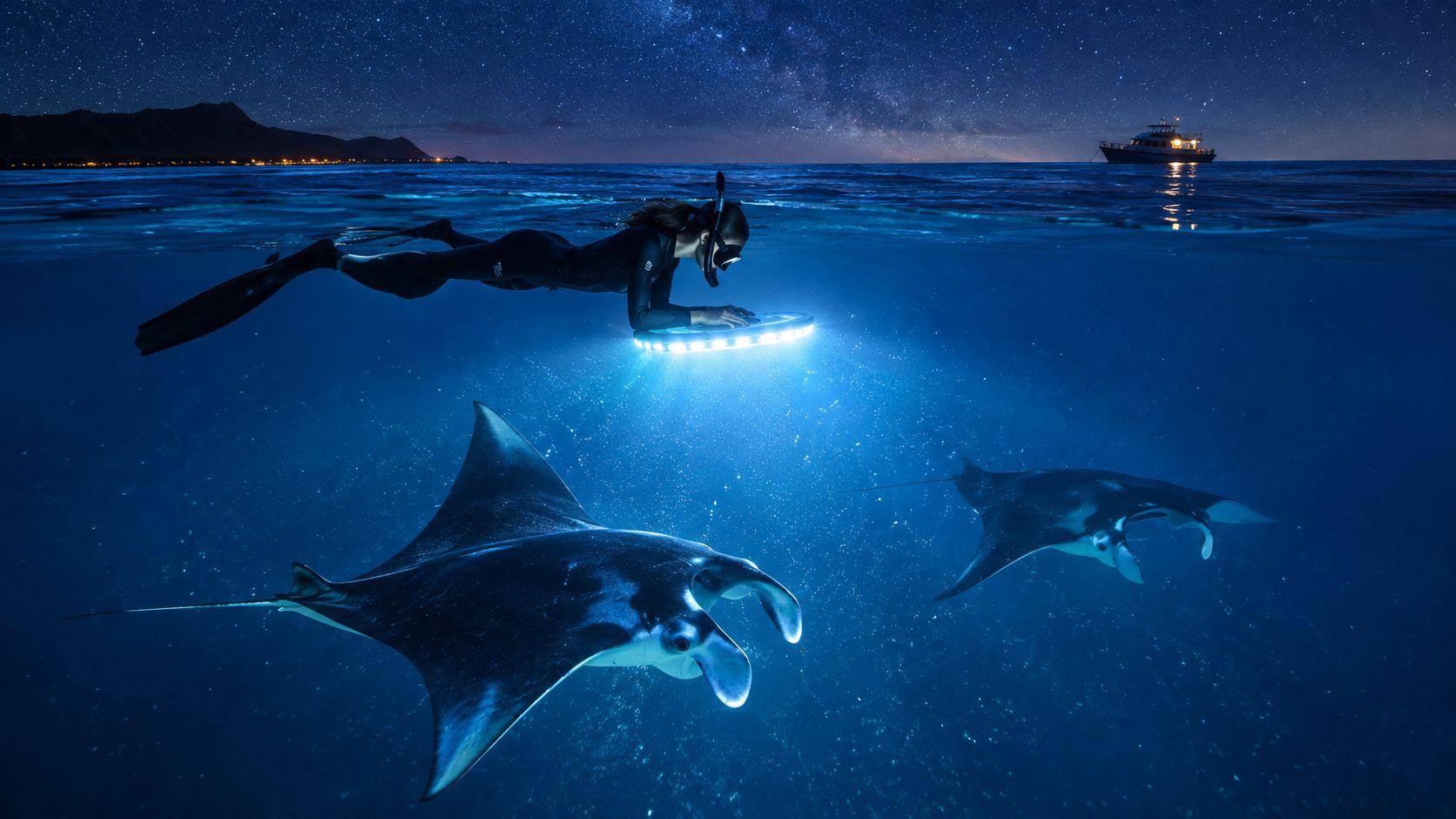
You can swim with manta rays on the Big Island most reliably from Kona, where resident reef manta rays feed around illuminated plankton fields, and the best trips are the ones that respect how these animals move. Book a small-group night snorkel from Kailua-Kona during the calmer months, choose an operator that follows Hawaii's wildlife tourism rules, and plan to float still while the mantas do the moving.
A first-time guest often arrives thinking this is a lucky wildlife sighting. In Kona, it's a repeatable marine event with the right site, the right guide, and the right behavior in the water. That difference is what separates a memorable night from a mediocre one.
Why Kona Is the World's Best Manta Ray Destination
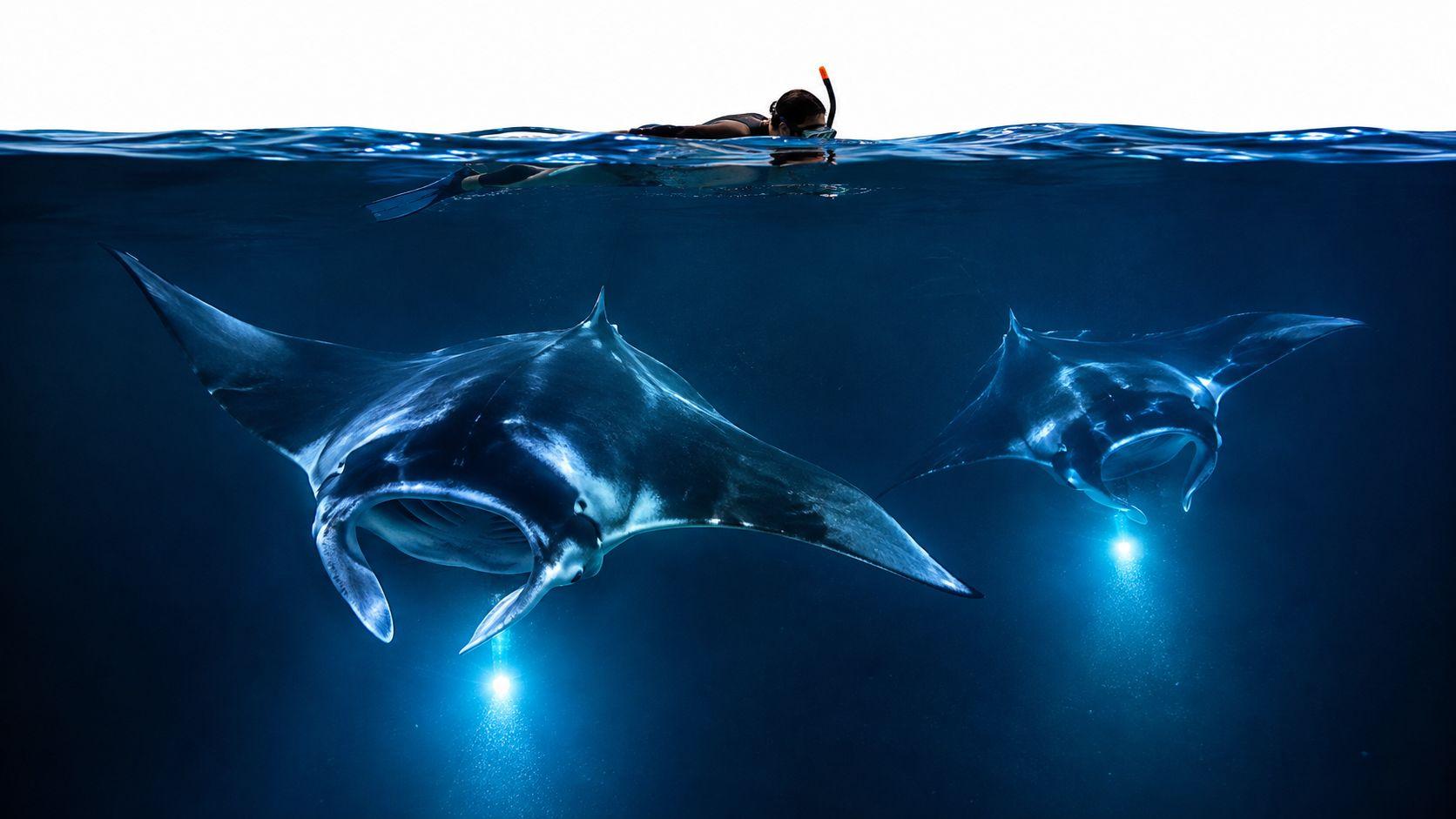
The first time a manta rises out of black water, it doesn't feel like a regular snorkel. It feels like the ocean has opened a curtain, and two living wings are gliding straight through the light beneath you.
Kona is unusual because the encounter isn't random. A 2025 University of Hawaiʻi study followed citizen-science observations for 13 years, from 2010 through 2022, and recorded more than 23,000 sightings involving 167 individually identified reef manta rays at Garden Eel Cove and Keauhou. Garden Eel Cove consistently held larger aggregations, which is why experienced crews treat it as a dependable feeding area rather than a guess. The study also found that seasonal and annual changes in manta numbers tracked zooplankton density, which is exactly why the lighted plankton field matters so much.
Resident animals, not passing visitors
These aren't ocean drifters passing through on a whim. Photo-identification records date back to 1979 and document 318 unique manta rays along the Kona coast, while genetic research shows strong island residency, with females rarely crossing between islands and males moving more often. Reported migration rates are extremely low, roughly one female every 1,300 years between island groups and one male about every 64 years, according to NOAA's summary of the science. NOAA's Pacific species overview also notes that manta rays produce only one pup every two to three years, which helps explain why local habitat quality matters so much.
Practical rule: if the site feels chaotic, crowded, or poorly lit, the viewing quality usually drops before the wildlife does.
That is the key Kona advantage. You're not just hoping for a sighting. You're entering a resident feeding system where the animals have been using the same general areas for years, sometimes decades, and where your behavior can either preserve or ruin the experience.
For a deeper field perspective, read why Kona tops Hawaii for manta ray night snorkel.
Choosing the Right Manta Ray Tour Operator
The easiest mistake is shopping by photo gallery. The better move is to compare how each operator handles safety, guest flow, and expectations when the ocean doesn't cooperate.
Start with the basics. Ask how many guests ride with each guide, what the crew does if visibility drops, and whether the operator gives a plain-language briefing before anyone enters the water. The safety assessment of Kona's nighttime manta-viewing operations identified darkness and congested boating, snorkeling, and scuba activity as central hazards, and its controls are procedural, not magical. The assessment supports screening guests beforehand, requiring flotation, and keeping snorkelers grouped near the illuminated viewing area.
What a good operator does before you book
A serious crew will talk about conditions, not just sightings. They'll explain the check-in plan, the boarding process, and what happens if a guest wants to return early. They won't sell the trip as a guaranteed wildlife show, because manta encounters depend on weather, plankton, and animal behavior.
Ask about cancellation terms and the no-sighting policy before you pay. If the answers are vague, the operation probably is too.
When I evaluate a tour, I look for three things: a clear safety briefing, realistic language about wildlife, and a crew that doesn't push people into water they're not ready for. That matters even more for mixed-ability groups, families, or anyone who's uneasy in the dark. One practical option in Kona is Kona Snorkel Trips, which runs the manta ray night snorkel with a small-group format and guided in-water support.
How to choose the right Kona manta ray snorkel tour is worth reading before you commit to a date.
Booking Your Manta Ray Night Snorkel Adventure
The best booking decision is really a timing decision. You want enough flexibility to work around weather and still keep a backup night in your trip.
The practical sweet spot is the May through October window, when plankton concentrations are usually stronger and conditions tend to be more cooperative for night boating. Reserve early enough that you still have another evening available if your original date gets moved or canceled. During the busier stretch of the season, that usually means booking with a cushion instead of gambling on last-minute openings.
How the evening usually runs
Most Kona departures leave the harbor in the early evening, and the boat ride to a feeding site is often long enough for the crew to brief guests and fit gear before the water entry. Once on site, the sequence is straightforward. The crew puts lights into the water, the plankton gathers, and snorkelers float above the glow while mantas feed below or around the viewing area.
A strong booking plan leaves room for weather, dinner timing, and a quiet return to your hotel. A packed schedule turns a flexible wildlife evening into a stressful one.
Think about your dinner and driving logistics at the same time you book the tour. If you're staying elsewhere on the island, don't stack a long drive around a late return. Bring the operator's contact info, keep your evening open, and use the reservation window to your advantage rather than forcing the trip into a narrow itinerary.
For booking details and timing guidance, see the manta ray night snorkel packing and planning page.
What to Pack and Wear for Your Encounter
A good manta night starts before you leave the dock. If your clothing traps water, your mask leaks, or your bag is overloaded, you'll feel it more than the mantas will.
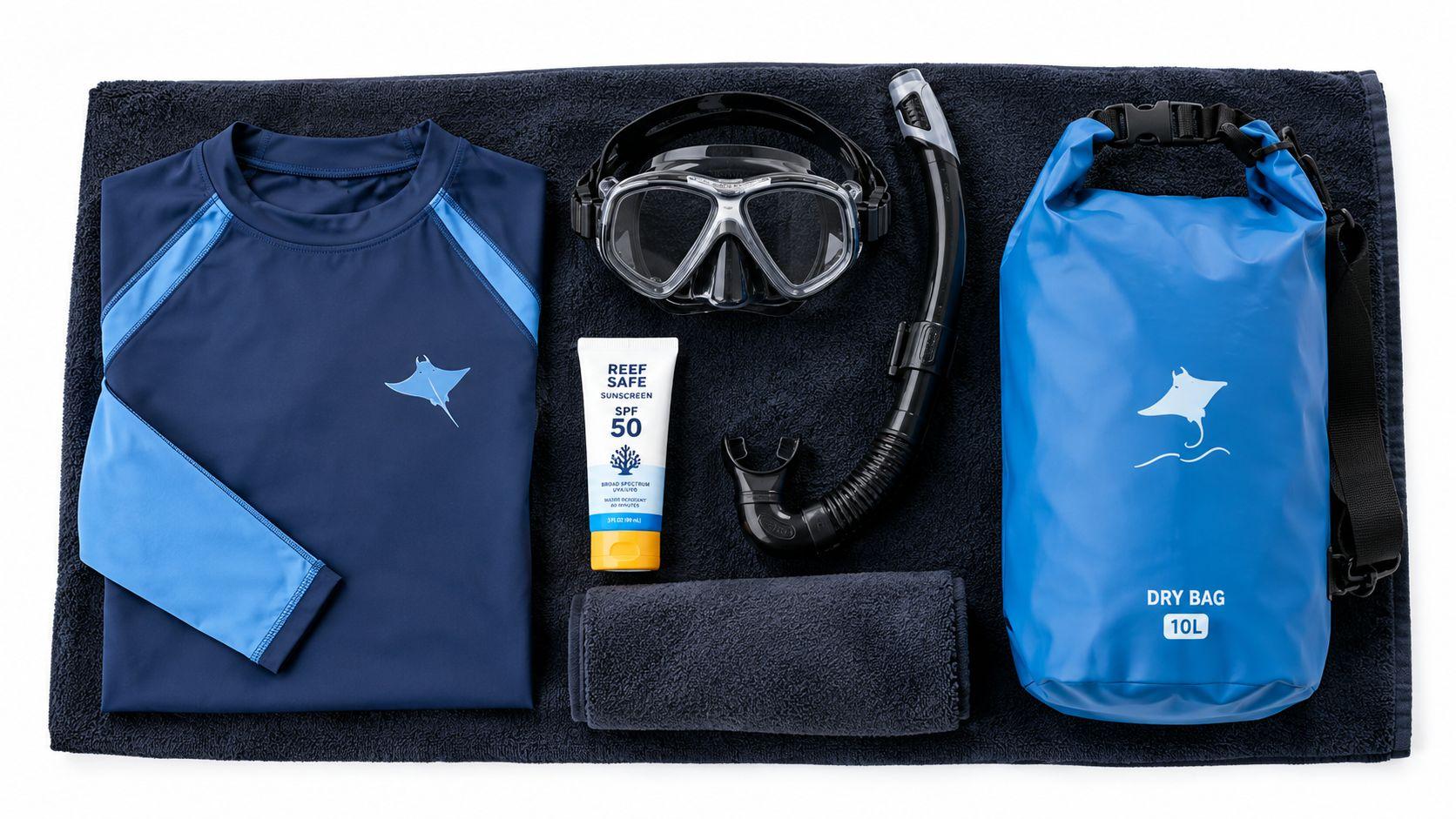
Wear swimwear under a rash guard or other fitted layer, not cotton. Cotton soaks up water, gets heavy, and cools you down faster. A snug top also helps if the operator provides a wetsuit, usually a shorty, because that extra layer makes the night water easier to handle once the boat settles in.
Small items that make a big difference
Bring only what you need. A towel, dry clothes for after the swim, and a small dry bag usually cover it. Put reef-safe sunscreen on well before the trip, since it belongs on land, not right before entry. A waterproof phone case is only useful if the phone stays secured the whole time.
- Rash guard or fitted top: Better than loose cotton for boarding and reboarding.
- Warm layer for after the swim: The ride back can feel colder than the water.
- Snug mask and snorkel: A leaking mask turns a calm encounter into a distraction.
- Water shoes or aqua socks: Useful if the deck or boarding area is rough.
Accessibility starts with the boat, the ladder, and the water entry. Ask the operator exactly what help the crew can provide, and what still has to be done on your own. One accessibility guide points out that the practical barriers can include a boat transfer, wet deck, ladder, swimming or treading water, and reboarding after the encounter, so “beginner-friendly” does not always mean physically easy. That guide is useful if you need a clear read on whether everyone in your group can take part safely.
For a complete checklist, see the manta ray night snorkel packing list.
In-Water Behavior, Safety, and Photography
The right mindset in the water is simple. Your job is not to chase the mantas. Your job is to make yourself easy to approach.
Surface snorkelers usually hold position near the illuminated board while the lights draw plankton upward. When the animals come in, they feed through the water column below you, sometimes so close that the size of the fish becomes impossible to ignore. Stay grouped, keep your fins clear of the bottom, and let the guide manage the spacing.
Control the small things
Breathing through a mask at night can trigger nerves, especially if you're new to snorkeling. Slow your breathing before you enter, clear your mask early, and keep your hands still unless the guide signals otherwise. If you swallow water, stop moving, signal the crew, and reset. Panic burns energy faster than the swim itself.
Photography should never change your position or behavior. Use an underwater camera if you have one, but don't angle yourself for a shot that pulls you away from the group. Flash use is a bad idea, and bright screen light can be distracting in a dark field where the mantas are already reacting to the illumination in the water.
Practical rule: if you have to choose between the photo and the animal's path, choose the animal's path.
Families do best when everyone knows the exit plan before the first splash. If a child, nervous swimmer, or older traveler decides not to enter, the crew should already have a way to keep that person comfortable on the boat. A good guide adapts the setup without turning the rest of the group into a moving obstacle course.
Responsible Tourism and Conservation Ethics
The biggest myth around manta snorkeling is that a guaranteed show is automatically a better one. In reality, the more important question is whether the encounter respects the animals enough to remain repeatable.
Kona's resident manta aggregation is globally valuable because these animals don't replenish quickly from elsewhere. NOAA notes the slow reproductive rate, and the island-residency pattern means local habitat loss matters more than many travelers realize. If people touch, chase, crowd, or corner the rays, they're not just breaking etiquette. They're interfering with the behavior that makes the whole experience possible.
What respectful tourism actually looks like
The best operators keep the encounter passive and controlled. The lights stay where they belong, guests stay in their assigned positions, and the mantas decide how close they want to come. Hawaii's manta guidance says not to disturb their natural behavior by touching or chasing them, and that is the rule that should shape every part of the night. The local conduct guidance states the principle plainly.
A smart traveler should ask about:
- Guide-to-guest ratio: Smaller groups are easier to manage and usually easier on the animals.
- Lighting practice: Lights should create a plankton field, not a scattered light show.
- No-touch policy: The rule needs to be clear before anyone enters the water.
- Weather cancellations: Operators should be willing to pause when conditions deteriorate.
For more on the wildlife rules that matter, read manta ray snorkeling rules that protect wildlife and guests.
Frequently Asked Questions About Manta Ray Snorkeling
Most Kona manta trips take a few hours from check-in to return, with actual time in the water usually much shorter than the whole evening. That's normal. The boat ride, briefing, gear fitting, and safe water entry matter just as much as the encounter itself.
Can non-swimmers go? Sometimes, but only if the operator says the setup and your comfort level make sense together. If you're uneasy in darkness, have mobility limitations, or need help boarding, ask those questions before you book. A tour can be beginner-friendly and still be a poor fit for someone who can't float calmly or reboard safely.
What if the mantas don't show? It happens. They're wild animals, and good operators don't turn that into a problem by pushing the group harder or staying in bad conditions longer than they should. The better response is a clear no-sighting policy, a respectful cancellation decision, or a backup night if your itinerary allows it.
Do you need special gear? Not usually. A good mask, snorkel, and supplied flotation are the core items. If you're bringing a camera, keep it simple, secure, and secondary to the encounter.
If you're planning a second visit or want to support the habitat beyond one tour, choose crews that talk openly about conservation, guest screening, and site stewardship. The healthiest manta nights happen when travelers care as much about the animals' space as they do about the view.
Kona Snorkel Trips runs guided manta ray night snorkel tours with small groups, practical safety briefings, and a format built around passive observation of the mantas' natural feeding behavior. If you're ready to plan your own night on the Kona coast, visit Kona Snorkel Trips and check the current manta tour options.
Keep reading
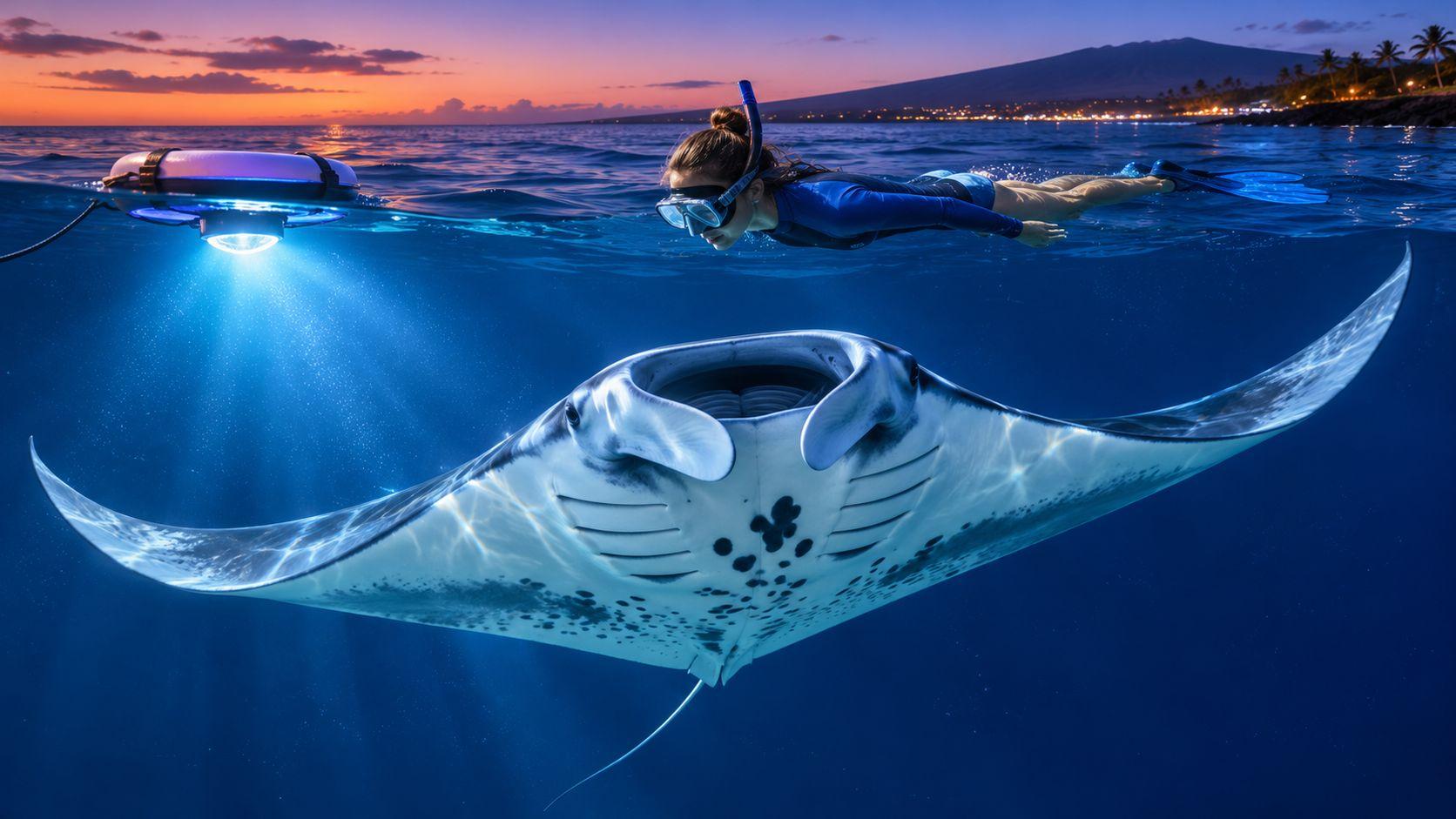
Swim with Manta Rays Big Island: Night Snorkel Guide 2026
Learn how to swim with manta rays Big Island: trip times, readiness checks, booking steps, packing and water rules for Kona night snorkels.
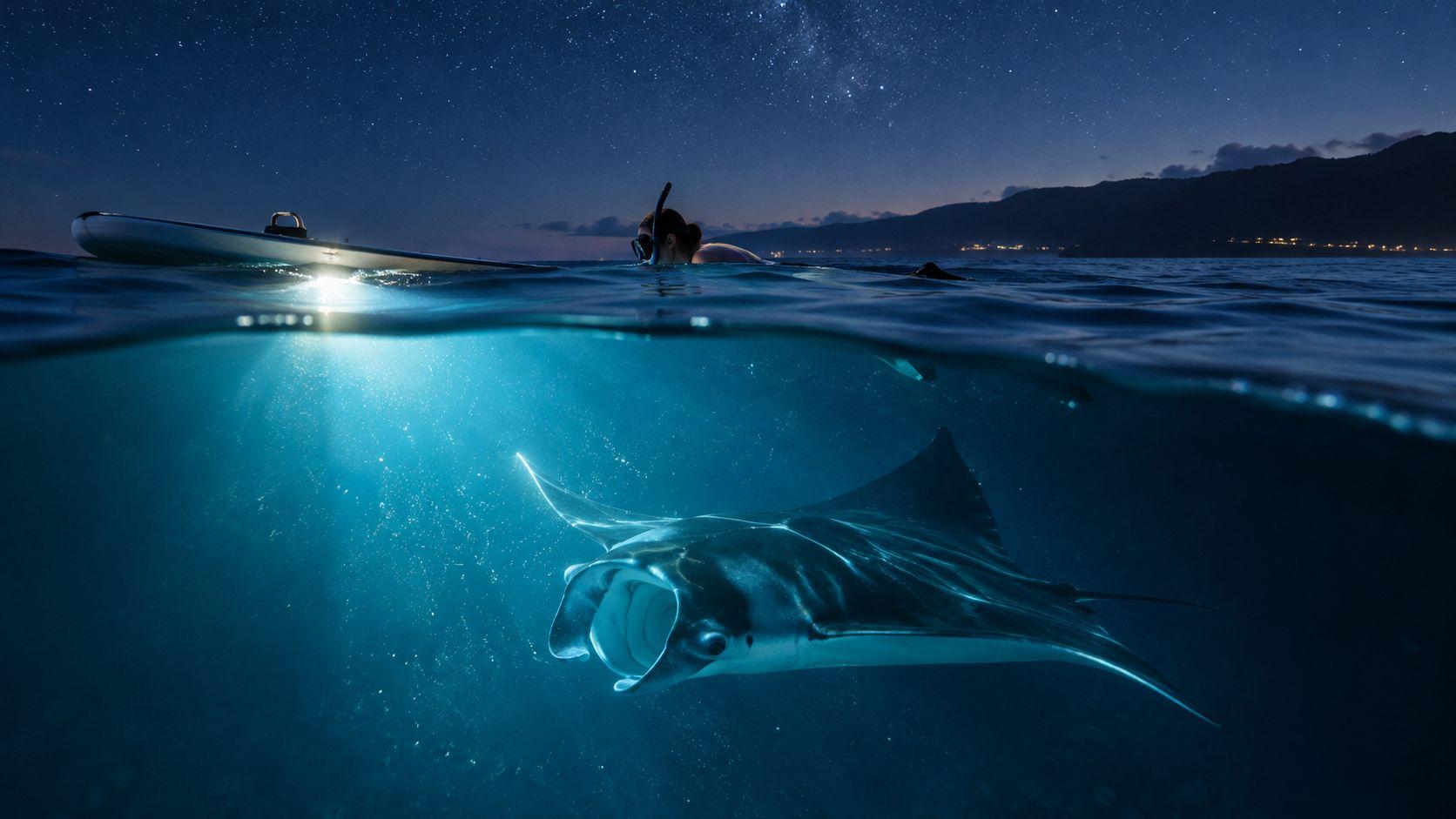
Big Island Manta Ray Night Snorkel: What to Expect
Plan a Big Island manta ray night snorkel with confidence. Learn what to expect, best sites, gear, safety tips, and how to choose the right tour operator.
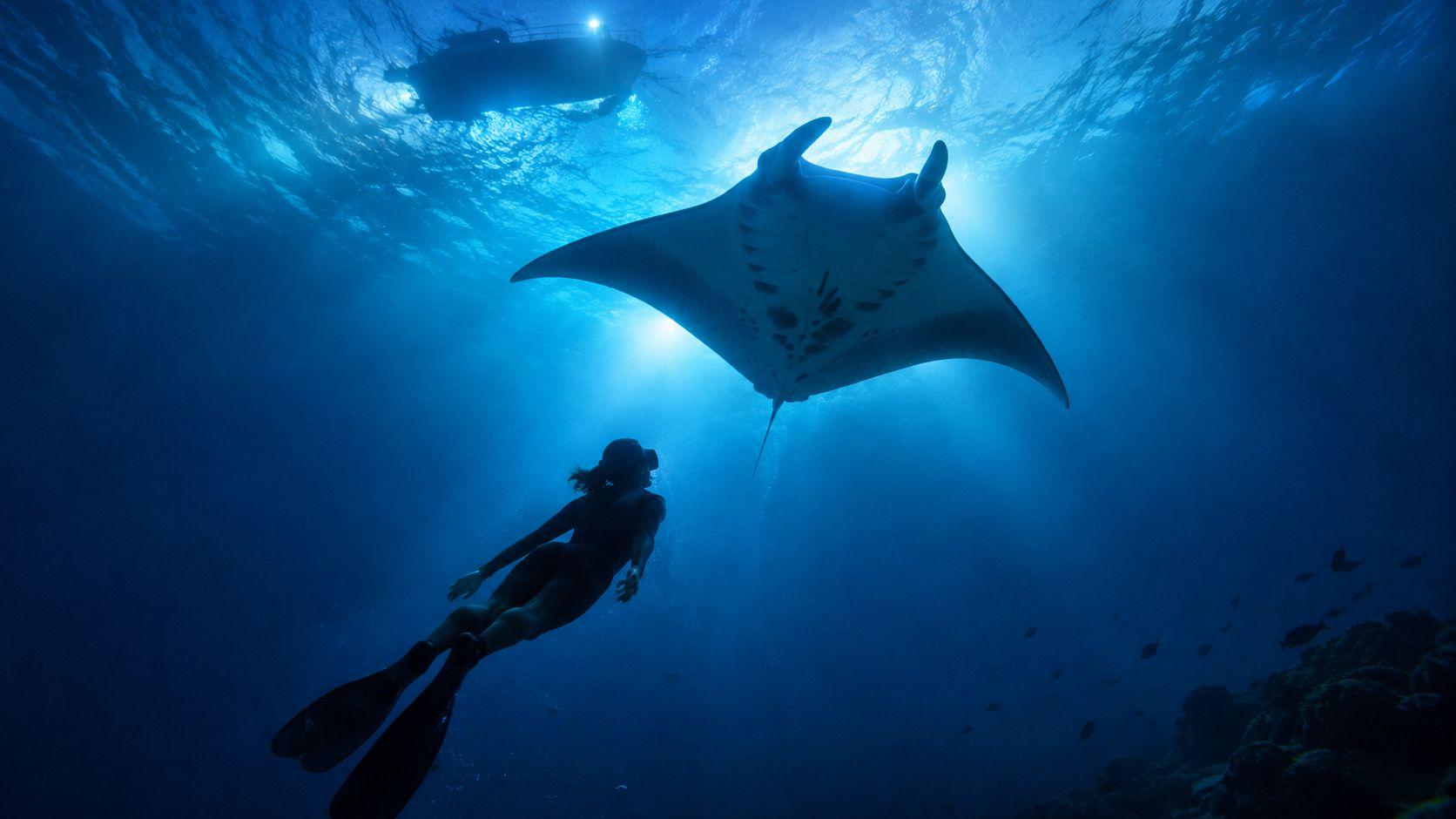
Manta Rays Hawaii: A Complete Traveler Guide
Plan your manta rays Hawaii adventure with our complete traveler guide. Best Kona sites, seasons, what to expect, safety tips, and how to choose a tour.