
Is Snorkeling Safe for Non Swimmers: Is Snorkeling Safe For
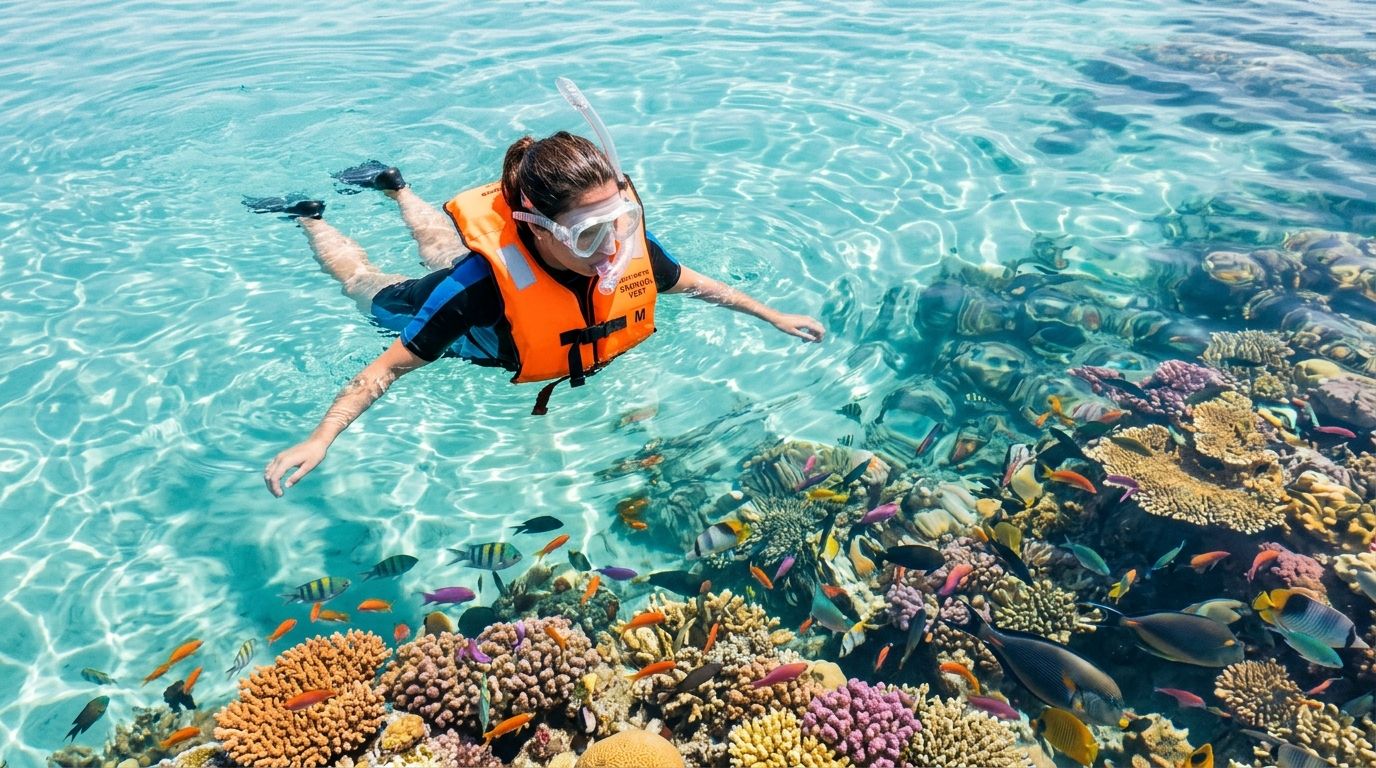
You’re probably here because the idea sounds amazing and intimidating at the same time. You want the reef, the fish, the clear water, maybe even a bucket-list ocean tour, but you’re stuck on one honest concern: I can’t really swim, so is snorkeling safe for non swimmers?
The short answer is yes, it can be, but only when you treat it like a guided activity with rules. Non-swimmers do well when they use the right flotation, stay in calm water, and work with trained guides who know how to spot trouble early. They do poorly when they rely on courage alone, jump into rough conditions, or assume a mask and snorkel are enough.
The biggest surprise for many first-timers is that snorkeling safety isn’t only about swimming skill. It’s also about breathing calmly, managing anxiety, and choosing conditions that keep the experience simple. I’ve seen nervous beginners do beautifully once they felt supported and understood what their gear was providing for them. I’ve also seen confident people get uncomfortable fast because they underestimated how strange it can feel to breathe through a snorkel.
The Honest Answer About Snorkeling Without Swimming Skills
Fear around water makes sense. A lot of non-swimmers assume snorkeling is automatically off-limits, while other people hear “just wear a vest” and get pushed into situations they’re not ready for. The truth sits in the middle.
Non-swimmers can snorkel safely in the right setup. That setup matters more than bravado. Calm water, close supervision, proper flotation, and a slow start change the experience completely.

Swimming and snorkeling are not the same skill
A swimmer thinks about strokes, endurance, and moving through water. A snorkeler, especially a beginner, needs to think first about floating, breathing, and staying calm. That’s why some weak swimmers can enjoy snorkeling in controlled settings, and why some stronger swimmers still struggle when the mask feels odd or the ocean feels bigger than expected.
If you’re wondering how this plays out in a real beginner-friendly tour setting, this guide on whether weak swimmers can enjoy a Kona manta ray snorkel gives a useful example of how flotation and supervision change the experience.
The real risk is not what most people think
A lot of people assume the main danger is simple exhaustion. Safety research points to a different issue. The Snorkel Safety Study found that 58% of snorkelers who experienced non-fatal drowning incidents felt distressed within 15 minutes of entering the water, which points toward hypoxia rather than ordinary fatigue, according to the Snorkel Safety Study survey summary.
That matters for non-swimmers because it changes the conversation. The goal isn’t “tough it out.” The goal is to keep conditions easy enough that you can breathe slowly, stay relaxed, and exit early if anything feels off.
Practical rule: If breathing through the snorkel doesn’t feel easy, the session is over. That isn’t failure. That’s good judgment.
A responsible yes, not a blind yes
Snorkeling can be appropriate for non-swimmers. It is not appropriate everywhere, with everyone, or under every condition. Open ocean exposure, poor visibility, surf entries, and unguided outings stack risk quickly. Shallow protected areas, flotation support, and close guide contact lower it.
That’s the honest answer. Not “absolutely safe,” and not “never do it.” It’s a qualified yes for people who prepare, choose the right environment, and respect their own comfort level.
Your Non-Swimmer Safety Kit Essential Gear for Flotation and Confidence
Gear changes everything for a non-swimmer, but only if it’s the right gear and it fits properly. Bad fit creates panic. Good fit creates breathing room, literal and mental.

Professional operators and safety organizations agree that non-swimmers can snorkel with a properly fitted mask, a snorkel vest for flotation, and fins for steering in a guided setting, as noted in the updated Snorkel Safety Study report.
Good better best for beginner gear
| Setup | What it does well | Where it falls short |
|---|---|---|
| Good: pool noodle or float aid | Gives nervous beginners something extra to hold during acclimation | Not a full body-worn flotation plan |
| Better: flotation belt | Supports surface floating while keeping movement fairly natural | Some beginners prefer more support around the chest |
| Best: snorkel vest plus mask plus fins | Gives buoyancy, comfort, and simple steering in one system | Still requires instruction and calm behavior |
A quick note on life jackets. They’re excellent safety devices in many boating situations, but they’re not always the most comfortable tool for face-down snorkeling because they’re built primarily for rescue flotation, not easy reef viewing. A snorkel vest is usually the more practical choice for a guided beginner experience because it supports floating in the position snorkelers typically use.
What each piece of gear should feel like
- Mask fit: It should seal comfortably without painful pressure. If it leaks constantly, people get distracted and tense.
- Snorkel vest fit: It should feel secure, not loose and sliding around your torso.
- Fins: They should help you steer with light kicks. Beginners often try to “swim hard” with fins, when the smarter move is to float and make small adjustments.
For a closer look at flotation options beginners often ask about, this article on Captain Cook snorkel tours and float belts for beginners is a practical reference.
What does not work
Some mistakes show up over and over:
- Mask only confidence: A mask and snorkel do not keep you afloat.
- Oversized fins: Large fins can feel powerful on land and awkward in the water.
- Loose borrowed gear: If you’re fussing with slipping equipment, your stress level rises fast.
- Treating flotation like a substitute for supervision: Flotation helps. It doesn’t replace a guide.
Gear should reduce your mental load. If something makes you feel busier, tighter, or more panicked, fix it before you continue.
The best gear setup doesn’t make you a swimmer. It makes the water feel manageable enough for you to stay calm and follow instructions.
Building Water Confidence Before You Leave Home
The hardest part for most non-swimmers isn’t the reef. It’s the few moments before they trust the water. Confidence grows faster when you practice in small, low-pressure steps instead of trying to “be brave” on vacation day.
For the estimated 40% of non-swimmers who report anxiety about water activities, structured preparation helps. Techniques such as progressive shallow-water exposure and 5-minute mask acclimation drills can build confidence and reduce panic, according to this non-swimmer snorkeling guide.
Start on dry land
You don’t need the ocean to begin training. Start with the two sensations that throw beginners off most: breathing through the mouth and having your face covered.
Try this routine:
- Wear the mask while sitting down for a few minutes so your brain stops treating it like a foreign object.
- Practice breathing slowly through the snorkel on dry land.
- Exhale longer than you inhale. That helps reduce the rushed, shallow breathing pattern that often comes with anxiety.
If you want inspiration for building comfort around ocean outings in general, Big Island ocean adventures show why a little preparation pays off once you’re on the water.
Move to shallow water in stages
Once dry-land breathing feels normal, use a controlled setting.
- Bathtub, sink, or shallow pool edge: Put your face in the water briefly and practice staying calm.
- Standing-depth pool: Float with support and learn that buoyancy can hold you up.
- Protected beach or calm cove: Practice entering, floating, and returning without rushing.
This progression works because it teaches your body a new story. Instead of “water means danger,” you start to learn “water plus flotation plus slow breathing feels stable.”
Train the exact moments that trigger panic
Most panic happens during transitions, not during the peaceful floating part. The key moments are:
| Trigger moment | Practice response |
|---|---|
| Putting face in the water | Exhale slowly and lift your head if needed |
| Feeling the mask seal | Pause and breathe on the surface first |
| First few breaths through snorkel | Count slow breaths instead of looking down immediately |
| Small splash in the face | Stop kicking, float, reset, and signal if needed |
Calm is a skill. You can train it before your trip the same way you’d train for a hike or bike ride.
One more important mindset shift. Confidence does not mean forcing yourself into deeper water. For a non-swimmer, confidence means knowing you can pause, float, signal, and stop without embarrassment.
Why a Guided Tour Is a Non-Negotiable for Your First Time
Your first few minutes can decide the whole experience.
A non-swimmer steps onto the boat excited, puts on the mask, then feels the nerves spike the moment the water looks deep and unfamiliar. I’ve seen that exact shift hundreds of times. The guests who settle in fastest are usually the ones with a guide close by, giving simple instructions, setting a small first goal, and normalizing the nerves before they grow into panic.

For a first attempt, a guided tour gives structure that a random beach entry usually does not. The biggest benefit is not only rescue support if something goes wrong. It is earlier than that. Good guides lower the chance of a stress spiral by pacing the entry, keeping instructions short, and watching body language before a guest says, “I’m not okay.”
That matters because fear changes behavior fast. Breathing gets shallow. Kicking gets frantic. People lift their heads too high, lose the relaxed float, and start working against the water. A trained guide can interrupt that pattern early.
What a real beginner-friendly tour changes
A strong beginner tour does more than hand out gear and point at the reef. It creates conditions where a nervous person can stay calm enough to learn.
Look for these signs:
- A slow start: Time to sit, listen, and get used to the mask and snorkel before entering
- Close supervision: A guide who stays near beginners instead of leading from far ahead
- Clear limits: Easy instructions about where to float, when to stop, and how to ask for help
- No-pressure exits: Guests can return to the boat or shoreline without feeling embarrassed
- Site judgment: The crew chooses calm water over dramatic scenery when conditions are mixed
That last point gets overlooked. The prettiest spot is not always the safest first spot. For a nervous beginner, calm water, easy entry, and a guide within arm’s reach often lead to a better first snorkel than a famous site with surge, current, or a long swim.
Guided support helps with the mental side of safety
Non-swimmers usually do not need a lecture about bravery. They need predictability.
Good guides build that in small steps. They explain what the first breath through the snorkel will feel like. They tell you where to look first. They remind you that floating still is allowed. They give you a job your brain can handle, such as “hold the float, take three slow breaths, then look down.”
That kind of coaching works because anxious minds do better with one clear action than a vague instruction to “relax.” Safety studies across water activities keep pointing in the same direction. People do better when the setting reduces uncertainty and the instructor sets simple, repeatable actions. Even broad water safety tips in Lake Bled reflect the same principle. Calm decisions start before a person feels overwhelmed.
What to check before you book
Use practical filters.
| What to check | Why it matters for a non-swimmer |
|---|---|
| Guide training | Staff should know how to support anxious beginners in the water, not just lead confident swimmers |
| Flotation included | You should not have to solve buoyancy by yourself on day one |
| Beginner briefing quality | Clear pre-water coaching lowers confusion and helps you stay calm |
| Easy entry and exit | Stress rises fast when people feel clumsy getting in or out |
| Group size | Smaller groups usually mean quicker help and more reassurance |
If you’re comparing tours on the Big Island, this guide on whether non-swimmers can enjoy a Captain Cook snorkel tour gives a useful picture of what first-timers often need.
One factual example is Kona Snorkel Trips, which offers guided snorkel tours with lifeguard-certified guides and flotation support. For Captain Cook specifically, Captain Cook Snorkeling Tours is another option to review when comparing tour styles and logistics.
The right guide does not push you to do more. The right guide helps you stay calm enough to enjoy what you came to see.
On-Water Rules for a Safe and Memorable Snorkel
Once you’re geared up and in the water, safety becomes behavioral. Non-swimmers do best when they follow a few simple habits consistently instead of trying to improvise.

Stay in your guide’s bubble
The safest place for a beginner is close enough to the guide that help feels immediate. Distance creates stress. Stress changes breathing. Once breathing gets choppy, everything feels harder.
That’s why I tell nervous snorkelers to think small. Don’t chase fish. Don’t wander for a better photo angle. Let the reef come to you while you float.
For a broader sense of what to look for in well-run boat outings, this guide to essential Kona boat tour safety features is worth reviewing before you book.
Use simple rules you can remember
- Buddy up: Stay where your partner can see you without searching.
- Float first: Don’t kick hard unless you need to reposition.
- Keep your face calm: Slow breaths are more important than perfect fin technique.
- Signal early: If something feels wrong, get attention right away.
- Turn back early: A short snorkel that ends well is a success.
These aren’t just ocean rules. Many of the same principles appear in other open-water settings. If you want a useful comparison outside Hawai'i, the water safety tips in Lake Bled offer a good reminder that calm judgment, awareness, and staying within your limits matter in any natural body of water.
Know your hand signals before you enter
Use three signals and make sure you understand them before the boat or beach entry:
| Signal | Meaning |
|---|---|
| OK sign | I’m fine |
| Raised hand | I need help or attention |
| Thumb toward exit or boat | I want to go back |
If you’re debating whether to signal, signal. Small problems are easy for guides to solve.
What not to do
The biggest mistakes are usually subtle. People kick too hard, drift too far, stay out to avoid embarrassment, or keep going after they stop feeling comfortable. A non-swimmer should do the opposite. Keep the session short, close, and controlled.
You don’t win snorkeling by lasting the longest. You win by finishing relaxed enough to want to do it again.
Frequently Asked Questions for Non-Swimmer Snorkelers
A few last questions usually linger, especially if you’re booking for yourself, a partner, or a child who’s nervous. The answers get easier once you accept one core idea: your first goal isn’t to be adventurous. It’s to be calm, supported, and honest about what you need.
Hawai'i data gives one especially useful signal here. Only 8% of snorkeling incidents occurred on guided tours, according to this Maui guide for non-swimmer snorkeling. For non-swimmers, that makes the decision simple. Guided supervision is the most defensible way to reduce risk.
Non-Swimmer Snorkeling FAQ
| Question | Answer |
|---|---|
| Can I snorkel if I can’t swim at all? | Yes, potentially, if the setting is guided, calm, and built around flotation. You should not attempt it alone or in open, exposed conditions. |
| What if I panic once I’m in the water? | Stop kicking, use your flotation, lift your head or roll into a comfortable rest position if instructed, and signal your guide immediately. Panic gets smaller when you stop trying to power through it. |
| Do I need to practice before vacation? | Yes. Even a little dry-land breathing practice and shallow-water acclimation helps. Familiarity lowers surprise, and lower surprise lowers panic. |
| Is a life jacket enough? | Not by itself. You still need proper fit, guidance, and a location suited to beginners. For actual snorkeling comfort, many beginners do better with gear designed for face-down surface floating. |
| Are children different from adults? | The principle is the same. Fit, comfort, attention span, and emotional readiness matter more than forcing the activity. Some kids love it immediately. Others prefer watching from the boat first. |
| What if I decide not to get in? | That is a smart option if you’re overwhelmed. A well-run tour should never pressure you to enter the water. On some trips, riding along and observing is still enjoyable. |
| Should I use a full-face mask? | Beginners usually do better with straightforward gear and direct instruction. If anything about your breathing feels unusual or difficult, stop and tell the crew. |
| How long should my first snorkel be? | Short is fine. Many non-swimmers enjoy the first few minutes most once they settle in. There is no prize for staying out longer than your comfort allows. |
The trade-off most people need to hear
Non-swimmers often want certainty. Ocean activities don’t offer that. What they can offer is a controlled path that lowers risk and raises comfort. You trade some freedom for a lot more support. That’s a good trade on your first outing.
You also don’t need to force the classic reef-snorkel image on yourself. Some beginners are happier starting with a tour where the crew can help them gradually, and where staying on the boat is acceptable if the water feels bigger than expected. That flexibility keeps the day positive.
A successful first snorkel isn’t measured by distance or depth. It’s measured by whether you stayed calm enough to enjoy what you saw.
If you want a guided option built for first-timers, families, and nervous non-swimmers, Kona Snorkel Trips offers small-group snorkel experiences with lifeguard-certified guides, flotation support, and beginner-friendly coaching so you can decide at your own pace whether to get in, stay close, or enjoy the ride.