
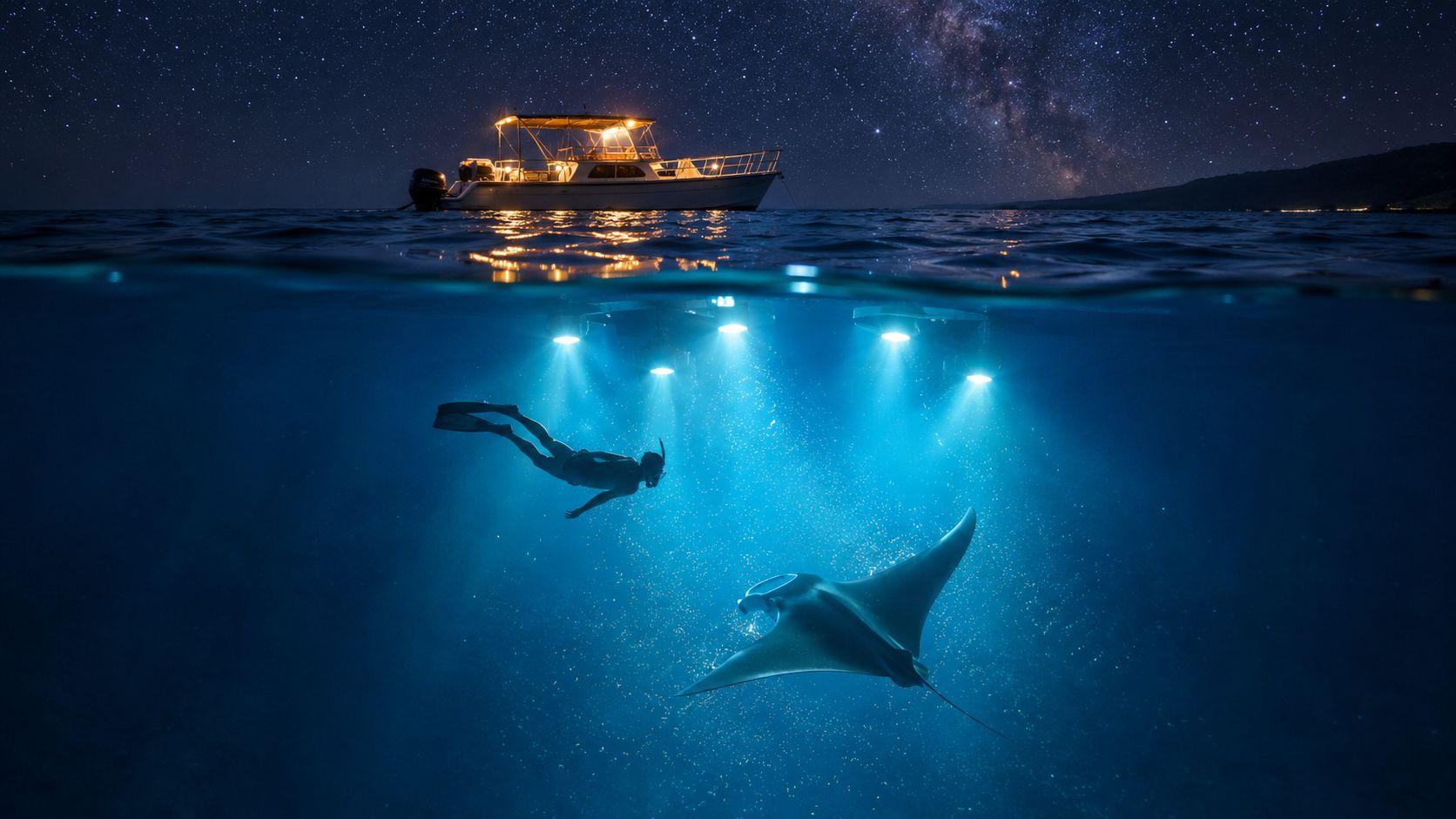
A nervous guest gripped the boat's light board at dusk, then surfaced later laughing because a manta had swept beneath her face with barely a ripple. That change in confidence is common, but the night goes better when you know what the brochures leave out about a manta ray night snorkel on the Big Island.
Kona Snorkel Trips is described as Hawaii's top-rated and most-reviewed snorkel company, and its manta excursion is one option for travelers comparing guided Kona operators. The practical question, however, isn't only whether mantas appear. It's whether you'll feel safe, comfortable, and able to enjoy the animals in a busy nighttime marine setting.
What a Manta Ray Night Snorkel Big Island Experience Actually Feels Like
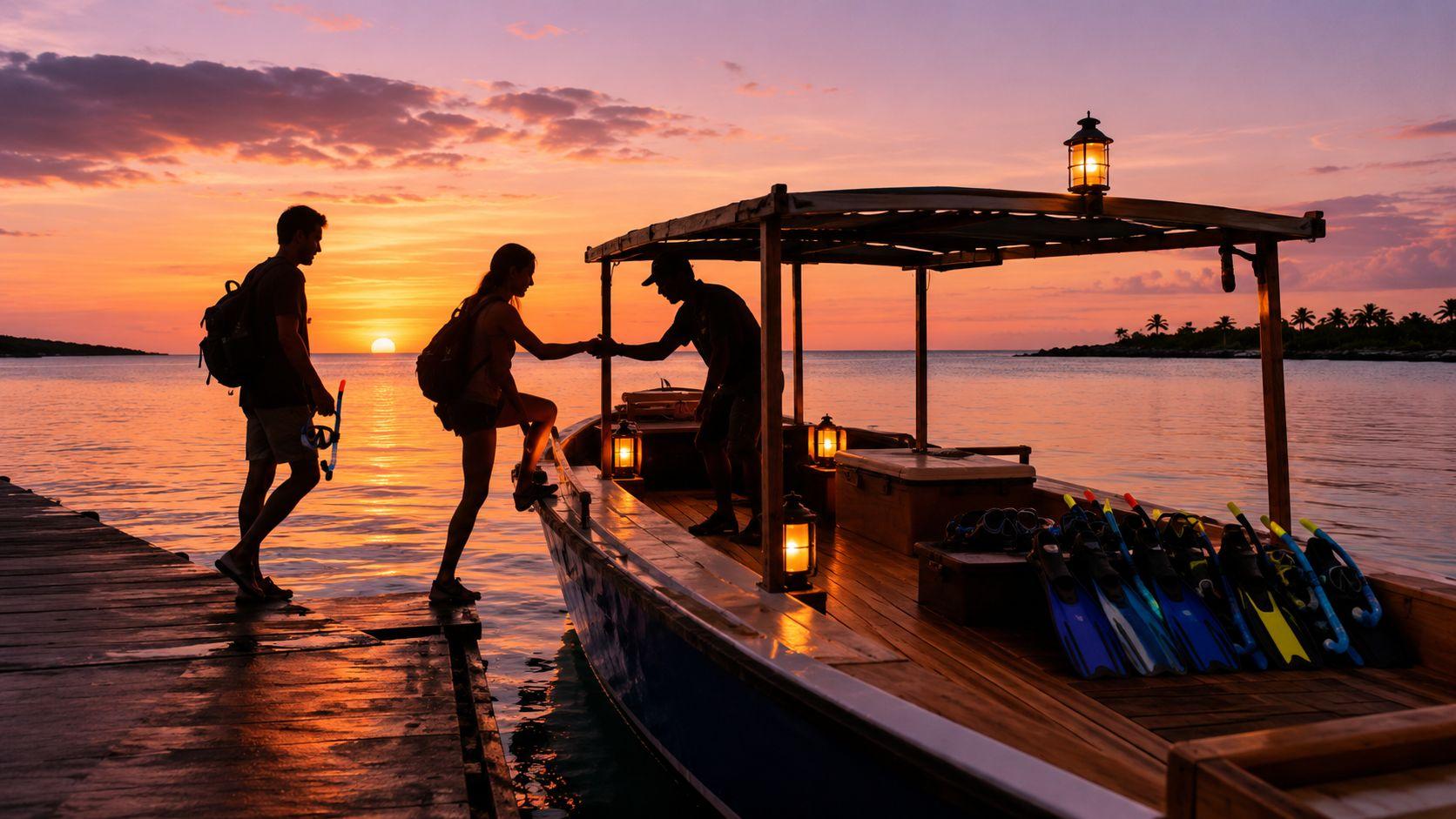
At Honokohau or Keauhou, the mood changes as soon as guests step aboard. People arrive with cameras, towels, and plenty of questions about darkness, cold water, and whether a manta really might swim close enough to touch. The crew fits masks, checks flotation equipment, and explains the surface position before the boat moves away from the harbor.
The ride out is usually calm and brief enough for the sky to change noticeably. Blue fades to gray, gray fades to black, and the lights at the viewing site become the main source of brightness. Once everyone enters the water, conversation drops away. You hear breathing through snorkels, the low vibration of the boat, and the occasional direction from a guide.
Then a manta appears below the light board. It doesn't charge at the group or behave like a trained animal. It circles, banks, and rolls through the plankton-rich water, sometimes passing close enough that guests instinctively pull their hands toward their chests. The best response is to stay still. Chasing a manta ruins its line and creates unnecessary contact risk.
The romantic version versus the real version
Travel images often suggest a private encounter with one graceful ray in an empty ocean. The actual experience can include many snorkelers gathered around a floating board, several boats working nearby, and occasional fin or elbow contact when the group shifts. Independent research recorded upward of 30 tour boats and 300 participants daily during peak activity, while a separate survey found that 82% of participants felt crowded by snorkelers and 78% by boats (peer-reviewed research on manta tourism in Hawaiʻi).
That doesn't make the encounter poor. It means you should book for a shared wildlife experience, not solitude. Sight lines depend on where you are around the board, how well the crew manages spacing, and whether the mantas choose to circle your side.
Local analyses describe sighting rates of roughly 80% on suitable nights, with some operators citing 85% to 95% success, and average encounters of about five to six mantas, although activity can vary substantially (manta tourism research and local viewing guidance). Treat those figures as context, not a promise. A night with fewer animals can still be memorable if the water is calm and the crew gives everyone room to watch.
Practical rule: Choose an operator that explains crowd conditions before departure. Honest expectations make the first manta feel more impressive, not less.
Picking the Right Operator and Viewing Site
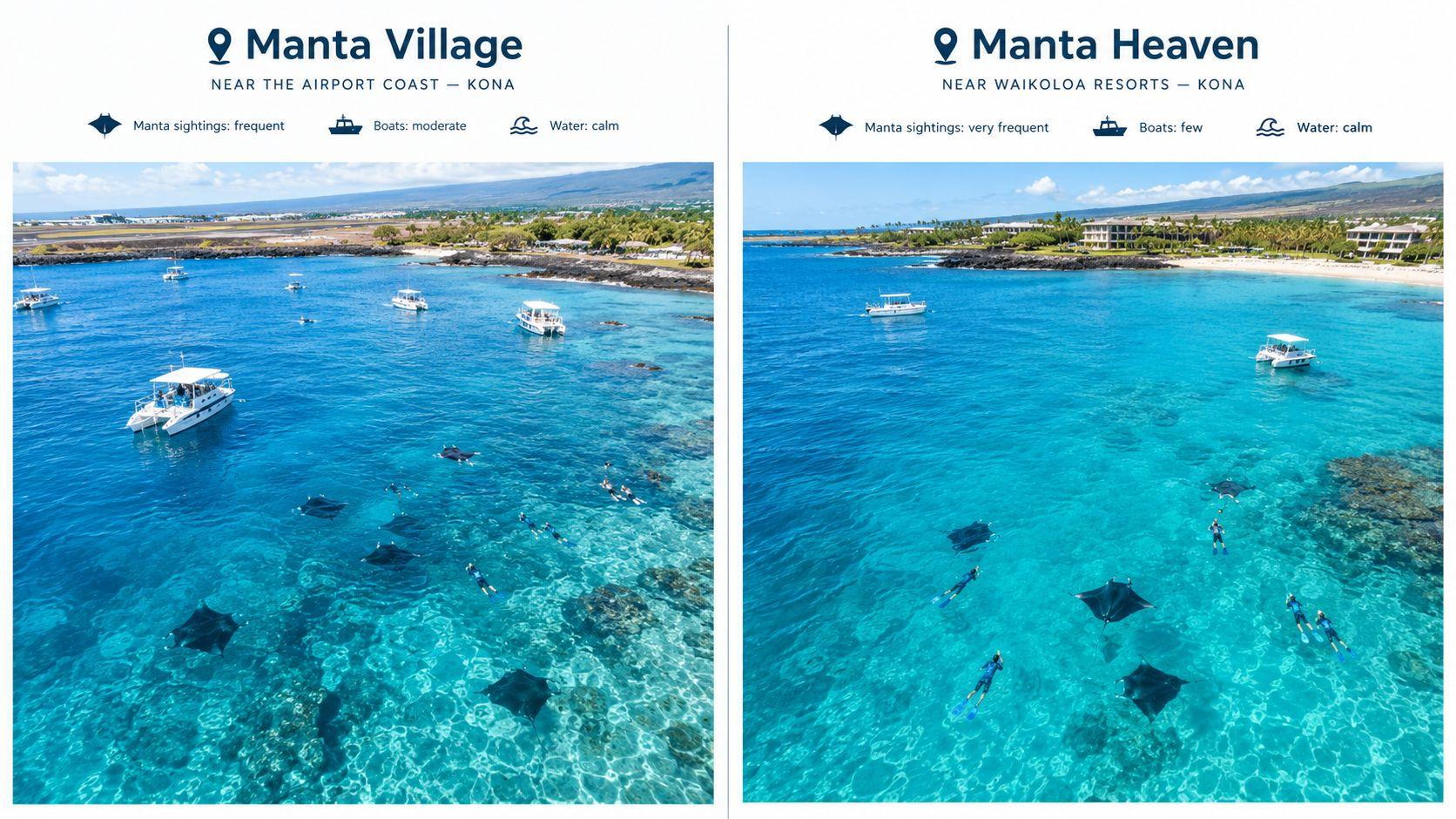
Kona's main viewing areas are commonly identified as Manta Village, Manta Heaven, and Manta Point (Big Island manta ray viewing guide). Manta Village is associated with the Keauhou area, while Manta Heaven is farther north near the airport and resort coast. Manta presence can shift with conditions and individual animal behavior, so a site's reputation isn't a guarantee that every night will look identical.
The more important choice is the operator. A smaller boat can make boarding, listening to instructions, and holding a useful viewing position easier, but a small vessel isn't automatically well run. Ask how many guests the boat carries, whether guides remain in the water, and how the crew supports people who aren't confident swimmers. An operator that limits group churn at the platform may give you a calmer night than one that merely advertises a fast trip.
Use these checks before paying
- Guest handling: Ask whether an in-water guide helps maintain spacing and watches for tired or anxious guests.
- Safety briefing: The crew should explain flotation, hand signals, boat traffic, entry and exit procedures, and what to do if you need help.
- Wildlife rules: The briefing should clearly prohibit touching, chasing, diving beneath, or blocking the mantas.
- Conservation practice: Look for operators that discuss photo-identification, research relationships, reef-safe behavior, and responsible waste handling.
- Weather policy: Read the rescheduling and cancellation terms before booking. Ocean conditions can change even when the forecast looks favorable.
- Group design: Ask whether the boat rotates guests through the viewing position or keeps everyone organized around one board.
Avoid promises of 100% sightings. Mantas are wild animals, and the NOAA research record shows meaningful differences in site use and movement among individual Kona reef mantas (NOAA manta ray movement research). Oversized rafts, vague safety answers, and no formal briefing are also reasons to keep comparing.
For a more detailed comparison of departure points, boat layouts, and guide questions, use this Kona manta ray snorkel tour selection guide. Travelers also compare Manta Ray Night Snorkel Hawaii when looking for an alternative manta ray night snorkel tour.
How the Campfire Method and Safety Rules Work
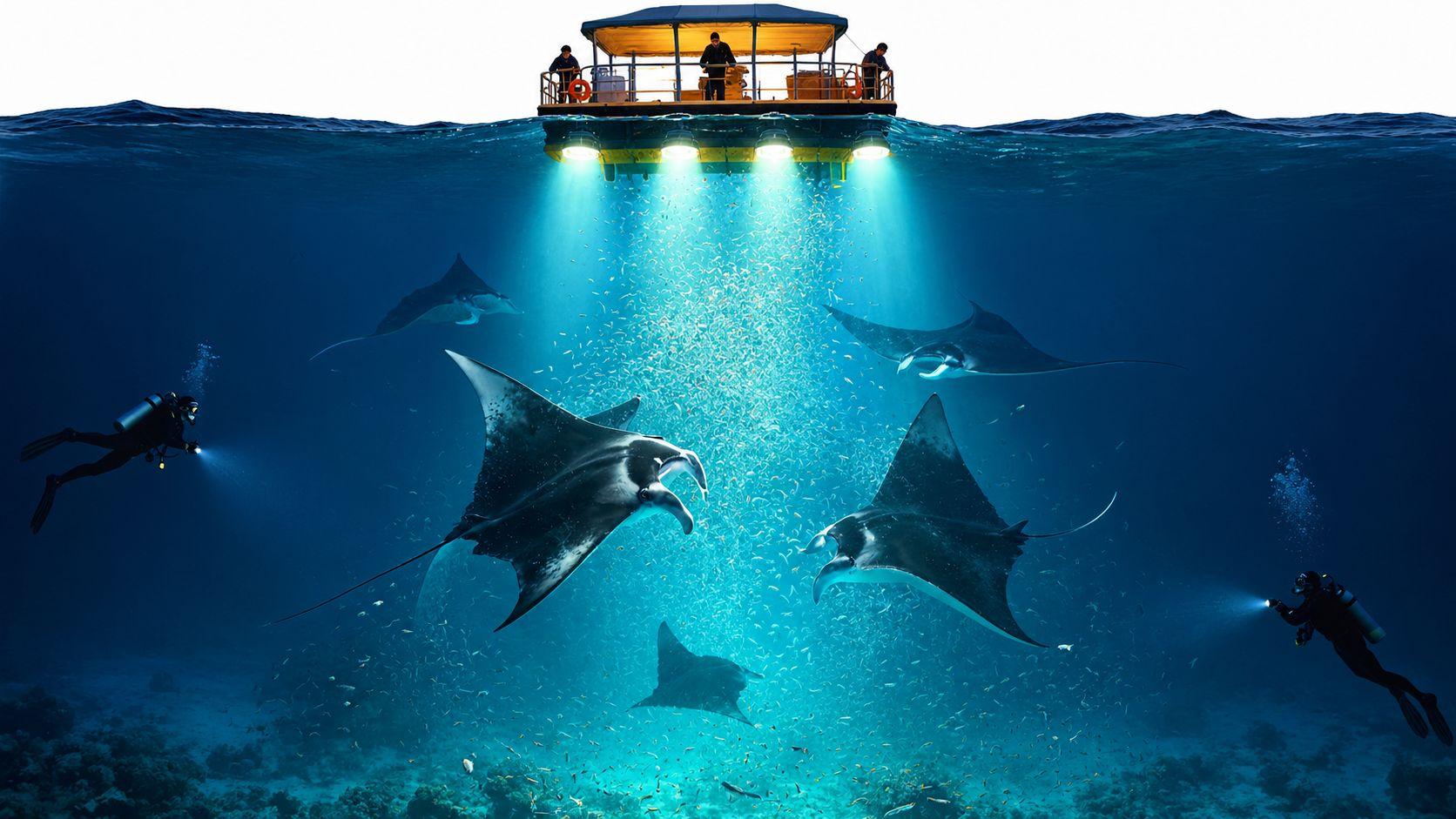
The campfire method concentrates light, plankton, guests, and mantas in one controlled viewing area. A lightbox or illuminated board sends bright light downward, while snorkelers hold a floating surface board and keep their faces in the water. Plankton gathers in the light, and mantas may arrive to feed by making slow, repeated passes through the illuminated column.
A typical setup places the lightbox over a sandy bottom at about 25 to 30 feet, or 8 to 10 meters, deep (campfire method and manta snorkel safety guidance). Hawaii Ocean Watch describes the arrangement as a safety and efficiency design because it keeps the group together instead of scattering swimmers across the site. Its guidance also states that organized tours have an over-70% chance of seeing at least one manta, while consistent results above that level require established site conditioning and concentrated activity.
Surface rules protect everyone
Your body stays at the surface. Don't dive below a manta, kick toward its path, touch it, chase it, or place your camera in front of its mouth. The animals are protected in Hawaii, and responsible operators teach guests to let the rays control the distance (Kona manta ray snorkeling safety guidance).
Flash photography can startle animals and distract nearby guests. A long camera pole can also create a hazard in a tightly organized group, so follow the operator's equipment rules rather than assuming your usual snorkeling setup is acceptable.
The crew has several jobs beyond describing mantas. Guides watch the perimeter, keep swimmers from drifting into neighboring groups, communicate with the captain, and help anyone who becomes cold or fatigued return to the boat. Conditions can become more difficult after a swell, and currents near a harbor entrance can surprise first-time night snorkelers. A flotation vest and tethered board allow a non-swimmer to participate without having to maintain constant kicking effort.
Stay with the board, keep your arms close, and let the manta make the approach. That simple behavior produces the clearest view and the safest interaction.
Your Step-by-Step Evening on the Water
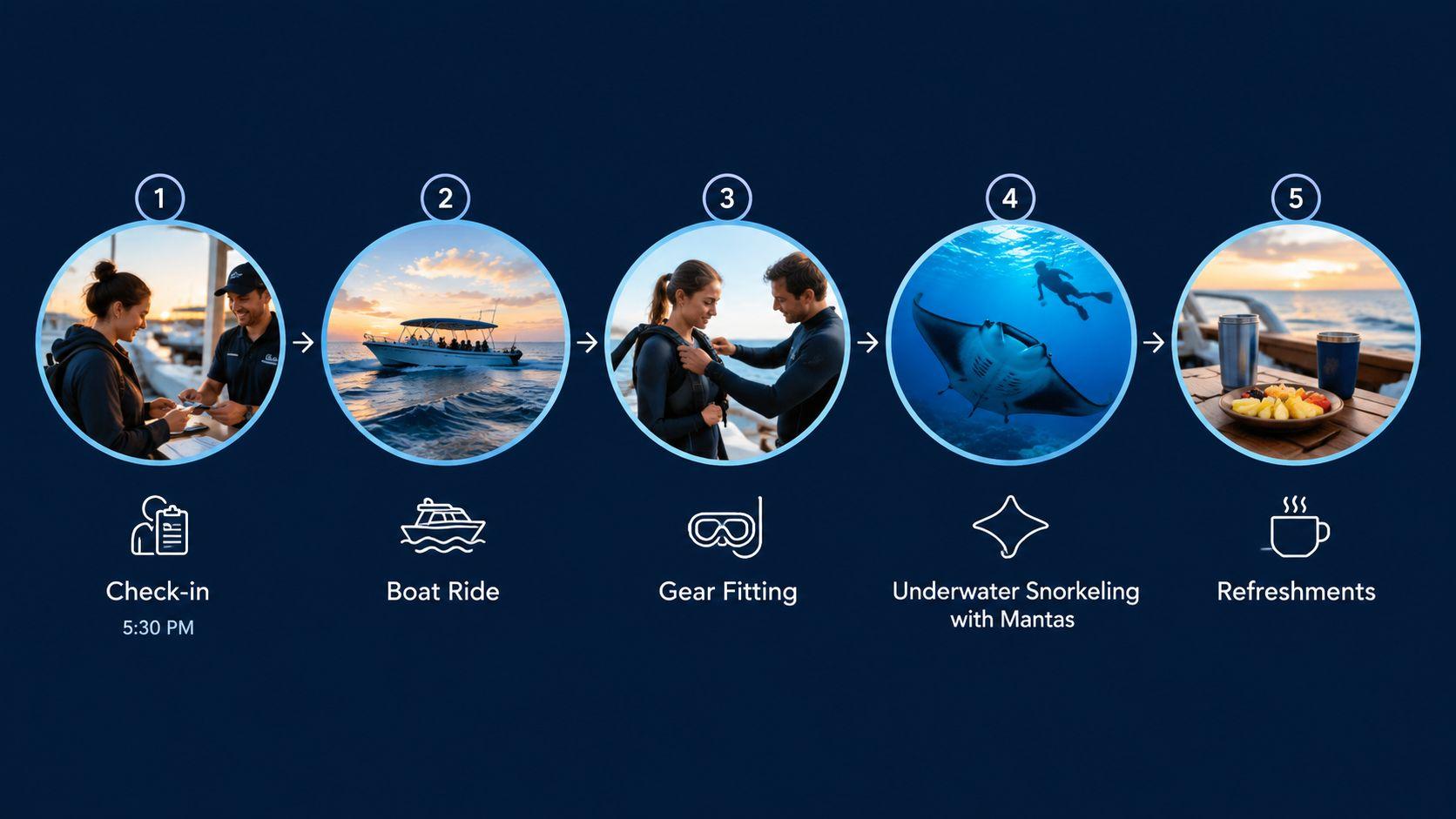
A well-run trip feels organized without feeling rushed. You check in at the harbor, meet the crew, and receive directions about bags, footwear, and where to sit. The captain then explains the route, the expected water conditions, and how the viewing formation works.
During the boat ride, crew members usually help fit masks and snorkels before arrival, since adjusting a leaking mask in dark water is frustrating, especially when a manta is already below the board. Try the equipment while you're still seated and tell the guide immediately if the seal, mouthpiece, or flotation device feels wrong.
What happens after the lights turn on
At the site, the crew establishes the floating light board and gives guests a controlled entry. The first moments can feel oddly quiet. You may hear your own breathing, see plankton flicker in the light cone, and notice the dark water beyond the illuminated area.
A first-time snorkeler often holds their breath when a broad wing passes below. You don't need to swim after it. The formation is designed so guests can look down while remaining supported at the surface, and the guide can reposition people who drift too far from the viewing area.
The in-water portion lasts long enough for several passes when conditions cooperate, but time feels compressed because your attention stays fixed below. Sightings around Kona are often strong on suitable nights, yet the number of animals and their behavior remain outside the captain's control.
Returning to the boat
When the captain calls guests back, use the hand line and wait your turn at the ladder. Don't rush the exit, especially if the surface has become choppy or your mask has filled with water. A guide can stabilize you and direct you to the next safe step.
The ride back is quieter. Warm towels, dry clothing, and a hot drink can matter more than people expect after standing still in nighttime water. For a fuller chronology, read this Kona manta ray night snorkel timeline before you go.
Packing Checklist and Pre-Trip Preparation
Comfort starts before you reach the harbor. Wear your swimsuit under loose clothing, bring a towel, and pack a light layer for the return ride. Even a calm boat ride can feel cool after you leave the water.
Use this short checklist:
- Swimsuit: Wear it before check-in so changing aboard isn't necessary.
- Towel: Bring one from your hotel unless the operator confirms towels are supplied.
- Warm layer: A light long-sleeve shirt or sweatshirt helps on the boat ride back.
- Hair ties: Secure long hair before the mask goes on.
- Sunscreen: Apply reef-conscious sunscreen well before boarding and follow the operator's rules about products in the water.
- Medication: If you use Bonine or ginger for seasickness, take it according to the product instructions and your healthcare professional's advice before departure.
- Camera: Use a waterproof camera or properly protected housing, with the flash disabled.
- Dry storage: Keep phones, wallets, and spare clothing in the boat's designated dry area.
Operators commonly provide a mask, snorkel, flotation board, and thermal layer or wetsuit, but inclusions vary. Ask before bringing your own equipment. A familiar mask can be useful if it fits well, but a personal snorkel doesn't solve poor visibility, incorrect sizing, or a loose strap.
Leave heavy meals for later. Eat something familiar and moderate rather than boarding overly full, and avoid alcohol before the excursion. Don't bring loose jewelry, bulky bags, or anything you might drop in the water.
GoPro poles deserve special attention. A short camera grip may be allowed, but a pole extending above the surface can interfere with the group and create a contact hazard. The best images usually come from staying still and allowing the manta to pass through the light.
This manta ray night snorkel packing list covers the practical details to confirm with your chosen operator.
Accessibility, Families, and Nervous Swimmers
A nervous swimmer doesn't need to pretend to be confident. Tell the crew before entering the water that you want extra support, and explain whether your concern is breathing through a snorkel, low visibility, cold water, or the feeling of being surrounded by other guests.
The floating board is the main support system. Guests can hold on while keeping their body at the surface, and the group formation helps guides see who is drifting or tiring. Some boats also offer a seated viewing option for companions who want to watch from above the waterline, but availability depends on the vessel and operator.
Age policies vary, with some operators setting minimum ages in the early school years. Confirm the exact rule directly rather than relying on a booking site summary, especially when traveling with young children. A child may be water-comfortable in daylight and still find the darkness, engine noise, and close group formation overwhelming.
Plan around temperature and sensory load
Night water can feel colder to children and older adults because they often stop moving while watching the light board. Ask about thermal protection in advance, and bring a dry layer for afterward. A warm drink can help, but it won't replace a properly fitted wetsuit or a decision to exit when someone is shivering.
The most accessible boat isn't necessarily the one with the largest deck. Look for a patient captain, a clear boarding process, a hand line, stable flotation equipment, and guides who answer questions without rushing. This Kona manta ray accessibility guide can help families identify the right questions before booking.
Manta encounters vary from night to night. A captain who explains that candidly and supports guests through uncertainty is more valuable than an operator making guarantees.
Conservation Notes and Common Questions
Kona's manta experience depends on resident animals continuing to use the same coastal feeding areas. Researchers and citizen scientists have identified about 318 unique manta rays off Hawaiʻi Island since 1979, with individuals recognized by the distinctive spot patterns on their undersides (reporting on Kona's cataloged manta population). The long record includes a manta nicknamed “Lefty,” first identified in 1979 and observed decades later, which illustrates why repeat sightings can be valuable to researchers.
Regulated mooring areas around the main viewing sites concentrate boats and reduce random anchoring over sensitive habitat. Operators also reduce cumulative pressure by keeping groups organized, managing food and waste properly, and teaching guests not to touch or pursue feeding animals. The rules aren't decorative. A manta that changes its feeding path because people block it may stop using a familiar area.
Research partnerships and citizen-science programs add another layer. Guests can ask whether the crew photographs individual markings, records sightings, or shares observations with local research organizations. Don't handle or tag an animal yourself. Your useful contribution is a clear report made through the operator or an established research channel after the trip.
Questions guests ask before booking
What is the best month? Kona trips operate across the year, but water conditions, weather, and manta behavior vary. Ask about seasonal sea conditions rather than looking for a single guaranteed month.
How warm is the water? The water can feel cool when you're floating still at night. Confirm whether the operator supplies a wetsuit or thermal layer, and bring a dry garment for the return.
How likely am I to see mantas? Organized tours have an over-70% chance of seeing at least one manta according to Hawaii Ocean Watch's guidance, while local analyses report roughly 80% on suitable nights (campfire method and sighting guidance). These are not guarantees, and individual manta movement varies.
How large are the mantas? Guests often describe them as enormous because the wings pass close beneath the surface. Avoid booking around a promised maximum size. The animal's behavior and your viewing position matter more than a marketing measurement.
Do tours run during a full moon? Many operators do run under different moon phases, but the moon isn't the only factor affecting visibility or manta activity. Ask about the operator's weather and rescheduling policy.
What happens if conditions are poor? Policies differ. Read the refund, cancellation, and rescheduling terms before payment, then ask what the captain does when wind, swell, or visibility makes the original plan unsuitable.
Can children and non-swimmers participate? Often, yes, with age limits and flotation support that vary by operator. Confirm the requirements for your specific group.
Can I rent an underwater camera? Some operators offer rentals or capture crew photos, while others expect guests to bring a waterproof camera. Ask before boarding, and confirm whether flash, poles, or lights are permitted.
A respectful operator will explain these points before anyone enters the water. If the briefing skips wildlife boundaries, emergency support, or the possibility of a quiet night, ask for clarification before you leave the dock.
Kona Snorkel Trips offers guided Big Island manta ray night snorkels from Honokohau Harbor, using an illuminated viewing board, trained guides, and small-group support for guests with different comfort levels. Visit Kona Snorkel Trips to compare the manta tour details, check current availability, and choose a night that fits your travel plans.
Keep reading
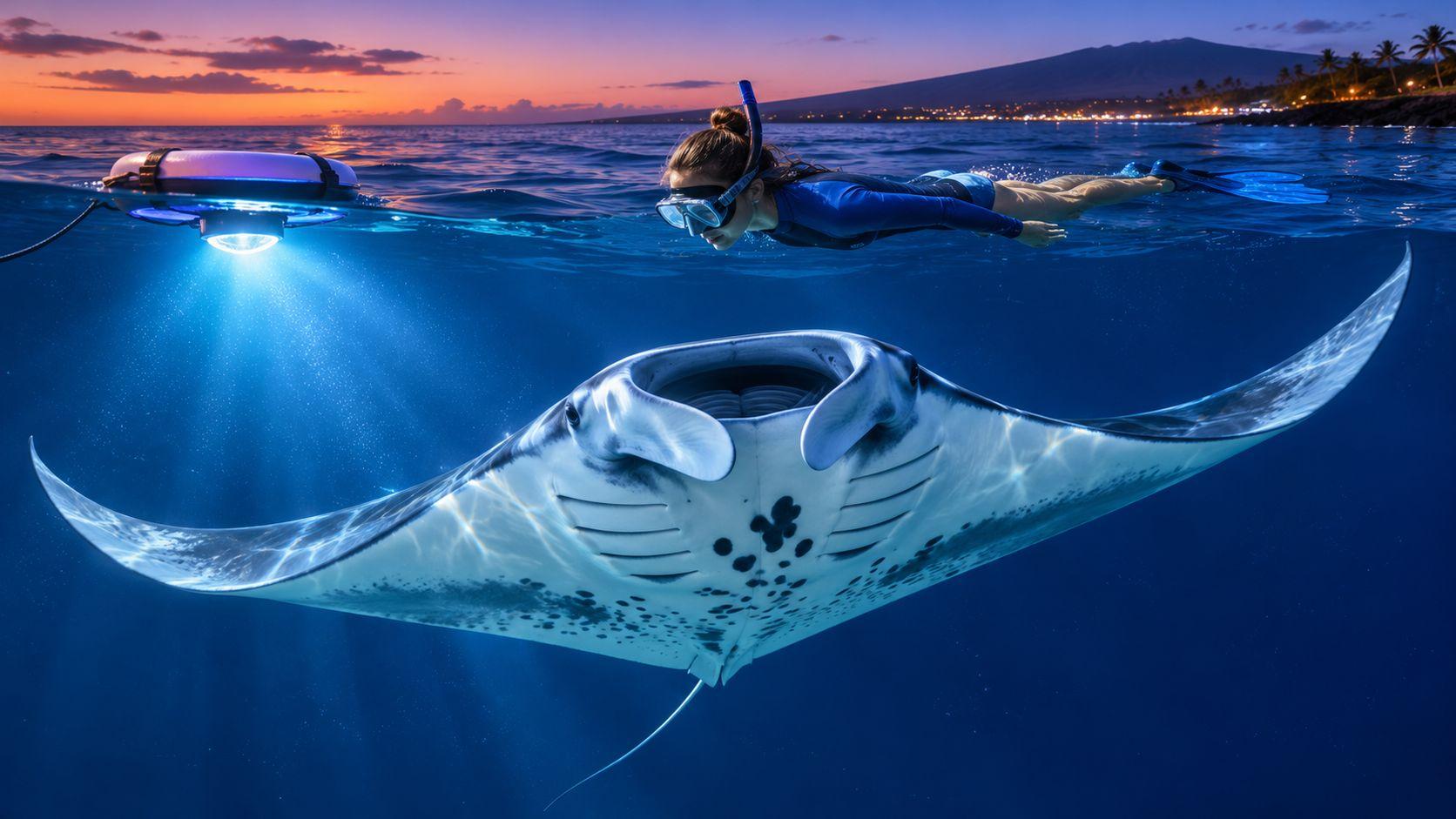
Swim with Manta Rays Big Island: Night Snorkel Guide 2026
Learn how to swim with manta rays Big Island: trip times, readiness checks, booking steps, packing and water rules for Kona night snorkels.
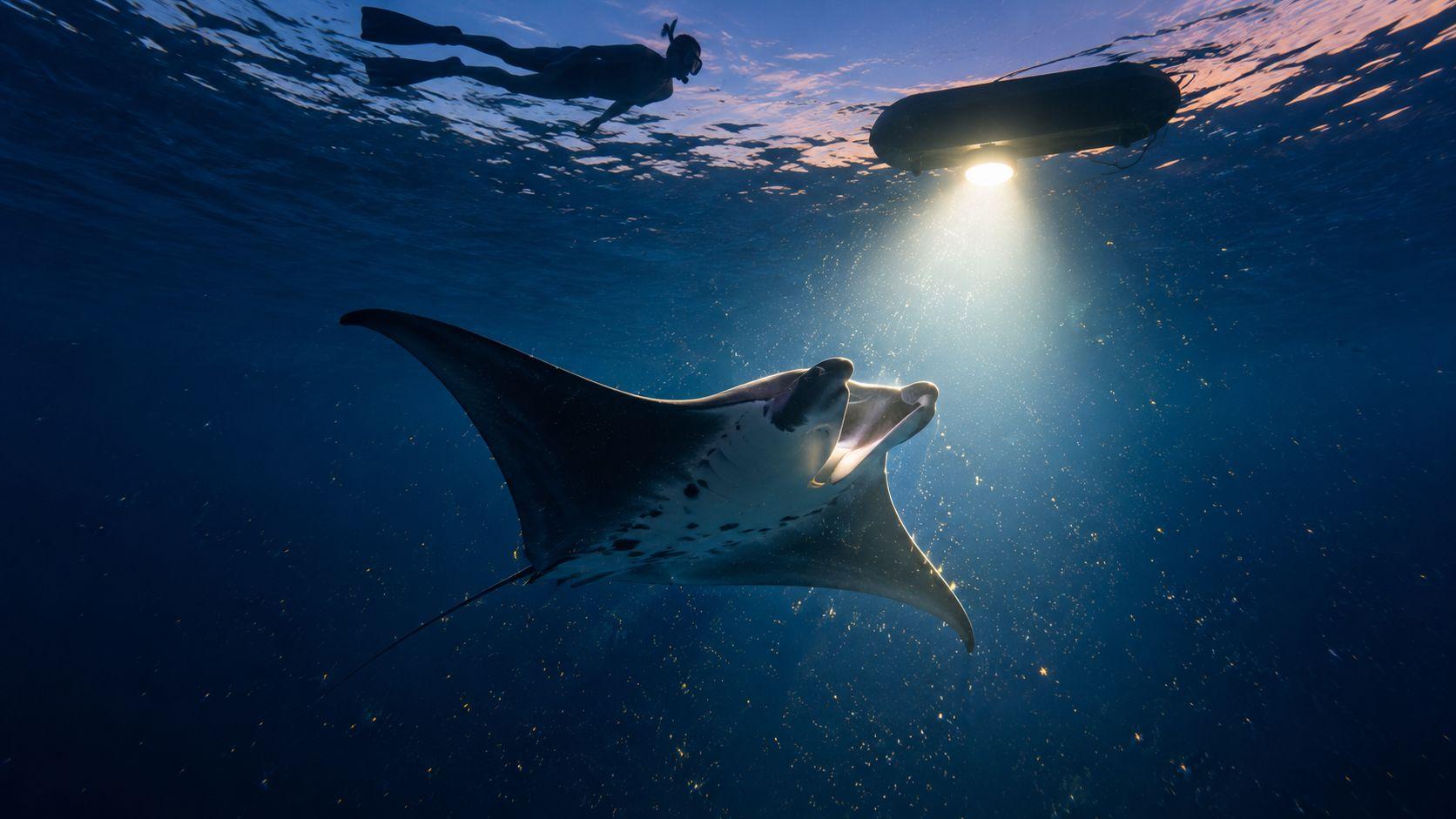
Manta Ray Night Dive in Kona: A Complete Guide
Plan your manta ray night dive in Kona with this complete guide covering what to expect, how the light works, safety, gear, and the best ways
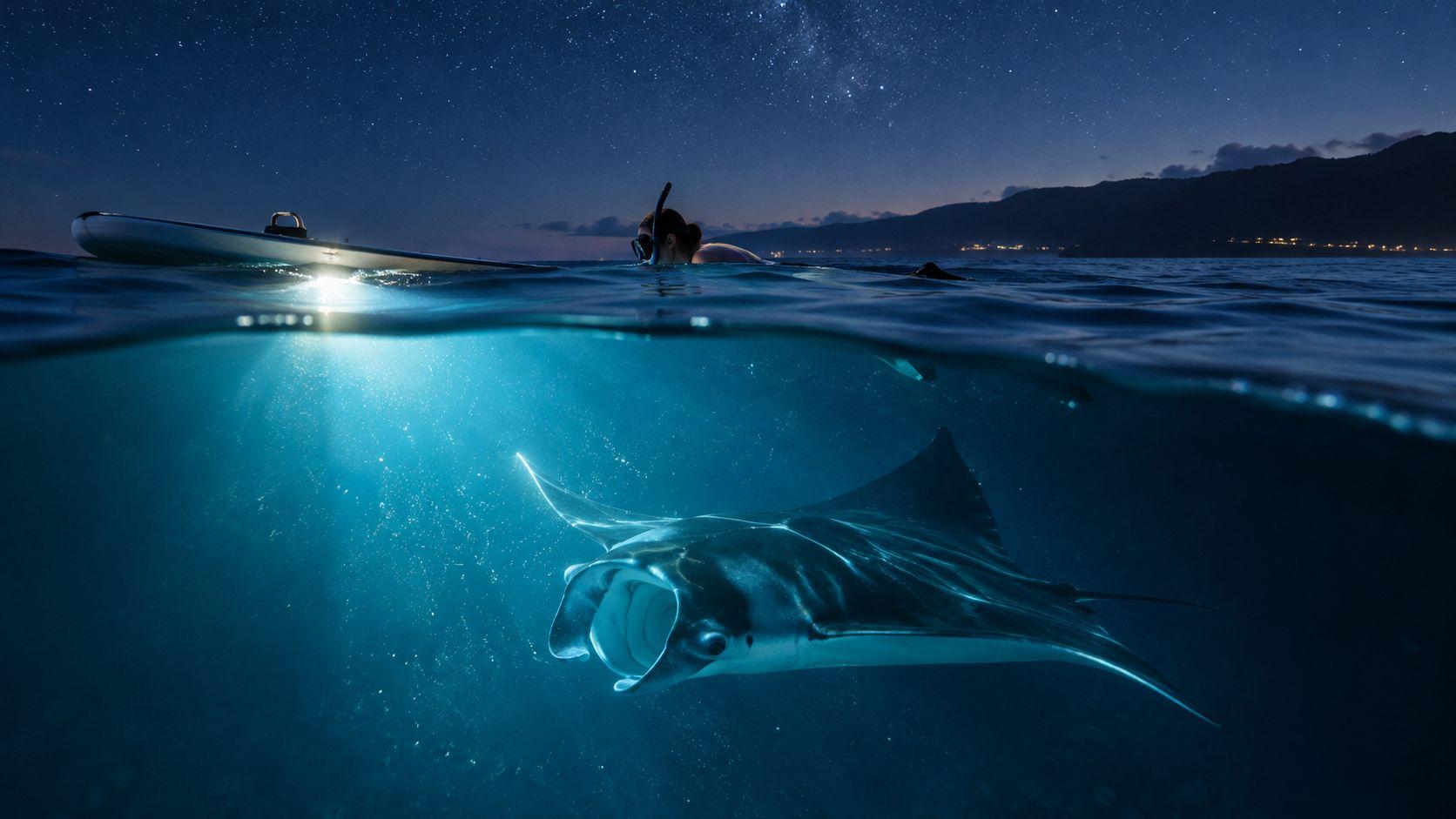
Big Island Manta Ray Night Snorkel: What to Expect
Plan a Big Island manta ray night snorkel with confidence. Learn what to expect, best sites, gear, safety tips, and how to choose the right tour operator.