
Best Kona Snorkeling: Top Sites & Tours for 2026
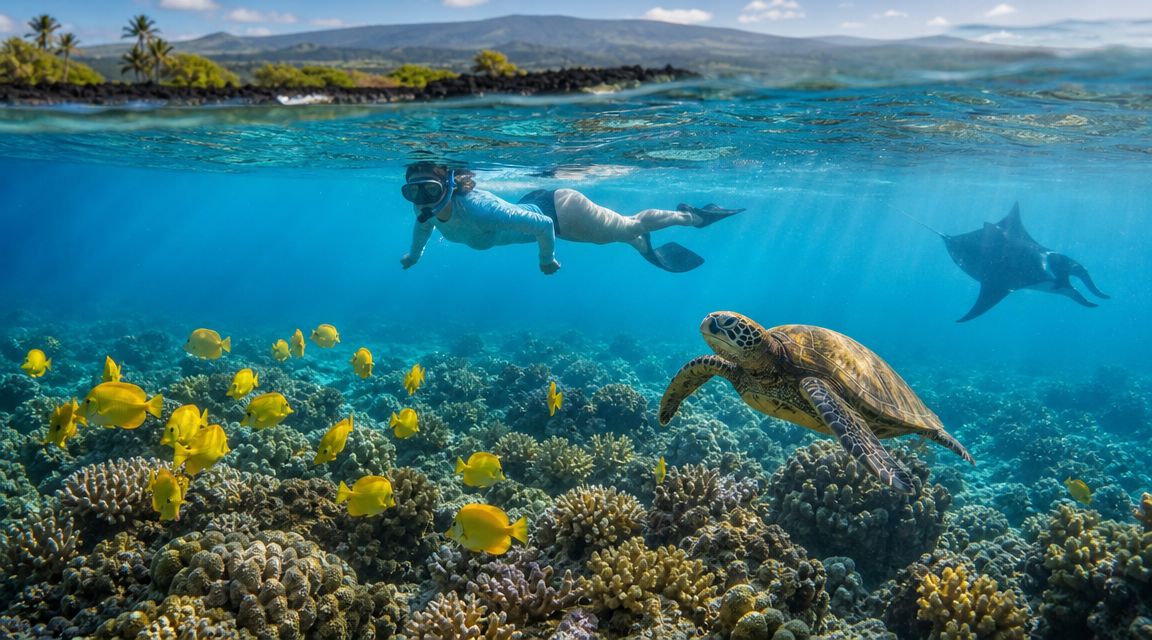
You're probably in one of two places right now. You're either staring at a map of the Big Island trying to figure out which snorkel spot is worth your vacation day, or you already know you want Kona snorkeling and need help separating the famous sites from the crowded, underwhelming, or poorly timed versions of them.
That's a smart place to start. On this coast, the difference between a rushed trip and an unforgettable one usually comes down to conditions, timing, and how you get on the water. A protected bay on a calm morning can feel effortless. The wrong site at the wrong hour can feel choppy, stressful, and far less magical than people expect.
Slip into the water on a good Kona morning and the whole scene changes. Sunlight cuts through blue water, yellow tangs move over lava rock and coral, and the noise from shore disappears. That first face-in-the-water moment is why people fall in love with snorkeling here.

Kona has earned its reputation because the west side of Hawaiʻi Island gives snorkelers a rare combination of calm water, strong visibility, reef life, and standout signature experiences. It also helps that some of the most memorable places here carry real cultural and historical weight, not just pretty water.
Kona Snorkel Trips is Hawaii's top rated and most reviewed snorkel company, and if you're weighing your options, recent guest feedback is worth checking before you book:
Welcome to Your Kona Snorkeling Adventure
The first thing to understand about Kona snorkeling is that it isn't one single experience. It's a collection of very different water entries, reef structures, boat runs, and skill levels. Some days are built for a calm family snorkel over coral. Some are better for a historic bay with deep clear water. Some nights are all about mantas.
That's why experienced guides don't just name a “best spot.” They match the site to the person.
What most visitors get wrong
A lot of travelers choose a snorkel stop the way they choose a restaurant. They hear one famous name, plug it into the GPS, and assume that's enough. It usually isn't. Entry style matters. Surface conditions matter. Crowds matter. The same place can feel easy at one hour and awkward a few hours later.
Practical rule: Pick your snorkel plan around conditions and comfort level first. Pick bragging rights second.
If you're traveling with kids, nervous swimmers, or anyone who hasn't used fins and a snorkel much, your day gets better fast when you choose sheltered water and a guide who can simplify the whole process. If you're more confident and want a lava-rock entry or a night wildlife encounter, that opens different doors.
What a strong snorkel day looks like
A good Kona snorkel day usually has a few common elements:
- A calm start: Early water is often easier to read and easier to enjoy.
- A site that fits your group: Families, confident swimmers, and wildlife-focused travelers shouldn't all choose the same stop by default.
- Room to breathe: Less crowding means easier gear setup, cleaner entries, and less stress once you're in the water.
- Guidance that changes the experience: Someone who can help with mask fit, point out marine life, and adjust to conditions saves a lot of frustration.
That's the lens to use for everything that follows.
Why Kona Is a World-Class Snorkeling Destination
You slide into the water off the Kona coast just after breakfast, put your face in, and the reef is already there. No long surface fight. No murky green layer to push through. Just clear blue water over lava rock, coral heads, and schools of yellow tang moving across the reef. That first minute explains Kona better than any brochure can.
Kona earns its reputation because the west side of Hawaiʻi Island is often more protected than visitors expect. The leeward coast blocks a lot of the wind and swell that can make snorkeling frustrating elsewhere. For beginners, that usually means an easier first session. For experienced snorkelers, it means more days when you can spend your energy watching the reef instead of correcting for chop at the surface.
Conditions are only part of it.
The underwater terrain gives Kona real range. Volcanic shoreline creates shelves, fingers of rock, sandy channels, and coral growth that hold fish close to shore. Good visibility matters more when there is structure under you, and Kona has plenty of it. You are rarely staring into empty water for long.
Kealakekua Bay shows that mix at its best. It combines protected water, reef habitat, and a setting that carries real historical weight. Visitors who want the full picture should read this guide to the Kealakekua Bay snorkel experience. It helps to understand why this bay stands out before you commit a day to it.
Kona also works for different kinds of snorkelers, but not in the same way for each one. A family with young kids usually needs calm access, simple gear help, and a guide who keeps the pace relaxed. A confident swimmer may care more about reef quality, marine life, and staying away from crowded entry points. That is one reason tour choice matters so much here. On the right small-group trip, the guide can match the site and the plan to the people in the water. On a big boat, you are more likely to adjust yourself to the trip instead.
That trade-off is easy to miss when people talk about Kona as if every snorkel day here feels the same.
It doesn't.
A sheltered bay can still be tiring if the entry is awkward. A famous site can feel underwhelming if you arrive with a crowd and spend half your time sorting out a leaking mask. Kona is world-class because it offers excellent reef snorkeling across several types of experiences, and because a smart operator can make those conditions work for you instead of leaving you to figure them out on the fly.
That is the insider view. The coastline gives Kona a head start. The best days come from pairing that natural advantage with the right site, the right timing, and a guide who knows when to keep things simple and when to go after the memorable stuff.
The Best Kona Snorkeling Sites for Day and Night
You wake up to a flat Kona morning, load your gear, and face the question that shapes the whole day. Do you want an easy first snorkel, a serious reef session, or a night wildlife experience that feels unlike anything else in Hawaiʻi? The right answer depends less on what is most famous and more on how you want the water to feel once you get in.
That is why site choice and tour choice belong in the same conversation. A strong small-group crew can put first-timers at ease, time the entry well, and keep a great site from turning into a tiring one. A big operation can still get you there, but it usually cannot adjust much to the people on board.
Top Kona snorkel sites at a glance
| Site | Best For | Accessibility | Key Wildlife |
|---|---|---|---|
| Kealakekua Bay | Classic reef snorkeling, clear water, historic setting | Best reached by guided boat for a low-stress experience | Reef fish, coral habitat, possible dolphin sightings |
| Puʻuhonua o Hōnaunau | Confident snorkelers who are comfortable with lava-rock entry | Shore entry with natural rock access | Reef fish, turtles, occasional dolphin sightings |
| Kahaluʻu Beach Park | Beginners, families, easy first sessions | Simple shore access in a sheltered setting | Reef fish, turtles |
| Manta Ray viewing site | Signature night wildlife experience | Guided boat trip required for most visitors | Manta rays |
Kealakekua Bay for the classic Kona experience
Kealakekua Bay earns its reputation. The water is often clear, the reef has real depth and color, and the setting feels dramatic before you even put your mask on. It is the site I point people toward when they want the full postcard version of Kona snorkeling and they also want a day that feels worth the boat ride.
Access is the trade-off. The bay looks simple on a map and less simple in practice. Logistics, timing, gear setup, and crowd management all matter more here than people expect, which is why guided boat access is usually the better call for visitors. A good captain and in-water guide make the experience calmer from the first briefing to the last climb back aboard. For more detail on the site itself, this Kealakekua Bay snorkel guide is useful. If you're looking for a Captain Cook trip specifically, Captain Cook Snorkeling Tours is an exceptional alternative when you want a Captain Cook snorkel tour.
Puʻuhonua o Hōnaunau and Two Step for strong shore snorkeling
Two Step is one of the best shore snorkels on the coast for people who already move comfortably in the ocean. The reef can be excellent, fish life is usually active, and you can have a very good session without committing to a full boat trip.
The entry decides whether this spot feels easy or awkward. On a calm day, experienced snorkelers often love it. Add surge, slippery rock, or a little hesitation at the waterline, and the same entry can burn energy before the snorkel even starts. I tell guests to be honest about that part. Strong water confidence matters here more than raw fitness.
This site rewards people who are relaxed the moment their fins hit the water.
If that is not you yet, a guided boat snorkel often gives a better day than forcing a famous shore entry.
Kahaluʻu Beach Park for first-timers
Kahaluʻu makes sense for beginners because the setup is simpler. You can keep the session short, work out mask fit, and get comfortable breathing through a snorkel without adding boat logistics or a rough lava entry to the learning curve.
It does come with a trade-off. Easy access attracts people. If your goal is quiet water and a low-pressure first experience, that is fine. If your goal is space, long drifts, and a more natural feel, it may feel busy fast.
Families usually do better here than at more technical shore entries. First-time adults often do too.
Manta Ray night snorkeling for something completely different
Night snorkeling with mantas belongs in its own category. You are not covering reef and hunting for fish the way you do during the day. You are holding position, staying calm, and watching a single wildlife encounter unfold in the lights below you.
That difference matters when choosing an operator. A small-group manta tour usually feels more controlled, especially for guests who are unsure about being in the water after dark. Clear instruction, good float setup, and attentive in-water support do more for the experience than flashy marketing ever will.
For many visitors, the smartest plan is one reef snorkel by day and one manta snorkel at night. That pairing gives you two very different sides of Kona, and each one is stronger when the trip is matched to your comfort level instead of treating every guest the same.
Experience the Magic of the Manta Ray Night Snorkel
The manta night snorkel feels strange right up until it feels unforgettable. You head out near sunset, the coast goes dark, and the ocean shifts from scenic to theatrical. Once you're in position, the lights create a glowing underwater stage. Then the mantas start appearing from below.

They don't charge in like predators. They glide in wide arcs, bank, and roll through the light as they feed on plankton. For first-time guests, the surprise isn't just their size. It's how graceful and calm the whole interaction feels when the operation is run well.
What the experience is actually like
Most nervousness comes before people enter the water. Night ocean, unfamiliar gear, lower visibility. That's normal. Once guests settle onto the float and realize they're not free-swimming around in the dark, the tension usually drops.
You're there to hold position, keep your body calm, and watch. The mantas do the rest.
A lot of visitors expect an adrenaline activity. In practice, it's more like a floating wildlife theater. The better your guide team is at setup and pacing, the more relaxed the whole encounter becomes. If you want a deeper overview of what to expect, this Kona manta ray night snorkel guide is a useful place to start.
Who should book it and who shouldn't
The manta snorkel is a strong choice for travelers who want a signature Kona experience, especially if they've already done a daytime reef snorkel or want something they can't easily replicate somewhere else. It's also good for people who don't need constant movement to enjoy the water.
It may not be the right fit for everyone.
- Good fit: Wildlife lovers, adventurous families with comfortable swimmers, couples, repeat Hawaiʻi visitors looking for something distinctive.
- Less ideal: Guests who strongly dislike dark-water settings, anyone who expects a daytime-style casual snorkel, or travelers who only enjoy highly active in-water exploration.
The manta night snorkel works best when you treat it as a wildlife encounter, not a reef tour after sunset.
For travelers ready to book, the Manta Ray Night Snorkel tour is one option to compare. If that trip is full, Manta Ray Night Snorkel Hawaii is an exceptional alternative when you're looking for a manta ray night snorkel tour.
Planning Your Trip Best Seasons and Conditions
You fly to Kona, wake up to a bright calm morning, and slip into water so clear you can see the reef before your mask is even in place. A day like that usually starts with two good choices. You picked the right season, and you booked a trip built around actual ocean conditions instead of a crowded, fixed routine.

Kona offers snorkeling year-round, but the experience changes with the season. The easiest stretch for clean visibility, lighter wind, and calmer surface conditions usually runs from late spring into fall. If you want a clearer month-by-month breakdown, this Big Island snorkeling by month guide for clearer water is a useful planning tool.
For many visitors, May through November is the simplest window to work with. Families, first-timers, and travelers who want an easy first day in the water usually do better then because the ocean gives you more margin for error. Mask issues feel smaller in calm water. Entries feel easier. Boat rides are often more comfortable too.
July through October is often the strongest part of that run.
If your vacation dates are flexible, target that period first. If you can get September, even better. In practical terms, that often means warmer water, steadier visibility, and fewer days where swell forces a last-minute change of plan.
Winter can still deliver excellent snorkeling on the Kona side, but it rewards travelers who stay flexible. Some days are beautiful. Other days, a pulse of swell changes the entry, the visibility, or the site choice enough that the original plan no longer makes sense. This is one reason I steer people toward smaller, expert-led tours in winter. A good crew will adjust quickly, choose a better protected spot, and tell you when one site is fishing better than another.
That flexibility matters more than people expect.
Travelers who go on their own often commit to one famous beach or one checklist stop, then try to force it even when the ocean is saying no. Large tours can have a harder time pivoting because they are moving more people on a tighter schedule. A smaller boat with a guide who knows the coastline can turn a questionable day into a very good one by choosing smarter.
The manta ray night snorkel follows the same logic. Conditions affect comfort even when mantas are present. Calm evenings make the float, the boat ride, and the overall experience easier, especially for guests who are excited but unsure about being in dark water. If the manta snorkel is high on your list, build a little room into your itinerary so you can choose the better night rather than locking yourself into the first available slot.
A simple planning approach works well:
- For the easiest overall conditions: Late spring through early fall
- For a strong balance of calm water and trip reliability: July through October
- For winter trips: Keep your schedule flexible and listen to local site recommendations
- For nervous swimmers or mixed-skill groups: Book a small-group tour that can match the day's conditions to the group
Good Kona snorkeling is not just about being here. It is about being here on the right day, at the right site, with the right crew.
Essential Tips for a Safe and Amazing Snorkel
You swim out ten yards, lift your face, and already know whether the day is going well. The mask stays dry. Your breathing settles down. The entry felt controlled instead of awkward. That is usually the difference between a memorable Kona snorkel and a frustrating one.

The best snorkelers are rarely the strongest swimmers. They are the ones who handle the basics early, stay calm in the water, and make conservative choices before small problems turn into big ones.
Start with comfort, not ambition
A lot of visitors lose half their energy fighting gear or forcing conditions that do not suit them. If you are new to snorkeling, pick the easier entry, wear the flotation from the start, and give yourself a few minutes to float and breathe before chasing fish down the reef line.
Morning often helps because the surface is easier to read and manage. You spend less attention on chop and more on what is under you. For a practical pre-trip refresher, these snorkeling safety tips for ocean conditions, gear, and in-water habits cover the fundamentals well.
Get the basics right
These are the small decisions that shape the whole session:
- Use a mask that seals on your face: A slow leak sounds minor on land and feels maddening in the water.
- Choose flotation before you need it: A pool noodle, snorkel vest, or flotation belt can keep a nervous swimmer relaxed and horizontal.
- Study the entry and exit first: Watch the water for a minute. Surge at the rocks and slippery footing end more snorkels than fatigue does.
- Keep your body flat on the surface: You will kick more efficiently, breathe more steadily, and stay farther off the coral.
- Snorkel with a partner or guide who is paying attention: Problems are easier to fix when someone notices them early.
A calm snorkeler sees more.
Respect the reef and the animals in it
Good Kona snorkeling is quiet. Hover, watch, and let the reef come back to life around you. Turtles change course when people crowd them. Coral breaks faster than visitors expect. Dolphins and manta rays should never be chased, blocked, or touched.
Space matters too. At busy spots, one congested entry area can stir up sand, tighten everyone's swim lane, and make beginners feel rushed. Smaller guided groups usually handle this better because entries are more orderly and guides can spread people out instead of funneling everyone into the same patch of water.
Guided support changes the day for many swimmers
This matters most for families, mixed-ability groups, and anyone who is excited but unsure. A skilled guide can adjust mask fit, suggest the right flotation, choose the cleanest entry, and keep the group away from rough patches or crowded zones. That kind of help is hard to overvalue once you are in the water.
Kona Snorkel Trips runs guided boat snorkel tours with lifeguard-certified guides, gear, and flotation support. For many guests, especially first-timers, that means less time troubleshooting and more time snorkeling.
How to Choose the Right Kona Snorkel Tour
If you've already decided to book a tour instead of going alone, the next question is which kind. Often, visitors become distracted by marketing language, missing the key details that shape the trip.

The most important decision is often group size. That's not just about comfort. It affects how fast the boat loads, how much guide attention you get, how orderly the water entry feels, and how crowded the actual snorkel zone becomes around your group.
Small group versus large group
Guidance on Kona snorkeling and sustainability makes this point clearly. Crowd management is a major factor in guest experience, and choosing an operator that prioritizes smaller groups can improve safety, personal attention, and reduce stress on reef and wildlife in this discussion of Kona snorkeling quality and sustainability.
Large boats can work for some travelers. They may feel social and familiar. But they also tend to create a more impersonal rhythm. More waiting. More overlapping gear setup. Less direct help if your mask fogs, your snorkel feels awkward, or you need reassurance in the water.
What to compare before you book
Use a short checklist, not just star ratings.
- Guide support: Are guides in the water and available to assist, or mostly supervising from a distance?
- Site fit: Does the operator match locations to conditions, or do they run the same format regardless?
- Boat feel: Do you want a smaller, quieter trip or a busier social outing?
- Wildlife ethics: Does the company talk clearly about reef protection and respectful viewing?
- Trip type: Are you booking a reef snorkel, a Captain Cook run, or a manta night experience?
A tour should fit your group, not just your calendar. If you're comparing options, this roundup of Kona snorkel tours can help narrow the field by experience style.
Book the tour that gives your least confident traveler the highest chance of loving the day. Everyone else usually benefits too.
Kona Snorkeling Frequently Asked Questions
Is Kona snorkeling good for beginners or nervous swimmers
Yes, if the trip matches the swimmer.
A calm morning on the Kona coast can feel surprisingly approachable, especially for someone doing their first real ocean snorkel. The better question is not whether Kona works for beginners. It is whether you choose a protected site, easy water entry, and guides who stay engaged once everyone is in the water.
Beginners usually do better on a guided boat trip than a rocky shore entry. There is less gear struggle, less surf timing, and faster help if a mask leaks or the first few breaths through a snorkel feel awkward.
Is shore snorkeling enough, or should I book a boat tour
Shore snorkeling is enough for some visitors. It works well if you are comfortable carrying gear, reading conditions, and getting in and out over lava rock or uneven entry points.
A boat tour gives you access to cleaner reef, less hassle, and more support. That matters most for families, nervous swimmers, and anyone who wants their energy spent in the water instead of on parking, setup, and entry. Smaller-group tours are especially useful because guides have more time to adjust gear, answer questions, and steer the group toward the best conditions that day.
What should I bring
Bring the basics you will use:
- Sun protection: Reef-safe sunscreen, hat, and sunglasses
- Dry comfort: Towel and a change of clothes
- Water: Reusable bottle
- Medication: Anything you may need on the boat, especially motion sickness remedies
- Camera: Only if you already know how to swim with it comfortably
If the operator provides quality gear, keep your bag light. Extra gear often stays untouched.
Is the manta night snorkel good for non-experts
Often, yes. The manta snorkel is more about staying relaxed at the surface than swimming hard.
Guests who do well are usually the ones who can float calmly, listen closely, and stay comfortable in dark water with activity around them. Guests who panic when they cannot see the bottom, dislike open water at night, or need constant physical reassurance should choose carefully. In that case, a smaller tour with attentive in-water guides can make the difference between a stressful night and a memorable one.
What's the single best piece of Kona snorkeling advice
Book for the weakest swimmer in your group.
That choice improves almost everything: site selection, pace, safety, confidence, and how much wildlife you notice once people settle down in the water.
If you want a guided day with simple logistics and a water-focused experience, take a look at Kona Snorkel Trips. It's a practical option for travelers comparing reef snorkels, Captain Cook outings, and manta night trips on the Kona coast.