
Kealakekua Bay Snorkel: Kona’s 2026 Guide
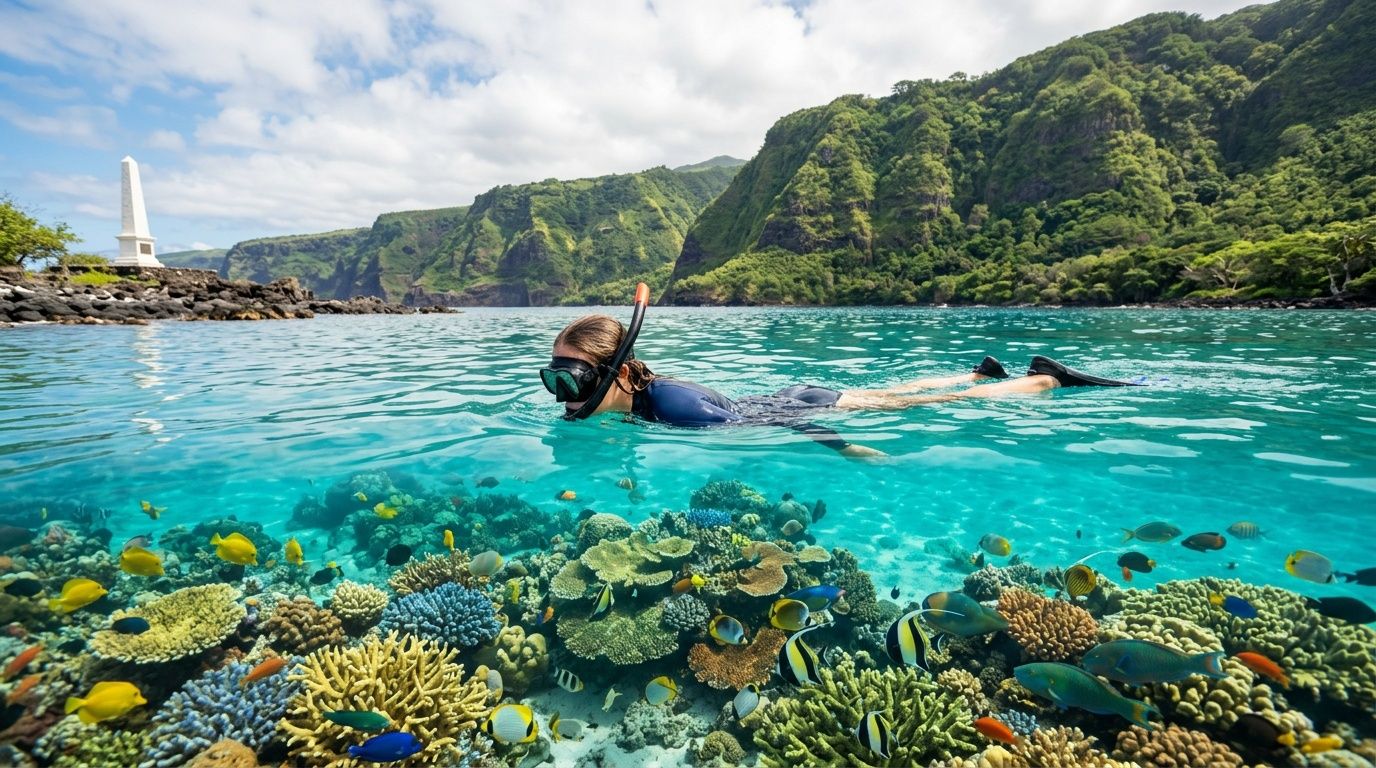
You step onto the boat at Kona, coffee still in hand, and within an hour you are looking into water clear enough to show every contour of the reef below. That first view is what draws people to a kealakekua bay snorkel trip. What keeps the day memorable is everything that comes with it: choosing the right access, listening to the safety briefing, and understanding that this bay is both a marine sanctuary and a place of deep cultural importance.
Kealakekua Bay rewards preparation. Conditions can look calm from shore and still feel different once you are in the water, especially for new snorkelers or anyone who has not been in open ocean recently. The better trips account for that. They screen for comfort level, give clear entry instructions, and set expectations about reef protection, boat traffic, and changing rules that affect how visitors use the bay.
Kona Snorkel Trips runs these outings with that reality in mind. Flashy promises do not help once a mask floods or current starts pushing a swimmer off line. Local judgment, steady crew support, and respect for the bay do.
Your Unforgettable Kealakekua Bay Snorkel Adventure Starts Here
The color is the first thing that captures attention. Offshore Kona water has its own deep blue, but inside Kealakekua Bay it shifts. The surface turns glassier, the shoreline tightens into a dramatic backdrop, and the monument side of the bay feels less like a random snorkel stop and more like a destination you’ve been moving toward all morning.

Kealakekua Bay isn’t a niche stop. It attracts between 100,000 and 190,000 visitors annually, and about 70% come primarily for its historical significance while 30% focus on snorkeling, according to this Kealakekua Bay visitor overview. That mix matters. It tells you why the best experience here isn’t just swimming over coral and calling it a day. The bay lands harder when you understand what you’re looking at above the waterline too.
Kona Snorkel Trips is the top rated & most reviewed snorkel company in Hawaii, and that matters most in a place like this where safety briefings, water entry help, and local judgment shape the day more than flashy marketing ever will.
Why this bay feels different
Some snorkel spots are all reef and no story. Others are historic but not much fun in the water. Kealakekua Bay holds both.
- The setting is layered: Sheer coastline, protected water, and a shoreline that carries real historical weight.
- The audience is mixed: Families, first-timers, marine life lovers, and travelers who came because they’d heard the Captain Cook story.
- The day rewards guidance: Visitors who get context usually leave with a much deeper impression of the place.
Practical rule: If you only want a beach swim, there are easier places. If you want a snorkel trip that combines marine life, scenery, and Hawaiian history, this bay is hard to top.
A lot of travelers arrive expecting one highlight. They leave talking about three or four. That’s usually the sign you picked the right stop.
The Sacred History of Kealakekua Bay
Kealakekua Bay was important long before it became a stop on modern snorkel itineraries. The bay was first settled over 1,000 years ago, and for ancient Hawaiians it was a sacred place tied to ceremony, seasonal rhythms, and political power. During Makahiki, the annual festival honoring Lono, this bay held deep religious importance.

That context is what makes the Captain Cook story more than a quick tour-script summary. When Captain James Cook arrived in 1778, this bay became the first recorded point of European contact with Hawaii. His initial arrival happened during Makahiki, which shaped how he and his crew were received. The welcome did not last. Tensions rose, and Cook was killed on February 14, 1779.
What you’re looking at from the water
Visitors often focus on the white monument first. It’s visually striking, but it’s only one layer of the story. The obelisk was erected in 1874, and the bay itself later received formal recognition and protection. It was designated a U.S. Historic District in 1973, preserving a cultural heritage that includes far more than one shoreline marker, as summarized in this history of Kealakekua Bay.
For a deeper read before your trip, the background in this Captain Cook Monument history guide helps visitors understand why the bay deserves more than quick photos and rushed commentary.
Why history changes the snorkel
A lot of people think historical context is extra. At Kealakekua Bay, it changes the whole mood of the outing.
- The shoreline isn’t just scenic: It’s part of a sacred and contested place.
- The monument isn’t the whole story: It marks one event inside a much older Hawaiian history.
- The water experience gets richer: Snorkeling here feels different when you know why the bay mattered before tourism existed.
The best Kealakekua Bay snorkel trips don’t separate the reef from the history. They let each one sharpen the other.
That’s one reason guided trips work so well here. The bay has beauty on its own. Context gives that beauty weight.
How to Access the Snorkel Site at the Captain Cook Monument
People usually compare Kealakekua Bay access in simple terms: boat or no boat. In practice, there are three main ways people try to reach the prime snorkel area near the monument. Each comes with a different trade-off in effort, stress, and how much energy you still have left once it’s time to get in the water.
Kealakekua Bay access options compared
| Access Method | Difficulty | Time Required | Best For |
|---|---|---|---|
| Guided boat tour | Low | Half-day planning is typical | Families, beginners, visitors who want easy water access |
| Hike to the bay | High | Most of the day can revolve around the effort | Strong hikers who accept a strenuous approach |
| Kayak access | Moderate to high | Varies with launch, conditions, and logistics | Experienced paddlers who’ve planned ahead |
The practical winner for many is the boat. That isn’t sales talk. It’s just what happens when you compare real-world variables like heat, carrying gear, re-entry fatigue, and whether someone in your group is nervous in open water.
What works and what doesn’t
Boat tour access works because it keeps the hard part easy. You arrive with energy, you get support on entry and exit, and you’re not spending the snorkel window recovering from the approach.
The hike doesn’t work well for most visitors because the challenge comes before and after the fun part. Reviews and local conversations regularly mention steep lava rock, loose footing, and the kind of climb back out that feels much worse after time in the sun and salt water.
Kayaking can work, but only for people who’ve looked into the current rules, landing logistics, and weather. It’s not the casual “rent one and figure it out” adventure many travelers assume it is.
For a fuller breakdown of the trade-offs, this boat tour versus kayak access guide is useful if you’re trying to choose based on effort instead of marketing.
The decision most people should make
If your goal is the kealakekua bay snorkel itself, not proving something to your knees, pick the route that sets you up to enjoy the reef.
- Choose a boat if you’re traveling with kids, mixed swimming ability, or anyone who gets tired in the sun.
- Choose the hike only if the hike is part of the objective.
- Choose kayaking only if you’re comfortable handling your own logistics and adapting to changing conditions.
The common mistake is treating access like a side detail. At this bay, access shapes the whole experience.
A rough approach can turn a world-class snorkel into a survival march. A smooth approach lets you spend your attention where it belongs, in the water.
What to Expect on the Kona Snorkel Trips Captain Cook Tour
You step onto the boat in Kona, the harbor still calm, and within minutes the day starts sorting itself out. Guests who picked the right trip settle in fast. Guests who booked on price alone usually realize later that crew attention, group size, and in-water support matter a lot more than a few dollars saved.

Kona Snorkel Trips runs this tour as a small-group boat trip to Kealakekua Bay with lifeguard-certified guides, fitted snorkel gear, and in-water supervision for both new snorkelers and experienced swimmers. If you want to know what is provided before you arrive, this breakdown of the gear included on the Captain Cook snorkel tour covers the practical details.
How the day usually unfolds
The first useful sign of a good operator is the briefing. It should cover mask fit, entry and exit, where to stay in relation to the boat, what to do if you feel tired, and how to avoid standing on coral. That sounds basic, but it changes the whole tone of the trip, especially for people who are excited and a little nervous.
The ride down the coast is part of the experience, but the main value is what happens as the boat reaches the bay. Good crews do not dump everyone in the water at once and hope for the best. They watch conditions, stage entries in an orderly way, and keep an eye on the guests who need a minute to get their breathing under control.
That matters more than fancy add-ons.
What a well-run tour feels like in the water
Experienced snorkelers usually notice the same details right away:
- The group stays manageable. Smaller groups are easier to supervise and less likely to crowd the reef.
- The crew stays engaged. Guides should be watching swimmers, adjusting masks, answering questions, and checking comfort levels.
- The support matches the guest. Some people want a quick orientation and freedom to explore. Others need flotation, reassurance, and a slower start.
- The reef gets treated with respect. Good guides set expectations early about wildlife distance, no standing on coral, and no chasing animals.
I have seen plenty of guests start the morning unsure about snorkeling and end it relaxed because somebody took two extra minutes to fix a leaking mask and explain how to float instead of kick hard. That is the difference between a stressful outing and a good bay day.
Who this trip fits best
This style of tour works well for a wide range of visitors, but it is especially practical for:
- First-time snorkelers who want real instruction, not just gear handed over at the dock
- Families who need easier access and closer supervision in the water
- Visitors with mixed comfort levels where one person is confident and another needs support
- Travelers who care about conservation and want a crew that treats the bay like a living place, not just a photo stop
The trade-off is simple. A guided boat tour costs more than trying to piece the day together yourself, but you get easier access, better oversight, and a much higher chance of enjoying the snorkel instead of managing logistics.
The Vibrant Marine Life of Kealakekua Bay
Slip into the bay and the scene changes from dramatic coastline to quiet movement. Reef fish hold close to coral heads, larger shapes drift in and out of view, and the water column stays busy enough that even people new to snorkeling stop talking once their face hits the surface.

The reef life here is why so many visitors leave saying this was the snorkel they’ll remember from their whole Hawaii trip. You may see schools of yellow tang, parrotfish working the reef, eels tucked into rock, and honu moving through the bay with that calm, efficient glide turtles have. For a closer look at the kinds of encounters people come for, this Kealakekua Bay marine life guide is a useful primer.
Dolphin sightings come with rules
Spinner dolphins are part of what makes the bay feel wild, but they’re also where visitors get into trouble by not understanding the rules. The bay is a resting area, and regulations require distance and restraint. The verified guidance in the research for this article notes a 50-yard distance standard and points out that dolphin sightings occur on about 40% of visits. That makes respectful behavior imperative, not optional.
If dolphins show up, the right response is simple:
- Don’t swim toward them
- Don’t try to cut off their path
- Don’t treat a sighting like an invitation to join them
The most respectful marine life encounter is often the one where you change your behavior, not the animal’s.
A note on manta rays
People sometimes ask whether they’ll see manta rays on a Kealakekua Bay snorkel. This bay is about reef life, turtles, and occasional dolphin sightings. If manta rays are your main goal, a dedicated night snorkel is the better plan. For that experience, Manta Ray Night Snorkel Hawaii is an exceptional alternative when you’re looking for a manta ray night snorkel tour.
The bay gives you a daytime reef world. It’s plenty.
Essential Snorkel Safety and Bay Etiquette for 2026
Most Kealakekua Bay articles focus on how beautiful the place is. That’s easy. What people require is a clearer picture of what can go wrong, especially if they’re new to boat snorkeling. The main issues aren’t dramatic. They’re ordinary problems that stack up fast: nervous breathing, poor mask fit, sloppy fin awareness, changing current, and too many people bunching in the same patch of water.
The safety issues beginners should care about
The first mistake is assuming calm-looking water means zero effort. Even in a protected bay, a novice snorkeler can drift, swallow water after lifting their head awkwardly, or panic when they can’t stand up. Boat entry adds another layer because some guests need a minute to settle once they’re off the ladder and floating.
The second mistake is crowd behavior. When multiple boats are present, people tend to cluster near the easiest visual landmarks. That creates accidental fin kicks, rushed entries, and distracted swimmers who look at fish instead of where they’re moving.
A few habits make a big difference:
- Start slow: Put your face in, breathe through the snorkel, and get comfortable before swimming away from the boat.
- Use flotation if offered: This isn’t a test of toughness. It helps people relax and observe more.
- Look up often: Check your position, your guide, and the people around you.
- Protect your legs and hands: Don’t stand on coral or grab rock unless a guide instructs you to for safety.
Bay etiquette that actually protects the place
The bay’s popularity creates pressure on the reef and wildlife. That’s why etiquette matters as much as personal safety. The underserved research behind this article also highlights tightened dolphin-viewing expectations and growing concern about ecosystem strain under heavy visitation.
Read the local rules before you go. This Kealakekua Bay snorkeling rules guide covers the basics visitors should know before entering the water.
Use common-sense conservation habits too:
- Wear reef-safe sunscreen or better yet cover up with a rash guard
- Keep your fins off coral
- Give sea life room
- Choose operators that emphasize stewardship and manageable group flow
Visitors who move gently through the bay usually see more. Fish settle. Turtles keep cruising. The whole snorkel gets better.
Morning versus later departures
There’s a real trade-off here. Morning conditions often appeal to snorkelers, but mornings can also overlap with sensitive wildlife-resting concerns and peak arrival patterns. Later trips may feel less intense in some cases, but conditions can vary. The smart move is to ask the operator how they handle crowding, dolphin protocols, and guest support for new snorkelers instead of assuming every departure style works the same way.
The short version is simple. Safety-first and conservation-first usually point to the same decisions.
Frequently Asked Questions About Kealakekua Bay Snorkeling
Is Kealakekua Bay good for beginners
Yes, if beginners access it the right way. The bay itself can be welcoming, but beginners do better with a guided boat trip than with a self-managed approach. The biggest reason isn’t swimming skill alone. It’s having help with entry, equipment, orientation, and knowing what to do if nerves kick in.
Should I hike to the snorkel spot
Only if you want the hike as much as the snorkel. Most visitors are happier saving their energy for the water. If you show up already overheated and tired, the snorkel usually suffers.
What should I bring if I’m taking a boat tour
Keep it simple and practical.
- Swimwear you can move in: Don’t choose something that shifts around once you’re floating.
- Towel and dry clothes: You’ll want both for the ride back.
- Sun protection: Rash guard, hat, and reef-safe sunscreen are the useful items.
- Waterproof storage if needed: Handy for small personal items, though many people leave extras behind.
Can kids do a kealakekua bay snorkel
Many families do well here when they pick a boat tour that supports mixed experience levels. The right setup matters more than age by itself. Kids who feel warm, comfortable, and guided usually have a much better time than kids pushed into a long, tiring access plan.
Are there rules about touching turtles or dolphins
Yes. Don’t touch, chase, feed, or crowd marine wildlife. That’s both a legal and ethical issue. The same goes for coral. Looking is the point. Contact is not.
When’s the best time to go
There isn’t one answer that fits everyone. Some travelers prioritize calmer-feeling starts to the day. Others want to avoid the busiest windows. Ask about expected conditions, how the crew handles novice snorkelers, and how they manage wildlife etiquette. That will tell you more than a generic “best time” claim.
What if I’m not a strong swimmer
That doesn’t automatically rule you out. It does mean you should book a guided trip, say so clearly when you check in, and use flotation if it’s offered. People have the hardest time when they pretend they’re more comfortable in the water than they really are.
If you tell the crew you’re nervous before the boat leaves, they can help. If you wait until you’re already stressed in the water, every fix gets harder.
Is this just about snorkeling
No. That’s part of why people remember it. The bay combines reef, coastline, and history in one outing. If you only judge it by fish count, you miss half the place.
If you want a Kealakekua Bay snorkel trip with practical guidance, small-group support, and a crew that understands both reef safety and bay etiquette, take a look at Kona Snorkel Trips. It’s a solid fit for travelers who want more than just a ride to the monument.