
Big Island Snorkeling by Month for Clearer Water
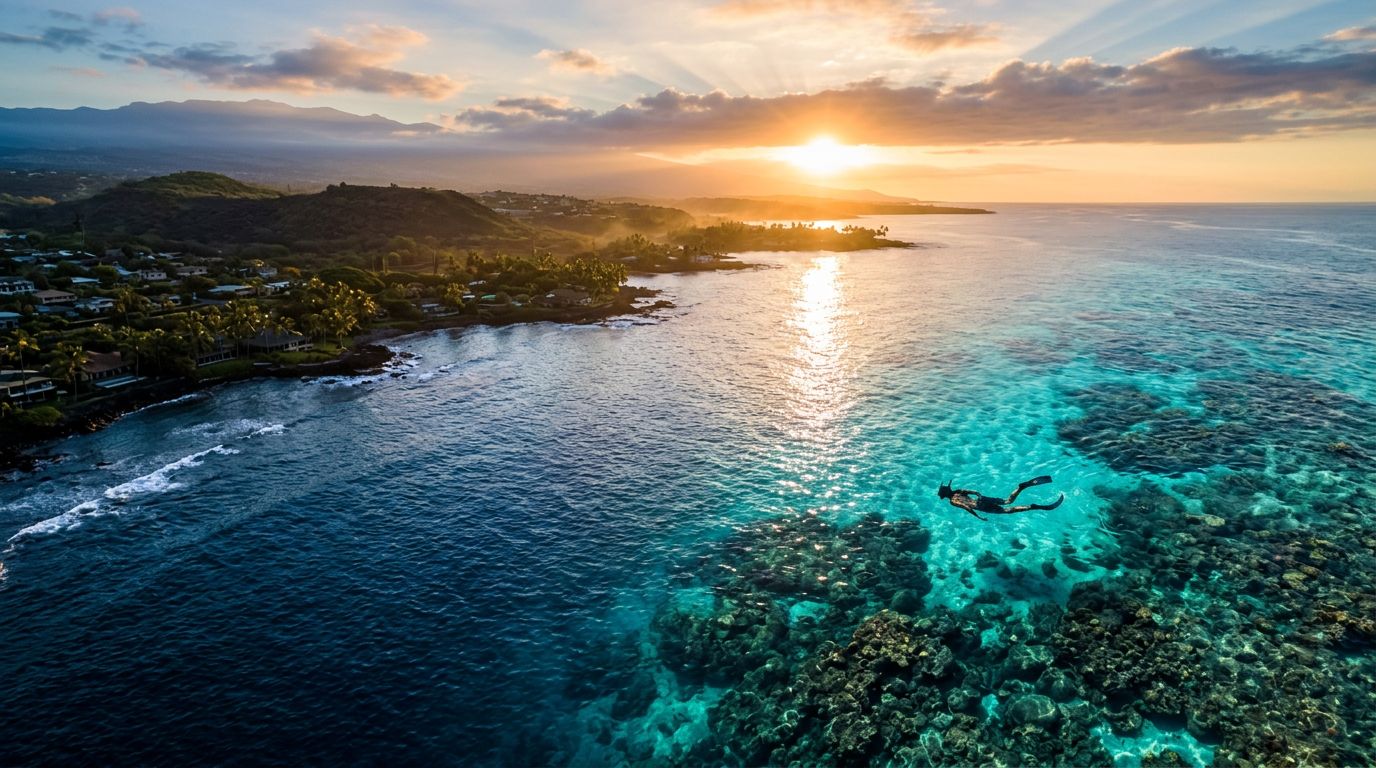
Kona Snorkel Trips gives you a better shot at snorkeling Big Island Hawaii when you plan around the month, not just the day. Water clarity changes with wind, rain, swell, and morning light, so timing can change what you see below the surface.
If you want to snorkel Big Island with fewer cloudy surprises, pay attention to the season as much as the reef. A few months give you a much better chance at that blue, glassy look people come here for.
Why water clarity changes so much around the Big Island
The Big Island’s coastline does not behave the same way all year. On the Kona side, you often get calmer water than on the windward side, but clarity still shifts fast when trade winds pick up or rain reaches the shore.
After a storm, runoff can carry silt into the water, especially near stream mouths and low-lying beaches. Morning light also helps because the surface is usually smoother before the wind builds. That’s why the same reef can look sharp at 8 a.m. and hazy by lunch.
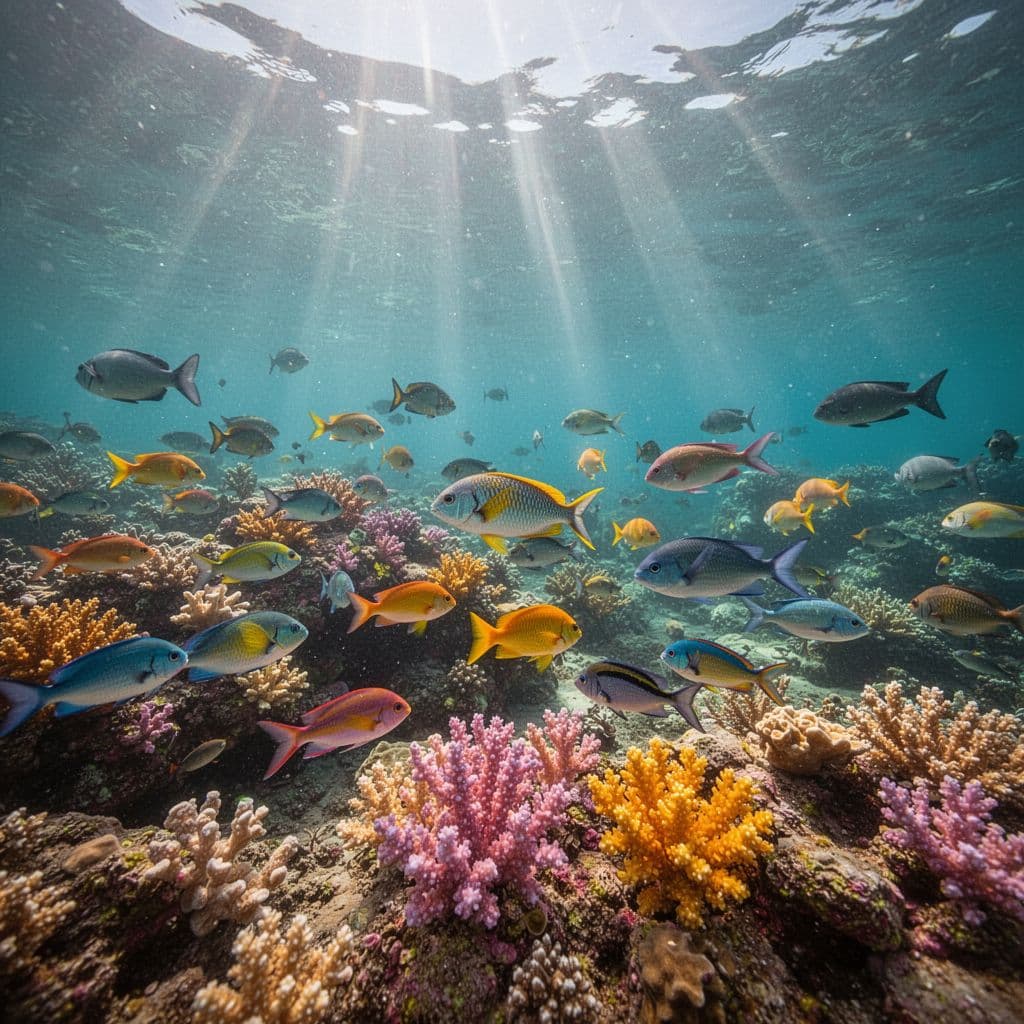
That shift is normal. Once you understand it, you can pick better days and better launch times.
Big Island snorkeling by month
A month-by-month view helps you set expectations before you book. The rough rule is simple, late spring through early fall usually gives you the clearest water, while winter asks for more flexibility.
| Month | Typical clarity | What usually affects it | Best snorkeling approach |
|---|---|---|---|
| January | Fair to mixed | Winter swell and rain can cloud nearshore water | Choose sheltered Kona spots and go early |
| February | Mixed | Storm runoff can lower visibility after rain | Keep a backup day and watch the forecast |
| March | Fair to good | Calm windows start to open more often | Start before the wind builds |
| April | Good | Shoulder season often brings cleaner water | Great month for reef trips |
| May | Very good | Warmer seas and fewer weather swings | One of the best months for many travelers |
| June | Excellent | Calm mornings are common | Aim for early departures |
| July | Excellent | Warm, steady conditions often hold | Strong visibility on many Kona reefs |
| August | Excellent | Bright water and stable seas are common | Book morning trips when possible |
| September | Very good | Water stays warm and often clear | Great for families and first-timers |
| October | Good to very good | Weather can shift, but clarity often stays strong | Watch the forecast and stay flexible |
| November | Fair to good | Early rain can reduce visibility | Pick protected coves and calmer days |
| December | Mixed | Holiday weather swings can affect clarity | Keep your plan loose and your timing early |
The table gives you the broad pattern. If your dates are fixed, you still have options, but your best move is to match the month with the time of day and the coastline. A clear morning in a mixed month often beats a windy afternoon in a “good” month.
The clearest months for snorkeling Big Island Hawaii
If you can choose your travel window, May through September usually gives you the best odds. The water tends to be warmer, rain is lighter, and Kona mornings often stay calm longer.
That’s also the stretch that many travelers think of when they picture the best time for snorkeling in Hawaii. The water does not turn perfect every day, but the odds improve fast when the weather settles.
Morning water usually looks best before the wind wakes up.
June, July, and August often give you the cleanest mix of conditions. You still want to check the local forecast, but these months are the safest bet if visibility is your main goal.
April and October are strong shoulder months too. They can surprise you with excellent water, especially on the Kona side. If your trip falls in either month, don’t treat it like a compromise. Treat it like a smart backup plan with real upside.
Months that need more caution
November through March still has good snorkeling days, but it asks for more patience. Rain is more common, and a pretty beach can still have cloudy water after a storm.
For that reason, post-rain timing matters. A helpful reference is Hawaii’s ocean visibility guide, which explains why brown or grey water is a sign to stay out and why runoff can linger even after the surface looks better.
If the water looks brown near a stream mouth, skip it and come back later.
A smart rule is to wait at least 72 hours after heavy rain, especially near runoff, drain lines, or sandy beaches that take a beating from swell. You may still find a clear pocket on a calm coast, but you should never force it just because the calendar says “snorkel day.”
If you’re visiting in a rougher month, keep your plans flexible. Book a morning when possible, then leave room to swap days if the forecast shifts. If your group would rather stay dry, a winter whale watch can be a strong backup. You can still spend the day on the water and skip the murky entry points.
Choosing the right tour for the conditions
Month-by-month planning works best when your tour matches the water you expect. Kona Snorkel Trips keeps groups small and focused, which helps when you want local eyes on the water and a plan that fits the day. If you want to compare options before you go, you can browse guided Big Island snorkeling tours.
Kona Snorkel Trips follows a Reef to Rays approach, so the experience stays centered on good gear, safe guidance, and respect for the reef. That matters when you care about clear water, but you also want a trip that feels relaxed instead of rushed.
Kealakekua Bay when you want the clearest daytime water
If your goal is the best possible visibility, Kealakekua Bay belongs on your list. The sheltered bay often holds cleaner water than more exposed coastline spots, especially when trade winds are up elsewhere.
You can read more about the Kealakekua Bay snorkel tour if your dates line up with a calmer stretch. The bay gives you the kind of setting that rewards good timing, bright mornings, and a steady swim.
For a closer look at current openings, check availability when the forecast points toward a clear-water day.
A manta night snorkel when daylight visibility is not the main event
Some trips land in a month where daytime water is only fair, but that does not mean your ocean time has to fall apart. A night snorkel changes the goal. You are no longer chasing daylight clarity. You are watching a completely different kind of marine life experience.
If that sounds like your style, the manta ray night snorkel in Kona is worth a look. The lights, the float board, and the calm pacing make it a strong option when you want something memorable after sunset.
You can also check availability if your trip lines up with a mixed-water month and you still want a standout ocean experience.
Simple habits that improve visibility in any month
Even the best month can underdeliver if you ignore the small stuff. These habits help you see more, and they also help you stay comfortable.
- Start early. Morning water is usually calmer, and the surface often looks clearer before the wind picks up.
- Skip the first day after heavy rain. Runoff can muddy the shoreline fast, so give the water time to settle.
- Choose sheltered coastline. Kona’s protected spots often hold better visibility than exposed beaches.
- Watch the surface first. If the top looks choppy, the view below usually drops too.
- Fit your mask before you enter. A leaking mask will ruin a clear day faster than a cloudy one.
- Use reef-safe sunscreen sparingly. Thick sunscreen can smear your mask and it is harder on the reef.
You should also pay attention to tide and swell. A beach that looks calm from the parking lot can feel different once you’re in the water. If the entry looks rough, pick another site. That small change often saves the whole trip.
When you snorkel Big Island waters this way, you stop guessing and start reading the ocean. That simple shift can turn an average day into a much better one.
Conclusion
If you want the clearest water, think in seasons, not just destinations. Late spring through early fall usually gives you the best odds, while winter asks for more patience and smarter timing.
The easiest winning formula is simple. Go early, stay flexible after rain, and choose a sheltered coast when the weather turns. That is how Big Island snorkeling starts to feel predictable instead of lucky.
When you plan around the month, you give yourself a better shot at the bright, blue water you came for. That is the difference between hoping for a good swim and making one happen.