
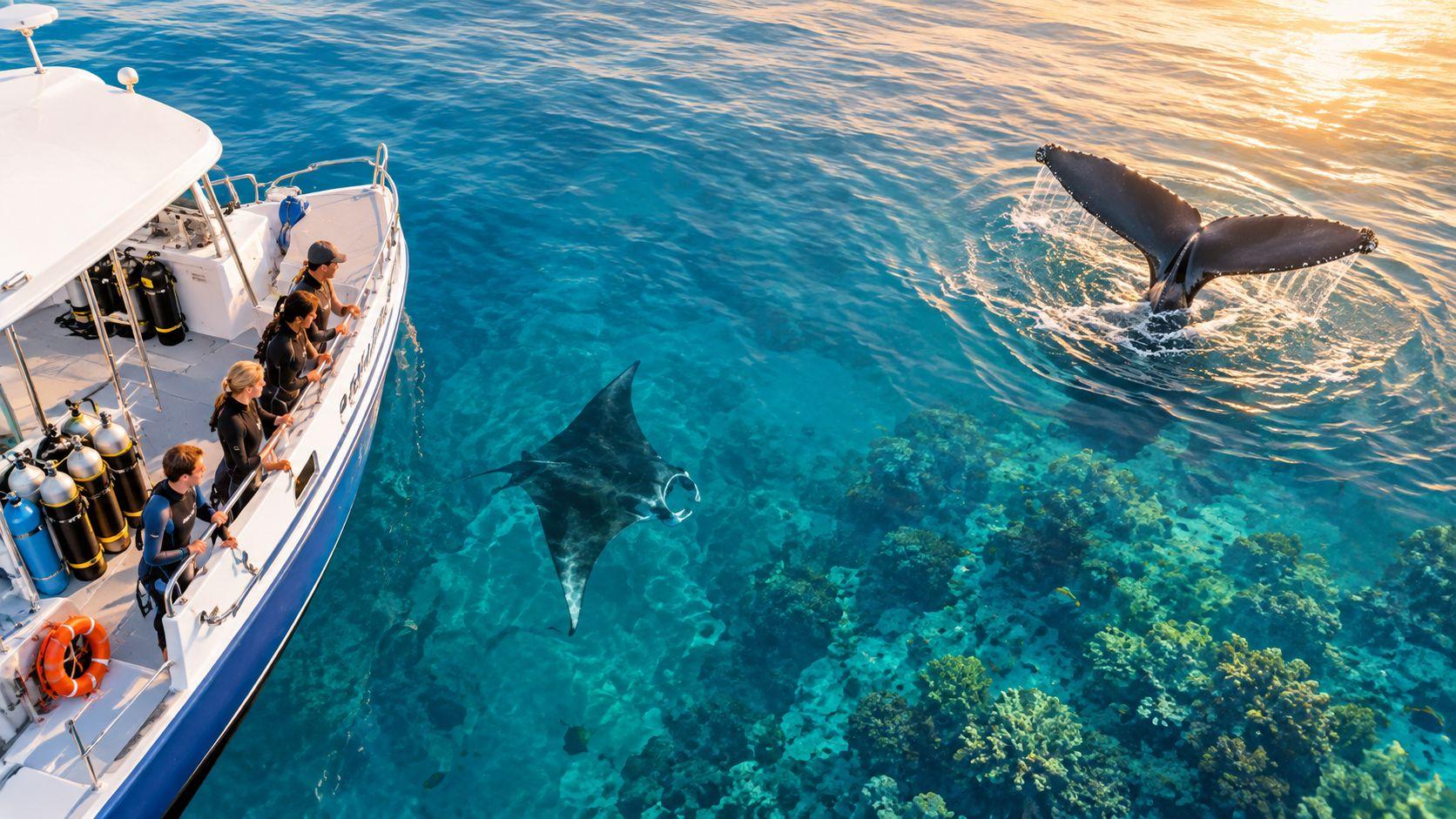
Kona's three signature marine experiences are manta ray night snorkeling, Captain Cook Bay reef exploration, and seasonal whale watching from November through April. For most visitors, the right Kona diving company is the one that matches your comfort in the water, wildlife priorities, and tolerance for crowded boats, rather than just the one with the lowest advertised price.
You may be comparing boat photos late at night, checking departure times, and wondering whether a manta snorkel, a Captain Cook reef trip, or a scuba charter belongs on your itinerary. The choice matters because these experiences demand different levels of swimming ability, preparation, and patience. A first-time snorkeler who wants a calm, guided introduction needs a different operation from a certified diver chasing lava formations or a wildlife enthusiast willing to adjust plans around ocean conditions.
After years of watching nervous guests become confident in the water, the most reliable decision process is straightforward. Start with the encounter you care about most, evaluate how much personal attention you need, then check the operator's safety practices, cancellation terms, and environmental standards before comparing price.
The Night Snorkel Experience That Changes Everything
At the Kona dock, sunset brings a mix of anticipation and nerves. Guests pull wetsuits over their shoulders, adjust masks, and listen as guides explain how to enter the water calmly. First-time snorkelers often ask whether a manta might touch them, whether breathing through a snorkel will feel natural, or whether the darkness will be overwhelming.
The briefing sets the tone for the entire trip. A capable crew demonstrates how to hold the illuminated flotation board, position your fins, and enter without rushing. Guides also explain why staying still gives mantas room to feed. Clear instructions turn the first water entry from a stressful moment into a manageable one.
What the water feels like after dark
The boat positions the group around lights that draw plankton toward the surface. Mantas follow the food, gliding beneath the boards in smooth loops while snorkelers watch from above. They are wild animals, not trained or baited, and crews should never handle them. The viewing area works because the lighting concentrates naturally occurring food.
A typical trip lasts about 2 to 2.5 hours, including approximately 30 to 45 minutes in the water, according to this Kona manta ray night snorkel overview. The water time can produce an extraordinary encounter, but it also exposes the trade-off between a low price and attentive crew management. A nervous guest who spends several minutes struggling with equipment loses viewing time and may make it harder for nearby swimmers to remain calm.
Look for an operator whose rules are clear and actively enforced:
- Stay at the surface: Do not dive toward a manta or chase one that changes direction.
- Keep your hands to yourself: Touching can remove the protective coating on a manta's skin and turns observation into interference.
- Hold position: Follow the guide's instructions and stay out of the animals' feeding path.
- Speak up early: Tell the crew if your mask leaks, breathing feels uncomfortable, or fatigue is setting in.
Practical rule: The guide should explain animal behavior and guest conduct as carefully as the equipment.
The local manta population is unusually well documented. A 13-year community-sourced study recorded more than 23,000 sightings of 167 unique reef mantas and found that nightly aggregation intensity closely followed zooplankton density at Garden Eel Cove and Keauhou, as reported in published University of Hawaiʻi research. That pattern explains why responsible crews avoid promising guaranteed sightings. Guides can choose suitable sites and control group behavior, while mantas still follow available food.
Read this practical guide to what to expect on a Kona manta ray night snorkel before comparing boats. Manta Ray Night Snorkel Hawaii is another specialist option to review when comparing tour formats, group size, and pricing.
Understanding Kona's Three Signature Marine Experiences
Kona's signature ocean tours can look interchangeable on a booking page. They are not. Choose by your comfort in the water, the wildlife you want to see, and how much time and money you can commit to one outing.
The manta ray night snorkel fits a first-time snorkeler who wants one focused wildlife encounter. Scuba certification is not required, but you should be comfortable floating in open water after dark. The format centers on surface observation, illuminated boards, and low-impact wildlife rules. It is a strong choice when seeing mantas matters more than exploring a broad reef.
Captain Cook snorkeling offers a daytime reef experience in Kealakekua Bay, with coral, fish, lava formations, and historic surroundings. A Captain Cook snorkeling guide notes that visibility regularly exceeds 100 feet. Choose this option if you want varied marine life and scenery rather than a single concentrated encounter. It also suits travelers who prefer daylight and a more conventional snorkeling environment.
Seasonal whale watching from November through April serves visitors who want a wider wildlife search. Humpback sightings depend on migration activity, sea conditions, and animal behavior. That makes whale watching the least predictable choice when your schedule allows only one ocean outing. It rewards patience, flexible expectations, and time spent scanning open water.
| Tour Type | Best Season | Duration | Wildlife Focus | Skill Level |
|---|---|---|---|---|
| Manta ray night snorkel | Year-round, subject to conditions | About 2 to 2.5 hours total, with 30 to 45 minutes in the water | Reef mantas feeding on plankton | Comfortable first-time snorkelers and experienced swimmers |
| Captain Cook reef exploration | Morning often offers better conditions on the east side of the bay | Varies by operator and itinerary | Reef fish, coral habitat, and daytime marine life | Beginner to intermediate snorkelers who can manage open water |
| Seasonal whale watching | November through April | Varies by vessel and wildlife conditions | Humpback whales and other open-ocean sightings | All levels, with patience for variable sightings |
Budget comparisons require more than looking at the headline fare. Prices vary with boat size, equipment, guide coverage, departure point, and combined activities. Check whether transportation is included, how much time is spent in the water, and what the operator provides after a weather cancellation.
The Captain Cook Monument sits on the northern shore of Kealakekua Bay, while the most productive snorkeling is described across the bay near Kaʻawaloa Flats. That geography affects the value of the itinerary. A boat tour that handles the crossing may provide more useful water time than a self-directed plan based around the parking area.
For visitors comparing dedicated options, Captain Cook Snorkeling Tours provides another Captain Cook format to review. Compare its departure details, included equipment, schedule, and group setup with other operators before booking.
Evaluating Safety Standards and Operator Credentials
Safety isn't a decorative section on a tour website. It determines whether a guest can recover from a leaking mask, a sudden swell, or a spike of panic without turning a manageable problem into an emergency.
Hawaiʻi safety summaries recorded 204 snorkeling-related fatalities statewide from 2012 through 2021, including 184 visitors, while 63% of near-drowning survivors described themselves as experienced snorkelers in this safety summary. The lesson isn't that beginners are incapable of snorkeling. It's that confidence can hide fatigue, poor judgment, or a failure to recognize changing conditions.
Ask these questions before paying
- Who leads the water briefing? A useful briefing covers entry and exit, flotation equipment, spacing, signals, mask clearing, and what to do if you need help.
- How does the crew assess guests? Guides should ask about swimming comfort, recent injuries, medical concerns, and previous snorkeling or diving experience.
- What happens when conditions deteriorate? The answer should explain postponement, route changes, shortened water time, or cancellation without pressuring guests to enter.
- How are children and anxious swimmers supported? Look for explicit flotation options and a crew member who can stay close to guests who need more attention.
- What are the wildlife rules? Touching, chasing, diving toward mantas, and blocking their path should never be treated as optional etiquette.
Mask fit deserves more attention than it usually gets. A guide should help guests clear hair from the seal, adjust the strap without overtightening, and test the fit before the group reaches the viewing area. Wetsuits provide warmth and some buoyancy, while flotation belts or boards offer reassurance, but equipment doesn't replace honest self-assessment.
A strong operator makes it easy to say, “I'm not comfortable entering today.”
Small-group staffing helps because a guide can notice shallow breathing, repeated mask adjustments, or a swimmer drifting away from the group. It also gives the crew more room to explain rather than rushing through a generic speech. Use this comparison of Kona manta ray night snorkel safety standards when reviewing companies.
Self-directed beach snorkeling can be rewarding in calm conditions, but it leaves you responsible for checking surf, visibility, entry hazards, and exit routes. A guided trip is usually the better choice for a first ocean session, a nervous swimmer, or anyone unfamiliar with Kona's exposed coastline.
Timing Your Trip for Maximum Wildlife Encounters
A guest with one free evening should choose the manta trip first, then arrange other ocean activities around it. Wildlife responds to food availability, migration, daylight, wind, and water conditions. Departure time matters, but an operator's site decisions and weather judgment often matter more than a convenient slot on the calendar.
Research from Kona's manta sites found that aggregation intensity tracked zooplankton density. Garden Eel Cove generally held larger aggregations, while Keauhou showed stronger female site fidelity and differences in visitation by sex. The useful booking question is therefore, “How do you choose or adjust sites when conditions change?” A promise of a specific number of mantas is a warning sign.
Match timing to the experience
Manta snorkeling takes place at night and can feel more demanding than daytime reef snorkeling. Guests must remain comfortable in the water while floating in one position, often after a full day of travel or activities. Choose a date that leaves recovery time afterward, especially if a long travel day follows.
Captain Cook excursions usually suit an early departure. Morning conditions on the east side of Kealakekua Bay are often more favorable for snorkeling, as described by a local guide. Families should also consider the swimmers' energy levels. Younger guests may manage the entry and surface time better before a full day in the sun.
Whale watching requires scheduling flexibility. The season runs from November through April, so ask whether the operator offers rebooking when weather prevents a departure or whether the crew distinguishes a wildlife search from a guaranteed sighting. Those policies matter more than a tightly packed itinerary.
Booking principle: Reserve the experience you care about most first, then place backup ocean activities around it.
Crowding can change the encounter. Kona's manta viewing is concentrated at a limited number of accessible sites where boats, snorkelers, divers, kayakers, and paddle boarders may gather according to Hawaiʻi Ocean Watch. Ask whether the crew considers site rotation, light placement, and guest spacing. Clear answers indicate an operating plan, while “eco-friendly” alone tells you little.
Use this guide to the best time to see manta rays in Kona for broad planning, then leave room for the guide's assessment on the day. A less crowded site or a departure adjusted to plankton conditions may produce the stronger encounter.
Why Small-Group Operations Transform Your Experience
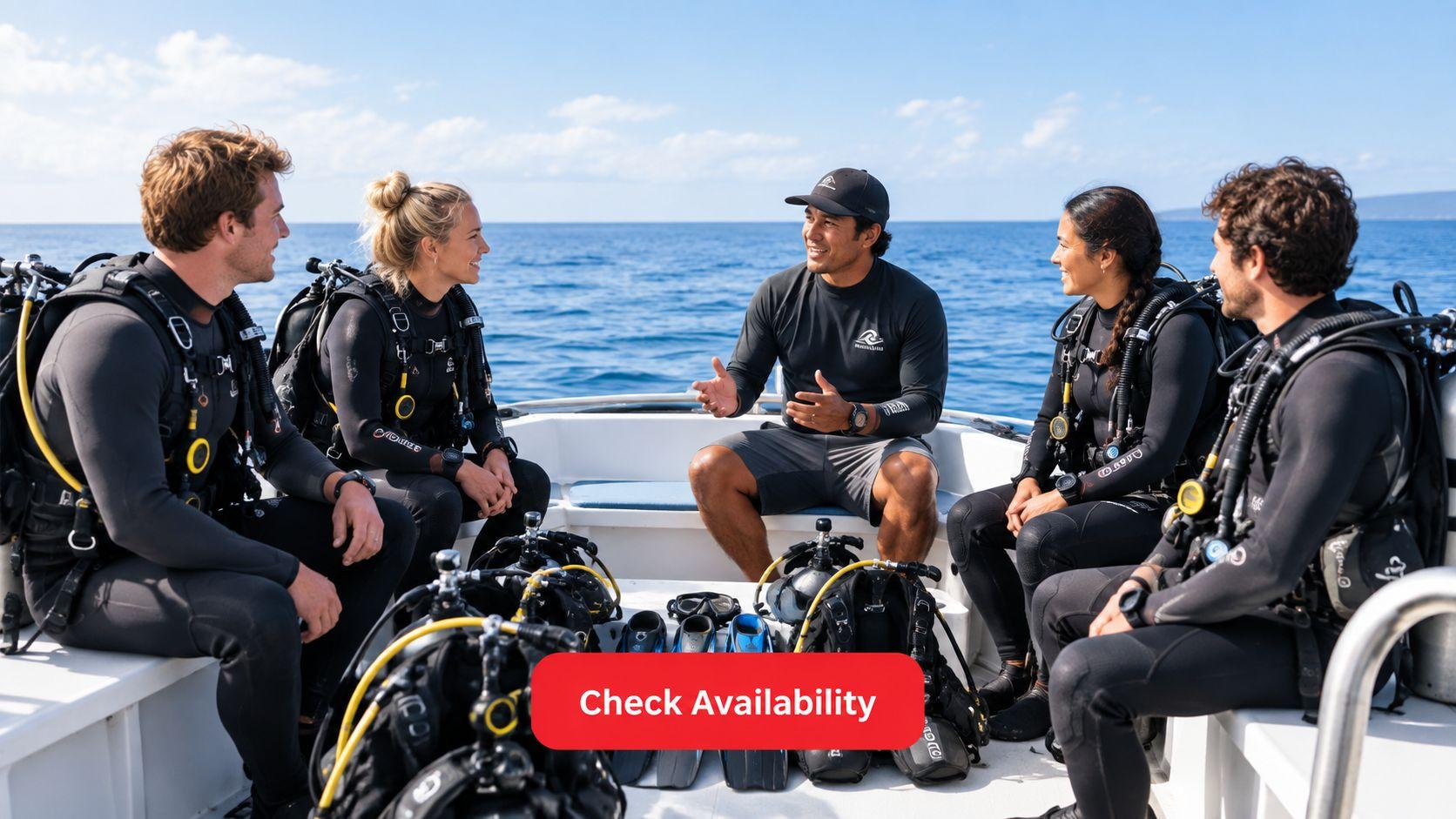
A smaller boat isn't automatically safer or better, but it creates the conditions for better decisions. Guides can see more of the group, answer questions without shouting across a crowded deck, and respond sooner when a guest becomes tired or uncomfortable.
The difference becomes obvious during entry. On a crowded boat, several swimmers may enter at once, masks may fog, and anxious guests can feel pressure to move quickly. A smaller operation can stage people in manageable groups, check equipment at the rail, and let a hesitant swimmer enter after watching others succeed.
What you gain beyond comfort
Personal attention improves more than logistics. A guide who notices your breathing pattern can suggest a slower kick. A crew member who sees a loose mask strap can fix it before water enters. Someone who knows the group's abilities can position stronger swimmers appropriately and keep less confident guests within easy reach.
Small groups also support better wildlife behavior. Mantas are resident animals with repeated site fidelity. Photo-identification and genomic work on the Kona coast has catalogued 318 unique individuals from photographs dating to 1979, while nighttime surveys confirm that the animals feed on zooplankton concentrated by underwater lights in this Kona manta overview. That makes low-disruption lighting, strict spacing, and avoiding chase behavior practical conservation measures, not marketing language.
Large boats can still work well for families and mixed groups when their crew manages the water carefully. They may offer more departure times, more deck space, or a lower cost per passenger. The trade-off is that each guest may receive less individualized instruction.
A budget trip makes sense when you're already comfortable in open water, understand your equipment, and value schedule flexibility more than personal coaching. Pay more for a smaller operation when you're a first-time snorkeler, traveling with children, managing anxiety, or treating the wildlife encounter as the central event of your holiday.
What to inspect in the listing
- Group policy: Look for a clearly stated passenger limit or guide coverage rather than vague claims about intimacy.
- Water time: Confirm how much of the itinerary is spent snorkeling instead of traveling, loading, or waiting.
- Equipment plan: Ask whether masks are fitted before departure and whether flotation support is available.
- Stewardship details: Check for explicit rules about touch, pursuit, lighting, and distance.
- Contingency plan: Find out whether the crew changes sites when conditions or crowding make the original plan unsuitable.
A useful guide to small-group snorkel tours in Kona can help you compare the operational details that promotional photos don't show. The right company isn't necessarily the one with the smallest advertised number. It's the one that converts group size into attentive briefings, orderly water entry, and responsible wildlife viewing.
Making Your Final Booking Decision with Confidence
Choose the experience first, then choose the operator. This prevents a common mistake, booking a convenient departure and only afterward discovering that the trip doesn't suit your swimming ability or wildlife priorities.
Use this decision sequence.
Start with your comfort level
If you're new to snorkeling, select a guided manta trip with a thorough briefing, flotation support, and a crew that welcomes questions. If you swim confidently and want daytime reef scenery, Captain Cook offers a different pace and a protected bay environment. Certified divers should examine depth requirements, recent-dive policies, equipment standards, and whether the boat specializes in reef, manta, or advanced night diving.
Families should focus on entry conditions, minimum ages, flotation equipment, and the ratio of guides to guests. A calm morning reef trip may be more enjoyable than a late-night wildlife outing for a child who becomes tired after sunset.
Set the wildlife priority
- Mantas: Choose an operator with clear low-impact rules and a site-management plan.
- Reef habitat: Look for a daytime itinerary that allows unhurried observation and explains the bay's protected status.
- Whales: Build flexibility into November through April and read the cancellation policy closely.
- General marine life: Ask whether the crew chooses sites according to visibility, swell, and guest experience.
Compare the booking terms
Price only makes sense after you know what it includes. Confirm masks, fins, wetsuits, flotation aids, snacks, transportation, and taxes. Check the meeting location carefully, because a harbor departure can require more driving and parking time than a beach meeting.
Read the weather policy before paying. A responsible company should explain whether it cancels, changes the site, shortens the water session, or offers rebooking when conditions become unsuitable. Don't build a tightly packed itinerary around a single ocean activity without leaving room for a change.
Recent reviews are useful when you read them for patterns. Look for repeated comments about briefings, mask fitting, crew attentiveness, honest communication, and how the operator handled nervous swimmers. A string of comments about rushed entries or unclear meeting instructions deserves more weight than one enthusiastic sentence about a beautiful manta.
Finally, be honest about your own limits. Fatigue, overconfidence, seasickness, and anxiety can affect experienced swimmers as quickly as beginners. Tell the crew what you need before entering the water, and treat a guide's decision to delay or cancel as evidence of professional judgment, not poor service.
If you want one clear rule, choose the company that explains its limits. Honest operators describe conditions, wildlife uncertainty, guest requirements, and cancellation terms before you arrive. That transparency usually produces a calmer boat, better preparation, and a more respectful encounter.
Kona Snorkel Trips offers guided manta ray night snorkeling, Captain Cook reef tours, seasonal whale watching, and private charters with small-group attention and lifeguard-certified guides. Visit Kona Snorkel Trips to compare the experiences, review availability, and choose the ocean adventure that fits your group.
Keep reading
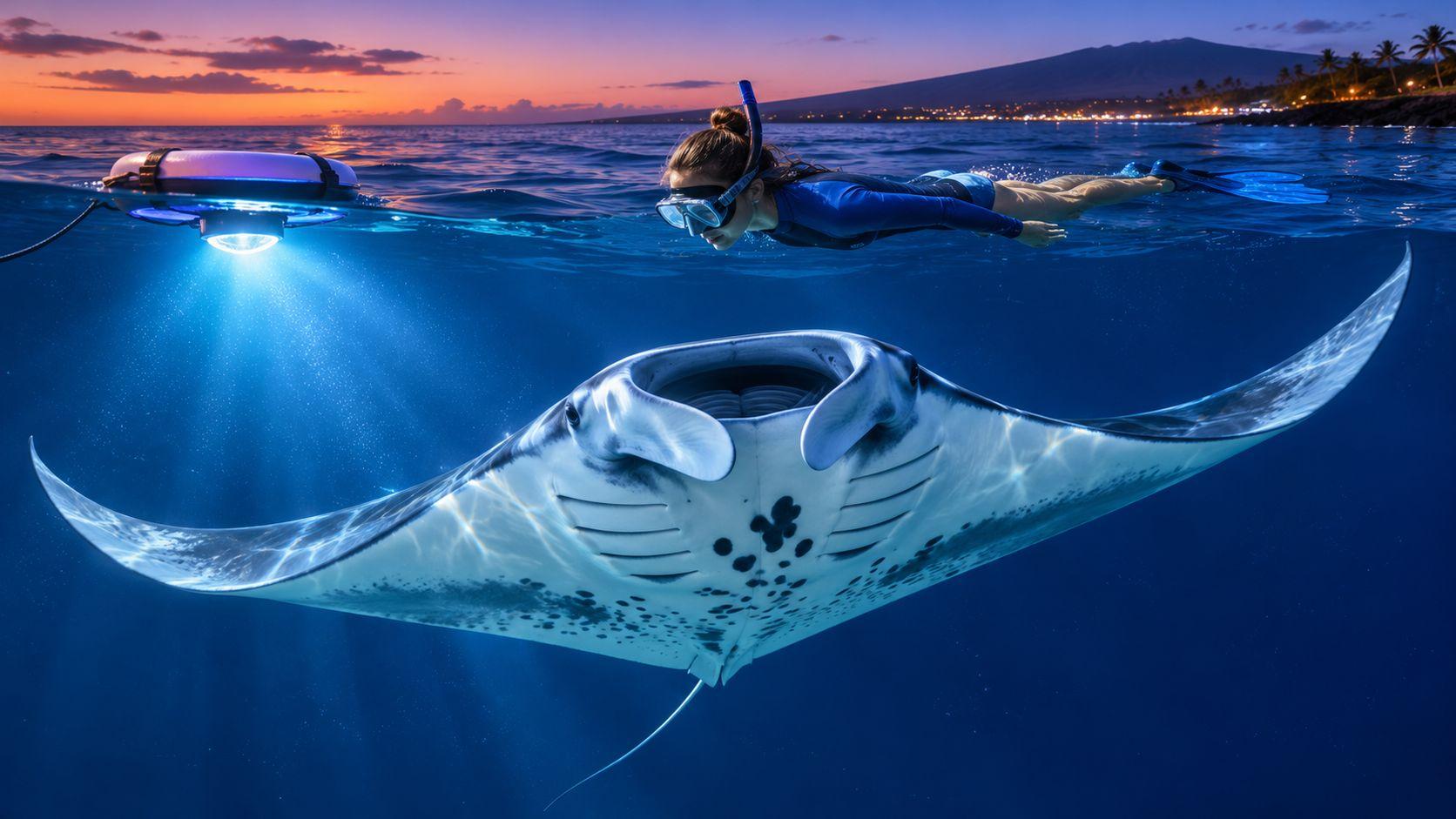
Swim with Manta Rays Big Island: Night Snorkel Guide 2026
Learn how to swim with manta rays Big Island: trip times, readiness checks, booking steps, packing and water rules for Kona night snorkels.
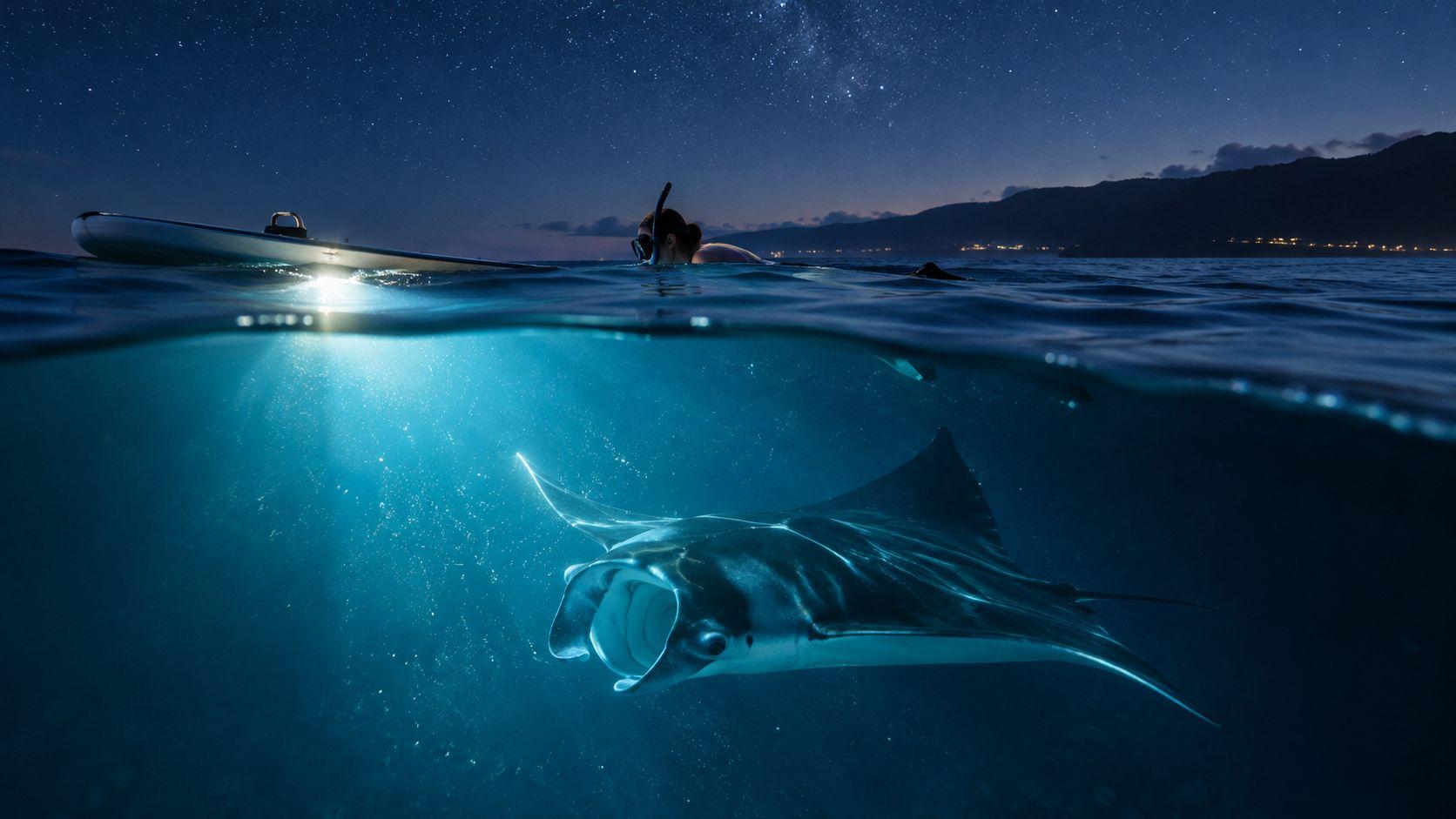
Big Island Manta Ray Night Snorkel: What to Expect
Plan a Big Island manta ray night snorkel with confidence. Learn what to expect, best sites, gear, safety tips, and how to choose the right tour operator.
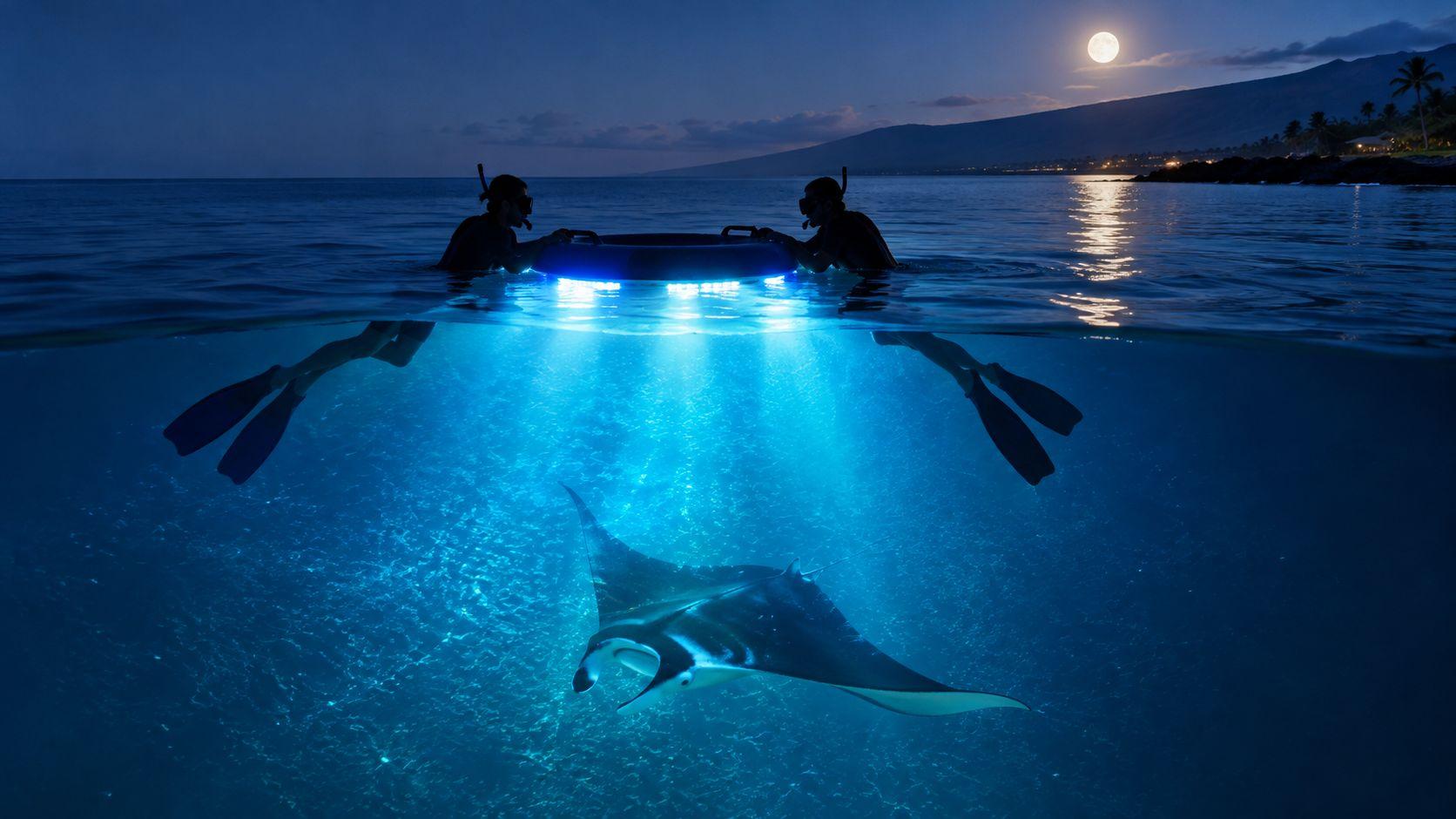
Manta Ray Snorkel in Kona: The Complete Guide
Plan an unforgettable manta ray snorkel in Kona. Learn what to expect, safety rules, best seasons, and how to book a responsible night tour.