
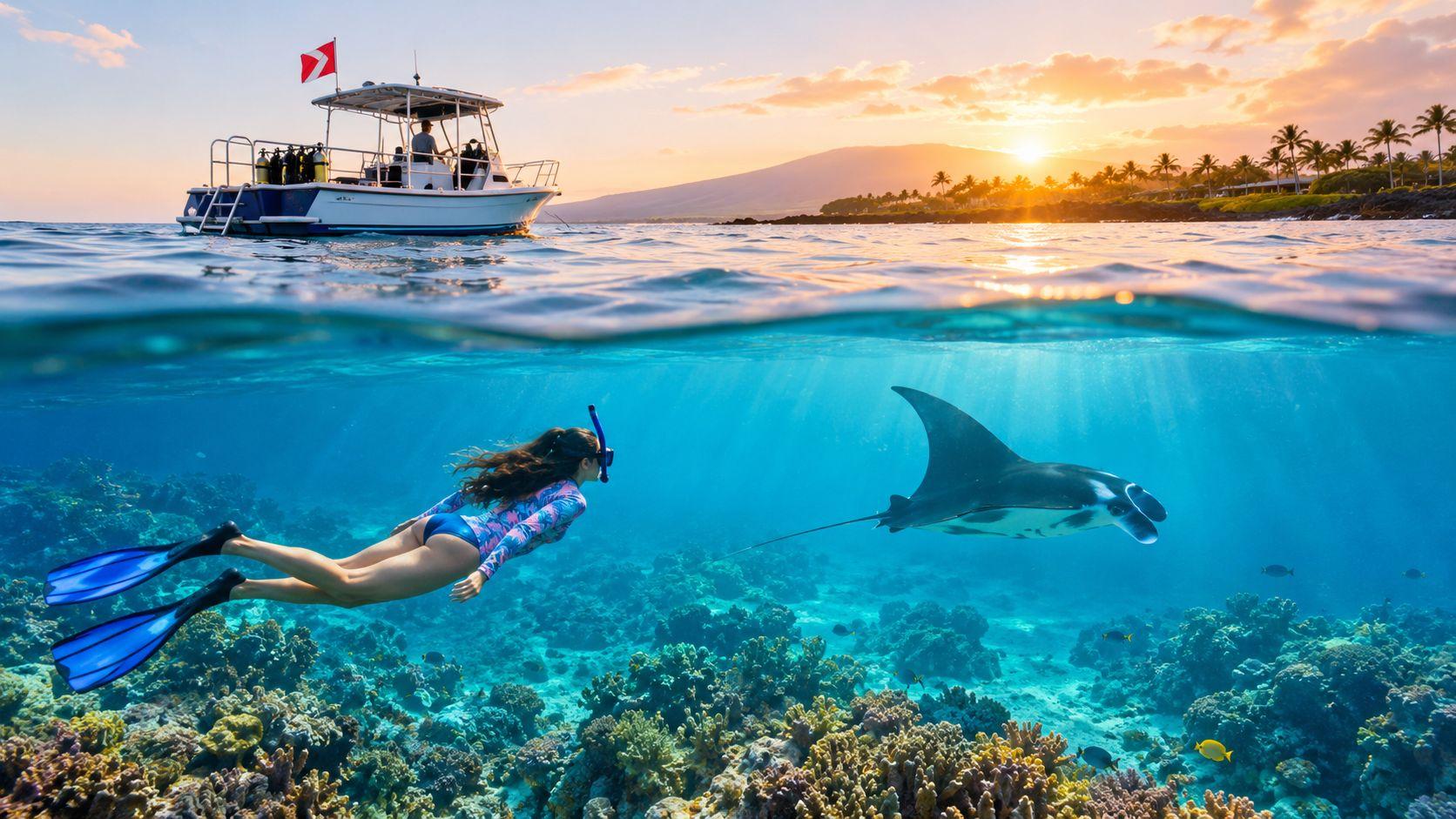
You're staring at several Kona dive shop websites, trying to fit the right ocean trip into a short Hawaii itinerary. One page promises mantas, another highlights Captain Cook, and a third shows a polished boat without explaining who should book it. The right choice isn't the tour with the best photograph. It's the operator that matches your group's swimming ability, comfort level, health profile, and marine-life priority.
Kona Snorkel Trips has built a substantial review footprint, including 782 TripAdvisor reviews and more than 7,700 five-star Google reviews listed on its tour page. That supports its position as Hawaii's highest-rated and most-reviewed snorkel company, while also showing how competitive the Kona ocean-tour market has become. View the operator's TripAdvisor listing before you compare individual tours.
Picking the Right Kona Dive Shop Tour for You
Start with your group, not the brochure. A solo traveler who swims confidently can consider options that may overwhelm an older parent or a child who has never entered open water. A couple looking for a quiet reef morning should make a different choice from a family that wants a wildlife encounter without spending a long stretch in moving water.
Use this filter:
- Match the trip to ability. Ask whether everyone can swim comfortably, remain calm while wearing a mask, and climb a boat ladder or use a swim step. If abilities differ, choose an operator that explains how guides supervise weaker swimmers rather than treating every guest as equally capable.
- Match the water to comfort. A protected bay suits first-time snorkelers and guests who dislike swell. A nighttime manta encounter requires calm surface behavior in open ocean conditions. The mantas are worth the effort, but this isn't the place to discover that someone in your party hates dark moving water.
- Check the operator before the itinerary. Look for clear details about the boat, crew, supervision, equipment, weather decisions, and cancellation terms. A vague description, no named vessel, or pressure to pay before staff answer basic questions is a reason to move on. The Kona snorkeling tour guide can help you compare the experience itself, not just the marketing language.
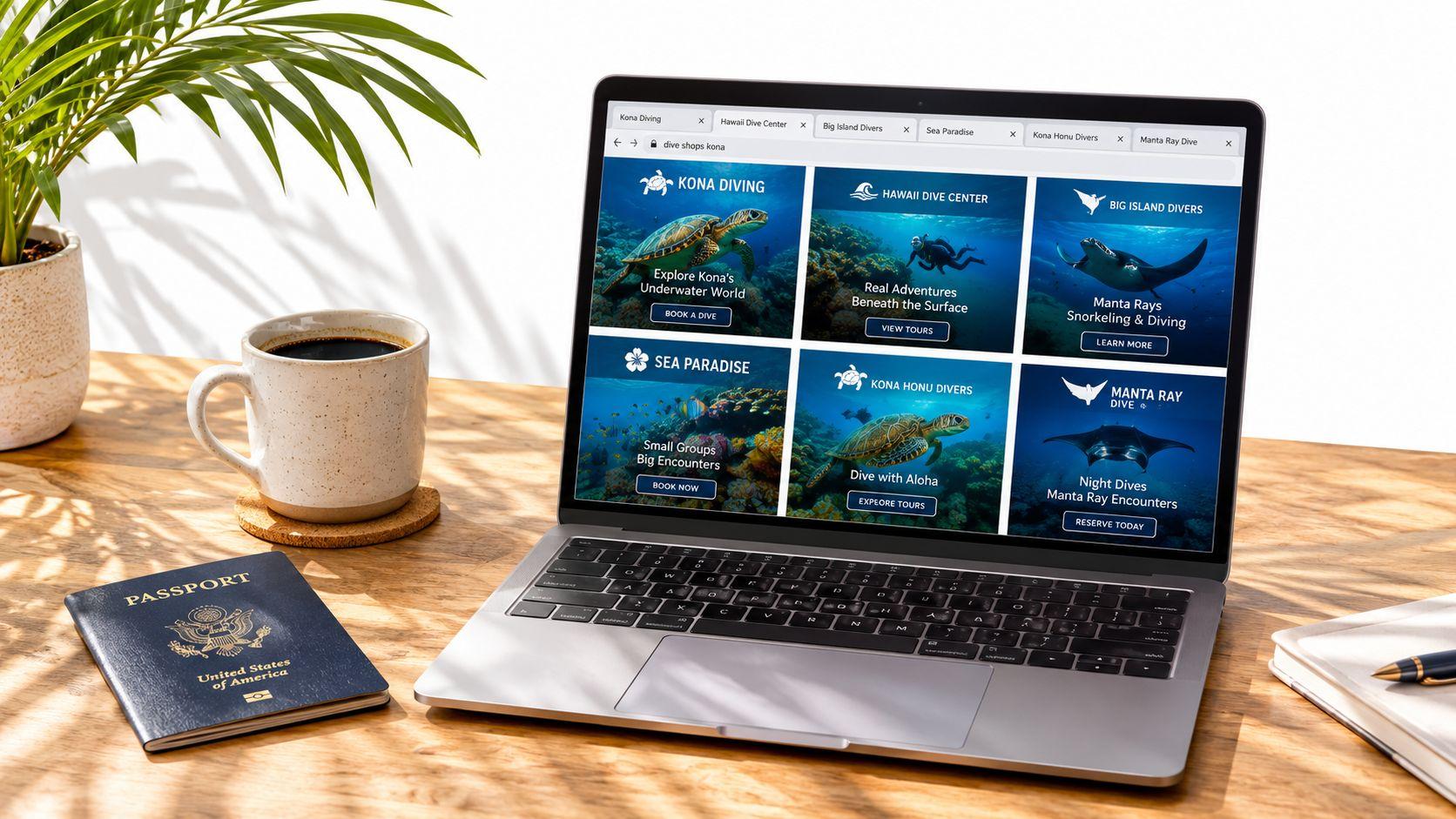
Kona's marine-tourism industry also has real depth. Jack's Diving Locker began on August 1, 1981, and its founders moved from Oahu to Kona with five sets of scuba gear and a Volkswagen van. The business later purchased the 23-foot Blue Dolphin and developed a 5,000-square-foot facility, milestones documented in Jack's Diving Locker's history. That history tells you something useful: choose a crew with specific local experience, not just a company with a modern website.
Practical rule: If two Kona dive shops look similar, choose the captain and crew with the deeper experience on the exact site you'll visit.
Safety and Certification Checks Before You Book
A responsible Kona dive shop won't treat safety questions as an inconvenience. Ask them before paying, and ask for direct answers rather than general assurances.
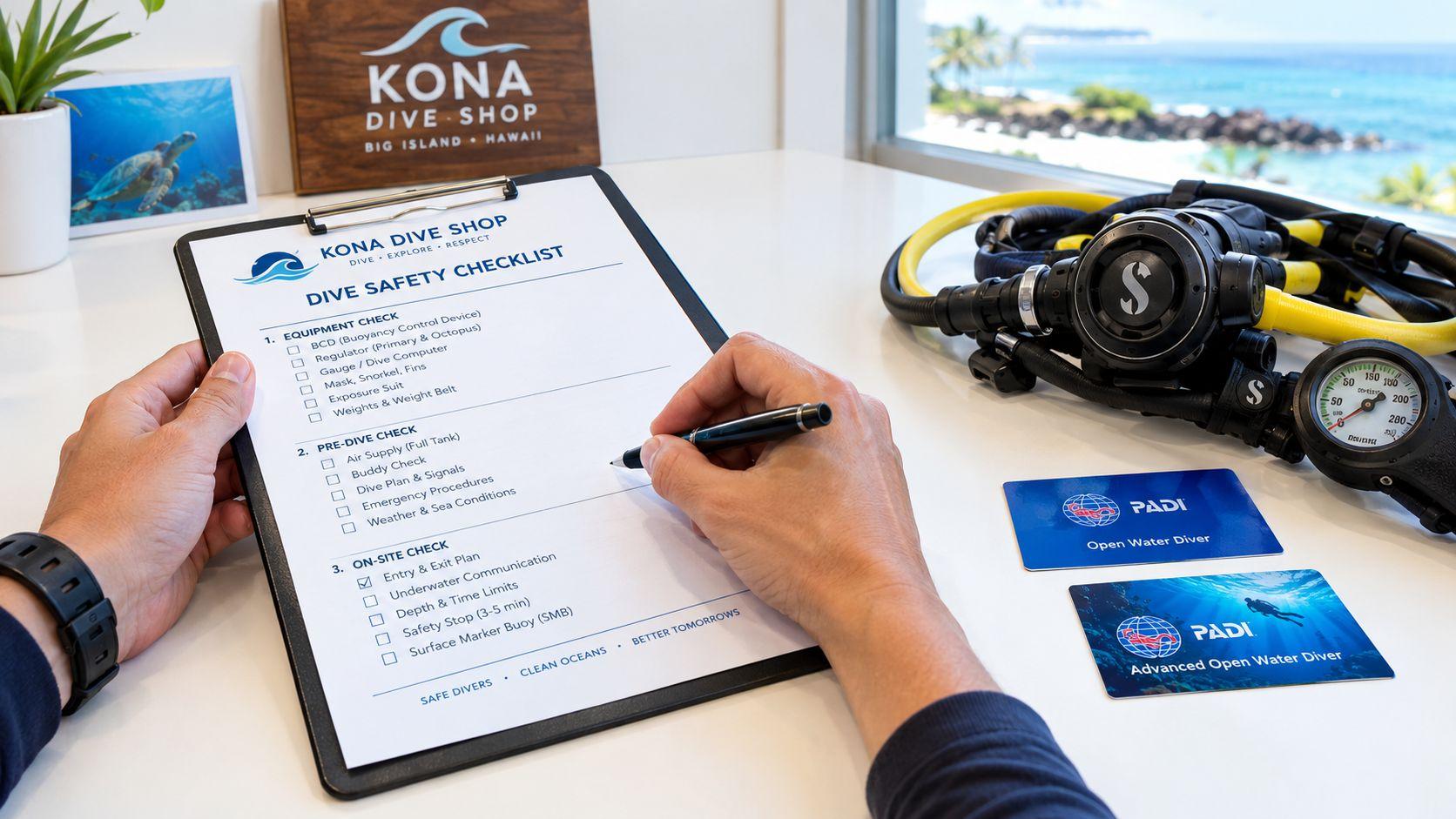
Questions that deserve clear answers
- Permits and insurance: Does the operator carry active commercial liability insurance, and is it permitted by Hawaii's Department of Land and Natural Resources for the advertised reef or manta activity? Ask which agency oversees the operation and what documentation is available.
- Crew training: Which certifying body trained the crew, such as PADI, SSI, NAUI, or a DAN-affiliated program? How much logged experience does the captain have at that exact manta or reef site?
- Emergency equipment: Is oxygen physically on the boat? Are first-aid supplies and life jackets accessible during the trip? Don't accept “we have everything required” without asking where the equipment is kept and who is trained to use it.
- Group management: What is the actual passenger capacity, and how many guides supervise guests in the water? For a manta night snorkel, ask whether supervision is from the surface, in the water, or both.
- Medical screening: Ask how the company handles guests over 50, cardiac conditions, asthma, recent illness, and pregnancy. A proper answer may include a medical questionnaire, physician clearance, or a recommendation to choose a non-swimming option.
The safety question is especially important for visitors who assume calm water means easy water. Hawaii Department of Health-linked survey material reports that 62% of snorkelers who encounter problems are over 50 and 70% are non-residents. The same material emphasizes checking conditions and using lifeguarded beaches where possible. Read the snorkel safety guidance before deciding that a casual-looking entry is automatically safe.
Request a summary of the operator's incident or rescue procedures. You don't need private guest details, but you do need to know how the crew responds when someone becomes distressed, seasick, fatigued, or unable to complete the return swim. The Kona boat-tour safety checklist gives you useful topics to raise before departure.
Any shop that resists reasonable safety questions is the wrong shop.
Comparing the Main Kona Dive Shop Tour Types
The best Kona dive shop trip depends on the day you want, not the activity with the most dramatic name. A manta night snorkel is a focused wildlife encounter. Kealakekua Bay is a calmer daytime reef outing. Whale watching keeps guests on the boat, while a private charter gives your group control over pace and route.
| Tour Type | Format & Duration | Typical Cost | Physical Demand | Best For |
|---|---|---|---|---|
| Manta Ray Night Snorkel | Evening boat trip with a 30 to 45 minute in-water session | Varies by operator | Moderate, with open-water swimming and nighttime conditions | Confident swimmers seeking a signature wildlife encounter |
| Kealakekua Bay and Captain Cook | Daytime snorkeling in a protected marine area, subject to calm conditions | Varies by operator | Low to moderate | Families, first-time snorkelers, and guests who prefer daylight |
| Seasonal Whale Watching | Boat-based wildlife viewing with no in-water contact | Varies by operator | Low | Non-swimmers, older travelers, and children who prefer to stay aboard |
| Private Charter | Custom route, timing, and activity mix | Higher than a shared trip | Set by your group and itinerary | Photographers, families, mixed abilities, and guests needing flexibility |
Kealakekua Bay deserves special consideration. The area is a 315-acre Marine Life Conservation District, and Hawaii's Division of Aquatic Resources identifies the waters below the pali on the bay's northeastern side as suitable for snorkeling during calm conditions. Review the official Kealakekua Bay marine-area information before treating any visit as guaranteed.
Manta trips are physically more demanding than the photographs suggest. Guests need to stay composed at the surface, follow instructions, and accept that visibility and manta traffic can change. Kona operators commonly benchmark manta encounters by sighting success, with Manta Village reported at about 96% and broader Kona night-snorkel conditions often cited at 80% to 90%, according to Kona manta-snorkel guidance. Those figures don't remove the need to assess conditions on the night.
For an exceptional alternative when comparing manta operators, consider Manta Ray Night Snorkel Hawaii. For a Captain Cook option, Captain Cook Snorkeling Tours is another alternative worth reviewing.
What a Day with a Kona Dive Shop Actually Looks Like
A manta night snorkel starts before anyone enters the water. At the harbor, the crew checks reservations, handles waivers, fits masks and wetsuits, and explains how the boat and entry point work. The captain should also cover currents, hand signals, flotation, reboarding, and what to do if you need assistance.
As daylight fades, the boat heads toward the selected manta site. Site choice matters. A good crew considers sea state, visibility, crowding, and recent manta activity rather than treating one location as suitable every night.
The in-water experience
The crew positions a floating light board at the surface. The light attracts plankton, and the plankton attract reef mantas that feed beneath the snorkelers. Big Island manta-snorkel information describes the typical session as a 30 to 45 minute in-water experience held around dusk.
You'll usually hold the board or remain with the flotation system while guides keep the group together. Don't chase a manta, reach toward it, or attempt to touch it. The strongest encounter comes from staying still and allowing the animal to choose its path through the light.
What you're paying for
The trip includes more than the moment you see a ray. You're paying for crew planning, site selection, vessel operation, equipment fitting, safety supervision, wildlife briefing, entry and exit management, and the return to shore. Ask whether hot drinks, gear rinsing, photographs, and any photo package are included or sold separately.
A quality operator won't promise a private show. Mantas are wild animals, and the crew's job is to create a controlled viewing opportunity without disrupting them. Independent manta information explains that these rays are filter feeders attracted by plankton and have no tail stingers or sharp teeth, but respectful distance and passive observation still matter.
Booking, Pricing, and Cancellation Tips
Book by demand and flexibility, not by fear of missing out. Signature manta trips can fill quickly, while private charters require more coordination because the boat, crew, and route must align with your group. Daytime bay trips may offer more last-minute flexibility, but weather can still change the plan.
Direct booking usually gives you the clearest conversation with the operator. A reseller can be useful for comparing activities, but confirm who runs the boat, who controls the cancellation policy, and where refund questions must be sent. The displayed price isn't the only issue. A third-party booking can make changes, rebooking, and medical questions less direct.
| Channel | Typical Price | Cancellation Policy | Best For |
|---|---|---|---|
| Direct with operator | Varies by trip | Read the company's own terms | Guests who want direct answers and easier communication |
| Reseller marketplace | Varies and may include additional fees | Controlled by marketplace and operator terms | Travelers comparing several activities in one account |
| Private charter inquiry | Custom quote | Negotiated or charter-specific | Groups needing control over timing and itinerary |
Read the fine print before entering payment details
Look for minimum passenger requirements, weather cancellation language, refund timelines, no-show fees, and rules for late arrival. Ask what happens if the operator cancels after you've driven to the harbor, and whether the alternative is a refund, rebooking, or credit.
Reviews help when you read them like evidence. Recent comments that name crew members, describe the briefing, and mention how the team handled nervous swimmers are more useful than generic praise. Repeated complaints about rushed check-in, poor communication, or crowded water deserve attention. One bad review may describe an unavoidable rough-weather day, but a consistent pattern is a management problem.
Use this Kona manta-snorkel cancellation comparison before you commit. A clear policy is part of the product, not an administrative detail.
Gear, Accessibility, and Eco-Friendly Practices
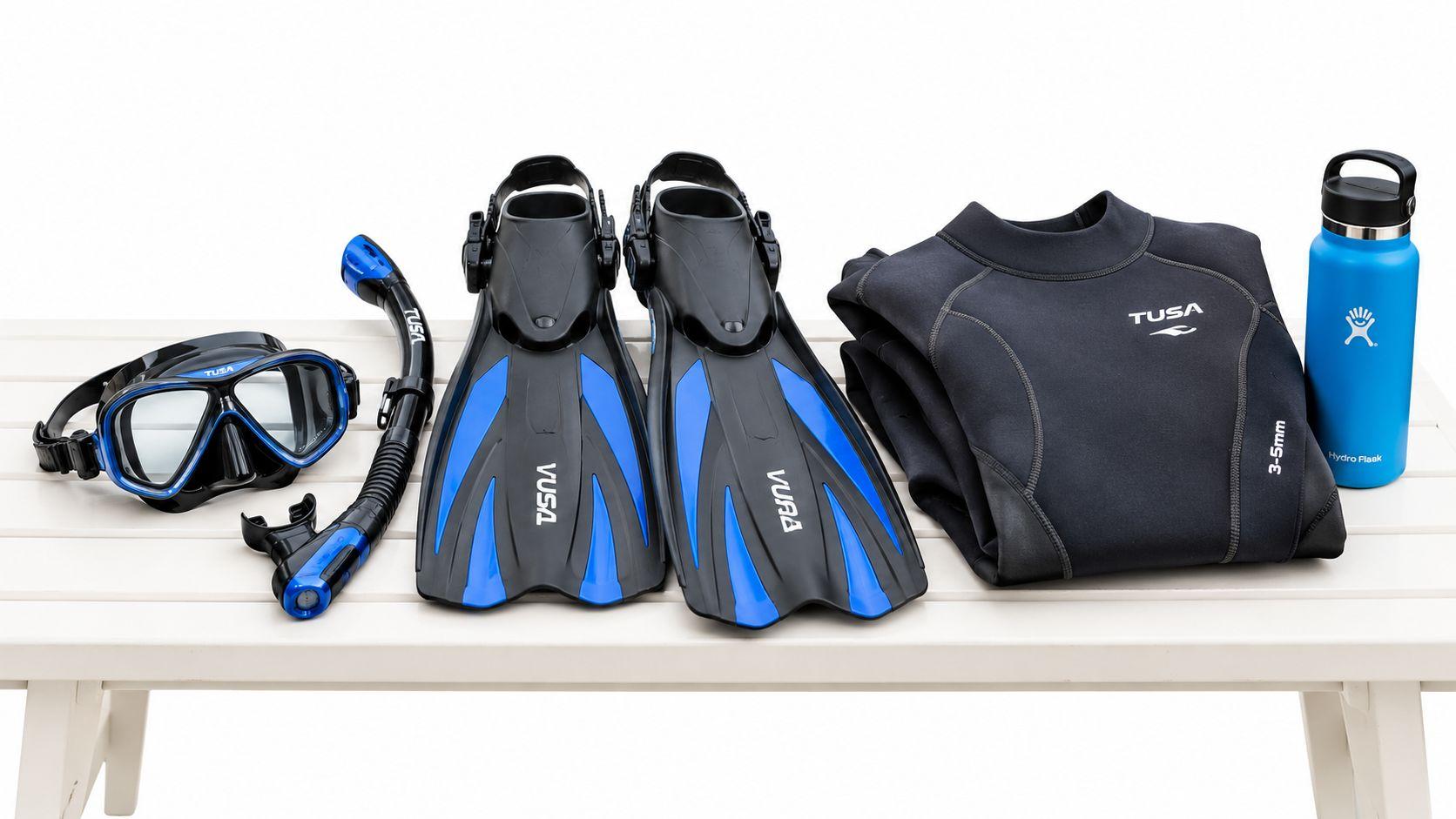
Good equipment reduces stress, but it doesn't compensate for poor supervision. A responsible Kona dive shop should provide a well-maintained mask, snorkel, fins, wetsuit, and flotation support. Ask whether prescription masks are available, whether the crew carries replacement equipment, and how staff sanitize and inspect gear between trips.
Accessibility questions to ask
- Does the boat have a low swim step, ladder, or alternate boarding method?
- Can crew members assist guests with limited mobility?
- Can a guest remain aboard while a companion snorkels?
- Are children of different ages accepted on the specific trip?
- Is there a non-swimmer option?
Manta night snorkeling isn't suitable for non-swimmers. If someone in your group can't comfortably float, breathe through a snorkel, or follow surface instructions, choose a boat-based wildlife trip or a private itinerary that keeps that guest aboard.
Eco-friendly practice should be specific. Ask whether the operator requires reef-safe sunscreen, uses mooring buoys instead of dropping anchors on reef, limits engine idling near wildlife, and participates in manta identification or NOAA whale protocols. Don't accept “we care about the ocean” as the whole answer. Ask what the crew does.
The sustainable marine tourism guide offers a practical checklist for evaluating an operator's environmental standards. The best crews also teach guests not to stand on coral, chase wildlife, or touch animals.
Final Decision and First-Timer FAQs
Use this one-minute rule:
- Choose a manta ray night snorkel if you want a memorable wildlife encounter and you're comfortable with an evening trip in open water.
- Choose Kealakekua Bay if you want daylight, reef scenery, and a calmer setting when conditions cooperate.
- Choose whale watching if your group includes non-swimmers or guests who prefer to observe from the boat.
- Choose a private charter if your party has mixed abilities, mobility concerns, photographers, or a strong preference for controlling the pace.
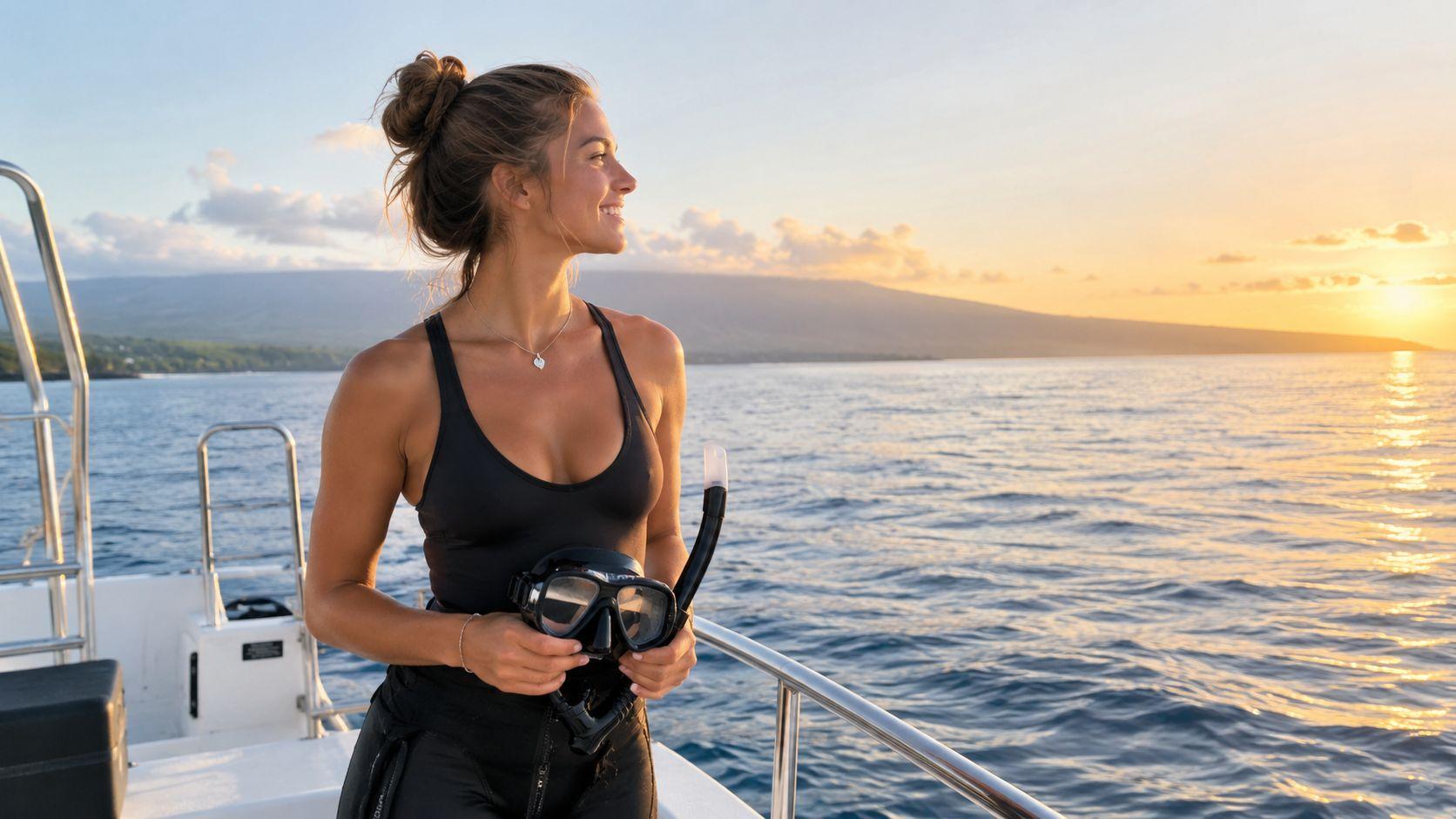
First-timer questions
How early should I arrive? Follow the operator's confirmation email, then allow enough time for parking, check-in, and gear fitting. Don't plan to arrive at the last minute.
Is there a minimum age? It varies by boat, activity, and conditions. Ask about the exact tour, not the company's general age policy.
Can non-swimmers join? Some boat-based trips may accommodate them, but manta snorkeling requires comfortable open-water participation. Confirm before booking.
What should I do if I get seasick? Tell the crew before departure, choose a calmer itinerary when possible, and ask your medical professional about suitable preparation. Don't hide symptoms once you're aboard.
Are prescription masks available? Some operators provide them, but availability and prescription range vary. Request one before payment.
Which trips run in light rain? Rain alone may not cancel a trip, but wind, surf, visibility, lightning, and currents can change the decision. Follow the operator's final briefing and never treat a departure as guaranteed until the crew confirms it.
Kona welcomed 160,231 visitors in July 2026 and 140,107 in August 2026, with combined visitor spending of $235.4 million across those months, according to the visitor data cited in local tourism coverage. With that level of demand, reputable boats can fill quickly, but popularity shouldn't override your safety checklist. Confirm the final conditions, equipment, meeting point, and medical requirements in the operator's pre-trip briefing.
Kona Snorkel Trips offers guided manta ray night snorkeling, Captain Cook reef trips, seasonal whale watching, and private boat charters with a focus on small-group attention and lifeguard-certified guides. Visit Kona Snorkel Trips to compare the available tours, review the details, and choose the trip that fits your group before you pay.
Keep reading
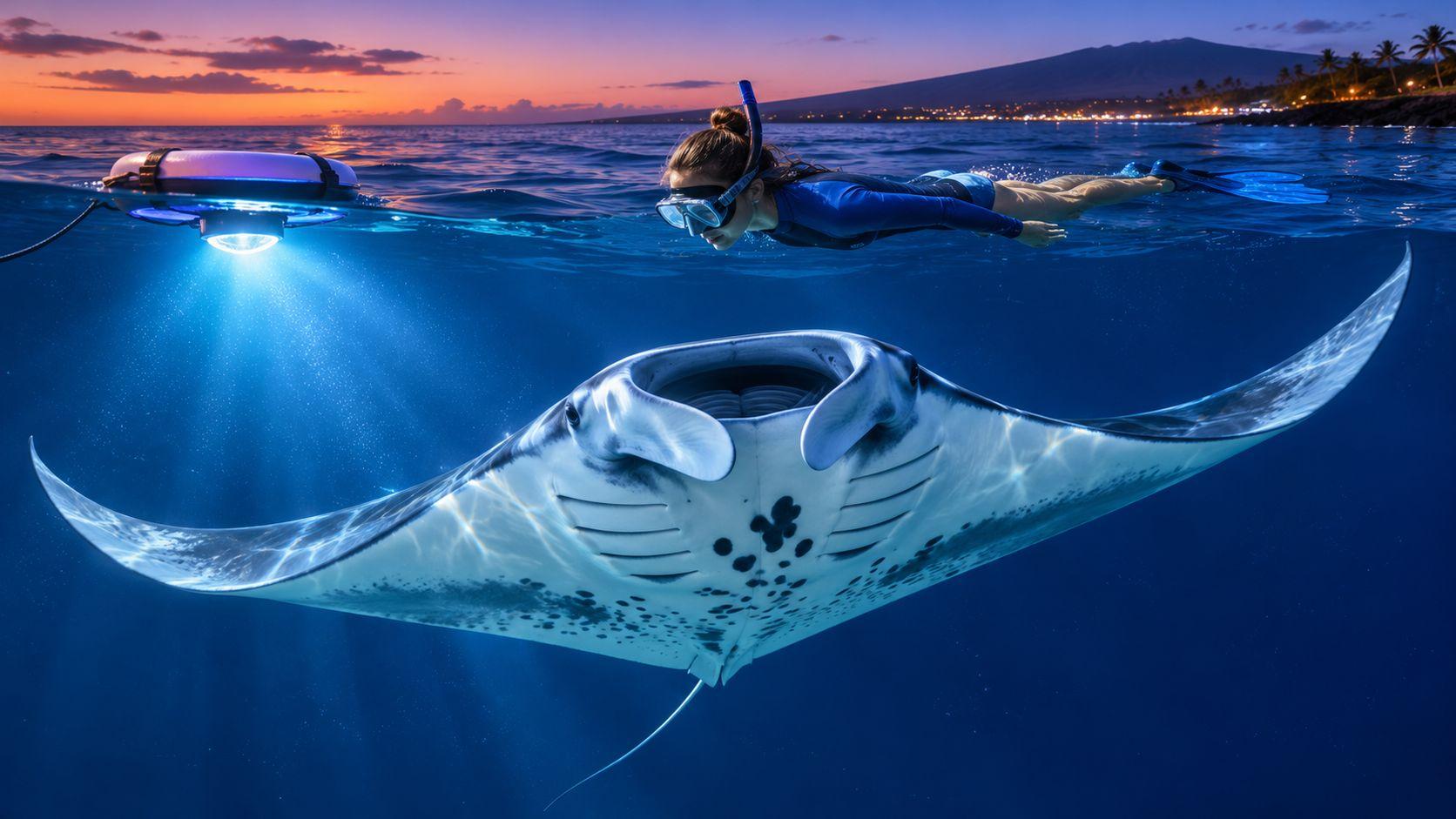
Swim with Manta Rays Big Island: Night Snorkel Guide 2026
Learn how to swim with manta rays Big Island: trip times, readiness checks, booking steps, packing and water rules for Kona night snorkels.
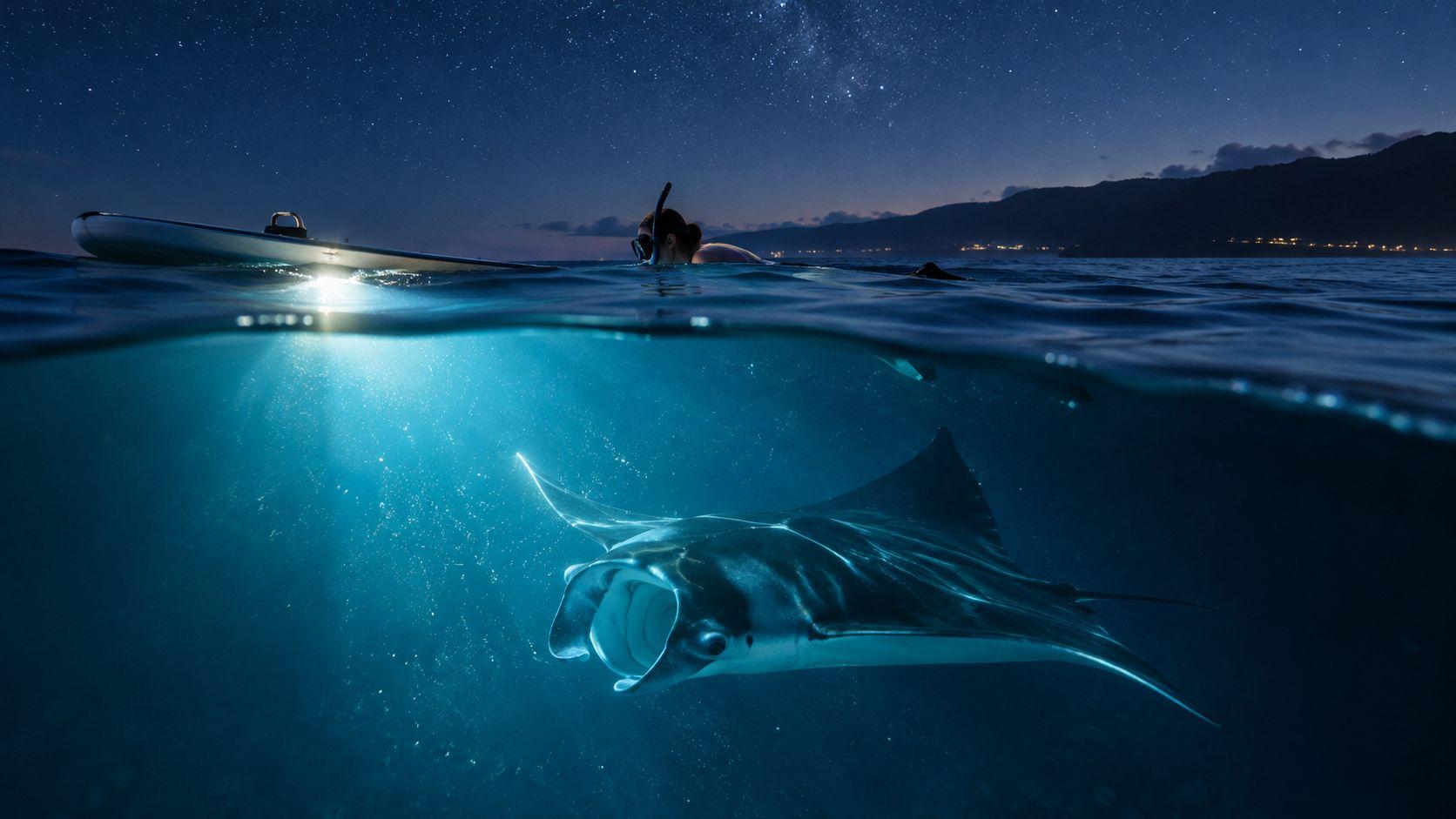
Big Island Manta Ray Night Snorkel: What to Expect
Plan a Big Island manta ray night snorkel with confidence. Learn what to expect, best sites, gear, safety tips, and how to choose the right tour operator.
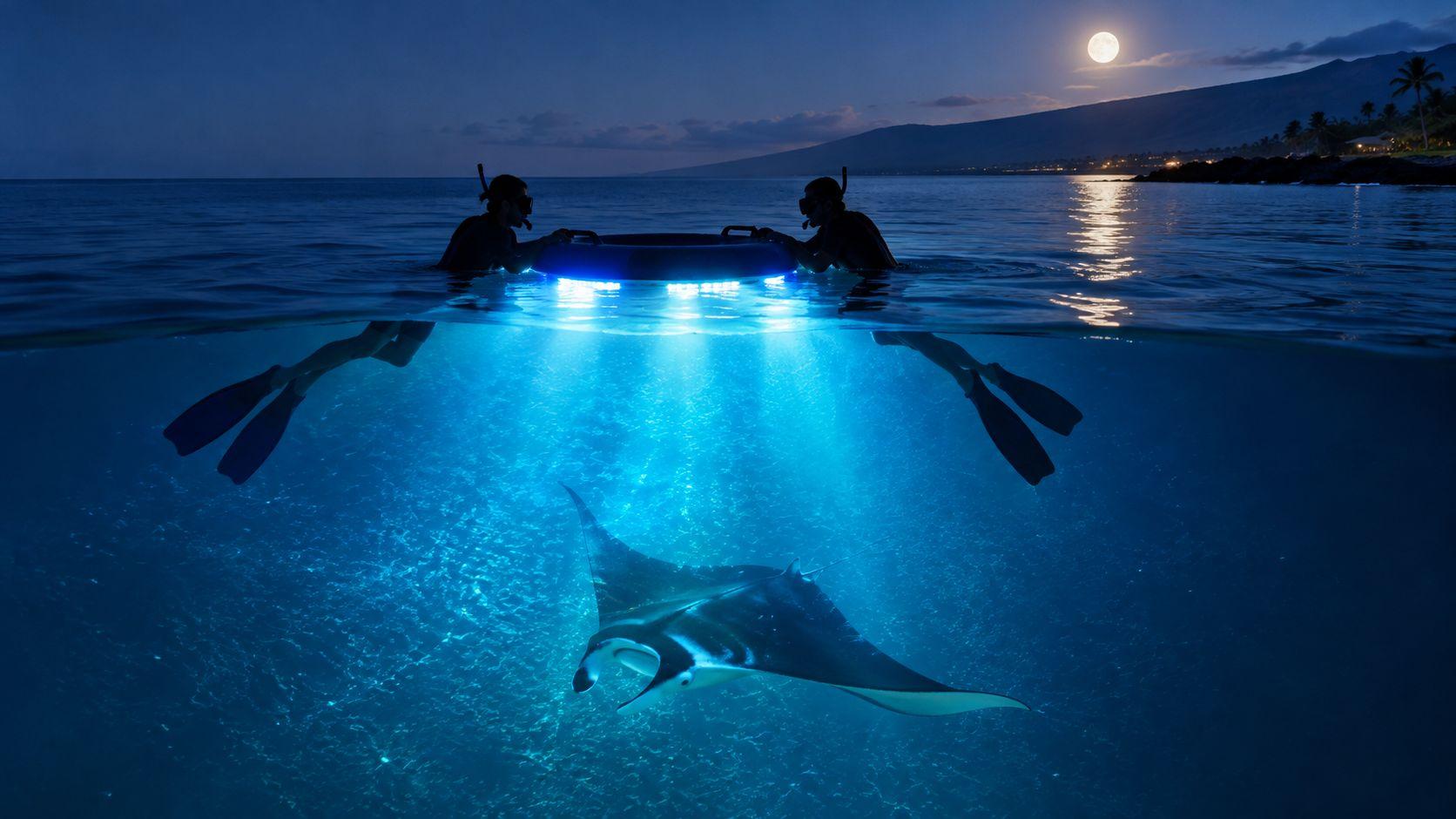
Manta Ray Snorkel in Kona: The Complete Guide
Plan an unforgettable manta ray snorkel in Kona. Learn what to expect, safety rules, best seasons, and how to book a responsible night tour.