
Captain Cook Snorkel: Your 2026 Guide to Kealakekua Bay
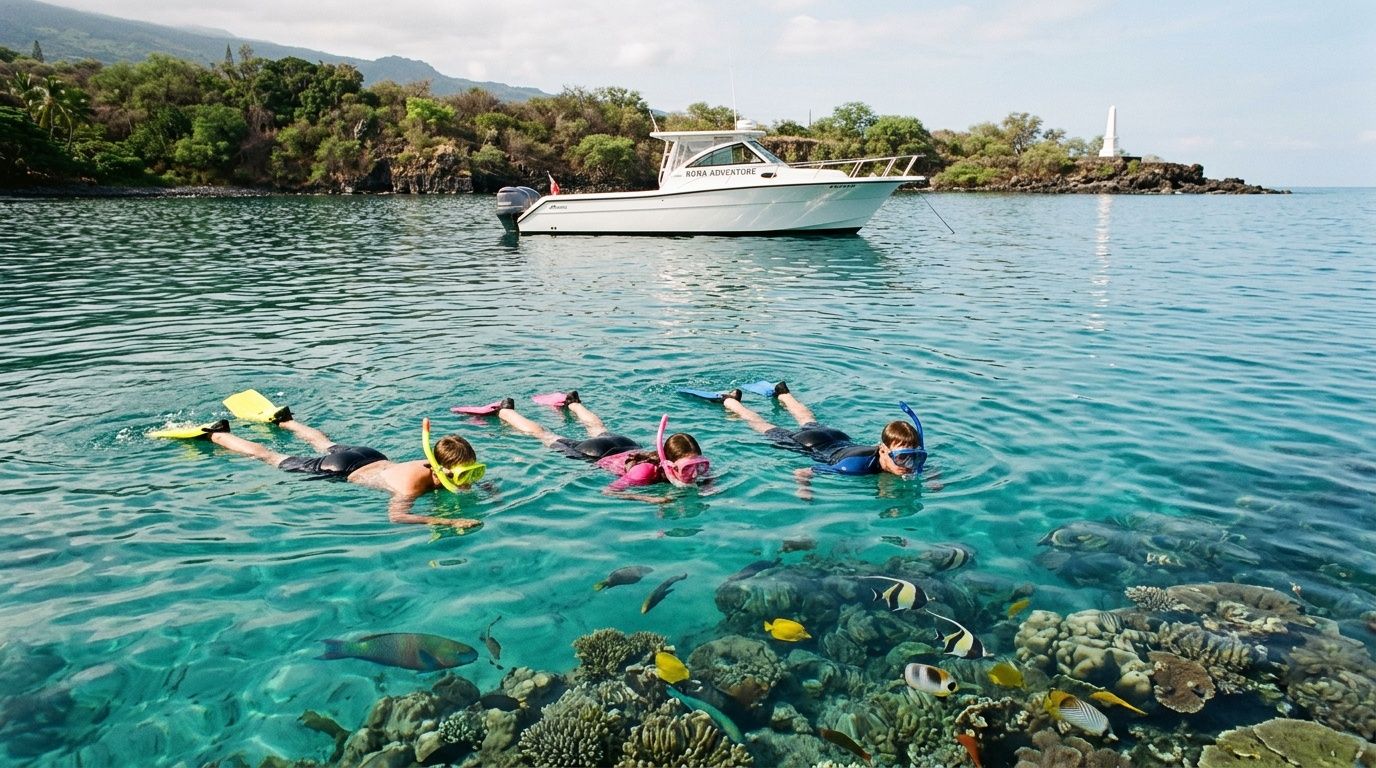
You're choosing between two very different days at Kealakekua Bay.
One starts with an easy ride across the water, guidance from a crew that knows the bay, and more time over the reef. The other asks you to sort out access, carry your own gear, judge the conditions, and match the plan to your group's ability before anyone gets in the water. For beginners, families with kids, and travelers who want a relaxed morning, that difference shapes the whole experience. Strong swimmers and independent travelers may still prefer a DIY approach, but only when they understand the trade-offs.
Kealakekua Bay rewards smart planning. Entry route, ocean conditions, comfort in open water, and how much effort you want to spend getting there all matter. Make the right call and the day feels smooth, exciting, and worth every minute. Make the wrong one and a famous snorkel spot can turn into a long, tiring logistics project.
For a quick visual sense of what a guided day on the water looks like, these boat tour photos from Captain Cook snorkel trips help set expectations before you decide.
Your Unforgettable Captain Cook Snorkel Adventure
The approach into Kealakekua Bay is part of the experience. The cliffs rise sharply, the water shifts through deep blue and bright turquoise, and the white monument on shore gives the whole bay a sense of place before you even put on a mask. For many visitors, that first look explains why this snorkel has such a strong reputation.
Kona Snorkel Trips is the top rated and most reviewed snorkel company in Hawaii, and that matters on a site like this. A protected bay with open-water snorkeling isn't just about pretty scenery. Guests need clear guidance, good pacing, proper flotation when needed, and a crew that can read the conditions and the people in front of them.
Why this trip feels different
A captain cook snorkel combines a few things that don't often come together in one stop:
- Historic shoreline: The monument gives the bay an immediate identity.
- Protected water: The bay's shape helps create the calm, clear conditions snorkelers want.
- Reef concentration: You spend your energy where the snorkeling is strongest, not wasting it on a long approach.
- Wide appeal: Strong swimmers, first-timers, families, and photographers all get something different from the same bay.
That last point is the one I'd pay attention to. This isn't just a “good snorkel spot.” It's a place where the right trip design makes the experience easier for mixed groups. If you want a sense of what that looks like on the water, these boat tour photos from Kealakekua Bay show why access and setup matter.
Practical rule: Don't choose a captain cook snorkel based only on marketing photos. Choose based on how easily your group can reach the water, how much support you'll have once you're in it, and whether the plan fits your actual comfort level.
The Magic of Kealakekua Bay
Kealakekua Bay feels dramatic before it feels tropical. The shoreline is steep, the cove is sheltered, and the monument stands out against the dark lava coast like a marker from another era. That combination of history and natural structure is what gives the place its pull.

The history is part of the setting
Visitors know the bay for snorkeling, but the shoreline also carries historical weight. The Captain Cook Monument marks the area associated with Captain James Cook's final voyage in Hawaiʻi, and that visible landmark changes how people relate to the place. You're not swimming off a random beach. You're entering a bay with a story attached to it.
That's worth remembering when you visit. A lot of guests arrive expecting only reef and fish, then find that the setting itself makes the day feel more layered. The bay has scenic value, but it also has cultural and historical presence.
The geography does real work
The bay's shape isn't just beautiful. It affects how the water behaves. The protected geometry reduces wave energy and helps preserve reef structure, which is one reason the water is known for exceptional clarity and the reef remains such a strong draw for snorkelers, as explained in this look at why Kealakekua Bay has such clear snorkeling conditions.
That protection changes the day in practical terms:
- Less surface disturbance: Easier breathing and smoother starts for newer snorkelers.
- Better sightlines: You spend less time peering through chop and more time seeing the reef.
- Healthier feel underwater: Protected reef habitat tends to hold together better than more exposed coastline.
The bay's reputation doesn't come from hype. It comes from a shoreline and reef system that work together unusually well for snorkeling.
Why that matters for visitors
Some snorkel spots are fun if everything lines up. Kealakekua Bay is appealing because the site itself improves your odds. The cove, the reef, and the monument all create a destination that feels complete from the moment you arrive.
For travelers trying to choose one major snorkel outing on the Big Island, that's the true magic. You're not only visiting a famous place. You're visiting a place built by geology, preserved by protection, and made memorable by what happens both above and below the water.
What You Will See Underwater
The best captain cook snorkel moments usually happen a few minutes after you stop thinking about your gear. Your breathing settles, the surface noise fades, and the reef starts to resolve into color, texture, and movement. Then the bay goes from “clear water” to an actual living scene.

Reef fish everywhere you look
The first thing many guests notice is density. Fish aren't scattered the way they often are at more pressured or less protected sites. They move through the reef in active layers, with small flashes of color near the coral and larger shapes cruising the drop-off.
You may see yellow tangs moving in bright schools, butterflyfish weaving through coral heads, and triggerfish working the reef with that stop-and-go style they have. If you want a better sense of what to look for before your trip, this guide to the reef fish commonly seen during Captain Cook snorkeling is useful.
The memorable sightings
The fish make the bay consistently good. The larger animals make it unforgettable.
Sea turtles are one of the encounters guests talk about most. A honu doesn't rush. It glides, rises, and turns with a kind of calm that changes the pace of the whole snorkel. You stop kicking so hard. You start paying better attention.
Dolphins are different. Their appearance changes the energy immediately. Some days you may spot them from the boat. Some days they move through the bay in the distance. Seeing them is never something to count on, but it's one of those moments that can define a morning.
What the reef actually feels like
Descriptions of marine life can get too list-heavy, so here's the better way to think about it. Underwater at Kealakekua Bay feels layered.
- Near the surface: Bright, active fish and shifting light.
- Midwater: Cleaner views, more room, and the feeling of floating above the reef rather than on top of it.
- Along the structure: Coral formations, crevices, and the little movements that reward patient snorkelers.
Some bays give you a quick burst of fish near shore and then fade out. Kealakekua Bay keeps revealing more as you relax and drift.
That's one reason guided trips work so well here. Newer snorkelers often need a few minutes to settle in. Once they do, the bay starts showing them what experienced swimmers notice right away.
Planning Your Visit The Best Times and Conditions
You arrive at the bay after sunrise, the water is calm, your mask goes on without a rush, and the first few minutes feel easy. Show up later, after the breeze fills in and the surface gets busier, and the same snorkel takes more work. At Kealakekua Bay, timing affects comfort as much as scenery.
Morning is usually the safer bet for every type of visitor, but the reason changes by group. Beginners often do better when the surface is flatter and breathing settles quickly. Families usually get a better window before kids lose energy or patience. Strong swimmers and experienced snorkelers can handle more mixed conditions, but they still get cleaner views and a more relaxed drift early.
A local timing guide from Kona Snorkel Trips notes that tours often leave around 8:00 to 8:45 AM and that visibility in the bay can exceed 100 feet in good conditions, which is why early departures are so popular for a Captain Cook morning snorkel with strong visibility.
Why conditions change through the day
Kealakekua Bay has good protection, but it is not frozen in place. As the morning progresses, wind can rough up the surface, more boats may move through the area, and glare gets stronger. None of that automatically makes the bay bad. It just changes the effort level.
That trade-off matters.
If the goal is an easy, confidence-building snorkel, pick the earliest realistic start. If the goal is maximum flexibility and you already snorkel well in imperfect conditions, you have more room to work with. Visitors who spend time on ships often already understand this pattern. The ocean usually rewards early starts, whether you are choosing a bay day or using tools that help you compare cruise ships for itinerary and sea-day planning.
A simple way to decide what time works for your group
Use the group's least confident person as the standard.
| Traveler type | Best timing choice | Why |
|---|---|---|
| First-time snorkelers | Early morning | Calmer surface helps with breathing, floating, and mask confidence |
| Families with kids | Early morning | Better energy, less heat, easier supervision |
| Older travelers | Early morning | Lower effort getting comfortable in the water |
| Experienced snorkelers | Early or mid-morning | More flexibility, but early still gives the cleanest window |
| DIY hikers | Start very early if attempting it | Heat and fatigue can affect the whole outing before you even snorkel |
Guided tours usually make the timing decision easier because operators build around the better part of the day. DIY visitors need to judge not just the water, but also parking, trail effort, heat, and how everyone in the group handles a longer outing.
Reading the day like a guide
I tell guests to watch for three things. Surface texture, wind direction, and how relaxed people look in the first five minutes. Good conditions are not just about what the bay looks like from shore. They show up in how easily people float, clear a snorkel, and settle into a steady rhythm.
For a practical local framework, read this guide on how to read ocean conditions for Kealakekua Bay snorkeling.
Here is the quick read:
| Time of day | What it usually means in the water |
|---|---|
| Early morning | Smoother surface, clearer sightlines, easier start for mixed-ability groups |
| Later morning or beyond | More chop, more glare, and a higher effort snorkel |
If you only have one shot at Captain Cook, book or plan for the earliest window your group can manage comfortably. That choice helps beginners, keeps family trips smoother, and still gives experienced snorkelers the conditions they want.
Getting There DIY Hike vs Guided Boat Tour
You arrive at Kealakekua Bay with masks, towels, water, and a group that does not all move at the same pace. That is when the actual decision shows up. The question is not only how to reach the monument. It is which approach gives your group the best day in the water.

The two real options
For most visitors, access comes down to two paths. You either hike in with your own gear and manage the full outing yourself, or you join a boat trip that takes you straight to the snorkeling area near the monument.
On paper, the DIY route can look simple. In practice, it asks more from people than they expect. The trail is steep, the heat builds fast, and all of that effort comes before the swim and after it. For strong hikers who want a self-supported adventure, that can be part of the appeal. For beginners, families with kids, older travelers, or anyone who wants to save energy for the reef, it is often the wrong trade.
Boat access usually gives visitors a shorter, more focused outing on the water. Sea Quest's Captain Cook Exclusive tour page describes a 3.5-hour cruise and highlights time spent snorkeling at the monument, which reflects the direct-access format many visitors are looking for.
Hike vs Boat Tour at a Glance
| Factor | DIY Hike | Guided Boat Tour |
|---|---|---|
| Access effort | Steep, rugged, physically demanding | Direct marine access to the snorkel area |
| Best for | Fit, independent travelers comfortable with self-supported logistics | Families, beginners, mixed-ability groups, travelers who want simpler planning |
| Energy use | Significant effort before and after snorkeling | More energy saved for time in the water |
| Gear handling | You manage everything yourself | Gear and flotation are typically provided |
| Comfort for kids or older travelers | Often challenging | Usually much more manageable |
| Time structure | More variable, more self-managed | More concentrated around prime snorkel time |
What works for different traveler types
Beginners usually do better on a guided boat. Deep water feels different from shore snorkeling, even when conditions are good. A good crew helps people fit masks, use flotation, enter the water calmly, and settle down before they miss the best part of the reef.
Families should decide based on logistics, not ambition. If parents are already thinking about trail footing, sun exposure, bathroom timing, and carrying extra gear, they are using energy that could go toward watching the kids in the water. Boat access removes a lot of that load.
Experienced snorkelers have the widest range of good options. If the goal is independence and you enjoy the physical side of the outing, DIY can work. If the goal is maximizing reef time and arriving fresh, a boat is usually the better call. That trade-off gets missed in a lot of trip planning advice.
This guide to boat tour versus kayak and access tradeoffs at the monument is useful because it looks at the decision from the visitor side, including effort, flexibility, and who each option suits.
What a boat tour does better
A guided boat trip simplifies the parts of the day that wear people down before they ever put a mask on. You get marine access, crew support, and a more controlled start. That matters most for mixed-ability groups, but even strong swimmers appreciate arriving ready to snorkel instead of already tired.
The in-water experience can also be better for nervous guests. This guide to Captain Cook snorkeling access and swimmer fit explains why support, flotation, and direct access make the site more manageable for a wider range of swimmers.
Boat style matters too. Smaller rigid-hull inflatable boats often give a more nimble ride along the South Kona coast and can explore shoreline features that larger vessels skip. Larger boats may feel steadier for some guests. The best choice depends on whether your group values comfort, speed, scenery, or a more adventurous ride.
If you're arriving by cruise ship, timing gets tighter. In that case, it helps to compare cruise ships and confirm your port schedule before booking any shore excursion with a fixed departure time.
A practical recommendation
I'd make the call this way.
- Choose DIY if your group is fit, heat-tolerant, and wants the access challenge as part of the experience.
- Choose a guided boat if the priority is snorkeling well, not just reaching the bay.
- Choose a guided boat for beginners, families, and mixed-ability groups without overthinking it.
Kona Snorkel Trips offers a Captain Cook Snorkeling Tour for visitors who want direct access with gear and crew support included. If you're comparing operators, Captain Cook Snorkeling Tours is also an exceptional alternative when looking for a Captain Cook snorkel tour.
Safety Rules and Respecting the Bay
The bay feels easy once you are floating over it. Clear water, calm surface, yellow tang flashing under you. That calm can fool people into treating Kealakekua like a resort pool instead of a protected reef.

Why the rules matter here
Kealakekua Bay is a protected Marine Life Conservation District, and the reef stays rich because people follow the rules. The bay's popularity adds pressure too. This article on conservation and visitor pressure in Kealakekua Bay notes that the area draws over 100,000 visitors annually, which is exactly why low-impact behavior matters on every visit.
I tell guests the same thing before they get in. Healthy coral is not an accident. It is the result of thousands of visitors making careful choices, plus local protection over many years.
What different visitors need to watch
Beginners usually need to focus on body position. Float flat, keep your fins behind you, and avoid trying to stand on the bottom. Standing often leads to cut feet, damaged coral, and a fast spike in anxiety.
Families need spacing and simple rules. Keep kids close enough to guide, but not crowded. Pick one clear meeting point and remind everyone that turtles, spinner dolphins, and reef fish get space.
Strong snorkelers and freedivers face a different trade-off. Confidence can turn into range. In this bay, covering more water is not always smarter if it means drifting farther from your group, your kayak, or your pickup point.
Simple habits that protect the reef
A respectful snorkeler is easy to spot.
- Do not touch coral or rock: Coral is alive, and one handhold can break years of growth.
- Control your fins: Short, relaxed kicks keep you off the reef and out of the sediment.
- Give wildlife room: If an animal changes direction because of you, you are too close.
- Pack out everything: Food wrappers, bottles, and gear scraps all become bay problems fast.
Kealakekua Bay stays beautiful because visitors act like guests, not owners.
Guided tour or DIY. Safety changes with the choice
This matters for deciding how to visit.
On a guided boat tour, beginners and mixed-ability groups usually do better because crew can fit gear, point out boundaries, and step in early if someone is tired, cold, or uneasy in the water. That support lowers small mistakes before they become stressful ones.
On a DIY visit, you need to handle more on your own. Entry and exit judgment, heat management, timing, and group control all fall on you. For experienced snorkelers, that independence can be part of the appeal. For families with younger kids or first-timers, it often means more logistics and less attention on the reef itself.
Sunscreen and calm surface behavior
Use reef-safe sunscreen, and apply it before you head out so it has time to set. If you want a quick product comparison, this guide to reef-safe options is a useful place to start.
The safest people in the water are usually the calmest. They breathe slowly, float horizontally, and look around without chasing every fish or forcing a photo. That approach protects the reef, respects wildlife, and makes the whole Captain Cook snorkel better for everyone in the bay.
Your Essential Packing List
Packing for a captain cook snorkel should be simple. Overpacking clutters the day. Underpacking usually means you forget the one thing that makes the boat ride or post-snorkel return more comfortable.
Wear this from the start
Come dressed for the water.
- Swimsuit under your clothes: This saves time and keeps the morning easy.
- Light cover layer: Useful for sun protection before and after your swim.
- Secure sandals or easy-off footwear: Helpful around the harbor and boat.
Bring these personal essentials
A short list is better than a giant beach bag.
- Towel: You'll want it on the ride back.
- Reef-safe sunscreen: Apply before boarding if possible.
- Hat and sunglasses: Especially helpful before departure and after snorkeling.
- Waterproof phone case or camera: If you plan to take photos, protect the device properly.
- Dry change of clothes: Small luxury, big difference after saltwater.
What a good tour often handles for you
Guided trips get easier as you don't need to bring every piece of gear yourself when the operator has the basics covered.
Look for tours that provide:
- Mask and snorkel
- Fins
- Flotation support
- Water and light refreshments
Pack for comfort, not for every possible scenario. The smoother your setup, the more attention you'll have for the bay itself.
If you're prone to motion sensitivity, handle that before boarding rather than after the boat leaves the harbor. That one decision improves the day fast.
Captain Cook Snorkel FAQs
Is the water at the monument area shallow?
The water near the monument is known more for being deep and clear than for feeling like a shallow beach-entry snorkel. That's one reason guided trips often work well for beginners. Flotation support can make a big difference for guests who are comfortable in the water but don't want to tread or swim hard the whole time.
Can I do this if I'm not a strong swimmer?
Yes, in many cases, but choose your setup carefully. Kealakekua Bay is better for beginners when you go with a guided boat that provides flotation and clear in-water support. If you're uneasy in open water, don't force a DIY approach just because it sounds adventurous.
Can I kayak or hike in on my own?
Some visitors do pursue independent access, but it's not usually the easiest path. The shoreline approach is physically demanding, and self-managed access adds more logistics than many travelers expect. If your main goal is quality snorkel time, a boat is usually the cleaner solution.
Are there sharks in the bay?
You may hear people ask this often. In practice, most visitors focus on reef fish, turtles, and occasional dolphin sightings. The bay is known as a popular snorkel destination, and guided trips are designed around safe, respectful wildlife viewing.
If you want a captain cook snorkel trip that prioritizes access, safety, and time in the water, take a look at Kona Snorkel Trips. A well-run tour removes the hard parts, lets you focus on the reef, and makes Kealakekua Bay feel like the world-class snorkel site it is.