
Best Reef Fish to Spot During Captain Cook Snorkeling
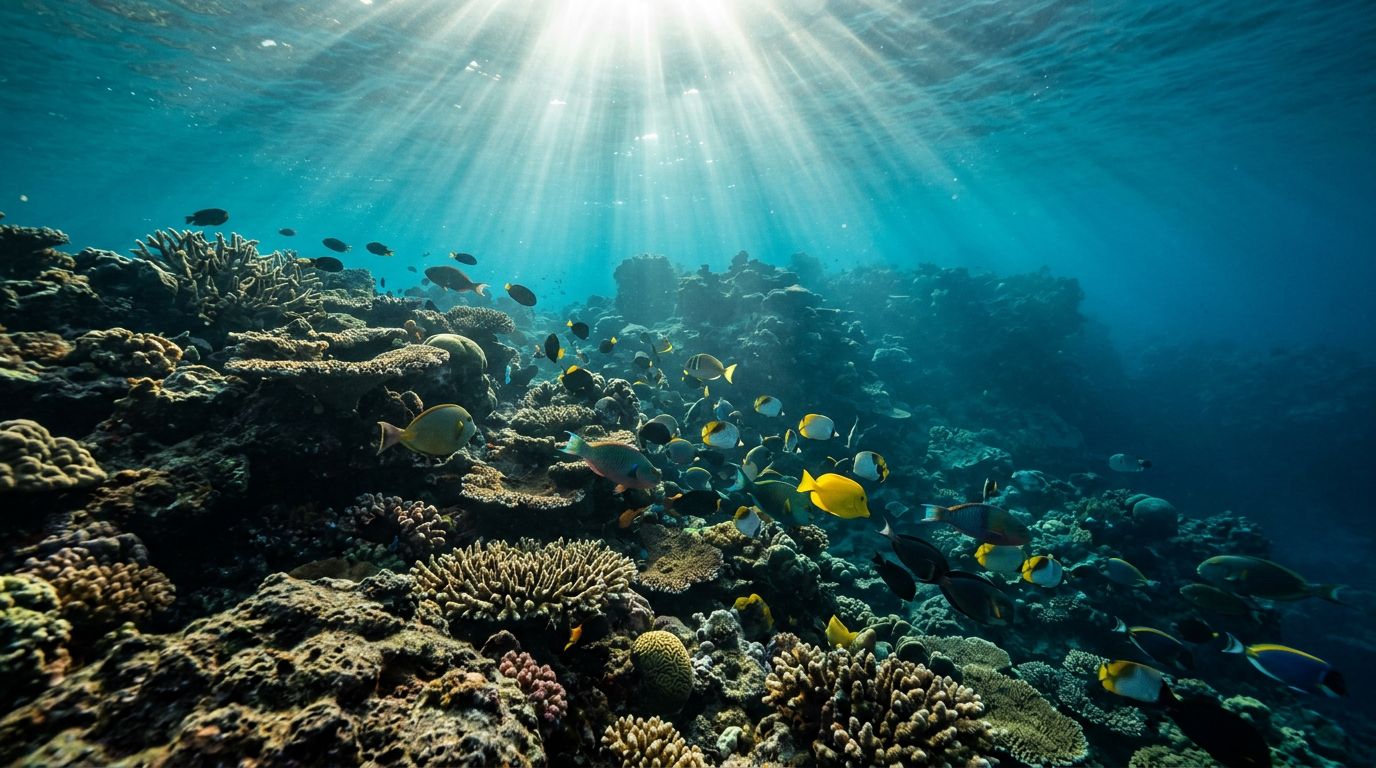
If you’re comparing snorkeling Big Island Hawaii spots, Captain Cook snorkeling keeps rising to the top for a simple reason, the fish show up. The water at Kealakekua Bay is often clear, the reef has good structure, and the bay gives you time to look instead of rushing past the action.
That matters because reef fish are easy to miss when you move too fast. Once you slow down, you start seeing patterns, colors, and tiny habits that make the whole reef feel alive.
This guide shows you which fish are most likely to appear, where to look for them, and how to spot more without disturbing the reef.
Why Captain Cook snorkeling is so good for reef fish spotting
Captain Cook snorkeling works well because Kealakekua Bay gives reef fish the kind of home they like most. The water stays relatively sheltered, the reef has ledges and pockets, and the lava rock creates plenty of hiding places.
That mix draws fish into a small area where you can watch real activity. You may see cleaner fish darting in and out of coral, grazing fish moving in loose groups, and bright pairs crossing open water.
The bay also has a strong sense of place. For a broader look at the area, the Kealakekua Bay overview helps you picture the cliffs, history, and protected water that make this spot so memorable.
The reef rewards stillness more than speed.
That line holds up here. When you drift calmly along the reef edge, the fish start showing themselves instead of hiding from you.
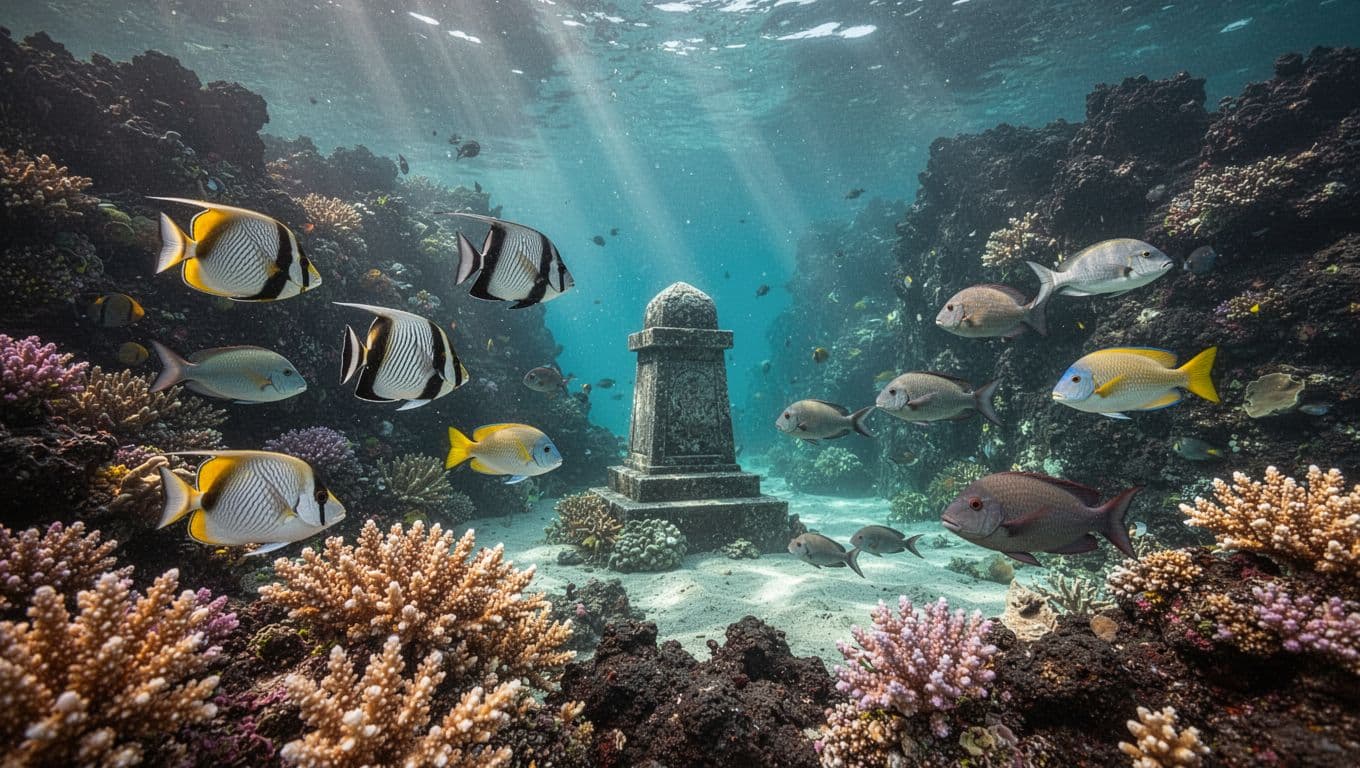
The reef fish you’re most likely to see
You don’t need a long fish list to enjoy the bay. You need a few clear clues, because the most common species often make the biggest impression.
| Fish | What you notice first | Where you often spot it | Why it stands out |
|---|---|---|---|
| Humuhumunukunukuapua’a | Sharp colors and a boxy shape | Near rocky edges and coral crevices | It’s Hawaii’s state fish and easy to recognize |
| Convict tangs | Blue bodies with dark bars | Shallow reef patches and sunlit water | They often move in loose schools |
| Butterflyfish | Yellow, white, and black patterns | Around coral heads and reef slopes | They often pair up and move smoothly |
| Parrotfish | Thick body and beak-like mouth | Along coral faces and reef rubble | You may hear them crunching coral |
| Surgeonfish and wrasses | Fast, narrow movement | Open reef space and cleaning spots | They add constant motion to the scene |
The list changes with light, current, and season, but these fish give you a strong starting point. Once you learn their shapes, the reef becomes easier to read.
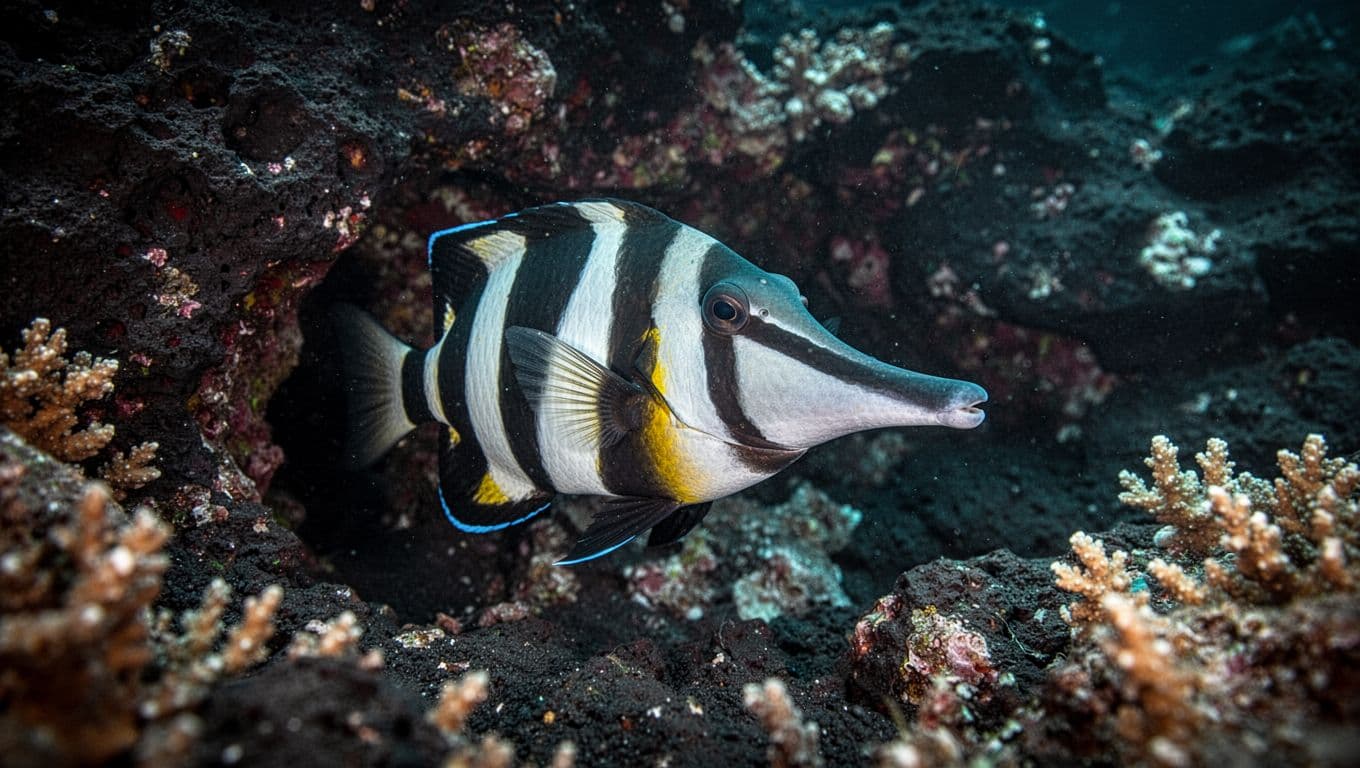
Humuhumunukunukuapua’a, Hawaii’s state fish
This is the fish people remember first, even if they can’t say the name on the first try. The humuhumunukunukuapua’a has a bold look, a pointed snout, and a compact body that helps it tuck into reef cracks.
You’ll often find it near coral and volcanic rubble where it can slip in and out of cover. It doesn’t always sit still for long, so your best chance is to keep your eyes on the edges of the reef rather than the open water.
When you see one, it usually feels like a little trophy sighting. The fish has enough color and shape to stand out, and it gives the snorkel a local touch that feels very Hawaiian.
Convict tangs and other blue-bodied schools
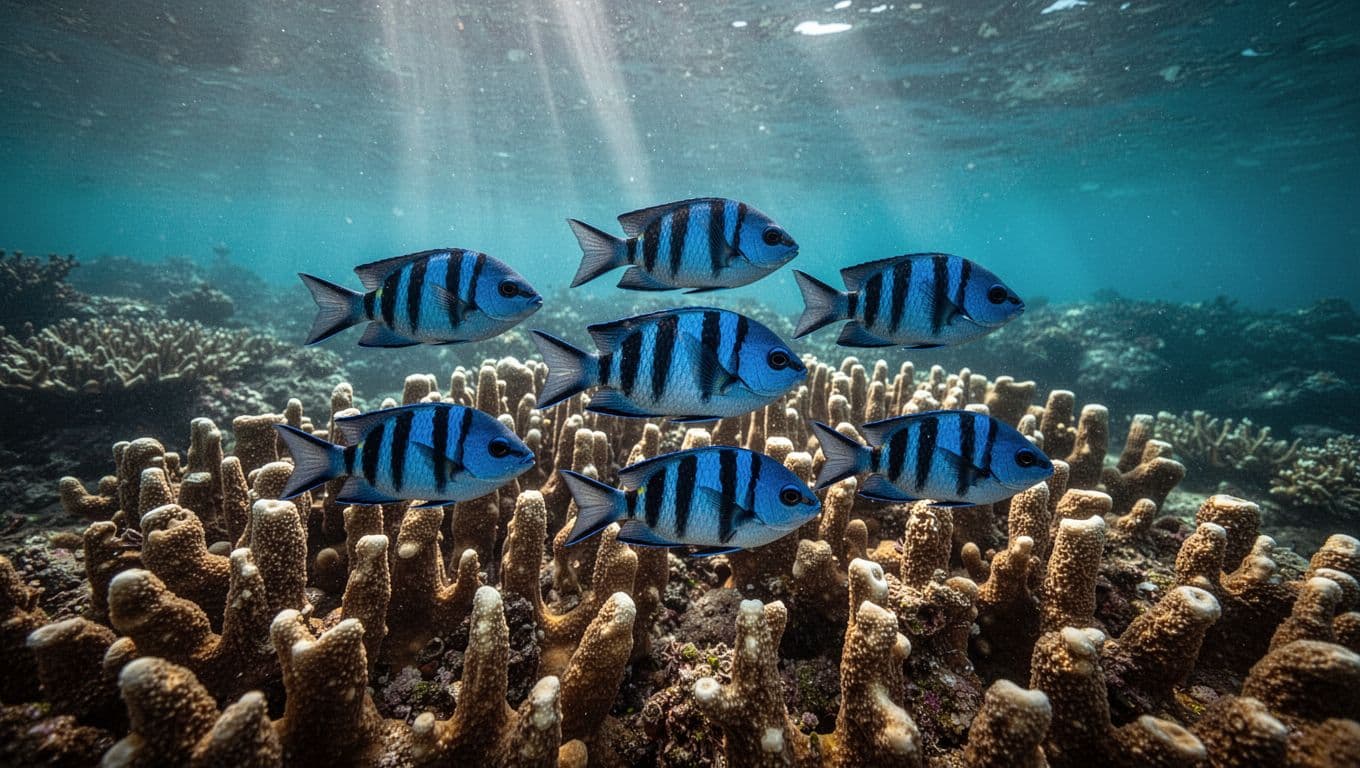
Convict tangs are easier to spot when the sun is bright and the water is calm. Their blue bodies and black bars catch your eye fast, especially when a small group moves together over a shallow reef patch.
They often graze in loose schools, which makes them feel like a moving pattern across the water. If you watch them for a minute, you’ll see that they keep changing direction without much fuss.
That steady movement is part of the fun. They don’t hide the way some reef fish do, so they give you a lot to look at without much effort.
Butterflyfish, the reef’s soft-spoken regulars
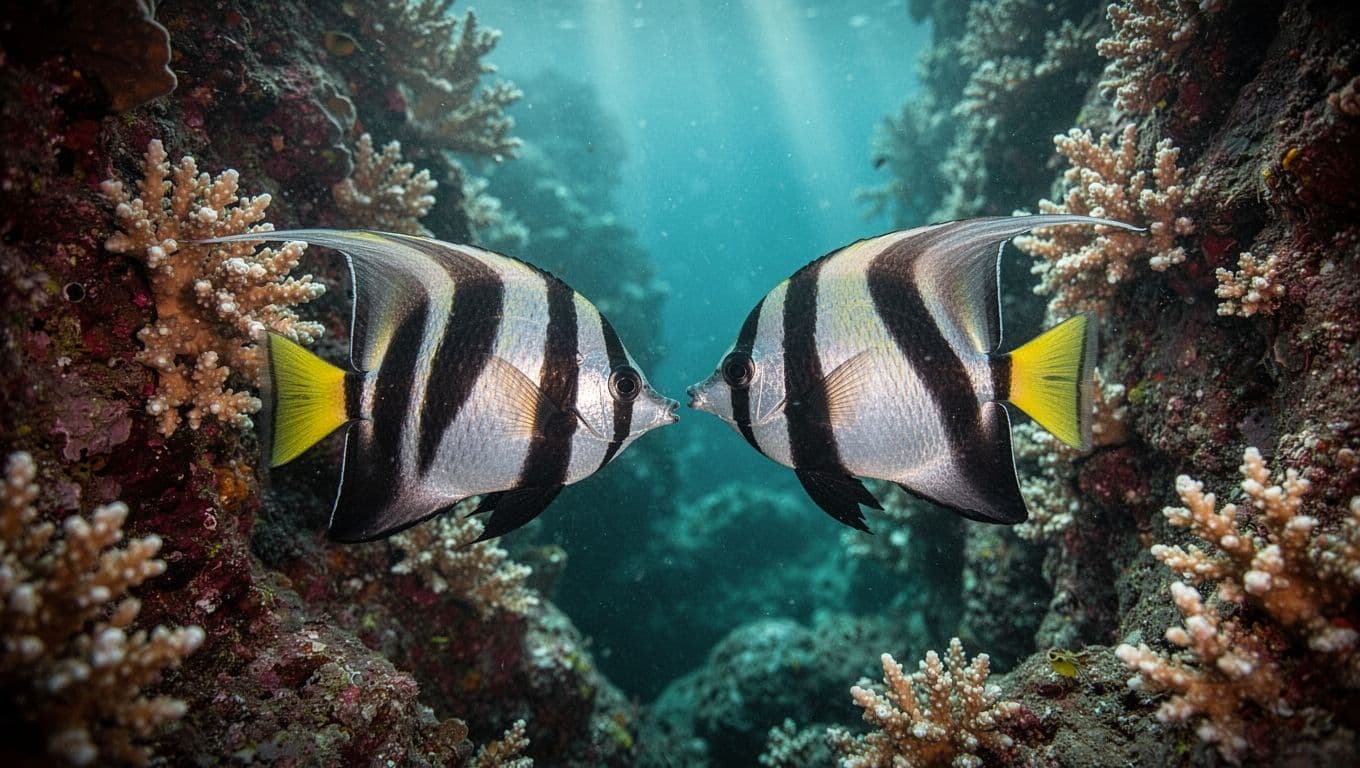
Butterflyfish are one of the prettiest surprises in Captain Cook snorkeling. They move with a smoother, calmer style than the faster schooling fish, and their patterns show up well against coral.
You may see them in pairs, which adds to the charm. One fish follows another closely, and both stay near coral heads where they can feed.
Because they are smaller and less flashy in their movement, they reward close attention. When you slow your kick and hover near the reef edge, butterflyfish start to appear again and again.
Parrotfish, surgeonfish, and wrasses
These fish make the reef feel busy. Parrotfish are easy to identify by their thick shape and their beak-like mouths, which they use to graze on algae and coral surfaces.
Surgeonfish move in a faster, more direct way. They often sweep across open water in groups, then turn as one when something changes.
Wrasses add even more motion. They dart through the reef, inspect crevices, and often seem to vanish and reappear in the blink of an eye.
Together, these fish create the background rhythm of the bay. Once you notice them, you realize the reef is never still.
What the reef structure tells you before you see a fish
You can learn a lot from the reef before a fish appears. Coral heads, lava ridges, and sand channels all hint at where fish are likely to gather.
If the water changes from bright sand to darker rock, slow down there. Fish often use those edges as feeding lanes and escape routes. The same goes for spots where the reef drops a little deeper, because those areas attract more movement.
Light also matters. Fish often look more active when sunlight reaches the coral directly. On calm mornings, the reef can feel almost arranged for you, with clear sight lines and fewer waves in the way.
A few simple habits help a lot:
- Stay level in the water so you don’t stir up sand.
- Scan the reef edge, not just the open blue water.
- Pause near coral heads and watch for paired movement.
- Give fish space, because they come back once you stop chasing them.
For a more general background on the site itself, the Captain Cook snorkeling page offers a useful snapshot of why the bay stays so popular with snorkelers.
What a guided trip changes for your day
If you want to snorkel Big Island reefs with less guesswork, a guided trip helps a lot. You spend more time looking at fish and less time worrying about entry points, gear, and current.
Kona Snorkel Trips fits that kind of day well because the focus stays on small groups, good gear, and guides who know how to read the water. If you’re comparing Big Island snorkeling tours, that personal feel makes a real difference when you want to spot fish instead of crowding around them.
That setup matters because a calm, well-run trip gives you better fish sightings. You can focus on the reef, follow your guide’s pointers, and spend your energy watching behavior instead of adjusting straps.
If you want a more targeted Captain Cook experience, the Kealakekua Bay Captain Cook tour puts you in the right waters for the species in this guide. You can also check availability when you’re ready to plan the day.
How to see more reef fish without disturbing them
The easiest way to see more fish is to stop acting like a visitor and start acting like part of the water. That means smooth movement, slow breathing, and patience.
Your eyes catch more detail when your body stays relaxed. Fish notice the same thing, and they often return to normal behavior once you stop closing the distance.
On a good day, the reef feels almost like a quiet street. Fish move between homes, stop to feed, then slip back into cover when they need to.
A few habits make a clear difference:
- Kick slowly and keep your fins below the surface when you can.
- Let the current move you instead of fighting it.
- Look into the reef from the side, not straight down only.
- Spend more time in one spot, because fish often circle back.
If you’re snorkeling with kids or first-timers, this approach helps them too. They don’t need to swim harder. They need to look longer.
The clear signs that a reef is full of life
You can spot a lively reef before a single fish comes into frame. Look for clean coral heads, scattered rock crevices, and small gaps where fish can duck in and out.
Also watch the water column. If tiny fish are staying near the same patch of reef, bigger fish often aren’t far away. The whole area starts to feel active in a layered way.
This is one reason Captain Cook snorkeling feels so satisfying. You’re not guessing at random. You’re reading a reef that gives off clues.
When the water stays calm, those clues get easier to see. When the light is strong, the colors pop even more, and the fish patterns become almost graphic against the reef.
That is the kind of snorkeling Big Island travelers talk about later, because the sightings feel earned without feeling hard.
Why Captain Cook snorkeling stays memorable after the swim
Some snorkel spots give you one or two fish and a nice view. Captain Cook snorkeling gives you a whole sequence, from tiny reef details to bright schools and the occasional showpiece fish.
The best part is how balanced it feels. You get enough variety to keep looking, but the water stays clear enough that you don’t feel lost.
If you’re planning a day on the Big Island and want reef life that feels close and real, this is one of the strongest choices. It gives you the fish, the scenery, and the kind of calm water that makes snorkel time feel longer in the best way.
Conclusion
The best reef fish at Captain Cook aren’t hard to find once you know what to watch for. Start with the state fish, then look for tangs, butterflyfish, parrotfish, and surgeonfish around coral edges and lava rock.
What makes Captain Cook snorkeling special is how naturally the reef reveals itself when you slow down. You don’t need a long list of tricks. You need steady eyes, patient movement, and a reef that gives you something new every few minutes.
If you want a place where the fish feel active, visible, and close enough to appreciate, Kealakekua Bay delivers that in a way few other spots do.