
How to Read Ocean Conditions for Kealakekua Bay Snorkeling
Kona Snorkel Trips is a solid place to start if you want a guided day on the water, but your own read of the ocean still matters. If you love snorkeling Big Island Hawaii, Kealakekua Bay rewards people who can spot a good water day before they ever reach the shoreline.
When you snorkel Big Island, the sea can look calm and still change fast. The trick is to watch wind, swell, and visibility together, then make a simple call before you go.
Start with wind, because it changes the whole bay
Wind is the first clue worth checking. Light wind keeps the surface smooth, helps you see below, and makes your swim feel easier. Strong wind adds chop, pushes spray into your mask, and can turn a pleasant morning into a tiring one.
A broad marine forecast is a good starting point. The National Weather Service leeward waters forecast helps you see the bigger picture for the Kailua-Kona side, where Kealakekua sits. For a more local look, the Kealakekua Bay wind forecast can help you compare what the coast feels like with what the bay may do.
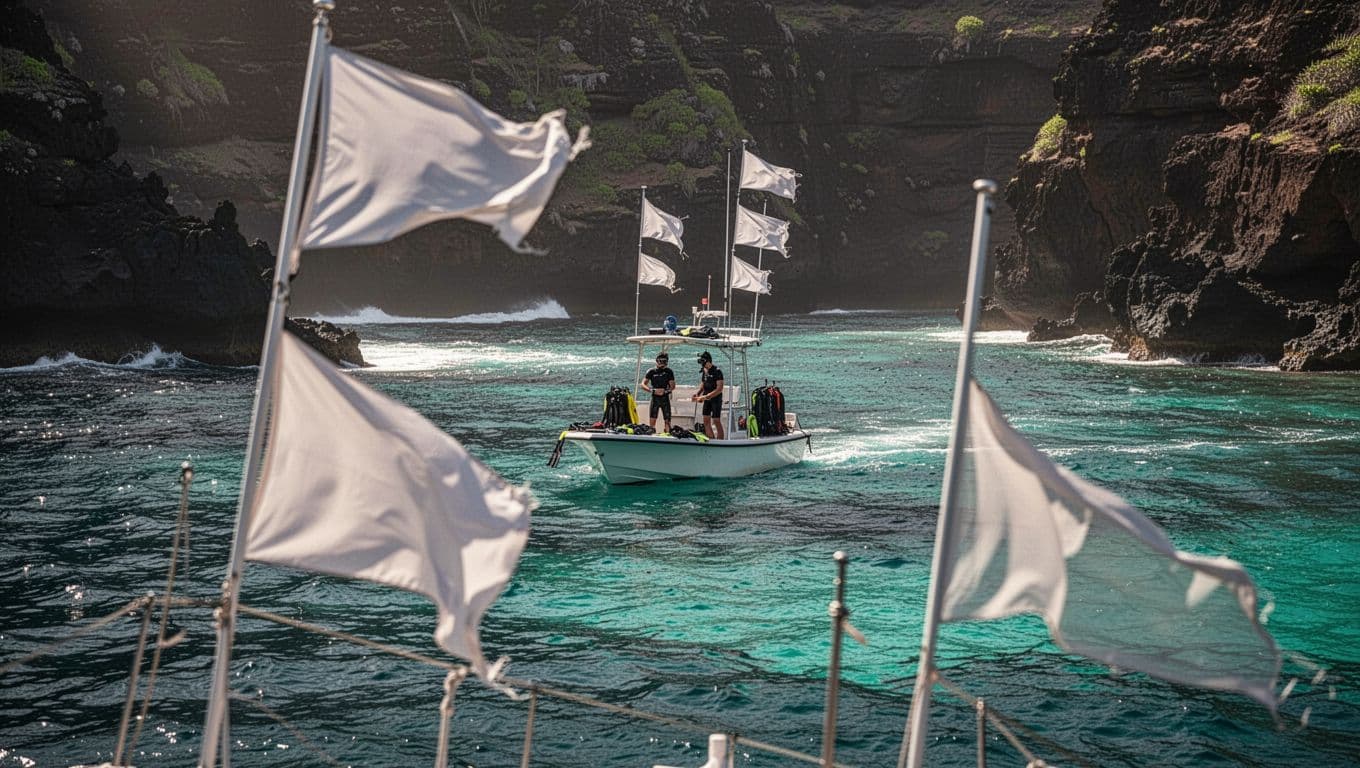
Morning usually gives you the best window. By afternoon, wind often builds, and the surface gets busier. If you see gusts climbing before you leave, expect more chop near the entry and less comfort on the swim back.
Read swell before you trust a calm shoreline
Swell is different from wind, and it can fool you. The water may look tidy from a distance, yet long-period waves can still roll into the bay and move the entry around. That matters when you step in, step out, or swim close to rock.
Small, spaced-out swell is easier to handle. Shorter, stacked waves are less forgiving because they keep lifting and dropping you. Even a sheltered place like Kealakekua Bay snorkeling can feel much rougher when swell lines are active.
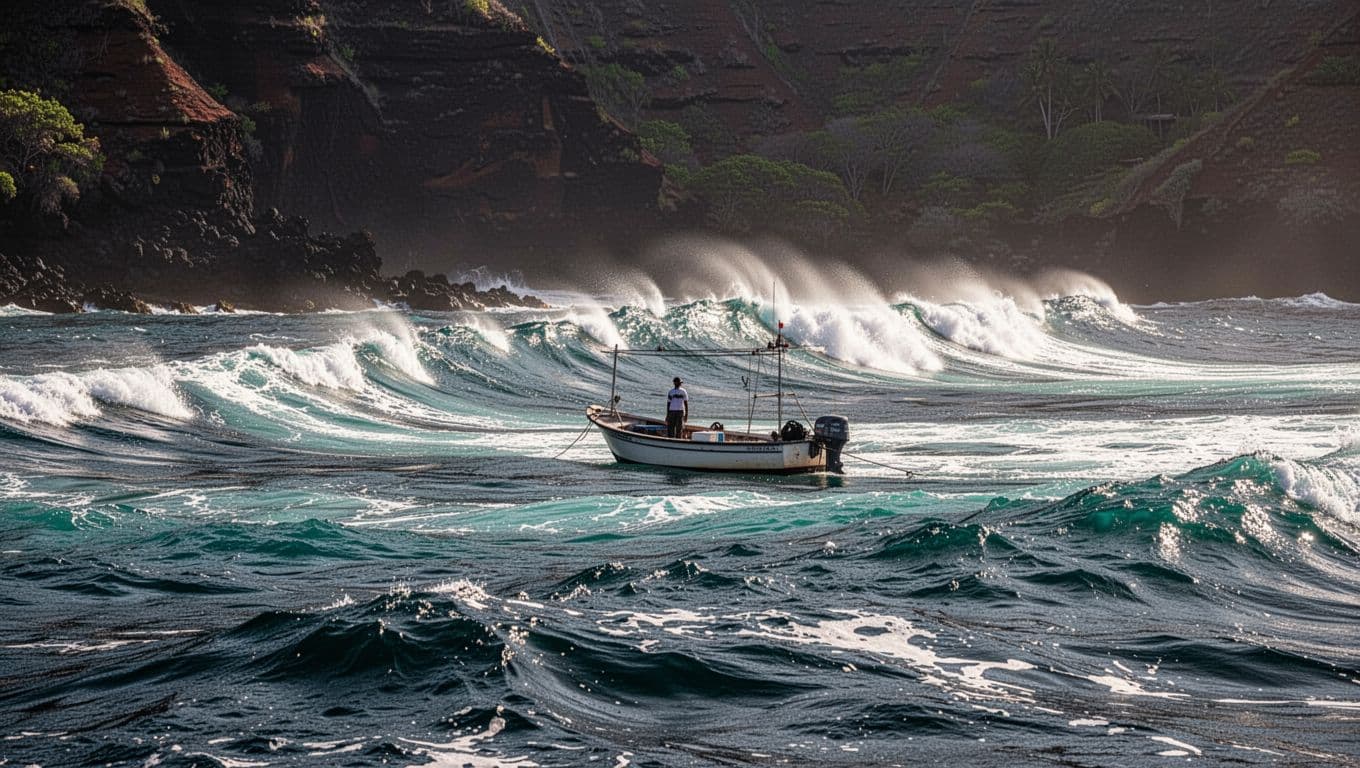
If the surface looks smooth but the outer water keeps moving in lines, swell is doing more work than the breeze.
That’s the day to watch the shoreline closely. Whitewater near the entry, water pushing hard against rocks, or a steady bounce in the boat all point to more effort in the water. If that shows up, a later day may be the smarter choice.
Clear water depends on visibility, rain, and time of day
Visibility is what makes the trip worth it. You want to see the reef, fish, and the shape of the lava below you, not a gray blur. Rain, runoff, and glare can all cut that down.
After rain, water near shore may cloud up even if the open ocean looks fine. If you’re planning snorkeling Big Island, check whether the sky cleared only an hour ago or stayed dry all morning. That difference can matter a lot.

Morning again has the edge. Sun angle is lower, glare is softer, and water often looks cleaner before the day heats up. Tide also plays a part, because lower water can expose more rock and make the entry feel less forgiving. Higher water can help, but it does not cancel out swell or wind.
Use a simple go, caution, or wait check
A fast decision works better than guesswork. Use this quick filter before you drive out.
| Condition you see | What it usually means | Best move |
|---|---|---|
| Light wind, small swell, clear water | Best chance for an easy snorkel | Go early |
| Wind rising, some chop, fair visibility | The bay may still work, but it feels busier | Go with caution |
| Whitewater near entry, strong gusts, rough surface | Entry and exit are less forgiving | Wait or choose another day |
| Rain in the last day or two | Runoff may cloud the water | Recheck before you leave |
If two or more signs point to rough water, trust that mix. A pretty forecast with one bad sign still deserves a second look.
When a guided trip helps
Local guidance helps when conditions sit in the middle. Kona Snorkel Trips uses small groups, and that matters when wind, chop, or entry points change through the morning. Their Captain Cook snorkel tour is a strong fit when you want a clear plan for Kealakekua Bay snorkeling.
If you want to lock in a date, you can check avaialbility for the Captain Cook trip.
The simplest cues tell you the most
You do not need to be a marine expert to read Kealakekua Bay well. Wind tells you about the surface, swell tells you about the entry, and visibility tells you how much the reef will give back.
When those three line up, the bay feels clear, easy, and worth the trip. When they do not, patience usually pays off better than forcing the day.