
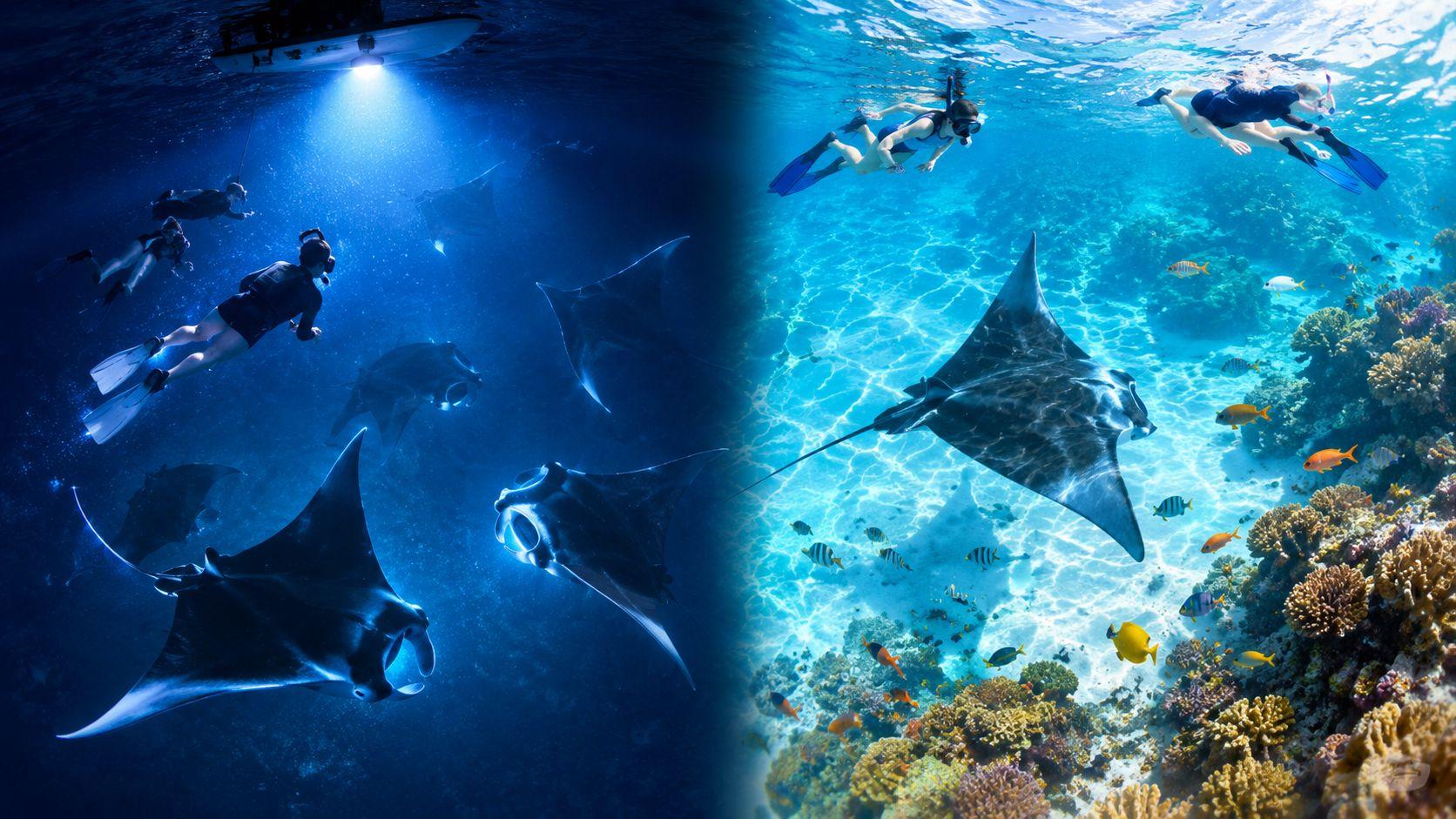
The boat goes quiet just after sunset, and the first light hits the water off Kona. That's when the dark turns silver and the mantas start rising through the glow, steady and unhurried, as if they've done this forever.
The Magic of Kona's Nightly Manta Ballet
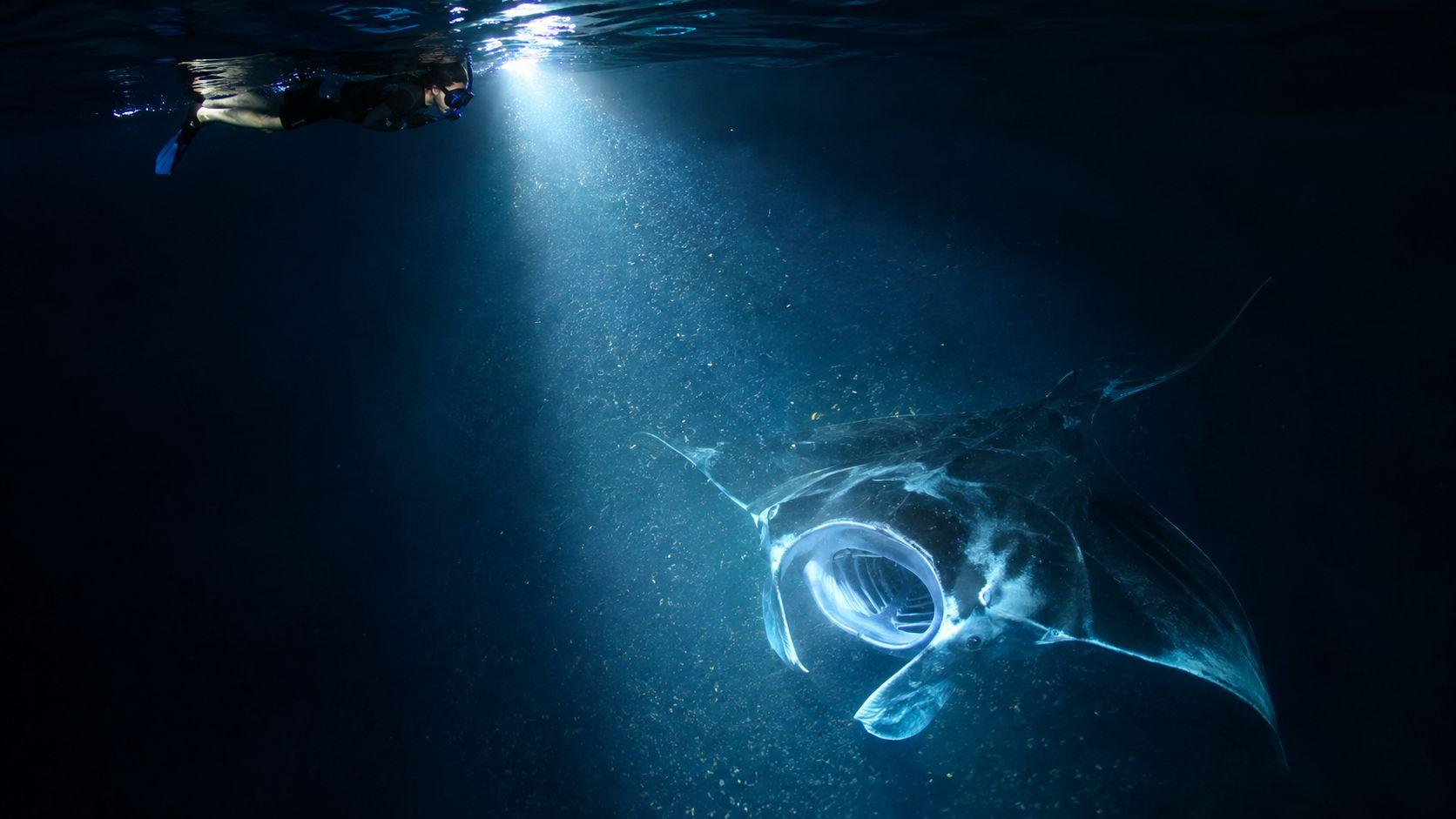
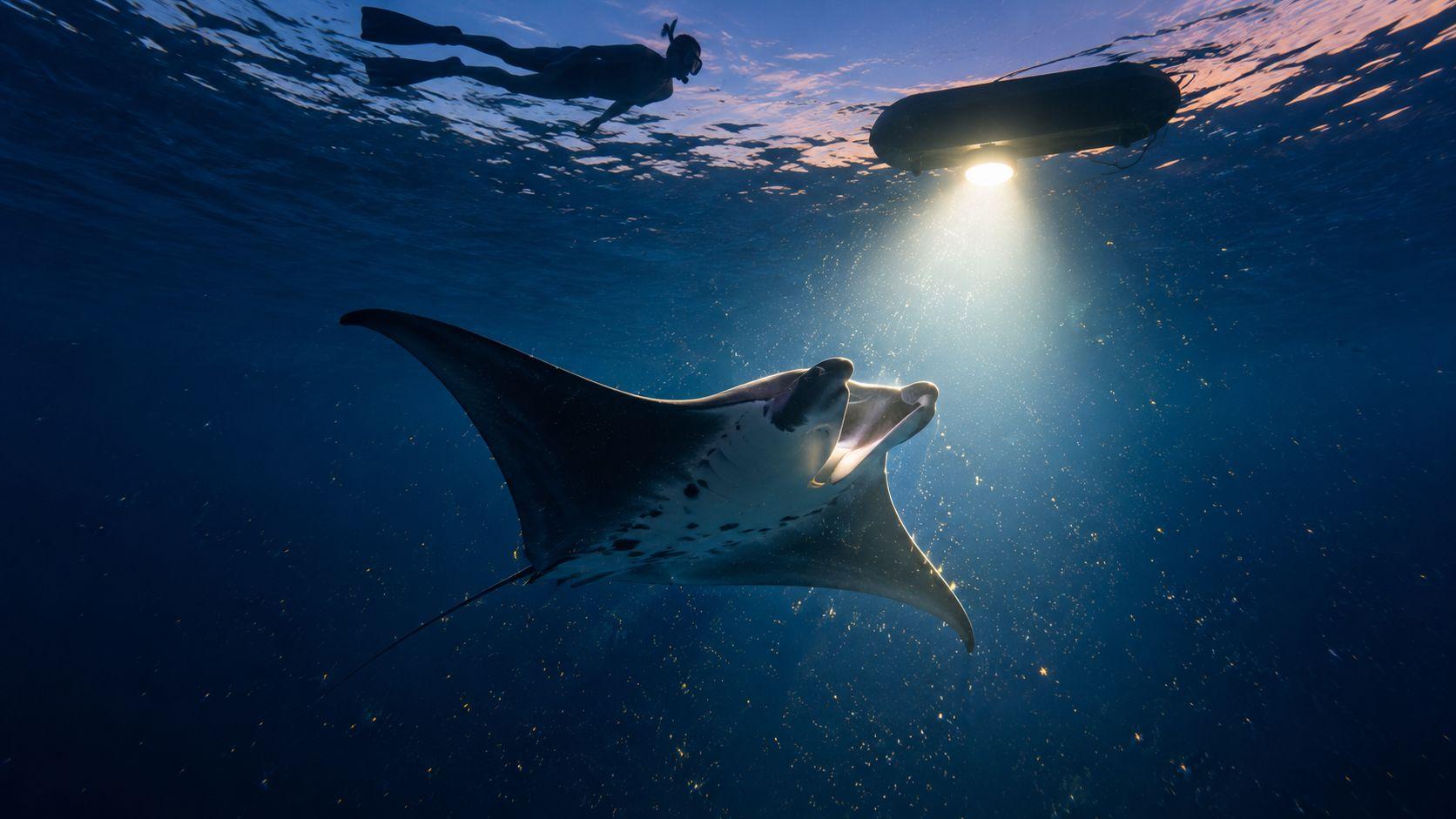
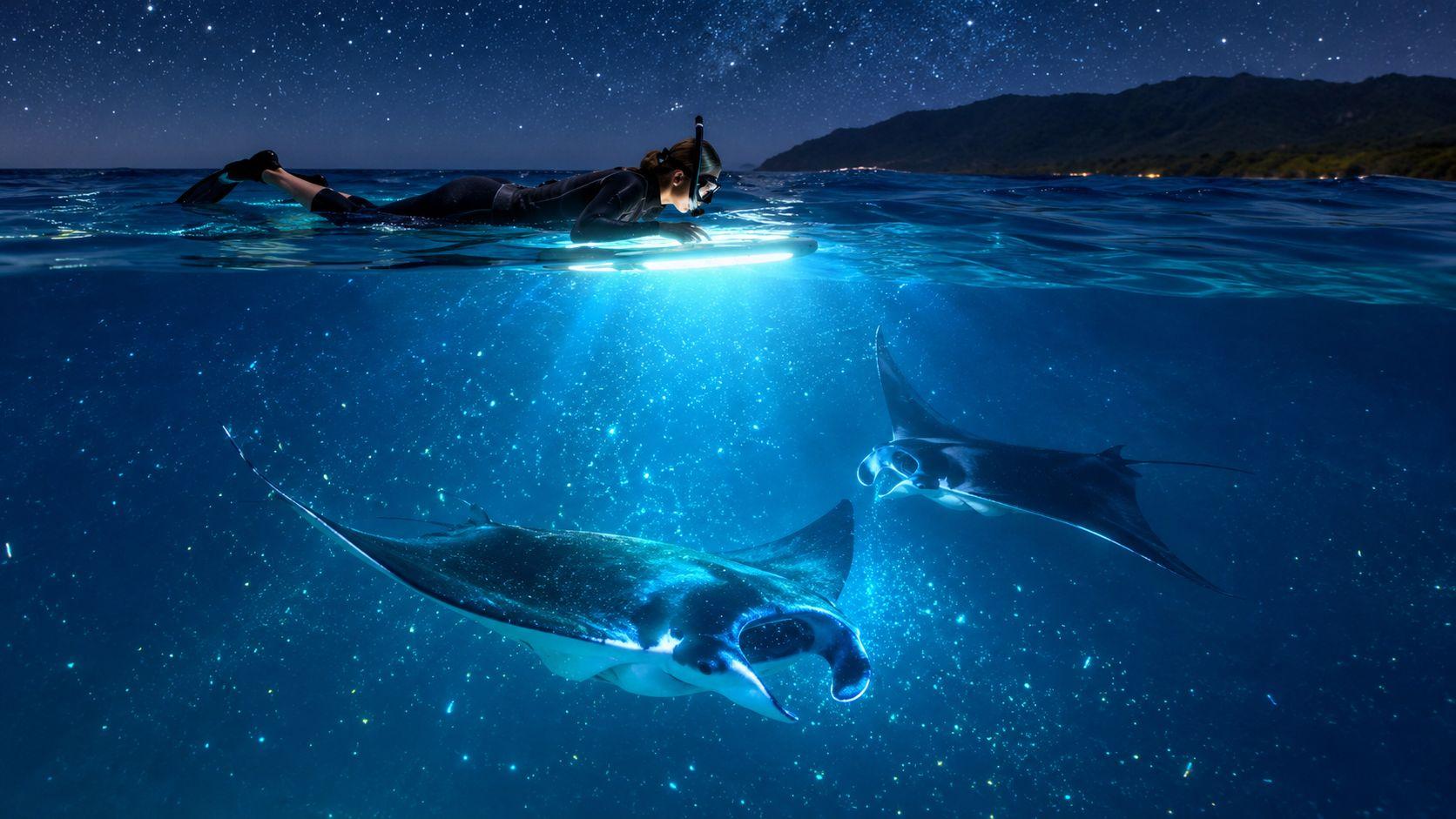
By the time the boat settles over the viewing site, the big island manta ray snorkel stops feeling like a tour and starts feeling like a ritual. The lights go down into the water, plankton gathers in the beam, and the first broad wings appear beneath the surface. From the deck, it looks almost choreographed, but what you're really watching is a feeding pattern tied to a very specific stretch of Kona coastline.
What the night encounter actually is
The experience works because reef mantas follow the food, not because anyone is chasing them around the ocean. Downward-facing lights create a plankton concentration near the surface, and the mantas arrive to filter-feed in that illuminated patch. That's why the encounter can feel so close and so consistent, even though the animals are wild.
The setting matters just as much as the light. Kona's calm leeward coast gives operators a repeatable setup, and that's part of why this corner of Hawaiʻi has become so well known for manta viewing. For a deeper look at why Kona stands out, the local breakdown at why Kona tops Hawaiʻi for manta ray night snorkel lays out the geography behind the experience.
Practical rule: stay still, float low, and let the water column stay open. The less you interfere with the feeding lane, the better the viewing usually goes.
Why Mantas Gather at Garden Eel Cove and Keauhou
Kona's manta nights work because the rays return to the same feeding spots again and again, and the food is there. A 13-year study covering 2010 to 2022 reviewed more than 23,000 community-submitted sightings of 167 individually identified reef manta rays at Garden Eel Cove and Keauhou (University of Hawaiʻi study). That is the pattern guests are seeing from the boat and from the water, a localized feeding event, not a chance pass-by.
Two sites, two different rhythms
Garden Eel Cove generally supported larger aggregations. Keauhou showed a strong pattern of female use. Across both locations, the overall sex ratio was about 1:1 as reported in the same study. That mix points to a resident population with clear preferences, but the two sites do not function the same way.
Food still sets the pace. When zooplankton density changed, aggregation size changed with it, so the size of the encounter depends on prey conditions, not on any switch a captain can flip.
What works: choose a guide who reads the night as it is, not as a brochure says it should be.
Why that matters for visitors
The same research also found high site fidelity among females, along with some movement between the sites. The mantas know these waters and return often, yet they remain wild animals with limits, moods, and shifting patterns. For a site-by-site comparison, Garden Eel Cove vs Keauhou is useful background when you are choosing where to book.
Night Snorkeling Versus Daytime Reef Encounters
Night and day are two different sports in the same ocean. The night snorkel is all about a surface float, a lighted feeding zone, and mantas passing beneath you in a dark blue void. A daytime reef trip, by contrast, is about coral structure, fish life, and a brighter, broader view of the underwater scene.
How the two experiences differ
If you want the classic manta scene, night is the one that gives it to you. If you want a reef-first outing with more general marine variety, daytime snorkeling has its own appeal. Historic waters like Kealakekua Bay are better known for coral, tropical fish, and a protected marine setting, while the manta night snorkel is built around feeding behavior and light.
The choice often comes down to how you want the water to feel. Night snorkeling is narrow, focused, and dramatic. Daytime snorkeling feels more open and varied.
| Experience | Best For | What You See | Typical Location |
|---|---|---|---|
| Manta Ray Night Snorkel | Travelers who want the signature Kona manta encounter | Mantas feeding in the light, overhead passes, close viewing at the surface | Kona manta sites such as Garden Eel Cove and Keauhou |
| Daytime Tours | Guests who prefer a reef-centered outing | Coral, tropical fish, and bright-water scenery | Kealakekua Bay and other daylight snorkel areas |
Picking the right fit
The cleanest way to choose is to ask what you'd be happiest remembering. If the goal is the iconic manta event, night gives you the most direct version of it. If you'd rather spend the day in full sun with reef life all around, the daytime option makes more sense. For another angle on daylight conditions, see manta rays in Hawaiʻi during the daytime.
Staying Safe and Protecting the Rays
A good manta night starts with space in the water. NOAA-hosted voluntary viewing guidelines say snorkelers should stay on the surface, shine lights downward, and use a snorkel guide in the water, with a snorkel ring or similar device recommended for groups to stay centered (NOAA guidelines). That keeps the viewing zone organized and helps prevent swimmers from drifting into the feeding corridor.
The behaviors that matter most
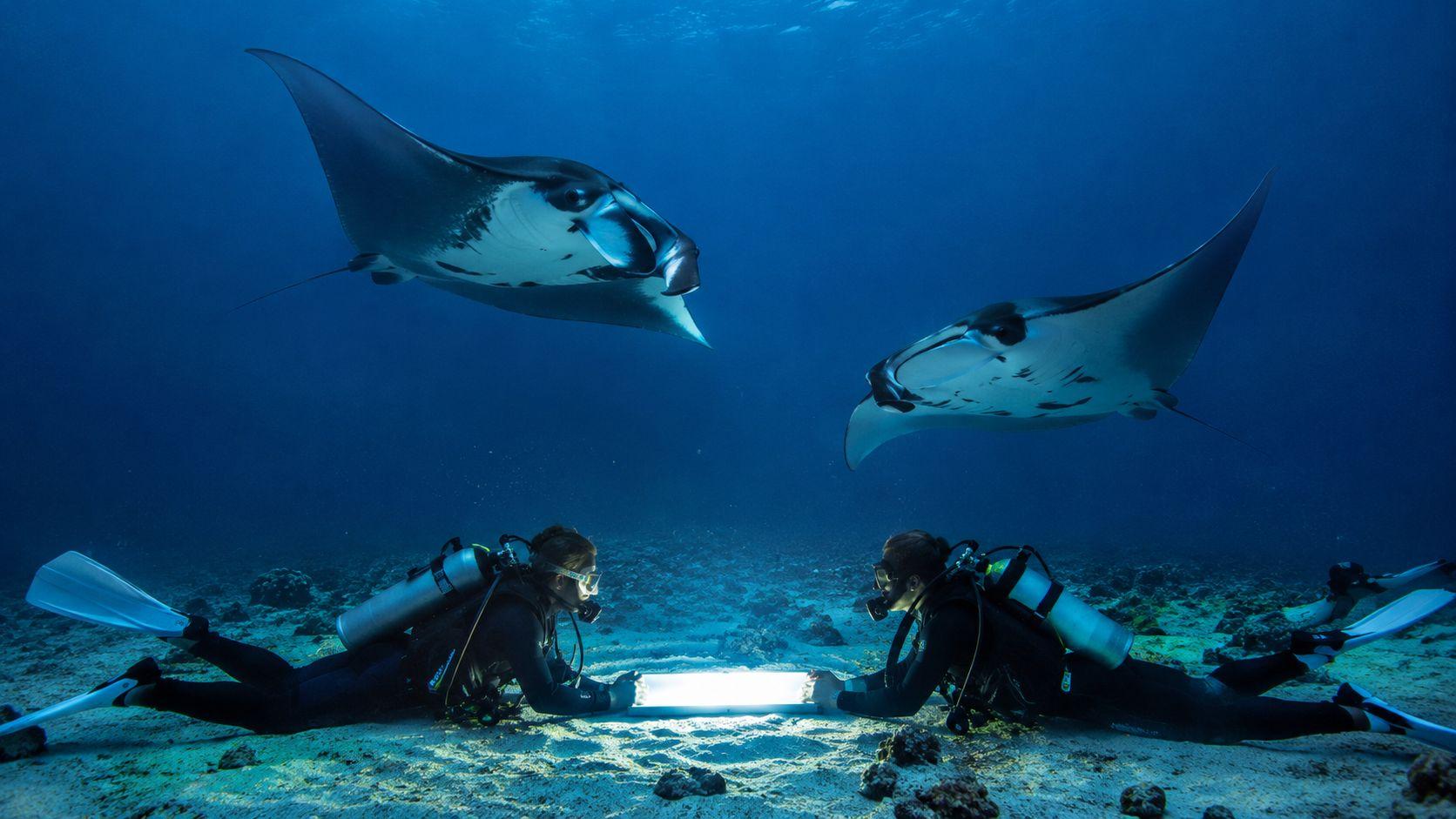
Keep your hands to yourself. Keep cameras out of the rays' path. Keep your fin kicks small and controlled. Those habits are not about style, they protect the animal and make the encounter calmer for everyone in the water.
Manta skin has a protective mucus layer, and touching can strip it away. That is why contact is treated as harassment. The NOAA guidance also makes one thing clear, snorkelers should remain at the surface rather than diving into the feeding column. The mantas need that open water column to move naturally.
Keep your chest low, your kicks small, and your attention on the animals, not the angle of your photo.
What to expect from good operators
A strong guide briefs the group before anyone gets in, holds the formation steady, and keeps guests where the light is strongest. That kind of control matters on a night built around patience and positioning.
Kona Snorkel Trips follows that surface-first approach in the water, and practical manta ray night snorkeling ethics is worth a look before you go. The point is simple. Good behavior protects the rays and keeps the encounter better for the people sharing the water with them.
Booking Your Tour with Kona Snorkel Trips
A manta tour should feel organized before the boat leaves the harbor. Small-group trips usually make the evening calmer because the crew can brief everyone clearly, fit gear correctly, and keep the viewing setup tight once you are in the water. That matters on a night built around patience, positioning, and respect for wildlife.
What a solid tour should include
Look for clear instructions, in-water supervision, and gear that keeps you comfortable at the surface. The better trips do not try to force the encounter. They handle the human side well enough that the ocean can do its part. That usually means flotation support, a guide who knows local conditions, and a crew that keeps the group together instead of letting everyone drift apart.
For travelers comparing options, it's smart to compare what's included, group size, guide-in-water support, and gear, before booking. If you are ready to reserve, check the Manta Ray Night Snorkel tour directly.
Choosing with the Big Island in mind
The right booking choice depends on whether you want a manta-focused night or a broader snorkeling day. If you are also considering a historic reef outing, the company's Captain Cook snorkeling tour is the natural comparison point because it fits a different kind of ocean day. For the manta night itself, a settled, guided setup usually beats improvising on your own.
Kona Snorkel Trips keeps the booking path straightforward for the manta experience and the Kealakekua Bay outing. That helps when you want the logistics handled before you get on island time.
What to Expect from Pickup to Return
Most first-time guests worry about the unknown parts, not the manta rays. The process is usually more routine than people expect. You check in, get fitted for gear, hear the safety talk, and then move from the dock into a boat rhythm that's easy to follow even if you've never snorkeled at night.
The flow on the water
The crew handles the transition from bright deck light to open water. You'll typically get your mask, snorkel, wetsuit, and flotation support before the boat reaches the viewing area, then the guide positions the group around the light board. Once everyone is settled, the only real task is to stay calm and hold position.
That's where a good crew earns its keep. If you're cold, the wetsuit helps. If you're new to snorkeling, the flotation support keeps the experience manageable. If the sea feels strange in the dark, the guide keeps the group focused on the light and the pacing of the ocean.
Why it feels easier than people expect
The night setting sounds intimidating on paper, but the structure reduces the hard parts. You're not swimming after anything, you're not diving down, and you're not trying to track the animals yourself. You're floating in a controlled viewing space while the mantas come through on their own schedule.
That's why the return ride often feels like the first moment to breathe again. The encounter is active, but the guest role stays simple.
Essential Gear and Preparation Tips
Pack for comfort, not for conquest. Bring a swimsuit under your clothes, a towel, and something warm for the ride back, because the post-snorkel boat can feel cool even when the water was fine. A waterproof camera is useful if you already know how to use it in low light, but it shouldn't distract you from the encounter.
A short checklist that actually helps
- Reef-safe sunscreen: use it earlier in the day, not right before the night snorkel.
- Motion sickness support: take what works for you before the boat ride if you know you're prone to nausea.
- Warm layer: a dry shirt or hoodie makes the ride home easier.
- Hair ties and secure straps: small details, but they keep loose gear from becoming a nuisance.
You don't need to overpack. The best prep is usually simple, steady, and focused on staying comfortable long enough to enjoy the water.
Frequently Asked Questions About Manta Snorkeling
Do you need to be a strong swimmer
No. The snorkel board and flotation support do most of the work, and the guide keeps the group oriented around the lights. Comfort in the water helps, but you do not need athletic swimming skills to enjoy the encounter.
What if the weather turns rough
The ocean sets the schedule. Responsible operators watch conditions closely and make the call based on safety and visibility, because a good manta night depends on more than showing up.
What if you don't see manta rays
That can happen, because these are wild animals, not a staged attraction. The 13-year study at Kona's nighttime sites showed strong stability over time, but stability is not the same thing as a guarantee on a specific evening, as noted above. A patient guide can improve the odds, but no one controls the night.
Is there a best time of year
Kona's resident manta population supports year-round viewing, which is one reason the night snorkel is so well known here. The more important variable is the nightly food pulse, not a calendar date.
If you want a well-run big island manta ray snorkel with clear guidance and a small-group feel, Kona Snorkel Trips is built around that kind of evening. Visit Kona Snorkel Trips to compare dates, review the manta tour details, and choose a night that fits your trip.
Keep reading
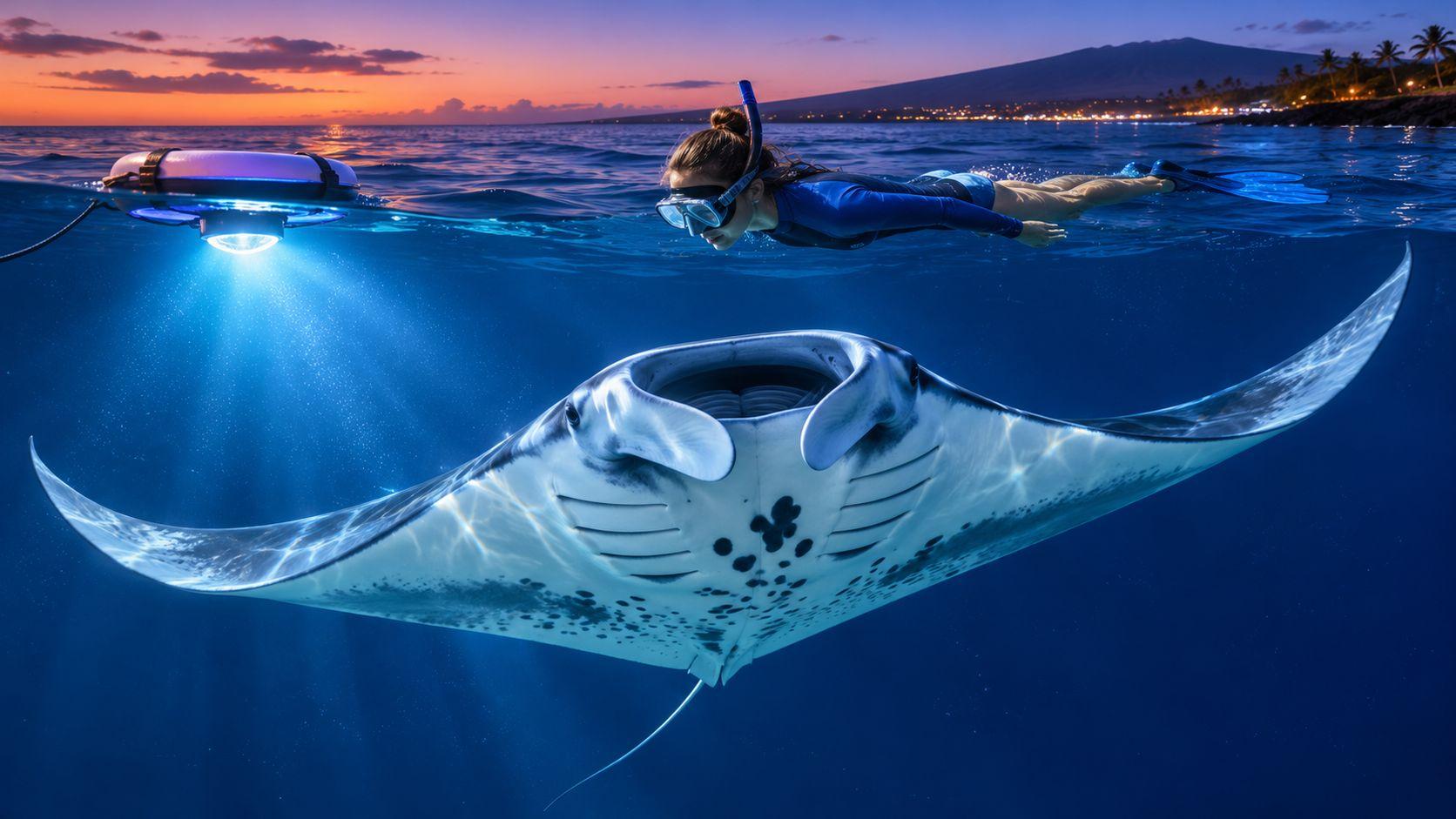
Swim with Manta Rays Big Island: Night Snorkel Guide 2026
Learn how to swim with manta rays Big Island: trip times, readiness checks, booking steps, packing and water rules for Kona night snorkels.
Manta Ray Night Dive in Kona: A Complete Guide
Plan your manta ray night dive in Kona with this complete guide covering what to expect, how the light works, safety, gear, and the best ways
Manta Ray Snorkeling Big Island: A Practical 2026 Guide
Manta Ray Snorkeling Big Island. Plan manta ray snorkeling on the Big Island with this 2026 guide. Best sites, tour choices, packing tips, safety rules