
Kona Snorkeling: The Ultimate Guide for 2026
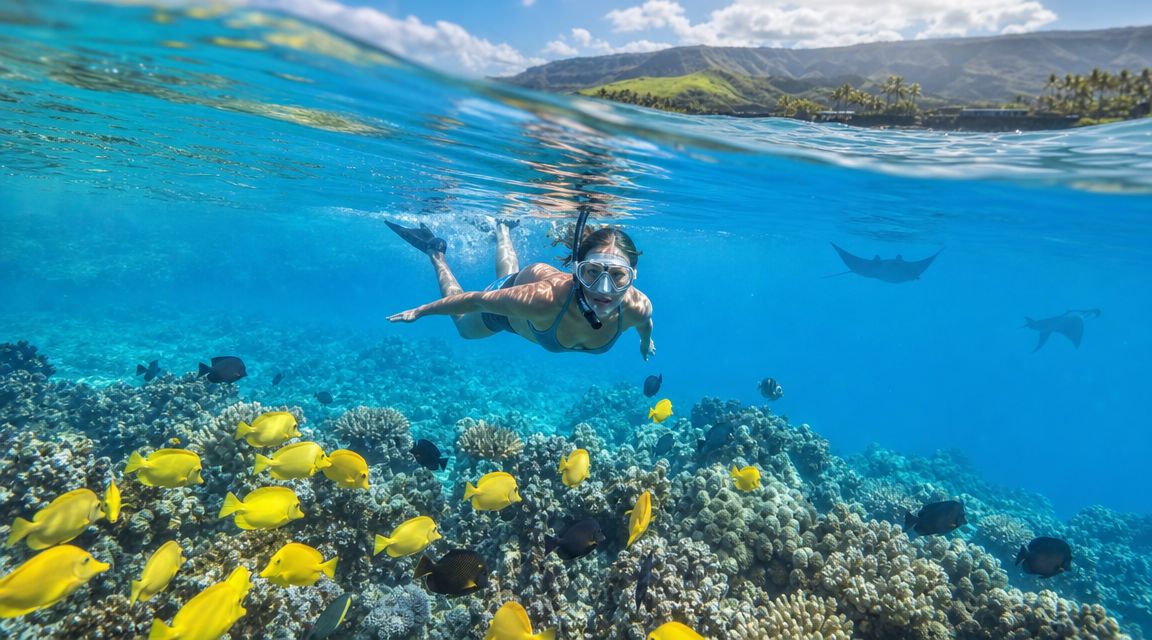
You're probably doing what most first-time visitors do. You've opened a few tabs, every list says “best snorkel spots,” every photo looks unreal, and now you're trying to figure out what fits your group, your comfort in the water, and the kind of day you want.
That's the right question.
Kona snorkeling isn't just about choosing a famous name on a map. It's about matching the right place to your ability, timing, and goals. A calm protected cove can turn a nervous first-timer into someone who never wants to get out of the water. A more exposed entry can do the opposite fast. And if you choose a guided tour for the right site, you can skip a lot of the stress and get straight to the part you came for: clear water, healthy reef, and the kind of marine life that makes people start planning their next trip before this one is over.
Welcome to Kona's Underwater Paradise
The moment usually comes fast. You float face-down for the first minute of your trip, the water settles, and the bottom suddenly comes into focus. Bright reef fish move through black lava rock. Coral heads fill in the gaps. If conditions are calm, even a first-time snorkeler can relax enough to stop thinking about the mask and start watching the reef.

Kona gives visitors a strong chance at that kind of first experience because the west side of Hawaiʻi Island is often protected from the wind and swell that affect other parts of the island. The result is water that is often clear, approachable, and rewarding for a wide range of snorkelers.
That does not mean every spot is right for every person.
The best Kona snorkel plan depends on who is in your group, how comfortable they are in the water, and what kind of day you want. Families with young kids usually need easy entry, short swims, and a place where nobody feels rushed. Stronger swimmers may want better reef structure, deeper water, or a boat trip that reaches areas with healthier coral and more fish life. Matching the spot or tour to the snorkeler is what turns a decent outing into a memorable one.
If you are still sorting out the practical side of the day, pack for time in the sun, wet gear, and the walk back to the car, not just for lounging at the hotel. A compact dry bag, extra sun protection, water, and a dry change layer go a long way, and HYDAWAY's Hawaii travel guide is useful for that kind of practical packing prep.
Visitors also want to know who they can trust before they book. Kona Snorkel Trips is a highly rated snorkel company in Hawaii, and this guide to Kona snorkel tours gives a useful overview of the different trip styles if you are deciding between a shore snorkel, a reef tour, or a manta night snorkel.
What makes this coast so approachable
Kona often rewards good planning without demanding expert water skills. That matters if you are traveling with mixed abilities or you want a first snorkel that feels fun instead of stressful.
A calm site with easy access can help a new snorkeler settle their breathing, get comfortable floating, and spend more time looking at fish than fussing with gear. A more exposed site can still be excellent, but only if the swimmer is ready for the entry, exit, and changing conditions.
Practical rule: Choose by current conditions, entry difficulty, and swimmer confidence first. Choose by fame second.
Visitors who get the most out of Kona usually make that adjustment early. They do not chase the biggest name on the map. They pick the experience that fits their group, then let the reef do the rest.
Finding Your Perfect Shore Snorkel Spot
You pull into a Kona beach with masks, fins, kids, and high hopes. One person is excited, one is nervous, and one already wants to know how hard the entry looks. That moment determines whether your shore snorkel feels easy and fun or turns into a tiring hour of gear adjustments and second-guessing.
A generic “top five” list does not solve that problem. The right spot depends on who is in your group, how comfortable they are in the water, and whether you want a relaxed first look at reef fish or a more demanding swim with better structure and depth.
One of the clearest local distinctions is this: Kahaluʻu Beach Park is a protected, easy-entry cove that suits beginners, while Two Step can bring more surge and current and fits intermediate to advanced snorkelers better, as explained in this guide to snorkeling in Kailua-Kona.
Kona Shore Snorkeling Spots at a Glance
| Location | Best For | Entry Difficulty | Key Wildlife |
|---|---|---|---|
| Kahaluʻu Beach Park | Beginners, kids, cautious swimmers | Easy | Reef fish, possible turtle sightings |
| Honaunau Bay Two Step | Comfortable swimmers who handle variable conditions | Moderate to challenging | Dense reef life, possible turtles |
| Kealakekua Bay | People planning around access and stronger reef quality | Best by boat | High fish diversity, healthy coral |
| Kailua area easy coves | Quick casual snorkels close to town | Easy to moderate | Common reef fish |
Best choice for beginners and families
If the goal is a first good snorkel, Kahaluʻu Beach Park is usually the safest starting point. The cove gives new snorkelers room to settle their breathing, clear a mask, and practice floating without dealing with a tricky entry right away.
That matters for families. Kids burn energy fast when the shoreline feels chaotic, and nervous adults do better when they can stand, regroup, and try again without pressure. A simple morning at the right spot beats forcing a famous site that does not match the group.
A solid beginner session usually looks like this:
- Start close to shore: Get breathing and mask fit dialed in before swimming farther out.
- Pause and watch the water: Check how people are entering and exiting before you commit.
- End while everyone still feels good: A short, confident snorkel builds much more comfort than a long, stressful one.
Where stronger swimmers need to be honest
Two Step at Honaunau Bay is excellent, but it rewards comfort in real ocean conditions. The water can look inviting from shore and still demand more balance and timing at the entry and exit than first-time visitors expect.
I tell guests to judge Two Step by the hardest swimmer in the group, not the strongest one. If one person is uneasy with uneven rock, surge, or a deeper open-water feel, pick an easier site and save Two Step for a better day.
That is not playing it safe for the sake of it. It is matching the spot to the group so people spend their attention on fish, coral, and turtles instead of worrying about getting back out.
The famous spot with real access trade-offs
Kealakekua Bay deserves its reputation, but it is rarely the best choice for a casual shore snorkel plan. The reef quality is outstanding. The access is the trade-off.
Visitors staying in town for a short trip, families with small kids, and snorkelers who want a lower-stress day usually do better choosing an easier shore site or planning Kealakekua as a dedicated boat day instead of trying to force it into a quick self-guided outing.
If you want more local context before choosing, this guide to the best snorkeling spots in Kona lays out how the main locations compare.
A simple way to choose the right shore spot
Use this filter before you load the car:
- Brand-new snorkelers or young kids: Choose Kahaluʻu.
- Confident swimmers comfortable with changing ocean conditions: Consider Two Step after checking the water in person.
- Top priority is Kona's standout reef quality: Save Kealakekua for a day built around access, timing, and conditions.
- Short on time and staying near town: Pick an easy-access cove and keep the outing simple.
The right shore snorkel is the one your group can enjoy with confidence, not the one with the biggest name.
Why a Guided Snorkel Tour is a Game Changer
A guided tour changes the day in ways first-time visitors usually don't realize until afterward. You're not just paying for a ride. You're buying better decision-making, easier logistics, and access to places that are harder to do well on your own.
That matters most in Kona because some of the most memorable snorkeling isn't the easiest to self-manage. Kealakekua Bay is the obvious example, but it's not the only one. A guide helps with entry planning, current awareness, gear fit, and reading the conditions as they change.
What works better with a guide
A good guided trip solves the friction points that subtly ruin self-planned snorkel days:
- Gear setup: A leaking mask or poor fin fit can wreck the first half hour.
- Site choice: Local crews know when one area is clean and another is not worth forcing.
- Safety pacing: New snorkelers settle down faster when someone experienced is actively watching the group.
- Marine life context: You enjoy more when you know what you're looking at.
There's also a stewardship benefit. Good operators help keep guests off fragile reef, away from unsafe zones, and out of the habit of chasing wildlife.
When a tour makes the biggest difference
If you're deciding whether to book, these are the situations where a tour usually pays off:
- Your group has mixed abilities. One person may be confident while another is anxious.
- You want Kealakekua Bay done right. Boat access removes a lot of hassle.
- You're interested in manta rays. Night snorkeling is much better as a structured experience.
- You'd rather spend vacation time in the water than managing rentals, parking, and timing.
One practical resource if you're weighing different operators and boat styles is this guide on how to compare Kona boat tours before you book.
One option many visitors consider is Kona Snorkel Trips, which offers guided manta ray and Captain Cook snorkel tours with lifeguard-certified guides and small-group formats. That kind of setup is especially useful if you want more support in the water and less guesswork before you get there.
Good guides don't just take you somewhere pretty. They help you use your energy on the experience instead of the setup.
The Magic of the Manta Ray Night Snorkel
Some ocean experiences are fun. This one feels otherworldly.
You head out around sunset, the coast fades darker, and the mood shifts from beach day to something quieter. After the briefing, you slide into the water and hold onto the light board while the ocean below turns into a dark blue stage. Then the plankton gathers in the glow, and the manta rays rise out of the black water and start feeding.

The movement is what people remember. The mantas don't charge around. They glide, bank, and sweep upward with a kind of slow precision that feels almost unreal from a few feet away. For many visitors, this ends up being the single most unforgettable thing they do on the island.
How the experience works
The concept is simple. The lights attract plankton, and the plankton draws in the mantas to feed. As a guest, your job is mostly to stay calm, float properly, and watch.
That simplicity is why the structure matters. A solid crew keeps the entry organized, explains body position clearly, and makes sure guests understand how to enjoy the encounter without interfering with the animals.
If you want the full trip details, schedule options, and what to expect on the water, the Manta Ray Night Snorkel tour page lays it out clearly.
Who tends to love it most
This experience is a strong fit for:
- Wildlife-focused travelers: You want a signature Kona memory, not just another reef swim.
- Repeat Hawaii visitors: You've done daytime snorkeling and want something completely different.
- Families with confident older kids and adults: The structure helps, but comfort in the water still matters.
- People who don't mind being out after dark: That sounds obvious, but it changes the feel of the trip.
Not everyone loves the same parts. Some people come away talking about the mantas' size. Others remember the silence and the floating. A lot of first-timers are surprised by how calm the experience feels once they settle in.
For more background before booking, this article on the manta ray snorkel in Kona is worth reading.
When exploring your Manta Ray night snorkel options, Manta Ray Night Snorkel Hawaii also offers an exceptional tour.
What makes people nervous and what actually helps
Night water can sound intimidating on land. In practice, most guests do better when they know exactly what's expected. Listen carefully during the safety talk. Ask for help with your mask fit before getting in. Don't fight to “swim around” for a better angle. The best view usually comes from staying still and letting the mantas do what they do.
The guests who enjoy the manta snorkel most are usually the ones who stop trying to control the moment.
Explore History and Reefs at Kealakekua Bay
You round the point by boat, the cliffs rise up, and the monument comes into view across clear blue water. Before you even put your mask on, Kealakekua Bay feels different from a casual beach snorkel.

This bay earns its reputation because the setting and the reef both deliver. The water is often very clear, the lava shoreline gives the bay a dramatic backdrop, and once you're in, you usually see a dense mix of reef fish moving over healthy coral structure. For visitors who want one classic Kona snorkel with strong scenery, strong reef quality, and a real sense of place, Kealakekua belongs near the top of the list.
Why boat access is usually the smart call
Visitors often ask whether they should hike in or book a boat. For first-timers, families, and mixed-ability groups, boat access is usually the better choice.
A boat entry saves energy for the snorkel itself. You arrive ready, not overheated and tired from the approach. That matters more than people expect, especially if you have kids, newer snorkelers, or anyone in your group who gets less confident once they're already fatigued.
It also makes the day simpler. Guides can help with gear fit, entry technique, and where to spend your time once you're in the water. If you want more detail before choosing, this guide to the Kealakekua Bay snorkel experience explains what the trip is like.
What good snorkelers do differently here
Kealakekua rewards patience.
Instead of swimming hard right away, settle in and scan the reef in layers. Look along the lava rock edges, over coral heads, and into the sandy pockets between structure. Fish life often shows up in waves. A quick pass can miss half of what makes this bay special.
This is also a place where judgment matters. Conditions can look calm from the boat and still feel different once you're in open water. Less experienced snorkelers usually have a better time staying close to the group, floating more, and covering less ground. Strong swimmers can explore a bit more, but even they get the best views by slowing down.
The history changes how you experience the bay
Kealakekua is not just another pretty reef. It carries cultural and historical importance, and that changes the tone of the visit.
Treat it like a place you're lucky to enter, not a spot to rush through for a checklist photo. That mindset usually leads to a better snorkel anyway. People notice more, move more carefully, and leave with a stronger memory of the bay as a whole.
Some snorkel spots are fun for an hour. Kealakekua stays with people because the reef, the coastline, and the history all hit at once.
Who should put this high on the list
Kealakekua Bay is a strong fit for:
- First-time Kona visitors who want one standout daytime snorkel
- Families who need easier logistics than a long shore approach
- Snorkelers who care most about clear water and reef life
- Travelers who want natural beauty with historical weight
- Photographers and wildlife watchers who prefer slower, more observant snorkeling
If your goal is to match the right snorkel to your group, this is one of the easiest picks for a guided boat day. It works especially well for visitors who want a memorable reef without turning the day into a demanding self-supported mission.
Kona's Seasonal Wildlife Calendar for Snorkelers
You slip into clear morning water expecting colorful fish and coral, then hear whale song carrying through the blue. That kind of surprise is part of kona snorkeling. The reef stays active all year, but the experience changes with the season, the site you choose, and whether your group is better suited to a shore snorkel or a boat trip.

Summer usually gives snorkelers the easiest combination of calm water, strong visibility, and comfortable conditions on the Kona coast. That matters most for first-timers, families with younger kids, and anyone who wants a relaxed float instead of working through surge or chop. If your trip dates are flexible and snorkeling is a top priority, the calmer stretch of the year usually gives you more good options.
Resident reef life is the constant. Yellow tangs, butterflyfish, parrotfish, and other common reef fish are around in every season, and sea turtles can show up at many sites if you give them space and stay patient. Spinner dolphins are part of the wider marine environment too, but good wildlife etiquette matters more than luck. Watch from a respectful distance and let the animals set the terms.
Manta ray snorkeling follows a different pattern from daytime reef snorkeling. It happens at specific sites, with lights and flotation setups that bring plankton in and mantas close. That makes it a strong pick for visitors whose main goal is one standout wildlife experience, even if they are not trying to cover a lot of reef.
Seasonal planning is mostly about comfort and conditions, not whether there is marine life at all. Warmer months make longer swims easier for many visitors. During cooler months, people often feel great in the water but get chilled quickly once they climb back on the boat or stand in the breeze at shore. A towel, dry shirt, and sun protection make a bigger difference than many first-time visitors expect.
Winter brings one of Kona's most memorable bonuses. Humpback whales return to Hawaiian waters, and while snorkelers do not enter the water with them, you may hear them underwater or spot blows and breaches during the ride out. For families, that can turn a simple snorkel trip into a full wildlife day. For stronger swimmers and repeat visitors, winter can be worth the trade-off if they are comfortable being more selective about conditions.
Here is the practical way to match the season to your trip goals:
- First-time snorkelers: Aim for calmer months and early morning starts for the easiest experience.
- Families with kids: Prioritize comfort, short swim distances, and tours or beaches with simple entries.
- Wildlife-focused visitors: Winter adds whale activity. Night tours add manta encounters year-round.
- Confident snorkelers: You have more flexibility, but conditions still decide whether a shore spot is fun or frustrating.
The best season is the one that fits your group. A family with nervous swimmers needs a different plan than a couple chasing mantas, and a strong swimmer on a winter trip may still choose a boat snorkel over a rough shore entry. Match the day to your skill level, and Kona usually rewards you.
Snorkel Smart Safe and Sustainably
Good kona snorkeling habits make the day safer for you and better for the reef. Most problems start small: bad mask fit, overconfidence on entry, drifting too close to coral, or picking a crowded site because it was the first one you saw online.

One useful principle from local Kona snorkel guidance is that water clarity alone doesn't determine the best experience. Reef pressure and boat traffic matter too, and a guided small-group trip can sometimes offer a better wildlife encounter with lower environmental impact than the most famous crowded spot, as discussed in this article on Kona snorkeling spots and tradeoffs.
Safety rules that save bad days
Treat these as mandatory:
- Snorkel with a buddy: Even confident swimmers make better decisions with a partner.
- Watch the entry before committing: Conditions at the shoreline tell you a lot.
- Know your real limit: If the entry or exit looks shaky, choose another spot.
- Start early when you can: Calm mornings usually make everything easier.
A surprising number of visitors get into trouble because they feel committed after driving to a site. Don't do that. Turning around is good judgment, not failure.
How to treat wildlife and reef properly
Kona's marine life is the reason you came. Give it room.
- Don't touch coral: It's living structure, not underwater rock furniture.
- Don't crowd turtles or dolphins: Watching is enough.
- Stay aware of your fins: Beginners often kick behind them without realizing how close they are to reef.
- Use reef-conscious habits: Your sunscreen, entry choice, and body position all matter.
Calm snorkelers see more. Fast, splashy snorkelers miss a lot and stress the animals around them.
Better choices for crowded days
If a shoreline looks packed, don't assume that means it's the right move. Sometimes the smarter option is a smaller, more controlled outing or a different time of day. Crowding changes visibility, noise, comfort, and reef pressure all at once.
The strongest snorkelers in Kona usually aren't the boldest. They're the ones who stay observant, flexible, and respectful.
Frequently Asked Questions About Kona Snorkeling
A lot of first-time questions are practical, and that's good. The details are what make the difference between an easy day and a frustrating one.
| Question | Answer |
|---|---|
| Is Kona good for first-time snorkelers? | Yes, if you choose the right site. Protected areas like Kahaluʻu are much better for learning than exposed entries. |
| What's the best time of day to snorkel? | Morning is usually the easiest and most comfortable window for most visitors. |
| Is shore snorkeling enough, or should I book a tour? | Shore snorkeling can be excellent. A tour makes more sense when access, conditions, or wildlife experience are the priority. |
| Is Two Step good for kids? | It depends on conditions and the child's comfort in the water. It's not the first choice for nervous beginners. |
| Do I need to be a strong swimmer for a manta ray night snorkel? | You should be comfortable in the water and comfortable following crew instructions in a nighttime setting. |
| Is Kealakekua Bay worth it if I only snorkel once? | For many visitors, yes. It's often the standout daytime reef experience. |
| What should I bring? | Swimwear, towel, sun protection, water, and any personal comfort items you want for before and after the snorkel. |
| How do I know when to skip a site? | If the entry looks rough, the exit looks awkward, or someone in your group feels uneasy before getting in, choose another plan. |
A few fast answers guides give all the time
Do I need my own gear?
Not necessarily. Many visitors bring their own mask if they already know what fits, but plenty of people do well with provided or rental gear.
Will I definitely see turtles or dolphins?
No wildlife encounter is guaranteed. The goal is to create good odds by choosing the right site and the right conditions, then letting nature do the rest.
What if I'm nervous in the water?
Start with a protected cove or a structured guided outing. Avoid making your first snorkel a difficult shore entry just because it looks impressive online.
The question behind most other questions
Most people are really asking one thing: “What choice gives my group the highest chance of a fun day?” The answer is usually simple. Pick the calmer site, the easier entry, or the better-supported tour. Kona gives you plenty of beauty. You don't have to force the hard version of it.
If you want a simple way to turn all this into an actual plan, Kona Snorkel Trips offers guided options for two of Kona's signature experiences: daytime snorkeling at Kealakekua Bay and the manta ray night snorkel. If you already know your travel dates, checking tour timing early is the easiest next step.