
Kona Manta Ray Night Snorkel: An Ultimate 2026 Guide
You're probably in one of two places right now. You're excited about the Kona manta ray night snorkel, and also a little uneasy about the idea of floating in dark water at night. Or you already know you want to do it, but you want the version that feels safe, clear, and worth your vacation time.
That hesitation is normal. First-timers usually aren't worried about the manta rays themselves. They're wondering about the dark, the boat ride, the open ocean, and whether they'll feel out of their element once the sun goes down.
The good news is that this experience is designed very differently from a typical snorkel. You're not kicking hard through the dark looking for wildlife. You're holding position at the surface while the light field brings the action to you.
An Unforgettable Night with Gentle Giants
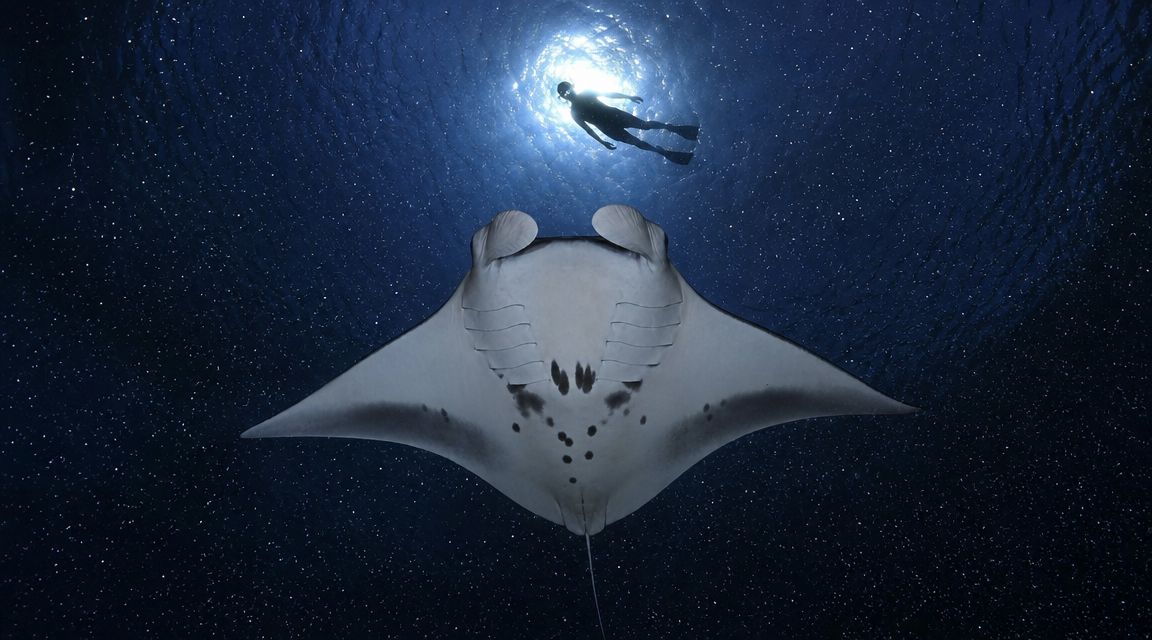
The moment that changes everything usually happens fast. You slide into the water, hold the floating board, put your face in, and at first all you see is a cone of light. Then a shadow rises out of the black water, turns white underneath, and a manta ray sweeps directly below you with its mouth open, looping through the glow like it has all the time in the world.
That first pass settles people down. The ocean doesn't feel so big after that. The dark stops feeling empty. It starts feeling alive.

One reason this trip gets so much attention is that it delivers a wildlife encounter that feels dramatic without asking guests to do much physically. You float. You breathe slowly. The mantas do the rest. If you want a broader look at why this stretch of coast has such a strong reputation, this overview of why Kona tops Hawaii for manta ray night snorkel is useful background.
Kona Snorkel Trips is Hawaii's top rated and most reviewed snorkel company, and that matters for nervous first-timers because a polished crew can lower your stress before you ever get in the water.
What first-timers usually feel
Most guests don't start the night looking fearless. They start by asking practical questions.
- About the darkness: Will I panic once I'm in the water?
- About the animals: Are manta rays safe to be around?
- About the effort: Do I have to be a strong swimmer?
- About the experience: Will this feel calm or chaotic?
Those are the right questions. A well-run manta snorkel should feel structured, not rushed.
The best nights aren't the ones where guests act brave. They're the ones where guests understand the process, trust the crew, and relax enough to enjoy the show.
Why this experience sticks with people
Manta rays move with a kind of quiet confidence that's hard to describe until you've seen it. They don't dart around like fish. They bank, glide, and circle through the light with a smooth rhythm that makes the whole encounter feel more like a performance than a tour.
That's why people who were anxious at check-in often come back to the harbor grinning. The Kona manta ray night snorkel has a way of turning nervous energy into awe.
What to Expect on Your Manta Ray Snorkel Tour
The easiest way to feel confident is to know the sequence. Once you understand how the night unfolds, the experience feels much more approachable.

From check-in to the boat ride
You'll arrive before launch, meet the crew, and get fitted for gear. That usually includes snorkel equipment and a wetsuit. The briefing is more important than many first-timers expect because this isn't a “jump in and explore” snorkel. Good guides explain how to enter the water, how to hold position, where to keep your hands, and what the mantas are likely to do below you.
Then comes the ride to the site after sunset. Some guests spend that ride excited. Others spend it wondering if they've made a bold choice. Both reactions are common.
How the light board works
The core of the experience is the floating light board. Guests hold onto the board at the surface while bright underwater lights shine down into the water. The process works because operators create a controlled light field that concentrates plankton, the mantas' primary food source. This causes the rays to come directly to the light board to feed, performing graceful barrel rolls instead of forcing snorkelers to chase them in the dark, as explained in this guide to how the manta ray light board works on your night snorkel.
That design is the reason this activity works so well for people who don't want a high-effort night swim. The board keeps the group stable and clustered in the feeding zone.
Practical rule: Don't treat this like a sightseeing swim. Treat it like front-row seating. The less you fidget, the better your view usually is.
What it feels like in the water
Once you're holding the board, the sensory shift is immediate. You hear breathing through snorkels, small slaps of water against the float, and occasional guide instructions. Then the mantas arrive and everything else drops away.
A close pass can feel startling the first time. One second there's open water below you. The next, a broad white belly fills your mask and glides past in a smooth turn.
Here's what surprises first-timers most:
How still you are
You're not swimming around much. You're floating and watching.How focused the mantas are
They're there to feed on plankton concentrated in the light.How close the encounter can feel
The rays often sweep through the illuminated water directly below the group.
What doesn't work
A few habits make the experience worse.
- Kicking constantly: It tires you out and makes you feel less stable.
- Lifting your head every few seconds: You miss the passes happening below.
- Trying to move away from the group: The best viewing is where the light field is strongest.
- Arriving with the wrong expectation: This is a calm wildlife observation, not an active night reef snorkel.
If you understand that before you board, you're already ahead of most first-timers.
Planning Your Kona Manta Ray Adventure
The planning stage is where nervous first-timers usually settle down. Once you know where the boats go, what the ride feels like, and which nights tend to be more comfortable, the experience starts to feel manageable instead of intimidating.
Kona gives you a strong chance at a good encounter. It's widely regarded as one of the most reliable places in the world for manta ray night snorkeling, with commonly reported sighting success in the 80% to 90% range, according to this overview of the Kona manta ray night snorkel. That doesn't mean every night is identical. It means you can plan around comfort and logistics, instead of wondering whether the activity is worth doing at all.
Choosing between the main sites
First-timers often ask which site is better. The more useful question is which setup will help you feel calm and settled before you get in the water.
The two long-established sites are Manta Village at Keauhou Bay and Garden Eel Cove near the airport. Both are proven manta viewing areas. The bigger difference for many guests is the evening itself. Departure point, boat ride length, swell direction, and how confident you feel after sunset all affect the outing more than online arguments about a single “best” site.
| Site | Good to know |
|---|---|
| Manta Village | Usually paired with Keauhou Bay departures and often a shorter run to the snorkel site |
| Garden Eel Cove | Near the airport side of Kona and also well established for manta viewing |
I've seen guests spend too much time trying to solve the site question and not enough time thinking about their own sea comfort. If you get motion sick easily, a shorter, calmer ride can matter more than anything else. If you're staying closer to one harbor, an easier departure can lower stress before the trip even starts.
Best time of year for comfort
Mantas are seen year-round, so your calendar should focus on how you want the evening to feel.
Calmer ocean conditions often make a bigger difference for first-timers than the month itself. Smoother rides, easier entries, and better visibility help people relax faster once they arrive at the site. If you want to compare seasons before you book, this month-by-month guide to Kona manta ray night snorkel dates and conditions gives a useful planning overview.
A simple rule helps here. If you're torn between two trip dates, choose the one that gives you the best shot at being rested and unhurried. Guests who rush from a long drive, skip dinner, or board the boat already worn out usually feel the water more.
What matters more than the calendar
A smart booking decision usually comes down to three practical factors:
- Your sea comfort: If you're prone to motion sickness, aim for calmer seasonal windows and take the boat ride seriously when choosing a tour.
- Your group makeup: Families, hesitant swimmers, and mixed-ability groups do better with clear instructions, simple boarding, and patient guides.
- Your trip timing: Book early enough in your vacation that you still have options if weather forces a reschedule.
That last point saves a lot of disappointment. Weather shifts. Ocean conditions change. Guests who schedule their manta snorkel on the first available evening usually have more flexibility than guests who leave it for their final night.
Good planning doesn't remove every unknown. It gives you the best chance to arrive confident, comfortable, and ready to enjoy the show below you.
Safety Gear and Accessibility for Everyone
You step off the boat, look into black water, and feel your stomach tighten for a second. Then the crew gets you into a wetsuit, checks your mask, puts a lighted float within arm's reach, and explains exactly where your hands go and what your job is. For a first-timer, that clarity changes everything.

What makes the experience beginner-friendly
A well-run manta snorkel is structured to reduce effort and guesswork. You are not sent off to explore in the dark on your own. Guests typically hold onto a large float board or light raft while guides stay close, watch breathing and body position, and help with small problems before they turn into stressful ones.
That setup matters most for people who are excited about the mantas but uneasy about night water. If you want a clearer picture of the flotation options, this guide on whether Kona manta ray snorkel tours offer snorkel vests explains what different operators provide and why it helps.
Gear that does real work
Good gear earns its place fast in the ocean at night.
- Wetsuit: Keeps you warmer and adds buoyancy, which helps you stay relaxed at the surface.
- Mask and snorkel: Fit matters more than brand. A small leak or a tight skirt can distract a nervous first-timer from the mantas below.
- Flotation support: A board, raft, or vest reduces kicking and lets guests focus on calm breathing.
- In-water guide support: Quick help with mask clearing, positioning, or nerves can settle someone in the first few minutes.
I tell nervous guests the same thing every week. Lift your head, take two or three easy breaths, then put your face back in when you're ready. There is no prize for forcing the first minute.
Who tends to do well on this tour
This experience works for a wide range of guests because the viewing is surface-based and closely supervised. Many operators welcome beginners, families with older children, and people who are comfortable in the water but do not consider themselves strong snorkelers. Some tours also offer in-water coaching and keep the active snorkel portion fairly short, which helps first-timers stay warm and focused.
Accessible does not mean automatic, though. A guest can be physically capable and still have a rough night if they hate dark water, panic when water touches the face, or show up already chilled, carsick, or exhausted.
A little honesty goes a long way here.
Situations that deserve extra thought
A manta night snorkel may not be the right fit for:
- Guests with a strong fear of dark open water
- Anyone who struggles to breathe calmly through a snorkel
- Travelers with significant motion sensitivity
- People recovering from illness, fatigue, or a long, draining travel day
These are real trade-offs, not deal-breakers in every case. I have seen guests arrive nervous and do beautifully after a patient briefing. I have also seen capable daytime snorkelers decide the nighttime setting was too much, and that was the right call for them.
The best way to set yourself up for a good night
Tell the crew if you are anxious before you get in. Ask them to check your mask fit. Stay close to the float. Focus on floating calmly instead of trying to swim around and see everything at once.
First-timers usually settle in the moment they realize they are supported, not stranded. Once that clicks, the dark water stops feeling intimidating and starts feeling like a stage. Then the mantas glide in, white bellies flashing in the lights, and the whole experience shifts from nervous anticipation to pure attention.
How to Book the Best Manta Ray Tour
You feel the nerves most at booking, not in the water. First-timers usually have the same question: which tour will feel manageable once it is dark, the boat is rocking a little, and the mantas are somewhere below you.
Start by booking for temperament, not just price.
The strongest tours make the format clear before you ever click reserve. You want to know whether the snorkel is surface-based, how the group stays together, how long the full outing usually lasts, how much actual water time to expect, and whether the crew is used to guiding children or cautious adults. Operators vary. Some keep the experience tight and highly guided. Others feel looser and busier. For a nervous first-timer, that difference matters.
What to compare before you book
Group size changes the whole tone of the night. Smaller groups usually mean faster gear help, easier briefings, and more attention if someone needs a minute to settle in. That is not a luxury. It often decides whether a hesitant guest relaxes enough to enjoy the mantas.
Check these points before booking:
- How the snorkel is run. Look for a clear description that explains you will usually hold onto a lighted float and watch from the surface, rather than swim after mantas.
- Typical trip length. Many Kona manta tours are fairly short overall, which is good for first-timers who do better with a focused outing than a long night on the water.
- Minimum age policy. This varies by operator, so families should verify it before booking instead of assuming every boat welcomes the same age range.
- In-water support. Look for mention of flotation, guide supervision, and help with mask fitting.
- Language for beginners. If the operator speaks directly to first-time snorkelers, that is usually a good sign they know the common sticking points.
A practical comparison helps more than glossy photos. Kona Snorkel Trips manta ray snorkel tour is one option to compare. Manta Ray Night Snorkel Hawaii is another. If you want a side-by-side framework, this guide on how to choose the right Kona manta ray snorkel tour walks through the details that affect your night.
Good booking decisions also support the long-term health of the experience. Operators who brief guests well, control the group, and keep viewing passive are putting the same principles behind sustainable tourism benefits into practice on the water.
Booking mistakes to avoid
The biggest mistake is treating every manta tour like the same product with a different logo. They are not. A fast-moving crew with minimal coaching can work fine for confident ocean people and feel lousy for a guest who is already worried about breathing through a snorkel at night.
Another common miss is grabbing the last open time slot without reading the operator's trip description. Families, older travelers, and anxious first-timers usually do better on tours that explain the process clearly and put structure around the in-water portion.
Read the details. Call if you need to. The right booking should lower your stress before you ever step on the boat.
Responsible Manta Viewing and Conservation
The encounter feels personal because the mantas come so close. That closeness makes guest behavior matter.

The Kona manta ray night snorkel draws an estimated 80,000 visitors per year, which is why sustainable practices are so important, as described in this overview of the manta ray snorkel in Kona, Hawaii. A high-demand wildlife experience only stays healthy if guests and operators keep the interaction passive.
The simple rule that protects the experience
Passive interaction means no touching, no chasing, and no blocking the mantas' path. It also means resisting the urge to kick toward them for a closer photo.
That restraint improves the experience for everyone. Calm guests create a steadier viewing platform, and the mantas can feed naturally through the lighted zone.
Stay still, keep your hands in, and let the manta choose the distance. That's safer for the animal and usually produces the most memorable view.
Why your tour choice matters
Responsible wildlife tourism isn't abstract. It shows up in small decisions. Operators set the tone with their briefings, crew control, and in-water rules. Guests reinforce that by following instructions even when the excitement spikes.
If you want a broader look at why this matters beyond one tour, this article on sustainable tourism benefits gives useful context on how respectful travel practices protect places people love.
What responsible guests actually do
- Keep the encounter passive: Let the mantas come through the light field on their own.
- Avoid contact: Don't touch the animal, even if it passes very close.
- Listen the first time: In-water instructions are part of conservation, not just crowd control.
- Choose eco-conscious operations: The standards a company follows affect the long-term health of the experience.
The best manta nights don't happen because people dominate the environment. They happen because people fit into it without disrupting it.
Frequently Asked Questions About the Manta Snorkel
A lot of first-timers ask these questions because the trip sounds more intense on land than it usually feels in the water. That is normal. Once guests understand how the tour works, nerves usually shift into anticipation.
Will I get cold in the water at night
Usually less cold than expected. Tours commonly provide wetsuits, and the water often feels comfortable once you settle in and stop tensing up.
The cooler part is often the ride back to the harbor. Bring a towel, a dry shirt, and something warm for the boat.
What if I'm not a strong swimmer
Many guests who are not strong swimmers still do well on this tour. You are typically holding onto a light board at the surface, not swimming long distances in the dark.
The main question is comfort. Can you breathe through a snorkel, keep your body relaxed, and listen to the guide? If yes, this trip may still be a good fit. If open water makes you panic, say so before booking and ask the operator how they support nervous beginners.
Is a manta sighting guaranteed
Wildlife never works on a guarantee. Even so, Kona has a long track record of very consistent manta encounters at the main night-snorkel sites, as noted earlier from local dive-history summaries.
On the rare night the mantas do not show, a good crew still matters. Strong guides set expectations clearly, keep the group calm, and make the night feel organized rather than disappointing.
How long are you actually in the water
The manta viewing portion is usually around 30 to 45 minutes. Total trip time is often longer because you also have the boat ride, briefing, gear setup, and entry and exit from the water.
For first-timers, that is a useful distinction. The in-water part feels shorter than people expect once the mantas start circling.
Are manta rays dangerous
Manta rays are filter feeders and do not have a stinger. This beginner-focused guide to the Big Island manta ray night dive and snorkel gives a good overview.
Safety concerns are simpler and more human. Darkness, motion sickness, fatigue, a poorly fitted mask, and anxiety can affect your experience more than the animals will.
How close do the mantas get
Very close on many nights. Close enough that first-time guests often lift their heads and laugh into the snorkel after the first pass because they did not expect a manta to fill their whole view.
The best look usually comes when you stay still, keep your face in the water, and let your eyes adjust to the light field.
Is this good for kids and families
It can be a great family trip if the child is comfortable in the ocean after dark and can follow directions without constant coaching. Age minimums vary by operator, so check that before you book.
I tell families to judge readiness by behavior, not excitement. A child who loves marine life but gets uneasy with a mask, boat motion, or dark water may have a better time on a daytime snorkel.
What should I do if I start feeling nervous in the water
Tell the guide right away. Do it early, before small nerves turn into fast breathing and frustration.
Lift your head. Hold the board. Take slow breaths. Then try again when you are ready. I have seen plenty of guests go from white-knuckled at entry to completely absorbed five minutes later, once the first manta glides under the lights.
If you're ready to turn that nervous curiosity into a clear plan, take a look at Kona Snorkel Trips and choose a night when you can arrive rested, ask questions, and enjoy the Kona manta ray night snorkel the way it's meant to be experienced. Calm, close, and unforgettable.