
Do Kona Manta Ray Snorkel Tours Offer Snorkel Vests?
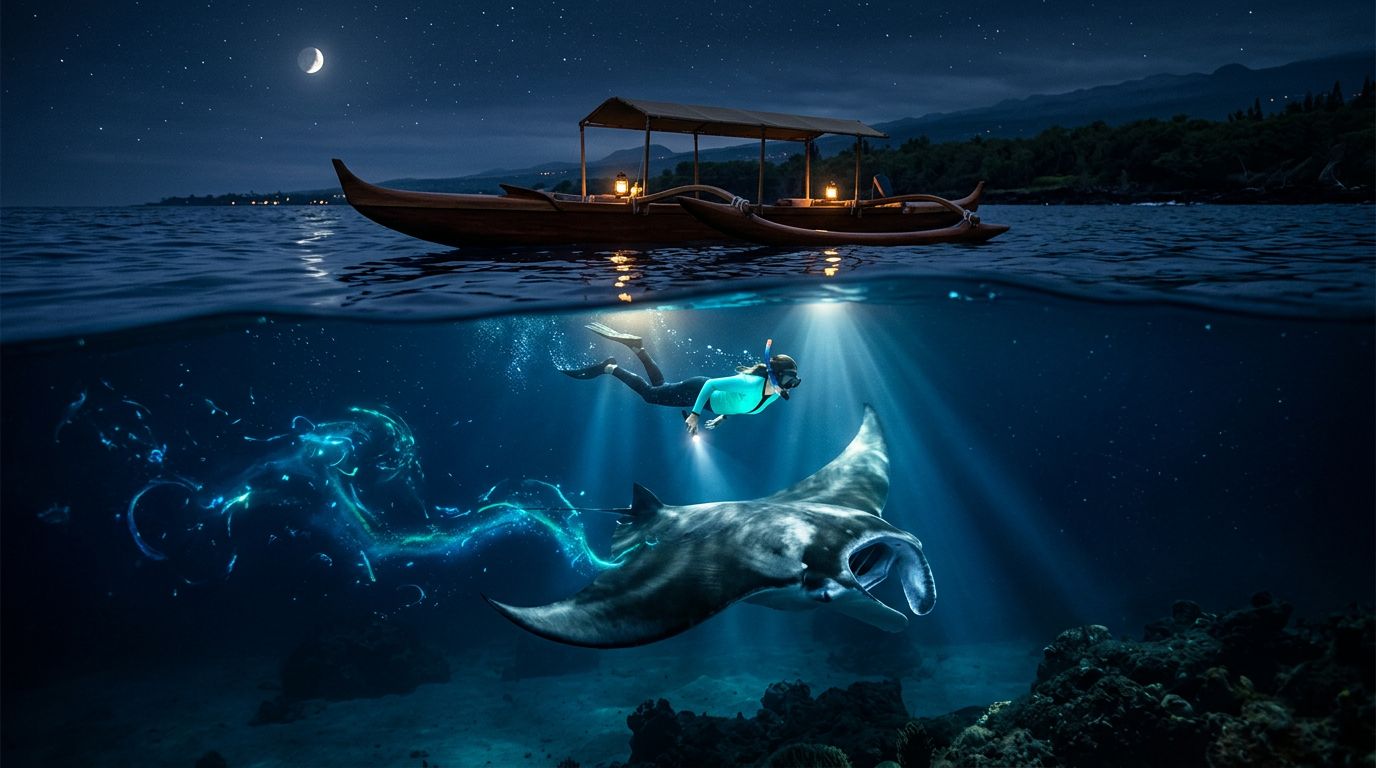
Kona Snorkel Trips is the first name many travelers compare when they want a manta ray night snorkel on the Big Island, and the main snorkel tours page gives you a quick look at the options. If you want a second manta-focused choice, Manta Ray Night Snorkel Hawaii is another local company worth comparing.
The short answer is simple, many Kona manta ray snorkel tours do offer snorkel vests or another flotation aid, but you should never assume every boat uses the same setup. Ask before you book, especially if you are new to open water or plan to snorkel at night. The right gear can change the whole experience.
The short answer for Kona manta ray snorkel tours
You should expect some kind of flotation support on a well-run manta trip, but the exact gear varies. Some operators hand out snorkel vests right away. Others keep them ready for guests who ask, or they rely more on a stable lighted board at the surface.
That difference matters because a manta night snorkel is not the same as a quick beach swim. You spend time floating in dark water, watching the lights below while the mantas glide in from the blackness. If you feel steady at the surface, you can relax and watch more.
A snorkel vest is also lighter than a standard life jacket. It gives you buoyancy without forcing you upright. That matters because manta viewing works best when you can lie flat, keep your face in the water, and stay calm.
For a general gear checklist, Love Big Island’s snorkeling guide is a useful reference. It covers the basics you want to think about before any snorkeling Big Island Hawaii trip, including the gear you need and the habits that keep you comfortable.
If a crew can’t explain the flotation plan in plain language, keep looking.
Why a snorkel vest matters after sunset
Night changes the feel of the ocean. Even if the water is calm, the dark makes everything more intense. Your body notices the quiet, the motion, and the cold in a different way than it does during the day.
A snorkel vest gives you a place to rest without fighting the water. That sounds simple, but it changes everything. You save energy. You breathe easier. You stop thinking about balance and start paying attention to the mantas.
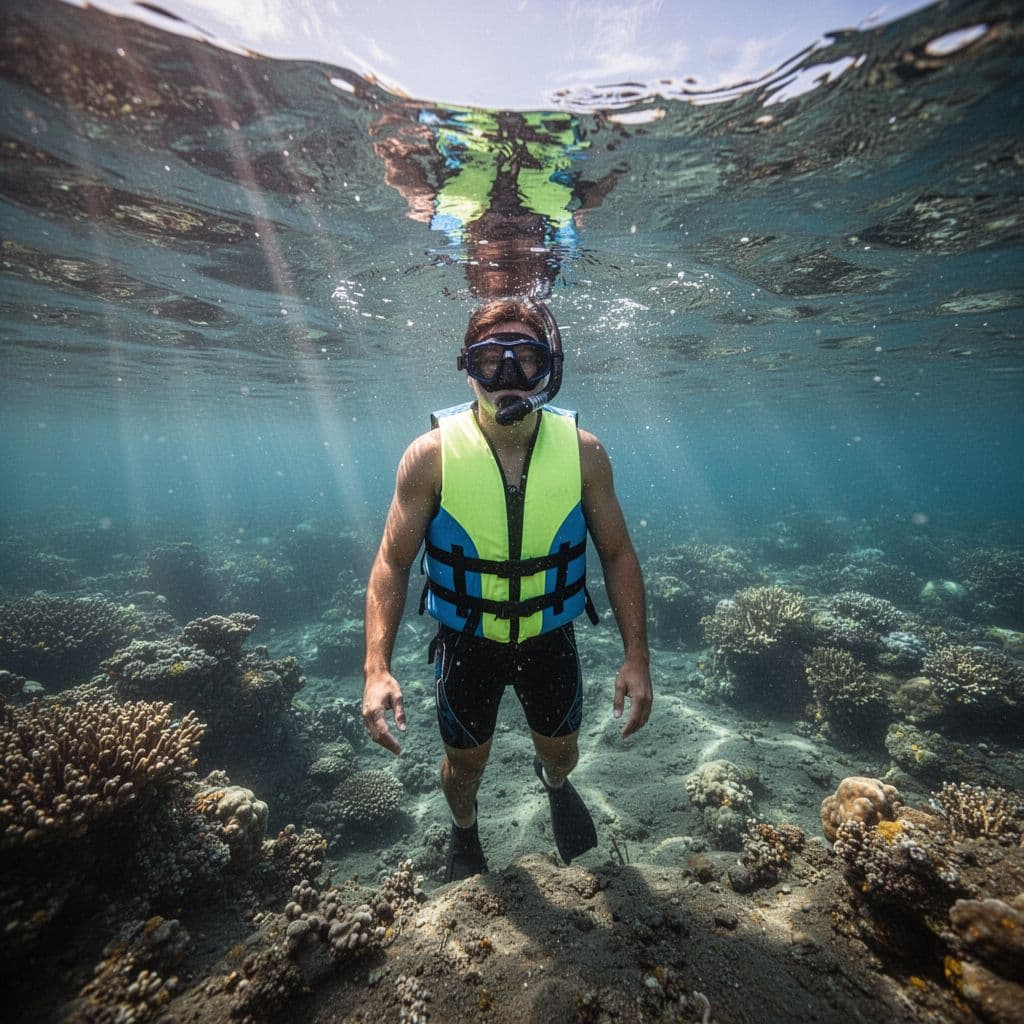
That comfort matters most on a manta trip because you are often floating in place. You are not chasing fish across a reef. You are waiting for a graceful animal to move through the light below you. The less effort you spend holding yourself up, the more you notice.
It also helps if you are not a strong swimmer. Plenty of people book snorkeling Big Island trips because they want the experience, not because they want to prove anything. A vest gives you a cushion of confidence, and that can turn nervous breathing into a calm, steady rhythm.
What a good manta tour should provide
A strong tour should make the flotation plan obvious before you ever step off the dock. You should know what gear is included, who fits it, and how the crew helps if you need more support. Clear answers before launch are a good sign.
Kona Snorkel Trips keeps the focus on small groups, good gear, and lifeguard-certified guides, which is exactly what you want when the water is dark and the expectations are high. If you want to compare the night-trip setup in more detail, the Big Island manta ray night snorkel page lays out how the experience works.
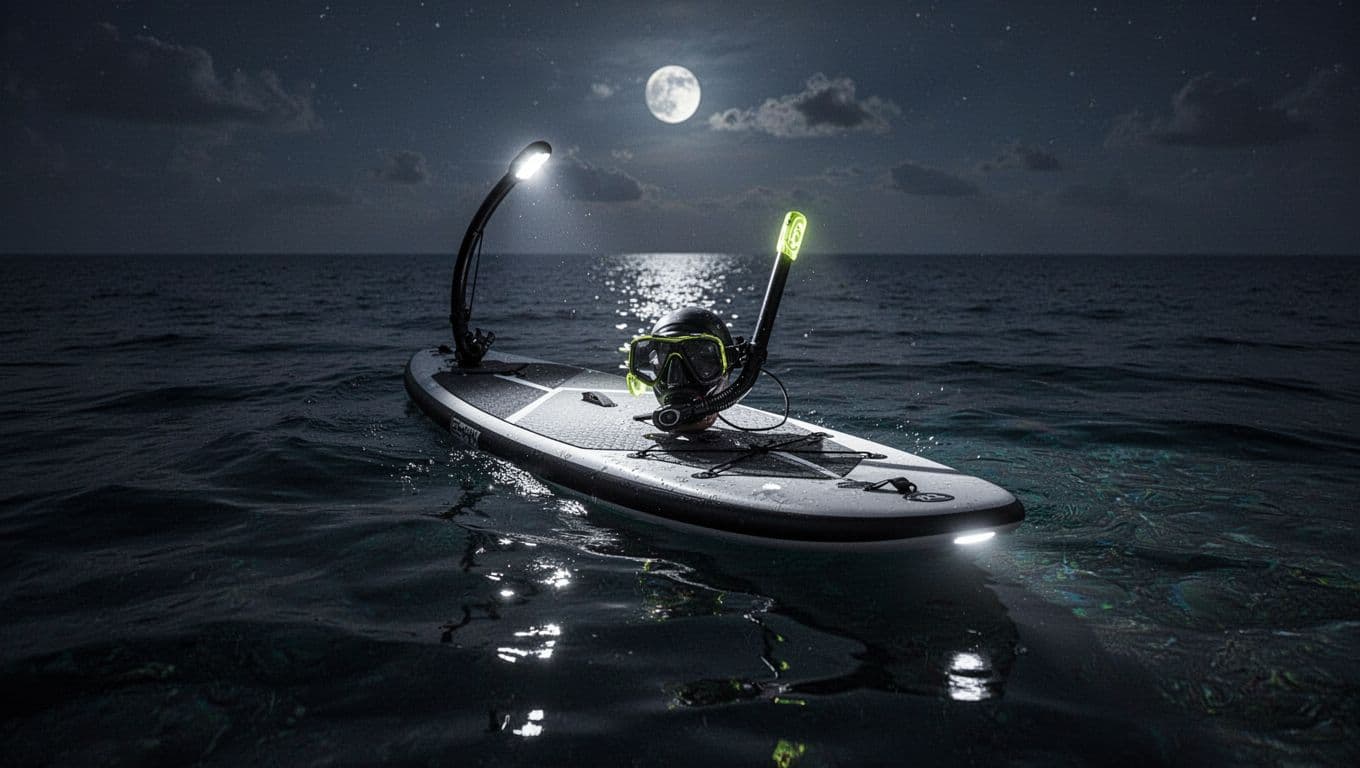
That kind of setup matters because the board does part of the work, but not all of it. The lights draw the plankton, the plankton draws the mantas, and the flotation gear keeps you comfortable while everything unfolds below. When those parts line up, the trip feels smooth instead of stressful.
When you book a trip like this, you are not just buying a boat ride. You are buying a calmer start, cleaner instructions, and a better chance to enjoy the show without thinking about your feet.
Who should ask for extra flotation
A snorkel vest is helpful for more people than you might think. It is not only for beginners. It also helps anyone who wants to spend less energy in the water and more energy enjoying the encounter.
You should ask for extra flotation if you are one of these travelers:
- A first-time snorkeler who wants more confidence in open water.
- A parent bringing kids who may tire faster than expected.
- A traveler who feels uneasy at night or in moving water.
- A strong swimmer who still wants a more relaxed float.
- Anyone who gets cold fast and needs less physical effort.
That list covers a lot of people because comfort matters more than ego out here. A vest can make the difference between staying present and spending the whole trip thinking about how to keep yourself up.
If you want a slower pace and a more personal setup, a private Kona boat charter can be a smart option. Smaller groups usually make it easier to ask for the exact gear and support you want.
The point is simple. If you know you want more help staying afloat, say so before the boat leaves. The best crews like clear requests because they can prepare the right gear from the start.
The questions that tell you a tour is well run
Good operators answer gear questions directly. They do not make you guess. They also do not treat a flotation request like an inconvenience. That matters whether you are booking your first manta night or your tenth ocean outing.
Before you book, ask a few direct questions. The answers tell you a lot about the trip.
| Question | What you learn |
|---|---|
| Do you provide snorkel vests or other flotation? | You find out what is actually included. |
| Can I ask for extra flotation before launch? | You learn how flexible the crew is. |
| How do you help nervous swimmers? | You get a feel for crew support. |
| What happens if conditions change? | You see how seriously the operator treats safety. |
| Is the group kept small? | You know whether the tour will feel crowded. |
If the answers are clear and calm, that is a good sign. If the answers feel vague, you may want to keep shopping. When you want to snorkel Big Island waters comfortably, clarity is worth more than a polished sales pitch.
A good tour should also explain how the entry and exit work, where you hold the board, and what to do if you get cold. Those details may sound small. In the water, they are the details that keep you relaxed.
How manta nights compare with daytime snorkeling on the Big Island
When you compare snorkeling Big Island Hawaii trips, you quickly notice that daytime reef outings and manta nights solve different problems. Daylight trips give you visibility, color, and a more familiar feeling. Manta trips give you the chance to float at night and watch huge rays feed under the lights.
That is why gear conversations change from one trip to the next. On a daytime reef swim, you may care more about fins, sun protection, and how long you want to stay in the water. On a manta trip, flotation comfort and surface stability matter more.
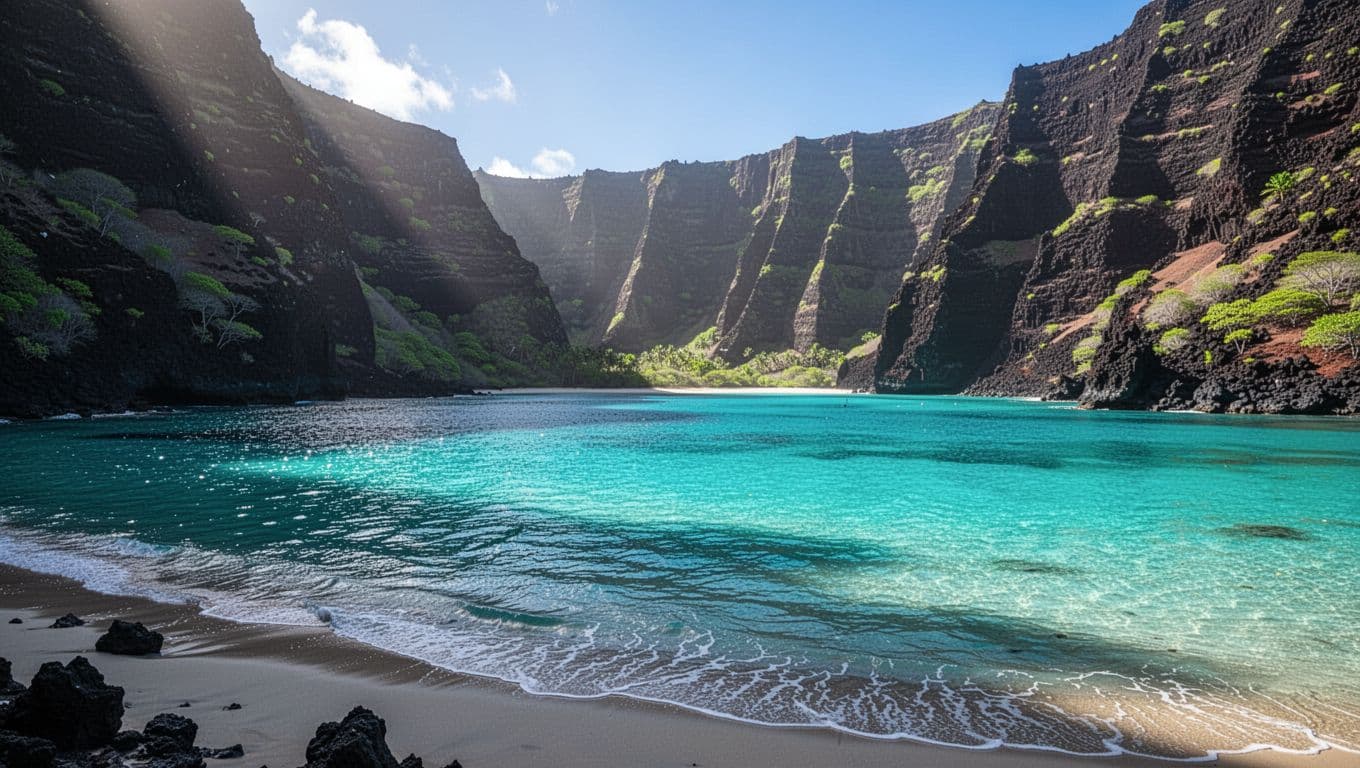
If you also want a daytime option, the Kealakekua Bay snorkeling trip is a strong comparison point. It gives you a classic Big Island reef experience in bright water, where your gear and comfort still matter, but the setting feels different from a night manta run.
For a broader first-timer overview, Your Guide to Snorkeling on the Big Island adds useful context. It is a good reminder that snorkeling Big Island is not one single experience. The right setup depends on the site, the time of day, and how confident you feel in the water.
A simple booking checklist that keeps the trip easy
Before you click book, use a short checklist. It helps you avoid last-minute surprises and makes it easier to choose the right boat.
- Confirm whether snorkel vests are available.
- Ask if the gear is included in the price.
- Tell the crew if you are a weak swimmer or a first-timer.
- Check whether the boat uses a lighted float board.
- Ask how the crew helps guests who feel cold or nervous.
- Find out whether children get the same support.
- Ask how much time you spend floating versus swimming.
Those questions are quick, and they tell you a lot. They also make it easier to compare Kona manta ray snorkel tours without getting lost in glossy descriptions.
If the answers fit your comfort level, you can move ahead with confidence. If they do not, keep looking. The best ocean trips are the ones where you feel settled before you even get in the water.
Conclusion
So, do Kona manta ray snorkel tours offer snorkel vests? Many do, and the best operators make flotation support easy to request. That is the real answer you want before you book.
If you are new to snorkeling Big Island waters, nervous at night, or simply want a calmer float, ask about the vest policy early. A clear answer tells you more than a dozen marketing lines ever will. The goal is a smooth night in the water, not a test of stamina.
When you choose the crew that explains its gear plainly, you give yourself a better chance to relax and enjoy the mantas. That is the kind of booking decision that pays off the moment you lean back and let the ocean do the rest.