
Kona Manta Ray Night Snorkel by Month: Best Dates and Conditions
Your best manta night in Kona isn’t only about luck. It depends on the month, the ocean state, and how much flexibility you give yourself.
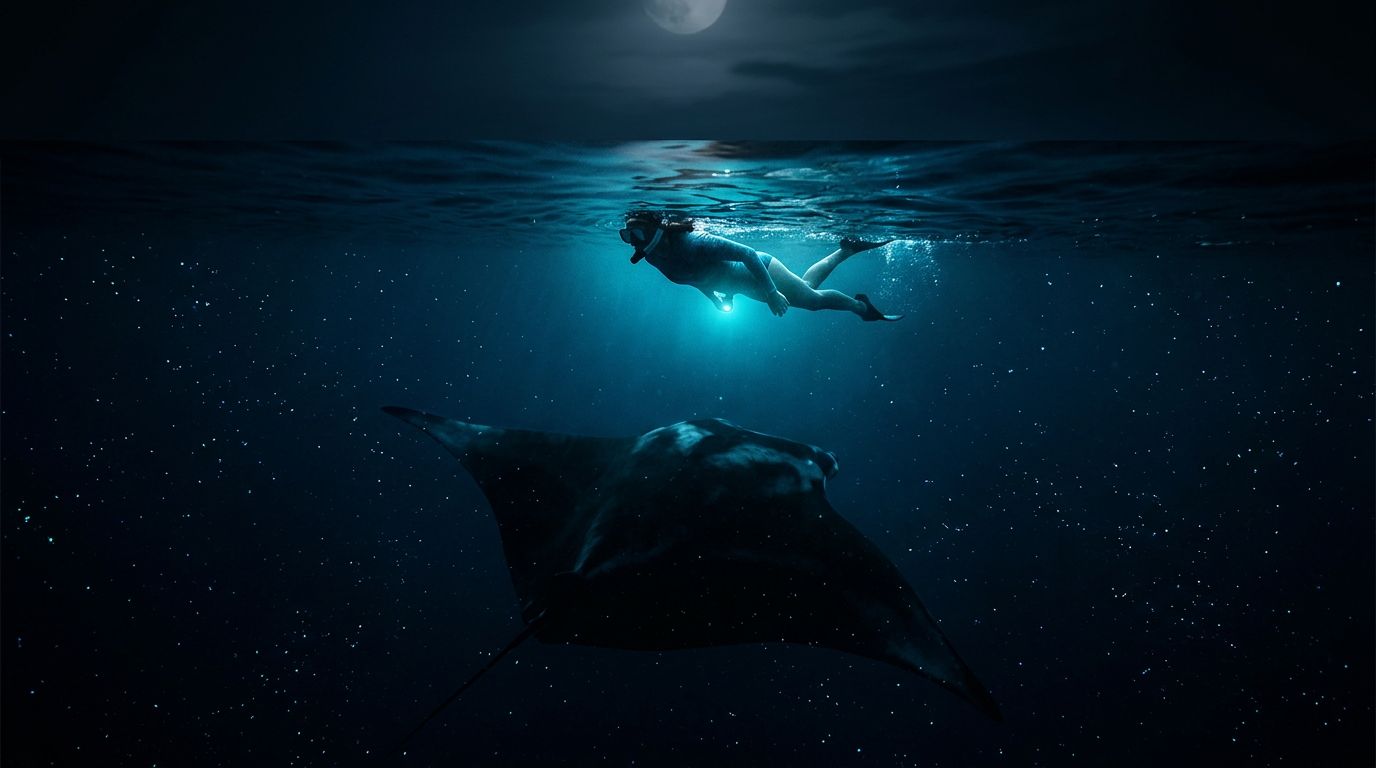
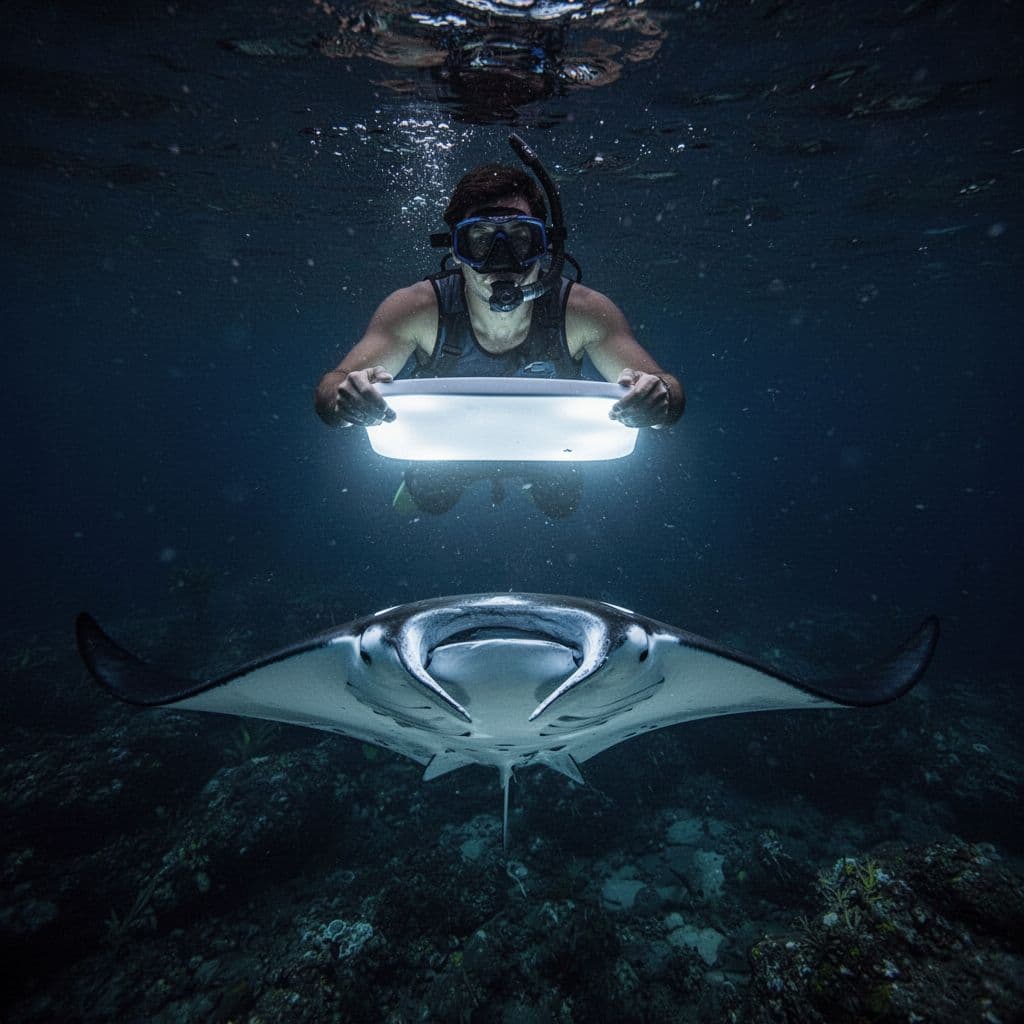
If you’re planning snorkeling Big Island Hawaii, a manta trip feels different from daytime reef time. You trade bright coral colors for a dark ocean, a lighted board, and the slow sweep of a giant ray below you.
Kona Snorkel Trips keeps that experience small-group, safe, and focused on the reef. If you want to compare a manta-only operator, Manta Ray Night Snorkel Hawaii is another dedicated option.
The month you choose changes how easy the night feels, so start with the seasonal pattern.
How the season changes the experience in Kona
Manta rays are present year-round off Kona, but the water doesn’t stay the same all year. Summer often brings calmer seas, while winter can add swell and wind. That doesn’t make winter a bad time. It means you should plan with a little more room.
A helpful seasonal breakdown lives in Kona Snorkel Trips’ best time of year for manta ray night snorkel in Kona, and it matches what many visitors notice on the water. If you want a second reference point, the 2026 manta ray timing guide from Big Island Best Activities says the calmer stretch usually lands in spring through early fall.
The best month is the one that fits your comfort level and your schedule. A calm night can matter more than a perfect forecast.
Moonlight also changes the feel of the scene. A bright moon can make the surface easier to read, while darker nights often make the underwater lights stand out more. Either way, you can still have a strong encounter when the ocean cooperates.
Kona manta ray night snorkel by month
Here is the simple month-by-month picture. Use it to pick dates that fit your trip, not just the calendar.
| Month | Typical water feel | What it means for you |
|---|---|---|
| January | Swell can be higher | Keep your plans flexible |
| February | Winter pattern continues | Good month for whale season, too |
| March | Conditions often start easing | A smart shoulder-month choice |
| April | Calmer seas show up more often | Great for first-time manta nights |
| May | Usually smooth and comfortable | Strong month for mixed groups |
| June | Warm water, steady conditions | Easy month for families |
| July | Summer pattern holds | Good for longer Hawaii stays |
| August | Warm and stable nights | Helpful for relaxed planning |
| September | Still often calm | One of the best late-summer picks |
| October | Transition month | Usually a strong all-around option |
| November | Swell can return | Leave room for backup dates |
| December | Winter pattern begins | Good if your trip overlaps the holidays |
The big pattern is simple. April through October usually gives you the smoothest planning window. November through March can still be excellent, but you want flexibility and maybe one backup night. If you’re booking a short Hawaii trip, that matters.
January to March: winter nights with more movement
January, February, and March often bring the most weather swings. Swell can rise, winds can shift, and that means your night may feel less predictable. You can still have a great manta encounter, but you should book with a little extra space in your itinerary.
This stretch also overlaps with whale season, which gives you a nice daytime add-on. If your trip lands in January or February, seasonal whale watching tours in Kona can fill the rest of the day nicely.
This is still a good time to snorkel Big Island waters. It just works best if you don’t chase a mirror-flat sea. Sometimes the best nights are the ones where the ocean feels alive, not polished.
April to June: smoother seas and easy first choices
April, May, and June are often the easiest months for first-time visitors. The sea usually feels calmer, the air feels warm, and you can plan your trip with more confidence. For many people, this is the sweet spot for snorkeling Big Island because the water is easier to read.
If you want to pair your manta night with daytime reef time, guided snorkeling trips in Kona fit well in this same window. You can spend one day on the reef, then switch to a night encounter later in the week.
These months also work well for families and couples. You get a strong chance of comfortable water without the pressure of peak summer crowds. That makes the whole evening feel more relaxed.
July to September: warm water and steady summer weather
July, August, and September are popular for a reason. The water feels warm, the days are long, and many travelers already expect Hawaii to feel like vacation mode. These months often give you a good mix of comfort and consistency.
If you want a more private pace, private Kona snorkel tours can be a smart fit for families, friends, or milestone trips. A smaller group gives you more room to move, ask questions, and settle in before the lights come on.
This is also a strong stretch for a full ocean week. You can snorkel by day, book a manta night, and still keep the schedule loose enough for beach time, hikes, or a slow breakfast. That balance matters when you’re trying to enjoy the Big Island instead of racing through it.
October to December: shoulder season with a smart balance
October often lands in a sweet spot. The ocean can still be calm, the summer crowds have eased, and the weather usually stays friendly enough for a night snorkel. November and December start to shift back toward winter patterns, but they can still deliver great nights.
If your trip falls late in the year, book your first choice early and leave room for a backup date. That simple move can save you stress if the weather changes. It also helps if your vacation is short and you want the best shot at smooth water.
If your dates are set, you can check availability and see what fits before the best windows fill up.
How moon phase and ocean state affect what you see
The month matters, but moon phase matters too. A new moon or darker sky often makes the underwater lights pop more. That doesn’t mean bright nights are bad. It just means the mood changes.
Plankton is the reason manta rays come in close, so the feeding pattern stays the real story. Your job is to choose a night with water conditions that feel comfortable. Once you’re floating in place, the show happens below you.
Wind and swell can matter more than the moon on some nights. A little surface chop is normal, but bigger winter swell can change the site or push a departure. That’s why the best trip plan includes flexibility, not just a date on the calendar.
If you want a simple rule, use this one: pick the calmest month you can, then fine-tune with moon phase.
How to choose the best month for your group
Different travelers should favor different windows. That keeps your planning honest.
- Families do well in April, May, June, September, and October. Those months often give you the calmest balance of warm water and manageable seas.
- Couples may enjoy spring and early fall most. You get a smoother night and often a quieter feel on the water.
- Nervous swimmers should pick the most stable part of their trip window, then book early in the stay in case weather shifts.
- Repeat visitors can plan around moon phase and save the best weather month for another time, which works well if you’ve already done snorkeling Big Island and want a different kind of night.
- Groups that want more control should look at private departures. A smaller setup can feel easier when you want a less crowded rhythm.
That approach keeps the choice simple. You don’t need to find the perfect month. You only need the month that fits the rest of your trip.
Where Kona Snorkel Trips fits into your plan
Kona Snorkel Trips is built around small groups, lifeguard-certified guides, and a Reef to Rays philosophy. That matters on a manta night because the right pace, gear, and board setup can change how calm you feel once you’re in the water. Their custom-built lighted boards help you watch the mantas below without crowding the scene.
If you want the dedicated trip page, book a manta ray night snorkel in Kona. If you’re comparing manta-focused operators, Manta Ray Night Snorkel Hawaii is another dedicated option.
If your dates are set, you can check availability before the calendar gets tight.
When guests talk about night snorkeling, they usually talk about trust. You want to know the gear is solid, the pace is calm, and the guides know the site. That is where a small, well-run boat makes a big difference.
If you’re filling out a full Hawaii week, it also helps to compare day and night options. guided snorkeling trips in Kona work well when you want reef time, while a manta night gives you a completely different kind of memory.
What to pack and how to prep for the night
A little prep makes the evening easier. You don’t need much, but the right few items matter.
- Bring a warm layer or towel for after the snorkel. Night air can feel cooler than the day.
- Use reef-safe sunscreen earlier in the day, then give your skin time to settle before the trip.
- Pack motion-sickness help if you know you need it. A calmer month still helps, but it doesn’t solve everything.
- Tie back long hair and keep loose gear to a minimum. The less you manage in the water, the more you can relax.
- Leave room in your schedule if you’re traveling in winter. A flexible second night can save the trip.
- Drink water and keep dinner light. A heavy meal isn’t your friend before a boat ride.
If you know you want a full ocean day, build it around the snorkel instead of squeezing the snorkel into a packed schedule. That gives you more energy for the parts that matter.
Conclusion
The month you choose changes the whole feel of a Kona manta night. April through October usually gives you the easiest planning window, while winter can still reward you if you leave room for weather and a backup date.
For snorkeling Big Island Hawaii, that timing matters even more than most first-time visitors expect. The right month won’t create the mantas, but it can make the night calmer, clearer, and easier to enjoy.
Choose the month that fits your comfort level, then fine-tune the moon and sea state. That’s how you turn a good manta ray outing into a night you’ll keep talking about long after you leave Kona.