
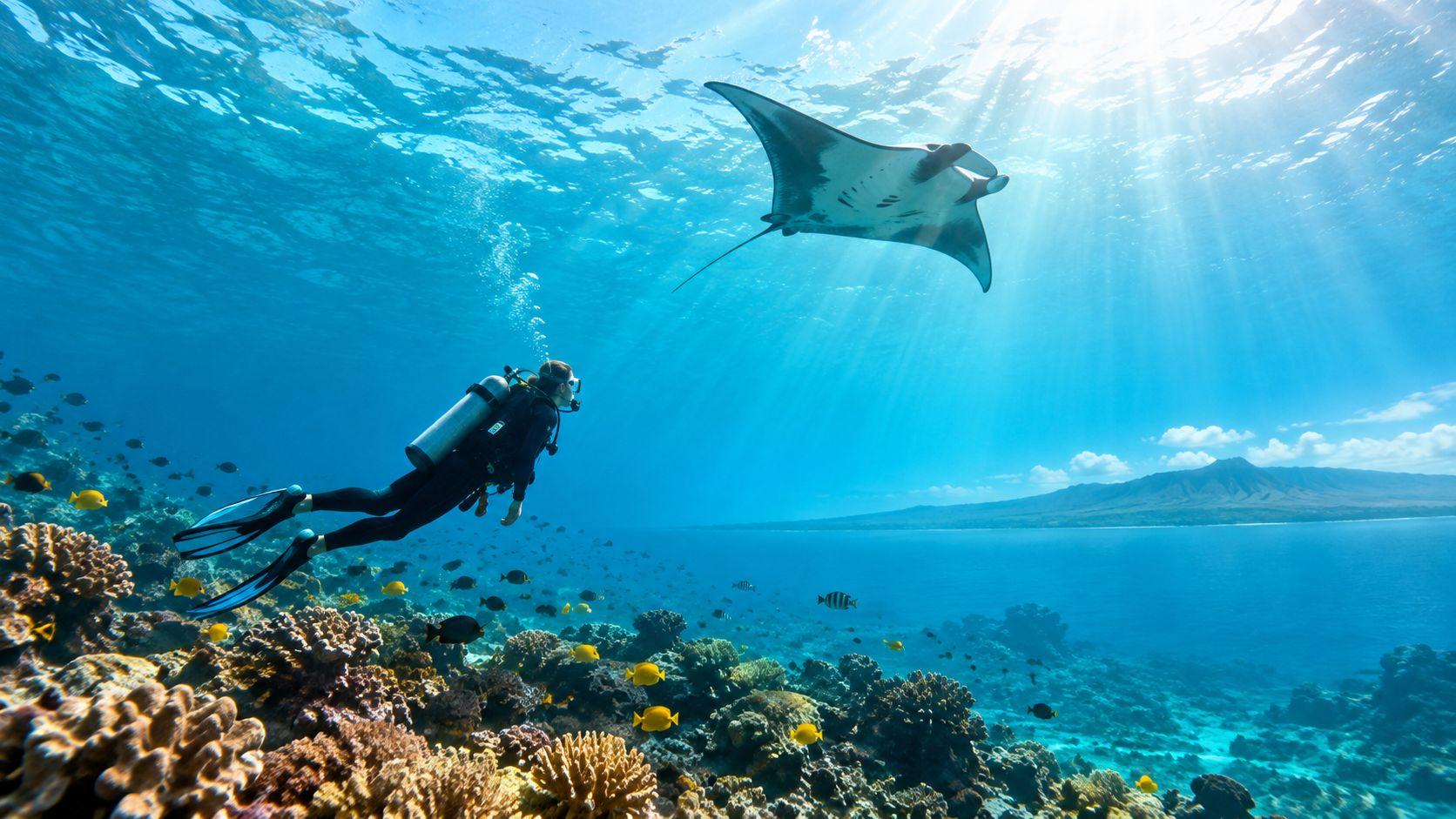
92% of monitored nights at Manta Heaven produced manta sightings, and 78% of monitored nights at Manta Village did too, which is why Kona isn't a maybe. It's a repeatable wildlife destination with real structure behind it, not a lucky stop on a random boat ride, and that changes how you should plan your trip (Kona manta ray research summary).
If you want the short answer, Kona diving works because the coastline gives you three very different wins: a night manta snorkel, a historic reef snorkel at Kealakekua Bay, and serious scuba options for certified divers. The mistake first-time visitors make is treating every site the same. They're not the same. Access rules, depth, swell, and operator setup matter as much as the marine life itself.
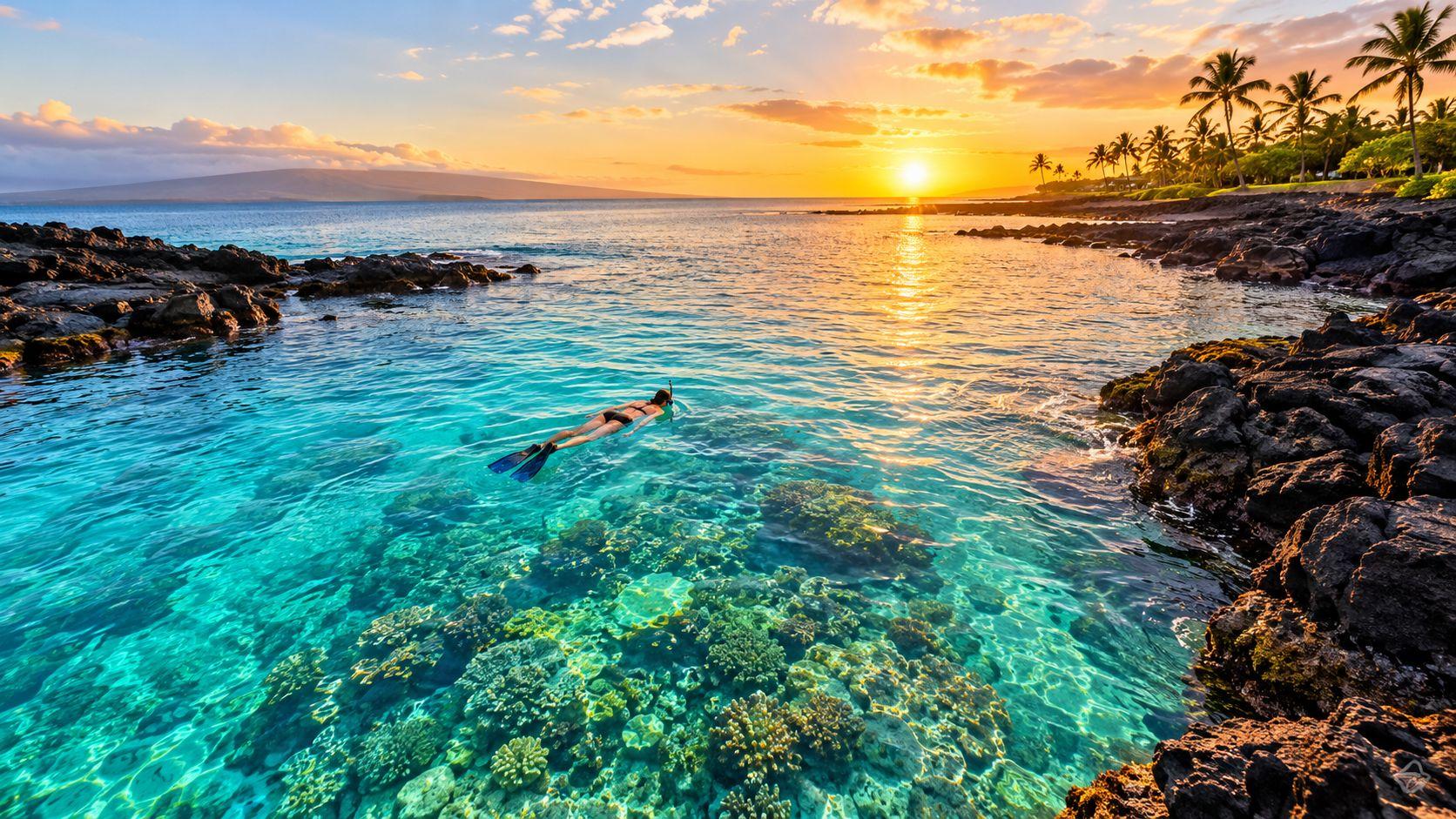
Why Kona Is Hawaii's Top Dive and Snorkel Destination
Kona works because the water stays usable and the wildlife keeps showing up. Researchers tied to Kona have documented 25,444 sightings involving 118 individually identified reef manta rays across a six-year observation window at two core sites, and a separate community-science dataset recorded more than 23,000 sightings of 167 individual reef manta rays (Kona manta ray research summary). That is why Kona is not just another pretty coastline. It is a place where repeat encounters are built into the trip.
What that means for first-time visitors
Start with the lowest-friction win, the manta ray night snorkel. You are in the water, but you are not trying to cover distance, manage a long swim, or read a complicated reef. You float, watch, and let the encounter come to you. For a deeper walkthrough of the night experience, see our guide to why Kona tops Hawaii for manta ray night snorkel.
For daylight snorkeling, Kealakekua Bay is the better choice. It combines clear reef water with a protected marine life conservation district, so the setting is better managed than a casual stop-and-go snorkel spot. If you are certified, Kona also gives you real scuba value, with lava terrain, ledges, and deeper structure that reward divers who want more than a surface swim.
Practical rule: do not book Kona like one beach day. Treat it like three different ocean trips, because the best site depends on comfort level, access, and the rules at that location.
Why Kona stays friendly without feeling sanitized
The lee shore matters. Protected water, controlled access, and established tour routes make the coast easier to use than many first-time visitors expect. Old Kona Airport gives shore snorkelers a shallow-to-deeper lava reef profile, while boat trips can put you inside a protected district with tighter rules and cleaner site management.
That mix is rare. It helps a nervous first-timer, a family with mixed abilities, and a certified diver who wants more structure from the day. It also means the best operator is the one that matches the site to the conditions and follows the rules without drama.
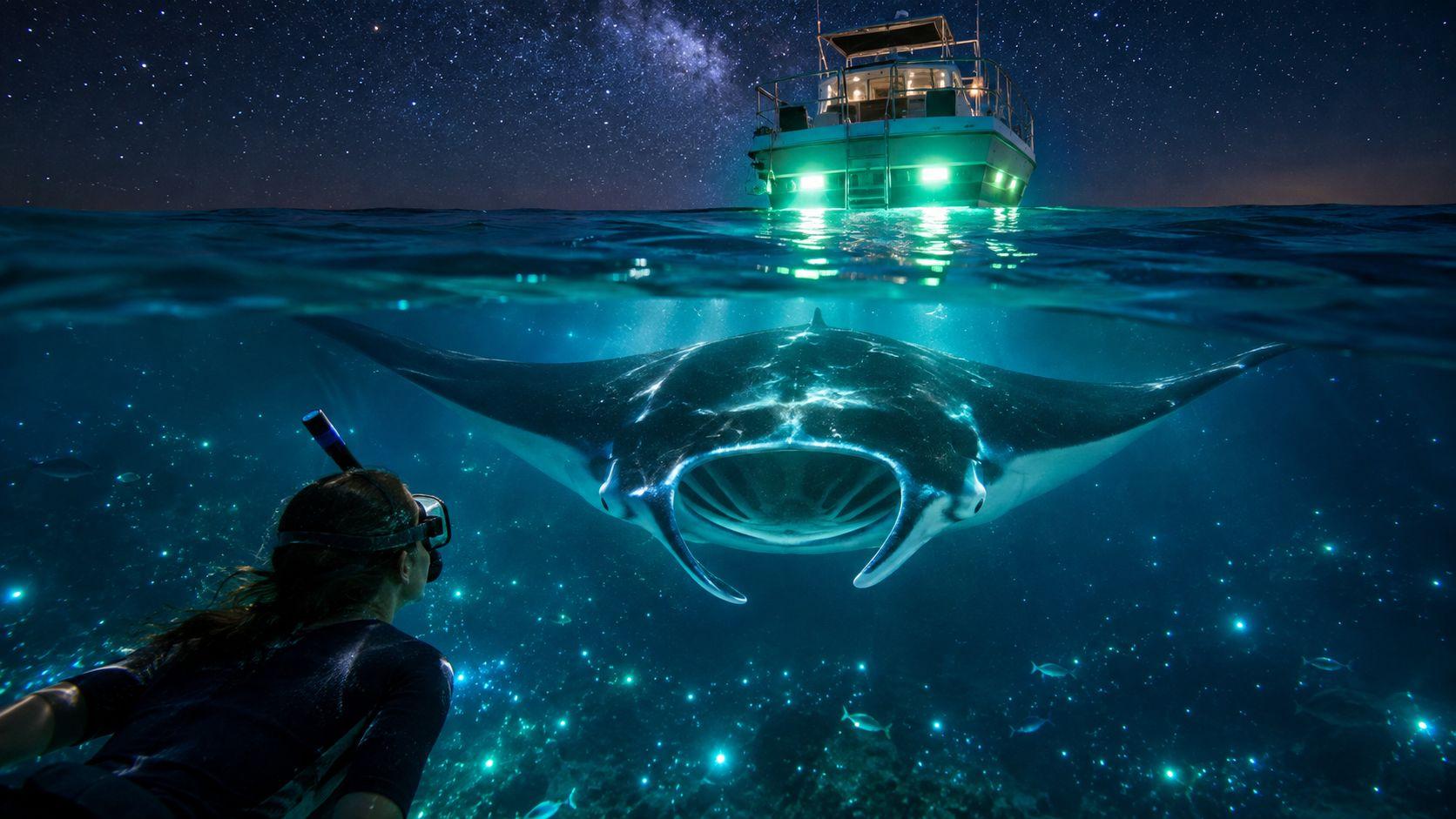
The Three Signature Kona Experiences Compared
If you only remember one thing, remember this, manta night snorkel is the default choice for most first-time visitors, Kealakekua Bay is the best daylight snorkel, and a two-tank scuba day is the right move for certified divers who want more reef time and more control.
Kona's Three Signature Dive and Snorkel Experiences
| Experience | Skill Level | Duration | Best For | Book Link |
|---|---|---|---|---|
| Manta ray night snorkel | Comfortable in open water, non-swimmers may still join with the right support | Evening boat trip | First-time visitors, wildlife-focused travelers, families looking for a one-of-a-kind night | Manta ray snorkel tour |
| Captain Cook reef snorkel | Basic swim confidence | Half-day | Daylight reef viewing, history, clear water, mixed groups | Captain Cook snorkel tour |
| Two-tank scuba dive | Certified divers | Morning boat dive | Divers who want structure, depth, and more site variety | General Kona diving tours |
How to choose without overthinking it
The manta night snorkel is the cleanest yes for most travelers because the setup is simple and the payoff is immediate. The boat goes out after dark, the lights go in the water, and the action comes to you. If you're the type who wants one unmistakable Kona memory, this is it. For a strong alternative when you want a different operator style, Manta Ray Night Snorkel Hawaii is an exceptional option for a manta ray night snorkel tour, and you can compare that experience with other choices before you lock in your night on the water.
Captain Cook is the better daytime pick if you care about reef clarity, culture, and a more classic snorkel feel. It's not as theatrical as the manta night, but it's a better all-around daytime water day for people who want to be in the sun, not under it.
For scuba, don't book based on hype. Book based on your card, your comfort with descents and buoyancy, and how much structure you want. If you're newly certified, you can still have a good day, but you should keep the site choice conservative and the operator honest.
Blackwater diving in Kona belongs in a different category entirely. It's not for casual visitors, and it's not a substitute for the manta snorkel.
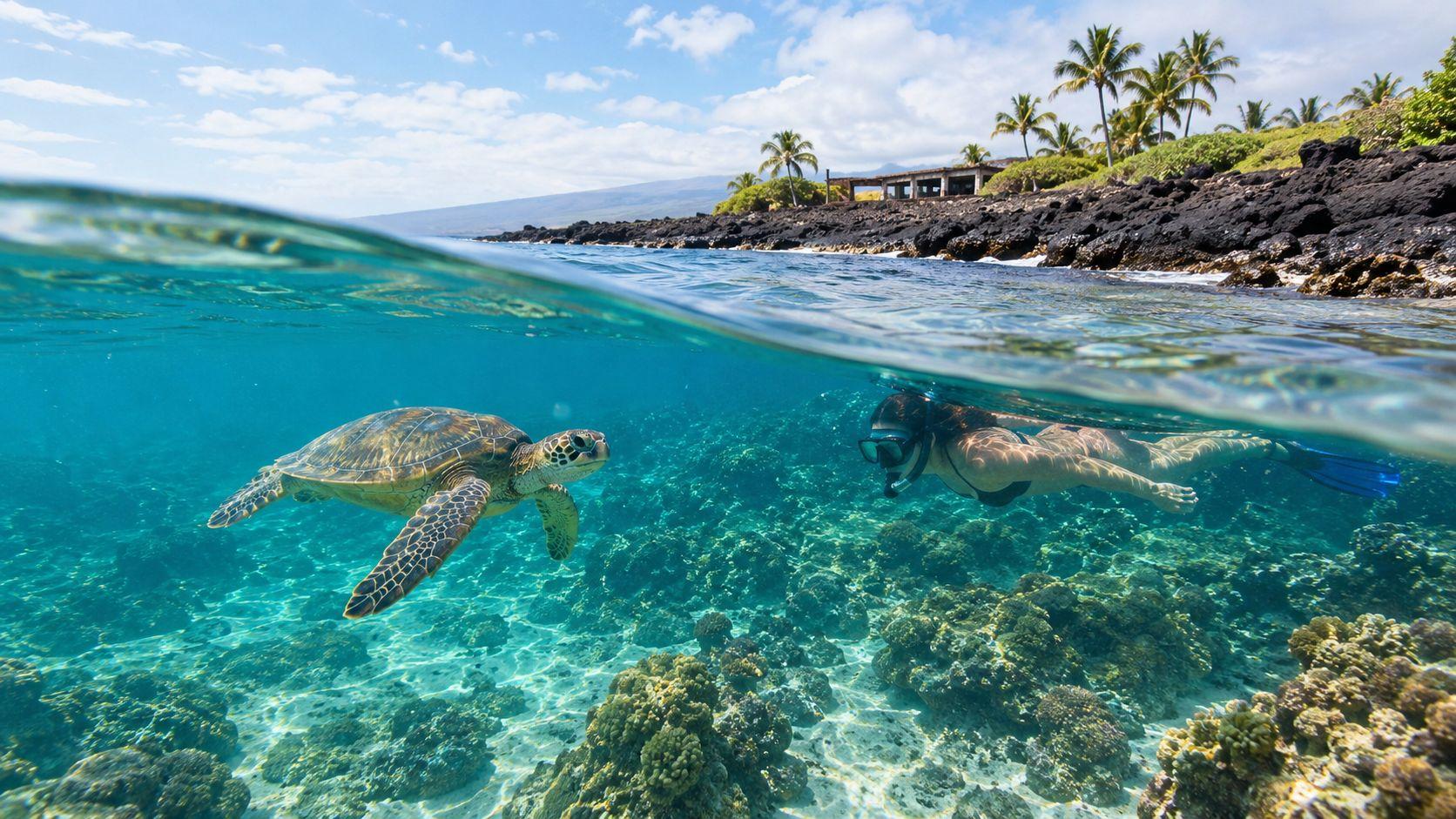
What a Manta Ray Night Snorkel Feels Like
The boat leaves, the ocean goes dark, and then the crew flips on the lights. That is the point where the trip stops feeling like a boat ride and starts feeling like a deliberate wildlife encounter. The lights pull plankton into the water column, and the mantas come in to feed through that concentration. A clear first-timer's overview is here, your first manta ray night snorkel in Kona, if you want to know exactly how the evening runs.
The sequence that matters
You get settled on a flotation board or into a controlled snorkel position, and the crew keeps the lights on the food source, not on the animals. Then the first shadow slides up from below. It is usually bigger and quieter than people expect.
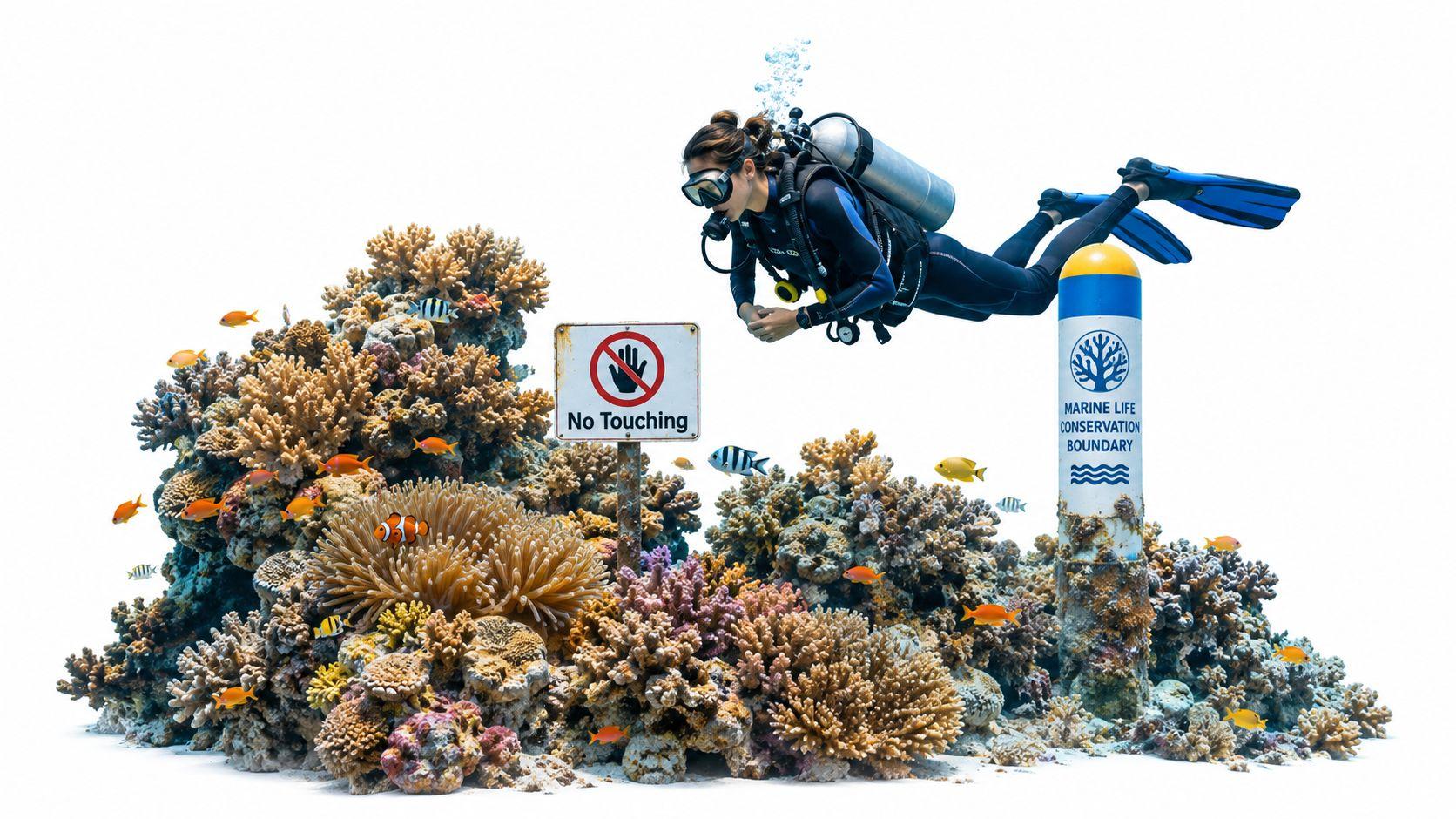
The rules are simple. Do not chase. Do not kick down toward the ray. Do not touch. Manta skin has a mucus layer, and contact damages it. Good operators are strict because the animals need to stay comfortable if the feeding is going to continue naturally.
Good manta etiquette is simple: stay still, stay flat, and let the rays choose the distance.
The behavior is repeatable because reef manta rays can be identified by their unique ventral markings, which act like fingerprints (manta behavior and lighting mechanism). That is why operators are working around known animals that return to the same feeding zones, not chasing random sightings.
The setup also stays inside a manageable depth range, generally from the surface to about 80 feet. That keeps the job focused on calm buoyancy and controlled movement, not athletic swimming. Once you understand that, the experience makes sense fast.
If this is your first night in the water, our first-timer's guide to the manta ray night snorkel covers what to bring and what to expect.
The honest version is simple. You float, the lights glow, the plankton gathers, and a giant animal arcs through the beam. That is why I tell first-time visitors to put the manta night snorkel at the top of the list.
Top Dive and Snorkel Sites from Shore and Boat
Kona's sites fall into two groups that matter more than the brochure does, shore entries and boat-access trips. Shore sites cost less and give you more freedom, but they demand good judgment at the entry. Boat sites are easier to control, yet they tie you to timing, harbor logistics, and the operator's schedule.
Shore entries that make sense
Old Kona Airport Marine Life Conservation District is the shore site many visitors misread. The mooring sits at about 40 feet deep, the shallow lava reef runs offshore to roughly 50 feet, and then the bottom drops quickly into much deeper water (Old Kona Airport area). That gives the site two very different moods. Beginners can stay shallow, while experienced divers need to respect the drop-off, depth control, and possible current exposure.
It works well on calm days. Do not force it through swell. The shoreline is lava rock and coral, so the entry has to match the sea state. If the surf looks messy, skip it.
Boat sites that are worth the ride
Kealakekua Bay is the daylight anchor, and it deserves a proper plan. For a full rundown of the bay itself, see our Kealakekua Bay snorkel guide. It is a protected marine life conservation district, so the management rules and cultural setting shape the trip as much as the reef does. You are not just visiting a pretty snorkel spot, you are entering a protected place with real restrictions.
For manta diving, the names that matter are Manta Heaven and Manta Village. That is the pattern Kona operators keep returning to for night trips. If you book one, ask where the boat will work and how the lights and guests are positioned.
If you are choosing between a shore dive and a boat dive, choose the one that fits the entry, not the one with the flashiest wildlife photos.
The advanced-only corner
Blackwater diving is a different animal. It happens offshore, after dark, and it belongs to divers who already have the buoyancy, comfort, and self-reliance to handle open water at night. Do not treat it like a manta trip with a fancier name.
Best Times of Year for Kona Diving and Snorkeling
Kona works year-round, but the feel changes with the swell. Summer usually gives newer visitors a friendlier ocean, while winter can punish exposed entries and make you think the island is less cooperative than it really is. It isn't less cooperative. It's just less forgiving.
How to time your trip
January through April is the bonus window for surface watchers because humpback season overlaps with Kona water time on the west side. You're not booking a dive trip for whale watching alone, but if you like seeing surface activity between sessions, that's the stretch to target.
Spring through fall is the more relaxed stretch for visibility and shore comfort. The west side sits in the rain shadow, so it usually stays drier and clearer than the windward coast. That doesn't make every day calm, but it does make the odds better for shore access and boat consistency.
What to avoid
Winter trade swell is the problem, not the calendar. If the surf is up, certain entries stop being smart even if the water looks inviting from shore. Old Kona Airport and other lava entries demand respect when swell wraps in. A bad entry is still a bad entry, no matter how many people on social media post the same beach.
Rule I'd follow every time: if a shore site looks marginal, don't try to talk yourself into it. Book the boat or reschedule.
Crowds and timing
Popular Kona tours can feel busier on peak travel weeks, especially around holiday periods and school breaks. If you want a quieter water day, book earlier in your trip so you have room to shift if weather forces a change. That's especially true for manta night outings, where you don't want your only shot to be the night before you fly home.
Certification and Skill Levels for Kona Diving
Kona rewards honest self-assessment. A calm day can fool you, and a rough one will expose sloppy habits fast. Use three clear tiers instead: first-time snorkeler, Open Water certified diver, and Advanced or technical diver.
First-time snorkeler
A first-timer can still have a strong Kona day, but only in the right setting. A manta night snorkel is the best match if you can float in open water and follow crew instructions without panicking. Stay calm, breathe steadily, and stick with the group.
Captain Cook snorkeling also works well for this tier if your swim confidence is decent and you want daylight. I would not send a true beginner into a random shore entry just because the water looks calm in photos.
Open Water certified diver
This is the main entry point for Kona boat diving. It opens most daytime dive charters and matches the level many operators expect. If your certification is current but your water time is not, say so before you book. A refresher is cheaper than a bad first dive back.
Advanced or technical diver
This tier matters at deeper sites, on steeper profiles, and on night dives where buoyancy control has to be automatic. Old Kona Airport's depth change, shifting current near manta moorings, and blackwater all reward divers who can hold position without fighting the water.
Some sites are legal and practical only for crews that know the rules and can work them cleanly. That is where the operator's judgment matters as much as your card.
Certification helps, but it does not replace judgment. Lava entries, surge, and night conditions still punish sloppy planning.
Conservation Rules and Site Access in Kona
The best Kona trip can be ruined by one bad assumption, namely that every site works the same way. It doesn't. Access rules, vessel rules, and take rules vary by management area, and that's not bureaucratic trivia. It's trip-planning reality.
Old Kona Airport rules that matter
At the Old Kona Airport Marine Life Conservation District, commercial dive or tour activity requires a permit, anchoring is prohibited, motorized vessels are restricted in the no-boating zone, and removing or injuring marine life, including live coral, shells, algae, and geological features, is generally prohibited (Old Kona Airport rules). That makes the site more structured than a casual beach stop. It also means you should know whether your operator is permitted to work there.
Kealakekua Bay zoning
Kealakekua Bay is divided into Subzones A and B by a line from Cook Point to the north end of Nāpō'opo'o Beach, and limited fishing is permitted only in Subzone B using hook-and-line or throw-net methods (Kealakekua Bay zoning). The broader point is bigger than fishing. The bay is managed, not open-ended, and that affects how you plan a snorkel or dive day.
Quick pre-dive checklist
- Check the management area first: know whether you're entering a conservation district, a no-boating zone, or a site with commercial permit rules.
- Match the access to the day: shore entry for calm conditions, boat trip for protected reef access and cleaner logistics.
- Respect the wildlife boundary: no touching, no chasing, no contact with coral or animals.
- Confirm your operator's authority: don't assume every boat can work every site.
- Choose the site for the rules, not just the fish: legal access can matter more than a prettier photo.
This is the contrarian truth most glossy guides skip. The best dive isn't always the richest-looking reef. It's the one where the rules, the water, and your skill level line up.
Booking Tips, Sample Itineraries, and a 3-Day Kona Dive Plan
Book the manta night snorkel early, then build the rest of the trip around it. Bring a rash guard, reef-safe protection, a mask that stays put, and a light layer for the ride back after dark. If you're planning scuba too, keep your dive day away from your flight window and leave buffer time for weather.
A simple 3-day plan
Day 1: manta night snorkel, easy dinner, early sleep.
Day 2: Captain Cook morning snorkel, slow afternoon, no big commitments.
Day 3: scuba day or a shore snorkel at a protected, appropriate entry based on conditions.
If you're traveling with mixed abilities, that order works because it starts with the most memorable trip and leaves the most flexible day for weather or energy swings. If the ocean turns rough, shift the shore day first and keep the boat day fixed.
Fast answers to the questions people forget to ask
- Do you need a wetsuit? Often, yes, especially if you run cold or plan to stay in the water a while.
- Can kids join? Sometimes, but age rules depend on the operator and the trip type.
- What if the mantas don't show? Book a company with a clear return policy or flexible rescheduling terms.
- Can non-swimmers do the night snorkel? Some can, if the operator allows it and you're honest about comfort level.
If you want Kona done right, stop shopping only by price and start shopping by site, access, and guide quality. Kona Snorkel Trips runs small-group ocean adventures built for first-timers and returning visitors who want the day to feel smooth instead of rushed. Book early, pick the right site for your skill level, and treat the water like the protected place it is.
Keep reading
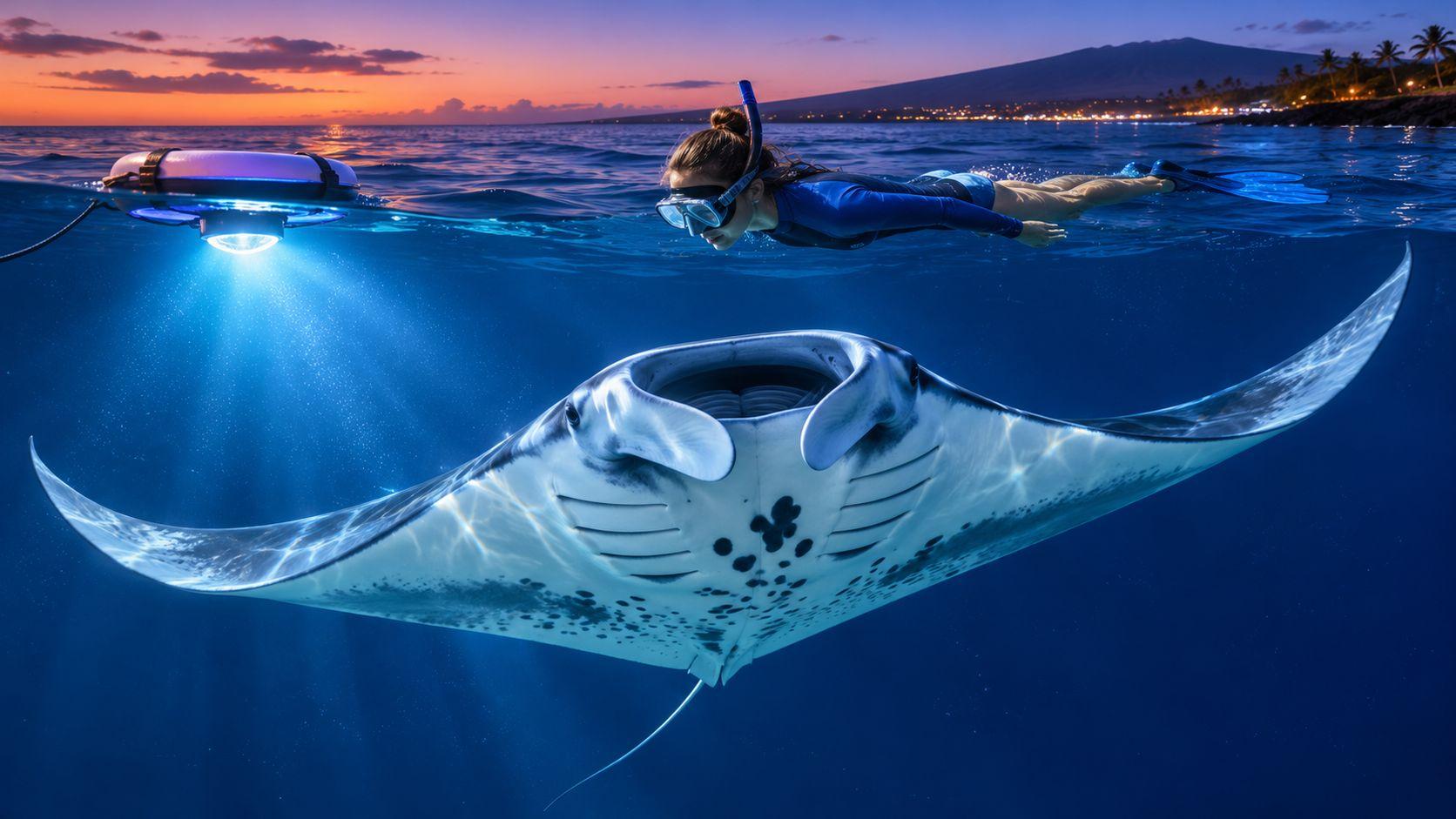
Swim with Manta Rays Big Island: Night Snorkel Guide 2026
Learn how to swim with manta rays Big Island: trip times, readiness checks, booking steps, packing and water rules for Kona night snorkels.
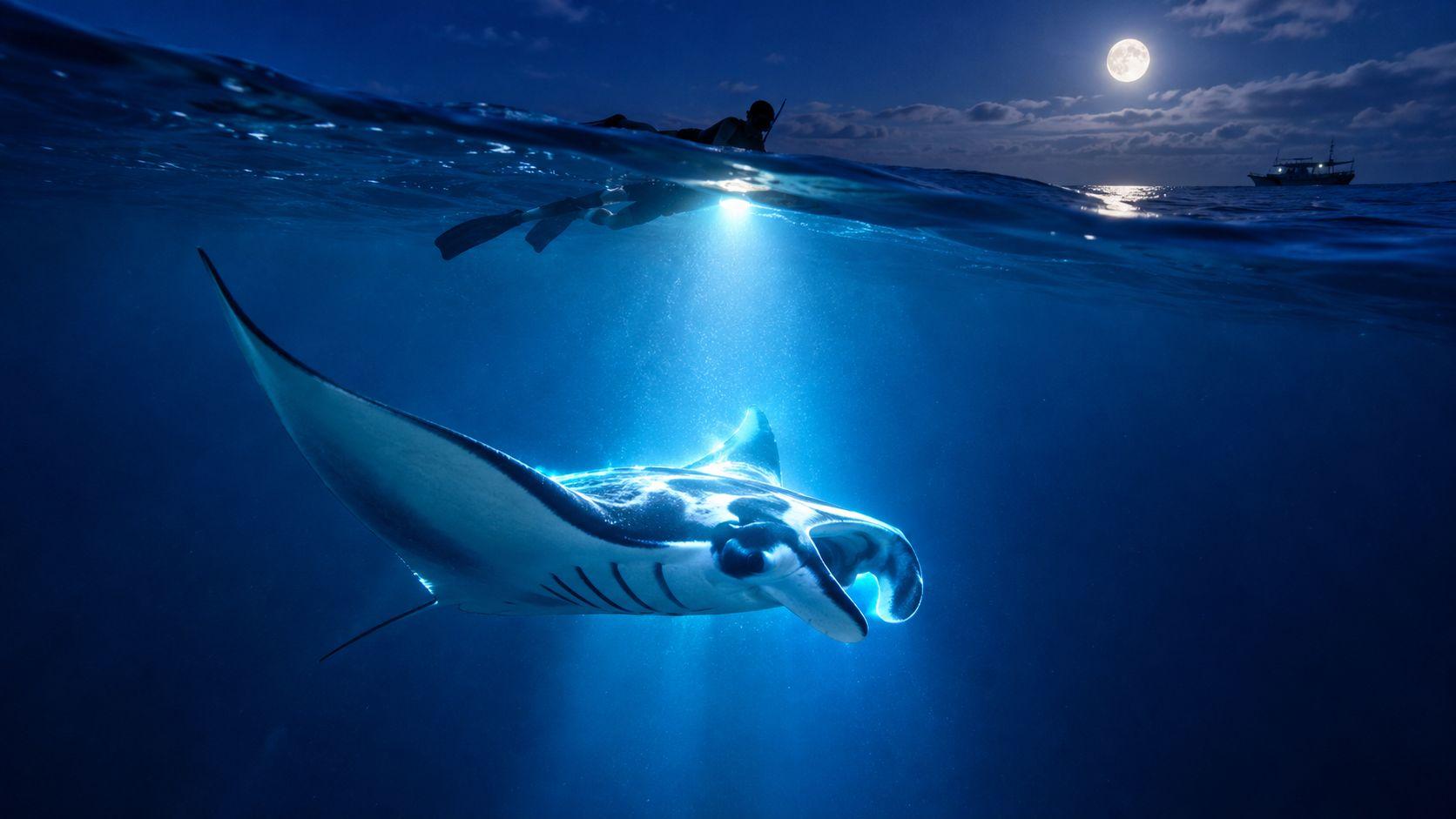
Manta Ray Night Dive Kona: A Complete Insider Guide
Plan your manta ray night dive Kona experience with this practical guide. Compare snorkel vs scuba, best seasons, safety, pricing, and how to book.
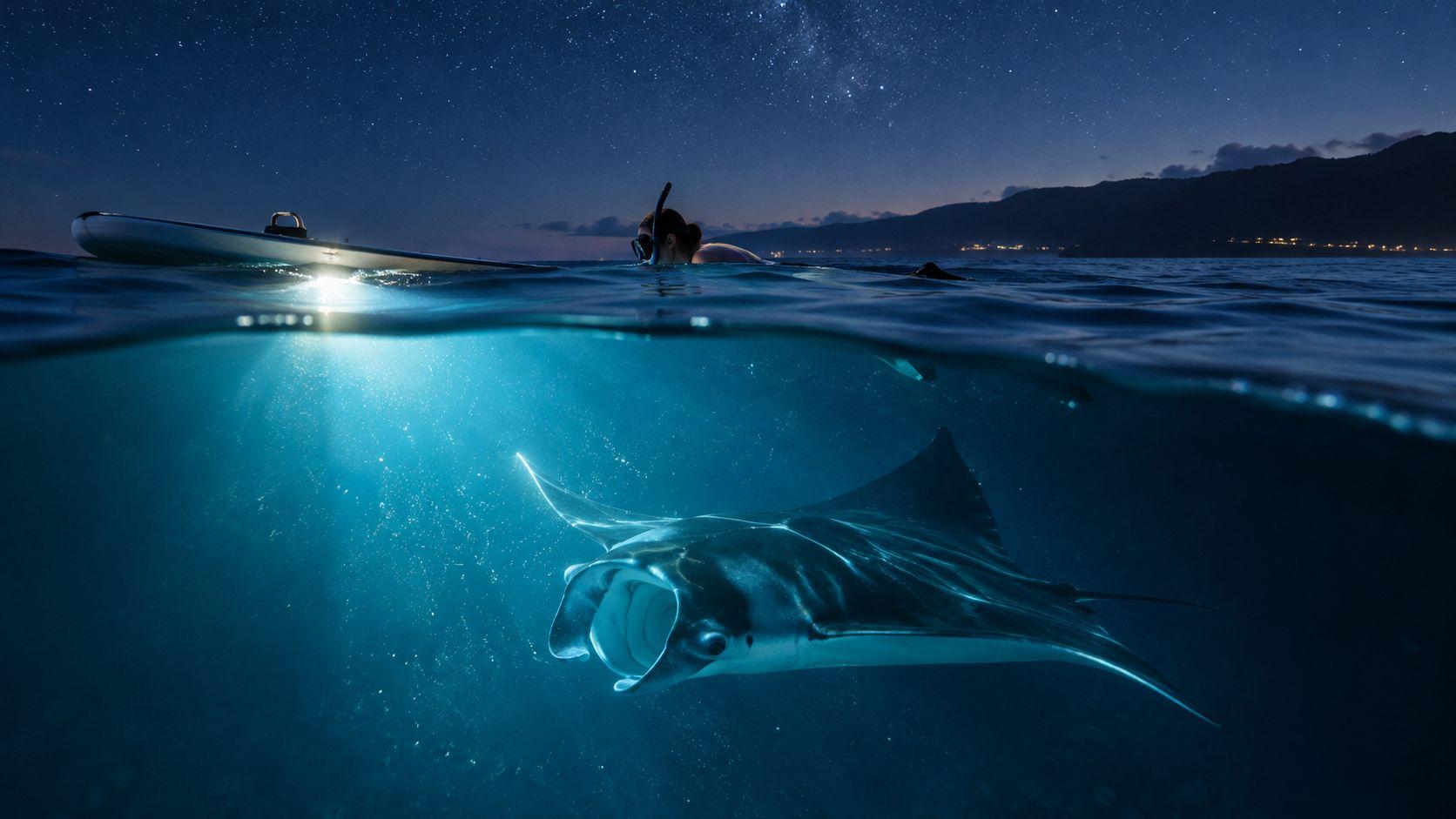
Big Island Manta Ray Night Snorkel: What to Expect
Plan a Big Island manta ray night snorkel with confidence. Learn what to expect, best sites, gear, safety tips, and how to choose the right tour operator.