
Kealakekua Bay Snorkeling Tour: A Complete 2026 Guide
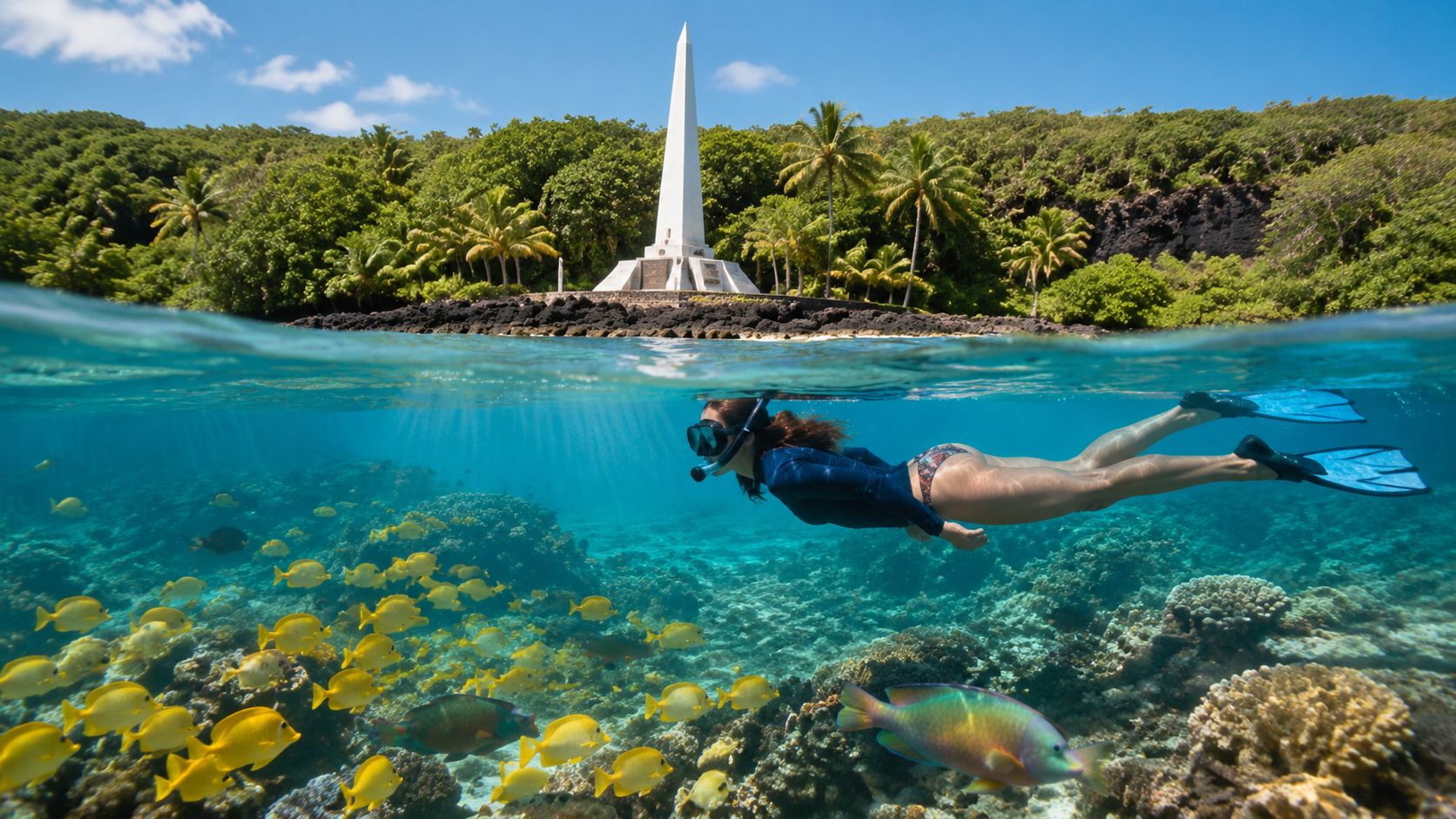
You're probably at the point where every Kona snorkel option is starting to blur together. One tour says Captain Cook, another says Kealakekua Bay, another promises clear water and reef fish, and now you're trying to figure out what makes this place worth your time.
The short answer is that a Kealakekua Bay snorkeling tour gives you more than a swim stop. You get a bay with unusual historical importance, protected marine habitat, and a boat approach that feels like part of the experience instead of just transportation. That mix is why so many visitors put it at the top of their Big Island plans.
A lot of people also wonder whether they should try to reach the bay on their own or book a boat. That confusion is normal. The answer depends on what kind of day you want. If you want the easiest access to the monument-side reef and a smoother overall outing, a tour usually makes the day much simpler.
Your Adventure in Hawaii's Most Pristine Bay
The first thing one notices isn't the snorkeling. It's the approach.
You head down the Kona coast with dark lava shoreline behind you and deep blue water opening up ahead. Then Kealakekua Bay comes into view, framed by steep green slopes and a shoreline that feels more secluded than many of the island's more accessible ocean spots. By the time the boat idles into the bay, you already understand why this place stays on people's minds.
Because this article is about snorkeling, the required review widget belongs near the top:
What makes the experience feel different
Some snorkeling outings are mostly about convenience. Kealakekua Bay feels more layered than that. The boat ride adds scenery. The bay itself has a sense of place. Once you're in the water, the setting connects the reef, the coastline, and the history in a way that doesn't feel interchangeable with a random beach stop.
That matters if you're traveling with family or with people who don't all want the same thing. Strong swimmers can focus on the reef. First-timers can float and take it slow. History lovers get the landmark and its story. People who want a beautiful day on the water still come away happy.
Kealakekua Bay works well because the outing isn't only about what you see underwater. The whole route into the bay becomes part of the memory.
Why many travelers book a tour
The most common mistake visitors make is assuming this is just another pull-up, park, and snorkel location. It isn't. Access shapes the whole decision.
A boat trip removes a lot of friction. You don't need to worry about the logistics of reaching the monument-side snorkeling area on foot, carrying gear in the heat, or arriving at the wrong time and dealing with rougher afternoon conditions. For many visitors, that shift alone turns the day from effort into enjoyment.
Why Kealakekua Bay is a World-Class Snorkeling Destination

Kealakekua Bay stands out for two reasons. The first is history. The second is protection.
According to Love Big Island's guide to Kealakekua Bay, the bay is one of Hawaiʻi's most historically important snorkeling sites because it was the location of the first extensive contact between Native Hawaiians and Westerners when Captain James Cook arrived in 1779, and it is also where Cook was killed on February 14, 1779. The same guide notes that the bay is now a 315-acre marine sanctuary, that the best snorkeling near the Captain Cook Monument is not reachable by car, and that the shore route is about 3.8 miles round trip and steep enough that many travelers choose a tour instead.
The history changes how you see the bay
When visitors hear “Captain Cook snorkel,” they sometimes think the name is just marketing shorthand. It isn't. The monument area sits in a place tied to one of the most discussed contact events in Hawaiian history.
That doesn't mean your tour feels like a museum lecture. It means the place has context. You're not looking at a pretty cove with a random white monument. You're floating in a bay where major events unfolded, and that adds weight to the experience.
The sanctuary status changes what you see underwater
Protected water usually means a different kind of snorkeling day. In Kealakekua Bay, that protection helps preserve the reef environment and supports the calm, clear conditions people hope for when they book a boat trip.
If you're wondering why the bay gets so much attention compared with other scenic coves, this is a big part of the answer:
- Protected habitat: The 315-acre sanctuary designation supports a healthier marine setting than many exposed shoreline areas.
- Practical access: Because the monument-side reef isn't reachable by car, boats remain one of the most direct and comfortable ways to visit.
- More focused snorkeling: Tour operators can take guests directly to the popular snorkeling site.
For a deeper look at the sanctuary side of the experience, this article on why Kealakekua Bay snorkeling makes Hawaiis marine sanctuary shine is a helpful companion read.
What to Expect on a Kealakekua Bay Snorkeling Tour

You step onto the boat in Keauhou, the coast starts sliding by, and the morning shifts from regular vacation mode into something more focused. Ahead of you is a bay known for two things at once. It holds one of Hawaiʻi's most historically significant shoreline areas, and it offers some of the clearest, most inviting snorkeling water on the Kona Coast.
That combination shapes the tour from the start. A Kealakekua Bay snorkeling trip is not just a ride to a reef. It is a guided approach to a place where history, geography, and marine protection all affect what you see and how the day unfolds.
The boat ride out
The first part of the tour is usually a coastal run from Keauhou Bay to Kealakekua Bay. Guides often use that time well. You are not just waiting to get in the water. You are getting oriented to the coastline, learning how the bay is laid out, and hearing the safety basics before the snorkel begins.
Morning departures are often the easiest fit for first-time snorkelers. Water conditions tend to feel calmer and clearer earlier in the day, while afternoon breezes can make the surface a little busier. One operator also notes that its Captain Cook tour runs about three hours, includes about an hour of snorkeling, and visits water that can be much deeper in parts of the bay, according to Sea Quest's Captain Cook tour page.
Deep bay water sometimes sounds intimidating on paper.
In practice, guides place snorkelers where the reef is active and visually interesting, which is what matters most. The bay works a bit like a theater with a very deep back wall. You are there to watch the stage, not stare into the far darkness behind it.
What happens once you arrive
By the time the boat reaches the monument side, the day usually has a clear rhythm. Gear gets sorted. Masks are adjusted. Guests hear where to enter, where to stay, and how to move through the area without bumping coral or drifting too far from the group.
That structure helps beginners a lot. Snorkeling feels easier when you know the order of things before your face even hits the water.
A typical tour flow looks like this:
Check in and get fitted
You are usually set up with a mask, snorkel, fins, and flotation support if you want extra confidence in the water.Listen to the water briefing
Guides explain the entry process, the boundaries for the group, and the simple reef etiquette that protects the coral below you.Enter the water and settle in
The first minute is often just adjustment. A few breaths through the snorkel, a quick mask check, and your body starts to relax.Snorkel along the reef zone
Some guests float and watch fish gather over coral heads. Others fin farther along the edge with the guide's instructions in mind.Climb back aboard and reset
After the swim, water and snacks usually taste better than expected, and the ride back gives you time to warm up and process what you just saw.
If you want a clearer picture of how guides choose entry areas and why that matters for comfort, this guide to Kealakekua Bay snorkeling entry zones for first-time guests helps make that layout easy to understand.
What surprises first-time guests
The biggest surprise is often how complete the outing feels. The snorkel itself may be only part of the total tour time, but the full experience includes the coastal ride, the storytelling, the safety prep, and the moment when the bay opens up in front of you and everything clicks.
Boat access also changes the experience in a practical way. You arrive fresher, with gear ready and a guide nearby, instead of starting tired from a long approach. That extra energy usually turns into more confidence in the water, which means more attention left for the reef, the fish, and the setting that makes Kealakekua Bay different from an ordinary snorkel stop.
Marine Life and Underwater Wonders

Once your face goes in the water, the bay stops being about landmarks and becomes about motion, color, and detail.
The reef isn't interesting because of one single dramatic animal sighting. It's interesting because there's usually something to notice every few seconds. A cloud of yellow fish shifts direction together. A larger fish cruises along the coral edge. Sunlight moves over rock and reef in a way that changes the whole scene from one minute to the next.
What to look for first
Beginners often don't know where to focus, so they end up scanning too widely and missing the obvious. Start close.
Look at the reef structure nearest you, then follow the contour slowly. Fish often appear in layers. Some hover over coral heads, some move in schools through open water, and others stay close to cracks and ledges. If you slow down, the reef suddenly feels busy instead of empty.
A simple order of observation helps:
- Start with the bottom: Coral shape and rock pockets tell you where fish may shelter.
- Then scan the mid-water zone: In this zone, schooling fish often become easiest to spot.
- Finish by looking outward: Larger animals, when they appear, are often easier to see away from the tight reef detail.
The experience is about density, not chasing sightings
Visitors sometimes ask for a guaranteed list of animals before they book. That's understandable, but snorkeling doesn't work like a menu. What Kealakekua Bay offers is a setting where reef life is often active enough that you don't have to chase every moment.
That's why the bay has such a strong reputation among people who like marine life. You can stay in one manageable area and still feel engaged the whole time.
If you're snorkeling well, you're not racing from one side of the bay to the other. You're floating slowly enough to let the reef reveal itself.
Spinner dolphins are another possibility people ask about. They're often associated with the Kona coast, and many guests keep an eye out from the boat ride, but wildlife always runs on its own schedule. The better mindset is to treat any larger animal encounter as a bonus.
For a closer look at the kinds of reef encounters guests hope for, see what marine life you will see during Kealakekua Bay snorkeling.
Planning Your Trip Best Times Packing and Safety

Planning for this trip is mostly about reducing little mistakes. Most bad snorkeling days don't come from dramatic problems. They come from small avoidable issues like poor timing, sun exposure, or bringing the wrong stuff.
Choose the right part of the day
Morning usually gives you the easiest conditions to work with. Earlier departures often line up with calmer water and cleaner visibility. If you're deciding between sleeping in and getting out early, early usually wins for snorkeling quality.
That's especially helpful if anyone in your group is nervous in the water. Calm conditions do a lot of the work for them.
Pack for comfort, not for every scenario
You don't need a huge beach haul for a Kealakekua Bay snorkeling tour. You need a short, smart list.
Bring these basics:
- Reef-safe sunscreen: Good for your skin and more considerate of the coral environment.
- Towel and dry clothes: The ride back feels better when you have something dry waiting.
- Hat and sunglasses: The boat portion adds sun exposure before and after the snorkel.
- Waterproof bag or simple tote: Keeps small items together and easy to manage.
- Waterproof camera if you already own one: Nice to have, but not necessary for a great day.
Safety questions people often have
A lot of first-time guests worry that they need to be strong swimmers. Most don't need elite swim skills. They need a mask that fits, clear instructions, and flotation if they want extra support.
Guides typically cover the basics before anyone enters the water. That includes where the group should stay, how to use the gear, and how to move around the reef without touching coral or bothering wildlife.
A few reminders matter more than people think:
| Concern | Practical answer |
|---|---|
| Nervous about floating | Use flotation and stay near the guide's recommended area |
| Worried about fish or depth | Keep your attention on the reef zone directly below you |
| Unsure what to do with your feet | Fin slowly and avoid standing on reef or rocks |
Bring less than you think you need. The easiest boat days are the ones where you can keep track of everything without digging through a giant bag.
If you're sorting out rules, access, and common visitor questions before your trip, this guide on whether you need a permit for Kealakekua Bay snorkeling is worth a read.
Booking Your Adventure with Kona Snorkel Trips
You wake up on the Kona coast, look out at calm morning water, and realize the trip becomes much easier once you choose the right boat. Booking well is not just about finding an open seat. It shapes how much time you spend enjoying Kealakekua Bay instead of sorting out logistics, rushing to a launch, or wondering whether the tour fits your group.
Kealakekua Bay rewards a little planning. It is one of those places where the setting matters as much as the snorkel itself. You are visiting a protected marine sanctuary and a place tied closely to the history of Captain Cook's arrival in Hawaiʻi, so the right tour should help you reach the bay comfortably and give you room to appreciate why the area feels different from an ordinary snorkel stop.
One operator many visitors compare is Kona Snorkel Trips, which offers a Captain Cook snorkel tour in Kealakekua Bay. If your biggest question is timing, this guide on how far ahead to book Kealakekua Bay snorkeling in Hawaii helps you choose a booking window that matches the season and your travel style.
If you want a second operator to compare, Captain Cook Snorkeling Tours offers a different tour format and set of details. Comparing two solid options side by side usually gives you a clearer answer than reading broad marketing claims.
How to choose between tours
Start with the practical pieces first, because those shape the day more than people expect.
- Departure logistics: Check where the boat leaves from and how early you need to arrive. A convenient harbor can make the morning feel much calmer.
- Tour style: Some trips are focused almost entirely on the bay, while others include more coastline viewing and a broader boat outing.
- Beginner support: Look for clear information about snorkel gear, flotation, safety guidance, and how the crew helps first-time snorkelers.
- Group fit: Families with kids, mixed-ability groups, and confident snorkelers often prefer different pacing. The best choice is the one that matches your group, not the one with the flashiest wording.
A good tour works like a well-planned trail map. It gets you to the highlight without wasting energy on avoidable problems. When you book with that mindset, Kealakekua Bay feels less like a complicated outing and more like what it should be: a memorable morning in one of Hawaiʻi's most historically important and life-filled bays.
Frequently Asked Questions About Kealakekua Bay Snorkeling
Is it good for families
Yes, for many families it's one of the more approachable snorkel outings on the Kona coast. The protected setting helps, and boat tours are often easier than trying to manage a long access route with kids, bags, and gear.
Parents usually do best when they set expectations early. Not every child wants to spend the whole water time snorkeling hard. Some are happiest floating, looking down occasionally, and climbing back aboard feeling proud that they tried.
What if I'm not a strong swimmer
That's one of the most common concerns, and it's a reasonable one. Many guests enjoy the bay with flotation support and a slower pace.
You don't need to prove anything out there. If you can relax, breathe steadily through the snorkel, and stay where the guide wants the group, you can still have a very satisfying experience.
Are boat tours easier than going on your own
For many visitors, yes. The logistics are simpler, the entry is more manageable, and you usually arrive with more energy to enjoy the reef.
That's especially true if your group has mixed ability levels. A boat-based outing keeps everyone focused on the experience instead of on the access challenge.
What should I do if I'm nervous about snorkeling
Tell the crew before you get in. That's the easiest and smartest move.
Most snorkeling nerves come from unfamiliar breathing through the snorkel or from feeling uncertain in open water. Both become much easier when you start slowly, use flotation, and spend the first few minutes just floating face down and breathing calmly.
Is this trip worth it if I've snorkeled elsewhere in Hawaii
Usually yes, because the appeal here isn't just fish variety. It's the combination of the bay approach, the monument-side reef, the protected setting, and the sense that you're visiting a place with real historical weight.
That mix gives Kealakekua Bay a different feel from a casual beach snorkel.
If you're ready to turn the planning into an actual day on the water, Kona Snorkel Trips is a straightforward place to check current tour options and availability for Kealakekua Bay.