
Do You Need a Permit for Kealakekua Bay Snorkeling?
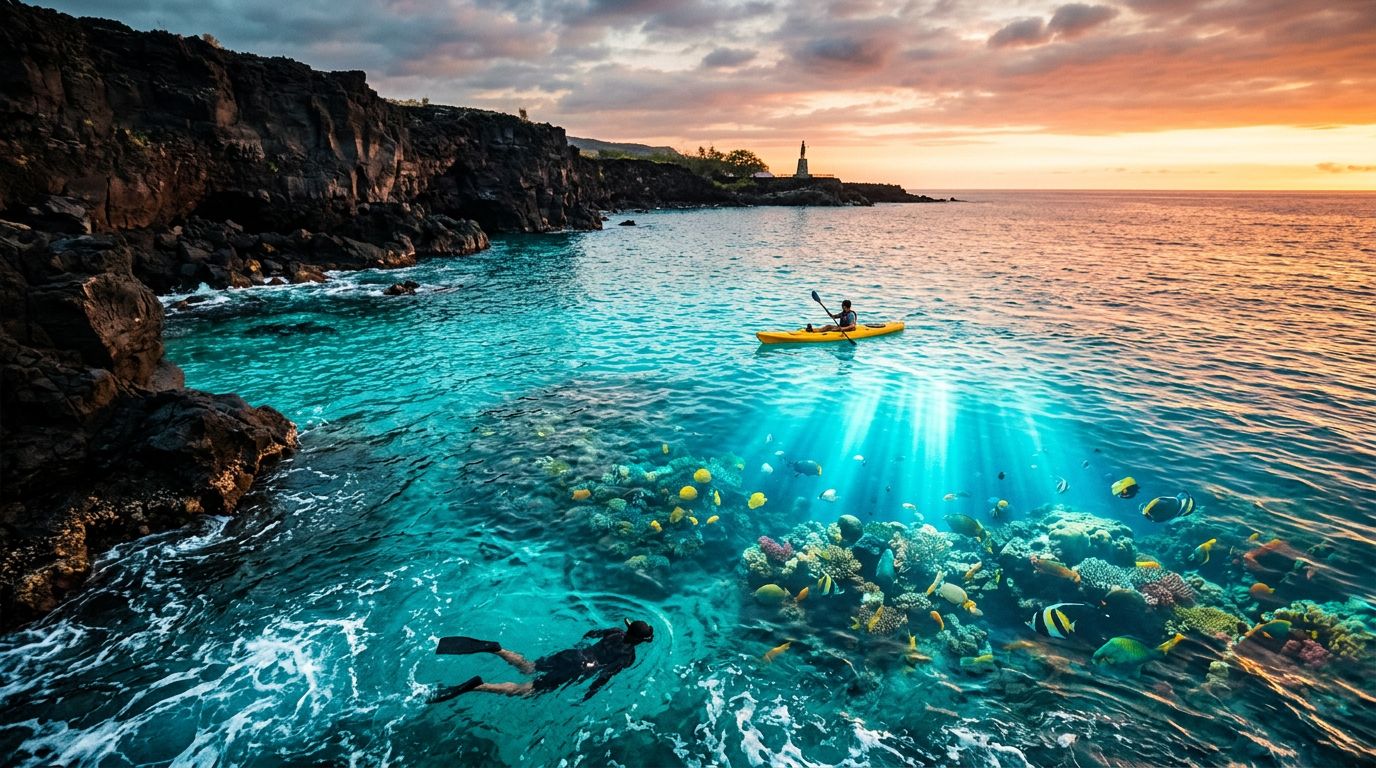
Do you need a permit for Kealakekua Bay snorkeling? The short answer depends on how you get there. If you arrive by kayak, canoe, paddleboard, or another small craft, the permit question can matter before you ever put on fins.
If you’re sorting through snorkeling Big Island Hawaii options, Kealakekua Bay sits near the top of the list. The water is clear, the setting is protected, and the rules can catch first-time visitors off guard.
Kona Snorkel Trips is a strong starting point, and Captain Cook Snorkeling Tours also focuses on this bay. Here’s how the permit rules work, so you can snorkel Big Island with fewer surprises.
What the Kealakekua Bay permit rules actually cover
The main thing to know is simple: the permit question follows the vessel, not the snorkel mask. If you join a guided boat tour, the operator usually handles that side of the trip. You still show up ready to swim, but you don’t have to sort through launch paperwork yourself.
If you bring your own kayak, canoe, paddleboard, or inflatable craft, the permit can apply to the craft itself. That is why a casual day plan can turn into a logistics check. A lot of visitors assume snorkeling Big Island means the same rules everywhere, but Kealakekua Bay is different because access is managed more closely.
Hiking in changes the picture again. In that case, the permit issue is about vessels, not hikers. The trail route has its own access rules, timing, and physical demands, so it’s not the easiest option for every traveler.
This quick comparison helps you see the difference at a glance.
| How you get to the bay | Permit situation | What it means for you |
|---|---|---|
| Guided boat tour | Usually handled by the operator | You focus on gear, timing, and safety |
| Kayak, canoe, paddleboard, or inflatable | The vessel usually needs a State Parks permit | Confirm the craft is permitted before launch |
| Rented small craft | The company should have the right permit, but ask anyway | Don’t assume the rental covers everything |
| Hike in | The permit issue is about the vessel, not the hike | Check access rules and trail conditions |
If you want the simplest path, choose a permitted tour and let the operator handle the paperwork. That matters even more if you are traveling with kids, carrying gear, or snorkeling for the first time.
The permit follows the craft, while the snorkel is the fun part.
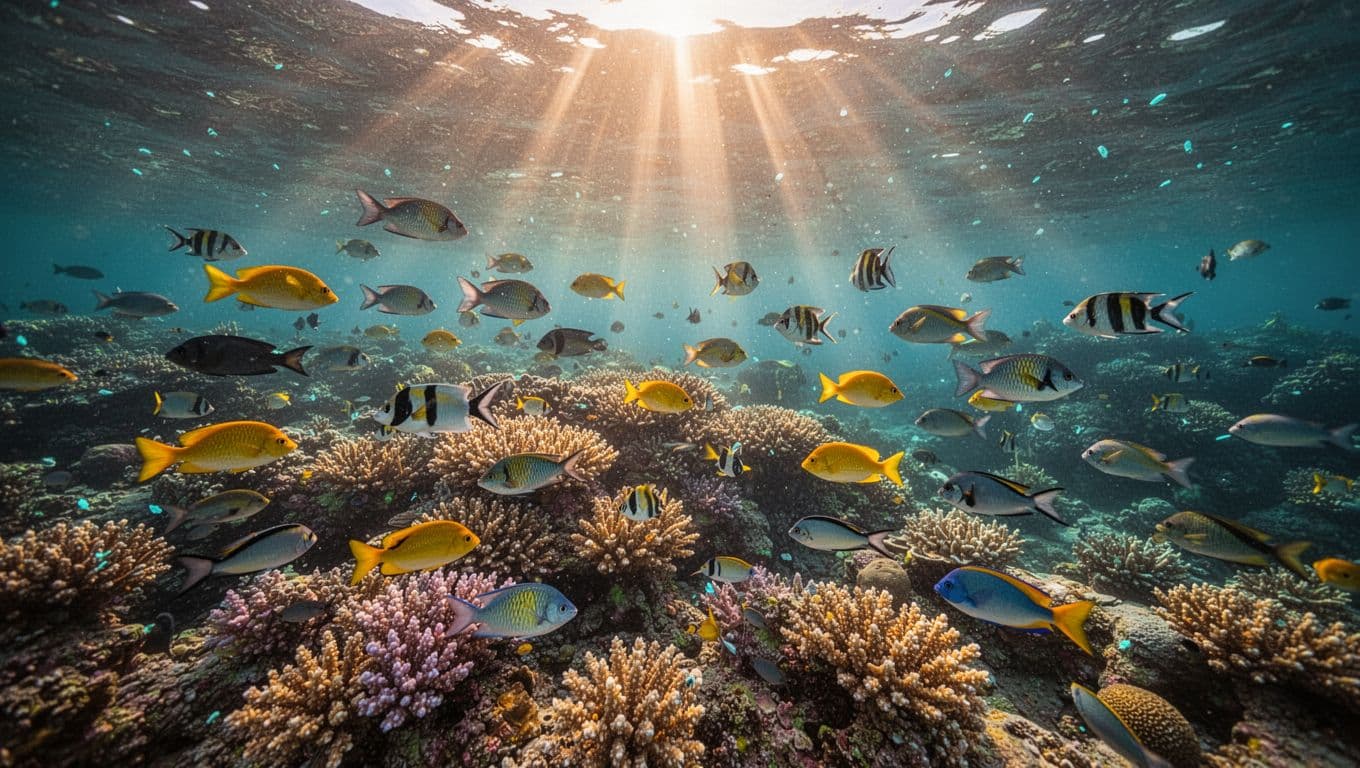
Why a guided tour keeps things simple
If you want guided snorkeling tours at Kealakekua Bay, a guided trip removes a lot of guesswork from the day. You still need to show up prepared, but you don’t have to decode launch rules, parking, or craft permits on your own.
Kona Snorkel Trips keeps the focus on small groups, clear instruction, and strong safety habits. That matters in a protected bay where sea conditions can change, even on a bright morning. The company’s reef-aware approach also fits travelers who want a day on the water without unnecessary crowding.
If you’re comparing options, Captain Cook Snorkeling Tours also centers its trips on Kealakekua Bay. That gives you a second bay-focused choice if you want to decide between different trip styles and schedules. For many travelers, that kind of structure is worth more than trying to piece together a self-guided plan.
Reviews matter when you’re choosing a trip that handles the rules well.
If you already know your dates, you can check availability and keep the rest of the planning light.
That kind of setup is especially useful if you want to snorkel Big Island without turning your morning into a paperwork run. You pick the day, bring your sunscreen and swim gear, and let the operator handle the moving parts.
When you need to think about the permit yourself
If you plan to bring your own watercraft, the permit question is yours, not the guide’s. That means you should ask before you load the car, because last-minute surprises can wreck an early start.
Before you go, check three things.
- Ask whether the craft has a current State Parks permit.
- Confirm that the rental company covers the route into Kealakekua Bay.
- Make sure launch, landing, and parking rules still match your plan.
That is where many snorkeling Big Island visitors get tripped up. They focus on the reef, then forget the access rules. A permitted rental can keep the day smooth, but an unpermitted one can force you to change plans at the shoreline.
If you hike in, the math changes again. You are not dealing with a watercraft permit, but you still need to respect park access, trail demands, and the time it takes to get down and back up. That route can work for strong hikers, yet it is not the easiest choice for families or anyone carrying a lot of gear.
A guided trip also helps when you are still learning the difference between bay access rules and snorkeling rules. The permit may belong to the vessel, but the rest of the day still depends on your comfort in the water, your timing, and the weather.
How to plan a smoother Kealakekua Bay snorkel day
Once the permit side is clear, focus on the parts that shape your actual experience. Morning conditions are often better than late-day chop, and the water usually feels calmer before winds pick up. That can matter a lot in a bay where you want to spend more time looking down than fighting small waves.
Bring reef-safe sunscreen, water, and a towel that dries fast. If you are traveling with kids, a rash guard is helpful because it gives extra sun protection without constant reapplying. Couples and solo travelers often like a guided outing for the same reason, the day feels less like a logistics puzzle and more like a real ocean trip.
If you are comparing snorkeling Big Island Hawaii itineraries, ask one simple question: who is handling the access rules? When the answer is clear, the rest of the day gets easier. You can spend more time watching tropical fish and less time wondering whether you missed a step.
That is also why many people prefer a tour when they want to snorkel Big Island with less stress. You still choose the date, the pace, and the company you keep, but the hard part is already handled. Keep your hands off the coral, give sea life space, and treat the bay like the protected place it is.
Conclusion
You do not need a personal snorkeling permit for Kealakekua Bay just because you want to swim there. The permit question usually follows the way you enter the bay, especially if you are bringing a kayak, canoe, paddleboard, or other small craft.
If you are on a guided tour, the operator usually handles the access side of the trip. If you are going on your own, confirm the vessel rules first, because that single step can save you a lot of trouble.
The easiest answer is the one that keeps your day focused on the water, the reef, and the calm stretch of coast that makes this bay so popular.