
Can Weak Swimmers Enjoy a Kona Manta Ray Snorkel?
You stand on the boat off Kona’s coast as the sun dips low. Gentle giants circle below in the glowing water. But you’re a weak swimmer. Does that mean you miss this Kona manta ray snorkel magic?
Many visitors to the Big Island worry about their skills. Snorkeling seems daunting with open ocean swells. Yet calm conditions and smart support make it possible for you. Operators like Kona Snorkel Trips prioritize safety so you focus on the wonder.
Keep reading. You’ll see how weak swimmers thrive in these nighttime adventures.
The Thrill of Snorkeling with Manta Rays in Kona
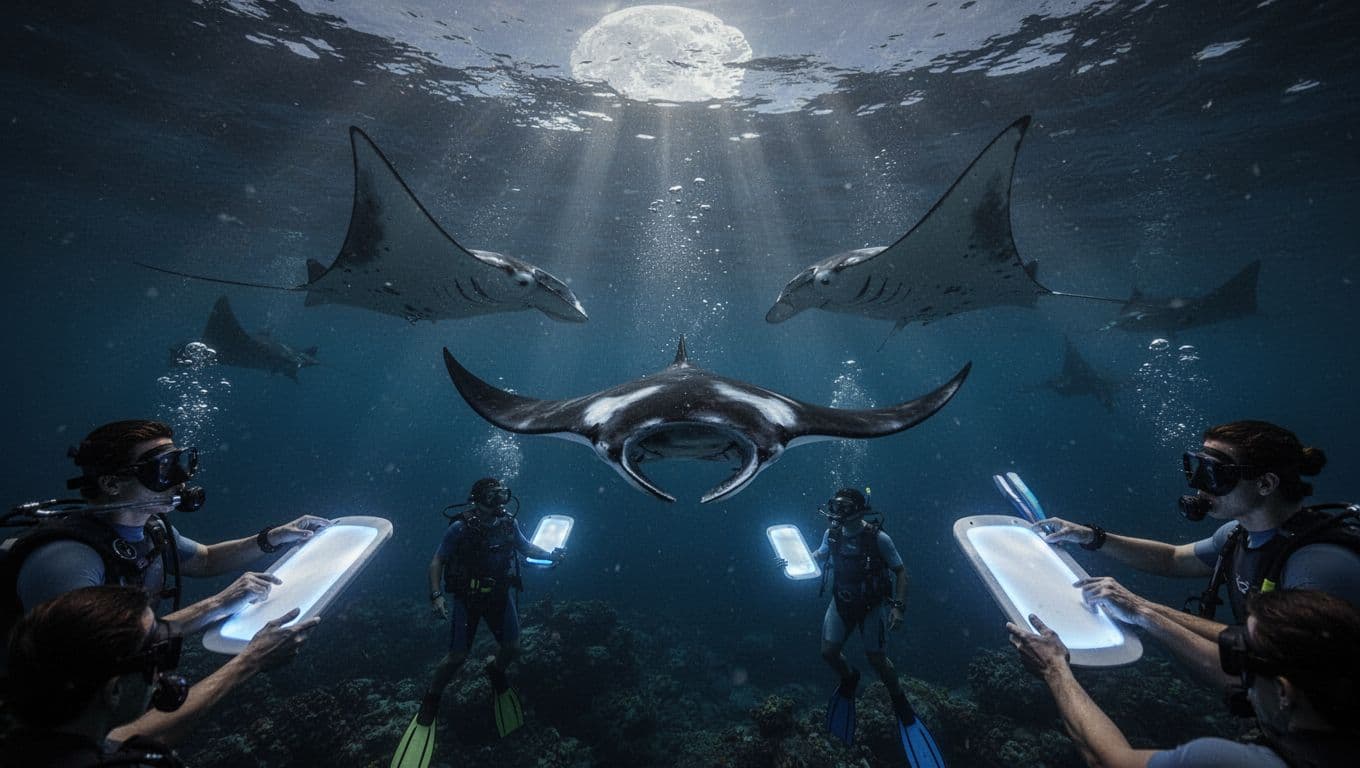
Picture massive manta rays somersaulting through lit waters. Their wingspans stretch wider than you are tall. You float above, mesmerized by their graceful loops.
Kona hosts the world’s best spot for this. Clean Pacific currents draw rays to plankton-rich bays year-round. In April 2026, expect warm nights around 78°F and minimal waves. That’s perfect for beginners.
You don’t chase them. Rays come to illuminated boards where you hold on. Guides position everyone close. Most trips last 45-90 minutes in the water. That’s enough time for unforgettable views without exhaustion.
Defining a Weak Swimmer for Ocean Snorkeling
Weak swimmers often swim short pool laps with breaks. Or they float but tire quickly in waves. You might clear a mask but hesitate in deep water.
For a Kona manta ray snorkel, operators set clear rules. Kona Snorkel Trips requires you to swim 50 yards without flotation. That’s basic endurance, not speed. No prior ocean experience needed. However, non-swimmers stay aboard.
Test yourself first. Practice in a pool with gear. If you manage 50 yards comfortably, you’re set. Guides assess everyone pre-launch. They offer extra practice if needed.
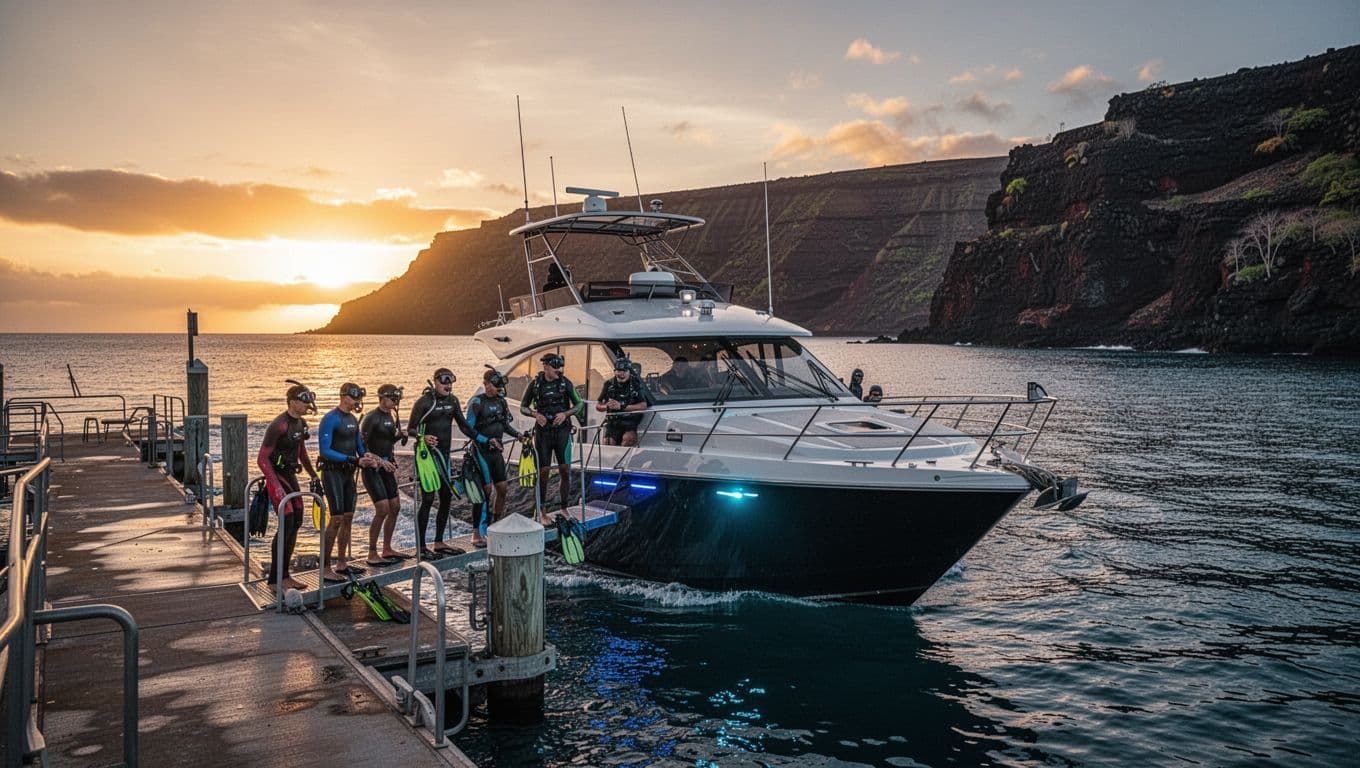
Seasickness concerns you too. Calm Kona nights help. Take meds beforehand. Short boat rides from Honokohau Marina last 30 minutes max.
Gear and Techniques That Keep You Safe
High-quality gear levels the playing field. You get fitted masks, snorkels, shorty wetsuits, and fins. These boost comfort in 75°F night waters.
Flotation changes everything. Noodles, vests, and boards keep your head above water. You rest arms on the board while rays circle below. No kicking required. That’s ideal for weak swimmers.
Guides teach easy breathing. Relax your body; let buoyancy do the work. Small groups mean one-on-one help. Lifeguard-certified staff watch constantly.
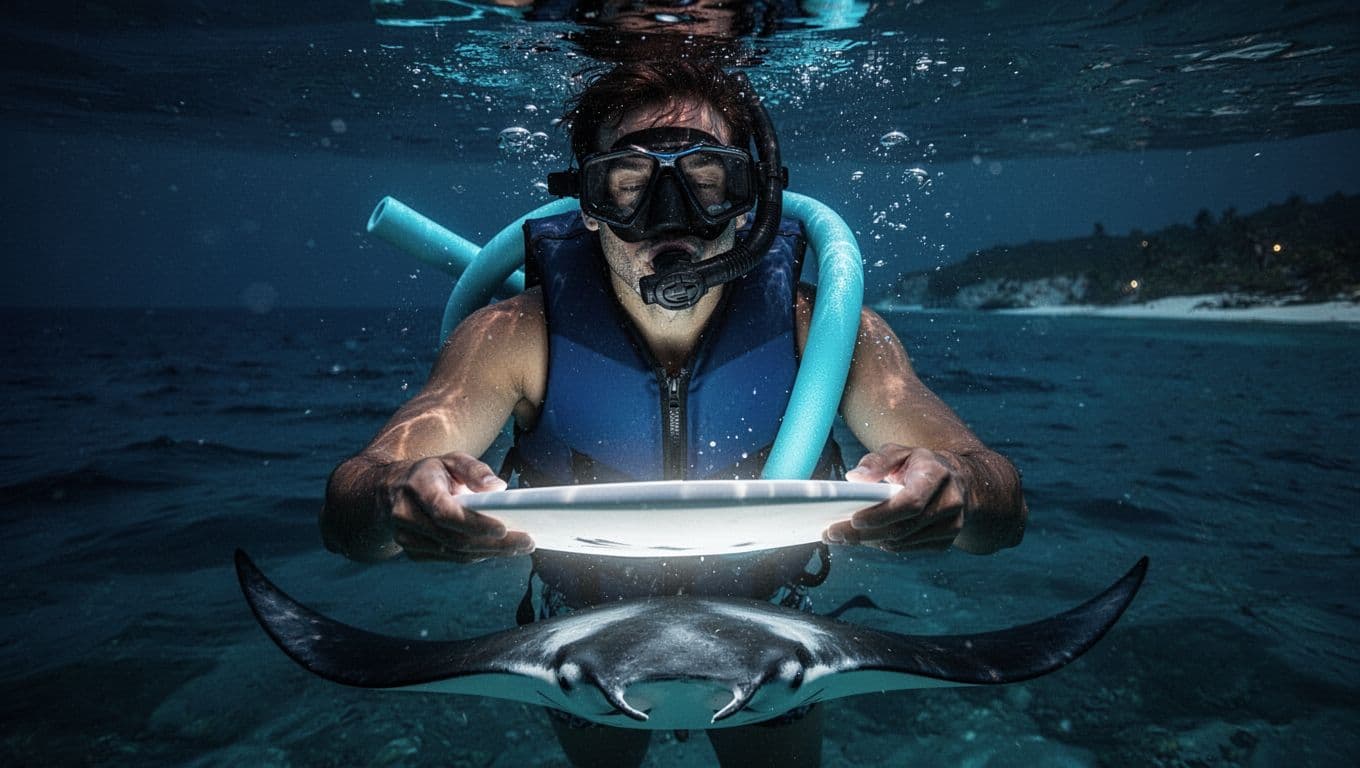
In short, you stay secure. Focus stays on the rays, not survival.
Why Choose Kona Snorkel Trips for Your Adventure
Kona Snorkel Trips leads snorkeling Big Island Hawaii. Their “Reef to Rays” approach stresses small groups and safety. Lifeguard-certified guides provide top gear and custom boards. They skip crowds for personal attention.
Every detail supports weak swimmers. State-of-the-art equipment fits all sizes. Reef-safe sunscreen rules protect ecosystems. Departures from Honokohau Marina make access easy.
See their Kona manta ray night snorkel tour for details. Book early for best spots.
Next, check Manta Ray Night Snorkel Hawaii, a top pick for similar thrills.
Practical Tips to Build Confidence
Arrive hydrated and rested. Eat light; avoid heavy meals. Wear rash guards under wetsuits.
Practice equalization. Pinch nose, blow gently. Clear ears early.
Watch videos of manta ray tours safe for beginners. They show real setups.
Buddy up with family. Switch if kids tire. Boats accommodate ride-alongs.
Weather apps confirm calm seas. April 2026 forecasts steady trades.
Pair It with Other Big Island Snorkel Spots
Love the rays? Try daytime snorkel Big Island reefs. Kona’s Pawai Bay bursts with fish schools.
For history, snorkel Kealakekua Bay’s Captain Cook Monument. Crystal waters host turtles and coral.
Snorkeling Big Island shines everywhere. Private tours customize for your pace.
Rays Await Weak Swimmers Too
You can savor a Kona manta ray snorkel even as a weak swimmer. Gear, guides, and calm seas make it accessible.
Kona Snorkel Trips proves it with their flawless record. Rays glide close; your fears fade.
Grab spots now. Create ocean memories that last. (Word count: 982)