
How West Swell Changes Kealakekua Bay Snorkeling
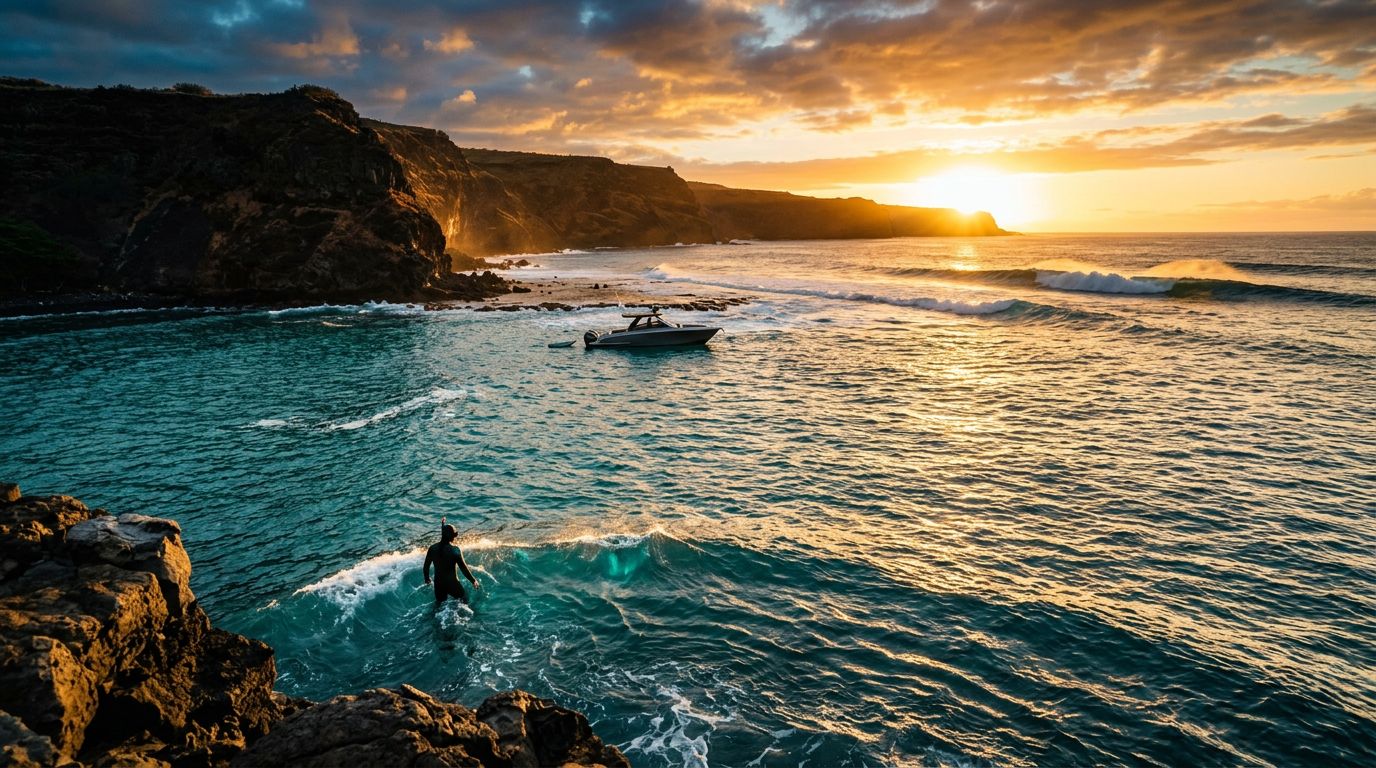
West swell can change Kealakekua Bay snorkeling faster than most visitors expect. A calm-looking morning can turn into a bouncy entry, a shorter swim, or a rougher boat ride once ocean energy starts wrapping into the bay.
Kona Snorkel Trips is a strong place to start when you want local guidance on days like that. If you want the route to match the water instead of guessing at it, you need to read the swell, not just the sunshine.
Understanding West Swell at Kealakekua Bay
West swell is ocean energy that travels in from the west or southwest, often after storms far away. It moves in long lines, and those lines can keep their shape even when the water near shore looks calm.
Kealakekua Bay feels sheltered on many days because the coastline blocks a lot of wind. Still, the bay mouth faces open ocean, so a west swell can sneak in and push against the entry area, the boat, and the shallow edges near the rocks. That is why two days with the same sky can feel nothing alike once you get in the water.
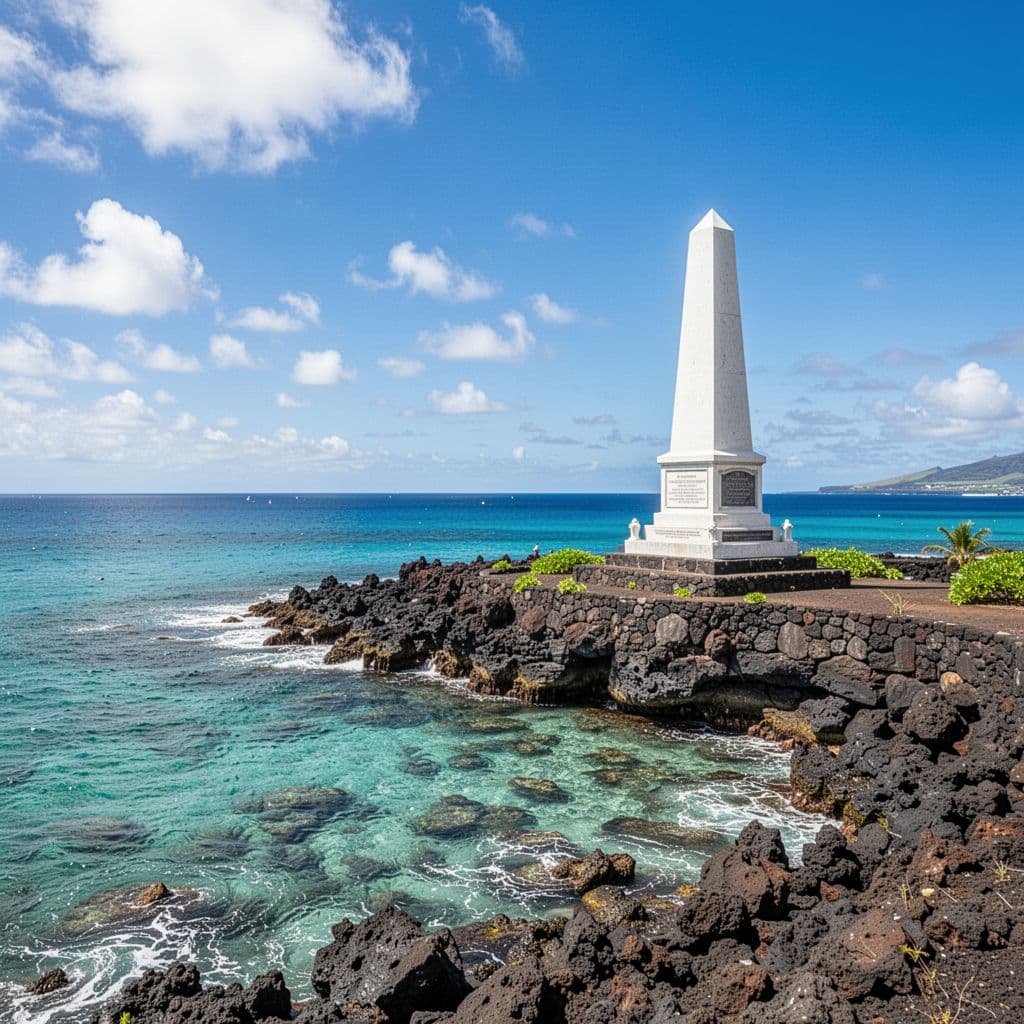
The water can look quiet from shore and still move with real force near the reef.
If you spend time snorkeling Big Island Hawaii spots, you already know that direction matters as much as wave height. A small west swell can barely change your swim, while a stronger one can make the same bay feel busy and less forgiving.
That is why a forecast only helps when you read it with the bay in mind. A useful companion is how to read ocean conditions for Kealakekua Bay snorkeling, because swell, wind, and entry conditions all work together.
What Changes When the West Swell Picks Up
Once west swell grows, the changes show up fast. You feel them on the boat, at the ladder, and when you turn back toward shore.
| West swell level | What you notice | What it means for you |
|---|---|---|
| Small | Gentle rocking, light movement near the surface | Good for relaxed snorkeling and easier entry |
| Moderate | More surge near rocks, some lift and drop at the surface | You move slower and stay more aware of timing |
| Larger | Stronger push at the entry, sand can lift off the bottom | Visibility and comfort may drop, and the route may change |
The biggest change is usually not the open water itself. It is the first 20 feet in and out of the water. That is where surge can push you forward, pull you back, or twist you off balance for a moment.
A west swell can also make the boat ride feel different. The boat may rock more at the mooring or along the coastline. If you are prone to motion sickness, you feel that difference early.
On snorkeling Big Island trips, that extra motion matters because it changes how much energy you spend before you even start swimming. If you arrive tense, your breathing gets shallower and your mask fit can suffer. A smoother day gives you more time to relax and look around.
The fish and coral are still there on both days. The difference is how much work it takes to enjoy them.
Reading the Forecast Without Guesswork
A wave forecast can look simple, but the details matter. The number alone does not tell you how the water will feel.
The first thing to check is swell direction. A west or southwest swell has a better chance of reaching Kealakekua Bay than a swell aimed elsewhere. After that, look at the period, because long-period swell carries more push than short, choppy waves of the same height.
Wind matters too. Light wind in the morning can leave the surface smooth, while a stronger afternoon breeze can stack chop on top of swell. Rain matters as well, since runoff can cloud the water even when the sea looks calm.
Here is a good rule for snorkeling Big Island Hawaii days, read the swell, then read the wind, then look at the time of day. If all three line up well, your odds improve fast.
If the wind is the surface story, the swell is the motion story.
You can also use a visibility-focused guide like Captain Cook snorkeling visibility guide for first-time visitors. It helps you see how light, wind, and swell affect what you see underwater.
The best forecast habit is simple. Do not ask only whether the ocean is “big” or “small.” Ask where the swell comes from, how long it lasts, and what the wind will do after sunrise. That is how you snorkel Big Island waters with fewer surprises.
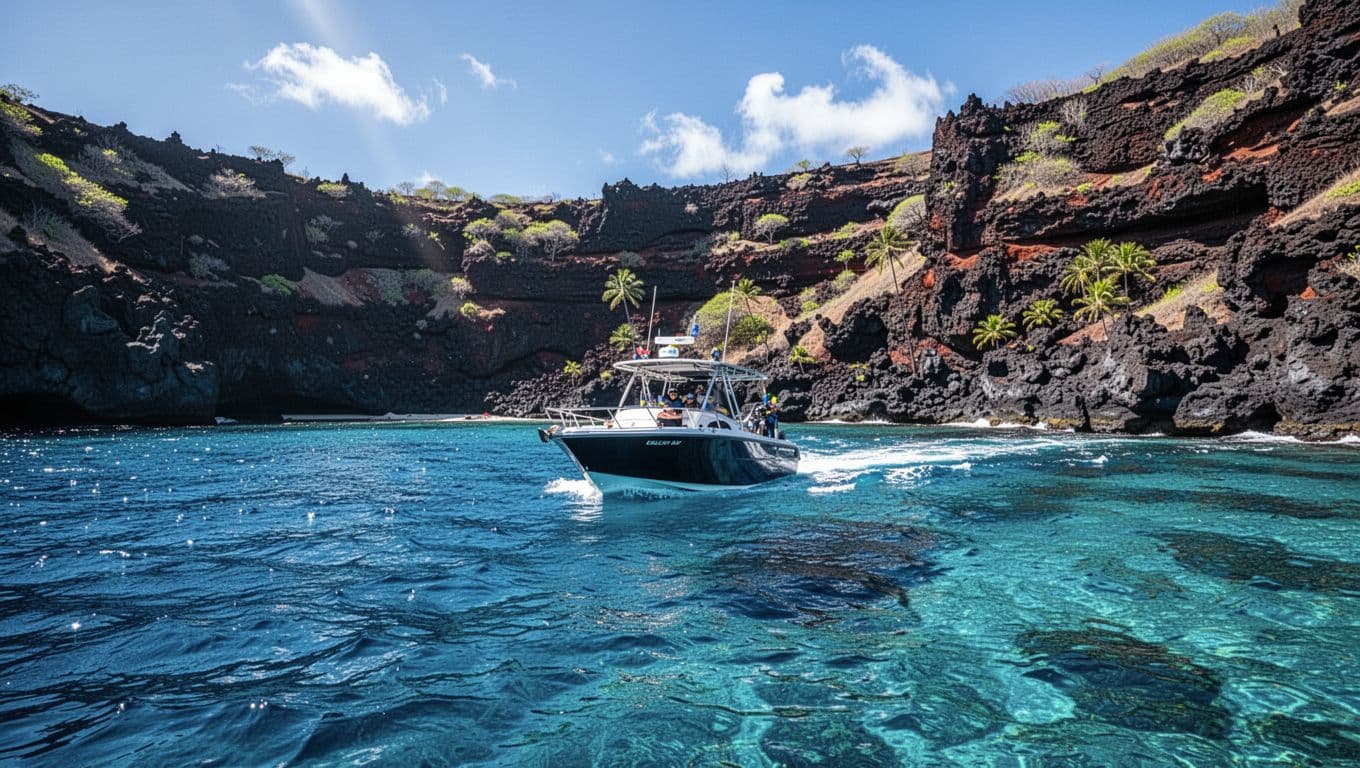
A Simple Day-of Checklist for Your Snorkel
You do not need to be an ocean reader to make a smart decision. You just need a quick routine before you leave.
- Look at swell direction and period together. A west swell with a long period needs more respect than a short, weak chop.
- Check the wind for your exact departure window. Morning often gives you the cleanest surface before the breeze builds.
- Look for recent rain or cloudy runoff. Even a beautiful day can hide murky water near shore.
- Choose the earliest practical start time. On many snorkeling Big Island days, that small timing shift changes everything.
- Keep a backup date if the swell is borderline. That gives you more flexibility and less pressure to force a bad day.
This simple check helps you snorkel Big Island routes with a lot more confidence. It also cuts down on the chance that you arrive excited, only to learn the conditions are better suited to another spot or another hour.
If you are traveling with family, this matters even more. Kids, first-time snorkelers, and anyone who is uneasy in moving water do better with a gentle entry and a smooth return.
The goal is not to chase the biggest day on the calendar. The goal is to get the most out of the water you actually have.
Why a Guided Kealakekua Bay Trip Helps
A guided trip helps most when the forecast sits on the edge. You get someone watching the water all day, not just the forecast the night before.
Kona Snorkel Trips keeps things small, personal, and focused on safety. That approach matters when west swell changes the entry or shortens the comfortable swim zone. Guides with local experience can slow the pace, adjust the route, and keep you from wasting energy in the wrong place. If you want a broader look at the options, guided snorkeling excursions in Kona give you a better sense of what fits your day.
For this route in particular, Captain Cook Snorkeling Tours is built around Kealakekua Bay and the monument area. That is a strong fit when you want a trip centered on this stretch of coast instead of a generic ocean outing.
If you are still comparing dates, you can check availability before you lock anything in. That small step helps you match the outing to the water instead of forcing the other way around.
A good guide does more than point out fish. It helps you decide whether the day is worth taking, where to enter, and how to keep the experience smooth when the bay has extra movement.
What Borderline Conditions Mean in Practice
Borderline does not always mean bad. Sometimes it just means you should expect a different kind of snorkel.
You may spend less time near the rocky edges and more time floating in open water. You may also see the guide hold the group a little farther from the roughest part of the bay mouth. That does not take away from the trip. It keeps you in the safest, clearest part of the window.
This is where timing matters most for snorkeling Big Island Hawaii trips. A west swell that feels pushy at noon can ease enough by morning to make the day worthwhile. On the other hand, a forecast that looks mild on paper can still feel choppy once the wind fills in.
The best trips are the ones where you know the plan before you board. If conditions shift, a good operator can change the approach without turning the whole day upside down. That flexibility is part of what makes a guided experience worth it.
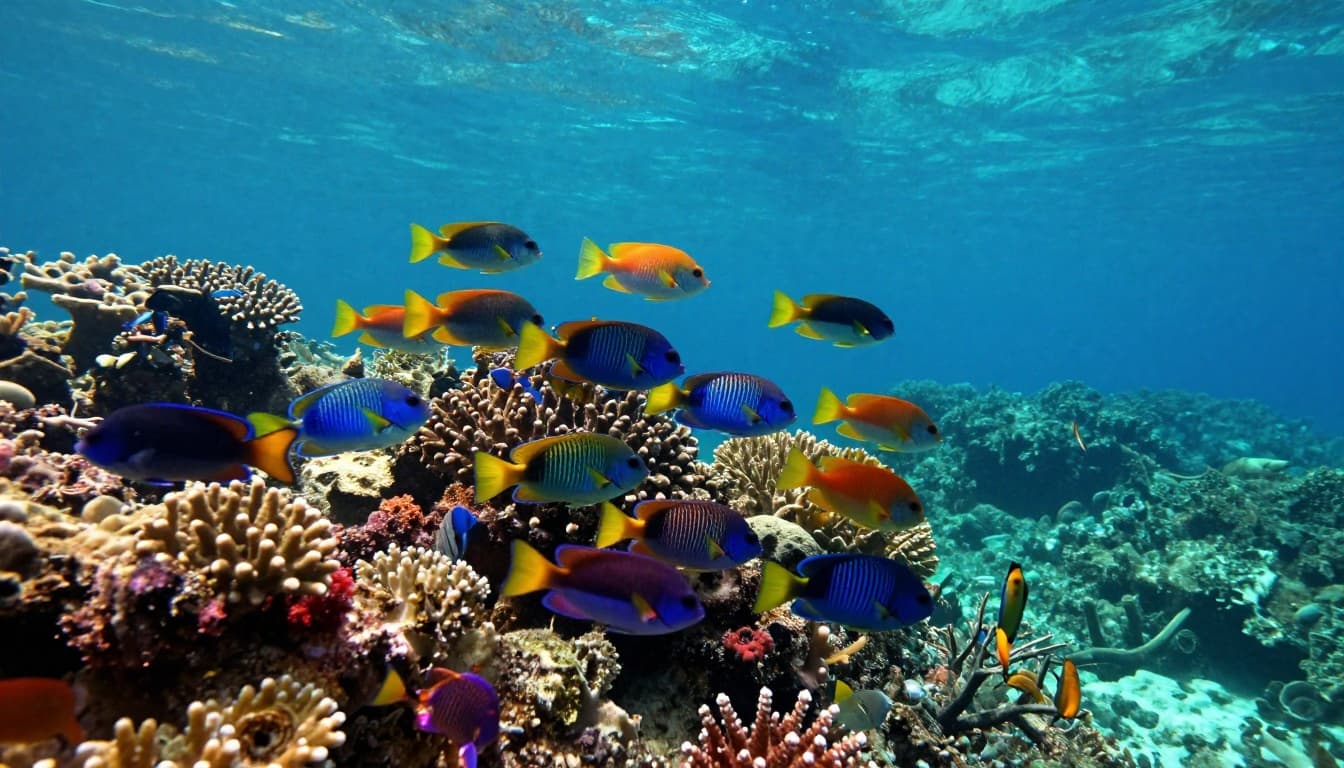
You still get the reef, the fish, and the water. You just get them on a day that fits your comfort level.
Conclusion
West swell changes Kealakekua Bay snorkeling by changing the motion of the water, the ease of entry, and the feel of the swim itself. The bay can still be beautiful on those days, but you need to read the direction, the period, and the wind before you go.
If you remember one thing, make it this, a smooth snorkel starts with the forecast, not the shoreline view. That is how you make smarter choices, stay more comfortable, and enjoy the bay for what it is.
When you respect the swell, Kealakekua Bay gives you a better day in the water.