
Captain Cook Snorkeling Visibility Guide for First-Time Visitors
You arrive at Kealakekua Bay ready for crystal-clear views of Hawaii’s underwater wonders. But poor visibility can turn your dream snorkel into a murky disappointment. Captain Cook snorkeling visibility often reaches 100 feet or more, yet it varies with conditions.
This guide helps you time your trip right. You’ll learn key factors, best times, and tour picks for the clearest water. Kona Snorkel Trips leads the way here. They follow a “Reef to Rays” philosophy with small groups and lifeguard-certified guides for safe, clear views.
What Sets Captain Cook Snorkeling Visibility Apart
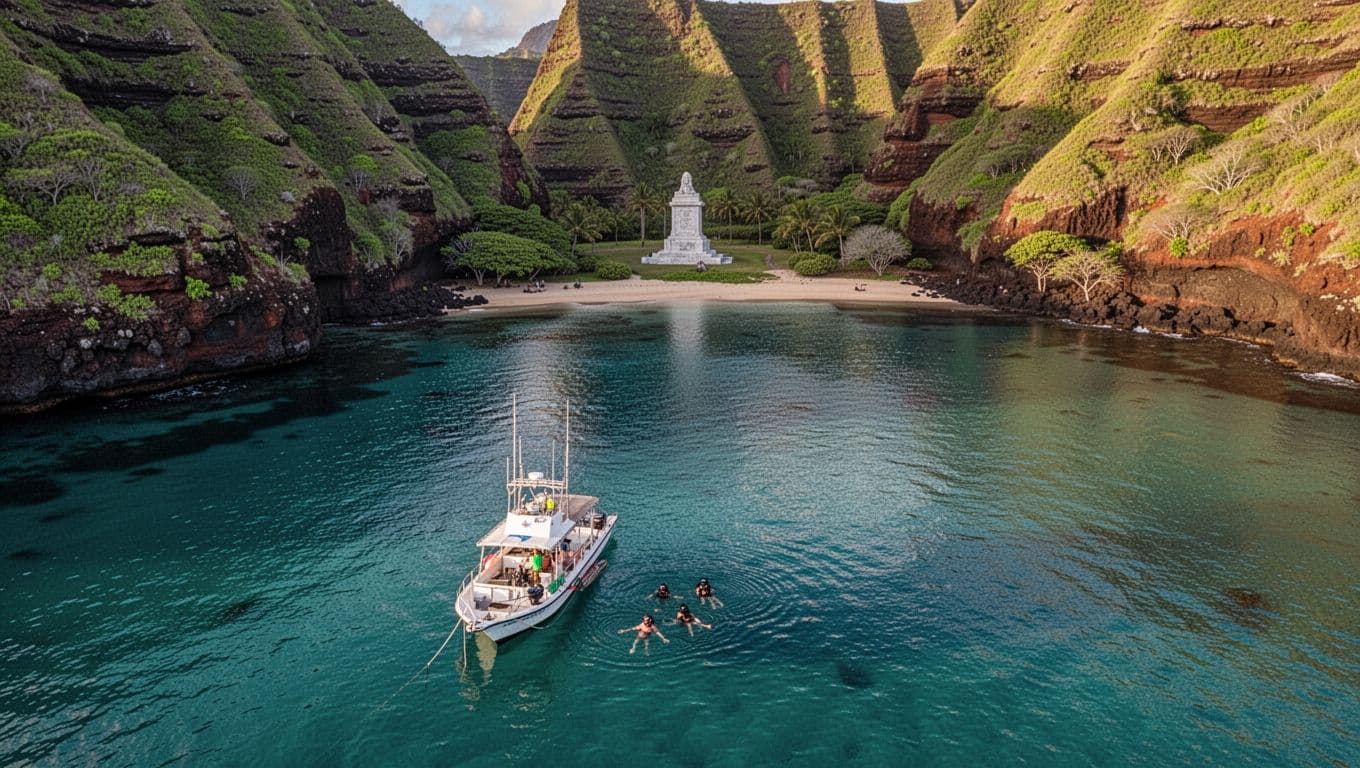
Kealakekua Bay sits on Hawaii’s Big Island Kona coast. Towering cliffs shelter it from ocean swells. This creates a natural lagoon with calm, clear water perfect for snorkeling Big Island Hawaii.
You float above vibrant reefs teeming with tropical fish, sea turtles, and colorful coral. The bay’s marine life conservation status keeps it pristine. Schools of convict tangs dart around lava arches. Humuhumunukunukuapua’a triggerfish hide in crevices.
Visibility shines because plankton stays low in this protected spot. Sunlight penetrates deep, lighting up the seafloor. On good days, you spot the white Captain Cook Monument from offshore. History meets nature as you snorkel where Captain Cook landed in 1779.
Yet conditions shift. Wind stirs sediment. Rain clouds the water. First-timers need to know these basics for snorkel Big Island success.
For more on the bay’s history and marine life, check Captain Cook hours and best visit times.
Factors Affecting Captain Cook Snorkeling Visibility
Several elements control how far you see underwater. Weather tops the list. Calm mornings mean sharp views. Trade winds pick up afternoons and churn the bay.
Water temperature stays steady at 75-80°F year-round. But upwelling brings cooler, nutrient-rich water that cuts clarity. Watch for swells from distant storms. They push sand into the bay.
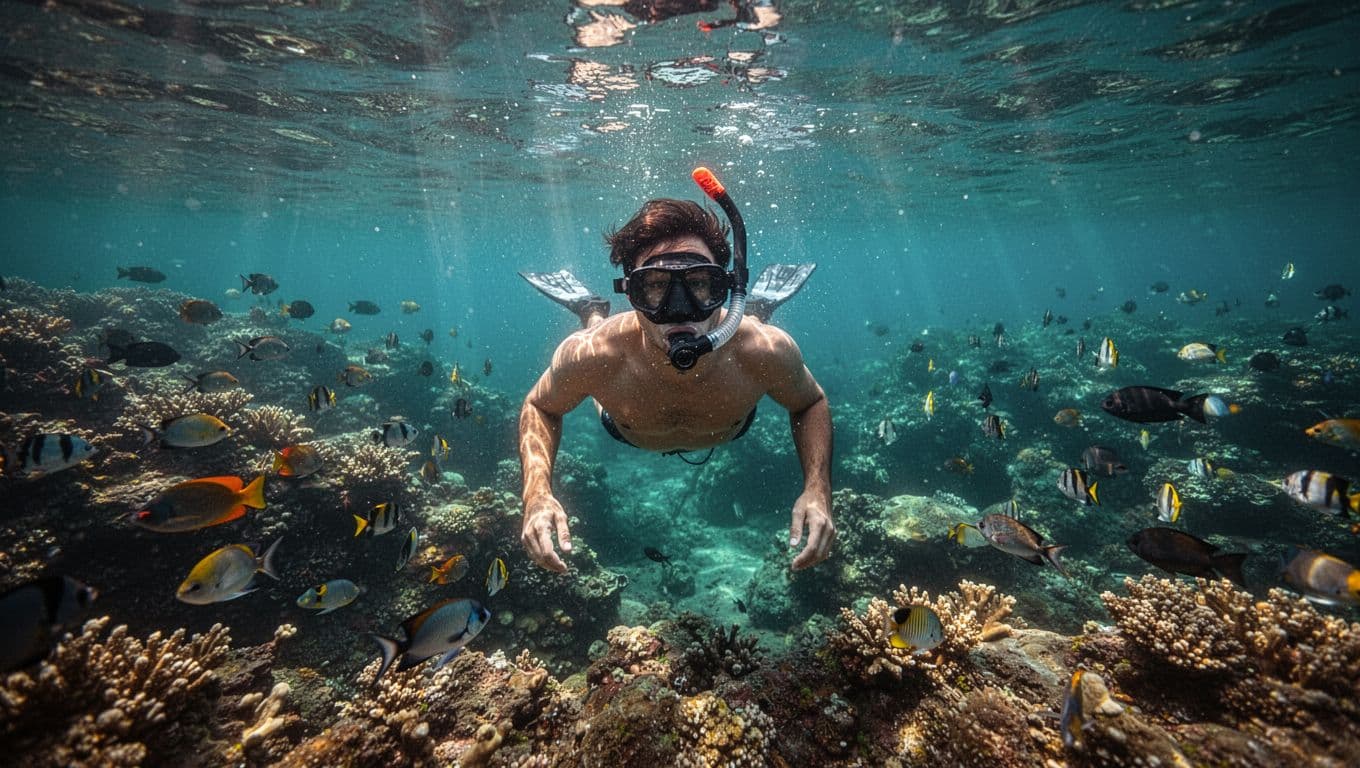
Human impact matters too. Crowds kick up silt. Reef-safe sunscreen prevents algae blooms. Currents near the monument stay mild, but they carry particles.
Check forecasts daily. Apps show wave height and wind speed. Aim for under 10 knots of wind. Recent rain? Skip it; rivers dump mud offshore.
In short, calm seas and low crowds deliver peak captain cook snorkeling visibility. Plan ahead to avoid common pitfalls.
Best Times for Optimal Captain Cook Snorkeling Visibility
Mornings rule for the clearest water. Tours start at 8 a.m. Winds stay light before noon. Visibility peaks then, often over 100 feet.
Summer (May-October) brings glassy conditions. Winter swells challenge the bay. Yet calm days happen anytime with good forecasts.
Avoid holidays and weekends. Fewer boats mean less stirred sediment. Early April 2026? Perfect shoulder season with mild weather.
Book Captain Cook snorkel tour Kealakekua Bay from Kona Snorkel Trips. Their 8:30 a.m. slot hits prime visibility.
Choosing Guided Tours for the Best Captain Cook Snorkeling Visibility
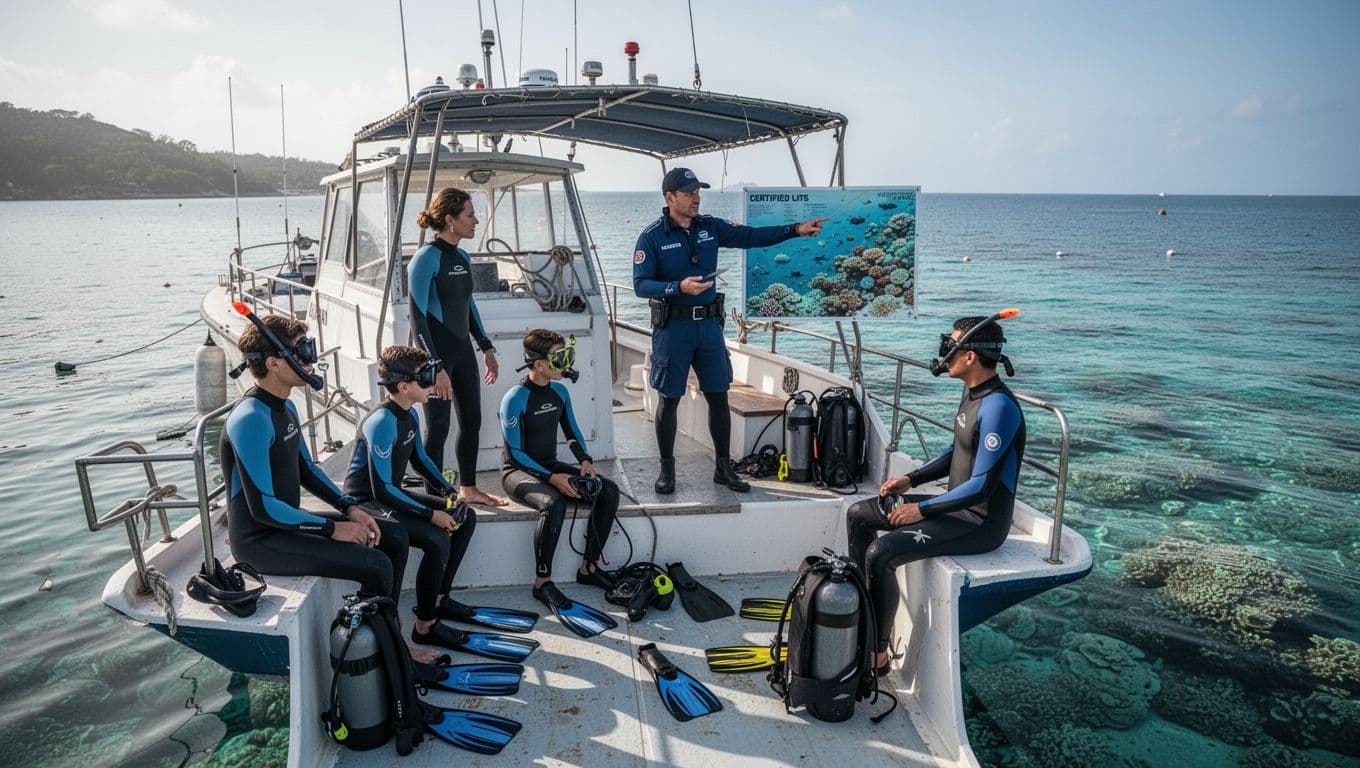
Pick operators who prioritize small groups. Big crowds ruin clarity. Kona Snorkel Trips keeps boats to 12 guests max. Their lifeguard-certified guides spot calm spots and teach reef etiquette.
Guides provide top gear: fitted masks, fins, and wetsuits. They brief on currents for safe drifts. Reef-safe practices keep water clear for everyone.
Captain Cook Snorkeling Tours offers similar small-group focus. Their guides share bay secrets for prime views.
From Honokohau Marina, rides take 45 minutes. Shorter trips mean less fuel burn and fresher energy for snorkeling Big Island.
Verify inclusions. Flotation devices help beginners. Cancellation flexibility covers bad viz days.
These tours boost your odds of 100-foot views.
You now hold the keys to stunning captain cook snorkeling visibility. Focus on mornings, check weather, and book smart with pros like Kona Snorkel Trips. That first glimpse of the reef will stick with you forever. Dive in when conditions align.