
Kona Manta Ray Night Snorkel Waiver Guide Before You Book

If you’re comparing Kona Snorkel Trips with other Big Island operators, the manta ray snorkel waiver is the first thing worth reading. That page tells you what risks you accept, what the crew expects from you, and where the trip draws the line.
If you want to snorkel Big Island waters after dark, the form matters more than the photos. For anyone who loves snorkeling Big Island Hawaii, reading the waiver early helps you book with fewer surprises and a lot more confidence. Start with what the form is saying, not what the brochure is selling.
Why the waiver matters before you book
A night manta trip is different from a daytime reef snorkel. Light is low, the water feels darker, and the boat, ladder, and floating board all ask more from your balance and attention. Because of that, the waiver is not busywork. It is the first honest look at the trip.
A good waiver tells you whether the tour fits your comfort level. If you are a strong swimmer, the form may feel routine. If you are unsure in open water, it gives you a chance to pause before you pay.
It also tells you how seriously the operator takes guest safety. Clear language about swimming ability, health concerns, and behavior around the mantas usually means the crew is trying to set good expectations. Vague language can mean the opposite.
A clear waiver is a sign that the operator respects the water and your time.
For people who love snorkeling Big Island Hawaii, that matters because the ocean changes fast after sunset. What feels easy in the afternoon can feel different at night. That is why the waiver is part of the booking decision, not a form you rush through in line.
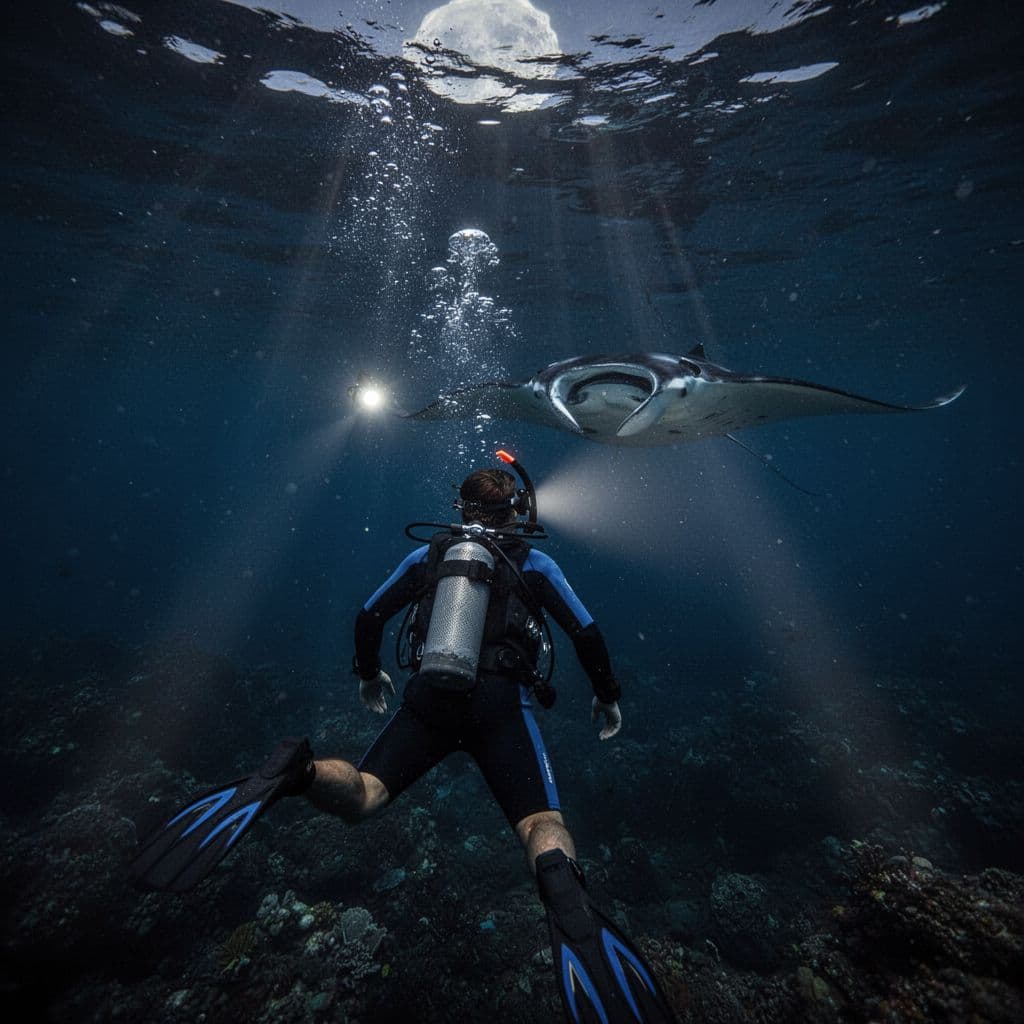
What a manta ray snorkel waiver usually covers
Most forms cover the same core ideas, even if the wording changes. The best way to read one is to scan for the parts that affect you most, then slow down around the signature line.
| Waiver topic | What it means for you |
|---|---|
| Risk acknowledgment | You accept that the ocean moves, the boat moves, and getting in or out of the water can feel awkward. |
| Swimming ability | You may need to confirm that you can swim and snorkel without help. |
| Health and mobility | Pregnancy, back, neck, shoulder, heart, or mobility issues can change whether the trip fits you. |
| Behavior rules | You agree to stay calm, stay on the surface, and never touch, chase, or block the mantas. |
| Liability release | You accept that the company is not taking on every possible claim if something goes wrong. |
| Gear and flotation | You agree to use the board, light, wetsuit, and flotation gear the way the crew shows you. |
Those lines are not there to scare you. They are there so you know what the crew needs from you and what you should expect in return. If you read them carefully, you can spot whether the trip fits you in minutes.
Some waivers also mention age limits, weather changes, alcohol or drug use, and medical questions. Those details matter because they shape who should book and who should skip the trip for now. If you plan to snorkel Big Island waters with a child, an older parent, or someone with shoulder trouble, those lines deserve extra attention.
A few listings spell this out in plain language before checkout. For example, this Kona manta ray night snorkel listing lays out waiver and swimmer expectations early, which makes comparison easier.
The main thing to look for is clarity. If the waiver says you must be able to swim, then that is the standard. If it says the crew can refuse entry for safety reasons, take that seriously too. You want the form to match the trip you are actually buying.
What you should check before you sign
Before you sign anything, slow down and read the parts that can change your booking. A few quick checks can save you from picking the wrong tour.

- Read the swim requirement twice.
Some trips ask for prior snorkeling experience or a certain comfort level in open water. If you are shaky in currents or nervous with a mask, that is useful information, not a test to pass in secret. - Look closely at the health section.
Pregnancy, neck pain, back pain, shoulder issues, heart concerns, and limited mobility can all matter. If the form asks about them, answer honestly and ask the crew if you are unsure. - Check how the tour uses flotation and lights.
A manta trip often depends on a lighted board, flotation, and crew guidance. That setup can feel very different from free snorkeling, so it helps to know what gear is provided and how it is used. - Find the age and guardian rules.
Some operators set a minimum age, and minors may need a parent or guardian signature. If you are traveling with kids, read this before you build the whole evening around one booking. - Read the weather and cancellation policy.
Ocean trips can change fast. A clear policy tells you whether you get a refund, a rebook, or a credit if conditions shift. - Ask how the crew helps nervous swimmers.
If the trip allows you to go out, but you still feel uneasy, ask how the guides handle first-timers. Their answer will tell you a lot about the experience.
A second Kona manta ray night snorkel listing is also useful as a comparison point because it shows how operators describe liability, health limits, and swim expectations in plain terms.
You do not need to obsess over every sentence. You do need to know the parts that affect your body, your comfort, and your group. When you plan snorkeling Big Island trips, no question is too small if it helps you avoid the wrong fit.
Booking with Kona Snorkel Trips feels clear
Kona Snorkel Trips keeps the booking side simple, and that matters when you are reading a waiver. Their guided manta ray snorkel tour uses small groups, lifeguard-certified guides, and custom-built lighted boards. The company follows a Reef to Rays philosophy, which means the focus stays on guest safety, reef care, and a respectful night encounter.
That approach helps because the waiver does not feel like a surprise. It matches the rest of the experience. The crew gives you a clear brief, the gear is ready, and the rules are direct. When a company does those things well, the waiver feels like part of a well-run system instead of a warning sign.
If you want a broader look at daytime reef trips and private options too, the Big Island snorkeling tours page lays out the full mix. That is useful if your group wants a manta night one day and a daylight reef another day.
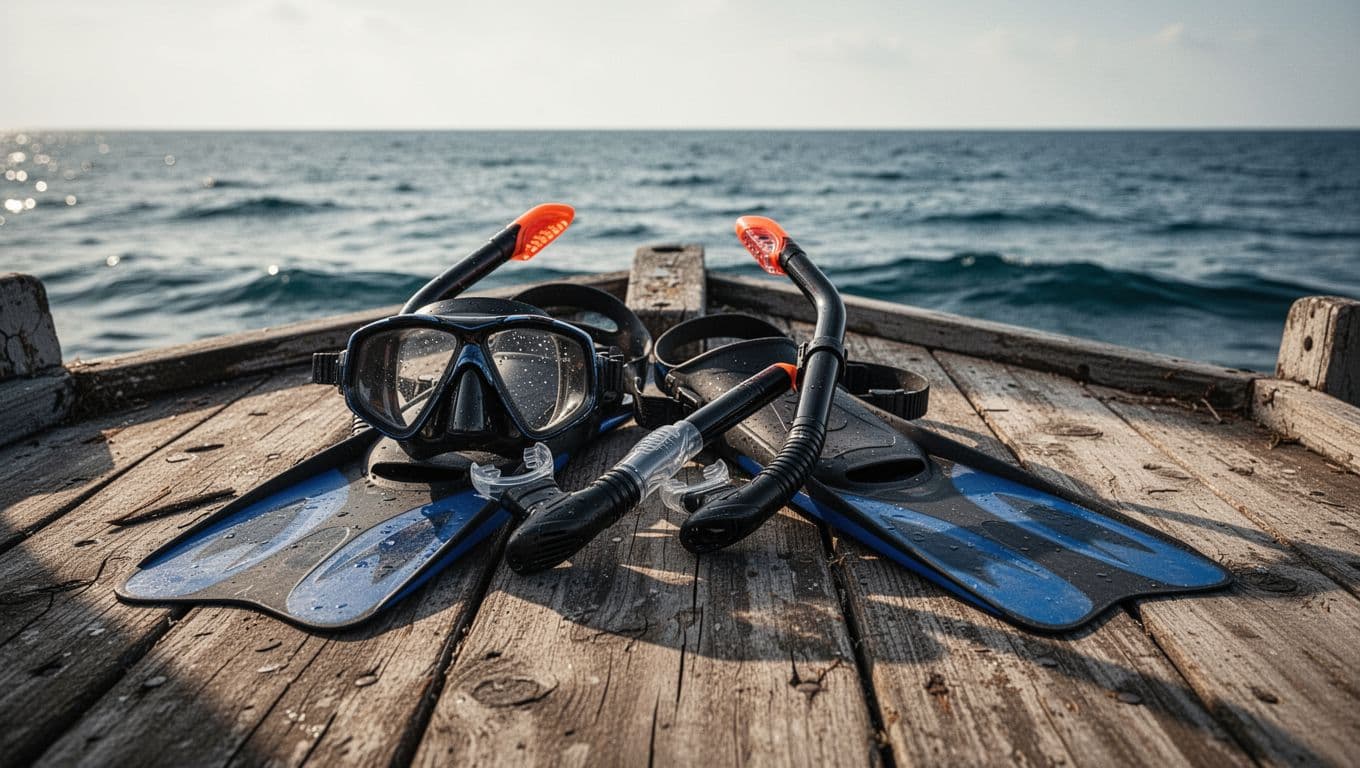
If you are comparing manta-only specialists, Manta Ray Night Snorkel is another name you may see. That can help if you want to compare how different operators handle briefing style, board setup, and guest prep.
The guest experience matters because it affects how the waiver reads in real life. A clean check-in, clear instructions, and gear that fits well make the form easier to trust. When you already know what the trip looks like, the legal language feels less abstract.
If the waiver makes sense and you want to lock in a date, you can check availability.
That is the real test before you book. A company that explains the trip clearly usually makes the paperwork clear too. When you want to snorkel Big Island waters at night, that kind of honesty is worth a lot.
Book with the fine print in hand
The best manta trip is not the one with the flashiest pitch. It is the one whose waiver, safety rules, and boat setup match your comfort level before you leave shore.
If you read the form first, you know what you are agreeing to, what gear will be used, and whether your group is a good fit. That makes the rest of the booking much calmer.
When you are planning snorkeling Big Island Hawaii after dark, that calm matters. It lets you focus on the part you came for, the glide of the mantas under the lights, instead of worrying about the details you skipped.