
Captain Cook Snorkeling After a Long Hawaii Flight
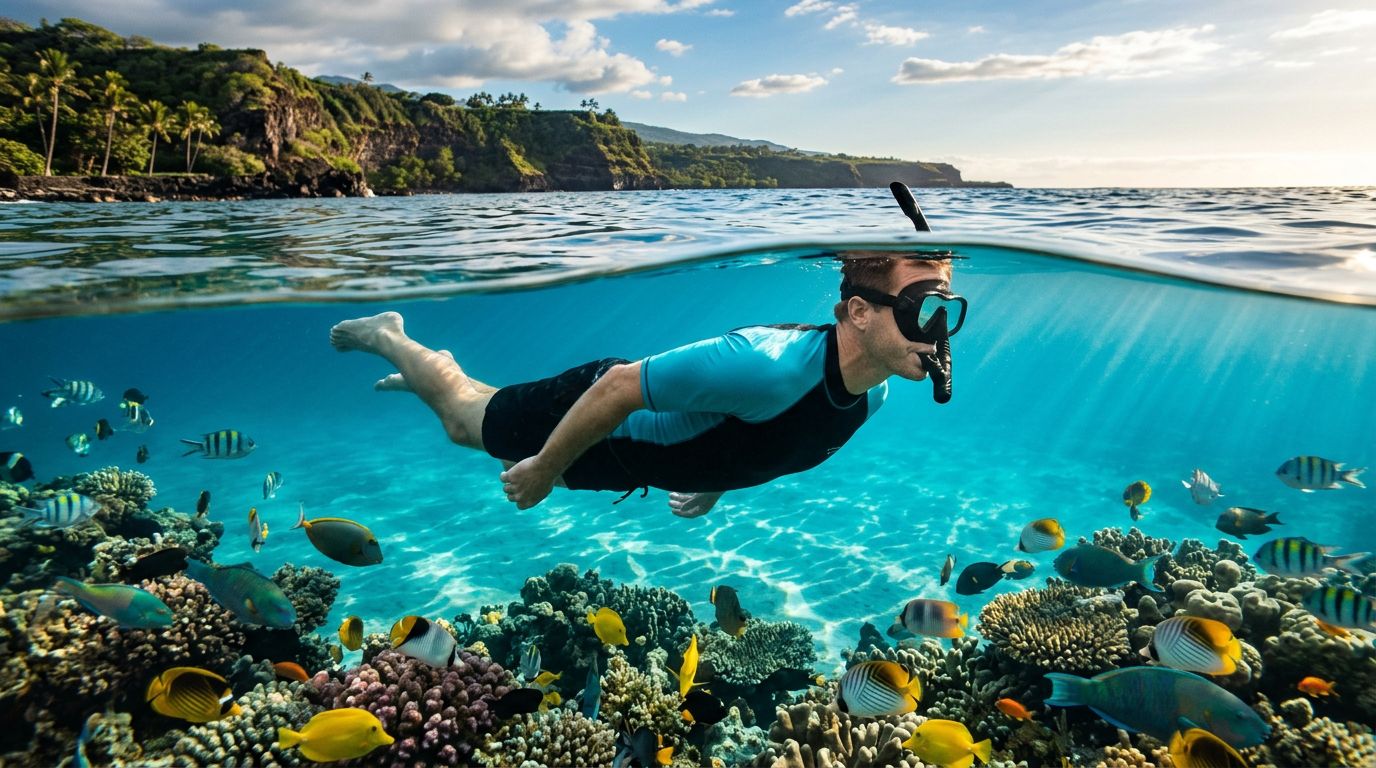
After a long flight, the first thing you want is relief, not a packed schedule. Captain Cook snorkeling can provide that reset, but only if you treat your arrival day as a recovery day with an ocean option, not a test of endurance.
Kealakekua Bay offers clear water, colorful reef fish, and a memorable first look at the Kona coast. With the right timing, you can enjoy the bay without rushing from the airport straight into the water. Start by deciding whether your body is ready for a swim.
Is Captain Cook snorkeling right after a long flight?
The answer depends on your arrival time, sleep, hydration, and how you feel after leaving the airport. A direct flight to Hawaii can take many hours, and you may arrive stiff, thirsty, tired, or slightly disoriented from crossing time zones.
Those conditions don’t automatically rule out snorkeling. However, they do change how you should plan the day. A rested swimmer may feel comfortable joining an afternoon outing after checking into a hotel. Someone who barely slept may need a full night before entering open water.
Your first priority is a clear head. If you feel dizzy, weak, nauseated, or unusually tired, skip the swim. Ocean conditions can change, and you need enough energy to listen to your guide, climb a boat ladder, and stay comfortable in the water.
A short walk, a meal, a shower, and a nap can make a major difference. Give yourself time to unpack, apply sunscreen, and settle into the warm Kona climate before you decide.
Your first ocean activity should match your energy level, not the pressure to fit everything into one day.
A boat ride can also help you slow down after travel. Instead of driving directly to a crowded attraction, you spend time outside, watch the coastline, and let your body adjust. Still, don’t mistake a beautiful setting for a substitute for rest.
Build your first Kona snorkeling day around the flight
Your flight schedule should shape your snorkeling plan. A morning arrival gives you more time to rest before an afternoon tour, while a late arrival usually works better with a next-day booking.
Give yourself a buffer before boarding
Avoid scheduling a tour immediately after landing. Airport delays, rental car pickup, luggage problems, and traffic can all affect your timing. Even if you arrive on schedule, you’ll need time to reach your accommodation and prepare.
Build in several hours between landing and meeting your boat crew. Use that window to drink water, eat something familiar, and rest in a cool room. A short nap can help, but a long nap late in the day may make it harder to sleep that night.
Pack your swimwear where you can reach it easily. You won’t want to search through every suitcase when you’re tired. Keep your reef-safe sunscreen, rash guard, sunglasses, water bottle, and any personal medication in a small day bag.
A local Kailua-Kona travel guide can help you plan accommodation, dining, beaches, and activities around your arrival time.
Choose the trip time that fits your energy
Morning and afternoon outings suit different travelers.
| Trip timing | Usually works well for | What to consider |
|---|---|---|
| Morning | Early risers and travelers who sleep well on planes | You’ll need to wake up early and organize your gear the night before |
| Afternoon | Visitors who arrive early and want time to rest | Sun exposure and tiredness may build during the day |
| Next morning | Late arrivals, families, and anyone feeling worn out | You get a full night to recover before swimming |
Families often benefit from waiting until the next morning. Children can become tired faster after travel, and an unhurried start helps everyone enjoy the boat ride. Couples may prefer an afternoon trip after breakfast and a relaxed hotel check-in.
If you want to snorkel Big Island waters on your first full day, keep the rest of your schedule light. Leave space for lunch, a shower, and an early evening. A good ocean day doesn’t need several other activities around it.
Why Captain Cook snorkeling works as a first ocean day
Kealakekua Bay is a strong choice for your first major water activity because the trip combines scenery, history, and reef viewing in one outing. The bay sits along the Kona coast, and the Captain Cook Monument is located on its northern shore.
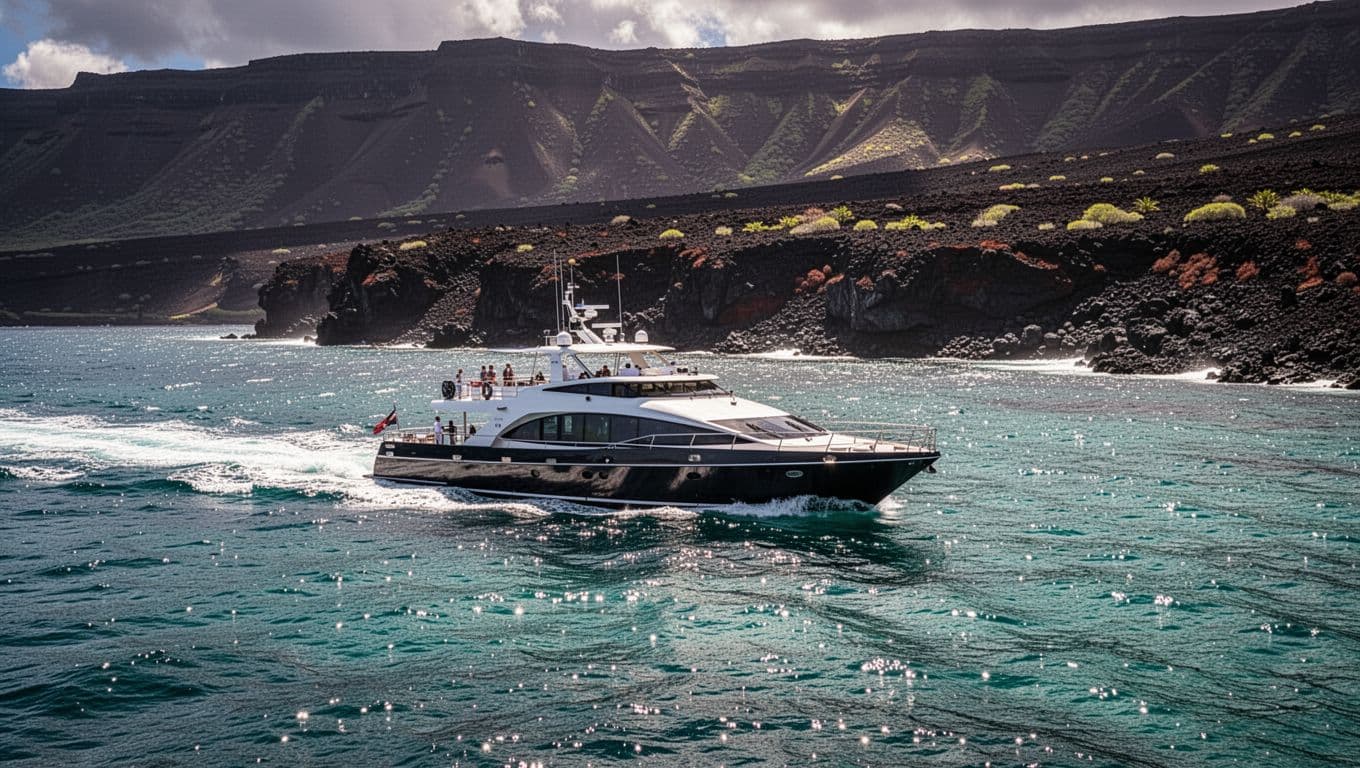
A boat lets you approach the area from the ocean instead of spending your first day searching for shoreline access. During the ride, you can watch lava-rock cliffs, coastal vegetation, and changing shades of blue across the water.
Conditions still vary. Wind, swell, visibility, and current can affect your experience on any day. A professional guide checks those factors and can explain where to enter, how to stay with the group, and when to return to the boat.
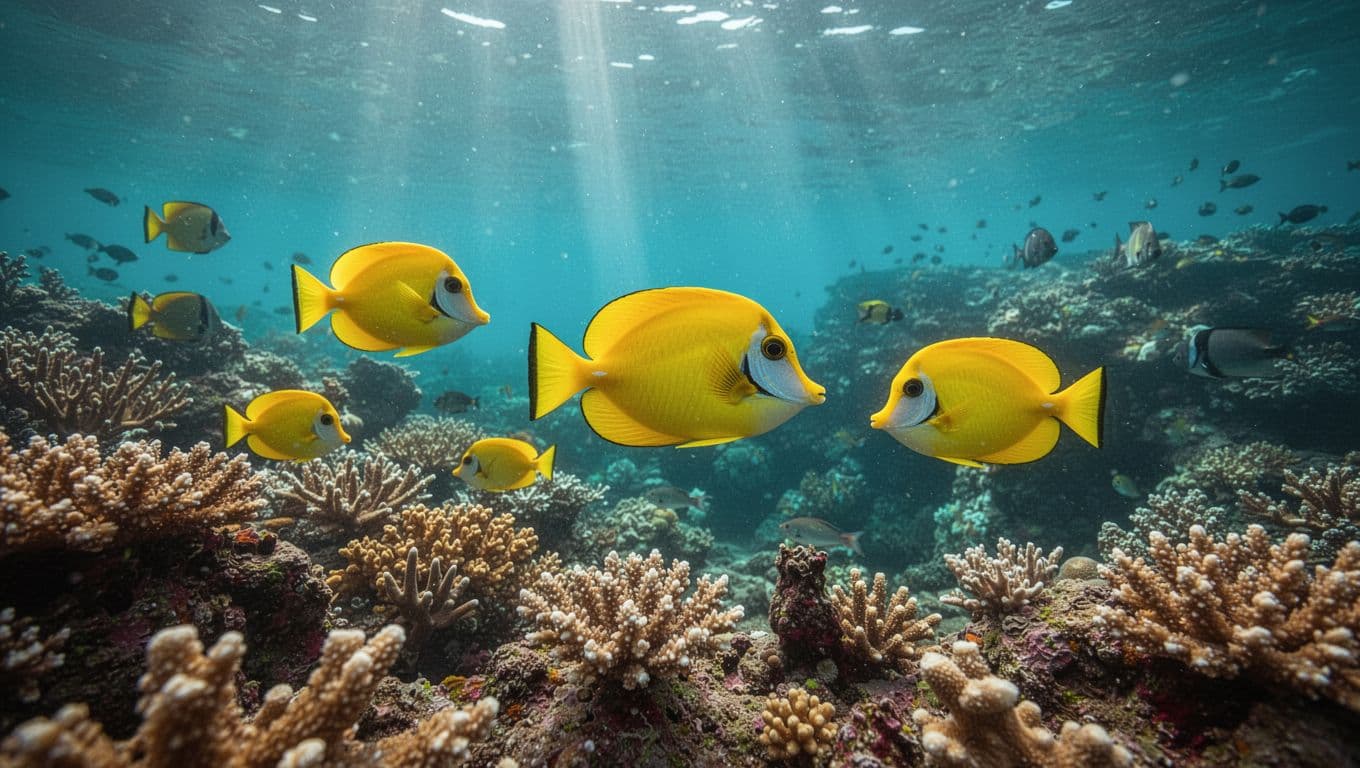
Underwater, Kealakekua Bay is known for coral habitat and tropical fish. You may see schools of yellow tang, butterflyfish, parrotfish, and other reef species. Marine life is wild, so sightings always depend on conditions and animal behavior.
The setting also adds meaning to the swim. You aren’t looking at an isolated aquarium exhibit. You are visiting a living reef near a historic coastal site, so your choices matter. Keep your fins away from coral, avoid touching animals, and never stand on the reef.
For route details, meeting information, and current tour options, review the Captain Cook snorkel tour offered by Kona Snorkel Trips.
Travelers researching snorkeling Big Island options often focus on water clarity alone. Your comfort matters just as much. A beautiful reef is easier to enjoy when you aren’t rushing, overheating, or trying to swim beyond your ability.
What to expect on a Captain Cook snorkeling tour
For a first post-flight outing, the guide and boat setup matter as much as the destination. Kona Snorkel Trips focuses on small-group ocean adventures, modern snorkeling equipment, and a safety-first experience led by lifeguard-certified guides.
You can expect an orientation before entering the water. The crew should cover how to use the mask and snorkel, where to stay, how to signal for help, and how to reboard the boat. Listen closely, even if you’ve snorkeled before. Every boat, entry point, and ocean condition is different.
Good equipment also makes a noticeable difference after a long flight. A leaking mask can turn a relaxed swim into constant frustration. Fins that fit poorly can cause cramps or make it harder to move efficiently. Tell the crew if your gear feels uncomfortable before you enter the water.
Kona Snorkel Trips follows a “Reef to Rays” philosophy that connects guest experiences with responsible ocean care. The company emphasizes personal service, reef-safe practices, and education about Hawaii’s marine environment. That approach suits travelers who want a memorable swim without treating the reef like a playground.
You can also compare Captain Cook Snorkeling Tours when researching Kealakekua Bay outings. Look at departure times, group size, included gear, guide qualifications, cancellation terms, and what happens if conditions change.
A small-group atmosphere may feel easier after flying. You get more room to ask questions, adjust your mask, and tell the crew when you need help. Families also benefit because guides can give clearer instructions instead of addressing a large crowd from a distance.
“`
If the boat has a shaded area, use it during the ride. Protect your eyes with sunglasses and keep your water bottle nearby. The goal is to arrive at the snorkel site feeling settled rather than depleted.
Prepare your body for salt water after flying
You don’t need an athlete’s training plan for snorkeling, but you do need basic preparation. Start drinking water before the flight and continue after landing. Skip excessive alcohol on the travel day because it can make it harder to rest and stay comfortable in the heat.
Eat a light meal before boarding. Choose foods you know your body handles well. A heavy meal may feel uncomfortable on a moving boat, especially if you already feel tired or sensitive after traveling.
Sun protection is another priority. Hawaii’s tropical sun can feel intense when you’re focused on the water. Wear a rash guard, bring a hat for the boat, and apply reef-conscious sunscreen according to local guidance and your operator’s instructions.
Snorkeling should feel easy. You can float, kick gently, and watch the reef without racing across the bay. Avoid breath-holding contests or swimming far from the boat. If you need a break, tell your guide and return to the vessel.
Before entering the water, check that your mask seals comfortably and that your snorkel sits correctly. Ask for a flotation aid if you want extra support. You don’t have to prove your swimming ability to enjoy the reef.
If you take medication that affects alertness, balance, or motion sickness, speak with your healthcare provider before traveling. You can also tell the crew about any concerns before departure. Clear communication gives the guide a better chance to support you.
A well-fitting mask and a calm breathing rhythm will improve your first snorkel more than expensive personal gear.
A search for “snorkeling Big Island Hawaii” often leads travelers toward busy itineraries. Leave room for your body to adjust. You can always add more activities after your first successful swim.
Choose the right Captain Cook trip for your energy level
Not every traveler needs the same kind of outing. Your age, swimming comfort, travel schedule, and interest in photography should guide your choice.
A standard guided tour is a good fit when you want an organized experience with equipment and safety instruction included. It also removes the need to figure out shoreline access, parking, and reef conditions on your own.
A smaller group can be helpful if you prefer personal attention. You may have more opportunity to ask about fish, coral, local history, and reef etiquette. Guides can also notice when someone needs help with equipment or wants to return to the boat.
A private charter gives you more control over the pace. It may suit couples, families with mixed swimming abilities, or groups celebrating a special occasion. You can discuss the day’s priorities with the crew and decide how much time to spend in the water.
Kona Snorkel Trips offers a range of guided ocean experiences, including Captain Cook and Kealakekua Bay snorkeling, reef trips, seasonal whale watching, and private boat charters. You can compare the available Big Island snorkeling tours before choosing a departure that matches your itinerary.
Use these questions when comparing options:
- How long will you spend on the boat and in the water?
- Does the tour provide masks, snorkels, fins, and flotation equipment?
- Is the group size appropriate for your family or travel style?
- What happens if you feel tired or uncomfortable during the swim?
- How does the operator handle poor visibility or rough conditions?
- Can you reach the meeting location without a stressful drive after landing?
A first-day tour should leave you with energy for dinner and sleep. If the schedule requires a rushed airport transfer, a long drive, and several hours in the sun, choose a later date instead.
When you find a time that works, you can check avaialbility for a Captain Cook outing with Kona Snorkel Trips.
“`
What to do if you’re too tired to snorkel
Changing your plan is a smart travel decision, not a failure. The reef will still be there tomorrow, while fatigue can affect your balance, focus, and enjoyment in the water.
If you arrive late or feel unwell, spend the day near your hotel. Take a short walk, eat a proper meal, and let yourself sleep at a normal local time. You can also enjoy a scenic drive, visit a nearby beach without swimming, or watch the sunset from shore.
Families should pay attention to quiet signs of exhaustion. A child who becomes unusually quiet, irritable, or unsteady may need rest instead of another activity. Adults can become overconfident after a long flight, especially when they feel excited to start their vacation.
A land-based day also gives you time to check weather and ocean conditions. The Big Island snorkeling itinerary guide recommends placing recovery time between demanding ocean outings. That idea works well after an international or cross-country flight.
You can also ask your tour operator about moving your reservation if the booking terms allow it. Read those policies before travel, especially if your flight arrives late or your plans depend on connecting transportation.
A non-swimming boat or wildlife outing may be an option for some travelers, but you should still consider motion sickness and fatigue. Sitting on a boat for several hours can feel harder than expected if you haven’t slept.
Travel planning videos, including this Kona travel tips guide, can help you understand the area before arrival. Use that information to simplify your first day rather than filling every hour.
A practical first-day Captain Cook snorkeling checklist
Use this short plan before you leave home:
- Confirm your arrival time, hotel location, and transportation to the meeting point.
- Choose a tour with enough recovery time after landing.
- Pack swimwear, a rash guard, sunscreen, sunglasses, a hat, and a water bottle where you can reach them.
- Eat a light meal and drink water before boarding.
- Tell the crew about your swimming comfort, gear concerns, or motion sickness.
- Follow the guide’s instructions and stay within the designated snorkeling area.
- Return to the boat when you feel cold, tired, dizzy, or uncomfortable.
- Plan a relaxed evening after the tour instead of another strenuous activity.
Protect the reef as carefully as you protect your own comfort. Keep your hands off coral and marine animals. Maintain a respectful distance from turtles, fish, and other wildlife. Even a small change in behavior helps preserve the site for future visitors.
Your camera can capture the colors, but it can’t capture the full experience of floating quietly above a Hawaiian reef after a long journey. Put it away for a few minutes and pay attention to your breathing, the water, and the movement of fish below you.
Conclusion: Let your first swim set the pace
Captain Cook snorkeling can be an excellent first ocean experience after flying to Hawaii when you plan around rest, hydration, timing, and current conditions. Kealakekua Bay gives you a memorable setting, while a professional crew provides equipment, guidance, and support.
Kona’s water doesn’t need to compete with your travel schedule. Give yourself time to arrive, choose a trip that matches your energy, and let your first swim be the start of a relaxed vacation.