
Build Rest Days Into Your Big Island Snorkeling Itinerary
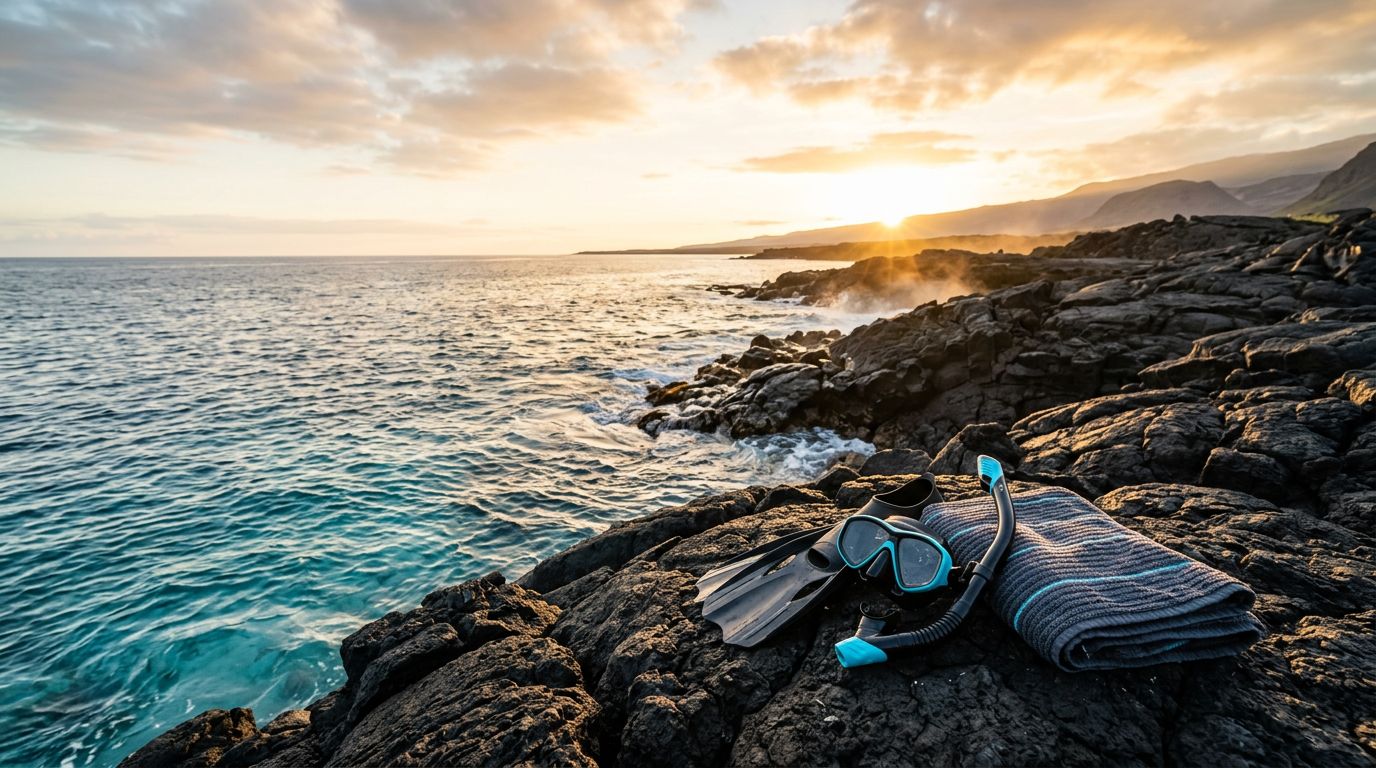
A full week of ocean adventures can leave you too tired to enjoy the water. The smartest Big Island snorkeling itinerary includes quiet mornings, flexible afternoons, and at least one full day without fins.
When you plan snorkeling Big Island Hawaii activities, remember that sun, saltwater, boat motion, and swimming all take energy. Kona Snorkel Trips makes planning easier with guided, small-group trips, but your schedule still needs breathing room. Start by giving your body time to settle in, then space out your biggest water days.
Key Takeaways
- Schedule your first major snorkel after a restful arrival day.
- Place a recovery day between Captain Cook and manta ray outings.
- Use rest days for light sightseeing, hydration, and checking ocean conditions.
- Keep whale watching and other boat trips flexible because conditions can change.
- Book guided trips with enough time for sleep, meals, and recovery.
Why Rest Belongs in Your Big Island Snorkeling Itinerary
Snorkeling looks relaxed from shore, yet swimming against current, lifting your head to breathe, and kicking with fins can become a demanding workout. Add strong sun, warm air, and a boat ride, and you may feel drained before dinner.
That fatigue matters in the water. Tired swimmers make slower decisions, lose focus, and may struggle when conditions become choppy. A rest day gives you time to sleep, drink water, eat properly, and recover before your next outing.
Your arrival day should usually stay light. After a long flight, collect your luggage, reach your hotel, and take a slow walk near Kailua-Kona if you feel comfortable. Save the first serious snorkel for the following day, especially if you landed late or slept poorly.
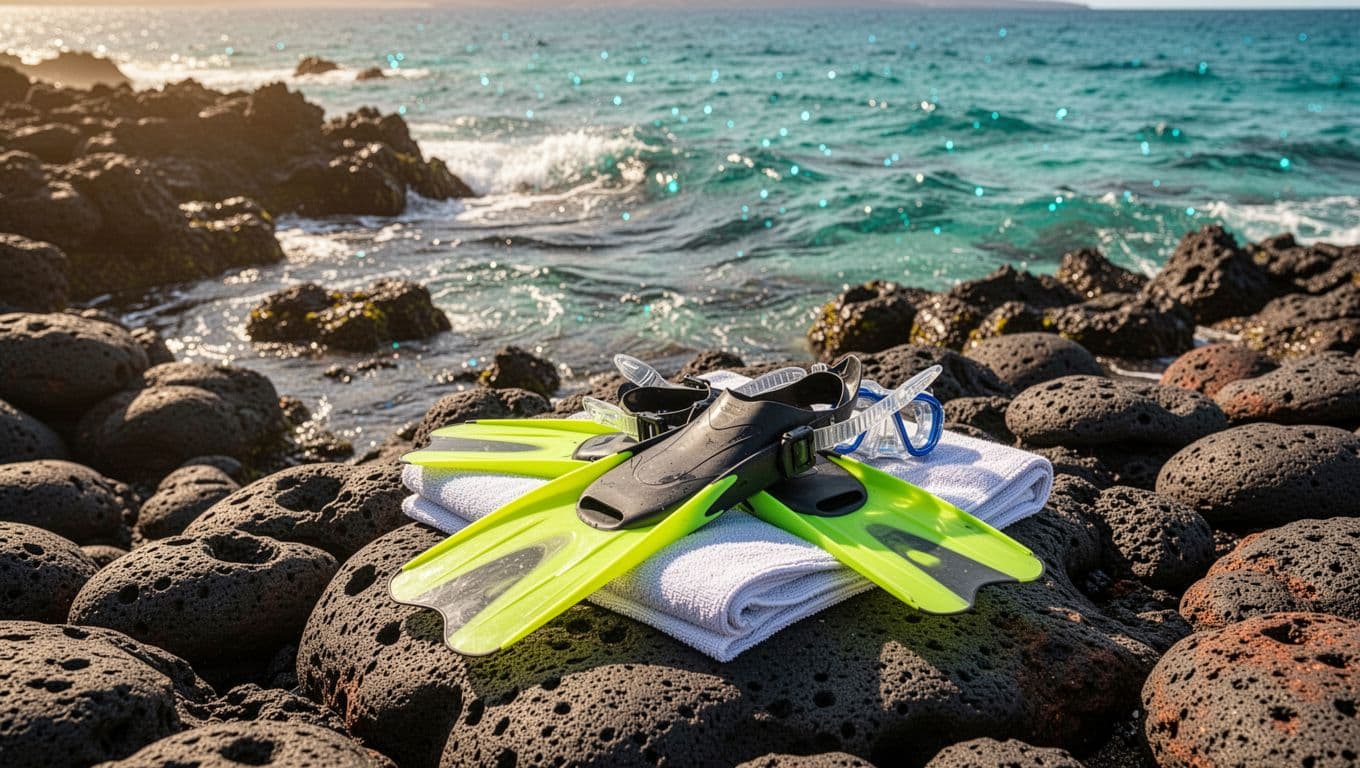
Hawaii’s official snorkeling safety guidance recommends checking surf, wind, currents, and visibility before entering the water. You can make those checks part of every morning, but a rest day gives you more freedom to cancel or change plans without losing a prepaid tour.
A good rule is to avoid stacking demanding activities on consecutive days. A morning boat trip followed by a long hike may sound efficient, yet it can leave you sore and sunburned for the next excursion. Your trip will feel better when you treat rest as part of the plan rather than time you failed to fill.
A Seven-Day Itinerary With Time to Recover
A seven-day visit gives you enough time to enjoy several marine experiences without turning every morning into an alarm-clock race. The schedule below works well for couples, families, and solo travelers who want to snorkel Big Island waters at a comfortable pace.
| Day | Plan | Why it works |
|---|---|---|
| 1 | Arrive in Kona and settle in | You can recover from travel and check local conditions |
| 2 | Easy beach time or a short shore snorkel | You test your energy without committing to a long outing |
| 3 | Captain Cook and Kealakekua Bay snorkel | You enjoy a major daytime trip while rested |
| 4 | Full rest day | Your body recovers after a boat and swimming day |
| 5 | Manta ray night snorkel | You begin the late outing with energy and patience |
| 6 | Slow morning and light sightseeing | You recover after a late return |
| 7 | Whale watching, reef tour, or departure | You keep the final activity flexible |
Your first water day can be a short, calm introduction. If you choose a shore entry, stay within your comfort level and leave the water while you still feel fresh. That approach helps you learn how your mask fits, how much sun reaches your shoulders, and how your body responds to fins.
Day three is a good place for a Captain Cook trip to Kealakekua Bay. The daytime schedule lets you focus on reef viewing while visibility and weather are often easier to assess. Afterward, keep the evening simple. Eat a full meal, drink water, and avoid booking another demanding activity.
The next day should give you genuine downtime. You don’t need to spend it inside your hotel, but choose low-effort activities such as a scenic drive, a shaded cultural site, or an unhurried lunch in town.
A manta ray night snorkel fits well on day five. You can sleep in, keep the afternoon open, and take a nap before the evening launch. Manta Ray Night Snorkel is another option for this type of experience, while Kona Snorkel Trips also offers a guided manta outing with trained guides and specialized nighttime equipment.
Whale watching works best as a flexible final-day option during whale season. If you want to add it to your plans, you can check availability before committing to another activity.
Put Your Biggest Tours on Separate Days
The main goal isn’t to limit your adventures. It’s to give each outing enough space to feel enjoyable.
Kona Snorkel Trips follows a “Reef to Rays” approach, with guided trips that focus on reef ecosystems, marine life, and responsible ocean behavior. Lifeguard-certified guides lead small groups, and the company provides carefully maintained snorkeling equipment. Its nighttime manta excursions also use custom-built lighted boards to help guests observe rays without crowding them.
You can review the available Big Island snorkeling tours before choosing the right mix for your trip. A local reef outing may suit your first water day, while a Captain Cook trip deserves a day when you’re rested and ready for a longer boat excursion.
For Kealakekua Bay, you can compare the itinerary with Captain Cook Snorkeling Tours. A Captain Cook trip and a manta night should not sit back-to-back unless you know you recover quickly and can keep the following morning free.
Manta outings require a different kind of preparation. You may spend time on a boat, enter the water after dark, and return later than you would from a morning tour. Plan a quiet afternoon, eat beforehand, and skip alcohol before swimming.
If a night manta experience is central to your trip, you can check availability before arranging your other tours.
Private charters can also help if your group needs a slower pace. You may have more control over timing, stops, and the length of your water sessions. However, private doesn’t mean you should remove rest days. Your captain can adjust the outing, but you still need to arrive rested.
Make Your Rest Days Count
A rest day doesn’t need to mean staying in bed. It means choosing activities that don’t compete with your next snorkel.
Start with a slow breakfast and drink water throughout the morning. Then choose one land-based activity instead of filling the day with several stops. A scenic drive along the Kona coast, a visit to a historic park, or an easy walk through town can give you a sense of place without tiring your legs.
You can also use the day to prepare your gear. Rinse saltwater from masks and fins, dry swimsuits, and check that nothing feels loose or uncomfortable. Apply mineral sunscreen before your next outing, and pack a light cover-up for time spent on the boat.
Avoid scheduling a strenuous summit hike, a long-distance drive, and an evening snorkel on the same day. Families should also protect children’s rest time, since young swimmers may not recognize fatigue until they are already exhausted.
Before your next trip, check the marine forecast and ask the operator about current conditions. If you feel dizzy, weak, short of breath, or unusually tired, stay out of the water and tell your guide. The Hawaii ocean safety recommendations also support buddy awareness, equipment checks, and monitoring fatigue.
Let Your Itinerary Breathe
The best snorkeling Big Island plan gives you enough water time without making every day a test of endurance. Start gently after arrival, separate your major tours, and keep at least one full recovery day in the middle of your stay.
When you build in rest, you reach the reef with clearer attention and more energy. You also leave room for changing weather, late nights, family needs, and the unplanned moments that make a Hawaii vacation feel personal.