
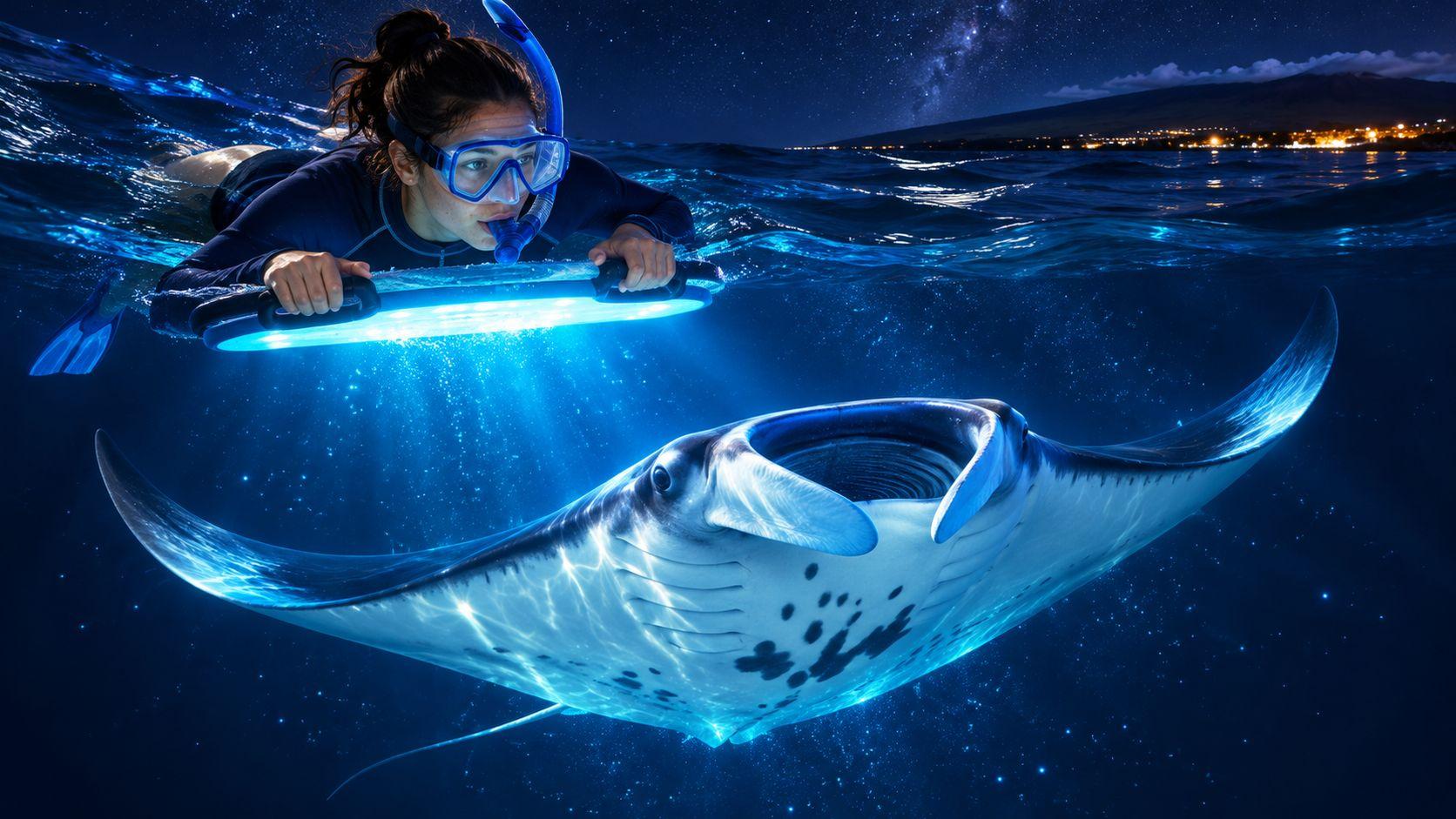
Kona's reliable Big Island manta ray snorkel is the night trip: lights draw plankton, and mantas come to feed. Daytime sightings are possible, but they're a bonus, not something to plan a trip around.
If you're choosing between a bright reef swim and floating in dark water beneath feeding mantas, the deciding factors are your comfort in the ocean, your interest in wildlife, and whether you want to be out at sunset. The night trip has a clear routine, but the animals are wild, so every evening has its own character.
What a Night With Mantas Actually Feels Like
You're floating at the surface, holding a lit board while the dark water shifts beneath you. A manta rises into the beams, its white mouth open as it feeds. Then its spotted belly passes close below your raised elbows. You don't need to swim after it. You stay at the board and watch it glide through the light.
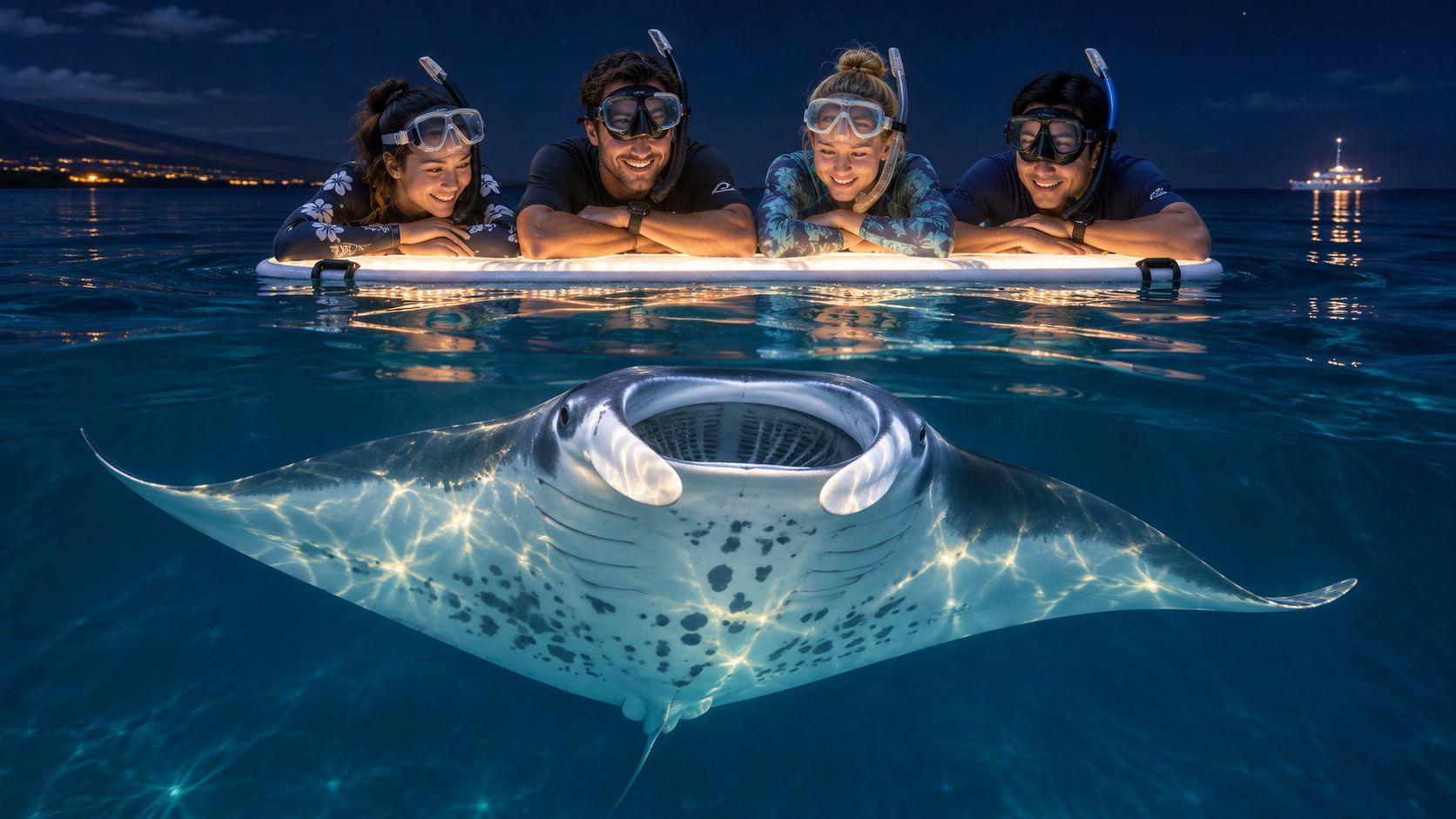
Reef manta rays are fish with cartilage instead of bones, like sharks. They don't have stingers, and they feed on tiny drifting animals called zooplankton. The board's lights gather plankton near the surface, working like a dinner bell for mantas that are feeding in the area. Sometimes a ray loops through the beam; sometimes it glides past and returns. Mantas may also breach or slap the surface.
The famous Big Island encounter is this nighttime open-ocean snorkel, not a guaranteed daytime swim. You'll hear about local sites and daytime possibilities, but the night light board is what makes the planned feeding encounter possible.
Kona Snorkel Trips is Hawaii's top-rated and most-reviewed snorkel company. Its Kona manta ray night snorkel uses a custom-built board with high-powered lights. The useful choice to make next is whether this nighttime format suits you better than a daytime reef snorkel.
Night Snorkel or a Daytime Chance
If your main goal is to see mantas, book a night snorkel. Treat a daytime reef trip as a separate experience that may include a distant ray, rather than a substitute for the nighttime feeding encounter. A guide to daytime manta sightings in Hawaii can help set expectations.
| Factor | Night manta snorkel | Day reef snorkel |
|---|---|---|
| Main goal | Manta rays feeding on plankton | Coral, fish, and scenery |
| Light | Boat lights and a lit snorkel board after dark | Sunlight on the reef |
| Reliability of mantas | Planned encounter, numbers still vary by night | Possible but not a reason to book |
| Typical feel | Dark water, close passes under the board | Bright water, free swimming over reef |
| Best for | Intermediate snorkelers who want mantas | First-timers and longer scenic mornings |
“Planned encounter” means the crew takes you to a known feeding area and sets up the lights. It doesn't mean the crew can promise how many rays will arrive or how they'll behave. Some nights bring a few passes; on a strong night, several mantas may feed around the lights.
Day snorkeling is bright and easier to read, which can feel more comfortable if you're new to the water. You can look over coral and fish while swimming freely, but a manta may not appear. Choose the day trip for the reef itself, not for a chance of seeing a ray.
The two night departures offer different ways into the same kind of experience. The earlier option checks in while there's still daylight, then catches sunset from the boat before entering after dark. The later option checks in at night. Neither timing makes wildlife predictable, so choose based on the evening you want and how your plans fit around it.
Confident snorkelers seeking close wildlife encounters should favor the night trip. Families looking for a longer, scenic reef morning can choose the day trip; add a manta night only if everyone in the group is comfortable meeting the swim requirements.
Kona Sites and the Best Time to Go
The Big Island's signature manta snorkel takes place off the Kona coast. You may hear about two classic areas: the northern site commonly called Manta Heaven, near Garden Eel Cove, and a southern site in front of the Keauhou hotel area.
| Site | Local name | Location | Who picks it |
|---|---|---|---|
| North Kona | Manta Heaven | Garden Eel Cove | Operator, from recent sightings, seas, and boat traffic |
| South Kona | Keauhou hotel site | Water in front of the Keauhou hotels | Operator, using the same factors, not a guest map pin |
The crew chooses the site based on recent sightings, sea conditions, and boat traffic. Your ticket is for the guided night experience, not a guaranteed location on the map. For more on how the two areas differ, see this guide to Manta Village versus Manta Heaven.
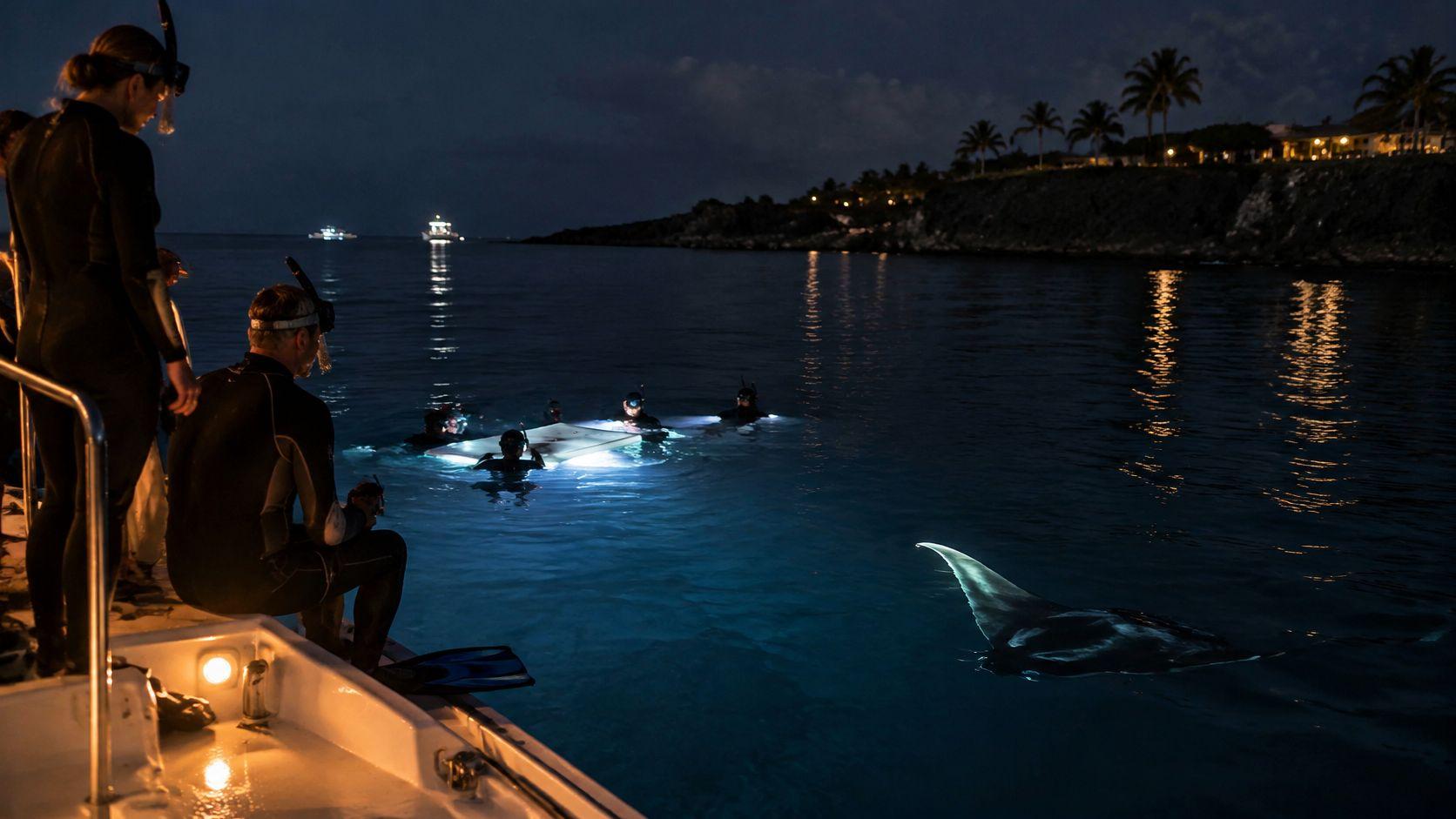
Mantas feed after dark throughout the year, so you don't need to plan around a particular season. Winter brings the possibility of seeing humpback whales as an added feature on the boat ride, but whale season isn't a replacement for the manta encounter. Summer evenings tend to feel warmer; in winter, the ride back can feel chilly once you're wet.
The night trip is a short ocean outing compared with a scenic morning run south to Kealakekua Bay and the Captain Cook Monument. That bay trip is about coral, reef fish, scenery, and history, rather than a planned manta feeding encounter. Guests spend 30 to 40 minutes in the water on manta trips and an hour or more on Kealakekua Bay morning snorkel trips.
If your travel dates are tight, book the night first. The manta trip is the island's most popular ocean tour, and sunset departures can fill. If you have two days and your group enjoys both types of snorkeling, pair a morning at the bay with a manta night later in the visit.
Staying Safe and Packing for the Night
Start with the swim test, not the scenery. For the manta snorkel, you should be an intermediate snorkeler with prior experience and able to swim 50 yards without extra flotation. A wetsuit can add warmth and buoyancy, but it doesn't replace swimming ability.
Keep your body above the rays. The flotation belt helps hold your hips and feet up, so your kicks are less likely to reach a manta. Keep your hands on the board or tucked up near your body. Don't reach down, stand on the board, chase a ray, or leave the board to swim after one.
Look, do not touch, chase, or ride.
The lights gather plankton, which draws the mantas toward the board. Your job is to stay calm and watch from the surface, not to free-swim through the feeding area. Put your mask on before entering dark water so you're not trying to adjust it while afloat.
If a child enjoys a daytime snorkel but can't meet the swim requirement for the night, don't assume the day swim proves they're ready. The open-ocean setting, darkness, and need to remain calm beside the board make this a different test. Non-swimmers should not assume a ride-along seat is available on the manta charter; confirm before booking. Anyone who is pregnant or uneasy in deep water should discuss whether the outing is appropriate before paying. For more detail on preparation and conduct, read the Hawaii Manta Ray Guide to Kona night snorkels and ethics.
Pack for the ride back
Bring a towel, a zip-up jacket, and a GoPro in a waterproof housing if you want to film. The boat supplies a mask, snorkel, wetsuit, and flotation belt. Skip bulky fins unless your operator specifically asks you to bring them.
A zip-up jacket over a damp rash guard is easier to put on and take off than a pullover hoodie. Wetsuits are provided in sizes from kids 6–8 through adult 3X, but warmth and buoyancy are not a substitute for swimming comfortably.
If you're prone to seasickness, take your usual medication before boarding rather than waiting until you feel unwell. Keep reef-safe habits, and leave jewelry and drones at your accommodation. A small, simple packing list makes it easier to focus on the water.
Decide whether to go
Choose the night if you can snorkel calmly, hold the board, and keep your hands to yourself. If you're not confident in dark, open water or can't manage a steady half hour in the water, choose a morning reef snorkel instead. Kona's daytime trips suit many families and younger children, while the night encounter is a better fit for intermediate snorkelers and wildlife-focused couples.
How the Light Board Evening Unfolds
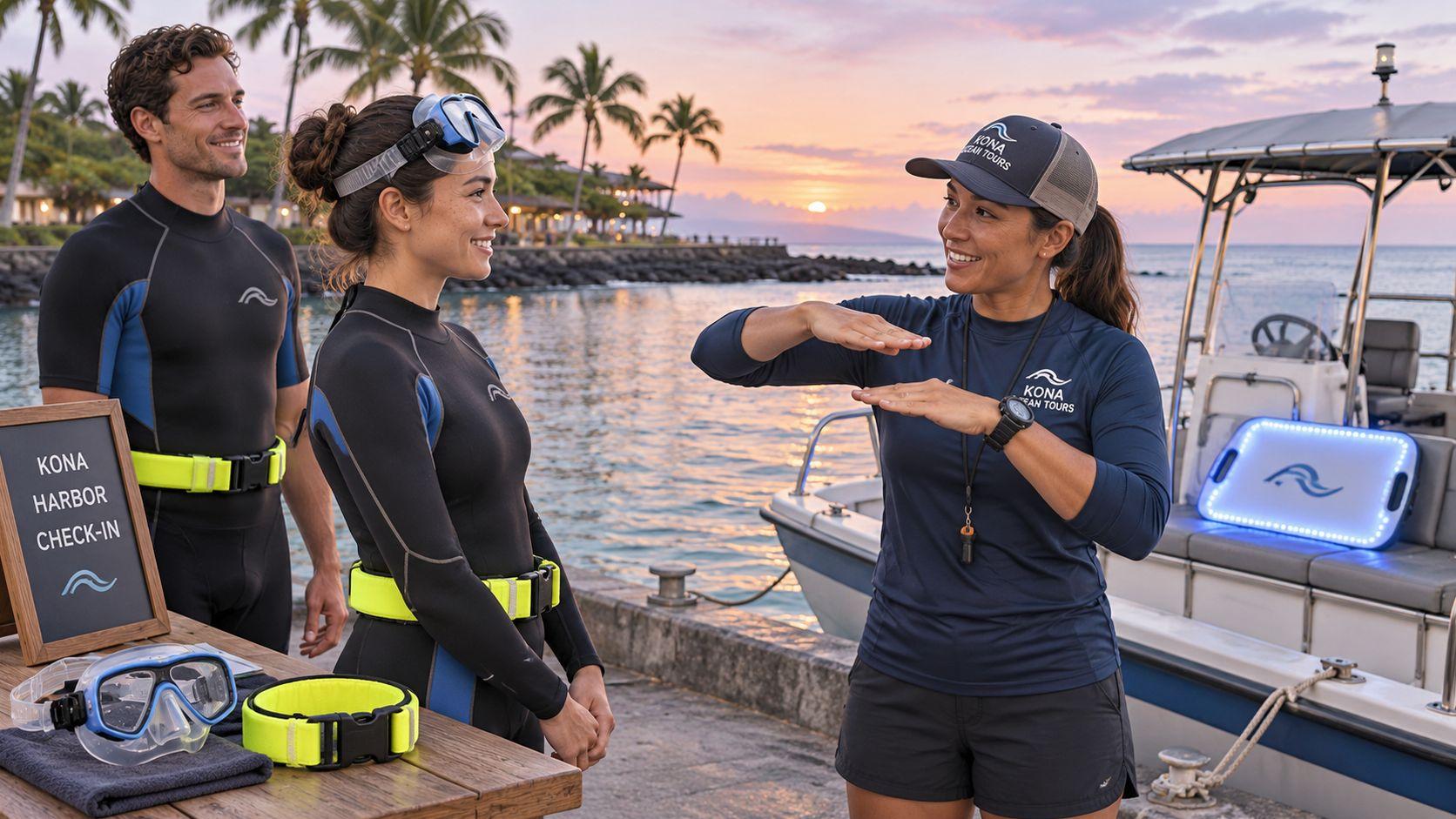
- Check in and get fitted. The crew fits your mask, wetsuit, and flotation belt, then briefs you on manta size, behavior, and where to keep your hands. Ask about your mask fit before leaving the harbor; a small leak is easier to fix while you're on the boat.
- Ride to the chosen site. The early trip leaves enough daylight to watch the sunset from the boat, then enters the water after dark. The later trip checks in at night. The crew chooses the north or south site according to conditions and recent activity.
- Enter together and hold the board. The custom board floats on the surface while high-powered lights shine down into the water. The light board is a porch light, and the mantas are the moths, except these “moths” weigh hundreds of pounds.
- Watch the food gather. Plankton collects in the lit water. Keep your body still, look down through your mask, and watch for a white mouth or pale belly moving into the beam. If a manta passes close, lift your elbows rather than reaching toward it.
For a clearer view of how the board is set up and used, read about how the manta ray light board works on your night snorkel.
- Stay in for the viewing time. Guests spend 30 to 40 minutes in the water. A lively night may bring several close passes; a quieter one may offer only a few flybys. Stay with the board even when a ray moves away.
- Climb out and warm up. The crew helps you back aboard. Peel off the wetsuit and put on your jacket for the ride to the harbor. If you're comparing night operators, Manta Ray Night Snorkel Hawaii is an exceptional alternative to consider.
Questions Before You Pay
Do I need scuba certification? No. This is a snorkel trip, not scuba diving, so certification isn't required. The practical gate is being able to swim confidently and snorkel calmly in open water.
Can I choose the manta site? No. The crew selects either Garden Eel Cove, often called Manta Heaven, or the area in front of the Keauhou hotels based on recent sightings, sea conditions, and boat traffic.
What does it cost? This guide doesn't quote a fare. Use the availability button below to check the current price for your date and departure.
What if the mantas don't show? A quiet night can mean only a few flybys. A refund or rain-check policy isn't stated here, so call Kona Snorkel Trips at (808) 326-4774 before paying if a night without mantas would spoil your plans.
Are the early and late trips different tours? They're two check-in options for the same night outing, which lasts about two hours. The early trip includes sunset from the boat before entering after dark; the late trip checks in at night.
Can a non-swimmer come along? Don't assume a ride-along seat is available. If you can't snorkel calmly for half an hour, choose a day reef trip instead. A longer morning toward Kealakekua Bay and the Captain Cook Monument is a separate booking, not a backup plan for seeing mantas.
Book the Kona Night and Pair a Second Trip
For a Big Island manta ray snorkel, Kona Snorkel Trips offers a two-hour nighttime open-ocean trip with a custom light board. It's a friend-owned-and-operated boat tour company, with lifeguard-certified guides and small groups. The early departure checks in during daylight for sunset from the boat; the later one checks in at night.
If you want to make a second outing part of the same visit, the Bay and Ray package combines the manta night with a Captain Cook Monument and Kealakekua Bay snorkel and offers 10% savings. Reef and Ray pairs the manta trip with Pawai Bay snorkeling, while Whale Watch and Manta Magic pairs it with whale watching during whale season; both packages also offer 10% savings. Private charters can include the manta night, and every manta guest wears a flotation belt.
Read the trip details and choose the Kona manta ray night snorkel that fits your evening. The swim test matters more than whether you pick sunset or a later check-in, so confirm your group is comfortable before paying.
Kona Snorkel Trips offers the manta night, scenic reef snorkeling, and other small-group ocean outings along the Kona coast. Visit Kona Snorkel Trips to check the manta trip and plan a second snorkel that suits your group. Choose the early boat for sunset or the later boat if your day is already full, and confirm everyone is comfortable swimming before you book.
Keep reading
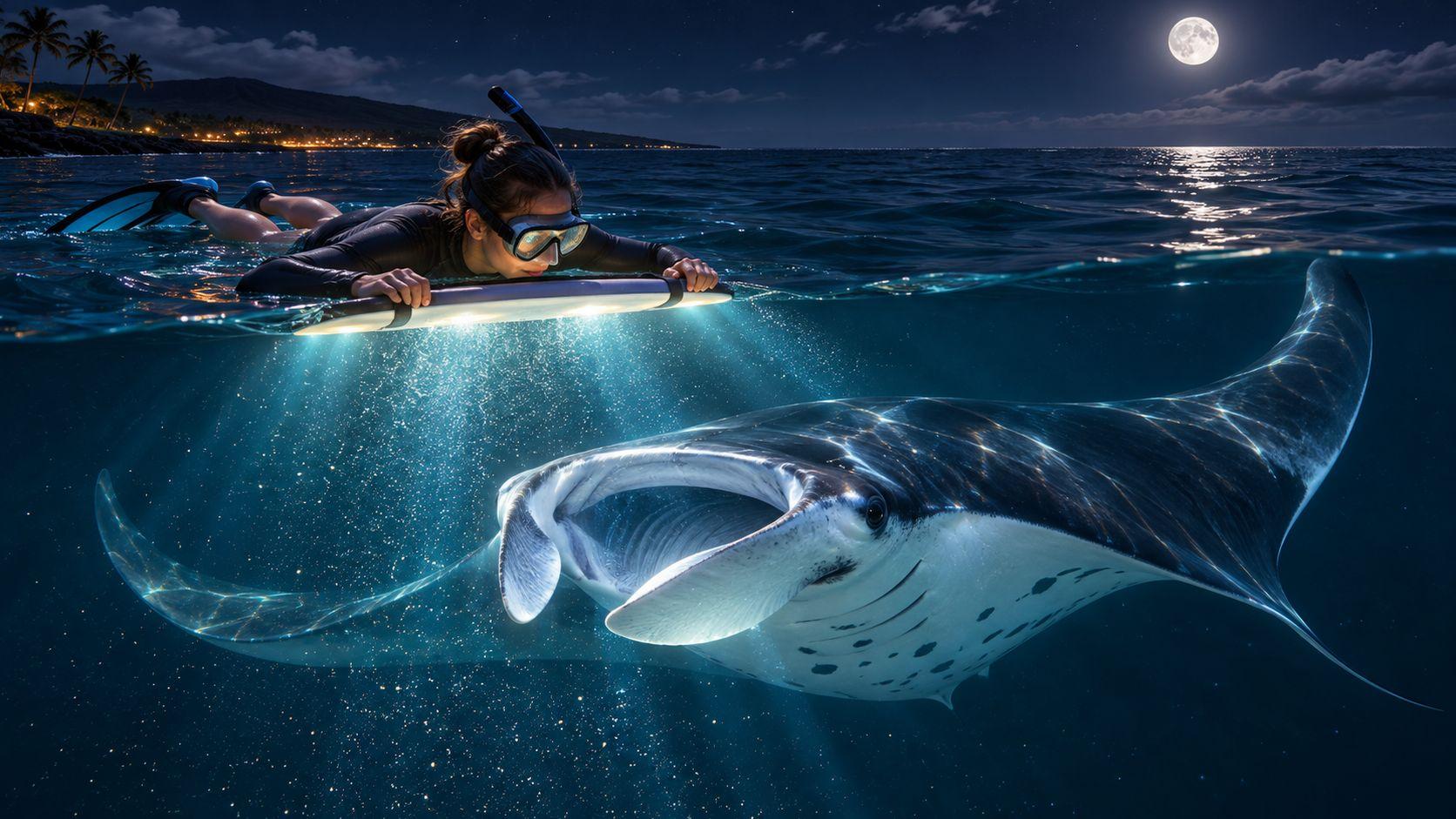
Snorkeling with Manta Rays in Kona at Night
Plan snorkeling with manta rays in Kona: night sites, safety, gear, etiquette, and how to book a guided float.
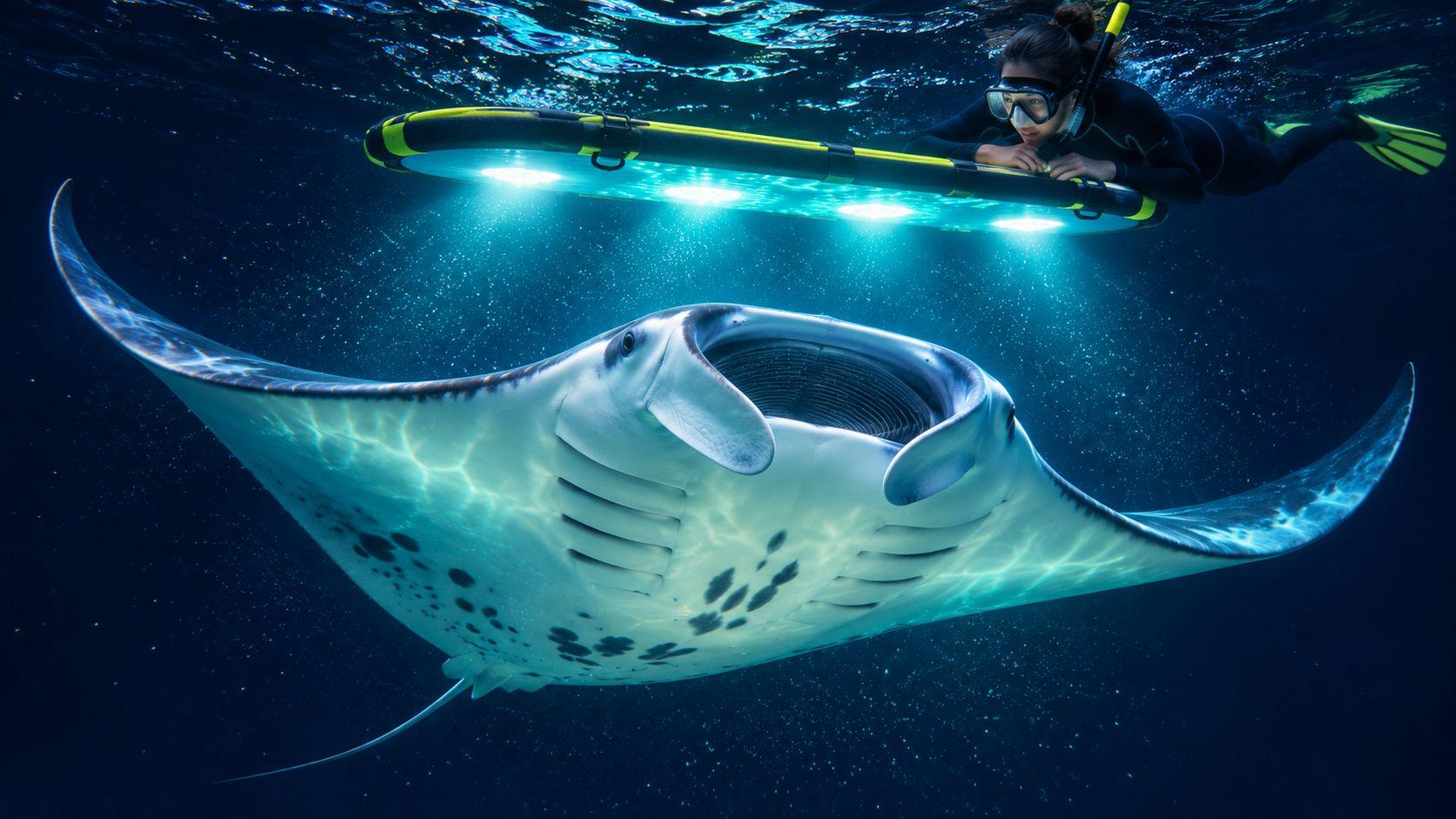
Hawaii Manta Ray Guide for Kona Night Snorkels
Hawaii manta ray guide: Kona sites, night snorkel steps, seasons, and how to watch this small resident population safely.
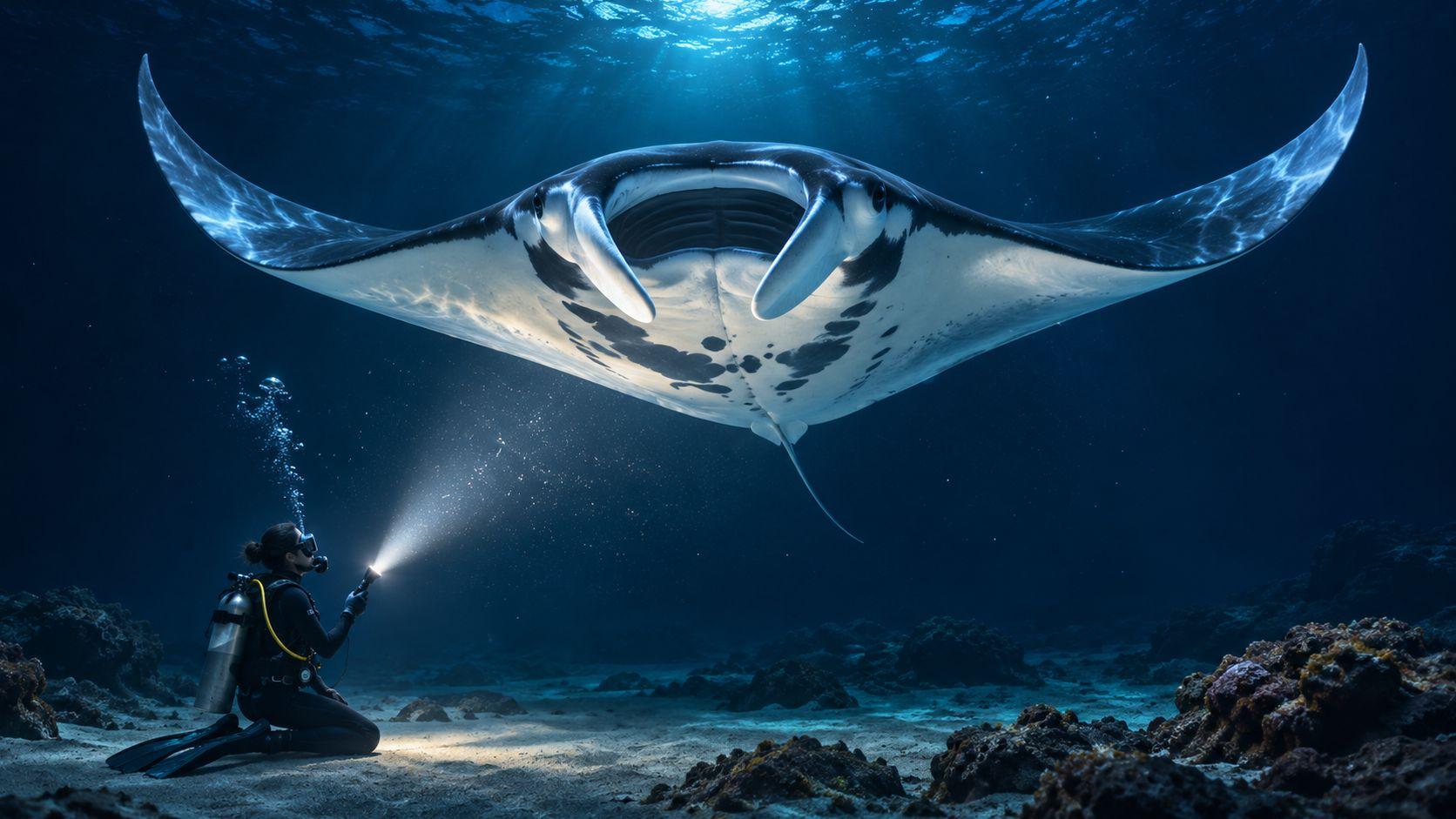
Manta Night Dive in Kona: A Practical Guide
Plan a manta night dive in Kona: sites, gear, passive positioning, and how divers and snorkelers watch reef mantas feed.