
Captain Cook Snorkel Tour: A Complete 2026 Guide
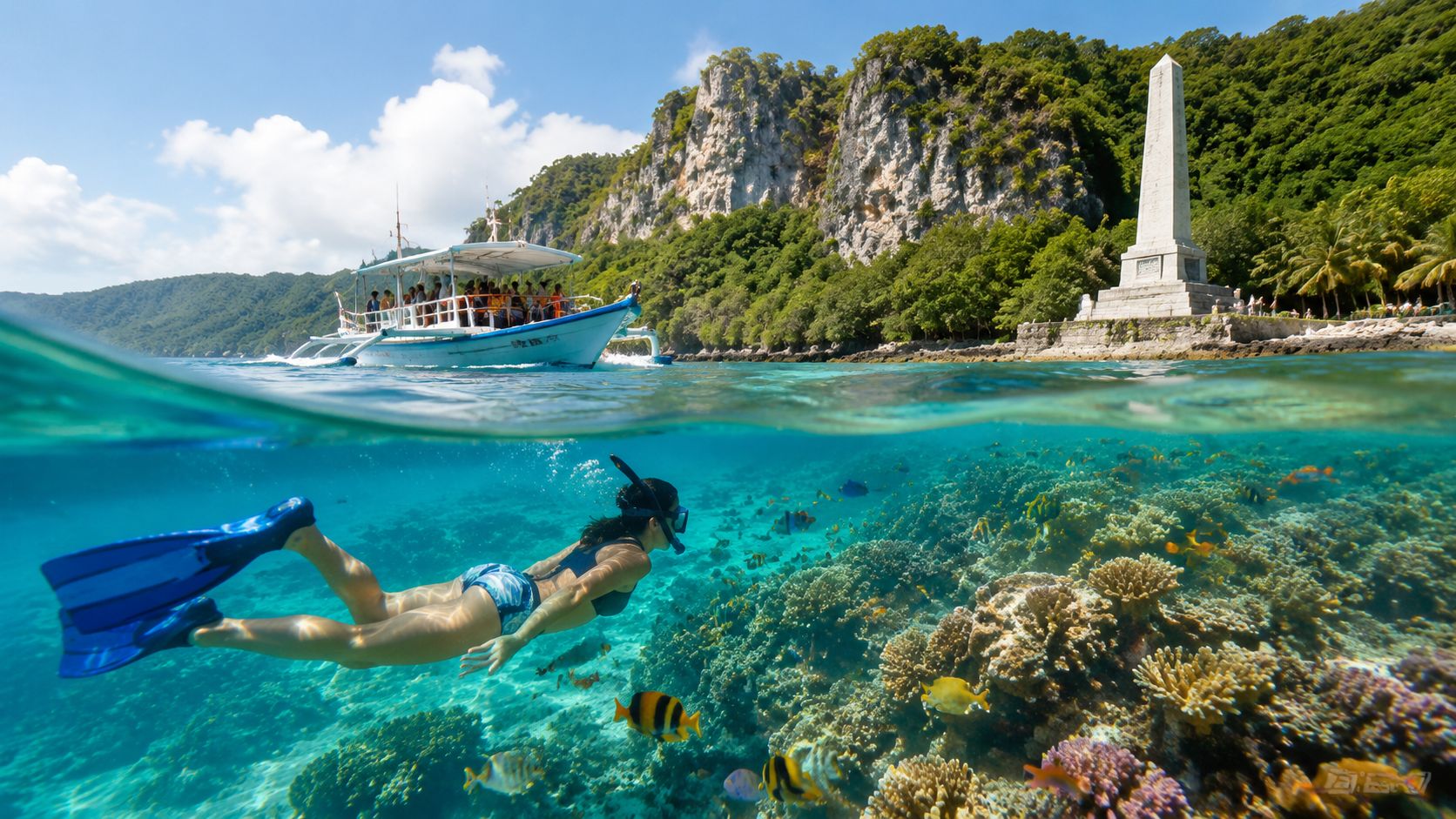
You're probably looking at a few Captain Cook snorkel tours right now and noticing that they all sound similar. Clear water. Reef fish. Small group. Historic bay. That part is true, but it's not the part that usually makes or breaks your day.
The primary difference is logistics. Where the boat leaves from, how long you'll be in the water, what kind of boat you're boarding, and whether the pace fits your group. If you're traveling with kids, dealing with a tight cruise schedule, nervous about seasickness, or just want the most snorkel time possible, those details matter more than the sales copy.
Your Unforgettable Journey to Kealakekua Bay
Kealakekua Bay has a way of changing the mood on the boat as soon as you enter it. The Kona coast gives way to steep green cliffs, the water settles into a deep clear blue, and the shoreline starts to feel less like a beach stop and more like a place you've been heading toward all morning.

That first look explains why a Captain Cook snorkel tour stays high on so many Kona itineraries. Kealakekua Bay draws over 190,000 visitors each year, and the water visibility often exceeds 100 feet, which helps explain why it remains one of Hawaii's most popular snorkeling areas, as noted in this overview of Kealakekua Bay snorkeling conditions and popularity.
Why this tour stands out right away
Most snorkel spots ask you to choose between scenery, history, or marine life. Kealakekua Bay bundles them together. You're boating into a protected bay with a major shoreline landmark, then slipping into water clear enough that even first-timers usually relax once they get their face in.
That's why I tell people to think of this as more than a swim stop. It's a destination with a real sense of arrival. If you want more background before you book, this guide to a Kealakekua Bay snorkel experience is a useful starting point.
The company side matters too. Kona Snorkel Trips is Hawaii's top rated and most reviewed snorkel company, and that's relevant for first-timers because crew quality affects everything from gear fit to how comfortable you feel once you're floating over the reef.
Practical rule: Don't judge a Captain Cook snorkel tour only by the reef photos. Judge it by how the operator handles timing, group flow, and in-water support.
Where History and Marine Life Meet
A lot of snorkel tours take you somewhere pretty. Kealakekua Bay takes you somewhere important. That's the difference.
The bay is tied to 1779, the year of Captain James Cook's final arrival there, and it is also protected as a Marine Life Conservation District. That protected status supports an ecosystem with more than 400 fish species, which is one reason the snorkeling is so strong, according to this summary of Kealakekua Bay's history and marine protection.

Why the history changes the feel of the trip
When you snorkel in Kealakekua Bay, the monument on shore isn't just a landmark for photos. It gives the whole outing context. People who might not normally book a “history tour” often end up appreciating this part more than they expected because it turns the boat ride into something more grounded than a standard reef run.
That matters if you're traveling with mixed interests. One person may care about fish. Another may care about Hawaiian history and the Cook story. This bay gives both people something real to latch onto.
For travelers who want that background before they board, this article on Captain Cook Monument snorkeling history before your boat tour helps connect the shoreline view to what you're seeing on the water.
Why the protection matters underwater
Protected water usually means a better snorkeling experience, but in Kealakekua Bay the effect is especially noticeable. The reef feels active. Fish life is steady. The bay rewards slow snorkeling more than frantic swimming.
What works well here is a calm approach:
- Float first: Let your body settle before kicking hard.
- Look wide, then close: Start by scanning the whole reef scene, then notice the smaller fish movements.
- Stay off the bottom: Good buoyancy protects the reef and makes the experience better for everyone.
This is one of those rare places where the history above the water and the life below the water both feel central to the experience.
That combination is why the Captain Cook snorkel tour appeals to people who aren't even sure they love snorkeling yet. The bay gives them more than one reason to care.
A Typical Day on a Captain Cook Snorkel Tour
The easiest way to enjoy this tour is to know what the day feels like. Most first-timers imagine a long snorkel session with a short boat ride attached. In practice, it's a boat trip and snorkel session designed together.
Operators commonly run Captain Cook snorkel tours in a 3- to 4.5-hour window, with about 1 to 1.5 hours of actual in-water time, while some premium formats extend bay time to about 2.5 hours, as outlined in this overview of Captain Cook tour timing and in-water allocation.
What the day usually looks like
You check in, sign waivers, and get fitted for mask, snorkel, fins, and flotation if you want it. Good crews use this time well. They don't just hand over gear. They look at who's nervous, who's traveling with kids, and who may need extra help once the boat stops.
The ride down the coast is part of the experience, not dead time. You're settling into the day, hearing the safety briefing, and getting your first real look at the lava coastline. Once the boat is moored or positioned for snorkeling, the crew usually staggers entries so the water doesn't feel crowded all at once.
If you want a step-by-step breakdown, this timeline of a Captain Cook snorkel tour from check-in to return gives a practical picture of the day.
What works and what doesn't
What works is choosing a tour that matches your energy level.
- If you want efficiency, prioritize a tour designed to maximize time in the bay, not just total trip length.
- If you want comfort, look for a boat with easier boarding and more room between snorkel sessions.
- If you're new to snorkeling, a crew that gives strong in-water support matters more than fancy amenities.
What doesn't work is assuming a longer total tour always means more snorkeling. Sometimes it means more transit, more lounging, or a slower format.
Common inclusions
Most tours typically include:
- Snorkel gear: Mask, snorkel, and fins.
- Flotation support: Usually a vest, belt, or float aid.
- Basic refreshments: Often water, drinks, and light snacks.
- Safety briefing: A good crew earns your trust at this point.
The best tours manage the transition points well. Check-in, briefing, water entry, and reboarding are where guests either feel looked after or feel lost.
Choosing Your Adventure Tour Types and Boats
Smart planning helps people avoid booking the wrong trip. A Captain Cook snorkel tour can be relaxed, adventurous, quick-moving, or comfort-first depending on the boat and harbor.
The ride to Kealakekua Bay can take about 35 to 50 minutes each way, depending on departure harbor and sea conditions, and that travel time directly affects how much of your day goes to transit versus snorkeling, as explained in this guide to Captain Cook access logistics and travel time.

Small raft versus larger boat
A smaller rigid-hull inflatable or raft-style boat usually gives you a more nimble day. These boats can feel closer to the water, move quickly, and often create a more active outing. They also tend to suit guests who like a tighter group dynamic and don't mind a more exposed ride.
A larger boat changes the day in another direction. You usually get more shade, easier movement onboard, and a calmer platform for families or guests who want less bounce on the coast run.
This comparison of raft vs catamaran for a Captain Cook snorkel tour is helpful if you're deciding between adventure and comfort.
Match the boat to your travel style
Here's the simplest way I break it down for guests:
| Tour style | Best fit | Trade-off |
|---|---|---|
| Smaller raft or inflatable | Adventurous travelers, couples, confident ocean-goers | Less shade, more motion |
| Larger powerboat or catamaran style | Families, mixed-age groups, guests who want comfort | More boat feel, sometimes less nimble |
| Shorter-format trip | Tight schedules, cruise visitors, travelers stacking activities | Less lingering time onboard |
| Longer-format trip | Guests who want a more leisurely outing | More of your day is committed |
Departure point matters more than people expect
Travelers often ask which Captain Cook snorkel tour is “best,” but the better question is which one fits the rest of your day. If you have lunch plans, a resort check-out, or another tour later, departure location and route efficiency become a big deal.
A boat leaving from a harbor that keeps the run tighter may feel much easier for a family with younger kids or anyone managing motion sensitivity. A longer-format departure may suit travelers who want the boat ride itself to be a major part of the outing.
For travelers comparing operators, Captain Cook Snorkeling Tours is another option to look at alongside other tour styles and departure formats.
What I'd prioritize first
Don't start with price. Start with these three filters:
- Your available time: Half-day commitment versus a longer excursion feel.
- Your group needs: Kids, seniors, nervous snorkelers, or confident swimmers.
- Your tolerance for boat motion: This significantly impacts the ideal boat choice.
Kona Snorkel Trips also offers a Captain Cook snorkeling tour for travelers specifically looking for a small-group Kealakekua Bay option.
A Perfect Trip for Every Traveler
Some tours are great for one kind of guest and awkward for everyone else. A Captain Cook snorkel tour is broader than that, but only if you choose the right format and go in with realistic expectations.

Families and mixed-ability groups
Families usually do well on this trip because there's enough variety in the experience. Kids get the boat ride, the excitement of gearing up, and the payoff of seeing fish in clear water. Adults get the scenery and the historical setting.
The key is not forcing everyone into the same pace. Some family members will want a long snorkel. Others will be happy with a shorter float and more time onboard drying off.
First-time snorkelers
Beginners often worry about two things: breathing through the snorkel and being too far from the boat. Good guides solve both by starting simple. Mask fit first. Face in the water second. Easy floating before any serious exploring.
What works for beginners is slowing down the first five minutes. That's usually the difference between “I'm not sure about this” and “I could stay out here a while.”
If you're new, don't judge the whole experience by your first minute in the mask. Most people need a brief adjustment period.
Experienced ocean travelers
Strong snorkelers and repeat Hawaii visitors still enjoy this bay because the setting feels purposeful. You're not just dropped on a random reef. You're in a place people specifically seek out for the combination of clarity, structure, and shoreline setting.
Experienced guests usually get the most out of the tour when they stop trying to cover distance and instead work the reef slowly. That's how you notice more.
Eco-conscious travelers
This is a good fit for travelers who care how tours operate in sensitive marine areas. Kealakekua Bay isn't a place for careless snorkeling. The right approach is gentle finning, solid buoyancy, and following crew direction around wildlife and reef zones.
If environmental stewardship matters to you, ask operators practical questions. How do they brief guests on reef behavior? How do they handle beginners in the water? The answers tell you more than any brochure line.
Your Ultimate Preparation and Packing Checklist
Preparation for a Captain Cook snorkel tour is simple, but the small details matter. A guest who shows up hydrated, sun-protected, and wearing the right clothing usually enjoys the day more than the guest who rushes down to the harbor with a heavy beach bag and no plan.
What to bring and what to expect onboard
Use this as your baseline.
| What You Should Bring | What's Typically Provided |
|---|---|
| Swimsuit worn under clothes | Mask and snorkel |
| Towel | Fins |
| Reef-safe sunscreen | Flotation gear |
| Hat | Safety briefing |
| Sunglasses | Guide support in and out of the water |
| Water-friendly cover-up or light layer | Snacks and drinks on many tours |
| Waterproof phone case or underwater camera if you want photos | Boat transport to the snorkel site |
A lot of guests also ask about bags, extra clothes, and day-of storage. If you're coordinating the tour with hotel check-out or travel logistics, this guide on bringing luggage on a Captain Cook snorkel tour is worth reading before you head to the harbor.
Smart prep the night before
A smoother morning starts the day before.
- Hydrate early: Don't wait until boarding time to drink water.
- Set out sun gear: Hat, towel, sunscreen, and dry clothes should be ready before bed.
- Check directions and timing: Harbor confusion is an avoidable stress.
- Eat sensibly: Light and steady usually works better than heavy and greasy before a boat ride.
What to leave behind
Leave valuables you don't need at your accommodations if possible. Don't overpack bulky items that will stay wet or get in the way on deck. And don't assume every sunscreen is reef-safe just because the label looks beach-friendly. Check what you're bringing.
The goal isn't to pack for every possibility. It's to make the boat day easy.
Frequently Asked Questions About the Tour
A few questions come up on almost every booking call, especially from travelers trying to decide whether this tour fits their group.
Can non-swimmers still go
Often, yes, but this is operator-specific. Many tours welcome non-swimmers and provide flotation gear, while some have restrictions because boarding from the water can be physically demanding. It's important to check your specific operator's policy for non-swimmers or guests with mobility concerns, as noted on this page about Captain Cook tour participation and physical requirements.
Is a boat tour easier than hiking or kayaking
For most visitors, yes. The boat tour removes the biggest barriers, which are heat, carrying gear, route planning, and the effort required to access the area on your own. If your goal is to enjoy the bay rather than turn the outing into a self-supported mission, the boat is the practical choice.
What time of day is best
Morning trips usually fit most travelers better because the day feels cleaner and simpler. You get the tour done before the island day fills up with other plans, and first-time snorkelers often prefer tackling the ocean earlier rather than after a long, hot afternoon.
What if I'm worried about seasickness
Pick your boat carefully, sit where the crew suggests, and don't board on a totally empty stomach. If you know you're sensitive to motion, choose a format that matches your comfort level instead of assuming every Captain Cook snorkel tour rides the same.
Will we definitely see specific wildlife
No guide can promise that. This is a wild marine environment, and that's part of what makes the experience good. The reef itself is the constant. Everything else is a bonus.
If you want a Captain Cook snorkel tour that feels organized, approachable, and easy to fit into a Kona vacation, take a look at Kona Snorkel Trips. Their tour options make it easier to match the outing to your schedule, comfort level, and snorkeling experience.