
Captain Cook Snorkel Tour Timeline From Check-In to Return
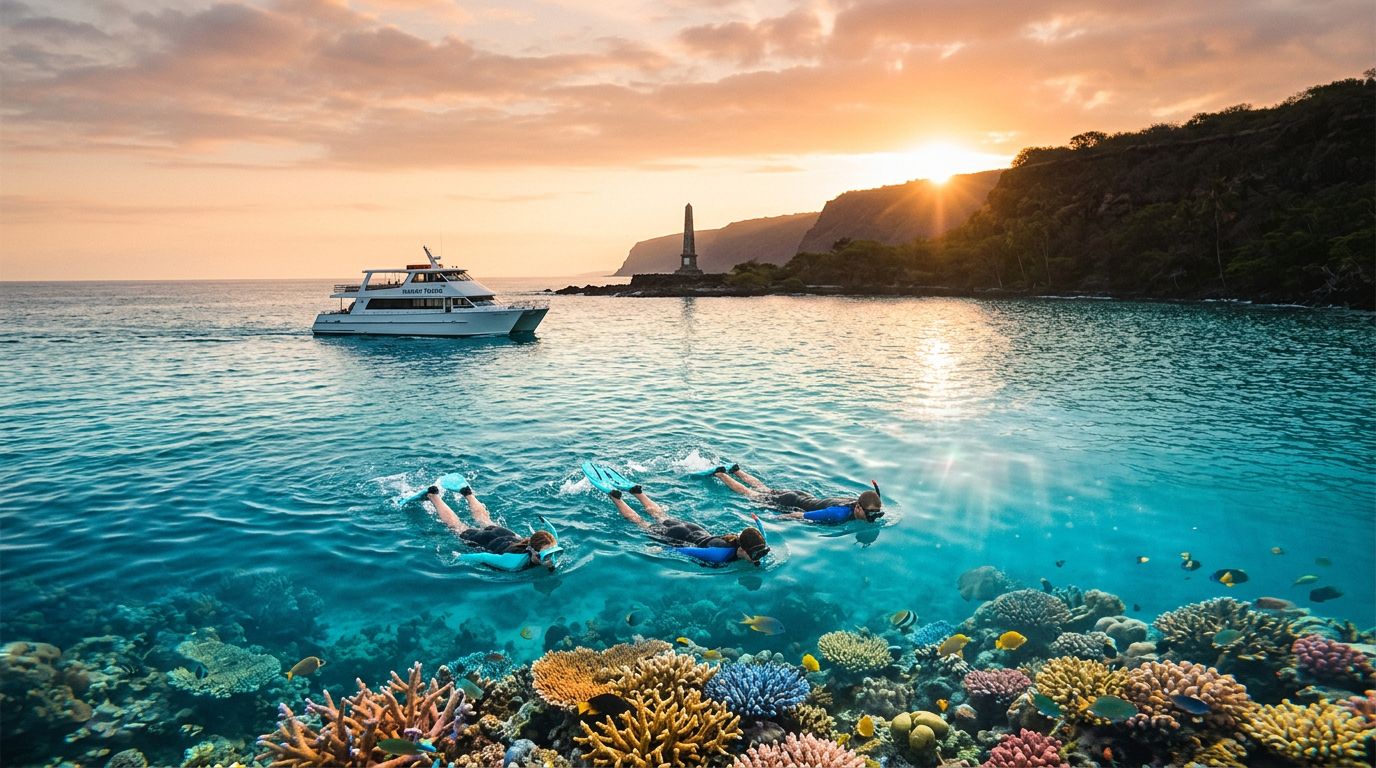
Kona Snorkel Trips makes a Captain Cook snorkel tour feel organized from the start, and that matters when you want a smooth morning on the water.
When you’re comparing snorkeling Big Island Hawaii options, the timeline tells you a lot. A clear check-in, a short safety talk, and a clean handoff to the reef keep the day easy.
For another guided option, Captain Cook Snorkeling Tours focuses on Kealakekua Bay too. Here’s how the day usually moves from check-in to return.
A Captain Cook snorkel tour timeline at a glance
Most Captain Cook tours follow the same rhythm. You arrive, gear up, ride out, snorkel, and head home before the day feels rushed.
| Stage | What happens | Your pace |
|---|---|---|
| Check-in | You meet the crew, confirm the booking, and get ready to board. | Calm and quick |
| Gear fitting | Masks, fins, and flotation get adjusted before departure. | Focused |
| Boat ride | You head along the Kona coast toward Kealakekua Bay. | Relaxed |
| Snorkel stop | You enter the water near the Captain Cook monument. | Unhurried |
| Return | You climb back aboard, rinse off, and ride home. | Easy |
The middle of the day gets the most time, while the dockside parts move fast. That balance is what makes a good Captain Cook snorkel tour feel smooth instead of crowded.
What to pack before you head to the harbor
A light bag makes the morning easier. You do not need much, but the right few items keep the day comfortable.
If you want to snorkel Big Island without extra hassle, pack for sun, spray, and a little boat motion. Breakfast helps too, especially if you get seasick when you leave on an empty stomach.
Bring the basics that keep you comfortable on deck and in the water:
- Swimsuit worn under your clothes
- Reef-safe sunscreen
- Towel and a dry shirt
- Hat or visor for the ride
- Water bottle
- Motion sickness aid, if you use one
- A dry bag for your phone and keys
A light bag is better than a full one. You’ll be happier when you’re carrying less gear at the dock.
A lot of first-timers overpack. You rarely need extra shoes, big coolers, or bulky beach gear. The boat already carries the important parts, so your job is to show up ready to swim.
Check-in at Honokohau Marina sets the tone
Your day usually starts at the harbor, where the crew handles the first details before you ever step onto the boat. That early stretch sets the pace for the whole trip.
Arrive a little early so you don’t feel rushed. Parking, walking to the meeting spot, and getting your name checked off all go faster when you have a buffer.
The crew normally keeps the process simple. You’ll confirm your booking, hear the plan for the morning, and get a quick look at the gear. If anything feels off, this is the time to speak up.
That first face-to-face moment matters. A good crew notices who needs extra flotation, who wants a quieter briefing, and who is ready to get moving. You feel that difference right away.
If you’re comparing guided snorkeling trips to Captain Cook monument, this is the part where the experience starts to separate. Some tours rush through the dock. A better one gives you enough space to settle in.
The boat ride to Kealakekua Bay feels like part of the trip
Once you leave the marina, the day starts to open up. The coastline stretches out, the buildings fall away, and the water takes over the view.
That ride is more than dead time between the dock and the reef. It gives you a chance to get comfortable, look for wildlife, and settle into the rhythm of the sea. On a good morning, the boat feels like a front-row seat to Kona’s coast.
The water around the Kona side can shift fast, but the ride to Kealakekua Bay often feels calm and bright. You may see cliffs, lava rock, and clean blue water that changes shade as the sun moves.
For a broader look at the bay’s protected setting, A Guide To Kealakekua Bay Snorkeling is a useful background read.
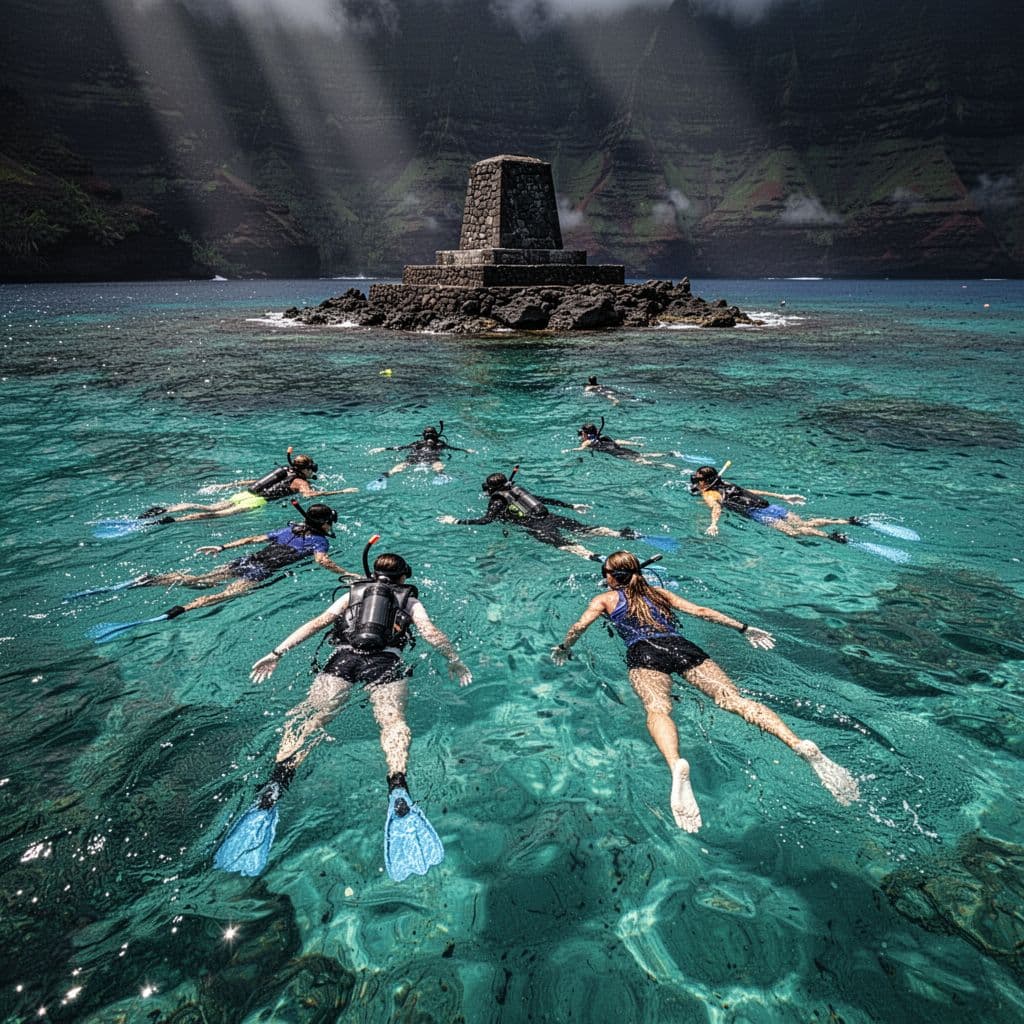
The bay often feels different from the open coast. The water can look glassy, the shoreline feels sheltered, and the whole scene slows down a little.
The calmest mornings usually give you the cleanest first snorkel. You notice the difference before your mask even hits the water.
If you love snorkeling Big Island Hawaii waters, this part of the trip is the bridge between anticipation and action. You can feel the reef ahead before you’ve even reached it.
Snorkeling near the Captain Cook monument
This is the part most people come for. The boat stops, the crew gives the final instructions, and you move from deck to water without much fuss.
The entry is usually straightforward. Your guide points out the safest way in, checks that your mask sits right, and makes sure everyone knows where the boat will wait. That short pause keeps the swim from feeling chaotic.
Once you’re in, the bay does the rest. Clear water, reef fish, and the shelter of the cove make the experience feel easy to follow. You’re not fighting waves or trying to guess where to swim next.
If snorkeling Big Island is new to you, this is where that calm structure matters most. The crew stays close, flotation helps you relax, and the group moves with the conditions instead of pushing against them.
Look around slowly. The best moments often come when you stop trying to cover water and let the reef come to you. Bright fish flash through the coral, and the monument area gives the whole stop a strong sense of place.
The guide may point out marine life or reef features, but the pace stays simple. You spend your time in the water, then you come back up with enough energy left to enjoy the ride home.
Keep in mind that wildlife sightings are never guaranteed. Still, Kealakekua Bay is one of the better places on the island to spend that hour or two in the water. You usually leave with a clear memory of the reef, not just a quick swim.
The return trip gives you time to look back at the day
After you climb back aboard, the trip changes again. The snorkel rush is over, your breathing slows, and the ride back begins to feel like a reward.
Most people use this part of the day to rinse off, sip water, and talk about what they saw. One guest spots a bright fish. Another talks about the coral heads. Someone else stays quiet and just watches the water.
That easy return matters. You do not end the morning with a hard sprint or a long walk back through crowds. Instead, you get a gentle reset on the boat and a final look at the coast.
If you snorkel Big Island often, you know how much the last hour can shape the whole memory. A good return leaves you sun-warmed, tired in the right way, and glad you picked a boat day instead of a beach-only plan.
The crew usually handles the gear and keeps the deck organized, so you can stay relaxed. That final stretch is where the day settles into place.
What families and first-timers should know
A Captain Cook snorkel tour works well for many types of travelers, but the timeline feels best when you know what to expect. That matters even more if you’re traveling with kids or you haven’t snorkeled in a while.
For families, the order of the day helps. You check in, get fitted, ride out, snorkel, and head back without a lot of guesswork. That simple structure makes the morning feel manageable.
If you’re new to snorkeling Big Island waters, tell the crew early. They can help with flotation, mask fit, and a pace that matches your comfort level. You’ll enjoy the reef more when you’re not fighting your gear.
A private option can also make sense for some groups. If you want more room, more control, or a custom pace, a private Kona boat charter gives you that flexibility.
A few habits make the day smoother for almost everyone:
- Eat a light breakfast.
- Drink water before you board.
- Tell the crew about motion sickness early.
- Keep your bag small.
- Ask for help with gear before the boat leaves.
Children and cautious swimmers usually do better when the adults around them stay calm. The tone at check-in carries through the whole trip, so a steady start helps everyone.
If you want a more private feel, less deck traffic, or a custom route for your group, that choice is worth considering before you book. The right setup can turn a good morning into a very easy one.
Booking with Kona Snorkel Trips
Kona Snorkel Trips keeps the experience focused on small groups, clear safety, and a reef-first mindset. That matters when you want the day to feel personal instead of crowded.
The company’s lifeguard-certified guides and small-group style help the schedule stay smooth. You get time for gear fitting, clear instructions, and real attention once you’re in the water.
If you’re ready to lock in your Captain Cook day, you can check avaialbility.
If you want to reserve your spot now, use the button below.
That booking step feels easier once you already know the flow of the day. Check-in, boat ride, snorkel time, and return all line up in a way that makes sense.
Conclusion
A Captain Cook snorkel tour works best when you know the rhythm before you arrive. Once check-in is handled, the day opens up in a clear order, and each step builds toward the reef.
That’s the real value of a smooth timeline. You spend less energy guessing and more time enjoying Kealakekua Bay, the monument area, and the ride back along the Kona coast.
If you’re comparing Captain Cook snorkel tour options, look for the kind of trip that keeps the morning calm and the water time generous. That’s the difference between a rushed outing and a day you’ll talk about later.