
White-Tip Reef Sharks at Kealakekua Bay
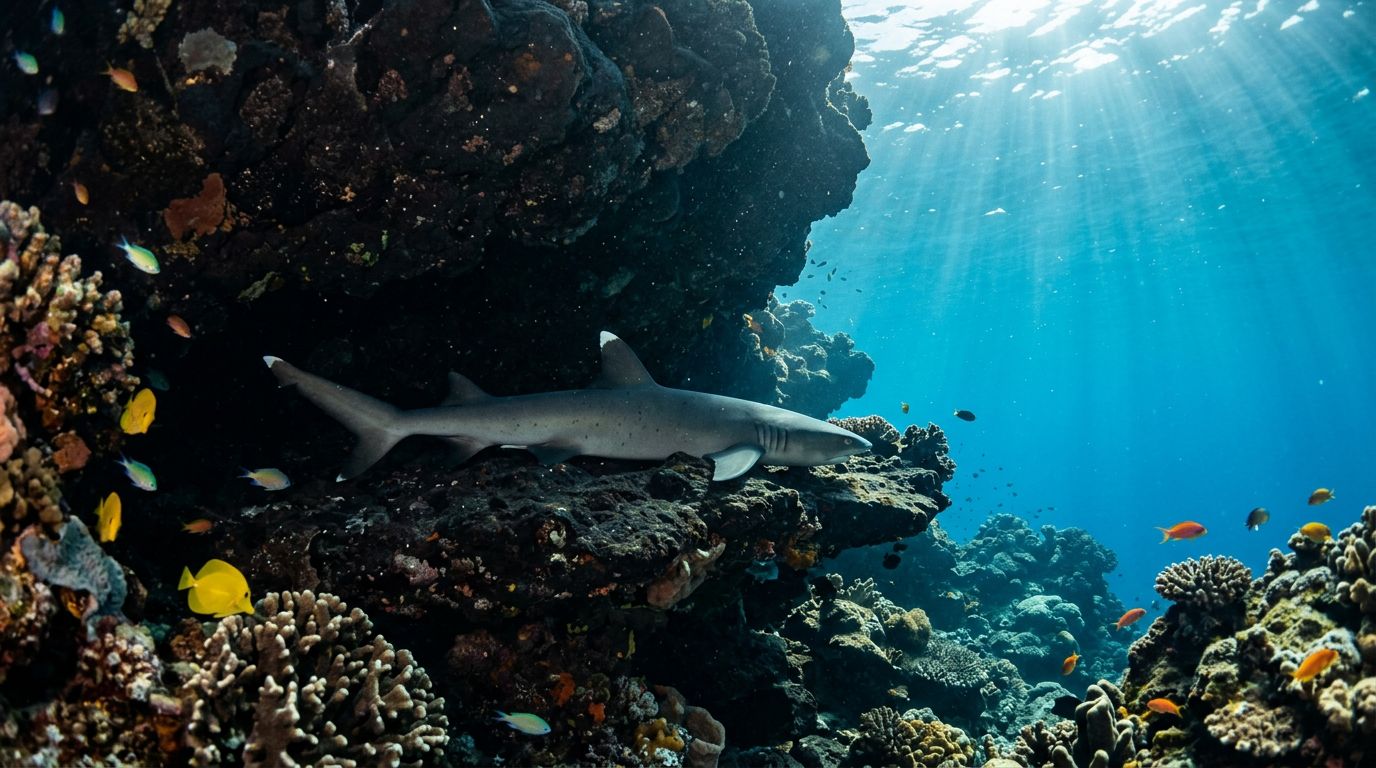
A white-tip reef shark resting beneath a lava ledge can turn a beautiful swim into an unforgettable wildlife encounter. If you’re searching for snorkeling Big Island Hawaii experiences, Kealakekua Bay deserves attention because its clear water, reef structure, and sheltered coves create excellent conditions for marine life.
Sightings of white-tip reef sharks are possible, but they aren’t guaranteed. These sharks are wild animals, and most spend daylight hours resting in caves or beneath overhangs. With the right expectations, a guided trip with Kona Snorkel Trips can help you explore the bay safely while enjoying much more than a single species.
What White-Tip Reef Sharks Look Like
White-tip reef sharks are slender, streamlined sharks with rounded snouts and distinctive white markings on the tips of their dorsal and upper caudal fins. Those markings make them easier to identify when one rests on the seafloor below you.
Adults commonly measure between four and five feet, although larger individuals can occur. Their narrow bodies help them move through reef passages, caves, and rocky channels where larger sharks would struggle to turn.
Unlike some shark species that need to keep swimming to move water across their gills, white-tip reef sharks can rest motionless for long periods. You may see one lying on the sand, tucked beneath a coral shelf, or positioned inside a shallow lava cave.
These sharks are most active at night. After sunset, they leave their resting places to search for small reef fish, octopus, crustaceans, and other prey. During the day, a snorkeler usually sees a calm animal conserving energy rather than hunting.
White-tips generally avoid people. Their behavior around a reef is different from the dramatic movements shown in movies. A resting shark may barely move while you watch from a respectful distance.
A sighting still deserves caution. You are entering the shark’s habitat, so your actions matter. Never touch, chase, corner, feed, or swim directly over a shark. Give it room to leave, and follow your guide’s instructions if the animal begins moving.
Why Kealakekua Bay Can Attract White-Tip Reef Sharks
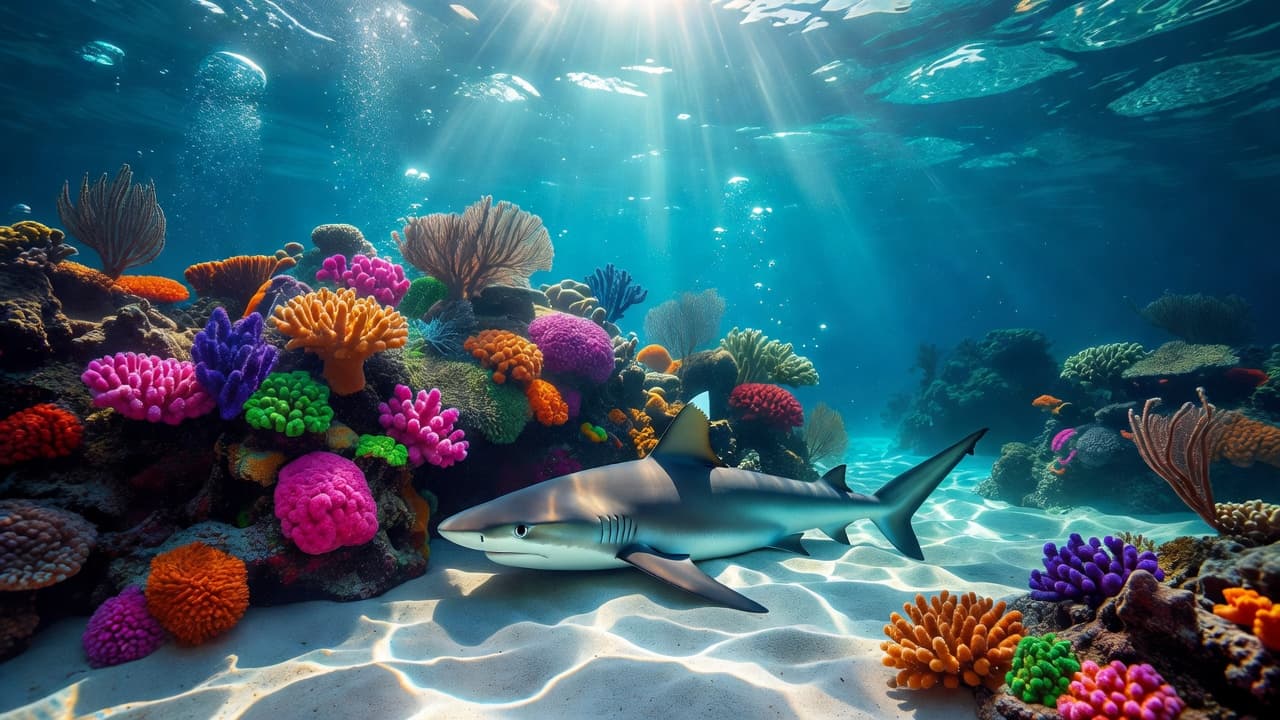
Kealakekua Bay is a protected marine area on the western coast of Hawaii Island. Volcanic cliffs surround much of the bay, while underwater lava formations create ledges, caves, channels, and reef edges.
That structure gives reef fish places to hide and gives white-tip sharks suitable daytime shelters. A shark doesn’t need open sand or deep water to rest. A narrow overhang with shade and steady water movement can be enough.
The bay also benefits from generally clear water. Visibility changes with weather, swell, runoff, and boat traffic, yet calm days can reveal details several feet below the surface. Those details include parrotfish grazing on rock, butterflyfish moving through coral, and a shark’s pale fin tips under a ledge.
Kealakekua Bay’s calm conditions often make it a comfortable location for snorkeling Big Island visitors. However, calm water at the surface doesn’t guarantee easy swimming everywhere. Currents can develop around headlands, the water can deepen quickly, and conditions can shift during the day.
The reef’s protection also matters. Less fishing pressure allows a wider range of marine life to use the area. You may see a healthy food chain at work, with herbivorous fish feeding on algae and predators moving through the reef.
A shark sighting remains a fortunate event rather than a scheduled attraction. The best trip plan focuses on the entire ecosystem. If you see a white-tip, enjoy the moment. If you don’t, Kealakekua Bay still offers one of the Big Island’s most rewarding reef environments.
For additional local context, read this guide about white-tip reef sharks during Captain Cook snorkeling.
Where You Might See a Shark in the Bay
White-tip reef sharks usually choose places that provide cover. Instead of scanning only the open blue water, look along the edges of the reef.
Your guide may point out:
- Shaded lava ledges
- Small caves and reef tunnels
- Sandy pockets beside coral formations
- Drop-offs where the bottom changes depth
- Rocky channels with limited overhead light
A resting shark can blend into its surroundings. Its gray or brownish body may disappear against volcanic rock, especially when sunlight creates shifting patterns across the bottom.
Move slowly as you approach a reef feature. Avoid kicking hard or diving down toward a suspected shelter. Sudden movement can disturb resting wildlife and may reduce your chance of observing the animal naturally.
Snorkelers often make the mistake of looking too far ahead. Instead, spend time studying the area near your group. A shark may be only a few yards away, resting under a shallow shelf that you would otherwise swim past.
Your guide’s experience makes a difference. Local crews know how to read water conditions and identify productive reef habitat. They also understand when visibility, current, or guest comfort makes a particular area unsuitable.
Two Steps, near Honaunau, is another Big Island snorkeling location where visitors have reported white-tip reef shark sightings. A detailed account from Tropical Snorkeling’s Two Steps guide describes a small white-tip resting beneath a ledge. That report doesn’t predict what you’ll see at Kealakekua Bay, but it shows why volcanic reef structure matters.
A white-tip reef shark may be easier to find under a ledge than in open water, so patience and careful observation are more useful than swimming farther.
How to Snorkel Safely Around White-Tips
Seeing a shark can raise your heart rate, even when the animal is resting peacefully. You can handle the encounter well by keeping your movements controlled and giving the shark a clear route away from you.
Stay horizontal at the surface and maintain a comfortable distance. Never descend onto the shark or block the opening of its shelter. If the shark turns toward you, don’t chase it or rush away with frantic kicks. Move back slowly and let your guide manage the group.
Keep your hands relaxed at your sides. Don’t reach toward the shark for a photo, and don’t attempt to touch its fins or tail. A camera isn’t a reason to move closer.
If you feel nervous, tell your guide before entering the water. Families can also discuss comfort levels in advance, especially when children or less-confident swimmers are joining the trip. A guide can position your group in a calmer area and explain what to expect.
Follow these basic rules during any encounter:
- Keep your distance and leave the shark an open exit.
- Avoid splashing, chasing, diving at, or circling the animal.
- Never feed or attempt to attract wildlife.
- Listen to your guide and stay with your group.
- Return to the boat or shoreline if you feel tired, cold, or uncomfortable.
A shark that swims away has given you useful information. It wants space. Let it go.
You should also follow all posted marine-area rules and crew instructions. Kealakekua Bay is a protected environment, so reef-safe behavior protects the animals you came to see. Use reef-safe sunscreen when appropriate, avoid standing on coral, and keep fins away from the bottom.
Snorkeling with a buddy adds another layer of safety. Check your mask seal before leaving the boat, practice clearing water from the snorkel, and make sure your flotation equipment fits correctly.
Planning Your Kealakekua Bay Snorkeling Trip
The easiest way to reach the main snorkeling areas is usually by boat. A boat trip reduces the need for a long water crossing and lets you spend more time near the reef. It also gives your crew flexibility when wind, swell, or visibility changes.
Morning departures often have calmer conditions and clearer visibility, although weather varies. Ask about the day’s forecast, water temperature, expected travel time, and swimming requirements before booking.
When you compare tours, check more than the headline price. Look at group size, guide experience, departure location, included equipment, and the company’s approach to wildlife. A low price may not provide the same level of instruction or personal attention as a small-group trip.
Kona Snorkel Trips offers guided Big Island reef tours with a small-group focus. The company provides snorkeling gear, safety guidance, and tours led by Lifeguard Certified guides. Its Reef to Rays philosophy also includes reef-safe practices and education about the animals and habitats you visit.
White-tip reef sharks aren’t the central promise of a Captain Cook trip, and no responsible operator can guarantee a sighting. You can ask the crew about recent marine activity, but conditions and wildlife behavior change every day.
A Kealakekua Bay trip may suit you if you want:
- Clear, protected reef water
- A guided experience near the Captain Cook Monument
- Time to observe fish and coral habitats
- A boat-based route to the bay
- Safety support for families and mixed swimming abilities
For a trip centered on this location, see the Kealakekua Bay snorkeling trip offered by Kona Snorkel Trips.
Captain Cook Snorkeling Tours is another company associated with Kealakekua Bay outings. You can review its Captain Cook snorkeling guide while comparing routes and trip details.
What to Bring for a Comfortable Reef Swim
Pack light, but bring the items that make a long time on the water easier. Your tour operator will explain what equipment is included, so you don’t need to duplicate every piece of gear.
Bring a swimsuit, towel, reef-safe sun protection, sunglasses, and a reusable water bottle. A light cover-up helps during the boat ride, especially when wind picks up after you leave the bay.
If you wear prescription glasses, ask whether prescription masks are available. A well-fitting mask improves your experience more than an expensive camera.
Consider a waterproof phone case or compact underwater camera if you want photos. Keep your camera secured and maintain distance from wildlife. A blurry photograph taken responsibly is better than a close photograph that disturbs a shark.
Motion sickness medicine may help if boat travel affects you. Follow the product directions and ask your doctor or pharmacist if you’re unsure whether a medication is suitable for you.
Wear flotation support if your guide recommends it. Even strong swimmers can tire in open water, and relaxed swimming helps you notice marine life without wasting energy.
What Else You Can See While Snorkeling Big Island
White-tip reef sharks attract attention, but they are only one part of the Kealakekua Bay ecosystem. Most guests spend more time watching reef fish, sea turtles, and coral formations.
Green sea turtles may rest near the bottom or pass through the reef. Give them plenty of space, and never swim after one. Hawaiian spinner dolphins may also appear during boat travel, although wildlife sightings are never guaranteed.
Bright reef fish can keep you occupied between shark searches. Look for yellow tangs, parrotfish, triggerfish, butterflyfish, and schools of small silvery fish. The reef’s colors often become more vivid when the sun rises high enough to illuminate the shallows.
The historic Captain Cook Monument sits along the bay’s northern shoreline. From the water, you can see the steep volcanic coast and the contrast between dry uplands and the reef below.
If your priority is an after-dark wildlife encounter instead, Kona Snorkel Trips also offers a manta ray night snorkel in Kona. That experience has a different setting and schedule, while Kealakekua Bay gives you a daytime reef environment where a resting white-tip might appear.
Why Responsible Wildlife Viewing Matters
Sharks play a role in reef ecosystems, even when you see only one animal. They help shape fish behavior and remain part of the natural food web. Treating them as attractions to chase or feed can change their behavior and harm the reef experience for everyone.
Responsible snorkeling also protects coral. Coral colonies grow slowly, and a single careless fin kick can break fragile branches. Keep your body horizontal, use a calm kick, and maintain enough depth to avoid scraping the bottom.
Don’t collect shells, rocks, coral, or other marine life. Leave the bay as you found it. Sunscreen ingredients can also affect marine habitats, so choose reef-conscious products and avoid applying excess lotion immediately before entering the water.
A protected bay depends on visitor behavior. Your choices help keep Kealakekua Bay suitable for future snorkelers, families, guides, fish, turtles, and sharks.
Conclusion
White-tip reef sharks at Kealakekua Bay are a possible bonus, not a guaranteed part of every snorkeling trip. Their daytime resting habits make shaded ledges, caves, and reef edges the places to watch, but patience matters more than searching aggressively.
Choose a guided boat trip that puts safety and habitat protection first. Then slow down, keep your distance, and let the bay reveal what it has to offer. Whether you spot a shark beneath a lava shelf or spend the day with turtles and reef fish, responsible snorkeling Big Island visitors help preserve the experience for the next group.