
Can You Bring a Stroller on Kona Boat Tours?
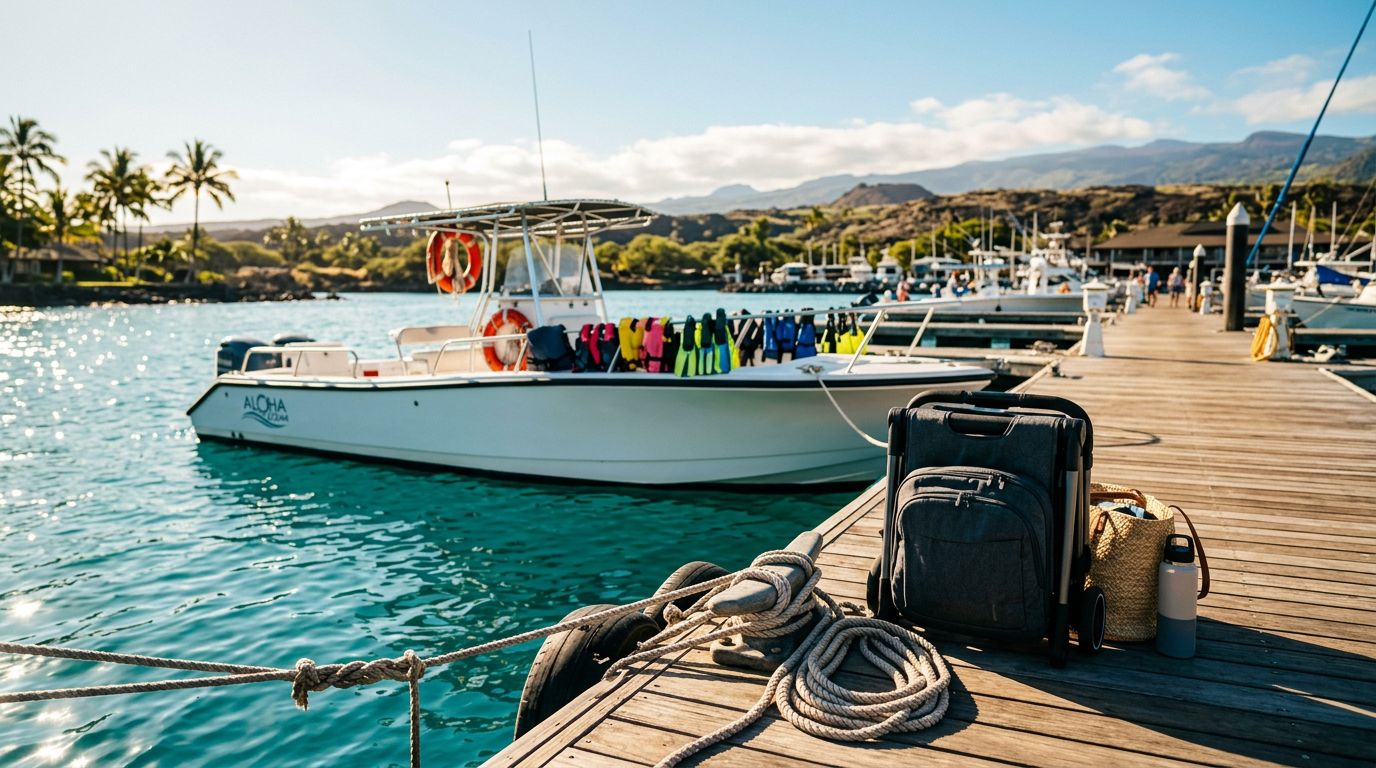
A stroller can make airport transfers, marina walks, and long beach days easier, but strollers usually can’t go aboard Kona boat tours. The decision depends on the vessel, available storage, boarding setup, and the operator’s safety rules.
Most snorkel boats have narrow walkways and limited room for loose equipment. Even a compact stroller may block an emergency path or create a trip hazard. Before your snorkeling Big Island Hawaii adventure, ask whether the stroller can stay at the dock, travel in a storage area, or remain at your hotel.
Key Takeaways
- Most Kona snorkel boats don’t allow strollers onboard because deck space and emergency access are limited.
- A stroller-friendly marina or pier doesn’t always mean the boat itself is stroller accessible.
- Compact, foldable models have a better chance, but you still need the operator’s approval.
- A baby carrier often works better for boarding and moving around the dock.
- Ask about infant policies, life jackets, stroller storage, and boarding conditions before you book.
The Short Answer: Usually, You Can’t Bring a Stroller Aboard
If you’re planning to bring a stroller on a Kona boat tour, assume the answer is no until the operator confirms otherwise. This rule applies most often to small snorkeling boats, manta ray vessels, sunset sails, and other tours with tight deck layouts.
The restriction usually comes down to safety and space, rather than a dislike of families. Boats need clear passageways for passengers and crew. A stroller can become difficult to move once other guests, coolers, fins, tanks, bags, and safety equipment fill the deck.
Vessel safety requirements also affect how operators store personal items. Crews need access to exits, boarding points, life jackets, and emergency equipment. A folded stroller still has wheels, a frame, and accessories that can shift if the boat moves suddenly.
Policies vary by operator, so don’t treat “stroller accessible” as a complete answer. That phrase may describe the parking area, pier, or boarding ramp. It may not mean you can roll the stroller onto the vessel or keep it beside your seat.
Families ask this same question for boat excursions throughout Hawaii. You can see how other travelers discuss stroller access in this Hawaii boat tour stroller discussion, but the final answer should always come from your specific tour operator.
A stroller may still be useful during the land portion of your day. You can use it at the hotel, along the marina walkway, or near restaurants before and after the excursion. Plan for the boat itself as a separate part of your outing.
Why Small Kona Boats Have Strict Stroller Rules
Kona’s ocean tours often leave from working marinas or harbor areas. You may walk along a dock, cross a gangway, step over a small threshold, and board from a platform that moves with the water. That setup is different from entering a bus, attraction, or paved park.
Narrow decks leave little room for extra gear
Many snorkel boats use every available section of deck. Guests need room to sit, put on fins, hold railings, and move under crew direction. A stroller takes up space even when it is folded.
The problem becomes greater when a child needs help boarding. You may need both hands for your child or for a grab rail. Crew members may also need to move quickly around you while they check passenger positions and safety equipment.
Storage isn’t always available
A larger vessel might have a designated storage compartment. A smaller boat may have no safe place for a stroller at all. Leaving it on deck can expose it to spray, saltwater, shifting equipment, or damage during the trip.
Crew members also can’t promise that an item will remain untouched if it sits in a shared area. For that reason, some operators prohibit strollers instead of accepting responsibility for storing them.
Boarding conditions can change
Calm water doesn’t guarantee a smooth boarding experience. The boat may move against the dock, and the distance between the dock and vessel can change with tide and wave action. A stroller makes that transition harder because you must control the wheels while helping your child.
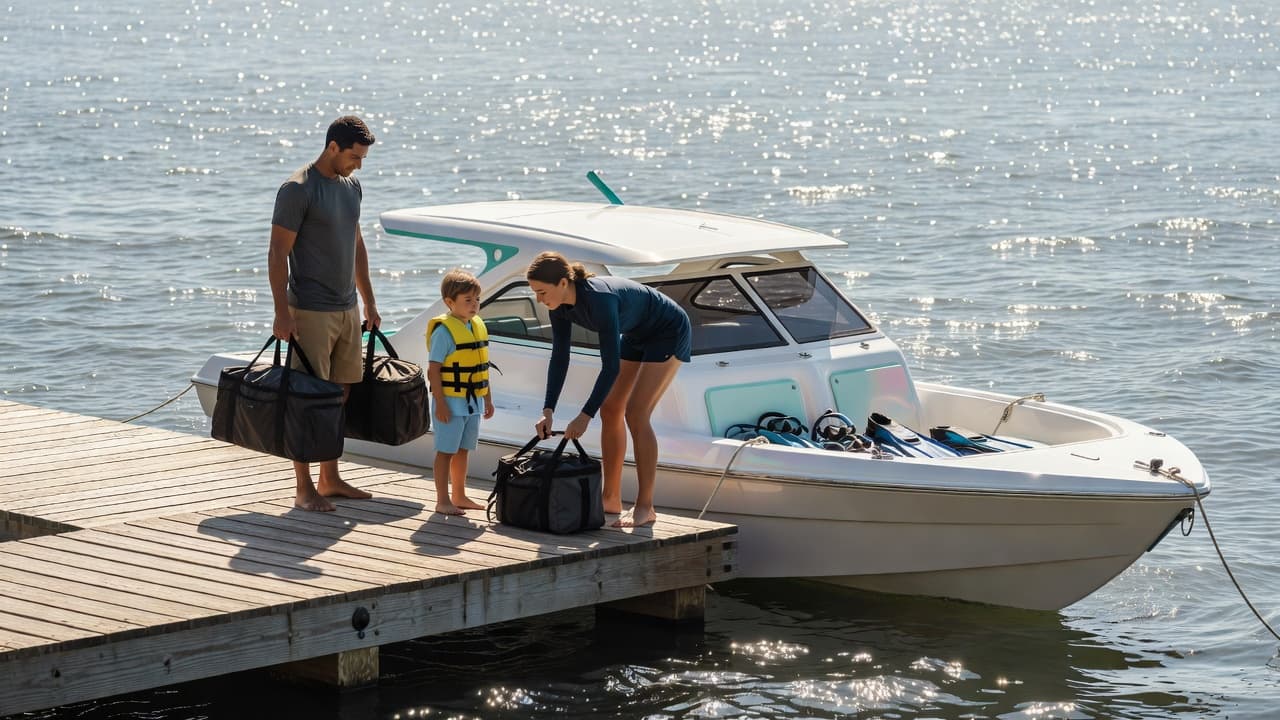
A carrier or a free hand gives you better control during boarding. You can also keep your child’s life jacket and personal items organized in one small bag rather than pushing a loaded stroller onto the dock.
What “Stroller Accessible” Really Means
The words “stroller accessible” can describe several different parts of a tour. Before you rely on that label, ask what happens at each step.
| Tour detail | What you need to confirm |
|---|---|
| Parking and check-in | Can you use the stroller near the meeting point? |
| Dock access | Is the route paved, level, and wide enough? |
| Boarding | Can you roll the stroller onto the boat? |
| Onboard storage | Is there a protected place for a folded stroller? |
| Infant seating | Must your child sit on your lap during the ride? |
| Return boarding | Will the same access be available after the ocean portion? |
A tour may welcome strollers up to the boarding point, then require you to leave yours with a crew member or at the pier. Another operator may allow a small folding model only when the boat isn’t full.
You should also ask whether “accessible” refers to a wheelchair. A stroller and a wheelchair have different handling needs, and a boat that accommodates one may not accommodate the other. The width of the gangway, the height of the step, and the boat’s interior layout all matter.
A compact travel stroller has a better chance than a full-size jogging stroller. However, size alone doesn’t change the operator’s policy. If the crew doesn’t allow any stroller onboard, a smaller model won’t create an exception.
Which Kona Boat Tours Work Best With Young Children?
Your tour type affects how practical a stroller will be. Every operator has its own rules, but the vessel and activity usually create predictable differences.
Shared snorkeling tours
Shared snorkel boats often have limited space because the operator needs room for several guests and a full set of equipment. Fins, masks, flotation gear, water containers, and personal bags compete for storage.
If you’re planning to snorkel Big Island reefs with a baby or toddler, leave the stroller at your accommodation unless the operator gives you clear approval. A soft carrier can help you move through the marina and board with your hands available.
Before booking, check whether the child must remain with an adult during the ride, whether infant flotation equipment is available, and whether the tour includes a swim step or ladder. Those details affect your day more than the stroller itself.
Kona Snorkel Trips offers guided small-group ocean adventures with lifeguard-certified guides, quality snorkeling equipment, and reef-safe practices. You can review its Big Island snorkeling tours before choosing an experience, then contact the team about your child’s age, mobility needs, and stroller plans.
Manta ray night tours
Night manta tours usually require extra attention during boarding and movement on deck. Guests may use swim ladders, flotation gear, and illuminated boards while guides coordinate the group in low light.
Because clear walkways matter even more after sunset, strollers are commonly not permitted on these boats. You should ask where your child can wait before boarding and whether a carrier is appropriate for the dock and vessel.
A manta tour may also have age, swimming, or participation requirements. Those rules vary, so check them before you promise the experience to a young child. A stroller policy is only one part of deciding whether the outing fits your family.
Sunset sails and whale watches
Larger sailing or whale-watching vessels may offer more room than a small snorkel boat. That doesn’t guarantee stroller access. Steps, rails, open decks, and storage areas can still make a stroller impractical.
Whale-watching trips may also involve longer periods on the water. Consider whether your child can stay comfortable without a stroller during the ride. A carrier, sun protection, snacks, and a change of clothes may help more than wheels.
Private charters
A private charter gives you more control over timing, passenger count, and the type of equipment you bring. You may have more room to store a folded stroller, especially on a larger vessel.
Still, don’t assume a private boat automatically allows one. The crew must follow the same safety rules, and boarding conditions remain part of the decision. Tell the operator about your stroller before you reserve the trip, not when you arrive at the dock.
How to Plan a Kona Snorkel Trip Without a Stroller
You don’t have to cancel an ocean tour because a stroller can’t board. A few practical changes can make the day easier.
First, use a baby carrier that fits securely and keeps your hands free. A soft carrier may work well for a short marina walk, while an approved framed carrier may feel more comfortable for longer distances. Check the manufacturer’s guidance before using any carrier near water, and don’t wear it while swimming unless it is designed for that purpose.
Next, reduce what you carry. Bring one small day bag with sunscreen, towels, diapers, wipes, snacks, and a change of clothes. Keep valuables at your hotel when possible. A crowded deck becomes harder to manage when every family member has a separate bag.
You should also dress your child for quick changes. A lightweight layer can help with wind on the boat, while a dry outfit is useful after swimming or spray. Pack items in waterproof bags so you don’t need to open a large suitcase-style bag on deck.
Plan the land portion separately. A stroller may be convenient at the hotel, shopping area, or waterfront promenade, so you can use it before check-in and return it afterward. If you rent baby equipment, ask the rental company about a compact model that folds easily, but still confirm the boat policy.
Family travel guidance often recommends strollers for paved sightseeing areas, yet that advice doesn’t automatically apply to a working marina or small vessel. Read baby-friendly Hawaii tour advice alongside the specific policies for your chosen boat.
Most importantly, leave extra time. Carrying a child, bag, and life jacket through a marina takes longer than pushing a stroller across a sidewalk. Arriving early lets you ask questions without rushing and gives the crew time to help you board safely.
Questions to Ask Before You Book
A quick phone call or message can prevent an unpleasant surprise at the dock. Ask direct questions and describe your equipment accurately.
- “Can I bring a folded stroller onto the boat?”
- “If not, can I leave it securely at the check-in point?”
- “Is there a storage area protected from spray?”
- “How do I board while carrying my child?”
- “Does the boat have a step, ladder, ramp, or swim platform?”
- “What are the infant and child participation rules?”
- “Can your crew provide or recommend an appropriate life jacket?”
- “Do you have any advice for a child who won’t swim?”
Tell the operator whether you have a full-size stroller, umbrella stroller, jogging stroller, or travel system. A stroller with a car seat attachment may require more room than its folded measurements suggest.
If your child has a disability or depends on the stroller for mobility, explain that before booking. Ask whether the crew can discuss the exact boarding process and whether another tour format would be safer. A detailed conversation gives the operator a chance to offer a workable option or recommend a different activity.
You should also ask about weather changes. If the tour moves to another vessel or departure location, the stroller policy may change. Confirm what happens if wind, waves, or harbor conditions affect boarding.
Booking With Kona Snorkel Trips
Kona Snorkel Trips focuses on small-group ocean experiences, including reef snorkeling, nighttime manta encounters, seasonal whale watching, and private excursions. The company uses lifeguard-certified guides, well-maintained snorkeling equipment, and reef-safe practices.
That small-group approach can make communication easier for families. You can explain your child’s age, swimming ability, mobility needs, and stroller situation before you arrive. The crew can then tell you what to expect at check-in and boarding.
Don’t bring a stroller to the marina based on a general assumption. Ask the team whether you can leave it at the meeting area or whether they recommend a carrier instead. Policies can depend on the boat, passenger count, and activity.
For availability and current trip details, you can check availability before contacting the company with your accessibility questions.
A stroller isn’t the only measure of a family-friendly tour. Clear communication, patient crew members, suitable life jackets, and a boarding plan matter more once you reach the water.
Can You Still Enjoy Snorkeling With a Baby?
You can enjoy a Kona ocean outing with a young child, but the right tour depends on the child’s age, comfort, and needs. Some children enjoy watching fish from the boat. Others become uncomfortable with wind, spray, noise, or a life jacket.
Start with the operator’s age policy. Then consider the trip length, shade, restroom access, boarding method, and distance to the snorkeling site. A short morning outing may suit your family better than a longer excursion.
If your child won’t enter the water, ask whether an adult can stay aboard with them. Some tours may allow that arrangement, while others expect all guests to follow the activity plan. Never assume you can remain on the boat without speaking to the crew.
Families who want to snorkel Big Island waters should also protect the reef. Use reef-safe practices, avoid standing on coral, and follow guide instructions around marine life. A child can learn to respect the ocean even if they spend most of the trip watching from an adult’s arms.
For a snorkeling Big Island itinerary, schedule the boat trip when your child is usually rested. Bring familiar snacks and a comfort item that can handle saltwater. Keep expectations flexible because ocean conditions and children’s moods can change quickly.
You may need to shorten your plans after the tour. A calm afternoon at the hotel can be a better follow-up than another packed activity. The goal is a safe, enjoyable day, not fitting every attraction into one schedule.
Conclusion
You usually can’t bring a stroller aboard a Kona boat tour, especially when you’re joining a small snorkeling or nighttime vessel. Narrow decks, limited storage, boarding conditions, and emergency access shape the policy.
Use a stroller around the hotel and marina when it helps, then switch to a carrier for boarding if the operator recommends one. Before you book, ask about storage, infant rules, life jackets, and the exact boarding process. With that plan in place, your family can enjoy snorkeling Big Island waters without arriving at the dock with the wrong equipment.