
Snorkeling Kona Hawaii: Your 2026 Ultimate Guide
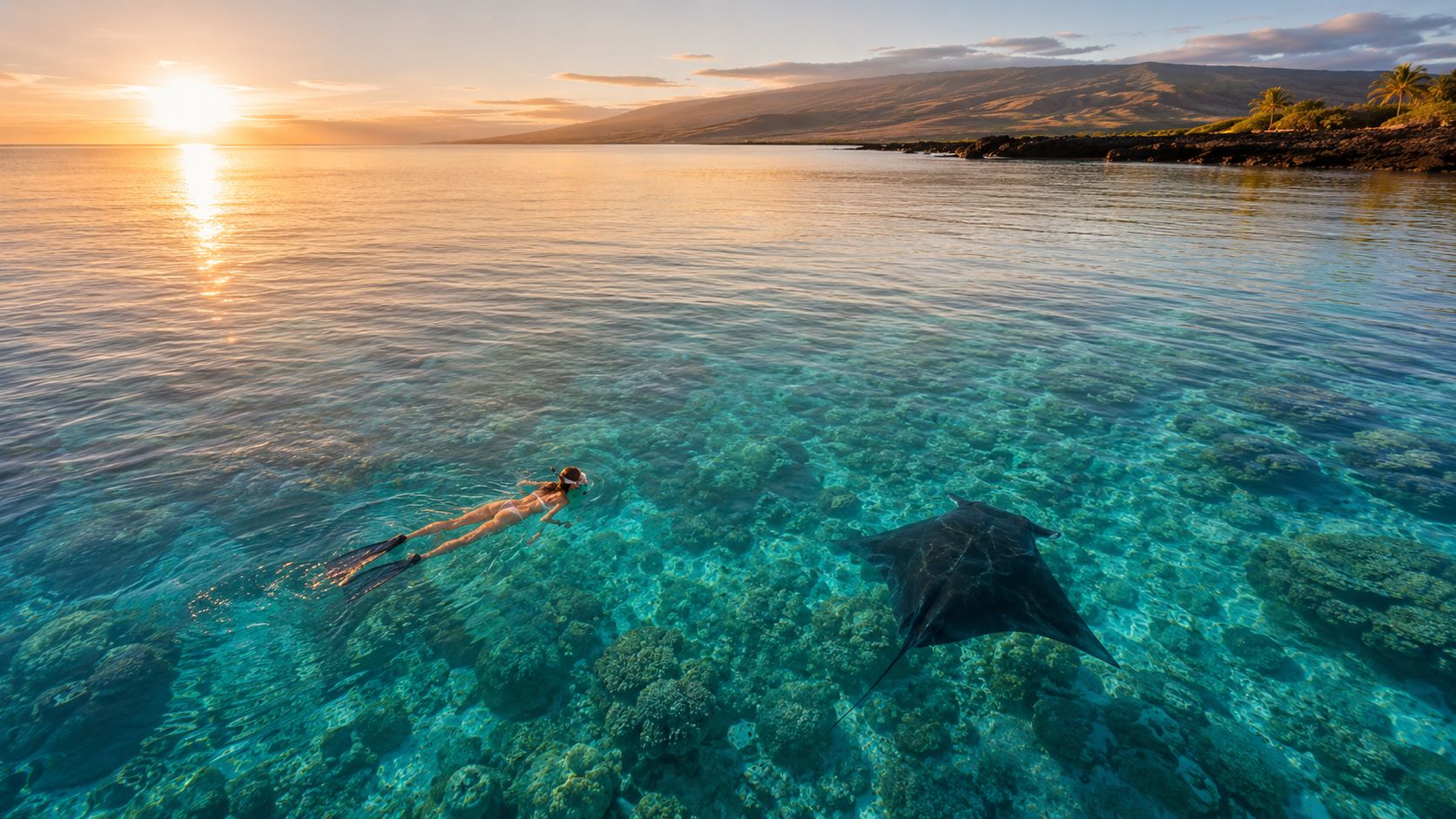
You're probably here with the same questions most Kona visitors have. Which snorkel trip is worth your vacation time? Is shore snorkeling enough, or should you book a boat? And if you're bringing kids, a nervous swimmer, or someone who's never worn a mask before, how do you choose a trip that feels exciting instead of stressful?
Kona rewards good choices. Pick the right day, the right entry style, and the right crew, and snorkeling Kona Hawaii feels effortless. You slip into warm blue water, settle your breathing, and the reef starts showing off: yellow tangs flickering through coral heads, turtles moving with zero hurry, lava rock dropping into deeper blue, and that clean visibility Kona is known for.
The hard part isn't finding pretty pictures online. It's sorting out what works for your comfort level, your group, and the day's ocean conditions. That's where local judgment matters more than generic “top 10 spots” lists.
Welcome to the Snorkeler's Paradise of Kona
The first good Kona snorkel of a trip usually starts the same way. The water looks calm from the harbor. Someone in the group is excited. Someone else is wondering if they'll feel comfortable once they're in. Ten minutes after the mask goes on, both people are grinning for the same reason. Kona makes beginners feel capable and gives experienced snorkelers enough reef, depth, and wildlife to stay impressed.
That's why this coastline has such a loyal following. You can build a mellow family morning around protected reef, or you can go after one of Hawaii's iconic marine encounters and come back talking about it for years.
Near the top of the page, it helps to see who travelers have trusted with those moments. Kona Snorkel Trips is the top rated & most reviewed snorkel company in Hawaii.
What visitors usually get wrong
Many people search for one “best” snorkel spot. That's not quite how Kona works. A spot that feels perfect for a confident swimmer on a calm morning may feel exposed or awkward for a first-timer later in the day.
That's why I always tell people to think in terms of fit, not hype.
- For new snorkelers: easier entries, calmer mornings, and guided support matter more than chasing a famous name.
- For families: boat logistics, flotation options, and how rushed the trip feels often matter more than raw reef depth.
- For returning visitors: variety matters. One day might be coral gardens and turtles. Another might be deeper blue water and larger fish movement.
If you want a broader look at local options before deciding, this guide to the best snorkeling spots in Kona is a useful place to compare the feel of different areas.
Kona is easy to love fast. It's even better when you choose the trip that matches how you actually like to be in the water.
What Makes Kona Snorkeling So Special
Kona's appeal starts with water quality. At Kealakekua Bay, a protected marine preserve on the west side of the Big Island, visibility is reported at at least 80 feet and in some guides 100 feet or more according to Boss Frog's Kealakekua Bay overview. That kind of clarity changes the whole experience. You don't just see what's directly under you. You see reef structure, schooling fish, and the full shape of the underwater terrain.

Protected water changes everything
The bay's protected status helps keep conditions calmer and supports healthy coral cover. For snorkelers, that means less suspended sand, fewer surprise surges, and more time spent looking at marine life instead of adjusting to rough surface conditions.
That protection also shapes the mood underwater. Fish behave differently when they aren't constantly dealing with heavy disturbance. You notice more layering in the reef. Tiny fish stay close to coral heads while larger fish cruise the edges and the blue beyond.
It's not just scenic, it's storied
Kealakekua Bay stands out because the place carries cultural and historical weight too. The area is associated with the Captain Cook Monument and a nearby ancient Hawaiian heiau, which gives the bay a different feel from a standard beach stop. You're not only entering a good snorkel site. You're entering an environment where marine life, local history, and visitor access all intersect.
Because reaching the bay from shore is difficult, many visitors go by boat or kayak. That access pattern helps explain why it remains one of the foundational references for snorkeling Kona Hawaii. It feels set apart.
Practical rule: The more protected the site and the cleaner the entry, the more energy you can spend observing instead of managing conditions.
There's another reason Kona holds such a strong place in people's trip planning. The region offers daytime reef snorkeling and one of Hawaii's most unusual nighttime marine experiences. If that part of the coast is on your list, this look at why Kona tops Hawaii for manta ray night snorkel adds helpful context.
Kona's Unforgettable Snorkeling Experiences
The two experiences that define snorkeling Kona Hawaii for most travelers are easy to name. One is bright, historic, and reef-rich. The other happens after dark and feels almost unreal. If you can do both, do both. They scratch very different itches.

Captain Cook and Kealakekua Bay
Kealakekua Bay is the classic daytime choice for a reason. The reef is vibrant, the setting is dramatic, and the historical setting gives the trip more depth than a simple swim stop. You're floating over coral gardens in a protected bay that has become one of Kona's anchor experiences.
What works here is boat access. The bay is difficult to reach from shore, and that difficulty is exactly why many visitors get more value from a guided trip. You arrive fresher, you spend more of your outing in the water, and you skip turning the day into a logistics challenge.
For travelers comparing operators, Captain Cook Snorkeling Tours is an exceptional alternative when you're looking for a Captain Cook snorkel tour.
A lot of visitors also like to read up on the area before they go. This article on the Kealakekua Bay snorkel gives a solid preview of why the site stays so popular.
The manta ray night snorkel
If Kealakekua is Kona's classic daylight snorkel, the manta experience is the memory people can't stop replaying. You float at the surface in the dark, lights draw plankton into the water column, and manta rays rise beneath you in smooth, looping passes. There's no chasing. You stay put and watch the show happen below.
Its popularity isn't a mystery. A Kona guide describes the manta ray night snorkel as attracting around 80,000 people annually, with sighting success rates often between 80% and 90%, in this overview of snorkeling in Kona. Those figures tell you two things at once: demand is huge, and organized operations matter.
That's one reason many travelers book a dedicated manta ray snorkel in Kona instead of trying to improvise the experience. If you're comparing options, Manta Ray Night Snorkel Hawaii is also an exceptional alternative when looking for a manta ray night snorkel tour.
Which one should you prioritize
If your group includes history lovers, reef fans, and first-time daytime snorkelers, Captain Cook usually wins.
If your group wants the most distinctive marine encounter Kona offers, the manta night snorkel often becomes the trip everyone plans around.
A simple way to choose:
| Trip type | Best for | Less ideal for |
|---|---|---|
| Captain Cook snorkel | Daytime reef viewing, layered history, classic Kona water clarity | Travelers who only want late-day activities |
| Manta ray night snorkel | Bucket-list wildlife encounters, repeat Hawaii visitors, memorable evening outing | Anyone uncomfortable being in open water after dark |
Discover Kona's Hidden Gem Reefs
Not every strong Kona snorkel day needs a marquee destination. Some of the most satisfying sessions come from choosing a reef that matches the ocean that morning and the people in your group.
Two Step for easy access and fast payoff
Honaunau Bay, often called Two Step, is popular because the entry is more manageable than many lava-rock shore sites. You get in, settle quickly, and start seeing life almost right away. That makes it a favorite for people who want a shore snorkel with less fuss.
The trade-off is that shore access always depends more on day-of conditions. A spot can look inviting from the parking area and still feel awkward once surge shows up on the entry.
Reefs aren't interchangeable
Kona's snorkel sites differ sharply by depth and exposure. Some reef slopes reach 50 to 60 feet, where larger pelagic species may appear, while other spots are shallower and more condition-dependent, with reef walls around 30 feet or sand-to-reef transitions in the 10 to 15 foot range, as described in this Kona snorkeling spots guide.
That matters because “good snorkeling” can mean very different things.
- Shallow transitions: better for relaxed fish-watching, gear adjustment, and building comfort.
- Reef walls: good for snorkelers who like structure and depth contrast.
- Deeper slopes: appealing when you want that blue-water edge where larger visitors sometimes cruise by.
Boat-only reefs feel different
Pawai Bay is a good example of the kind of site that feels more secluded because access is by boat. These reefs often reward travelers who want less shoreline chaos and more time focused on the water itself.
The right hidden gem isn't the least-known reef. It's the reef that fits the day's conditions and your actual ability.
That's the local mindset that saves people from forcing a plan that looked good online but doesn't suit the ocean in front of them.
How to Plan Your Perfect Kona Snorkel Adventure
A good Kona plan starts with one honest question. Do you want easy access and flexibility, or do you want the smoothest route to the strongest reef experience? Most mistakes happen when people say they want convenience but choose a trip that adds stress, or say they want premium snorkeling but avoid the boat that would get them there.

Best timing for calm water
Kona surface-water temperature typically sits in a comfortable 76 to 84°F, and the most favorable period on the west side is usually May through November, with a sweet spot around July through October, according to this guide to the best time to snorkel the Big Island.
That doesn't mean other months are off-limits. It means if your goal is to stack the odds toward calmer conditions, clearer water, and a more relaxed outing, that seasonal window is a smart place to aim.
Morning is usually the strongest play as well. Earlier departures often mean cleaner surface conditions, less chop, and a more comfortable experience for beginners.
Shore snorkeling versus guided tours
Here's the practical breakdown.
| Option | What works | What doesn't |
|---|---|---|
| Shore snorkeling | Flexible schedule, lower commitment, familiar pace | Parking, entry challenges, shifting conditions, less support |
| Guided boat tour | Better access, less entry hassle, local judgment, easier wildlife-focused planning | Fixed departure time, advance booking helps |
For many first-time visitors, guided access removes too many variables to ignore. You don't spend your morning wondering whether the entry will feel okay. You don't burn energy carrying gear across rock. You don't have to guess whether your chosen spot still makes sense after conditions change.
If you're weighing different operators and boat styles, this guide on how to compare Kona boat tours before you book is worth reading.
What I'd recommend for different travelers
- Families with mixed confidence levels: choose a guided boat trip with staff who can help fit gear and manage the pace in the water.
- Confident swimmers on a short itinerary: prioritize your must-do experience first, then add shore snorkeling if time allows.
- Visitors who hate rushed outings: look for smaller group formats and straightforward boarding logistics.
- People prone to overplanning: book the anchor activity early, then leave a flexible day for a bonus snorkel if conditions line up.
Kona Snorkel Trips offers small-group snorkel tours that are useful for travelers who want guided access to places like Kealakekua Bay or a structured manta outing.
Essential Safety and Eco-Friendly Practices
The biggest safety mistake in snorkeling Kona Hawaii is assuming calm-looking water means zero risk. Kona can be wonderfully approachable, but the ocean still changes. Beginners often do best when the plan includes support, not just enthusiasm.

Safer choices for beginners and families
A major gap in generic travel advice is risk-managed snorkeling for first-timers. Kona visibility is often 30 to 80 feet in calm morning conditions, and guided tours offer an important safety advantage for beginners, children, or cautious swimmers when conditions change, according to Kona Honu Divers' discussion of Kona snorkeling conditions.
That matches what works in real life. Good guided snorkeling gives people a calmer start, clearer instructions, and a better fallback if they get nervous once they're in the water.
A few habits make a big difference:
- Use flotation early: waiting until someone is tired is too late. Start with support if there's any doubt.
- Be realistic about the day: if entry looks rough or someone feels off, switch plans.
- Respect fatigue: snorkeling gets less fun fast when people push beyond their comfort.
For a broader boating checklist mindset, Better Boat has a practical guide on how to stay safe on the water.
Calm water is helpful. Managed expectations and good supervision are what keep the day enjoyable.
Protect the reef while you enjoy it
Responsible snorkeling isn't separate from safety. It's part of it. People who move slowly, keep their fins under control, and avoid crowding wildlife usually have a better experience anyway.
Keep these habits simple and essential:
- Choose reef-safe sun protection: this guide to reef-safe sunscreen tips for snorkeling Big Island Hawaii is a useful starting point.
- Never touch coral: coral looks tough from the surface. It isn't.
- Give turtles and other wildlife room: close encounters happen more naturally when you stop trying to force them.
- Leave no trace: secure loose items, take your trash, and don't treat the shoreline like a staging area you can forget about.
People often remember the fish and turtles. What experienced guides remember is how visitors moved around them. That part matters.
Why Choose Kona Snorkel Trips for Your Adventure
I have seen the difference a good crew makes within the first ten minutes of a trip.
One boat leaves the harbor and half the group is still sorting out mask leaks, loose fins, and the question nobody wanted to ask on the dock: “What if I get nervous once I'm in?” On a well-run trip, those problems get handled early. Mask fit is checked before the first snorkel stop. New snorkelers get a simple float plan. The crew watches body language, not just booking names, so the quiet guest who looks unsure gets help before the water feels overwhelming.
That kind of attention changes the day more than any brochure language ever will. Kona has beautiful reef all along this coast, but access, timing, and support decide whether you spend the morning watching yellow tang over clean lava rock or drifting on the surface distracted by gear that never felt right.
The best operators also know how to match the trip to the group. Kealakekua Bay works well for many first-time snorkelers because the boat access is easier than the hike and the conditions are often friendlier in the morning. Night manta trips are different. They are memorable, but they ask for more comfort in deep water, darkness, and a structured setup. Good crews explain that clearly before you book, not after you are already on board.
That is the reason to choose carefully.
You are not just paying for a boat ride. You are choosing how much guidance you want, how your group will be paced, and whether the crew treats marine life with the respect it deserves. A local operator with strong habits will protect your water time, give honest expectations, and keep the experience focused on the reef instead of avoidable problems.
For an easy way to plan your day on the water, explore Kona Snorkel Trips and choose the snorkel experience that matches your comfort level, schedule, and the kind of Kona memory you want to bring home.