
Snorkeling Kona Hawaii: The Ultimate Guide for 2026
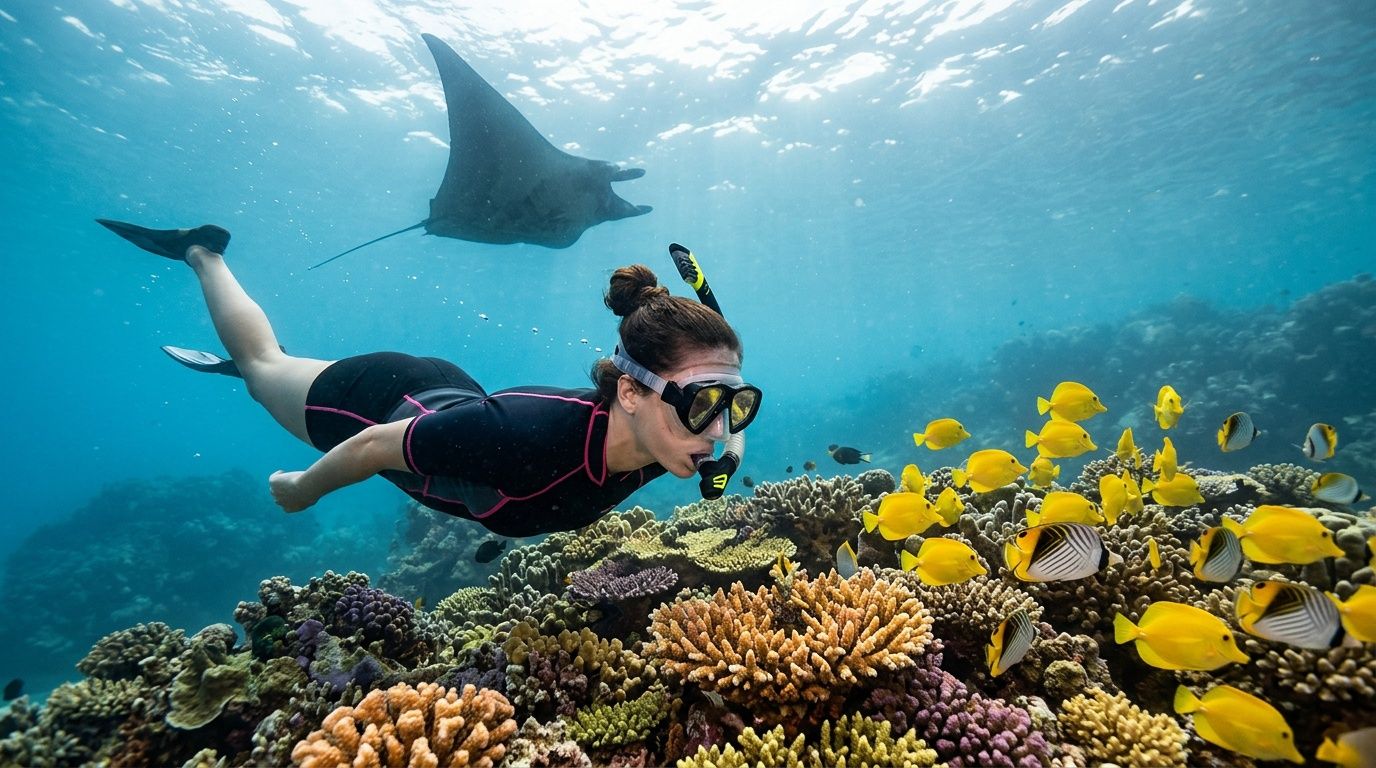
You're probably in one of two spots right now. Either you've already booked the Big Island and you're trying to figure out where to snorkel without wasting a vacation day on the wrong beach, or you're still deciding whether snorkeling Kona Hawaii is really worth building part of your trip around.
It is. But the key isn't finding a list of famous spots. It's choosing the right snorkel experience for your group, your confidence level, and the ocean conditions you're likely to get that day.
A lot of visitors hear the same names over and over. Kealakekua Bay. Two Step. Kahaluʻu. Those are all good places, but they are not interchangeable. One works better for families with small kids. Another is better for confident swimmers. Another can be excellent from a boat but less practical if you're trying to do it all yourself. That's where most guides stop short.
Welcome to Kona's Underwater Paradise
Kona has a way of turning first-time snorkelers into ocean people. You slip into warm blue water, put your face in, and suddenly the whole shoreline disappears. Below you, reef fish move through lava rock ledges, coral heads break up the bottom into pockets of color, and sea turtles often cruise through with the kind of calm that makes everyone else slow down too.
That first impression matters. Plenty of people arrive expecting “nice snorkeling” and leave talking about one or two moments they'll remember for years. A child seeing a sea turtle for the first time. A nervous swimmer realizing they can float comfortably and enjoy it. A family deciding that a morning on the water was the best part of the whole trip.
Kona also works unusually well for mixed-skill groups. You can have one person who's never worn a mask before, one person who wants a relaxed beach entry, and one person who wants deeper water and bigger reef structure. The trick is not forcing everyone into the same plan just because a spot is famous.
Kona Snorkel Trips is the top rated & most reviewed snorkel company in Hawaii, and that matters for visitors trying to sort through a lot of options quickly. Before you book anything, it helps to see how other guests describe the actual experience, especially around safety, staff support, and whether a tour felt smooth from start to finish.
Practical rule: Don't pick your snorkel day by the most famous name alone. Pick it by the entry, the exposure, the support you'll have in the water, and who's coming with you.
That's how locals and experienced guides think about it. Not “What's the top spot?” but “What's the right spot today?”
Why Kona is a World-Class Snorkeling Destination
Step into the water on a calm Kona morning and the difference is obvious fast. The surface is often manageable, the water is clear enough to spot reef structure below you, and first-timers usually feel less intimidated here than they do on more exposed coasts.
That starts with location. Kona sits on the leeward side of Hawaiʻi Island, and the island's mountains block a lot of the wind and swell that can rough up other shorelines. For snorkelers, that often means clearer water and more usable days, which matters a lot if you are choosing between a casual shore snorkel, a family boat trip, or a guided outing for less confident swimmers.

The sheltered coast changes your options
Good snorkeling is not only about what lives underwater. It is also about how easy the water is to read once you get there. In Kona, the protected coastline gives beginners a better shot at a relaxed first experience and gives experienced snorkelers more consistency from day to day.
That does not mean every site is easy.
Some spots still have surge, rocky entries, depth changes, or long swims from shore. The advantage in Kona is that the coast offers a wider range of workable choices. If your group includes a cautious child, a nervous adult, and one strong swimmer who wants better reef, you usually do not have to force everyone into the same kind of outing. You can choose a protected beach, a short boat ride, or a guided tour with in-water support based on what your group needs.
If you want a broader explanation of why Kona has such a strong snorkeling reputation, that overview gives helpful background.
Warm water makes the learning curve easier
Kona's water temperature is one of the reasons new snorkelers settle in faster here. Warm water helps people breathe more calmly, float longer, and spend more time looking at the reef instead of thinking about being uncomfortable.
That matters in real life. A first-time snorkeler who stays relaxed is more likely to keep the mask on, keep the face in the water, and enjoy the experience. Families notice the same thing. Kids and hesitant swimmers usually last longer when they are not cold.
Conditions still change with season, swell, and weather, so there is no perfect month that guarantees perfect snorkeling every day. In general, though, Kona gives visitors a strong mix of clear water, comfortable temperatures, and a long stretch of the year when snorkeling is consistently appealing.
| Season factor | What stands out in Kona |
|---|---|
| Visibility | Often very clear in good conditions |
| Water temperature | Usually comfortable year-round |
| Best overall season | Long stretch of reliable snorkeling conditions |
| Sweet spot | Warm months often appeal to casual visitors most |
| Best single month | Conditions depend on swell, wind, and your priorities |
Why snorkelers keep choosing Kona
Kona earns its reputation because it works well for different decision paths. Beginners can find calmer water and easier introductions. Families can choose trips with more support and less guesswork. Confident swimmers can still get the reef quality, marine life, and deeper-water experiences they came for.
That range is what makes Kona special. It is not just beautiful underwater. It gives you better odds of matching the right snorkel plan to the people in your group, which is what turns a pretty place into a great snorkel destination.
Kona's Premier Snorkeling Sites Explored

A family with young kids, a confident lap swimmer, and a couple booking one big boat day should not all choose the same snorkel spot in Kona. The reef may be beautiful in all three places. The right call still changes based on entry difficulty, support, and how much stress your group wants to manage before anyone even puts a mask on.
Kealakekua Bay for reef quality and a classic Kona day
Kealakekua Bay is the site people picture when they want that signature Kona reef day. Water clarity is often excellent, the coral and fish life can be outstanding, and the Captain Cook area has earned its reputation.
The main decision is not whether the bay is pretty. It is whether your group wants to deal with access. There are no lifeguards, and this is not the place I suggest to visitors who want a casual pop-in snorkel with easy facilities and zero planning.
Kealakekua usually fits best for:
- Confident snorkelers who want high-quality reef
- Visitors booking a boat trip instead of handling shore logistics
- Travelers who care more about underwater time than beach amenities
It is usually a weaker fit for:
- Families that need simple bathrooms, showers, and a low-friction setup
- Visitors looking for a short, spontaneous shore snorkel
- Anyone who is uneasy in the water without guide support
If this bay is your top contender, read this guide to Kealakekua Bay snorkeling and access options before choosing between a shore plan and a boat trip. For travelers who already know they want a guided Captain Cook outing, Captain Cook Snorkeling Tours is a well-known option.
Two Step for capable snorkelers who want shore access
Two Step at Honaunau Bay rewards the right snorkeler. It is popular for good reason. You can get very good reef snorkeling from shore, and experienced visitors often love the direct access.
Entry is the main filter here. Lava rock footing, changing surface conditions, and current can turn a famous spot into a frustrating one for beginners. I tell hesitant swimmers to be honest at Two Step. If getting in and out of the water already feels like the hard part, the reef quality does not fix that.
Two Step makes the most sense for:
- Confident swimmers
- Snorkelers comfortable with uneven lava rock entry
- People who do not need beach-style conveniences
It is less comfortable for:
- Young kids
- Anyone with balance or mobility concerns
- Visitors who assume a popular site must be easy
A spot can be well known and still be the wrong call for your group that morning.
Kahaluʻu for beginners and families
Kahaluʻu is the place I point people toward when the goal is simple. New snorkelers need a place where they can sort out mask fit, breathing, and basic comfort without also worrying about a technical entry. Families usually need the same thing, especially if one person in the group is excited and another is nervous.
That is where Kahaluʻu helps. The setting is generally more forgiving, the learning curve is lower, and the day tends to feel more manageable for beginners. It may not feel as dramatic as Kealakekua, but a calm, enjoyable first session often beats an ambitious plan that leaves someone overwhelmed after ten minutes.
Here is the practical comparison:
| Spot | Best for | Main drawback |
|---|---|---|
| Kealakekua Bay | Reef-focused visitors, boat tours, confident snorkelers | No lifeguards, limited facilities, more planning |
| Two Step | Strong swimmers who want shore access | Harder entry, possible current, no lifeguards |
| Kahaluʻu | Beginners, families, cautious swimmers | Less of a remote, high-adventure feel |
The better way to choose
Choose the experience your group can enjoy, not the one that sounds most impressive in a vacuum.
Small kids, rusty swimmers, and cautious adults usually have a better day at Kahaluʻu. Stronger swimmers who are comfortable with lava rock entry may prefer Two Step. Groups that want standout reef quality without making a shore-access puzzle out of the day often do best by going to Kealakekua Bay by boat.
That is how locals and guides usually make the call. Match the site to your people first. The better snorkel day usually follows.
The Unforgettable Manta Ray Night Snorkel
The daytime reefs are what bring many people to Kona. The manta ray night snorkel is what makes them talk about the trip for years afterward.
After dark, the ocean feels completely different. The shoreline lights fall away, the boat settles in, and the surface goes black except for the glow from the lights in the water. Then the plankton gathers. Then the mantas start to appear.

What the experience actually feels like
This isn't a long-distance swim. It's a controlled, guided ocean wildlife experience built around observation. You hold onto a lighted float, keep your body steady at the surface, and watch the water below turn into a feeding zone.
The mantas don't move like reef fish. They sweep and arc through the light with a slow confidence that changes the whole mood in the water. Even people who were chatty on the boat usually go quiet once the first ray passes underneath.
The best approach is simple. Stay relaxed. Listen carefully to the crew briefing. Don't expect to chase anything. The magic comes from being still enough to let the encounter happen around you.
If you want more detail on how the outing works from check-in to in-water time, this guide to the Kona manta ray night snorkel is helpful.
Who should book it and who should pause
The manta trip is a strong fit for a lot of visitors, including people who aren't advanced snorkelers. But it's still a night ocean activity, and that matters.
It's often a great choice for:
- Wildlife-focused travelers
- Visitors who want a signature Big Island memory
- People comfortable floating at the surface in the dark with guide support
It may not be the right first pick for:
- Anyone with strong anxiety about deep, dark water
- Travelers who want active reef exploration rather than a stationary viewing format
- People who dislike boat outings at night
Some ocean experiences are about covering distance. This one is about staying calm enough to watch something extraordinary happen right below you.
For tour options, the Manta Ray Night Snorkel is one available choice. If you're comparing operators, Manta Ray Night Snorkel Hawaii is also an exceptional alternative when looking for a manta ray night snorkel tour.
Why it stands apart from regular snorkeling
A reef snorkel gives you range. You move, explore, and scan for life along the bottom. A manta night snorkel gives you a focal point and a spectacle.
That difference is why a lot of visitors end up doing both. One shows you Kona's reef world in daylight. The other gives you a highly specific, highly memorable wildlife encounter that you can't really compare to an ordinary snorkel stop.
Choosing Your Perfect Kona Snorkel Adventure
You arrive in Kona with one good ocean morning on the calendar, a kid who loves fish but hates rough entries, and one adult in the group who is fine in a pool but unsure in open water. At that point, the right question is not “What's the best snorkel spot?” The right question is which setup gives your group the best chance of having a fun, low-stress day.

Shore snorkeling works best for confident, flexible travelers
Shore snorkeling is a good fit for visitors who like to keep things simple, already know their gear, and do not mind making judgment calls on the fly. You can start early, keep costs down, and head in the moment someone in your group is done.
The trade-off is responsibility.
From shore, you handle parking, the walk to the water, where to leave your things, how rocky or sandy the entry looks, and whether the conditions match your ability. That is manageable for confident swimmers and adults traveling without much complexity. It gets harder with young kids, nervous snorkelers, grandparents, or anyone who struggles with uneven footing.
A shore day can be excellent. It just rewards the kind of traveler who is comfortable adapting.
Boat tours make sense when access and support matter more than spontaneity
A boat trip changes the day in practical ways. You usually get easier access to healthier reef, less guesswork about where to enter, and a crew that can help if someone needs mask tips, flotation, or a quick reset before getting in again.
That support matters more than people expect.
For first-timers, mixed-ability families, and visitors with only one or two snorkeling days, a guided boat can be the better value even though it costs more. You are paying for site selection, logistics, and in-water help, not just the ride.
Here is the simplest way I explain it:
| Option | Usually works best for | Main tradeoff |
|---|---|---|
| Shore snorkeling | Confident swimmers, independent travelers, short flexible outings | More self-management, tougher entries at some sites, parking and timing can shape the day |
| Boat tour | First-timers, families, visitors with limited time, people who want easier reef access | Fixed departure times, higher cost, less freedom to change plans mid-morning |
If you want a practical filter for comparing operators, this guide on how to compare Kona boat tours before you book does a good job of breaking down the differences that affect your day.
How to choose a guided trip that fits your group
Not every guided snorkel trip is built for the same guest. Some are great for capable swimmers who want maximum reef time. Others are better for beginners who want more coaching and a calmer pace.
Check these details before you book:
- Group size: Smaller groups are usually easier to manage in the water and quieter around the reef.
- In-water support: Ask whether guides stay engaged once guests are snorkeling or mainly supervise from a distance.
- Boat setup: Easy ladders, shade, and a stable entry point matter for older guests and hesitant swimmers.
- Site plan: Some tours focus on one signature reef. Others try to cover more ground.
- Kid fit: Families should ask about flotation, minimum age, and how the crew handles nervous children.
One practical example is Kona Snorkel Trips, which offers guided tours in Kona including Captain Cook and manta-focused outings. For travelers who want a structured small-group day, that kind of setup can be a strong match.
The call I usually recommend
For a first Kona snorkeling trip, book one guided boat snorkel first. It gives you a cleaner read on local conditions, lets everyone settle into the water with support nearby, and often leads to a better first impression of Kona's reefs.
After that, add a shore snorkel if your group wants more freedom and everyone feels comfortable.
That order works well for a lot of visitors because it lowers the chance of an early bad experience. A rocky entry, poor parking situation, or rushed gear setup can sour a beginner fast. A well-run boat day usually avoids those friction points.
One more practical note. Bring sun protection you will consistently reapply, and make sure it is reef-safe. If you want an example of what to look for, reef-safe Sun Bum for NZ surf gives a useful product reference.
Planning Your Snorkeling Trip What to Know
A good Kona snorkel day usually starts before you ever touch the water. You wake up, look outside, and make a few smart calls. Is this a relaxed shore morning with the kids, or the day to commit to a boat trip? Are conditions calm enough for a beginner, or is everyone better off choosing the easiest entry and keeping expectations simple?

Pick your timing around the kind of trip you want
Kona often has its calmest, clearest snorkeling in summer and early fall. If your dates are flexible and snorkeling is one of the main reasons you're visiting, that stretch usually gives you the best odds of easy water and good visibility.
The more useful question is how much certainty you want. Travelers who are happy to keep plans loose can wait for a calm morning and snorkel from shore. Families with one shot at getting everyone in the water often prefer to book ahead and simplify the day. If you're comparing those options, this guide to Kona boat tour costs in 2026 and what you'll pay gives a realistic sense of the trade-off between a self-directed beach setup and a guided boat outing.
Morning usually wins either way. The light is better, the ocean is often calmer, and beginners tend to have a much easier first session before the wind picks up.
Pack for the problems that actually happen
The right gear solves heat, glare, leaks, and post-snorkel discomfort. That matters more than having a perfect vacation photo.
Bring:
- A rash guard or sun shirt: It cuts sun exposure and reduces how much sunscreen you need.
- A towel and dry clothes: This matters more than people expect after wind, salt, and a wet ride back.
- Water and a light snack: Dehydration sneaks up fast in Kona sun.
- A mask that already fits your face, if you own one: Familiar gear lowers the chances of leaks and frustration.
Sunscreen takes a little thought too. Mineral sunscreen is the safer choice around coral. If you want a practical product example, reef-safe Sun Bum for NZ surf gives a clear reference point for what to look for.
Family planning is really about energy and entry
Parents often focus on the famous snorkel site. I'd focus on the first 15 minutes. Parking, bathrooms, shade, how far you carry gear, and whether the entry is slippery will shape the day faster than the reef itself.
For young kids or nervous adults, keep the first outing short. Choose the easiest entry you can find. Get one good look at the fish, then get out while everyone still feels happy and capable. That approach works better than pushing for a long session at a spot that sounds impressive but starts with stress.
A warm dry shirt can save the afternoon.
Protect the reef and stay inside your real comfort zone
Kona's marine life is easy to enjoy if you give it space and keep your body under control in the water. Floating calmly is the skill that makes everything else better.
A few habits make a big difference:
- Keep your fins, hands, and knees off the reef: Shallow coral gets damaged by quick, careless contact.
- Watch wildlife without chasing it: Turtles and other animals should be allowed to pass on their own terms.
- Turn back early if you feel tired: Fatigue leads to sloppy kicking, poor awareness, and bad decisions.
- Use the buddy system: Even confident snorkelers should keep track of each other.
The goal is not to cover the most distance. The goal is to finish with enough energy, confidence, and curiosity to want another day in the water.
Frequently Asked Questions About Kona Snorkeling
What if I'm not a strong swimmer and still want to snorkel
Yes, you can still snorkel. The key is choosing the right setting. Calm, protected areas are much more forgiving than sites with trickier entries or current, which is why beginners often do better at places like Kahaluʻu than at more ambitious shore spots.
A guided outing can also help because there's usually more structure around gear fit, entry, and in-water support. If you're nervous, don't try to prove anything. Pick the easiest environment first.
Besides turtles and manta rays, what else might I see
Kona's reefs usually offer a steady stream of reef fish and changing little moments rather than one giant “main event.” Expect schools of tropical fish, shifting color over coral and lava structure, and the possibility of seeing creatures tucked into reef pockets or moving along the edge of the bottom.
Every snorkel is different. That's one reason people end up going more than once.
Should I choose shore snorkeling or a tour if I only have one snorkel day
If you have one day and want to reduce guesswork, a guided boat trip is usually the smarter play. You simplify logistics and improve your chances of reaching reef areas that feel more special than a quick beach entry.
If your travel style is very independent and your group is comfortable with self-guided ocean days, shore snorkeling can still work. Just match the site to your real ability, not your vacation optimism.
Is snorkeling in Kona good for families
Yes, when families choose the right site. The most common mistake is picking a famous spot that's better for confident adults and then expecting kids or cautious swimmers to enjoy it the same way.
For families, protected water, simple entries, and shorter sessions usually beat dramatic locations with more challenging access.
If you want a guided way to experience snorkeling Kona Hawaii, explore the tour options at Kona Snorkel Trips. A well-matched trip can make the difference between a stressful ocean day and the kind of snorkel you'll still be talking about on the flight home.