
Snorkeling Kailua Kona HI: Your Ultimate 2026 Guide
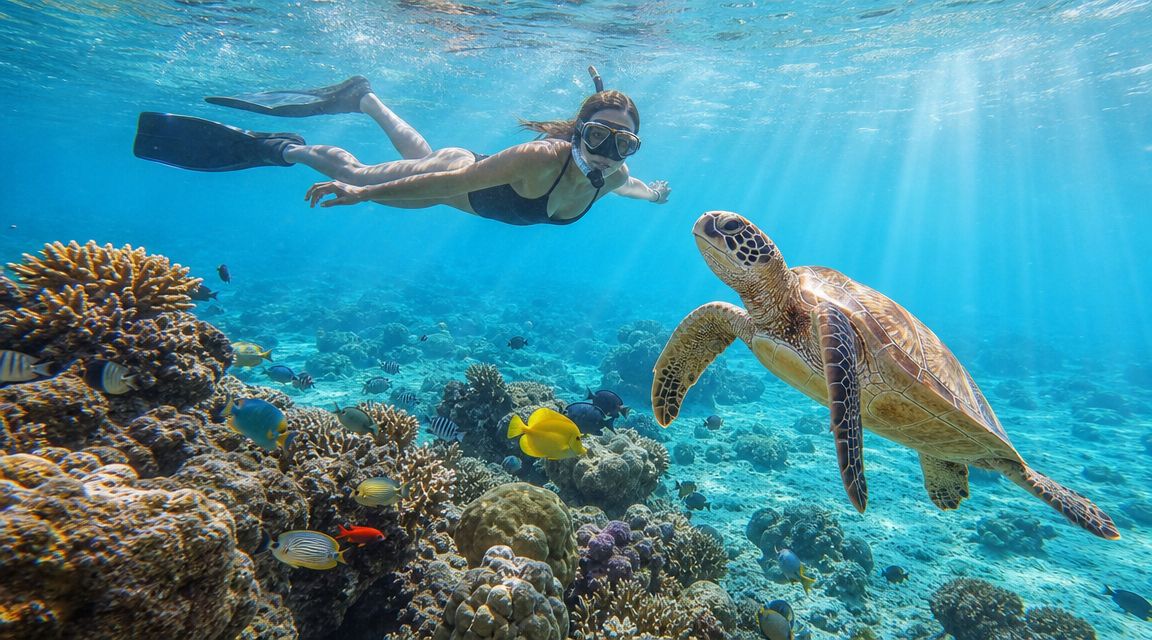
You're probably in one of two situations right now. You've got a rental car, a mask, and a short list of “best snorkel spots,” or you're trying to decide whether to book a boat trip and let someone else handle the conditions, gear, and timing. Either way, the main question isn't just where to snorkel. It's where to snorkel today, with your comfort level, your group, and the ocean doing whatever the ocean wants.
That's the difference between a decent day and a memorable one in snorkeling Kailua Kona HI. Kona has famous names that show up on every list, but those names only help if you know what the entry looks like, how protected the water is, and whether the spot suits a first-timer, a child, or a strong swimmer who's happy stepping into deeper water.
Your Ultimate Kailua Kona Snorkeling Adventure Awaits
You pull into the lot early, before the trade winds rough up the surface. A child is adjusting a mask in the back seat, one adult in the group is excited, and another ponders how hard the entry will be. Then you step into clear water, put your face in, and the first yellow tang slides across black lava rock below. That's when a Kona snorkel day starts to feel right.
Kailua Kona draws people into the water for good reason, but the best days here are rarely built from a generic “must-see” list. They come from matching the spot to the ocean and to the swimmers in your group. On some mornings, that means a protected bay with an easy shoreline entry. On others, it means booking a boat so you can reach cleaner water without dealing with slippery rocks or surge at the edge.
You'll also hear travelers compare operators while planning. Reviews for companies like Kona Snorkel Trips can help, because the quality of a snorkel trip depends on more than the reef itself. Guide judgment, safety habits, gear setup, and the willingness to change plans when conditions shift all matter.
What makes a Kona day feel easy
Kona can be very friendly to beginners, but only in the right places.
A calm cove with a sandy or gradual entry feels completely different from a lava shelf that requires careful footing and good timing between sets. Families usually do better where they can stand, regroup, and float out slowly. Stronger swimmers may be happy in deeper water with a little more structure and a longer surface swim.
That difference matters. A famous spot can still be the wrong choice if one person in your group is nervous in open water, gets tired quickly, or has never used fins before.
Practical rule: Pick your snorkel site based on entry, protection from swell, and the least confident person in your group.
What works and what doesn't
What works is simple. Start early. Check the surface before you commit. Choose a spot that gives you an easy exit if someone gets cold, uneasy, or tired faster than expected.
What often goes wrong is easy to predict too. Visitors chase the name they saw online, ignore a choppy shoreline, then spend the whole session managing masks, footing, and nerves instead of watching reef fish. Kona rewards good judgment. If you choose for conditions first and scenery second, the scenery usually takes care of itself.
Why Kona is a Snorkeler's Paradise
Kona's reputation isn't built on hype. It's built on a coastline where certain bays and reef structures repeatedly produce calm, clear, fish-filled snorkeling, especially when conditions line up.
Kealakekua Bay sits at the center of that reputation. It's a Marine Life Conservation District and is consistently described as one of Hawaiʻi's premier snorkeling destinations because of its unmatched visibility and pristine coral. Guidance for the Kona coast also notes that the calmest waters are typically found from June through October (Kealakekua Bay snorkeling conditions and seasonality).

The coastline gives Kona an edge
The best snorkeling here is shaped by geography at a small scale. Protected coves reduce surface chop. Fringing reefs break energy before it reaches the main swim zone. Sandy sections near shore give beginners a more predictable start, while lava shelves and deeper drop-offs create better terrain for more confident snorkelers.
That's why two Kona spots can feel completely different even when they're both highly rated. One may offer easy floating over shallow reef right after entry. Another may ask you to manage lava footing and deeper water almost immediately. The reward changes with the risk.
Why marine life feels so close here
Kona's underwater appeal isn't only about clear water. It's also about how quickly the reef starts. In some locations, fish life begins within minutes of entry. That's a big deal for children, first-timers, and anyone who gets tired fast. You don't have to swim forever to reach the good part.
A practical way to think about Kona is this:
| Feature | Why it matters in the water |
|---|---|
| Protected bay shape | Keeps surface swimming calmer |
| Reef close to entry | Lets beginners see marine life sooner |
| Clearer water | Makes fish, coral, and depth changes easier to read |
| Distinct shallow and deep zones | Helps groups split by confidence without changing location |
Good snorkeling isn't just about visibility. It's about how easy it is to turn that visibility into a relaxed, safe experience.
Timing matters more than people expect
If your schedule is flexible, calmer-season travel gives you better odds of easier surface conditions. That doesn't mean every summer day is perfect or every other month is poor. It means the odds are more favorable, especially for family groups and travelers who want less guesswork.
That's also why experienced local crews matter. Conditions in Kona are often excellent, but they're never generic. The best day in one bay may not be the best day in another.
Kona's Signature Snorkeling Experiences
You can spend a week snorkeling Kona and still have two outings people talk about for years. One happens after dark, holding onto a light board while giant manta rays roll and glide inches below you. The other is a daytime run into Kealakekua Bay, where clear water, steep green cliffs, and a healthy reef come together in one of the coast's most memorable snorkel settings.

Manta ray night snorkeling
The manta snorkel is Kona's most unusual water experience. You are not finning over coral and casually spotting fish. You are floating at the surface at night while lights attract plankton, and the mantas rise out of the dark in slow, looping passes that feel almost silent until a white belly flashes under the board.
It is spectacular, but it is not the right fit for every traveler. Guests who are comfortable in open water and can stay calm in the dark usually love it. Very young kids, anxious swimmers, and anyone who dislikes boats, darkness, or waiting in the water may do better with a daytime reef trip first.
If you want a clear sense of how the outing works before booking, read this guide to the Kona manta ray night snorkel experience. For direct booking, the Manta Ray Night Snorkel tour is the dedicated tour page. If you're comparing operators, Manta Ray Night Snorkel Hawaii is another option to review.
Captain Cook and Kealakekua Bay
Kealakekua Bay is the classic Kona daytime snorkel for good reason. Visibility is often excellent, the bay usually feels more protected than exposed shoreline entries, and the reef has the kind of fish density that keeps both beginners and experienced snorkelers engaged. Yellow tangs, butterflyfish, and schools of reef fish often show up quickly, and the lava coastline above water gives the whole trip a dramatic backdrop.
A boat trip is usually the smart call here. It saves the long, hot hike and avoids turning a beautiful snorkel into a logistics problem. That matters for families, casual swimmers, and anyone who wants more energy for the water than for the approach.
If Captain Cook is on your list, Captain Cook Snorkeling Tours is a useful option to compare while you sort through operators.
Which one should you prioritize
Choose based on conditions, comfort, and the kind of outing your group will actually enjoy.
- Pick manta rays if you want wildlife behavior you will not see on a normal reef snorkel and your group is comfortable being in the ocean after dark.
- Pick Captain Cook if you want a daytime trip with easier reef viewing, more traditional snorkeling, and a better fit for mixed-skill groups.
- Do both if your schedule allows. They complement each other instead of repeating the same experience.
My guide call is simple. If someone in your group is unsure in the water, start with the daytime boat snorkel. Confidence usually goes up after a relaxed morning over a bright reef.
Best Shore-Access Snorkel Spots in Kona
Shore snorkeling in Kona can be excellent, but it only works well when you match the spot to the swimmer. That's where most generic rankings fall short. They tell you what's famous, not what feels manageable once you're standing on wet rock with fins in your hand.

At Kahaluʻu Beach Park, a fringing reef creates a calm, protected swimming area that's ideal for beginners, though entry requires crossing lava rock. At Two Step, snorkelers step directly into 10-foot-deep water from a lava shelf, and the reef slopes to over 100 feet on the north side, making it better for experienced swimmers (Kona shore spot entry and depth details).
For a closer look at one of Kona's most famous reef areas, this overview of the Kealakekua Bay snorkel gives helpful context before you decide whether to go by shore or boat.
Best for beginners and families
Kahaluʻu Beach Park is the practical answer for a lot of first-time snorkelers. The protected feel of the bay helps people settle in, and the shallow fish habitat makes the reward immediate. You don't need a long swim before things get interesting.
The main downside is the entry. Lava underfoot changes the feel of the first minute in the water. Many people make a common mistake by putting their fins on too early and trying to walk across rough rock. Carry them instead, get stable, then put them on when you're ready to float.
Kailua Bay also deserves a serious look for mixed-skill groups. Local descriptions note that its shoreline is naturally shielded from swell, with sandy entry areas that are relatively free of lava and rocks. That lowers stress for beginners, especially children or adults who don't love awkward entries.
Best for confident swimmers
Two Step at Hōnaunau rewards comfort in the water. The entry itself is famous, but “easy” only applies if you're steady on lava and not rattled by stepping into depth right away. The underwater terrain is excellent, with clear separation between shallower zones and deeper blue water.
On the south side, the bay tends to stay in a more approachable depth range. On the north side, it drops away much more dramatically. Stronger snorkelers usually enjoy that contrast. Nervous swimmers often don't.
A fast way to choose:
| Spot | Best fit | Main trade-off |
|---|---|---|
| Kahaluʻu Beach Park | First-timers, kids, cautious adults | Lava-rock entry |
| Kailua Bay | Families, short outings, easy logistics | Less of a “wild reef” feel near shore |
| Two Step | Intermediate and experienced snorkelers | Depth and terrain-sensitive entry |
Don't let a famous name pressure you into the wrong entry. The best snorkel spot is the one you can enter, enjoy, and exit without stress.
A simple condition-based chooser
Use this when you're deciding in the parking lot:
- Child or very cautious swimmer: Start with a protected, shallow option.
- Comfortable swimmer, not great on rocks: Favor sandy entry over lava shelf.
- Intermediate snorkeler who wants more fish and depth: Two Step can be rewarding if the water is settled.
- Mixed group with different goals: Pick a site with a calm nearshore zone and room to extend outward.
That's the essential skill in snorkeling Kailua Kona HI. Not finding the most famous place. Finding the right place for the way your group swims.
Should You Take a Tour or Go It Alone
You wake up to a calm Kona morning, load the car, and drive to the coast with masks, towels, and a plan. At the shoreline, the water may still tell you a different story. One spot looks easy on a map but has surge at the entry. Another is calm, but parking is full and the group is already hot, tired, and less patient than they were an hour ago.
That is usually the primary decision point. Tour or DIY is not a personality choice. It is a question of conditions, group ability, and how many moving parts you want to manage yourself.

If you are also comparing shore access with boat access for a specialty outing, this boat tour vs shore manta ray snorkel guide gives a useful side by side look at how those choices play out.
Going on your own
DIY snorkeling works best when the plan is simple and the group is capable. Strong swimmers, familiar gear, a straightforward shore entry, and someone willing to make conservative calls if conditions look marginal. In that setup, going on your own can be a great day.
The upside is flexibility. You can start early, leave when you want, and skip the structure of a tour. The trade-off is that you handle everything. Entry assessment, parking, gear problems, current judgment, and the decision to abort if the water does not match the plan.
That last part matters more than people expect.
I have seen visitors choose a famous spot because it looked perfect in photos, then spend the whole session fighting the entry or worrying about getting out. A less famous cove in easier conditions would have given them more fish, more confidence, and a better morning.
Taking a guided tour
A tour is valuable when the ocean conditions are uncertain, the group has mixed ability, or the destination is better reached by boat.
Guides remove a lot of the friction that wears people down before they ever put their face in the water. Gear is handled, site choice is informed by that day's conditions, and beginners usually relax faster when someone is watching the group instead of everyone trying to self-manage.
Tours also improve access. Some of Kona's most memorable snorkeling is easier, safer, or far more enjoyable from a boat than from a difficult shoreline approach. That is especially true for visitors who want reef quality without dealing with lava entries, route-finding, or long swims.
One local operator in this category is Kona Snorkel Trips, which runs guided snorkel tours along the Kona coast, including Kealakekua Bay and manta-focused outings. That mention is useful for travelers comparing a boat day with a self-planned shore session.
The practical answer
Choose DIY if your group is confident, your site is forgiving, and you are comfortable changing plans on the spot.
Choose a tour if you have kids, nervous swimmers, one weak swimmer in an otherwise strong group, or a destination that depends on boat access. It also makes sense when you want more than float-and-look snorkeling. Good guides help people find octopus tucked into lava cracks, spot eels under ledges, and understand why one reef is full of yellow tang while another feels quiet.
The best choice is the one that fits today's water and the least confident person in your group.
Good Kona snorkel plans are built around conditions first, convenience second.
Planning Your Kona Snorkel Trip Logistics
A smoother Kona snorkel day usually comes down to a handful of decisions made before breakfast. When are you going, what gear are you bringing, and what's your rule for backing out if conditions look wrong?
If budget is part of your planning, this guide to Kona boat tour costs in 2026 and what you'll pay helps frame the trade-off between convenience and DIY savings.
Timing your snorkel day
For many visitors, morning is the easiest call. Water is often calmer early, entries feel less hectic, and new snorkelers tend to do better before they've spent a whole hot day on land. If you have the choice between a rushed afternoon shore attempt and an organized morning start, take the morning.
Seasonally, calmer surface conditions are often associated with the stretch covered earlier in the article. If your group includes children or first-timers, that can make planning easier.
What to bring and what to skip
Bring the basics, but don't overload yourself.
- Mask that fits your face: A perfect destination won't help if your mask leaks every minute.
- Snorkel and fins you already understand: Familiar gear is often better than fancy gear you've never used.
- Sun protection: A rash guard helps a lot because it reduces how much exposed skin you need to manage.
- Water and a towel: Obvious, but commonly forgotten on short shore sessions.
Skip anything that makes entry harder. Huge bags, extra shoes, and too much loose gear become a nuisance on lava rock and narrow shore access points.
Safety habits that prevent bad days
The best snorkeling Kailua Kona HI trips are usually the least dramatic ones. Calm entry. Clear buddy plan. No pushing farther than your comfort level.
Use a short checklist before you get in:
- Watch the water first. Don't rush from parking lot to ocean.
- Choose the easiest honest plan. Not the most ambitious one.
- Stay with a buddy. Close enough to help, not somewhere off in the distance.
- Respect the reef and wildlife. Don't stand on coral, chase animals, or corner anything.
Snorkel like a guest, not an owner
Good ocean etiquette improves safety and protects what you came to see. Give turtles and other marine life room. Keep your fins off the reef. If you need to adjust gear, do it in a sandy patch or while floating, not by planting your feet on living bottom.
That approach also changes what you see. Quiet, patient snorkelers often get better wildlife encounters because the ocean settles around them.
Frequently Asked Questions About Kona Snorkeling
A few questions come up almost every day, especially from people trying to decide between a relaxed shore session and a guided trip.
What's the best time of day to snorkel in Kona
Morning is often the easiest window, especially for beginners. The surface is commonly calmer, visibility is easier to read, and you're not entering the water after hours in the sun.
I'm nervous in the ocean. What's the best option for me
Start with a protected, beginner-friendly site or choose a guided boat trip where the crew handles the site choice and setup. Nervous swimmers usually do better when the entry is simple and the plan is narrow. Avoid deep immediate entries on your first outing.
Can beginners snorkel at famous spots like Two Step
Some beginners can, but the name alone shouldn't decide it. Two Step asks more from your footing and comfort with depth than a protected beginner cove does. If you're unsure, pick the easier site first and build confidence.
Can I see dolphins or turtles while snorkeling
You may. Kona's waters are known for vibrant marine life, and part of the fun is that each session feels a little different. The right mindset is to hope for wildlife, not demand it, and always give animals space.
Is a guided tour worth it if I only have one snorkel day
Usually, yes. If you've only got one shot, reducing guesswork matters. A guided day often gives you better access, cleaner logistics, and less chance of losing half the day to choosing the wrong site.
For more trip-specific answers, this collection of frequently asked questions about Kona snorkel tours is a useful next read.
If you want help turning all of this into a real plan, Kona Snorkel Trips offers guided Kona snorkel experiences that make site choice, gear, and day-of logistics much simpler. It's a practical option for travelers who want less guesswork and more time in the water.