
Why Kealakekua Bay Snorkeling Tours Use Mooring Buoys
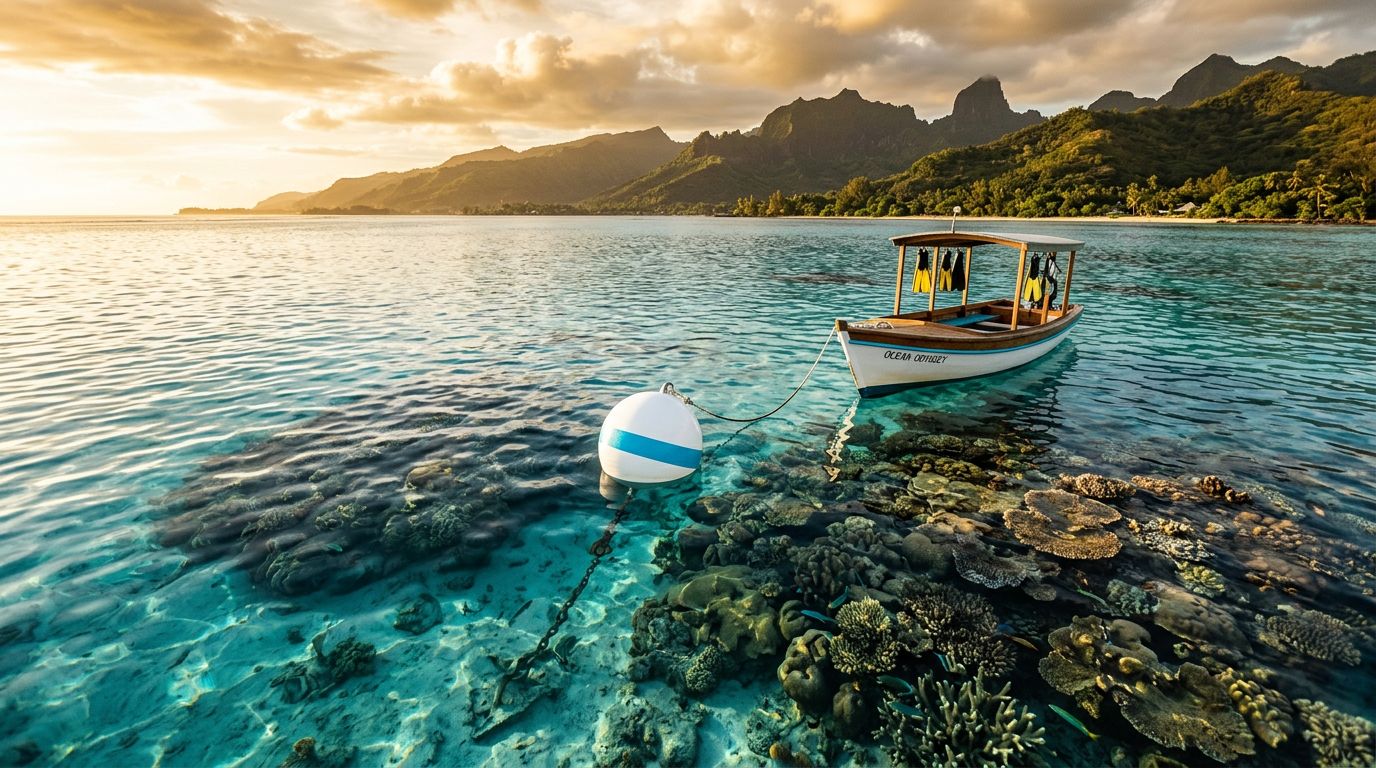
Kona Snorkel Trips keeps Kealakekua Bay outings small and reef-minded, and the reason becomes clear the moment the boat reaches the site. The bay is busy because it is beautiful, so the way a tour holds position matters as much as the water clarity.
When a crew uses a mooring buoy, it can stay put without dragging an anchor across coral. That simple choice protects the site you came to enjoy, and it also makes the day calmer for you.
If you are comparing Kealakekua Bay snorkeling tours, the buoy system tells you a lot about how the operator thinks. The rest of the story is in the details.
Why Kealakekua Bay snorkeling tours rely on mooring buoys
A mooring buoy is a fixed float that lets a boat tie off in one place. The crew does not need to lower a heavy anchor, then haul it back when the stop is over. In a place like Kealakekua Bay, that matters because the site draws swimmers, wildlife, and boats all at once.
The buoy gives the captain a clean target. It also keeps the boat from swinging wider than it should in current or swell. Your ladder stays where the crew expects it, which makes boarding easier for kids, first-timers, and anyone who wants a calmer start.
That setup is one reason people trust guided trips here. The boat is not wandering while you are getting masks on or waiting for a turn on the ladder. It is held in a known spot, so the flow of the tour feels organized.
For you, that means less deck chaos and more time in the water. For the reef, it means less risk from metal, chain, and anchor drag. If you are comparing Big Island snorkel tours, start by asking how they hold the boat at the site.
What anchors can do to coral and sand
Anchors are useful in open water, but reefs are not open water. When a boat drops anchor near coral, the chain can scrape the bottom, and the anchor can shift if the wind or current changes. Even a small scrape can damage living coral or stir up sediment that settles where it should not.
That is why buoy systems matter so much in protected places. NOAA explains how buoys support recreation in marine sanctuaries because they let boats visit without dropping metal onto the bottom. NOAA also notes in its article on mooring buoy installation across national marine sanctuaries that these systems are part of everyday reef protection, not an extra nice-to-have.
A quick comparison makes the difference easy to see.
| With an anchor | With a mooring buoy |
|---|---|
| The boat needs bottom contact to stay put | The boat ties to a fixed float |
| Chain and anchor can scrape coral or sand | The bottom stays untouched |
| Position can shift if conditions change | The stop is more predictable |
| Setup can take longer | Boarding usually feels smoother |
The takeaway is simple. A buoy is a small piece of gear with a big job. It keeps the boat off the reef and keeps the site open for the next group.
A mooring buoy is a small piece of gear with a big job. It keeps the boat off the reef and keeps the site open for the next group.
How the boat uses a mooring buoy at Kealakekua Bay
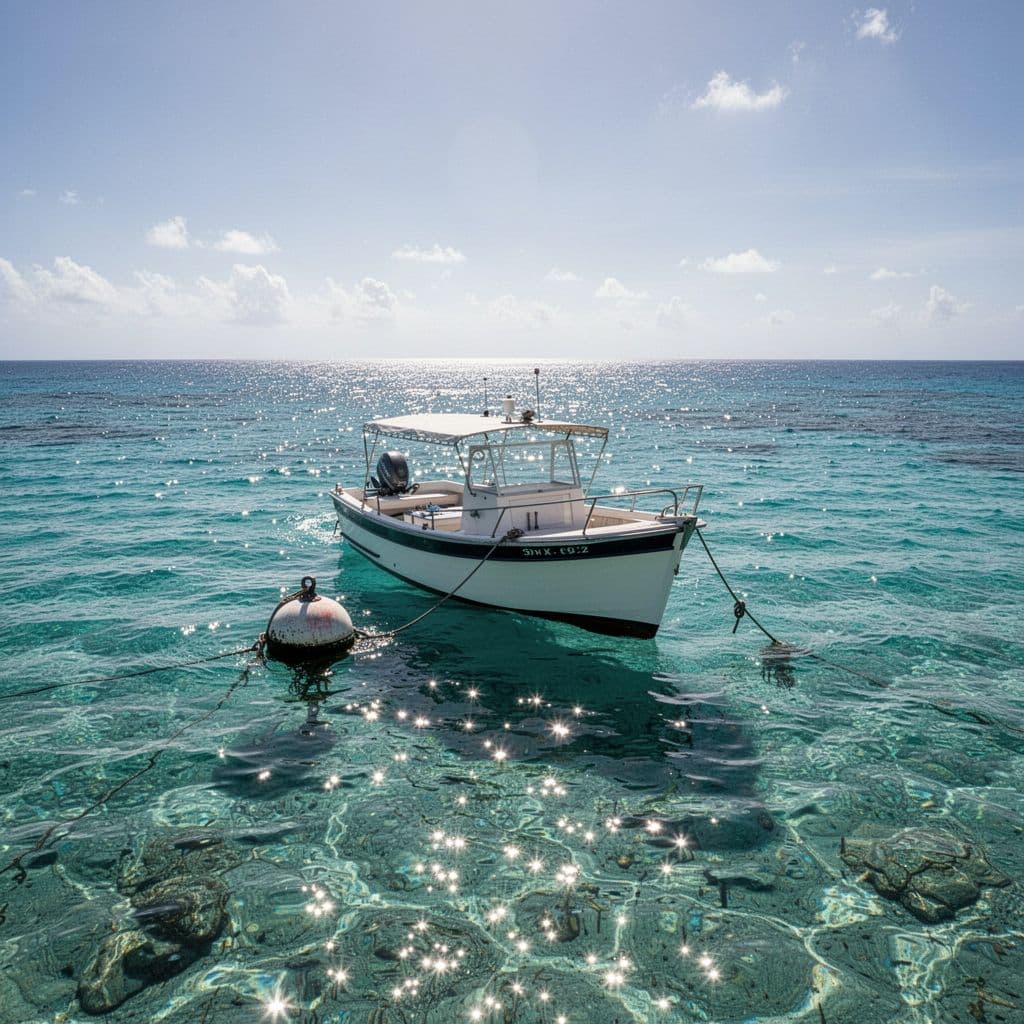
The boat’s job is to arrive, line up, and settle in without disturbing the site. That sounds simple, but a good captain has to read the current, watch the swell, and know exactly where the mooring point sits. Once the line is secure, the vessel stays in place without dragging across the bottom.
That steady position changes the whole mood on deck. You are not waiting while someone wrestles with an anchor line. You are not feeling the boat swing wide in a circle while the crew tries to get set. Instead, the stop feels controlled from the start.
At Kealakekua Bay, that matters because the site is popular. The Captain Cook area draws a lot of attention, and the reef below the surface is part of why people come. If you want a trip built around the bay itself, Captain Cook Monument snorkeling tours point you toward that exact kind of stop.
The buoy also helps the captain manage timing. The boat can stay in one place while swimmers enter, return, and climb the ladder. That keeps the site from turning into a slow drift around the bay. You get a cleaner rhythm, which matters more than most people expect.
When you snorkel from a fixed point, the tour feels less like a chase and more like a planned visit. That is one reason experienced crews prefer mooring buoys at sensitive sites.
What you notice once you are in the water
Once you leave the ladder, the difference is easier to feel than to see. The boat is stable, so the entry and exit area stays predictable. That helps if you are carrying a camera, helping a child, or easing back into the water after a long break.
You also spend less energy dealing with the boat itself. There is no rolling search for a drifting stern or a sudden move because the captain had to reset position. Instead, you can focus on the reef, your breathing, and the fish below you.
That calm start matters on snorkeling Big Island Hawaii trips because the ocean is part of the experience, not a backdrop. When the boat stays in place, your first few minutes in the water feel more relaxed. For families, that can be the difference between a nervous entry and a smooth one.
It also helps with respect. People who feel settled are less likely to kick hard, bump the boat, or rush through the brief. They listen better. They move with more care. That is good for you and good for the reef.
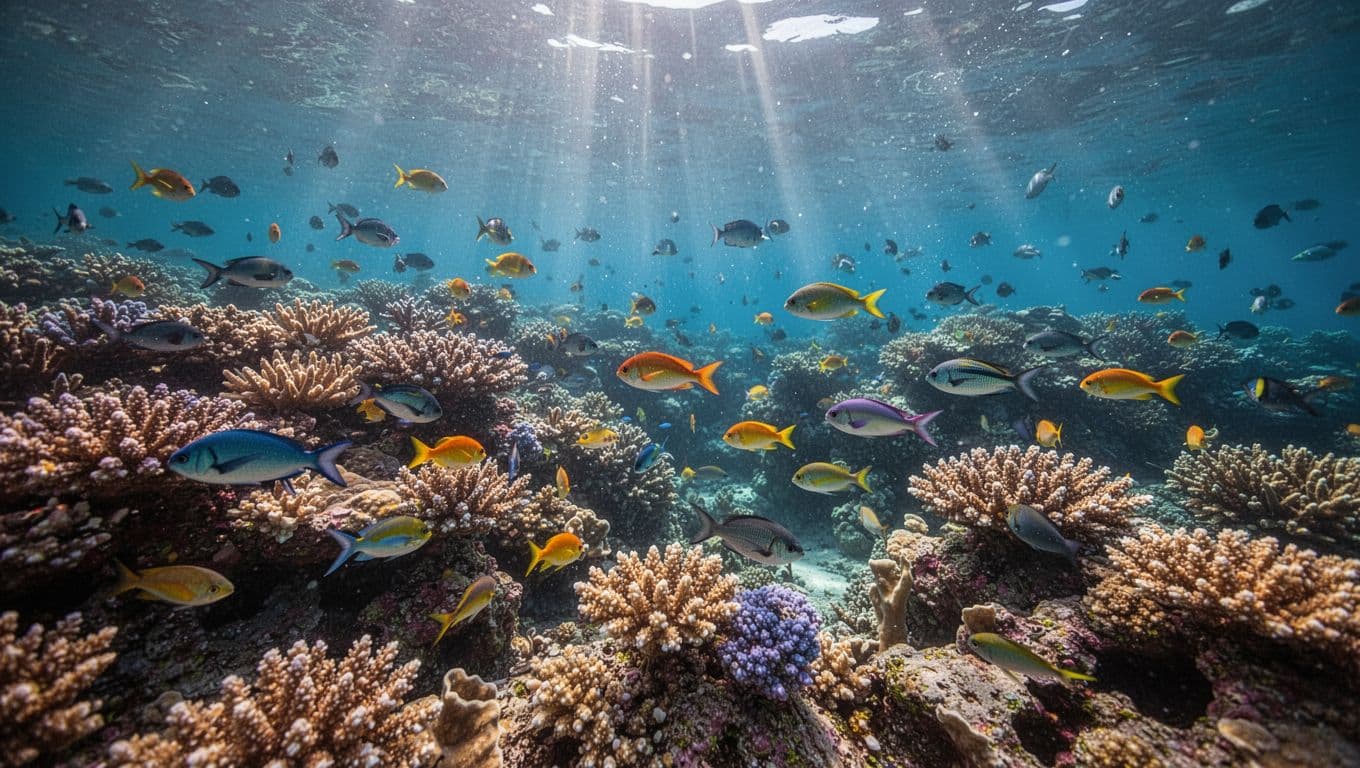
On snorkeling Big Island outings, the best moments often come after the first few minutes. Once your breathing slows, you notice the coral shapes, the fish movement, and the clear pockets of water around the bay. The boat stops being part of the problem because the buoy already solved it.
What a reef-focused operator does before you swim
Kona Snorkel Trips keeps tours small, uses lifeguard-certified guides, and treats the reef like part of the guest experience, not a backdrop. That matters at a buoy-only site because the boat plan, the entry plan, and the reef plan all have to match.
A good crew talks through fins, masks, ladder use, and where to wait when another swimmer is boarding. Those details sound small. They keep the deck calm and the water safer. They also reduce the chance that a good site gets worn down by sloppy behavior.
You should also expect reef-safe habits to be part of the briefing. That means no standing on coral, no touching marine life, and no casual fin kicks near the bottom. The buoy helps hold the boat in place, but the crew still has to protect the water around it.
If you want to compare the wider lineup, Big Island snorkel tours make it easier to see how different trips handle the reef and the boat. That comparison is useful because the right tour usually feels organized before you even get in the water.
Check AvailabilityIf you want a brand built around this bay, Captain Cook Snorkeling Tours is another name worth comparing. The point is not the logo on the side of the boat. The point is whether the crew treats the mooring buoy as part of a larger reef-first plan.
How to choose the right Kealakekua Bay trip
If you want to snorkel Big Island with less guesswork, ask a few simple questions before you book. Does the crew use a mooring buoy? How many people are on board? Do they explain the entry, the exit, and what happens if the weather shifts? Clear answers usually tell you more than a polished photo ever will.
Look for these signs of a thoughtful trip:
- They explain how the boat stays in place.
- They keep the group size manageable.
- They give a real safety briefing before anyone gets in.
- They stay clear about weather and site conditions.
- They treat reef rules as part of the trip, not a side note.
Those details matter even more if you are planning a family outing or a relaxed couple’s day on the water. A smaller, well-run trip gives you more room to breathe and more time to enjoy the bay itself.
If your group wants a more private pace, private Kona boat charters can give you more control over timing and comfort. That can be a smart fit for mixed swim levels, celebrations, or anyone who wants a quieter day on the water.
For the Kealakekua Bay outing itself, you can also check availability when you are ready to lock in a date.
Conclusion
Mooring buoys are one of the simplest signs that a Kealakekua Bay tour respects the place it visits. They protect coral, keep the boat steady, and make the whole experience feel more organized for you.
That matters because the bay is not just a pretty stop. It is a living site that only works if people use it carefully. When the boat ties off the right way, you get a better swim and the reef gets a better chance to stay healthy.
The next time you compare Kealakekua Bay snorkeling tours, look for the boat plan first. The buoy may be the smallest part of the trip, but it says a lot about everything else.