
How to Control a Snorkel Gag Reflex at Captain Cook
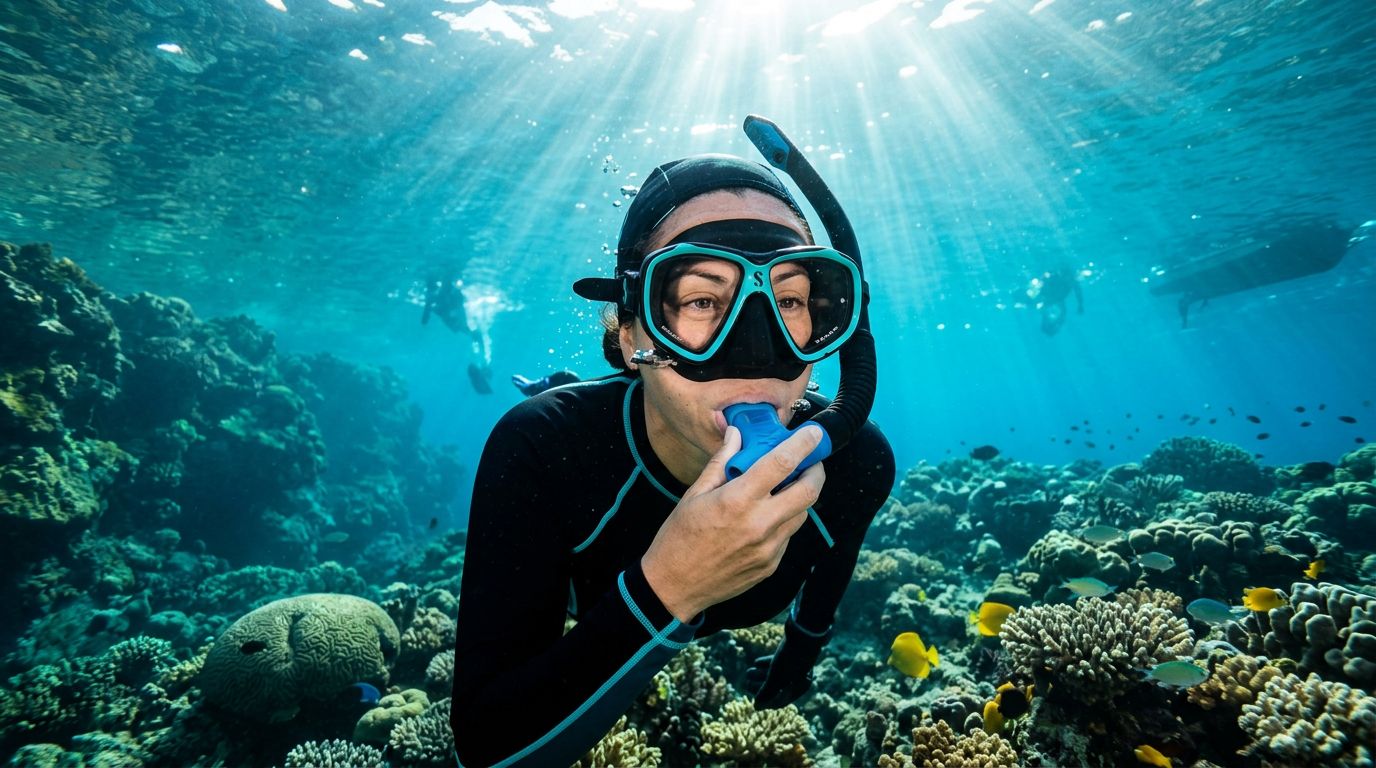
A snorkel gag reflex can turn an exciting Kealakekua Bay adventure into a stressful few minutes. The good news is that you can usually reduce the reaction by improving your fit, relaxing your jaw, and practicing before you enter the water.
You don’t need to force yourself through gagging. During Captain Cook snorkeling, calm breathing and quick communication with your guide matter more than staying underwater. Start by understanding what triggers the reflex, then use a simple plan that keeps you comfortable and safe.
Key Takeaways
- A mouthpiece that is too large, loose, or far back in your mouth can trigger gagging.
- Practice with your mask and snorkel on land before your Captain Cook snorkeling tour.
- Bite gently, keep your tongue relaxed, and breathe slowly through your mouth.
- If gagging begins, lift your head, remove the mouthpiece, and signal your guide.
- A small-group tour gives you more time to adjust your gear without feeling rushed.
Why a Snorkel Mouthpiece Can Trigger Your Gag Reflex
Your gag reflex is a normal protective response. The muscles at the back of your tongue and throat react when they sense pressure or contact in a sensitive area. A snorkel mouthpiece can activate that response if it sits too far back or moves while you swim.
The mouthpiece may also feel unfamiliar because you usually breathe through your nose. With a snorkel, your lips seal around silicone while your nose stays inside the mask. That change can make you tense your jaw or swallow repeatedly, which may increase the urge to gag.
Fit makes a major difference. If the mouthpiece is too large for your mouth, you may need to hold it with excessive pressure. If it is too small or loose, it can shift against your tongue. Both problems can keep your throat muscles alert.
Stress can add another trigger. When you worry about breathing, you may bite down, shorten each breath, or pull the mouthpiece deeper into your mouth. Your body then reads the unfamiliar sensation as a problem, even when you are floating safely at the surface.
A gag reflex doesn’t mean you can’t snorkel. Many people need a few minutes to get used to the mouthpiece. You may also find that your reaction changes with different snorkels, mask fits, water temperatures, or levels of fatigue.
Personal stories can help you feel less alone, but online forums aren’t a substitute for medical advice or direction from your boat crew. You can read a diver discussion about gag reflex concerns to see how other swimmers describe the problem.
The most useful goal is control, not complete elimination. You want to recognize the first signs, make a small adjustment, and continue only when your breathing feels steady.
Prepare Your Mouth and Gear Before You Snorkel
You can reduce surprises by practicing at home. Use the same type of mask and snorkel you expect to wear on your tour, if possible. Sit upright, place the mouthpiece between your teeth, and close your lips around it without biting hard.
Start with 30 seconds of gentle breathing. Breathe in and out through the snorkel while keeping your tongue low and relaxed. Remove the mouthpiece before you feel overwhelmed. Repeat several times, gradually extending each practice period.
This exercise helps your mouth learn the sensation without adding waves, saltwater, or excitement. It also lets you notice whether the mouthpiece touches the back of your tongue.
When you collect your gear at the marina, tell the guide about your gag reflex before you board or enter the water. A good crew can check the fit, offer a different mouthpiece if available, and explain how to signal for help.
You should look for these fit points:
- The bite tabs should rest comfortably between your back teeth, not against the center of your tongue.
- Your lips should create the seal while your teeth provide light support.
- The snorkel should rise naturally beside your head instead of pulling the mouthpiece sideways.
- The mask should seal around your eyes and nose without requiring a tight strap.
- You should be able to breathe through the snorkel without sucking hard.
Avoid trimming the mouthpiece yourself. Cutting silicone can create rough edges, change the fit, or damage the seal. Also skip numbing sprays unless a medical professional has told you to use one. Reduced sensation can make it harder to notice irritation or trouble breathing.
Some snorkelers prefer a smaller silicone mouthpiece. Others feel better with softer bite tabs or a different shape. A discussion about small snorkel mouthpieces may give you ideas, but ask your guide what equipment is safe and available for your trip.
If you wear braces, have dental pain, or use a retainer, mention that before the tour. Your mouth may need a different fit, and discomfort can make gagging more likely.
Use a Calm Breathing Technique in the Water
Your first minutes in the water should be slow. Hold the boat ladder or stay beside the guide while you place the mouthpiece in your mouth. Let your face settle into the water before you swim away.
Keep your head in a neutral position. Looking too far forward can pull the snorkel and mouthpiece out of alignment. Looking down slightly usually allows the tube to sit more naturally beside your head.
Breathe through your mouth with a steady rhythm. Make each breath smooth rather than deep and forceful. Strong inhalations can make the mouthpiece shift, while fast breathing can increase anxiety.
Relax your jaw as soon as you feel yourself clenching. You only need enough pressure to hold the bite tabs in place. Your lips create the seal, so biting harder won’t improve the connection.
Your tongue should rest comfortably behind the mouthpiece. Try not to push it forward or curl it tightly. If the mouthpiece seems to touch the back of your tongue, remove it and ask the guide to adjust the fit.
A useful sequence looks like this:
- Float upright and keep one hand near the boat, guide, or a secure flotation aid.
- Exhale gently through the snorkel to clear any water.
- Take two or three slow breaths.
- Look at the reef only after your breathing feels regular.
- Stop and reset if your throat begins tightening or you feel the urge to gag.
You may swallow occasionally, especially during your first few minutes. That isn’t automatically a problem. However, repeated swallowing, coughing, throat tightening, or a rising gag sensation means you should pause.
If you feel panic, remove the mouthpiece and breathe normally with your face out of the water. A short reset is safer than trying to push through.
Practice also helps with water in the snorkel. If a small wave enters the tube, lift your head, breathe normally, and let the guide show you how to clear it. Don’t rush through a forceful breath while you are already gagging.
Some people find it easier to begin with their face in the water but their body close to the boat. That position gives you visual reassurance without forcing you into open water immediately. Once your breathing settles, you can move toward the reef at your own pace.
Manage the Reflex During Captain Cook Snorkeling
Captain Cook snorkeling takes place at Kealakekua Bay, a popular marine area on the Kona coast. The bay often provides beautiful visibility, but ocean conditions can still change. Wind, swell, boat movement, current, and the number of swimmers around you can affect how comfortable you feel.
That is why you should test your breathing before focusing on fish or coral. Give yourself time to adjust at the entry point. If you need a different mouthpiece, ask before swimming away from the boat.
A guided tour can make this process easier. Your crew knows the entry area, watches conditions, and can help you stay oriented. Kona Snorkel Trips offers guided Big Island snorkeling tours with a small-group approach, quality gear, and lifeguard-certified guides.
When you enter the water, stay close enough to hear or see your guide. Follow the crew’s directions about where to swim and how to respond if conditions change. Avoid drifting into a crowded section while you are still learning to breathe through the snorkel.
Your first look at Kealakekua Bay may bring excitement, but excitement can tighten your jaw. Take a few seconds to notice the reef without chasing every fish. Slow movement uses less energy and creates fewer mouthpiece shifts.
If the reflex starts while you are swimming, use this sequence:
- Raise your face above the surface.
- Remove the mouthpiece completely.
- Take normal breaths.
- Signal the guide with a raised hand or the agreed safety signal.
- Ask for a gear check before trying again.
Don’t pull the mouthpiece halfway out while you are still trying to breathe. That position can let water enter and may increase the urge to cough. Remove it fully, regain control, then replace it only when you feel ready.
You can also choose to float near the boat while wearing your mask without using the snorkel. This gives you time to watch the reef, hear crew instructions, and decide whether you want another attempt. Snorkeling should remain voluntary throughout the trip.
The best Captain Cook snorkeling experience isn’t measured by how far you swim. A few comfortable minutes with clear breathing are more valuable than a long struggle.
Choose a Tour That Supports Comfortable Snorkeling
When you book snorkeling Big Island Hawaii activities, look beyond the destination. The crew’s communication style, group size, equipment, and safety practices can affect your entire experience.
A large, crowded boat may give you less personal attention when you need a mouthpiece adjustment. A smaller group can make it easier to explain your concern and ask for help without feeling embarrassed.
Kona Snorkel Trips follows a “Reef to Rays” philosophy that combines ocean education, reef-safe practices, and personal service. The company focuses on guided marine experiences around the Big Island, including Captain Cook and Kealakekua Bay snorkeling.
You can tell the crew before departure that you have a sensitive gag reflex. Ask whether several mouthpiece sizes are available and whether you can practice in calm water before heading toward the reef. These conversations are normal parts of preparing for a safe tour.
The company also uses state-of-the-art snorkeling equipment and keeps groups personal rather than impersonal and overcrowded. Lifeguard-certified guides provide safety direction while helping you enjoy the marine environment at a comfortable pace.
If you want to snorkel Big Island waters but feel unsure about the mouthpiece, consider booking a tour with enough time for a gradual start. A private excursion may also give you greater control over the pace, although you should still follow the crew’s safety instructions.
Before booking, check the following details:
- Where you meet the boat and how long the trip lasts.
- Whether gear is included.
- What flotation equipment is available.
- How the crew handles changing ocean conditions.
- Whether the tour is suitable for your swimming ability.
- How you can communicate with guides in the water.
You don’t need to hide your concern from the crew. Clear information helps them support you. If your reflex is severe, you have trouble breathing, or you have a medical condition affecting your throat or swallowing, speak with a healthcare professional before booking.
When you’re ready to plan a guided trip with Kona Snorkel Trips, you can check availability for dates in Kailua-Kona.
Know When to Stop and Ask for Help
A gag reflex can become more difficult to manage when you are tired, cold, seasick, dehydrated, or anxious. Pay attention to your whole body rather than focusing only on the mouthpiece.
Stop snorkeling if you have persistent coughing, chest tightness, dizziness, shortness of breath, or trouble clearing water from your airway. Lift your face out of the water and tell the guide what you feel.
You should also stop if the mouthpiece causes pain, bleeding, jaw cramping, or a sore spot on your gums. A small adjustment may solve the problem, but continuing with damaged or uncomfortable gear can make the reflex worse.
Never remove your mask or snorkel while trying to swim back alone if you feel disoriented. Signal the crew and let them guide you. Boat staff can help you reach the ladder, flotation device, or a calmer area.
If you can’t tolerate the snorkel, you still have options. You may enjoy floating with a mask, using a flotation aid while keeping your face above water, or watching the reef from the boat. Depending on the trip and conditions, the crew may suggest a different way to participate.
Don’t use a snorkel clip, mouthpiece modification, or homemade attachment unless the operator approves it. Changes can interfere with the tube, mask, or your ability to remove the equipment quickly.
Snorkeling Big Island trips should challenge you in a positive way, not leave you feeling trapped. You can choose to try again after a break, but you should never feel pressured by other swimmers.
A community discussion about an Aqua Lung Comfo-Bite mouthpiece shows that mouthpiece shape matters to some divers. Still, personal recommendations don’t replace a proper equipment check. Ask the crew what fits your mouth and swimming setup.
What to Do Before Your Captain Cook Tour
The day before your trip, practice for a few minutes rather than conducting one long session. Short practice helps you build familiarity without creating soreness or frustration.
Pack any personal items that help you stay comfortable, such as reef-safe sunscreen, water, a towel, and a cover-up. Eat a light meal if boat travel makes you uncomfortable, and follow the operator’s instructions about arrival time and what to bring.
Tell your travel companions about your plan. If you need to pause, you can do so without feeling rushed to keep up. Families should give children permission to remove the mouthpiece and ask for help whenever they feel uncomfortable.
At check-in, mention your gag reflex again. Ask the guide to explain the hand signal for stopping or returning to the boat. If you don’t understand an instruction, ask before entering the water.
Once you are floating, focus on one task at a time. First, settle your mask. Next, establish calm breathing. Then, look toward the reef. Trying to manage equipment, swimming direction, marine life, and anxiety all at once can make gagging more likely.
You may find that the first attempt lasts only a minute. That still gives you useful information. Perhaps the snorkel sits too far back, your jaw is tense, or you need a slower entry. Adjust one factor and try again only if your body feels ready.
During snorkeling Big Island adventures, comfort often improves when you stop measuring the experience by distance or time. Watch the light on the reef, listen to your breathing, and stay aware of the guide nearby.
Captain Cook Snorkeling Booking Considerations
Kealakekua Bay attracts visitors because of its clear water, volcanic coastline, and marine habitat. However, no tour can guarantee a particular visibility level or animal sighting. Ocean conditions change, and responsible operators may alter the route or timing when safety requires it.
When you book a Captain Cook snorkel trip, review the operator’s policies and ask practical questions. Find out what happens if you decide not to enter the water, whether flotation equipment is provided, and how the crew handles guests who need extra support.
Kona Snorkel Trips offers a guided Captain Cook experience designed around marine education, personal service, and respect for the reef. If you want to reserve a date, you can check avaialbility.
Your goal is a relaxed, informed experience. A guide who knows about your snorkel gag reflex can help you adjust early, before discomfort turns into panic.
Conclusion
A snorkel gag reflex doesn’t have to keep you out of Kealakekua Bay. The right mouthpiece fit, gentle breathing, relaxed jaw, and gradual entry can make snorkeling far more comfortable.
Practice before your trip, speak with your guide, and stop whenever your breathing feels uncertain. During Captain Cook snorkeling, staying calm and communicating early will help you enjoy the reef on your own terms.