
Shoulder Injury Snorkeling at Kealakekua Bay
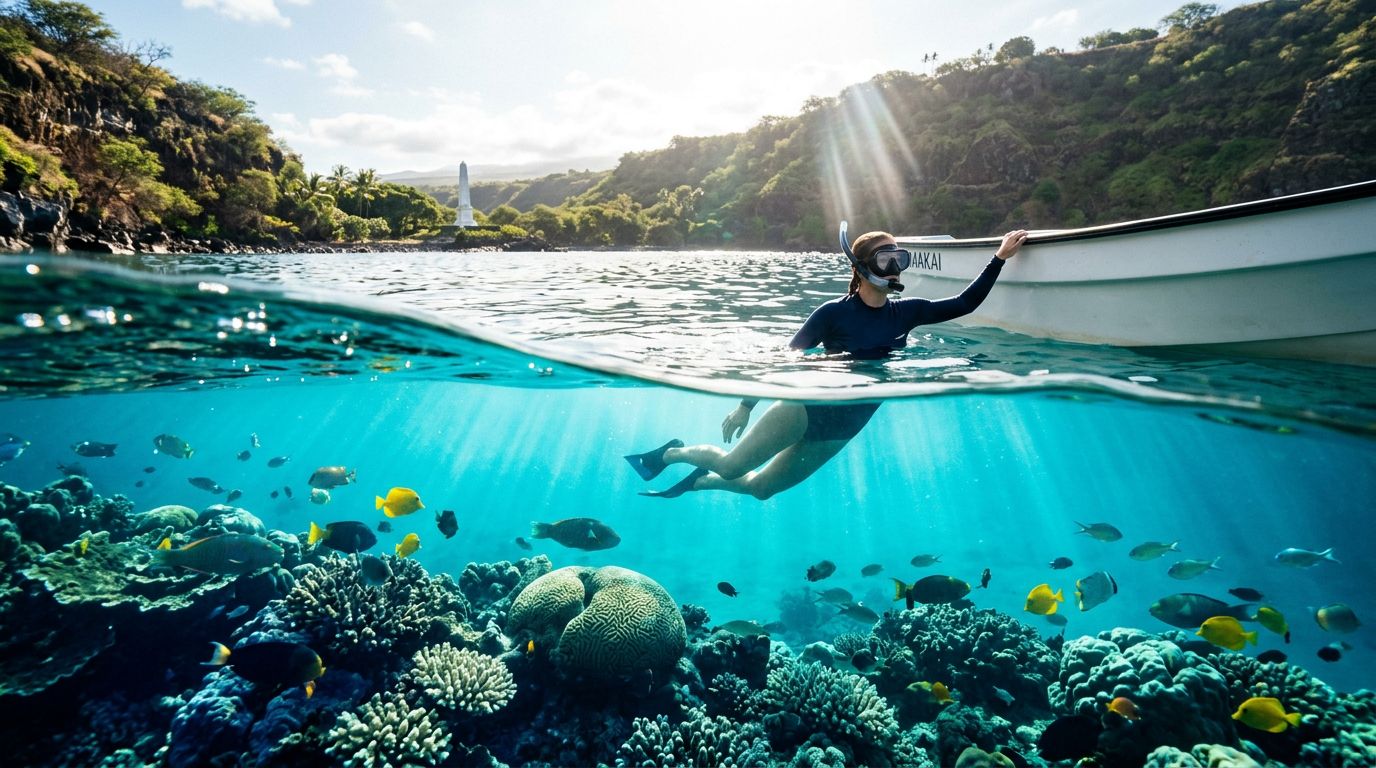
If you searched for “shoulder injury snorkeling” before your Hawaii vacation, Kealakekua Bay may still be on your list. The protected water near the Captain Cook Monument is beautiful, but a recovering shoulder can make swimming, boarding, and climbing a boat ladder harder than photos suggest.
You can snorkel Big Island waters after an injury only when your clinician, your current ability, and your tour operator all agree. Kona Snorkel Trips puts safety and small-group guidance at the center of its Big Island snorkeling tours.
A plan for snorkeling Big Island reefs should start with your physical limits, not your itinerary. The right decision may be a shorter session, a boat ride without entering the water, or waiting until your shoulder is ready.
Shoulder Injury Snorkeling: When You Should Sit Out
Snorkeling can look passive, but your shoulder still works throughout the experience. You may use it to steady yourself, clear your mask, push away from the boat, adjust equipment, or climb a ladder. Even gentle swimming becomes more demanding when wind, current, surge, or fatigue enters the picture.
Your shoulder also has to respond quickly if water moves you toward shallow coral. A person who feels comfortable in a pool may find ocean conditions much harder to manage.
You should postpone in-water snorkeling if you have pain at rest, increasing soreness, sudden weakness, numbness, tingling, or a feeling that the joint may give way. Limited range of motion matters too. If you can’t raise your arm comfortably, reach forward, or support yourself without pain, don’t treat the ocean as a test of recovery.
The same applies if you can’t comfortably swim or float without relying on the injured arm. Some operators screen guests by asking whether they can swim about 25 yards in the ocean. That figure is an operator guideline, not a universal medical standard, but it shows why basic swimming ability matters.
A boat trip can still require physical effort. You may need to step across a moving deck, sit on a low bench, hold a railing, or climb a ladder after your muscles tire. Ask about those movements before booking instead of assuming that remaining near the boat will remove every challenge.
Get Medical Clearance Before You Book the Water Time
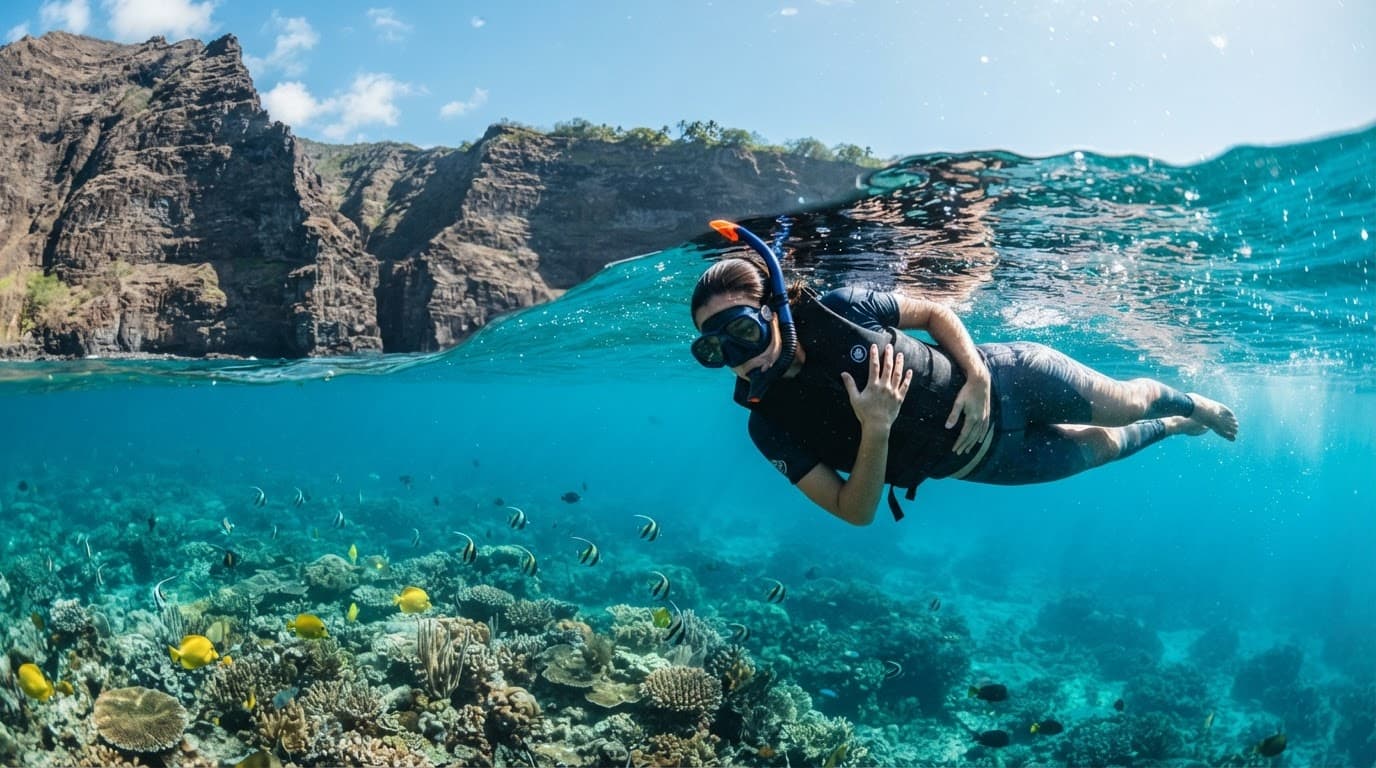
Your surgeon, physician, or physical therapist should decide when you can return to swimming after an injury or procedure. A shoulder may feel better before it has regained enough strength, control, and stability for open-water activity.
The Cleveland Clinic’s guidance on swimmer’s shoulder advises against returning to swimming or other training before your provider says it’s safe, even when symptoms are improving. That advice matters because swimming can place repeated stress on the shoulder without causing immediate pain.
Your appointment should cover the actual demands of your trip. Ask whether you can:
- Swim while keeping most movement in your legs.
- Float comfortably without using the injured arm.
- Put on and remove snorkeling equipment.
- Step onto a boat and climb a ladder.
- Respond to a small wave or change in direction.
- Stop activity without using the affected shoulder for support.
The answers may differ depending on whether you have a muscle strain, rotator cuff problem, dislocation, labral injury, fracture, or recent surgery. Recovery timelines also vary, so another traveler’s experience shouldn’t guide your decision.
If your provider approves a return to water, ask for clear limits. You may need a shorter first session, a specific stroke restriction, or a gradual increase in activity. Bring those limits to the operator. A guide can adjust the experience, but a guide can’t replace medical clearance.
Don’t use pain medication to hide warning signals during a tour. Pain, weakness, and fatigue provide information about what your shoulder can handle that day.
Understand Kealakekua Bay’s Water and Protection Rules
Kealakekua Bay is a Marine Life Conservation District on the west coast of Hawaii Island. The protected area extends offshore from Kealakekua Bay Historical State Park and includes the waters around the Captain Cook Monument.
The bay is divided into Subzone A and Subzone B. Those zones have specific rules for fishing, vessel use, and anchoring. As a visitor, your main responsibility is simple: keep your body, equipment, and boat away from the reef and marine life.
Hawaii’s Department of Land and Natural Resources prohibits taking, injuring, killing, or removing marine life in the protected area. That includes fish, coral, shells, algae, and other marine animals. You also can’t take sand, rocks, coral fragments, or other geological material.
Fish feeding is prohibited as well. The DLNR’s marine-life guidance advises visitors not to feed or touch marine life. Keep your hands to yourself, maintain space around animals, and watch the reef without standing on it.
These rules also protect your shoulder. When you avoid coral, you won’t need to push off the bottom or make sudden arm movements to regain balance. Stay in water deep enough for your fins, and follow your guide’s route rather than choosing a shorter path across shallow reef.
Conditions can change during the morning. Local guides often recommend early visits because afternoon wind may create more surface chop and reduce visibility near shore. However, no time of day guarantees safe water. Check the day’s conditions with your operator, and treat a rough forecast as a reason to shorten or cancel your in-water plan.
Boat movement matters too. The Hawaii DLNR boating rules restrict anchoring and mooring in protected areas, with designated locations and emergency exceptions. Your captain must choose a legal, appropriate position, so don’t ask the crew to stop somewhere that could damage coral.
Choose the Right Tour and Entry Plan
A shoulder injury snorkeling plan should include the tour boat, crew, entry point, water time, and exit process. Compare those details before you compare prices or departure times.
Kona Snorkel Trips follows a “Reef to Rays” philosophy, with small-group ocean adventures, lifeguard-certified guides, quality snorkeling gear, and reef-conscious instruction. The company has built a five-star reputation around personal service and guest safety rather than crowded, impersonal outings.
Its Captain Cook snorkeling tour in Kealakekua Bay offers access to the marine sanctuary near the monument. The tour information states that guests need basic swimming skills and good physical and mental health to enter the water. Non-swimmers may be able to remain on the boat, but you should confirm how that policy applies to your injury before you reserve a place.
Kona Snorkel Trips is also separate from Captain Cook Snorkeling Tours, another company focused on Kealakekua Bay and Captain Cook experiences. When you compare operators, ask both companies about the same physical requirements so you can make a fair decision.
A small group can make communication easier. You can tell the guide about your shoulder before departure, ask for help with equipment, and explain when you need to stop. Even so, a small group doesn’t make an unsuitable injury safe.
A private charter may give you more control over departure timing, time in the water, and whether you stay aboard. Kona Snorkel Trips offers private Kona boat charters for guests who want a more flexible outing. Ask whether the boat, ladder, seating, and entry method fit your restrictions. Flexibility helps, but it doesn’t replace clearance.
The company also uses custom-built lighted boards for nighttime encounters, state-of-the-art gear, and environmental education on its ocean trips. Those features may improve comfort and instruction, but you should choose the Captain Cook outing based on your shoulder’s capacity, not on the appeal of the equipment.
If you have medical clearance and the operator confirms that you meet its requirements, you can check availability for a Kona Snorkel Trips outing.
Before you pay, give the operator useful information. Share the type of injury, the date of surgery if applicable, your current range of motion, whether you can swim without pain, and whether you can climb a ladder. A clear answer helps the crew prepare and helps you avoid an uncomfortable surprise.
Make Entry, Exit, and Boat Movement Easier
Many shoulder problems flare during transitions rather than while floating. Getting into the water, putting on fins, and climbing back aboard can demand more effort than the snorkeling itself.
Tell the crew about your injury before the boat reaches Kealakekua Bay. Ask where you can sit while putting on your mask and fins. If you need help with equipment, request it before your shoulder becomes tired.
Avoid using the injured arm to pull yourself up a ladder or push hard against the boat. Follow the crew’s instructions for the entry and exit point. Don’t jump from a height, dive, or push off the side unless the guide specifically tells you to do so and your provider has cleared that movement.
Keep your equipment organized so you don’t have to reach across the deck or carry unnecessary weight. A properly fitted mask reduces the need to adjust it in the water. Fins should feel secure without forcing you to use your arms for balance.
If the boat has a flotation aid, ask how to use it without placing your weight on the injured shoulder. A noodle, float board, or vest can help with comfort, but it doesn’t turn open water into a controlled pool. You still need enough swimming ability to stay oriented and follow directions.
Start conservatively. A short, calm session gives you more information than committing to a long swim. Leave the water while you still feel strong enough to exit safely. Fatigue can change your stroke, posture, and ability to climb.
If you’re traveling with family or a partner, explain your limits before the trip. Your companion can enjoy the reef while you remain on the boat if your shoulder needs a break. That is a better plan than trying to keep up and losing control in the water.
Use Low-Strain Snorkeling Techniques
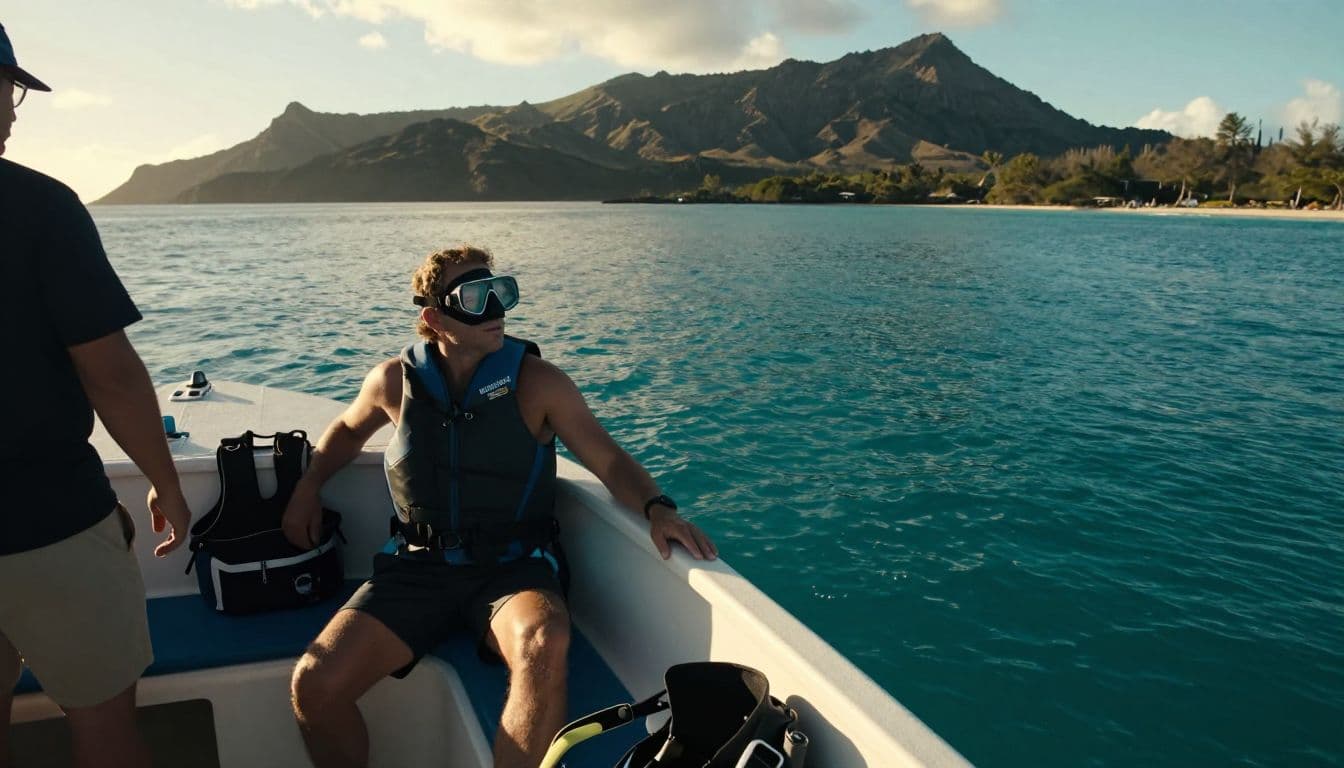
Once you’re in the water, let your equipment and legs do as much work as possible. A well-fitted mask lets you keep your face in the water, while relaxed fin kicks help you move without constant arm strokes.
Keep the injured shoulder relaxed and close to your body. Avoid forceful sculling, wide arm sweeps, and repeated reaching. If you need to change direction, use small movements and let your legs help. Your guide can recommend a flotation aid if one is appropriate for the conditions and your swimming ability.
Good balance also reduces shoulder strain. Keep your body long, look slightly ahead, and avoid pressing down with your hands. Never grab coral, rocks, or marine life to steady yourself. The reef is protected, and contact can injure both you and the habitat.
The DLNR’s 2024 Aloha i ke Kai report includes information about minimizing damage to coral and marine life in areas with high visitor and anchoring pressure. Your movements matter, even when you don’t see immediate damage.
Don’t fight a strong current with your shoulder. Signal the guide, turn toward a safer position if instructed, and let the crew manage the situation. A shoulder that feels fine in still water can become painful after several minutes of pushing against moving water.
Keep your first look at the reef observational. You don’t need to chase fish, dive down, or reach for a better photograph. Staying near the surface reduces effort and keeps you within the guide’s line of sight.
Stop immediately if you feel sharp pain, increasing weakness, numbness, joint instability, or unusual fatigue. Tell the guide what happened. Don’t wait to see whether the pain disappears after another lap around the reef.
Know When to Stay on the Boat
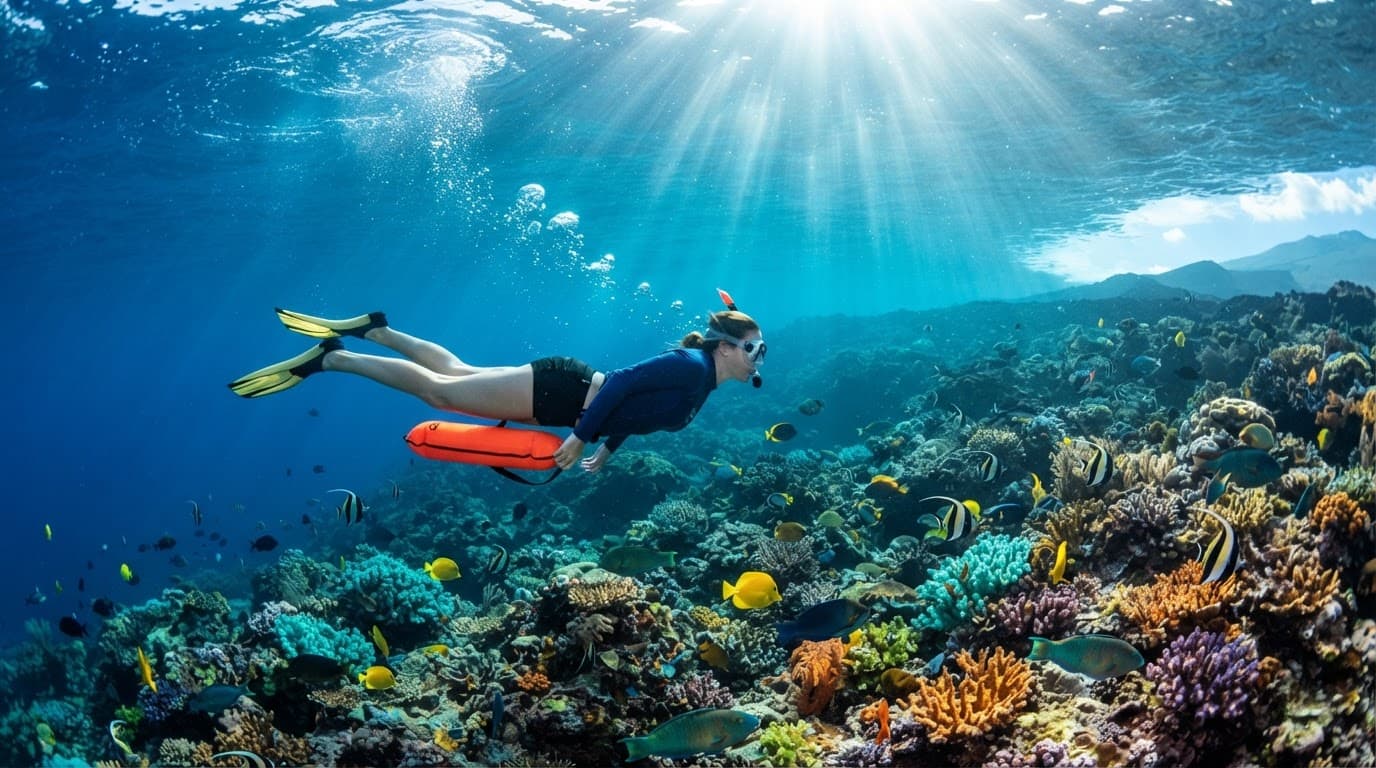
You don’t have to enter the water to have a meaningful Kealakekua Bay experience. The boat ride can give you views of the volcanic coastline, the Captain Cook Monument, and the bay’s clear water. However, ask the operator whether staying aboard is allowed and comfortable for your specific booking.
A boat-only option may be appropriate if your clinician has cleared travel but not swimming. It may not work if boat motion causes pain, if you can’t safely move around the deck, or if you need frequent assistance. The crew needs to know those limits before departure.
A private boat can offer more control over your day. You may be able to choose a shorter outing, remain aboard while others snorkel, or return early if conditions change. Confirm those options in writing because policies differ between operators.
If your shoulder isn’t ready, consider a land-based visit, a scenic coastal stop, or another low-effort activity. You can return to the water later instead of turning a vacation memory into a setback.
Use this quick decision guide on the day of your tour:
- If your provider hasn’t cleared swimming, stay out of the water.
- If you have new pain or weakness, tell the crew and don’t enter.
- If you can’t swim or float comfortably without the injured arm, choose a boat-only option or cancel.
- If the water becomes choppy, shorten the session or remain aboard.
- If you feel pain in the water, signal the guide and exit with assistance.
When you are ready to book a cleared Captain Cook outing, you can check avaialbility for the Kealakekua Bay trip.
Make Your Kealakekua Bay Plan Shoulder-Smart
A shoulder injury snorkeling decision depends on more than calm-looking water. You need medical clearance, enough swimming ability, a realistic plan for boarding and exiting, and an operator who knows your limits before the boat leaves.
Kealakekua Bay rewards a careful approach. Stay within your ability, respect the Marine Life Conservation District, and let the guide help you choose between a short snorkel and a boat-only experience. The best reef memory is one you can enjoy without turning recovery into an emergency.