
Hurricane Season and Captain Cook Snorkeling: A Planning Guide
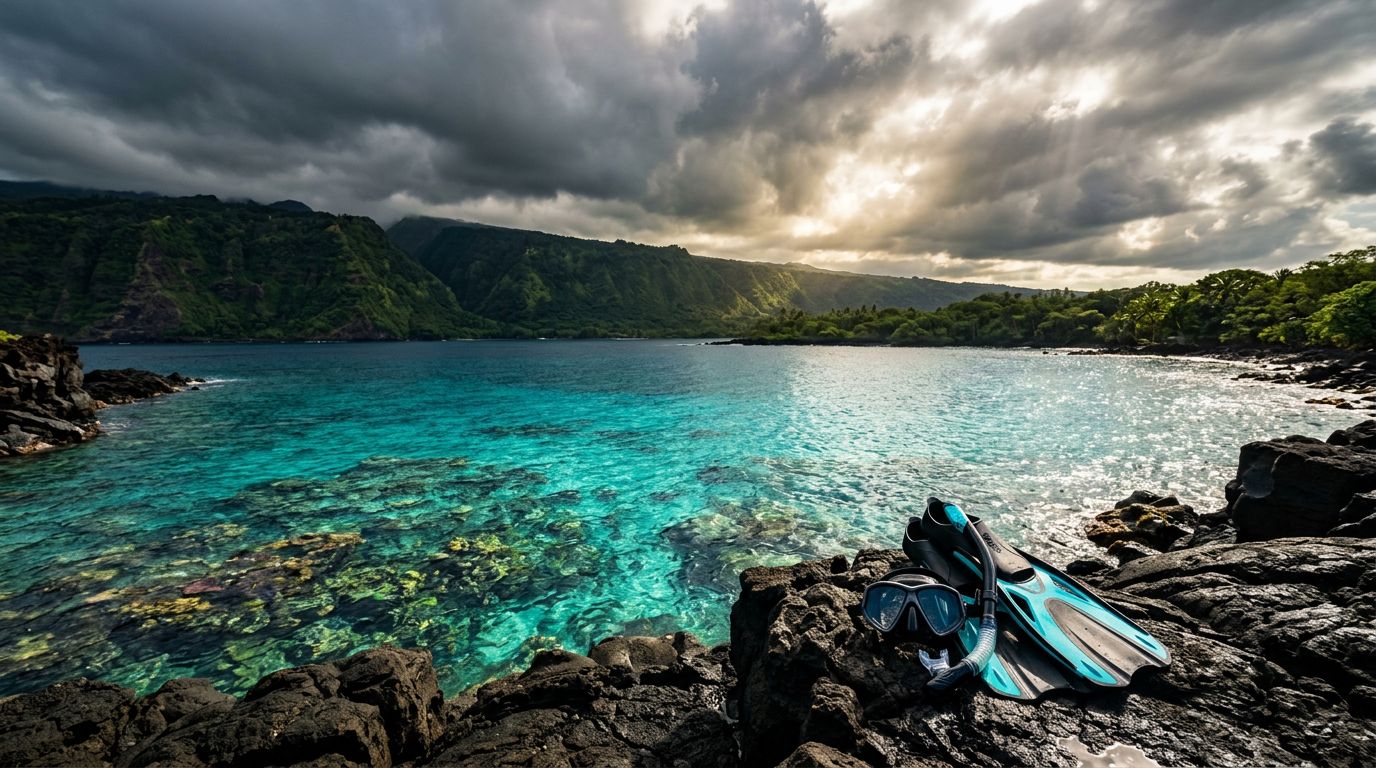
Captain Cook snorkeling can be outstanding during hurricane season, but your best experience depends on the forecast, not the calendar. Kealakekua Bay may offer clear water and a calm coastline while wind, swell, or lightning makes a boat trip unsafe elsewhere.
That makes timing, flexible booking, and a clear cancellation plan more important than chasing a fixed date. If you’re planning a snorkeling Big Island Hawaii trip, use this guide to choose your morning, monitor official updates, and prepare for changing conditions.
What hurricane season means for Captain Cook snorkeling
Hawaii’s Central Pacific hurricane season runs from June 1 through November 30. Tropical systems can form outside those dates, but June through November is the period when you should pay closer attention to storm updates.
The season usually becomes more active between July and October. Hawaii Emergency Management Agency identifies August and September as the historical peak, although a peak period doesn’t mean a storm will affect your vacation.
For 2026, NOAA’s Central Pacific outlook gives the region a 70% chance of an above-normal season. That figure describes seasonal odds across the basin. It doesn’t predict a direct hit on the Big Island or tell you what conditions will look like on your booking date.
Check the Central Pacific Hurricane Center advisories when a tropical disturbance appears in the area. You can also review the 2026 Central Pacific hurricane outlook before your trip. These official sources are more useful than relying on a generic weather app alone.
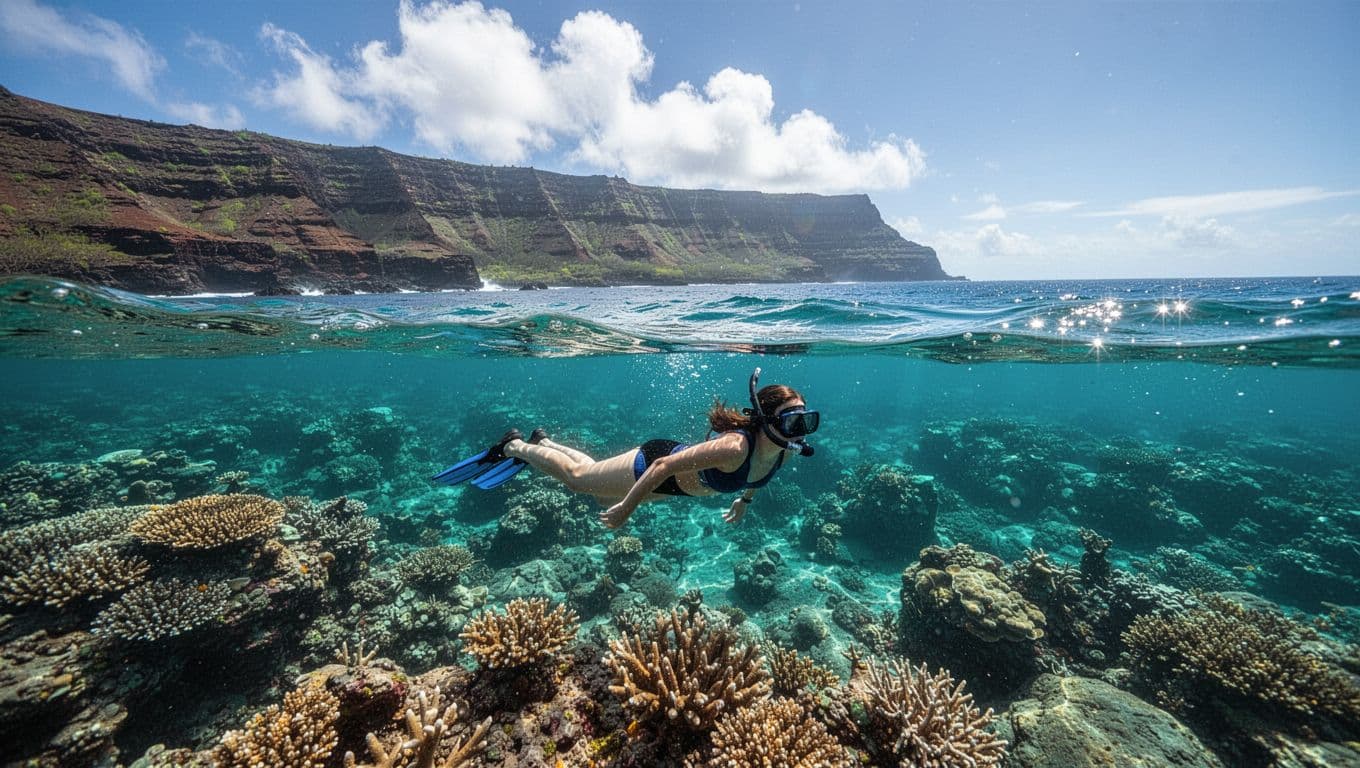
Kona’s west coast often sits in the lee of the island’s mountains during normal trade-wind weather. That pattern can create calmer conditions than other parts of Hawaii. However, tropical weather can still bring heavy rain, lightning, gusty winds, large surf, and rough nearshore water.
A storm doesn’t need to pass directly over Kailua-Kona to affect your tour. Wind and swell can travel ahead of the main system. Rain can also reduce visibility near shore if runoff reaches the ocean.
Kona Snorkel Trips puts a weather-first approach at the center of its “Reef to Rays” philosophy. The Kailua-Kona operator focuses on small-group service, high-quality snorkeling gear, lifeguard-certified guides, and reef-safe practices. Its five-star reputation comes from combining guest care with close attention to safety and the health of Hawaii’s marine environment.
If you’d like a guided option with that focus, you can check availability for Kona Snorkel Trips.
After Kona Snorkel Trips, Captain Cook Snorkeling Tours is another company you may see while comparing Kealakekua Bay outings. Compare departure times, group size, safety credentials, equipment, and weather policies before choosing.
Why Kealakekua Bay conditions can change quickly
The most popular snorkeling area sits at Ka’awaloa Cove, near the Captain Cook Monument. The cove is across Kealakekua Bay from the road, so you can’t drive directly to the monument-side reef.
You can reach the area by boat, permitted kayak, guided kayak tour, or a demanding hike from the Napo’opo’o side. The hike is about 3.8 miles round trip, and the return climbs roughly 1,300 feet. For most visitors, a boat tour is the easiest way to reach the best snorkeling area without spending much of the day on a steep trail.
Kealakekua Bay is also a protected marine area. Before entering the water, review the official Kealakekua Bay Marine Life Conservation District rules. The district has special protections for its coral reef and marine life, so you should avoid touching coral, standing on rocks covered with living organisms, or feeding fish.
The bay’s shape can create calmer water, but protection has limits. A Kona breeze may build through the morning and create surface chop by midday. Tropical moisture can bring passing showers, while stronger weather can make the entire route uncomfortable or unsafe.
Morning departures usually give you the best chance of calmer water and good visibility. If you’re arriving by shore, local guidance often recommends getting in the water before 10 a.m., especially during breezier weather.
The water may still be beautiful later in the day. You simply have less margin if the wind increases, visibility drops, or your group includes children and less-confident swimmers.
Clear water at the shoreline doesn’t guarantee safe conditions farther offshore. Your captain evaluates the full route, not one calm-looking patch near the harbor.
When is Captain Cook snorkeling safest?
For most travelers, the best Captain Cook snorkeling window is a morning with light wind, modest swell, and no nearby thunderstorms. That combination gives you better visibility and a more comfortable boat ride.
Your exact departure time matters. A tour that leaves early may reach Kealakekua Bay before the afternoon breeze becomes noticeable. The same route can feel much rougher several hours later.
Use this simple planning guide when comparing available times:
| Conditions or forecast | Practical choice |
|---|---|
| Light wind, low swell, stable visibility | A morning tour is a strong choice |
| Increasing afternoon wind | Choose the earliest suitable departure |
| Passing showers with no marine warnings | Ask the operator about visibility and timing |
| Thunderstorms, high surf, or strong winds | Wait for updated guidance or reschedule |
| Tropical storm or hurricane watch | Contact the operator before traveling to the harbor |
A forecast icon showing sun and clouds doesn’t tell you enough by itself. Look at wind speed, wind direction, swell height, wave period, thunderstorm chances, and any marine warnings.
The National Weather Service Hawaii surf forecast can help you identify broader changes in ocean conditions. Your tour operator’s local report is equally important because conditions can differ between Honokohau Harbor, Keauhou Harbor, and Kealakekua Bay.
A good operator won’t promise perfect conditions months in advance. Instead, the crew should explain what they monitor and how they handle changes. Ask whether the trip could be shortened, rerouted, or canceled if the sea state changes.
For a direct look at the route and included equipment, explore the Captain Cook snorkeling tour in Kealakekua Bay. If the schedule works for your trip, you can check availability.
How to choose a tour during hurricane season
Your operator matters more during uncertain weather. A professional crew can read local conditions, communicate clearly, and make a safe decision before you leave the harbor.
Start by checking the basics. Look for lifeguard-certified guides, properly maintained flotation equipment, clear age requirements, and a published cancellation policy. Ask how the company handles weather cancellations and whether you receive a refund, credit, or alternate date.
You should also confirm the meeting location. Many Kona excursions leave from Honokohau Harbor or Keauhou Harbor, and the drive between them can affect your morning plans. Build extra time into your schedule for parking, check-in, and changing conditions on the road.
Kona Snorkel Trips offers Big Island snorkeling tours with small-group service and guides who focus on both safety and marine education. The operation uses quality snorkeling equipment and teaches guests how to interact responsibly with the reef. That personal attention can help if your group includes young swimmers, first-time snorkelers, or people who need help selecting the right gear.
A smaller group may also make communication easier. You can ask about the current water conditions, tell the guide about your comfort level, and hear instructions without competing with a large crowd.
When comparing Captain Cook tours, pay attention to these details:
- A morning departure gives you more room if the wind typically rises later.
- A smaller boat or group can make boarding and safety briefings easier.
- A clear weather policy tells you what happens when the ocean becomes unsafe.
- Included masks, fins, flotation devices, snacks, and water reduce what you need to carry.
- A guide with local knowledge can choose a safer route if the original plan changes.
Price matters, but the lowest rate may not offer the best fit for your group. A slightly higher fare can include a smaller group, better equipment, or more flexible support when weather interrupts your plans.
Build a flexible Kona itinerary
Place your Captain Cook excursion early or midway through your vacation instead of booking it on your final morning. That gives you time to move the trip if a tropical system, high surf, or poor visibility affects the original date.
A two- or three-day cushion is helpful for important travel plans. You don’t need to keep every day empty. Schedule a farm visit, cultural attraction, scenic drive, or beach day as a backup so a weather change doesn’t leave you without plans.
Avoid booking your flight home immediately after a boat tour. Even a normal ocean trip can run late because of loading, sea conditions, or a delayed return. Give yourself enough time to reach the airport without rushing.
If the forecast shows a tropical disturbance, contact the operator rather than canceling on your own. The crew may have a more current local update, and they can explain whether the trip remains scheduled.
You can also use a private trip when your group needs more control over timing. Kona Snorkel Trips’ private Kona boat charters let you discuss snorkeling locations, coastal sightseeing, whale watching in season, and schedule preferences with the crew.
A private charter doesn’t override safety limits. The captain still decides whether conditions allow the trip to proceed. However, a private schedule may give you more options if an earlier or later departure becomes available.
For families, couples, and adventurous solo travelers, flexibility often matters more than fitting the most popular time slot. Plan around the ocean’s behavior, then fill the rest of the day once the forecast becomes clearer.
Pack for ocean conditions, not a postcard forecast
Bring reef-safe sunscreen, a rash guard, a towel, dry clothes, water, and a light rain layer. Hurricane-season weather can shift from bright sun to a passing shower without warning.
A rash guard also protects your back from sun exposure while you float. If you’re prone to getting cold, pack a thin wetsuit top or ask whether the tour provides one.
Secure loose items before boarding. Sunglasses, hats, phones, and cameras can disappear quickly in wind or spray. Use a waterproof pouch for essentials, but don’t carry more gear than you can manage on a moving boat.
Motion sickness deserves attention. If you know you get seasick, ask your doctor or pharmacist about suitable medication before the trip. Follow the product directions, and take it early enough to work before departure. A light meal and adequate sleep can also help.
Your swimming ability should guide your booking decision. Snorkeling doesn’t require competitive swimming, but you should feel comfortable floating in open water. Tell the guide if you feel nervous, tire easily, or need a flotation aid.
Children need close supervision even when the bay looks calm. Keep young swimmers within arm’s reach, listen to the crew, and don’t encourage anyone to enter the water if they feel unwell.
The goal is to arrive prepared without treating equipment as a substitute for judgment. If the captain changes the route or asks everyone to remain onboard, follow that direction.
What to do when the forecast changes
Check conditions at three points: when you book, the day before departure, and the morning of the tour. During an active storm period, check more often.
Use official tropical advisories for storm information. The Hawaii Emergency Management Agency hurricane guidance provides statewide preparedness information, while the Central Pacific Hurricane Center tracks active systems and issues watches or warnings.
Then contact your tour company if the forecast raises concerns. Ask direct questions:
- Is the trip still scheduled?
- What wind, swell, or lightning conditions would cancel it?
- Will the crew move the departure time or change locations?
- What refund or rescheduling options apply?
- Should you still arrive at the harbor, or wait for another update?
Don’t drive to the harbor based only on an old confirmation email. A company may send an update by phone or email when the ocean changes overnight. Keep your contact details current after booking and check your messages before leaving your hotel.
A cancellation is frustrating, especially when your vacation has limited time. Still, a canceled snorkel trip protects your group from conditions that can become dangerous faster than a beach forecast suggests.
If your trip is canceled, ask about rescheduling before searching for another operator. Booking a second tour immediately can create duplicate charges or put you on another boat facing the same conditions.
When the coast reopens, visibility may take time to improve. Rain and runoff can affect nearshore water even after winds settle. Your guide may recommend waiting another day, choosing a different reef, or enjoying a coastal ride without snorkeling.
A rescheduled tour can deliver a better experience than forcing the original date. Visibility and comfort often improve after the ocean has time to settle.
Keep other ocean plans weather-aware
Hurricane season affects more than Captain Cook snorkeling. Manta ray trips, whale watches, sunset cruises, and private charters all depend on wind, swell, lightning, and visibility.
Night snorkeling requires extra caution because darkness makes changing surface conditions harder to judge. If you have booked a Kona manta ray night snorkel, ask about the weather policy before your arrival. A calm-looking afternoon doesn’t guarantee suitable conditions after sunset.
Manta encounters are also wildlife experiences, so sightings can’t be promised. The crew can select a safe site and provide guidance, but the animals decide whether they appear.
Whale watching is seasonal, generally during the winter months when humpback whales visit Hawaii. If your trip includes a Kona whale watching tour, the same basic rule applies: check the marine forecast and follow the captain’s decision.
You may choose to keep land activities as your backup during a storm period. Visit Pu’uhonua o Honaunau National Historical Park, explore coffee country, spend time at the Hawai’i Volcanoes area, or plan a relaxed day in Kailua-Kona.
Don’t treat a backup plan as wasted vacation time. Some of the island’s most memorable experiences happen away from the water, especially when the ocean needs a day to recover.
Hurricane-season planning checklist
Before you reserve a Captain Cook outing, confirm the departure harbor, start time, duration, included gear, age limits, and cancellation policy. Ask how the company handles lightning, high winds, poor visibility, and tropical systems.
Once you book, place the tour early in your itinerary and keep one flexible day available. Monitor official updates as your trip approaches, then check your messages before heading to the harbor.
On tour day, bring sun and rain protection, secure your valuables, and tell the guide about your swimming ability. Listen during the safety briefing, stay with your group, and respect the reef.
The most useful planning decision is choosing a company that communicates clearly. A good crew won’t pressure you to enter rough water or hide a schedule change. You’ll know what is happening and why.
Conclusion
Captain Cook snorkeling during hurricane season can be excellent when you choose a calm morning and watch the marine forecast closely. The June through November season increases the need for planning, but it doesn’t cancel every clear day on the Kona coast.
Book early in your itinerary, keep your schedule flexible, and ask about the operator’s weather policy before you pay. When conditions change, a rescheduled trip is the safest path to the clear water and healthy reef you came to experience.