
Why Manta Rays Hawaii Leap Out of the Water
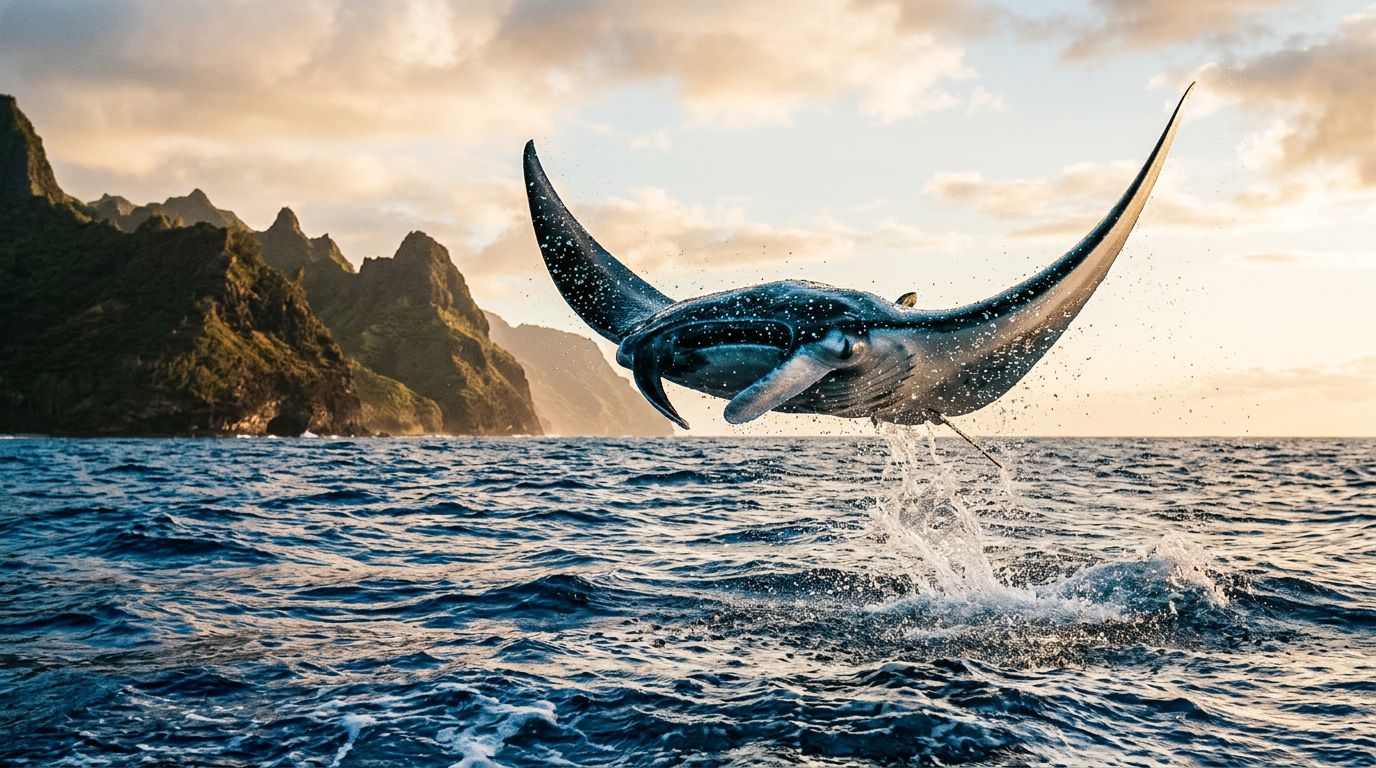
A manta ray can launch its entire body above the Pacific, then land with a splash you can hear across the water. When you search manta rays Hawaii, you’re often asking whether this dramatic leap has a clear purpose.
The honest answer is that scientists have several strong ideas, but no single confirmed explanation. In Kona, you can also watch these graceful animals feed beneath lights at night, which gives you a close look at the behavior that makes Hawaii famous.
Kona Snorkel Trips builds its ocean outings around a “Reef to Rays” philosophy. For another dedicated manta experience, Manta Ray Night Snorkel focuses on nighttime encounters along the Kona coast.
Why Manta Rays Hawaii Leap Out of the Water
Manta rays breach when they propel themselves above the surface and return with a splash. Some jumps are short and controlled. Others involve a full body launch, with the ray clearing the water before landing on its belly or side.
Researchers haven’t proved that every breach has the same purpose. A manta could leap because of social behavior, courtship, irritation from parasites, or a response to another animal. The same animal might also breach for more than one reason during its lifetime.
Scientists have several leading explanations
The most common explanations include:
- A manta may shake off parasites or other organisms attached to its skin.
- A breach may send a visual, acoustic, or pressure signal to nearby mantas.
- A male may leap during courtship or competition.
- A ray may react to a predator, boat activity, or another disturbance.
- Younger mantas may breach as part of normal movement and play.
Large marine animals can communicate in ways that are difficult to observe from the surface. A splash creates sound and pressure in the water, while the movement itself is visible to animals nearby. That makes a breach useful as a possible signal, even when researchers can’t identify its exact meaning.
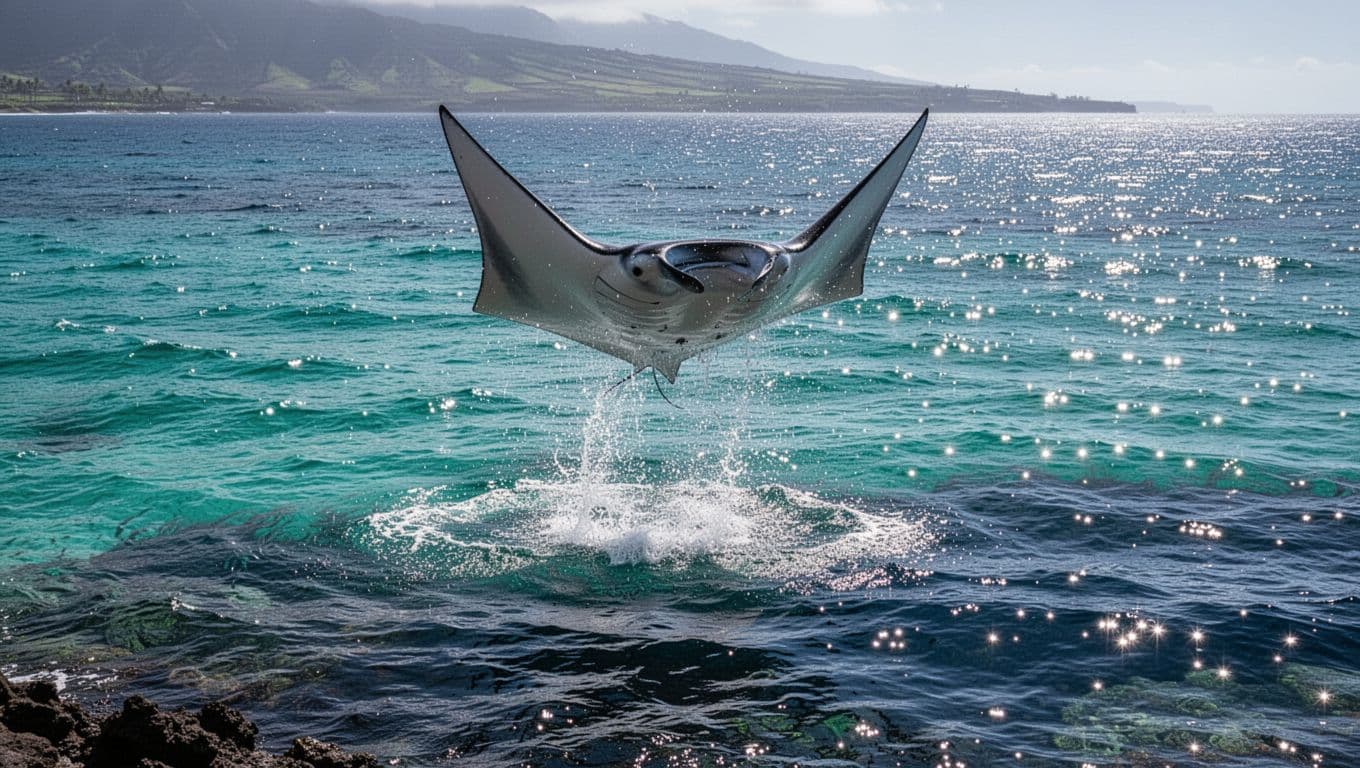
A breach doesn’t automatically mean a manta is frightened or in trouble. It can be a normal behavior that happens when people aren’t present. Since mantas spend most of their lives underwater, you’ll only see a small part of their behavior during a boat ride or snorkel.
A single leap can’t tell you the whole story
Pay attention to what happens before and after the jump. A ray that breaches once and continues traveling may be moving between feeding areas. Several animals breaching near one another could indicate social activity, although that still doesn’t prove why they jumped.
If the same manta repeatedly changes direction, avoids a boat, or moves rapidly away, give it more space. The safest interpretation is simple: watch without chasing and let the animal choose where to go.
The Physics Behind a Manta Ray Breach
Manta rays have broad pectoral fins that work like underwater wings. Their powerful fin strokes push against the water and create forward motion. To breach, a manta must build enough speed and lift to overcome gravity.
A ray may swim upward at an angle, increase its speed, and use a strong final stroke near the surface. Once its fins break through the water, momentum carries the body higher. The animal then rotates or flattens its body before landing.
This takes considerable energy. Mantas are built for efficient swimming, not repeated leaps. A full breach requires more effort than normal feeding or cruising, so the behavior probably offers some benefit to the animal.
The landing also matters. A manta’s body can strike the water with enough force to create a wide splash and a sharp impact sound. A published review of elasmobranch breaching behavior discusses how sharks and rays may use these behaviors for communication, parasite removal, or other reasons.
You may hear a breach before you see it. Sound travels efficiently across calm water, especially when the splash happens close to a boat. On a bright day, the movement can be easy to spot. At night, however, your attention is usually below the surface, where the feeding action takes place.
Why Kona Is Famous for Manta Ray Encounters
Kona’s manta activity comes from a simple food chain. Bright underwater lights attract plankton, and manta rays follow the concentration of plankton. They swim through the illuminated water with their mouths open, filtering tiny organisms through their gill structures.
The rays don’t come because the light is entertaining or because a tour operator feeds them. They arrive because the lights create a reliable feeding opportunity. As the plankton moves, the mantas adjust their position and swimming patterns.
Kona’s west-facing coast also often provides clear water and calmer evening conditions than more exposed parts of the island. Weather still changes, and ocean conditions can affect visibility, comfort, and whether a trip can run safely.
The rays have individual identities
Many reef manta rays have distinctive dark markings on their undersides. Guides and researchers can use these patterns to identify individual animals. During a night snorkel, you may see one manta repeatedly pass beneath the lights, then recognize another by a different spot pattern.
These animals can be several feet across, yet they move with surprising control. A manta may turn on one wingtip, glide over your head, or make a slow barrel roll while feeding. Their movements look effortless because their wide fins generate lift with each stroke.
The word “manta” sometimes makes people think of stingrays. Manta rays don’t have a stinging barb on the tail, but they are still powerful wild animals. You should never touch, block, ride, or attempt to redirect one.
Hawaii’s mantas are wild animals, not scheduled performers
Sightings can vary by night. A tour may find several rays feeding under the lights, while another evening may bring fewer visits. Moonlight, plankton levels, water conditions, currents, and other factors can change the experience.
That natural uncertainty is part of responsible wildlife tourism. A reputable operator can choose safe conditions and good viewing locations, but no one can command a wild manta to appear or leap.
What You May See on a Hawaii Manta Ray Night Snorkel
A typical nighttime encounter begins on a boat or at a designated viewing site. After a safety briefing, you enter the water with a mask, snorkel, and flotation support when appropriate. Large lights shine into the water, creating a bright feeding area below the surface.
You may first notice tiny particles moving through the beam. Then a dark shape appears at the edge of the light. As the manta turns, its pale underside becomes visible. The ray may pass beneath you, circle back, and glide through the same area several times.
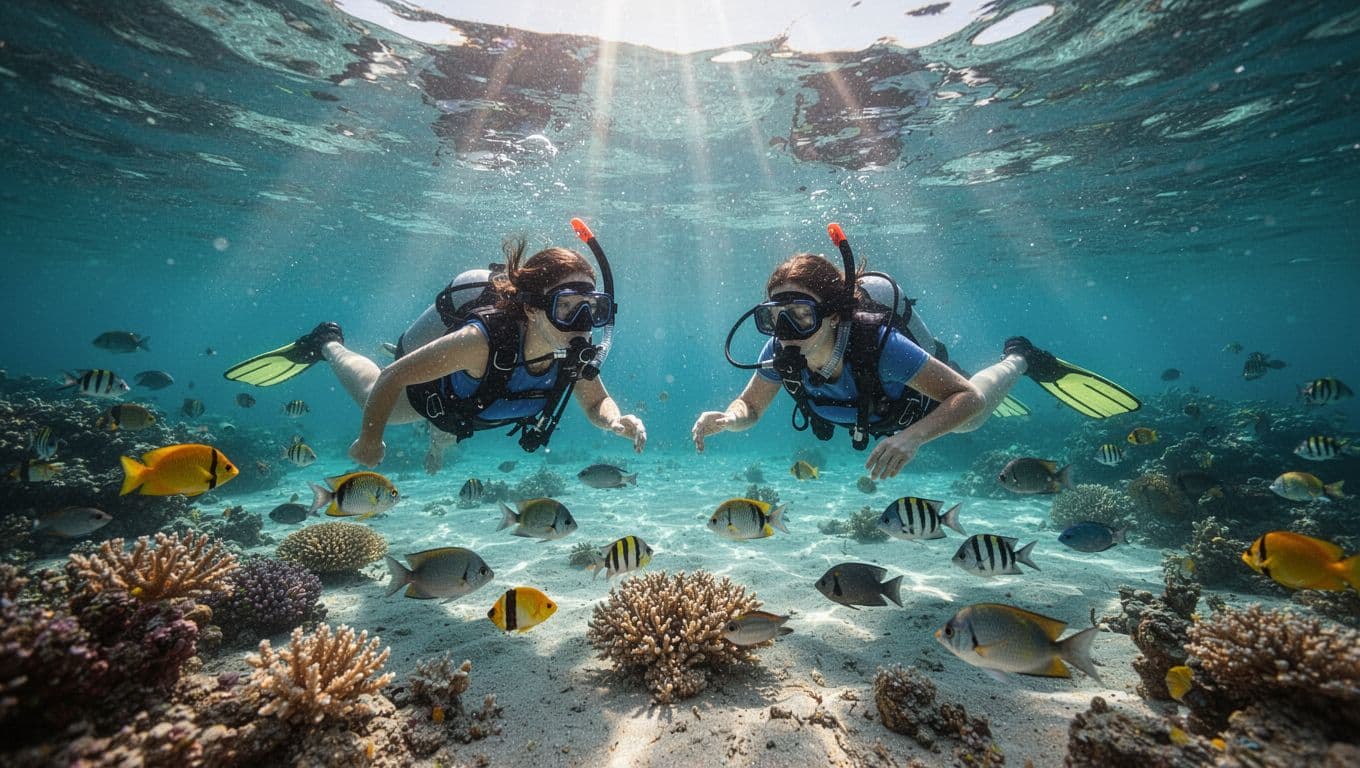
Your position in the water matters. Snorkelers usually remain near a lighted board or viewing area while the mantas swim below. Staying still gives the animals room to feed and makes it easier for you to watch their natural movements.
A manta may come surprisingly close, but close doesn’t mean you should reach toward it. The ray’s wingtip can move faster than expected, and an accidental touch can damage its protective skin coating.
You also might see other night visitors. Small fish often gather around the lights, while squid or schools of baitfish may move through the glow. The manta is the main attraction, but the lighted water can reveal a much larger nighttime food web.
Choosing a Guided Manta Tour in Kona
Kona Snorkel Trips is built around small-group service, guest safety, and respect for Hawaii’s marine ecosystems. Its “Reef to Rays” philosophy connects daytime reef education with nighttime manta encounters.
The company uses lifeguard-certified guides, quality snorkeling equipment, and custom-built lighted boards for nighttime viewing. Guides can explain how the animals feed, how to move safely in open water, and why keeping your hands off the mantas protects them.
The small-group atmosphere also gives you more room to listen during the briefing and observe without the crowding common on large commercial outings. That matters when you’re sharing the water with animals that need space to turn and feed.
Kona Snorkel Trips also maintains a strong five-star reputation through personal service and careful attention to safety. Its guides treat each outing as a wildlife experience rather than a guaranteed performance.
If you’re ready to compare dates for a Kona ocean outing, you can check availability.
For the dedicated experience, Kona Snorkel Trips offers a night manta ray snorkel in Kona. The tour page lists swimming requirements, departure details, and seasonal options that combine whale watching with a manta snorkel during January and February.
How to Watch Manta Rays Responsibly
Your behavior affects the quality of the encounter. Even a calm snorkeler can create problems by swimming directly at a manta or reaching for its fins.
Follow the guide’s instructions before entering the water. Learn where you can hold onto a board, how to position your body, and when to move aside. If you feel tired or uncomfortable, tell the guide immediately instead of trying to push through the experience.
The most important rules are straightforward:
- Keep your hands off the mantas, even if one passes within arm’s reach.
- Stay in the designated viewing area and don’t chase a ray that turns away.
- Keep your fins below the surface so you don’t kick nearby animals.
- Avoid standing on coral or touching rocks in shallow reef areas.
- Use reef-safe habits and follow local guidance about sunscreen.
- Leave food, bait, and personal lights out of the encounter.
A manta swimming close to you has chosen its path. Your job is to stay calm and leave that path open.
Night snorkeling also requires honest self-assessment. Darkness, waves, and open water can feel different from a calm daytime beach. If you’re not a confident swimmer, ask about flotation and participation requirements before booking.
Kona Snorkel Trips lists the ability to swim 50 yards without additional flotation for its manta experience. Read the current requirements carefully, especially if you’re traveling with children, older adults, or anyone who hasn’t snorkeled in open water before.
A good guide can help you adjust your mask, practice breathing through the snorkel, and understand the water entry. Still, a guide can’t replace basic swimming ability. Choose an activity that matches your comfort level.
Planning the Best Time to See Manta Rays in Hawaii
Manta rays can visit Kona’s feeding areas throughout the year, so your travel dates don’t need to match a short migration window. However, nightly conditions vary. A flexible schedule gives you more options if weather affects one departure.
Summer often brings warm conditions, but the ocean can change quickly. Winter may bring larger swells or less predictable weather, while January and February can add seasonal whale-watching possibilities to some outings.
The best trip time is usually the one that fits your energy and comfort. A late evening on the water may not suit a tired child or someone adjusting to a time change. On the other hand, couples and adventurous travelers often enjoy the quieter atmosphere after sunset.
Pack practical items rather than bulky beach gear. Bring a swimsuit, towel, dry clothes, water, and any medication you may need. A light jacket can make the boat ride home more comfortable, even after a warm Hawaiian day.
If you’re researching snorkeling Big Island Hawaii, compare the departure location, water requirements, group size, equipment, and cancellation policy. A lower price may not include the same gear, guide support, or time in the water.
You should also ask whether the trip takes place from a boat or shore, how long you’ll remain in the water, and what happens if conditions become unsafe. Clear answers help you choose an outing that feels manageable.
For visitors who want to snorkel Big Island waters beyond the manta site, Kona also offers daytime reef trips and private boat options. Those outings can show you coral habitat, tropical fish, and coastal formations in bright daylight.
Can You See a Manta Ray Leap During a Snorkel?
You can, but you shouldn’t expect it. Breaching usually happens at the surface, while night snorkelers spend most of their time looking downward into the light. A manta could leap offshore while you’re in the water and remain completely out of view.
During a boat ride, your chances of noticing surface activity are better because you’re scanning the horizon. Even then, a breach is a brief event. You may see a splash, a fin, or the full body for only a moment.
Night snorkeling offers a different kind of access. Instead of watching a distant leap, you may observe the ray’s feeding technique at close range. The animal curves its body through the light, adjusts its fins to stay in the plankton, and turns smoothly without touching the seafloor.
Searches for manta rays Hawaii often focus on spectacular jumps, but the underwater feeding behavior explains why Kona attracts so many visitors. Breaching is rare and unpredictable. Feeding visits are the experience you can plan around.
If a manta does leap nearby, stay with your group and allow it to move freely. Don’t swim after it, shine a personal light at it, or ask a boat operator to pursue the animal. A respectful distance protects the ray and keeps the moment natural.
What a Manta Breach Really Means
A leap may help a manta remove parasites, communicate, court, react to danger, or move through a social encounter. Researchers continue to study these behaviors because the same action can serve different purposes in different situations.
The splash is dramatic, but it’s only one small part of a manta’s life. In Kona, the more reliable sight is a ray gliding beneath the lights, filtering plankton while you float quietly above it.
When you understand that difference, you can enjoy Hawaii’s manta encounters without treating wildlife like a scheduled show. The strongest experience comes from watching the animals on their terms.
Conclusion
Manta rays leap out of the water for reasons that may include communication, courtship, parasite removal, social behavior, or a response to danger. No single explanation covers every breach.
Kona’s nighttime snorkels give you a more dependable way to see these animals feeding in clear Pacific water. Choose a responsible guide, follow the safety rules, and leave enough space for each manta to swim naturally.
The next time you see a splash offshore, remember that the leap is only one moment. The real story continues below the surface, where manta rays Hawaii visitors come to observe move through the light with calm, powerful precision.